&width=72&height=72&bgcolor=rgba_39_42_44_0&mode=crop "Author: Poky")
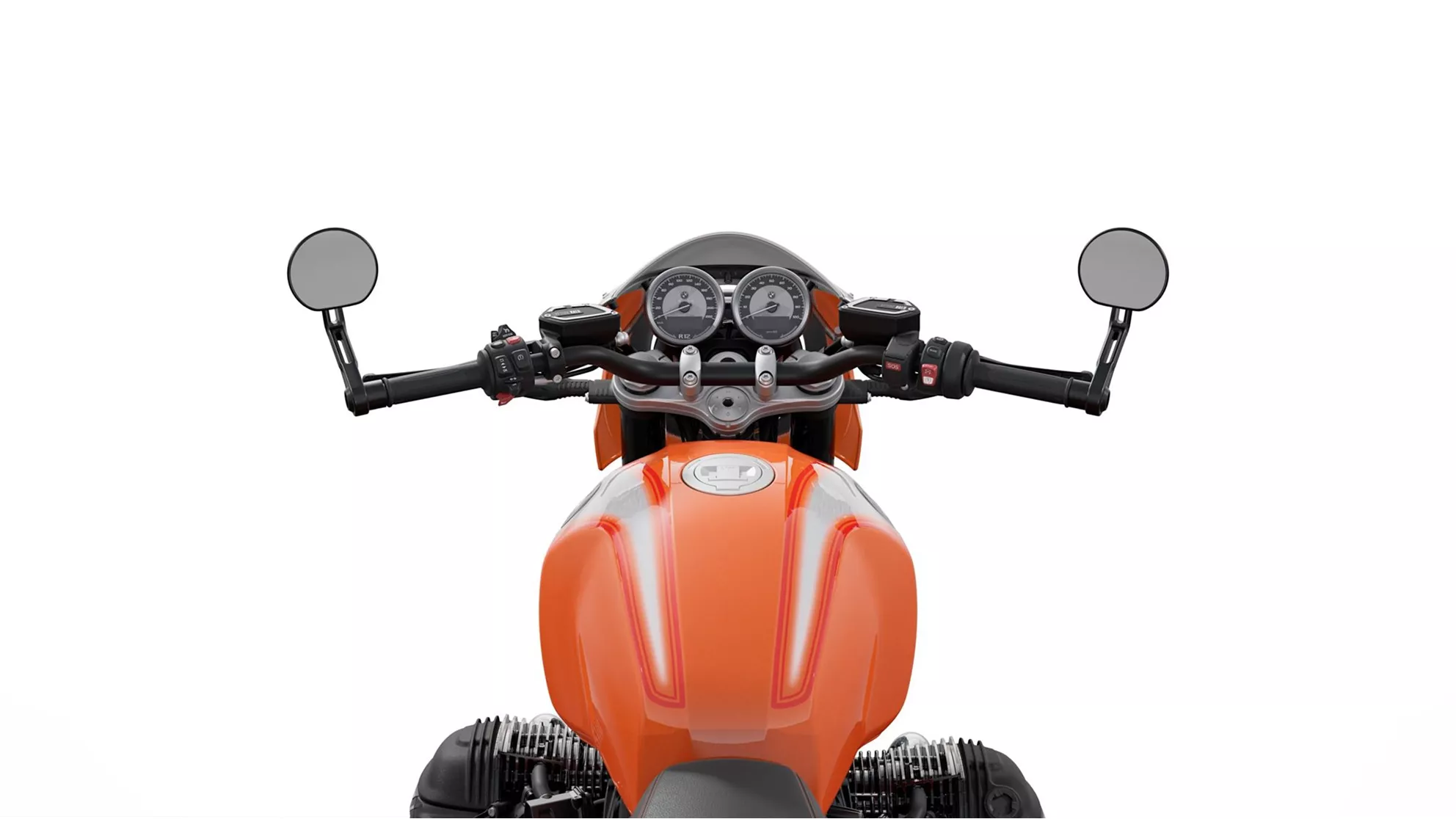
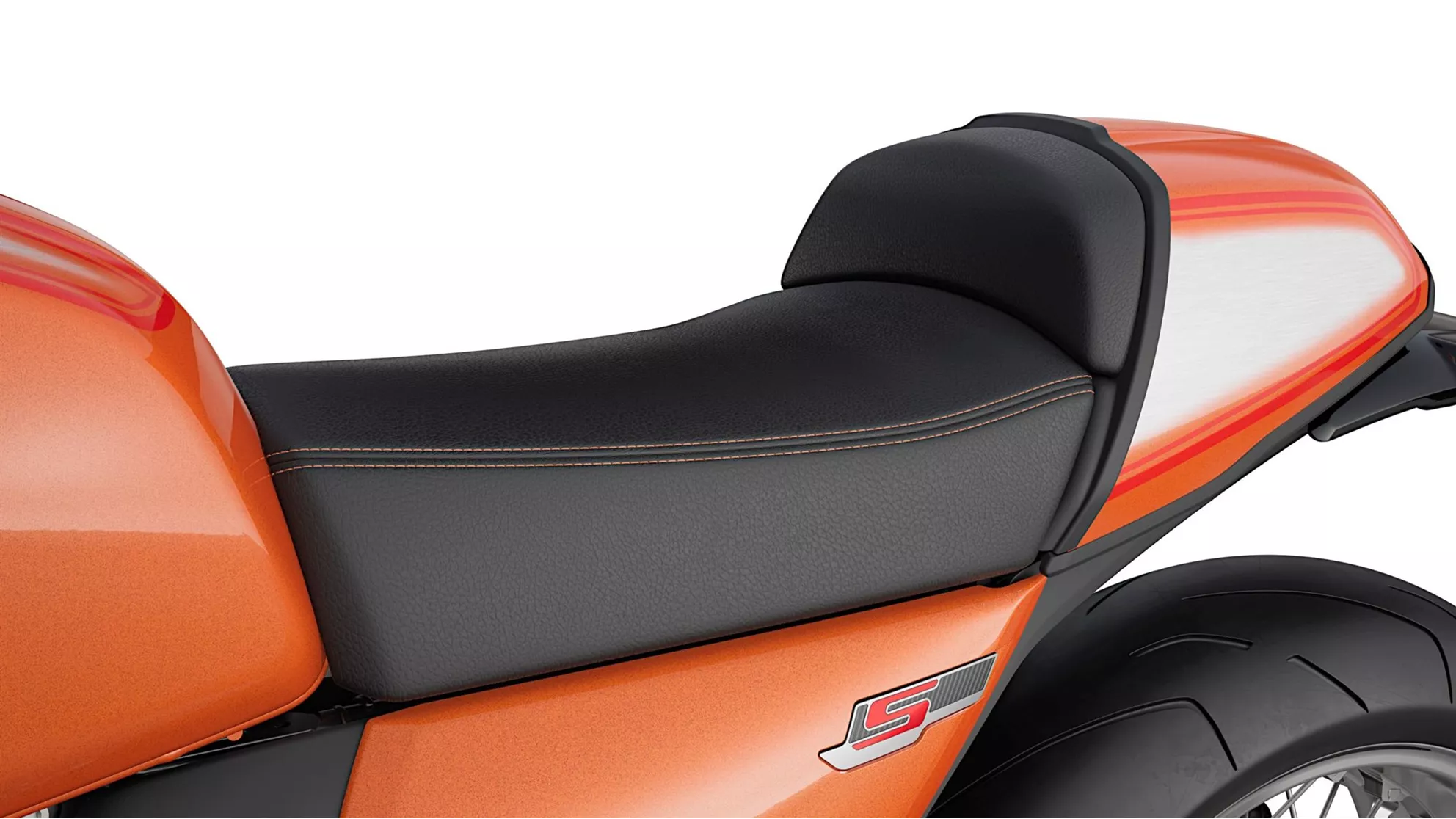
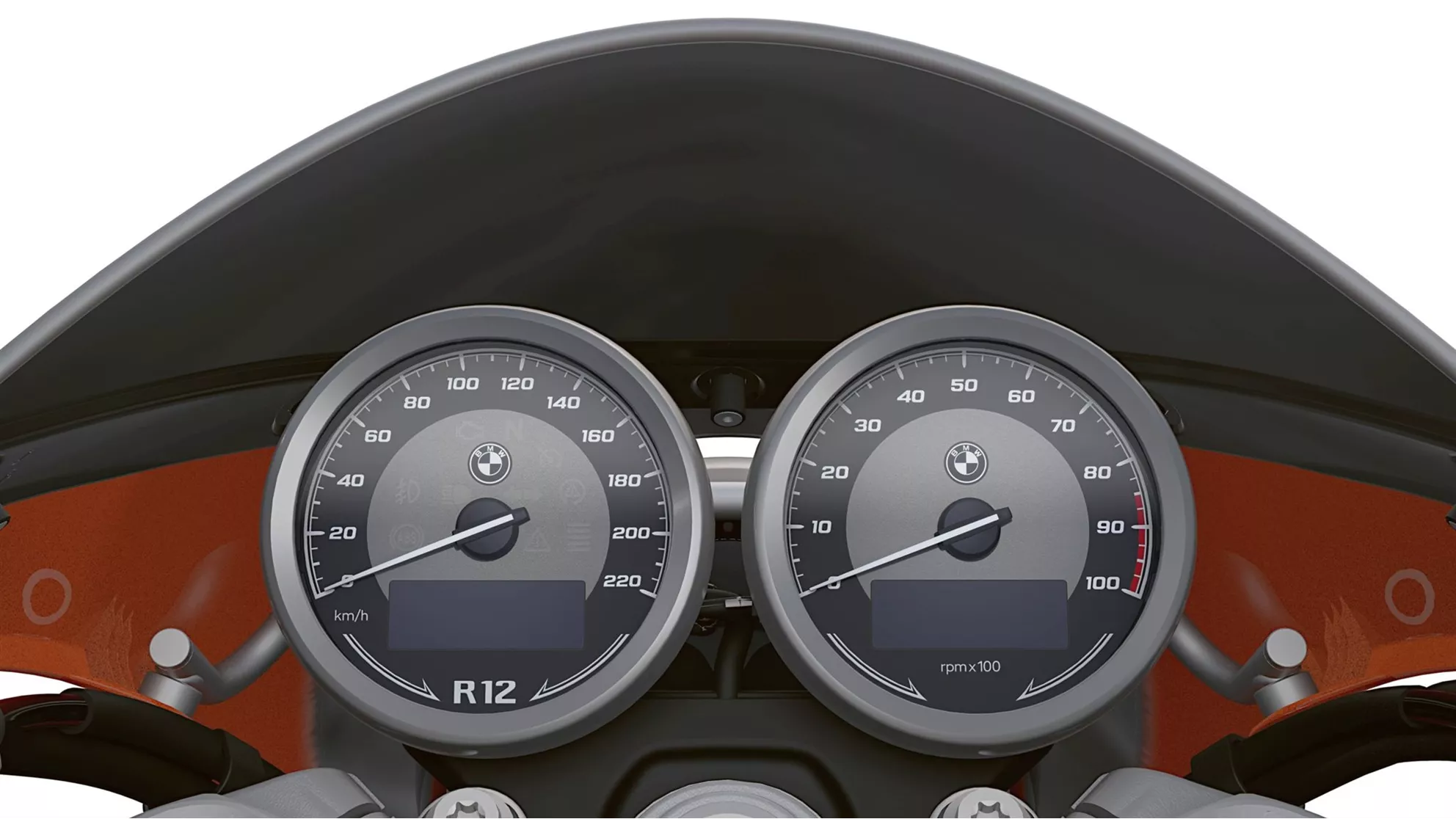
Rounded shapes, like those seen on the BMW R 12 S, draw attention in a particular way. They appear softer, more inviting, often even calming. Angular shapes, on the other hand, convey a certain hardness, rigidity or sense of distance.
In nature, rounded shapes are everywhere. The curved lines of leaves, the gentle bends of a river or the round shape of fruit - everything appears organic, flowing, harmonious. Angular structures are rarer and are often associated with breakage or danger, like sharp-edged rocks or thorns.
This effect is also deliberately used in architecture and design. Cars with soft, aerodynamic lines look more modern and dynamic. Furniture with rounded edges radiates warmth and coziness. Even in technology, many companies rely on gentle curves - from smartphones to app interfaces, which appear more pleasant and intuitive thanks to their soft shapes. The brain reacts to these differences. Studies show that rounded shapes activate the reward system more strongly, while angular elements are often unconsciously perceived with caution or skepticism.
Ultimately, shapes influence how we experience our surroundings. Rounded lines stand for openness, safety and harmony. They make a design not only visually more appealing, but also more emotionally accessible.
&width=60&height=60&bgcolor=rgba_39_42_44_0&mode=crop "Author: Poky")