"Leave us your experiences in the comments" isn't just a throwaway line we tack onto the end of a 1000PS video. Nobody can give a deeper insight into the character of a bike than its owner. That's why your comments are so valuable. We've combed through the comments of numerous Kawasaki Z900 videos to gather your experiences here in this report.
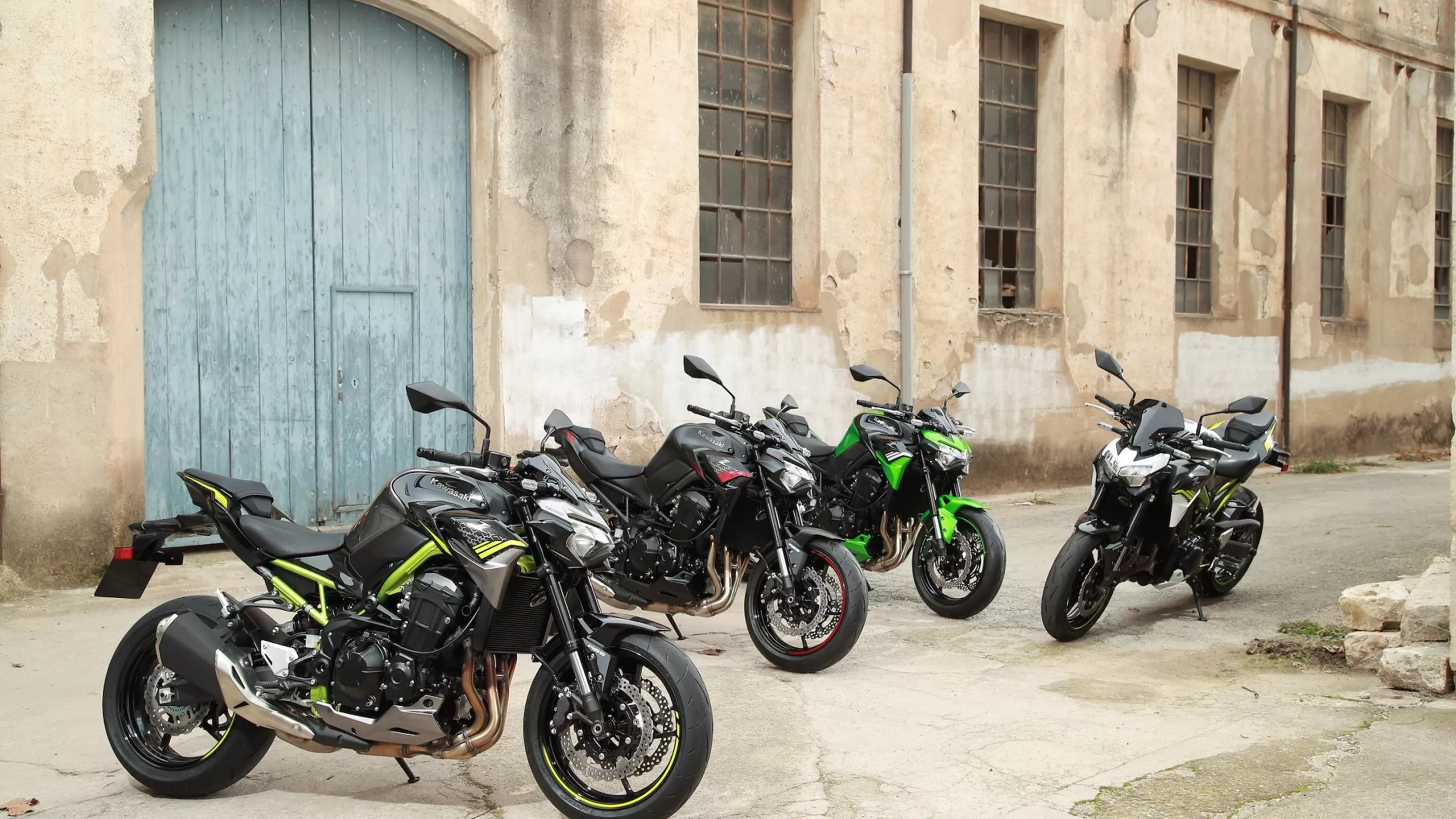
Strengths & Weaknesses: Kawasaki Z900 (2017 to 2024)
The 1000PS community reports
From day one, the Kawasaki Z900 has proven itself a popular naked bike. But what speaks for it, and where does it fall short? The 1000PS community has shared their experiences with us.
&width=72&height=72&bgcolor=rgba_39_42_44_0&mode=crop "Author: Der Horvath")
Der Horvath
published on 30/12/2024
31,274 Views
About the Kawasaki Z900 (2017 to 2024)
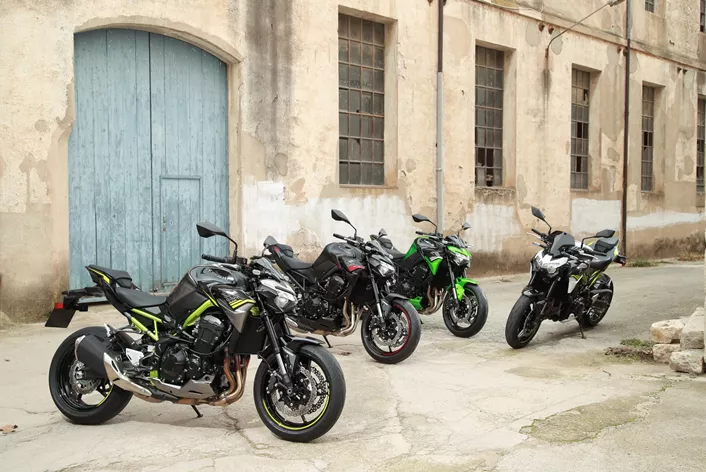
The Kawasaki Z900, since its introduction in 2017, is a versatile naked bike that combines strong performance, agile handling, and modern design. Its 948cc inline-four engine delivers 125 hp and a linear power delivery, ideal for both sporty and everyday riding. From 2020 onwards, it received important updates such as traction control, riding modes, and a TFT display, further boosting its appeal. With variants like the Z900 SE (premium suspension) and the retro-styled Z900 RS, it covers a broad spectrum of rider types. Despite lacking features like a quickshifter, it remains a bestseller in its class thanks to its excellent value for money and reliability.
You can find our tests of the Kawasaki Z900 here: Kawasaki Z900 Test Reports.
Kawasaki Z900 Strengths
Based on your comments under the YouTube videos, the strengths of the Kawasaki Z900 are as follows:
- Value for money: Very good balance of features, performance, and price. Many users praise the affordability and quality for the price.
- Riding pleasure and handling: The bike is described as very agile, nimble, and intuitive, especially on twisty roads and in the Alps. Despite a weight of around 210 kg, it feels stable and trustworthy.
- Reliability: Many long-term owners report high reliability without unscheduled repairs, even at high mileages.
- Versatility: Suitable for both beginners (e.g. restricted to 35 kW) and experienced riders. Good everyday usability and long-distance touring capability with appropriate adjustments to the seat.
- Design and sound: The design is frequently praised, perceived as sporty and distinctive. The sound of the four-cylinder pleases many riders.
- Engine: The four-cylinder engine is praised for its smoothness, linear power delivery, and strong pull.
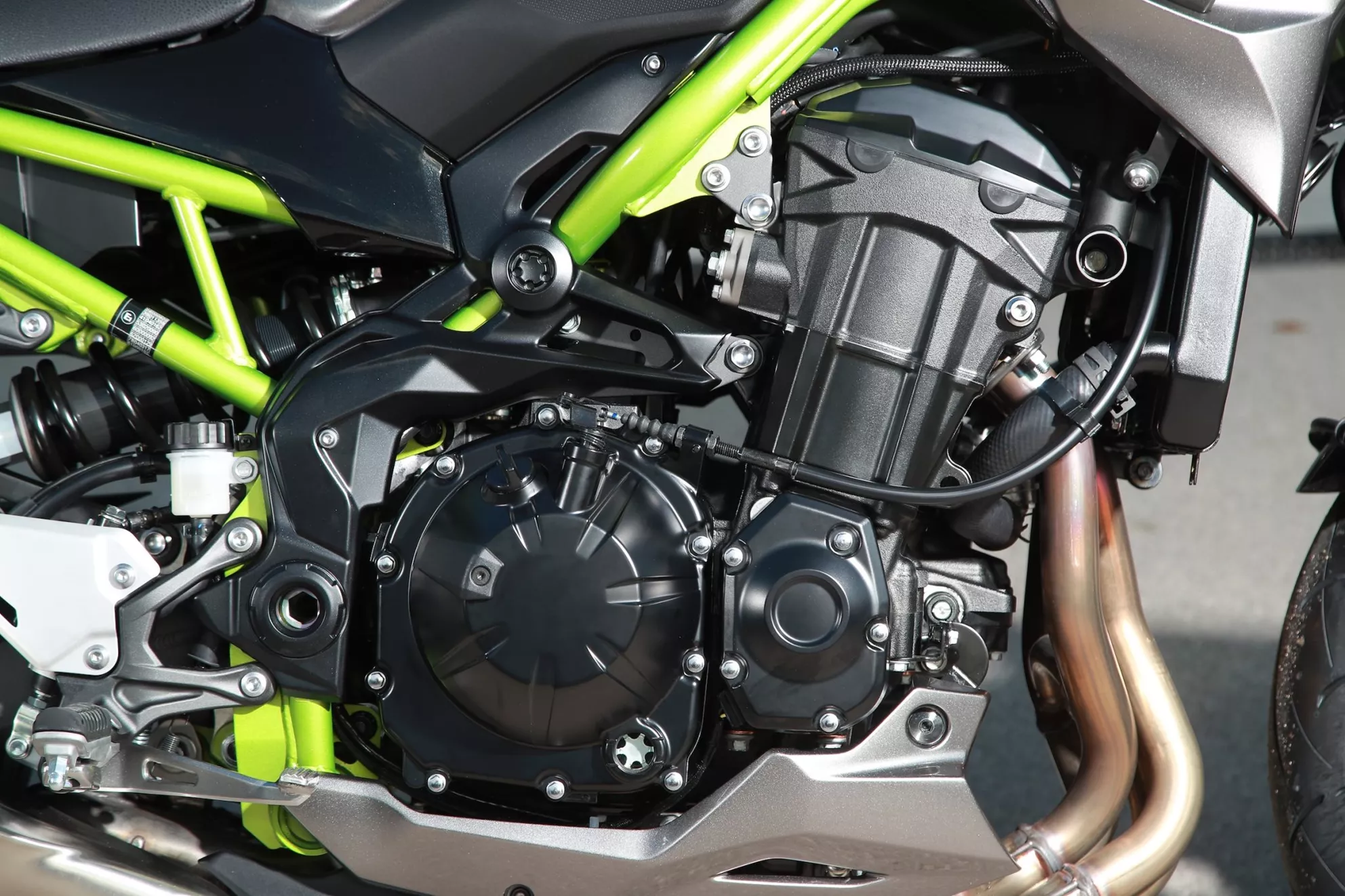
The pick of the litter: the Z900 four-cylinder.
Kawasaki Z900 Weaknesses and Problems
Based on your comments under the YouTube videos, the weaknesses of the Kawasaki Z900 are as follows:
- Lack of modern electronics: Criticism for the absence of a quickshifter, blipper, and other electronic features such as cornering ABS or ride-by-wire, which have by now become standard in the class.
- Ergonomics: The seating position and seat are not considered comfortable by everyone, especially for taller riders or longer rides.
- Cockpit and controls: The TFT display and menu navigation are seen as not very intuitive and could be more modern.
- Suspension: Although described as solid, it lacks finer adjustability, making it harder to tailor to individual preferences.
- Limited maximum lean angle: Some riders complain that the pegs scrape early.
- Weight: Although the weight is less noticeable while riding, it's perceived as a disadvantage compared to lighter competitors.
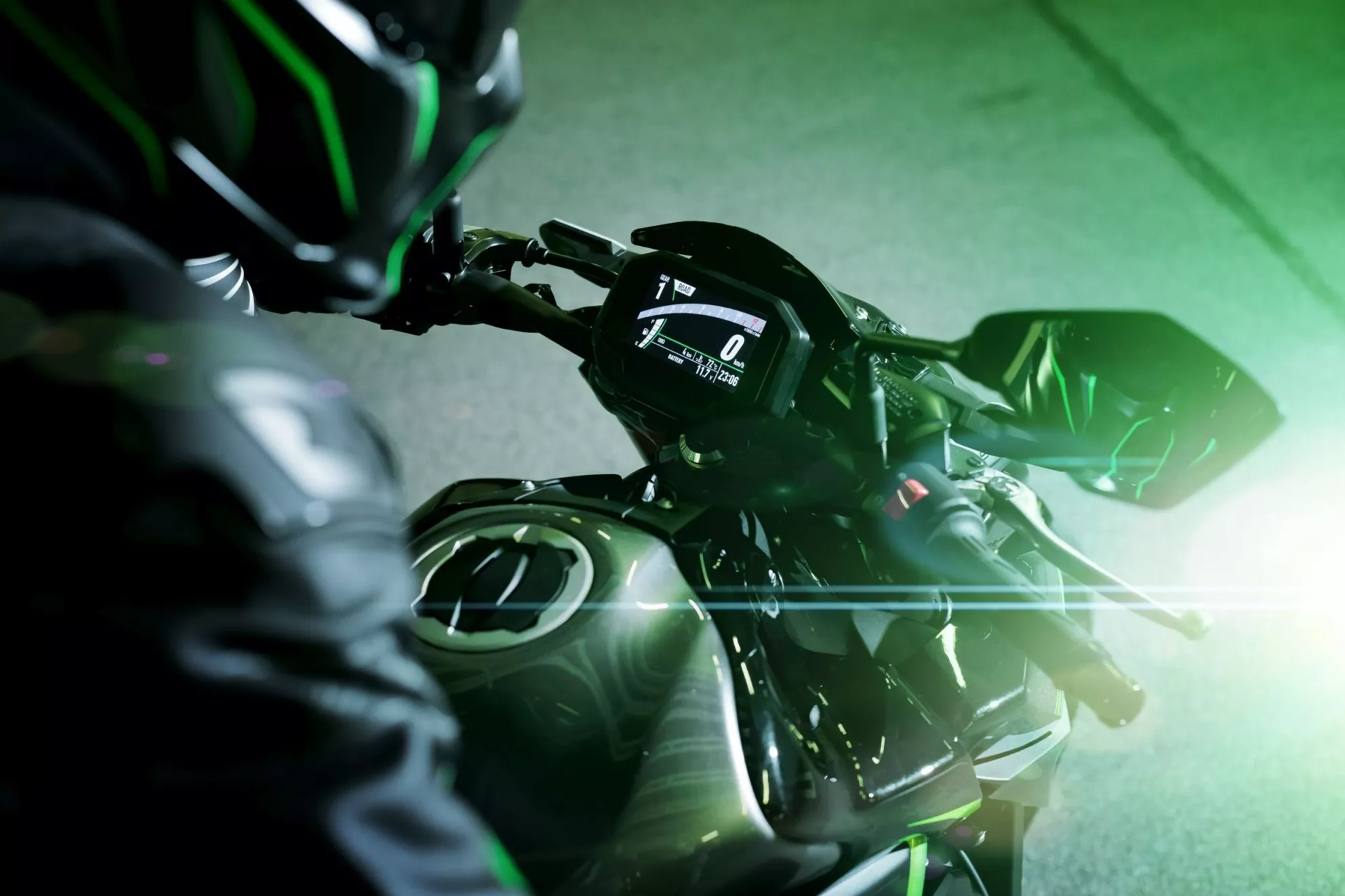
The Kawasaki display offers plenty of features, but operation is a bit clunky.
Conclusion: Strengths and Weaknesses of the Kawasaki Z900 up to 2024
The Kawasaki Z900 presents itself as a solid naked bike with excellent value for money. Its strength lies above all in the combination of a powerful four-cylinder engine, intuitive handling, and versatility, which appeals to both beginners and experienced riders. Particularly noteworthy are its reliability, long-distance touring capability (with appropriate adjustments), and timeless design, which many riders find appealing.
Despite these strengths, the Z900 shows weaknesses when it comes to modern electronics. Features such as a quickshifter, blipper, or cornering ABS are missing, making it appear somewhat old-fashioned compared to competitors. Ergonomics and maximum lean angle are also not considered optimal by all users. Operation of the TFT display could be more intuitive, and the comparatively high weight is seen by some as a drawback.
Who is the Z900 suited for?
Overall, however, the Kawasaki Z900 convinces with a down-to-earth, reliable, and fun-focused character that deliberately does without unnecessary frills. It's the perfect choice for riders looking for an uncomplicated yet powerful naked bike, equally suited to everyday use and spirited riding on country roads. For tech enthusiasts or perfectionists, however, there are alternatives with more high-tech features in the same price class.
The 2025 model year is set to fulfil fans' wishes
From 2025, the next generation follows, promising significant improvements. The proven 948cc inline-four engine has been optimised to improve revviness and pull, while fuel consumption has been reduced by 16%. New additions include ride-by-wire, improved ergonomics with optional seat heights, and more precise handling thanks to a reworked chassis. The electronics have also been significantly expanded: cornering ABS, a quickshifter with blipper function, cruise control, and a new 5-inch TFT display with turn-by-turn navigation are now standard. The SE version shines with Öhlins suspension and Brembo brakes. You can find more information here: Kawasaki Z900 2025.
More reports on used motorcycles
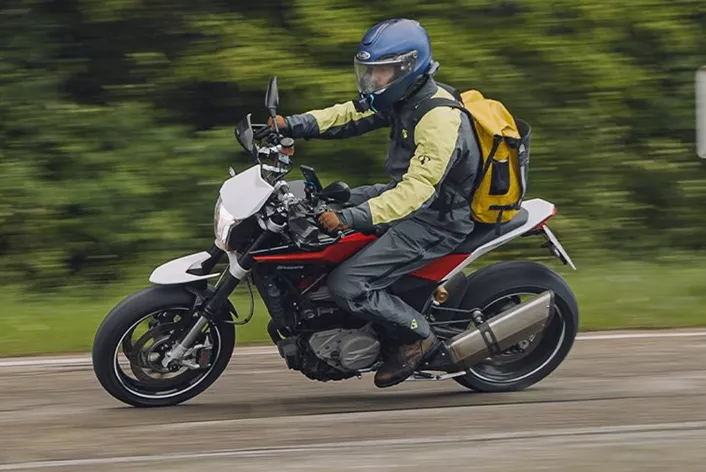

Strengths & Weaknesses: Kawasaki Z900 (2017 to 2024) Images
Source: 1000PS

The Kawasaki Z900, since its launch in 2017, is a versatile naked bike that combines high performance, agile handling, and modern design. Its 948 cc inline-four engine delivers 125 hp with a linear power delivery, perfect for both sporty rides and everyday commuting.

Starting from 2020, it received key updates like traction control, riding modes, and a TFT display, boosting its appeal even further.

With variants like the Z900 SE (premium suspension) and the retro-style Z900RS, it caters to a wide range of riders. Despite lacking features like a quickshifter, it remains a best-seller in its class thanks to its exceptional value for money and reliability.

Strength: Value for Money: Excellent balance of features, performance, and price. Many users praise its affordability and quality for the cost.

Strength: Fun Factor and Handling: The bike is described as very agile, nimble, and intuitive, especially on twisty roads and in the Alps. Despite weighing around 210 kg, it feels stable and trustworthy.

Strength: Reliability: Many long-term users report high reliability without unscheduled repairs, even at high mileages.

Strength: Versatility: Suitable for both beginners (e.g., restricted to 35 kW) and seasoned riders. Good everyday usability and long-distance capability with the right seat adjustments.

Power: Engine: The inline-four engine is praised for its smoothness, linear power delivery, and pulling power.

Power: Design and Sound: The design often receives high praise, recognized for its sporty and striking appearance. The sound of the four-cylinder engine is a favorite among many riders.

Power: Engine: The inline-four engine is praised for its smoothness, linear power delivery, and pulling power.

Weaknesses: Lack of modern electronics: Criticism for missing features like quickshifter, blipper, and other electronic aids such as cornering ABS or ride-by-wire, which are now standard in this class.

Weaknesses: Ergonomics: The riding position and seat aren’t considered comfortable by everyone, especially for taller riders or longer trips.

Weaknesses: Cockpit and Controls: The TFT display and menu navigation are considered somewhat unintuitive and could use a modern touch.

Weaknesses: Chassis: While described as solid, it lacks finer adjustability, making it tough to tailor to personal preferences.

Weaknesses: Limited lean angle clearance: Some riders complain that the footpegs touch down early.

Weaknesses: Weight: While the heft is less noticeable on the road, it’s seen as a downside compared to lighter competitors.


