Suzuki GSX-S1000 2015 vs. Kawasaki Z900 RS 2021
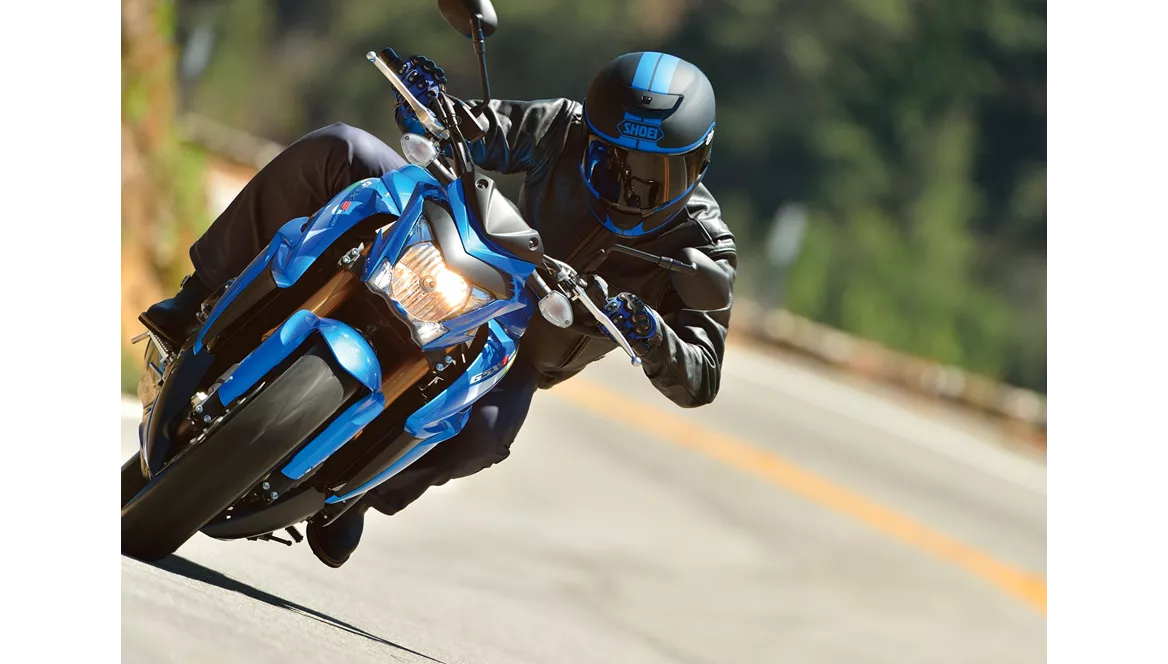
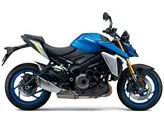
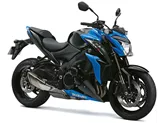
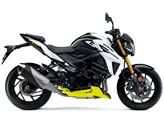
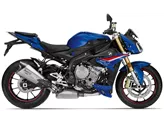
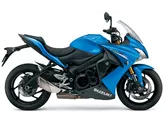
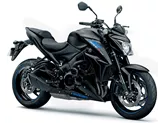
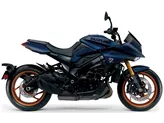
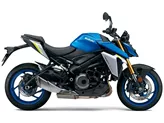
Suzuki GSX-S1000 2015
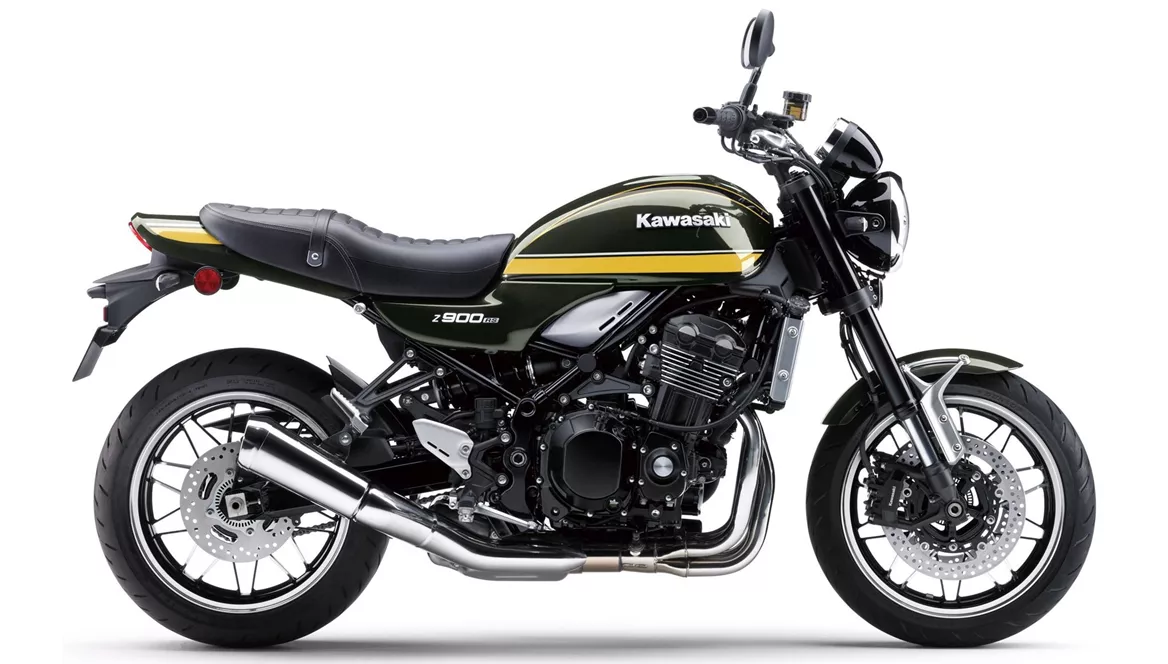
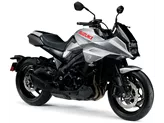
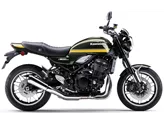
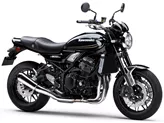
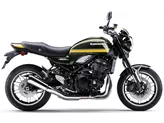
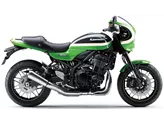
Kawasaki Z900 RS 2021
Genel bakış - Suzuki GSX-S1000 2015 vs Kawasaki Z900 RS 2021
The Suzuki GSX-S1000 2015 and the Kawasaki Z900 RS 2021 are both naked bikes with similar engine types, fuel systems, and cooling systems. However, there are several differences between the two models.
In terms of engine power, the Suzuki GSX-S1000 2015 has a higher output with 149 HP compared to the Kawasaki Z900 RS 2021, which has 111 HP. This means that the Suzuki model may offer more acceleration and top speed capabilities.
When it comes to torque, the Suzuki GSX-S1000 2015 also has an advantage with 106 Nm compared to the Kawasaki Z900 RS 2021's 98.6 Nm. This can result in better low-end power and overall performance.
Both bikes have four cylinders and utilize fuel injection systems for efficient fuel delivery. This ensures smooth and responsive throttle control for both models.
In terms of suspension, both bikes feature upside-down telescopic forks at the front and swing arm suspension at the rear. The suspension on both models can be adjusted for compression, preload, and rebound, allowing riders to fine-tune the bike's handling characteristics to their preferences.
The chassis construction differs between the two models. The Suzuki GSX-S1000 2015 features an aluminum frame with a twin-tube design, while the Kawasaki Z900 RS 2021 has a steel frame with a tubular design. The choice of materials and frame design can impact the bike's overall weight, stiffness, and handling characteristics.
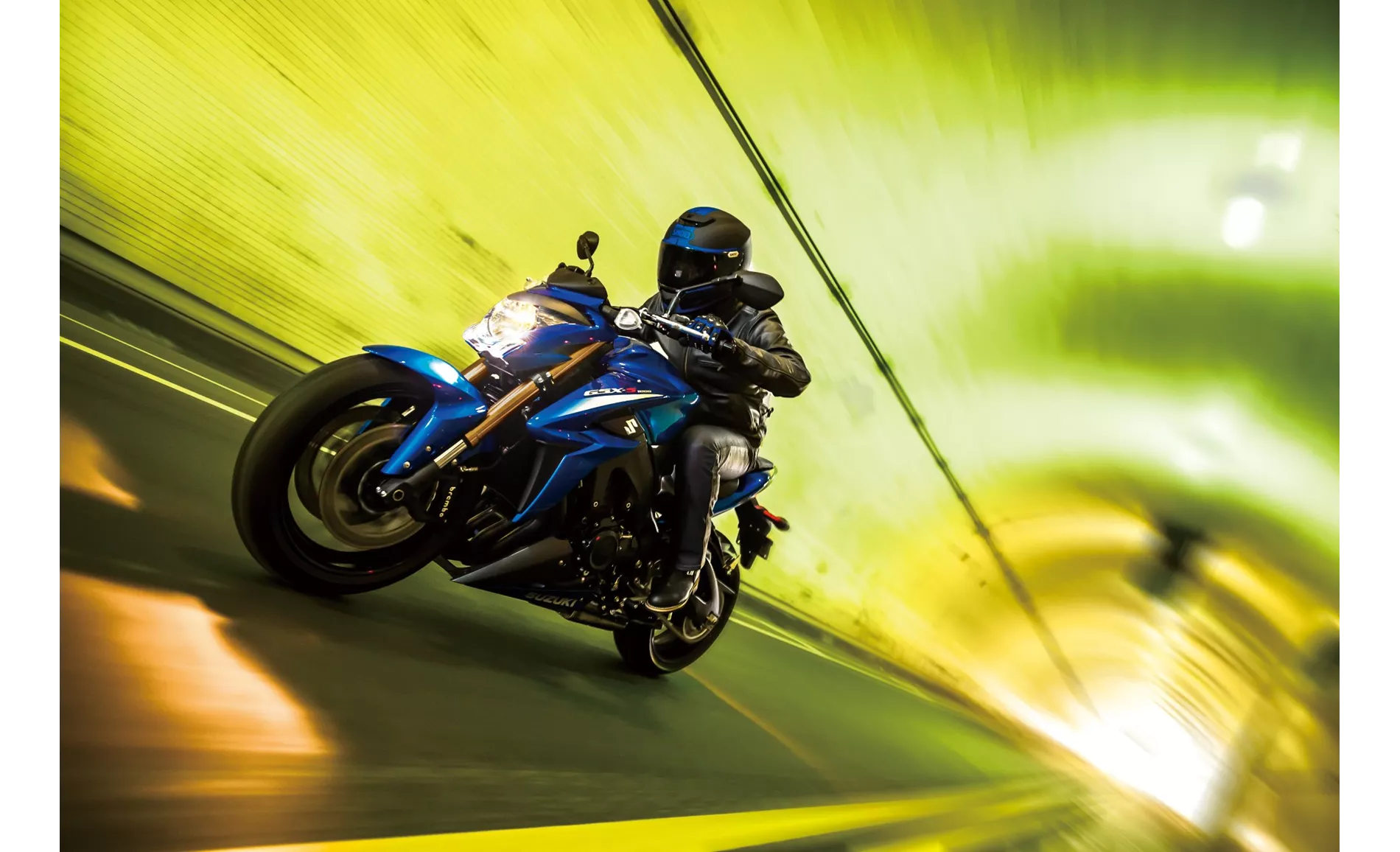
Suzuki GSX-S1000 2015
Both bikes are equipped with double disk brakes at the front, with the Suzuki GSX-S1000 2015 having slightly larger 310 mm diameter disks compared to the Kawasaki Z900 RS 2021's 300 mm diameter disks. Both models also have four-piston calipers for strong braking performance.
In terms of advanced rider assistance systems, both bikes come with ABS. However, the Kawasaki Z900 RS 2021 also features traction control, providing an additional layer of safety and control in various riding conditions.
Both bikes have similar tire dimensions, with a front tire width of 120 mm and a rear tire width of 180-190 mm. They also have the same wheelbase length of around 1460-1470 mm, providing stability and maneuverability.
When it comes to seat height, the Kawasaki Z900 RS 2021 has a slightly higher seat at 835 mm compared to the Suzuki GSX-S1000 2015's 815 mm. This may affect the comfort and ergonomics for different riders.
In terms of weight, the Suzuki GSX-S1000 2015 has a lower kerb weight of 209 kg compared to the Kawasaki Z900 RS 2021's 215 kg. This can result in better handling and maneuverability for the Suzuki model.
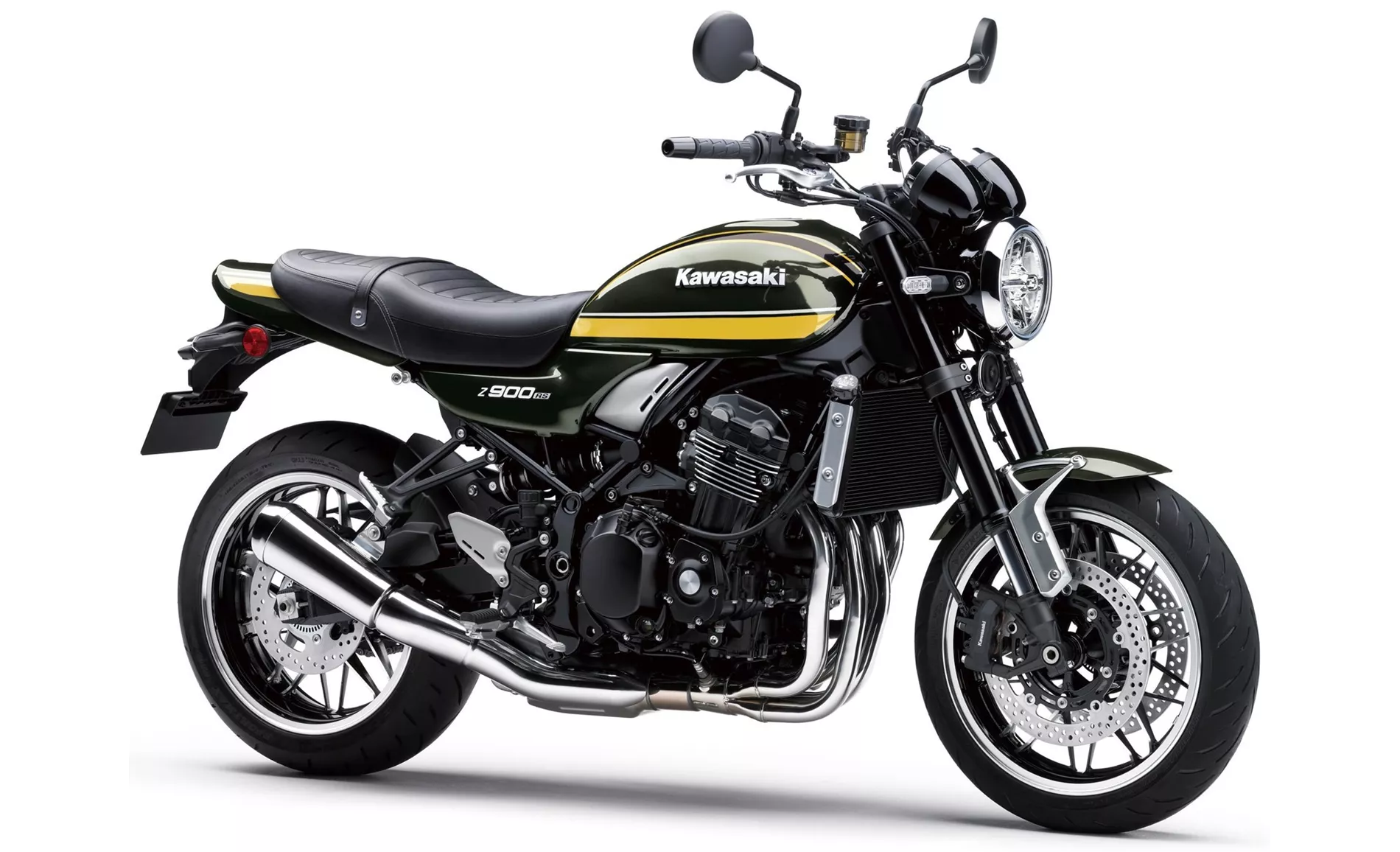
Kawasaki Z900 RS 2021
Both bikes have a fuel tank capacity of 17 liters, providing a decent range for longer rides.
In terms of strengths, the Suzuki GSX-S1000 2015 is known for its legendary Suzuki engine, sharp sound, rev-happy nature, pleasing design, strong brakes, and taut chassis. It also does not compromise on performance.
On the other hand, the Kawasaki Z900 RS 2021 stands out with its authentic and beautiful retro look, very comfortable seating position, and easy and comfortable ride.
In terms of weaknesses, the Suzuki GSX-S1000 2015 is based on an older platform, and its performance in the rev range may not be as strong as some competitors. It may also experience load change issues.
The Kawasaki Z900 RS 2021, on the other hand, lacks a quickshifter and driving modes, although it does offer adjustable traction control.
Overall, both the Suzuki GSX-S1000 2015 and the Kawasaki Z900 RS 2021 have their own unique strengths and weaknesses. The choice between the two would depend on the rider's preferences for power, handling, comfort, and style.
Teknik Özellikler – Suzuki GSX-S1000 2015 ve Kawasaki Z900 RS 2021 karşılaştırması
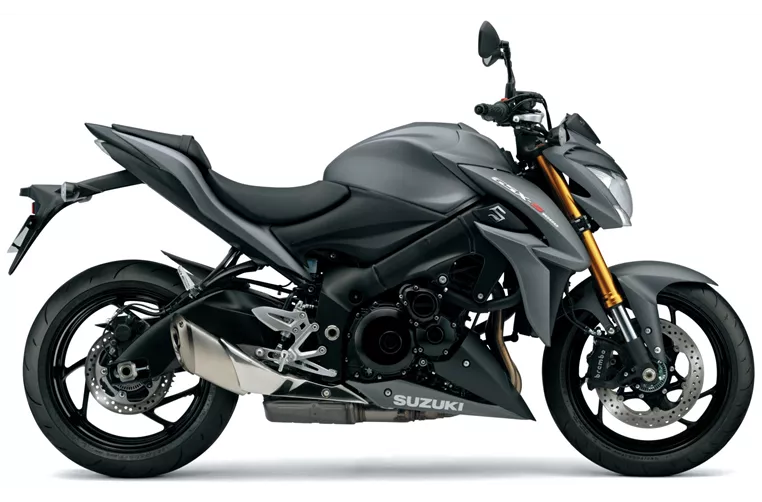
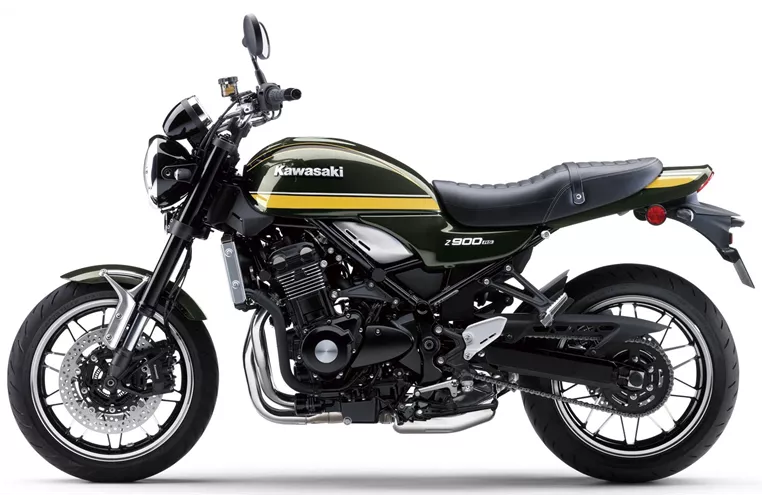
Karşılaştırıldığında Artıları ve eksileri
Karşılaştırıldığında Artıları ve eksileri
Suzuki GSX-S1000 2015
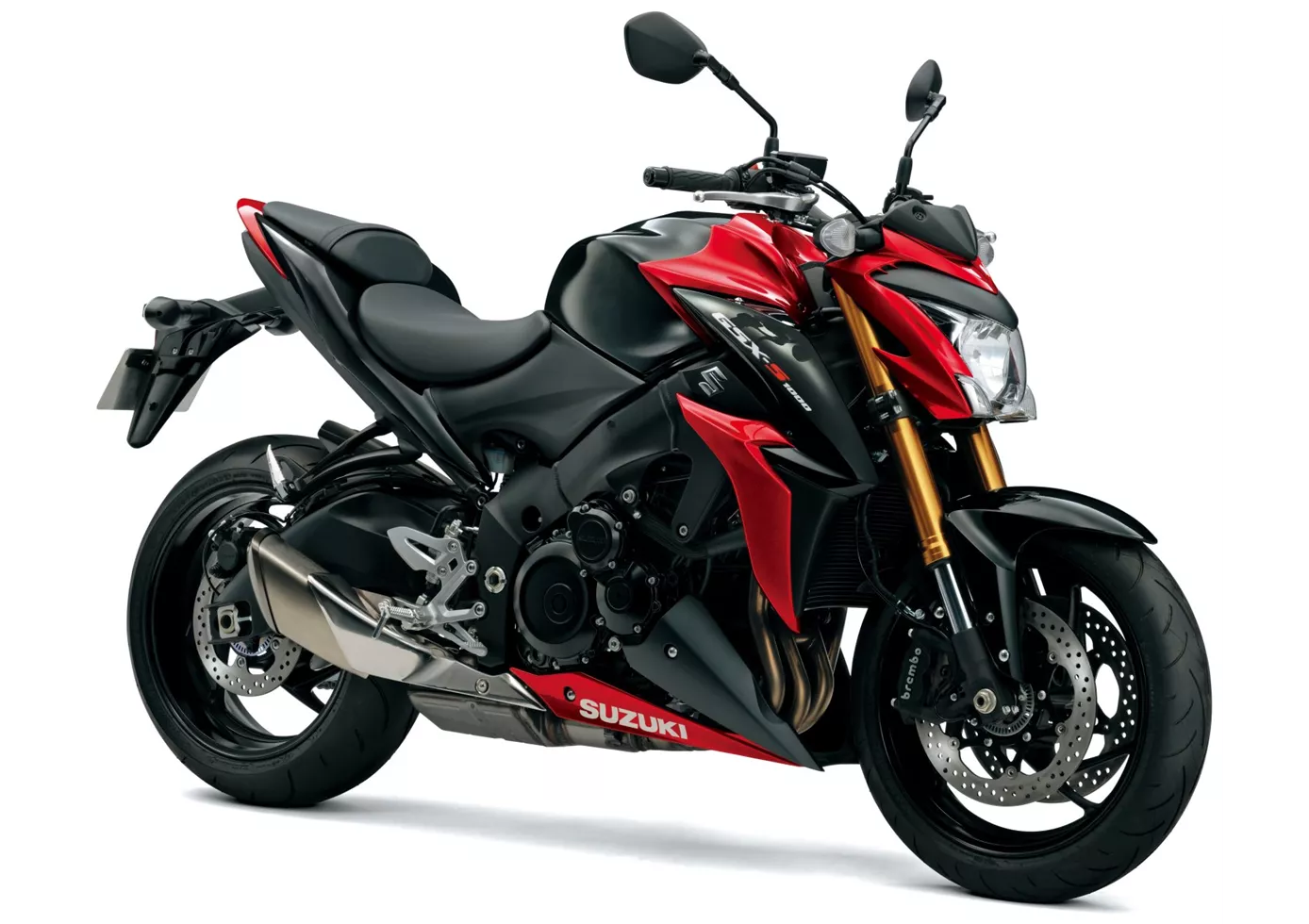
Bazilari Suzuki'nin bu kadar uzun bir bekleyisten sonra nihai, tavizsiz güce sahip naked motosikleti piyasaya sürmemesine sasirabilir. Bunun yerine, 149 hp gücündeki Suzuki GSX-S 1000 neredeyse fazla uslu görünüyor. Ancak, yaris pistinde sürdügünüzde, motorun gerçek hayatta çok daha güçlü oldugunu ve sasi ve fren sisteminin geri kalan performansinin da etkileyici oldugunu kisa sürede fark edersiniz. Buna karsilik, günlük ve pratik uygunlugun büyük bir bölümünü de sunuyor - günlük kullanimdan yaris pistine kadar her seyi tek bir motosikletle kapsamaniz gerekiyorsa, kötü malzemeler degil.
Kawasaki Z900 RS 2021
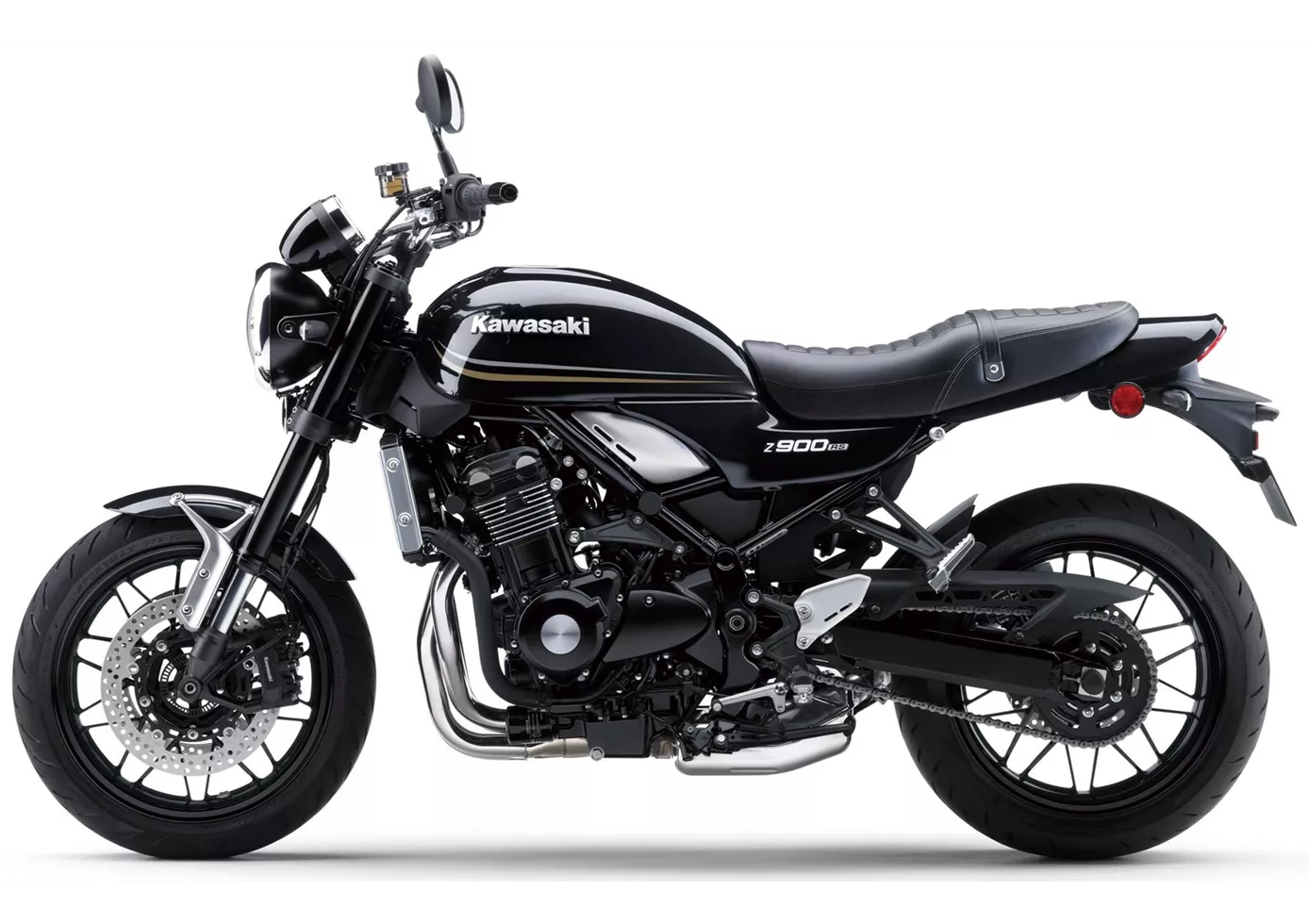
Kawasaki Z900 RS, klasik tasarim ve modern teknolojinin mükemmel bir karisimidir. Ipeksi pürüzsüzlükteki dört silindirli motor, tüm devir araliklarinda dogrusal güç dagitimi ve etkileyici esneklik sunar. Konfor ve dengeyi bir araya getiren sasi, uzun mesafeler ve sportif sürüsler için idealdir. Rüzgar korumasi olmamasina ragmen, Z900 RS rahat sürüs pozisyonu ve çevik kullanim özellikleriyle etkileyicidir. Görsel olarak efsanevi Z1'i animsatirken, çekis kontrolü ve yüksek kaliteli isçilik gibi modern özellikler genel paketi tamamliyor. Modern performansa sahip retro bir görünüm arayan herkes için Z900 RS, hem günlük yasamda hem de turlarda güvenilir ve çok yönlü bir yol arkadasidir.
Fiyat Karşılaştırması Ortalama Piyasa Fiyatı Suzuki GSX-S1000 vs Kawasaki Z900 RS
There are a few key differences between a Suzuki GSX-S1000 2015 and a Kawasaki Z900 RS 2021. In terms of price, the actual average price of a Kawasaki Z900 RS 2021 is about 43% higher. Compared to Kawasaki Z900 RS 2021 there are less Suzuki GSX-S1000 2015 bikes available on the 1000PS.de Marketplace, specifically 6 compared to 14. It takes less time to sell a Suzuki GSX-S1000 with 86 days compared to 125 days for a Kawasaki Z900 RS. Since model year 2015 1000PS.de editors have written 36 reviews for the Suzuki GSX-S1000 and 26 reviews for the Kawasaki Z900 RS since model year 2018. The first review for the Suzuki GSX-S1000 was published on 9/27/2014 and now has more than 17,100 views. This compares to more than 63,700 views for the first review on Kawasaki Z900 RS published on 9/6/2017.