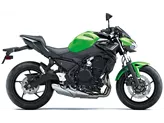
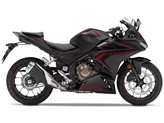
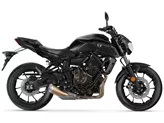
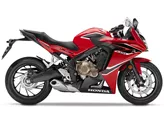
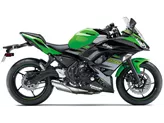
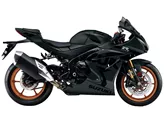
Kawasaki Ninja 650 2017 vs. Suzuki GSX-R 1000 R 2017
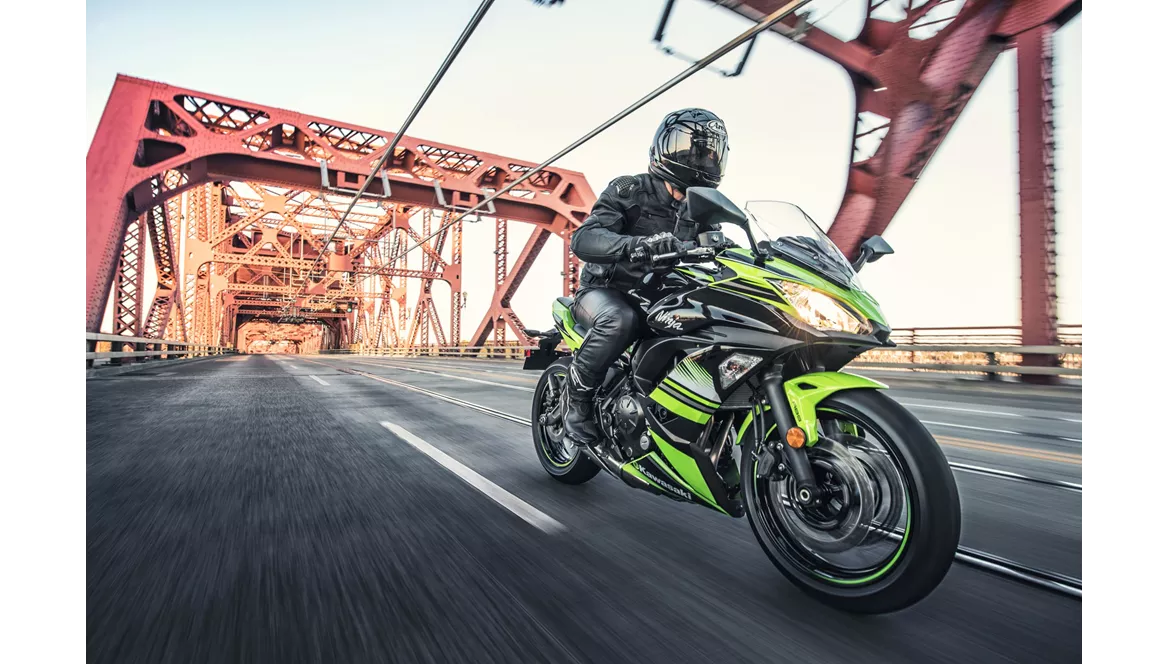
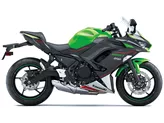
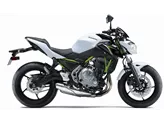
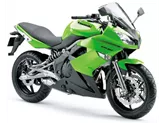
Kawasaki Ninja 650 2017
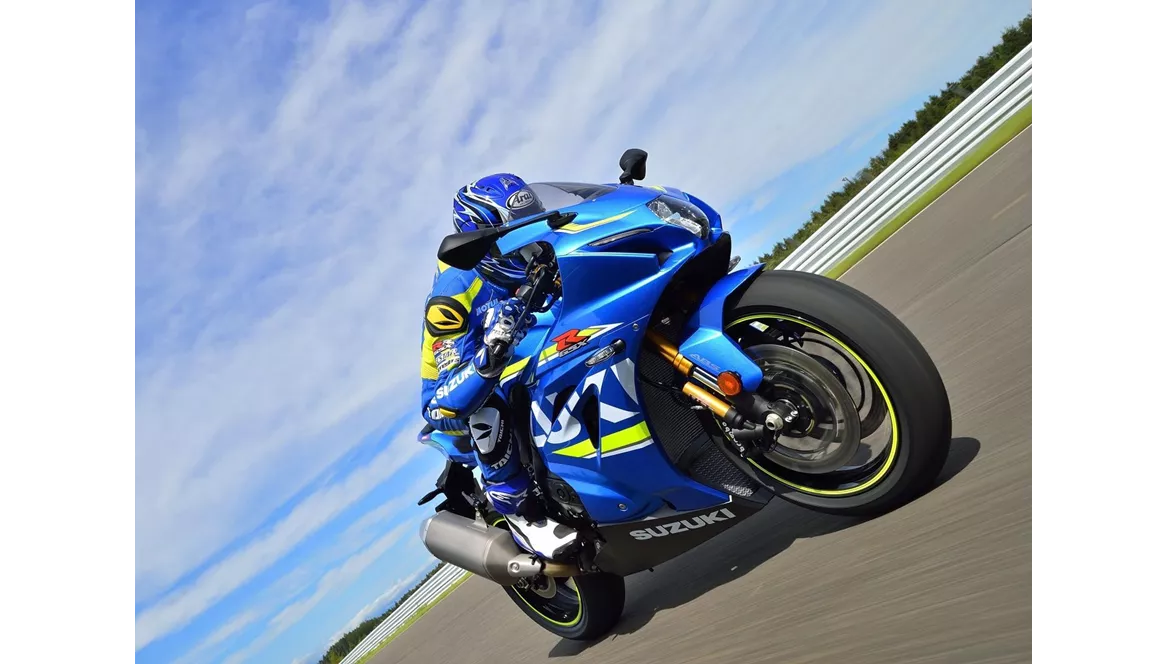
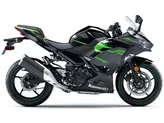
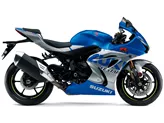
Suzuki GSX-R 1000 R 2017
Genel bakış - Kawasaki Ninja 650 2017 vs Suzuki GSX-R 1000 R 2017
The Kawasaki Ninja 650 2017 and the Suzuki GSX-R 1000 R 2017 are both supersport motorcycles with their own unique strengths and weaknesses.
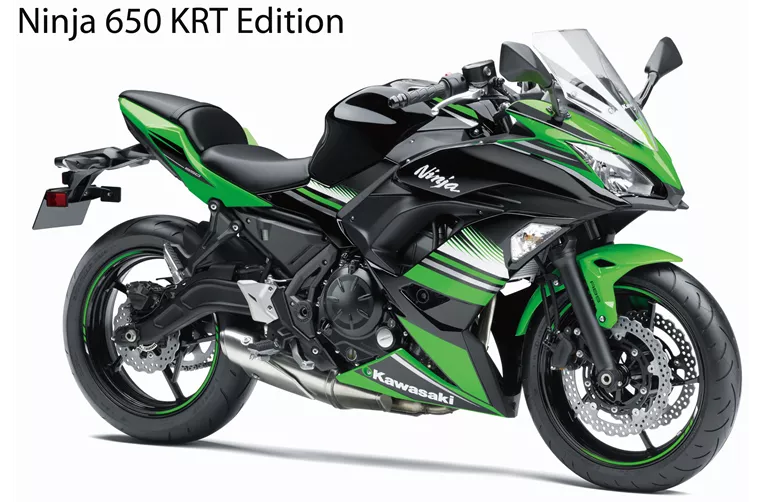
Starting with the Kawasaki Ninja 650 2017, it boasts a transparent chassis that gives it a sporty look. It also has playful and good-natured handling, making it a fun bike to ride. The brakes on the Ninja 650 are excellent, providing strong stopping power. In terms of aesthetics, the Ninja 650 takes inspiration from the ZX-10R, giving it sharp and aggressive looks. The engine on the Ninja 650 is resilient and offers a decent amount of power, with 68.2 HP and 65.7 Nm of torque. However, one weakness of the Ninja 650 is that it lacks sound from the stock exhaust, and the engine can exhibit slight vibrations.
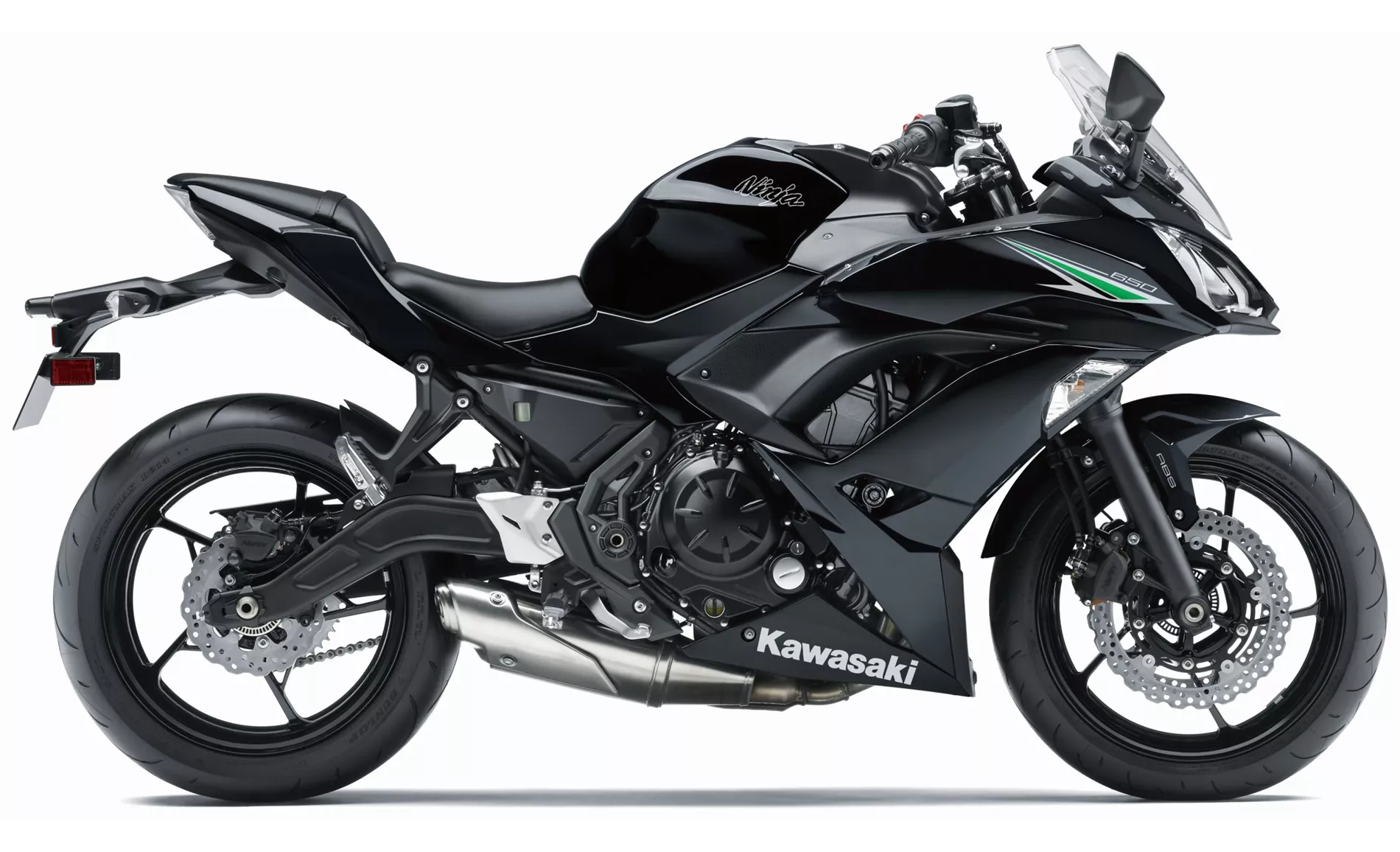
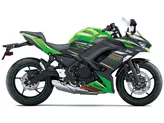
Kawasaki Ninja 650 2017
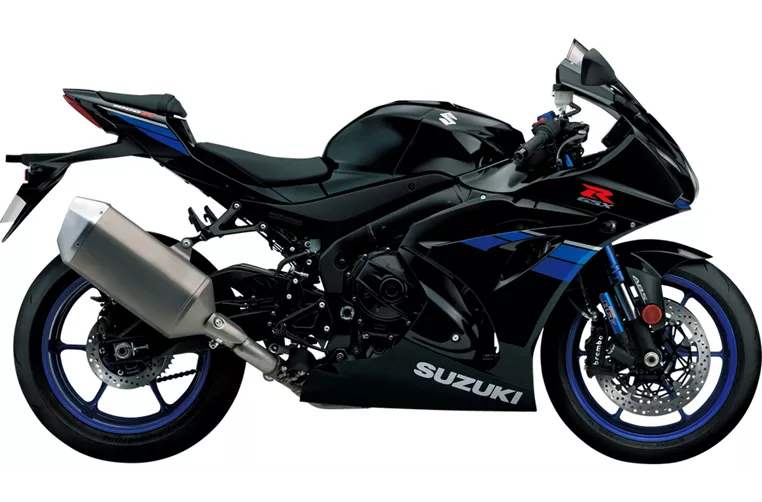
On the other hand, the Suzuki GSX-R 1000 R 2017 is known for its high-revving engine. The torque curve on the GSX-R 1000 R is smooth and does not have any noticeable dips, providing a consistent and powerful acceleration. The bike is super stable on corner exit and radius, making it a great choice for riders who enjoy fast tracks. The GSX-R 1000 R also features a great quickshifter, allowing for seamless gear changes. The chassis on the GSX-R 1000 R is made of high-quality aluminum, providing excellent stability and handling. One unique feature of the GSX-R 1000 R is its wheely control, which is linked to the traction control system. However, one weakness of the GSX-R 1000 R is that the engine brake is not adjustable, which may limit the customization options for some riders.
In terms of technical specifications, the Kawasaki Ninja 650 2017 has a 649cc inline twin engine with a bore of 83mm and a stroke of 60mm. It produces 68.2 HP of power and 65.7 Nm of torque. The suspension consists of a telescopic fork in the front and a swing arm with a monoshock in the rear. The brakes are double disk with a diameter of 300mm in the front. The Ninja 650 comes with advanced rider assistance systems such as ABS. It has a wheelbase of 1410mm and a seat height of 790mm. The kerb weight of the Ninja 650 with ABS is 193kg, and it has a fuel tank capacity of 15 liters.
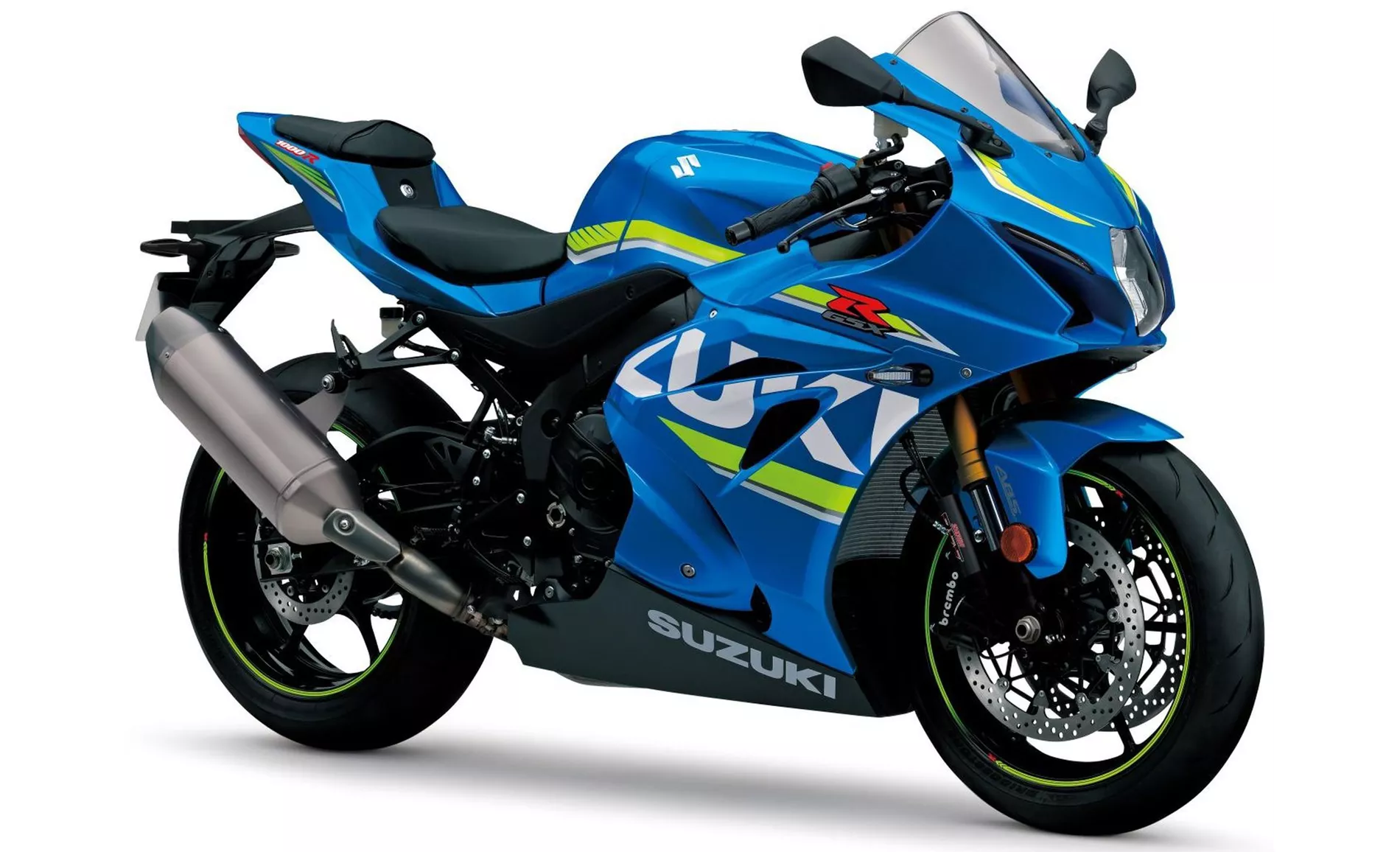
Suzuki GSX-R 1000 R 2017
On the other hand, the Suzuki GSX-R 1000 R 2017 has a 999cc inline four-cylinder engine with a bore of 76mm and a stroke of 55.1mm. It produces a whopping 202 HP of power and 118 Nm of torque. The suspension consists of an upside-down telescopic fork in the front and a swing arm with a monoshock in the rear. The brakes are double disk with a diameter of 320mm in the front, featuring radial monoblock technology. The GSX-R 1000 R comes with advanced rider assistance systems such as ABS, riding modes, ride by wire, and traction control. It has a wheelbase of 1410mm and a seat height of 825mm. The kerb weight of the GSX-R 1000 R with ABS is 203kg, and it has a fuel tank capacity of 17.5 liters.
In conclusion, the Kawasaki Ninja 650 2017 and the Suzuki GSX-R 1000 R 2017 are both impressive supersport motorcycles with their own unique strengths and weaknesses. The Ninja 650 offers a playful and good-natured riding experience with excellent brakes, while the GSX-R 1000 R provides a high-revving engine and exceptional stability on fast tracks. Ultimately, the choice between the two will depend on the rider's preferences and priorities.
Teknik Özellikler – Kawasaki Ninja 650 2017 ve Suzuki GSX-R 1000 R 2017 karşılaştırması
Karşılaştırıldığında Artıları ve eksileri
Karşılaştırıldığında Artıları ve eksileri
Kawasaki Ninja 650 2017
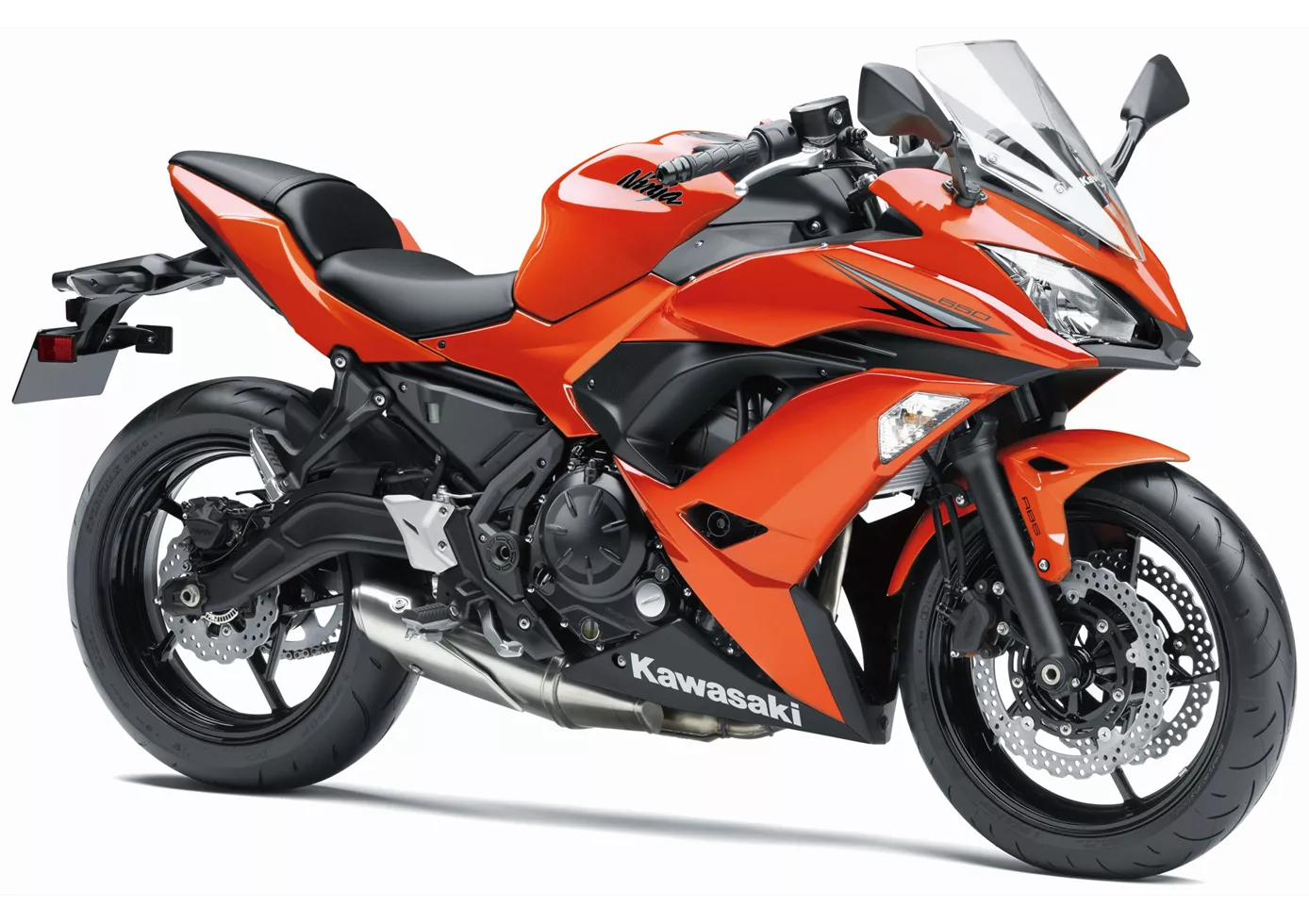
Ninja 650, selefinin (Er-6f) üzerine saglam bir sekilde damgasini vuruyor. Motor Euro 4 engelini iyi bir sekilde asti ve çok kullanisli 68 hp güç sunuyor, sasi bu sinif için harika ve ER-6f'ye kiyasla 18(!) kilo agirlik azalmasi saygiyla bas sallamayi hakli çikariyor.
Suzuki GSX-R 1000 R 2017
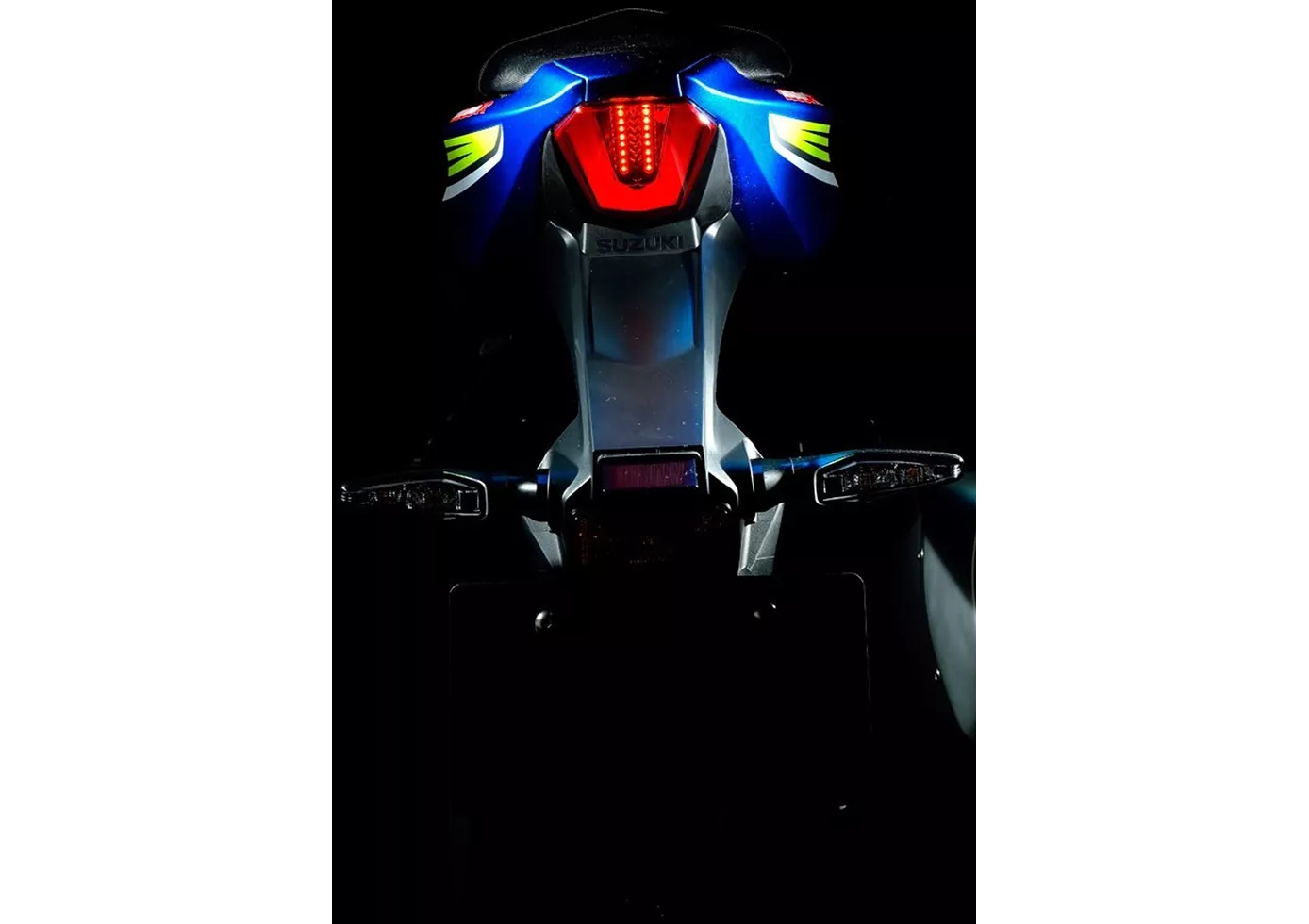
Suzuki, GSX-R 1000 R 2017 ile harika bir is çikarmis. Inanilmaz derecede yumusak bir tork egrisine sahip güçlü bir motosiklet. Aslinda 202bhp ile inanilmaz! Sasi yüksek kalitede ve elektronik paketi cicili bicili olmayabilir ama en üst düzeyde performans sunuyor.
Fiyat Karşılaştırması Ortalama Piyasa Fiyatı Kawasaki Ninja 650 vs Suzuki GSX-R 1000 R
There are a few key differences between a Kawasaki Ninja 650 2017 and a Suzuki GSX-R 1000 R 2017. There are the same number of bikes of both models available on the 1000PS.de marketplace, specifically 7. It takes less time to sell a Kawasaki Ninja 650 with 96 days compared to 176 days for a Suzuki GSX-R 1000 R. Since model year 2017 1000PS.de editors have written 20 reviews for the Kawasaki Ninja 650 and 13 reviews for the Suzuki GSX-R 1000 R since model year 2017. The first review for the Kawasaki Ninja 650 was published on 10/4/2016 and now has more than 79,600 views. This compares to more than 197,700 views for the first review on Suzuki GSX-R 1000 R published on 10/4/2016.