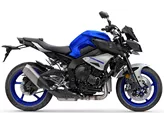
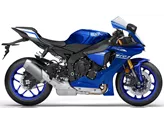
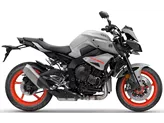
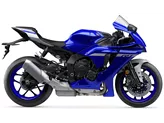
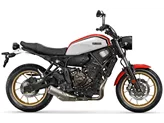
Yamaha R1 2016 vs. Yamaha XSR900 2016
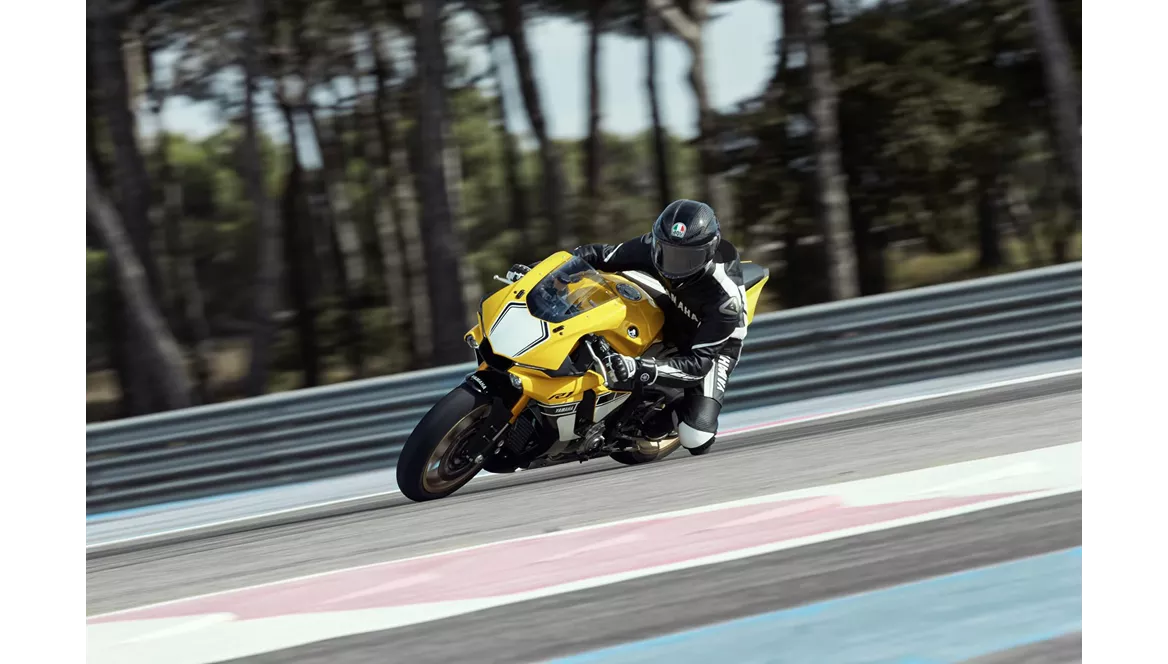
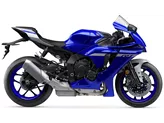
Yamaha R1 2016
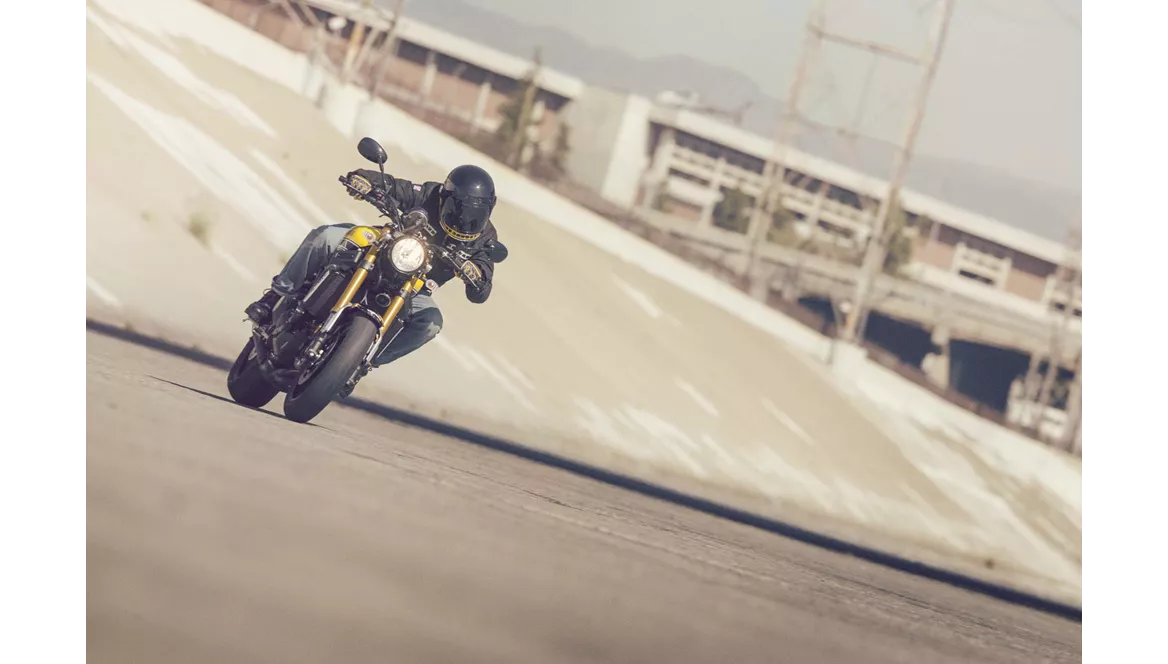
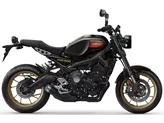
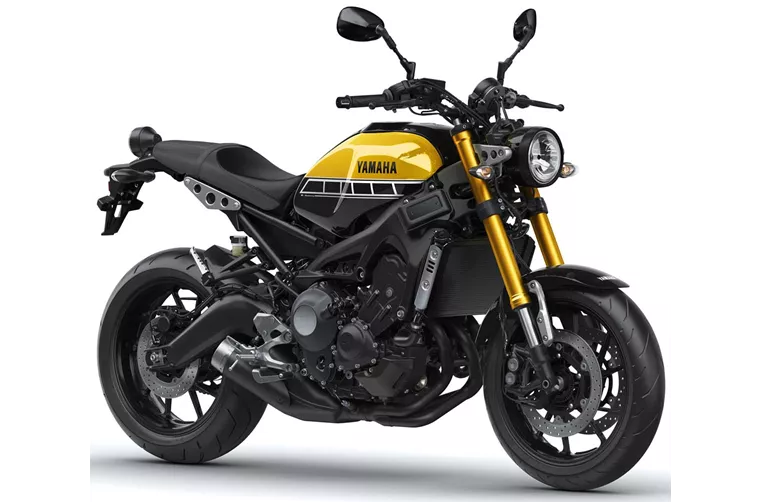
Yamaha XSR900 2016
Genel bakış - Yamaha R1 2016 vs Yamaha XSR900 2016
The Yamaha R1 model year 2016 and the Yamaha XSR900 model year 2016 are both impressive motorcycles with their own unique features and strengths.
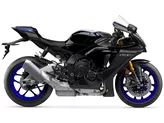
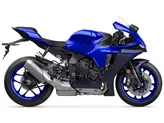
Starting with the Yamaha R1, it boasts a powerful engine with a displacement of 998ccm, producing an impressive 200 HP of engine power and 112.4 Nm of torque. The engine is cooled by a liquid cooling system and has a compression ratio of 13. It features a 4-cylinder DOHC engine with 4 valves per cylinder. The R1 also comes with advanced rider assistance systems such as launch control and traction control.
In terms of suspension, the R1 is equipped with an upside-down telescopic fork in the front, providing excellent handling and stability. The frame of the R1 is made of aluminum and has a Deltabox frame type, contributing to its lightweight and agile nature. The braking system consists of double disk brakes in the front, ensuring strong and reliable stopping power.
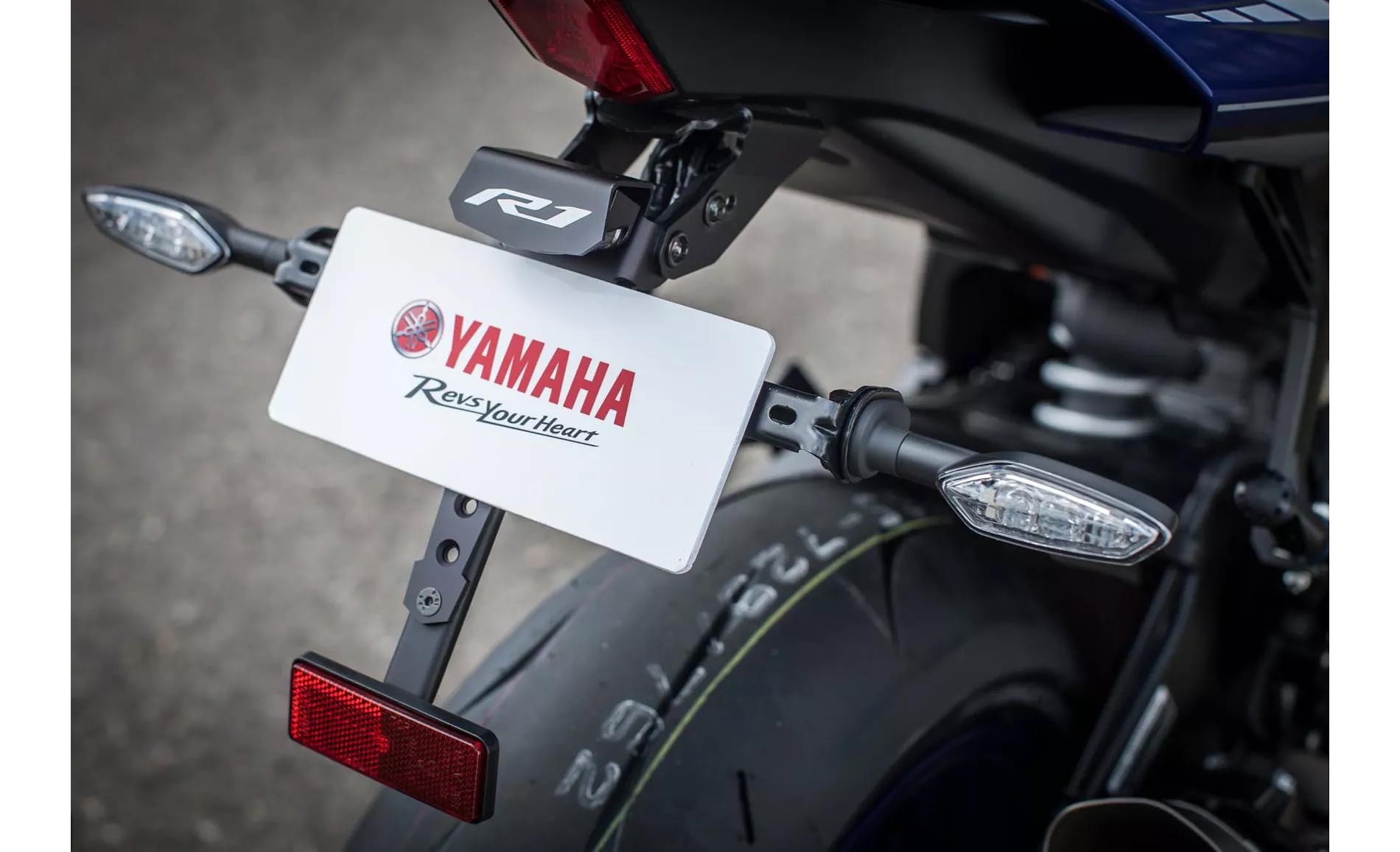
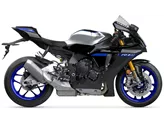
Yamaha R1 2016
The dimensions and weights of the R1 include a front tire width of 120 mm and a rear tire width of 190 mm, both with a diameter of 17 inches. The wheelbase measures 1405 mm and the seat height is 855 mm. The R1 has a kerb weight of 199 kg (with ABS) and a fuel tank capacity of 17 liters.
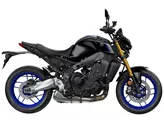
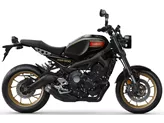
Moving on to the Yamaha XSR900, it is a naked bike with a slightly smaller engine displacement of 847ccm. It produces 115 HP of engine power and 87.5 Nm of torque. Like the R1, it also features a liquid cooling system and a DOHC engine with 4 valves per cylinder. The compression ratio of the XSR900 is 11.5.
The XSR900 shares the same upside-down telescopic fork suspension system as the R1, providing a comfortable and stable ride. The frame of the XSR900 is also made of aluminum, but it has a twin tube frame type. The braking system consists of double disk brakes in the front, ensuring reliable stopping power.
In terms of dimensions and weights, the XSR900 has a front tire width of 120 mm and a rear tire width of 180 mm, both with a diameter of 17 inches. The wheelbase measures 1440 mm and the seat height is 815 mm. The XSR900 has a kerb weight of 191 kg (with ABS) and a fuel tank capacity of 14 liters.
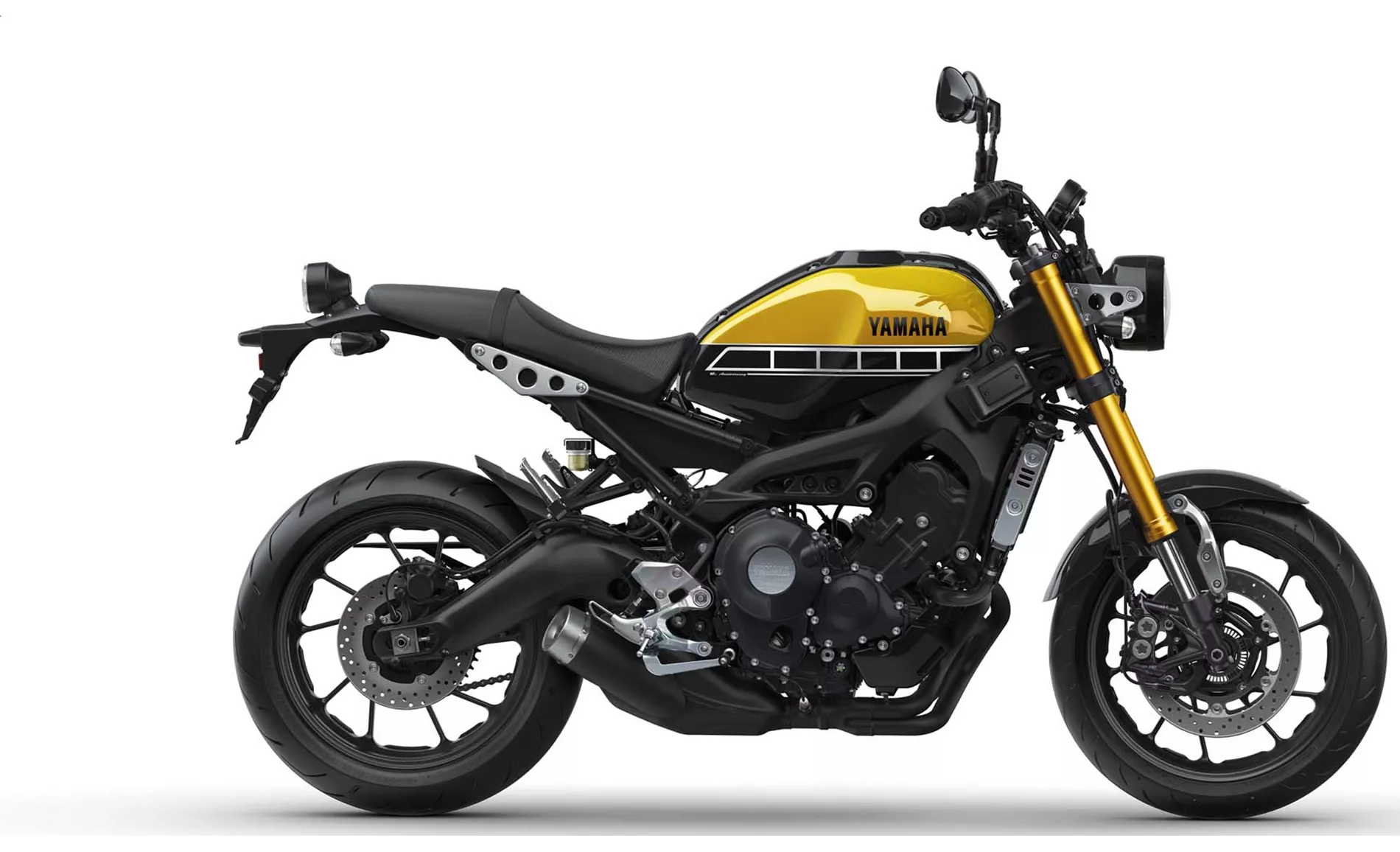
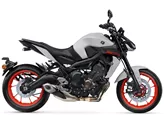
Yamaha XSR900 2016
While the Yamaha R1 excels in lively handling, high-revving engine, and an excellent electronics package, the XSR900 stands out with its greedy engine, well-tuned riding modes, ABS and TC as standard, and an authentic modern design with clean workmanship.
However, the R1 has a weakness in that it only has a shift assistant for upshifting, while the XSR900 has a hard chassis and a seat that could be more comfortable. Additionally, the speedblock design of the XSR900 is already seen on many other Yamaha models.
In conclusion, both the Yamaha R1 and the Yamaha XSR900 are impressive motorcycles with their own set of strengths and weaknesses. The R1 is a high-performance supersport bike, while the XSR900 is a stylish and modern naked bike. Ultimately, the choice between the two will depend on the rider's preferences and intended use.
Teknik Özellikler – Yamaha R1 2016 ve Yamaha XSR900 2016 karşılaştırması
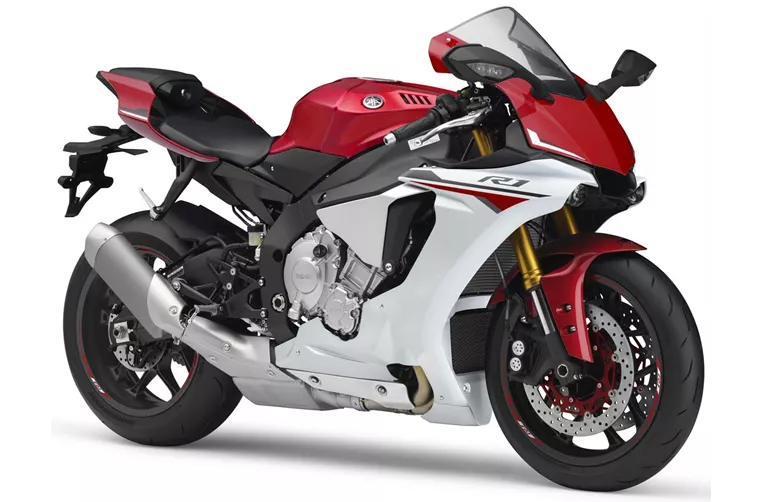
Karşılaştırıldığında Artıları ve eksileri
Karşılaştırıldığında Artıları ve eksileri
Yamaha R1 2016
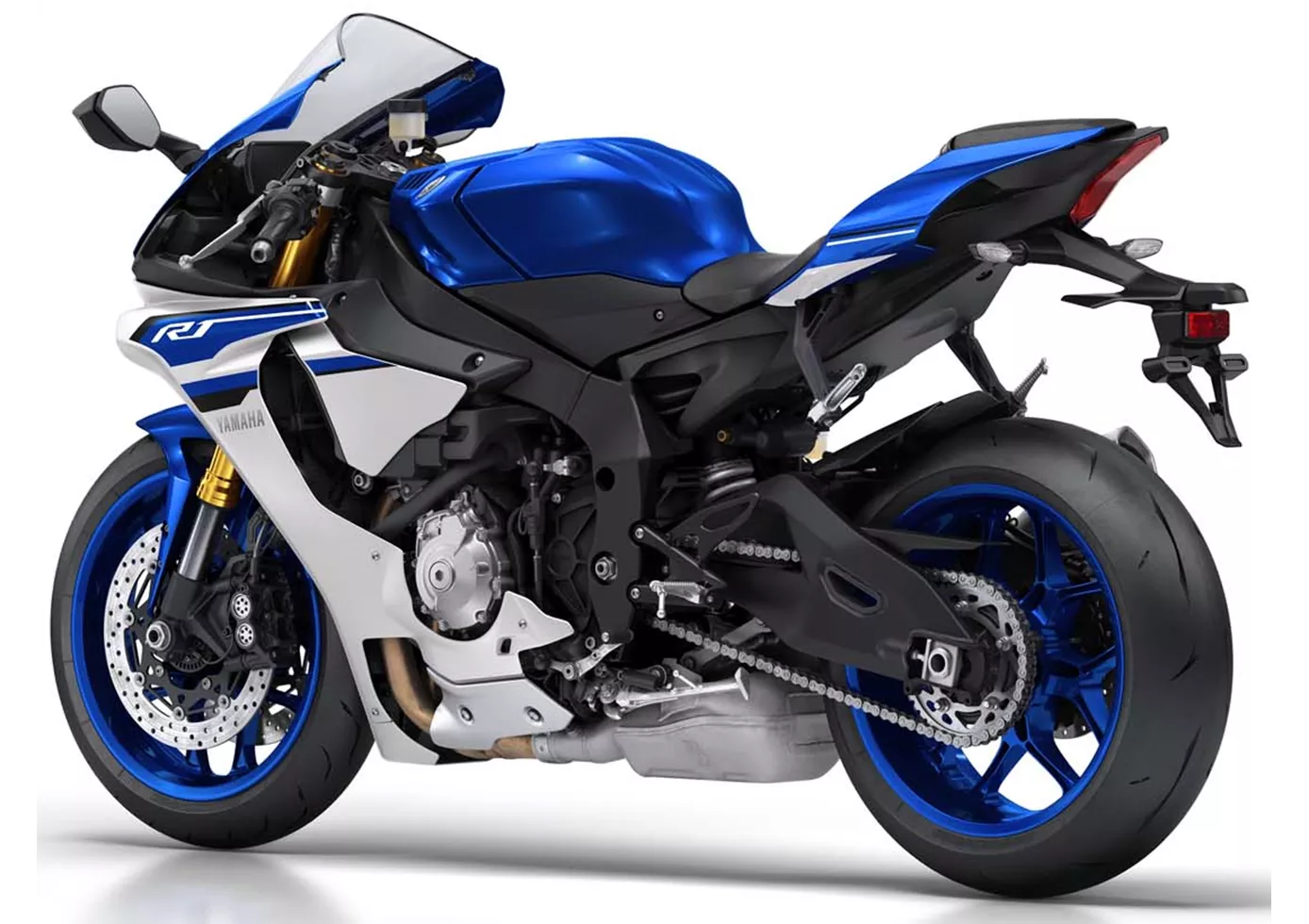
Yamaha'nin yüksek teknolojili roketi 2016 yilinda da teknolojik liderligini sürdürüyor. Radikal, kutuplastirici ve büyüleyici, güçlü tur zamanlari belirliyor. Yaris motosikletlerine diger 1000cc motosikletlerden daha yakin. Bu arada kimse ön taraftan sikayetçi degil. "M" olmadan, zaten Öhlins'e ihtiyaç duymayanlar için en iyi seçimdir veya yine de bir yaris pisti dönüsümü planlayanlar ve elektrikli seyler olmadan "normal" Öhlins donanimi kurmak isteyenler için en iyi seçimdir.
Yamaha XSR900 2016
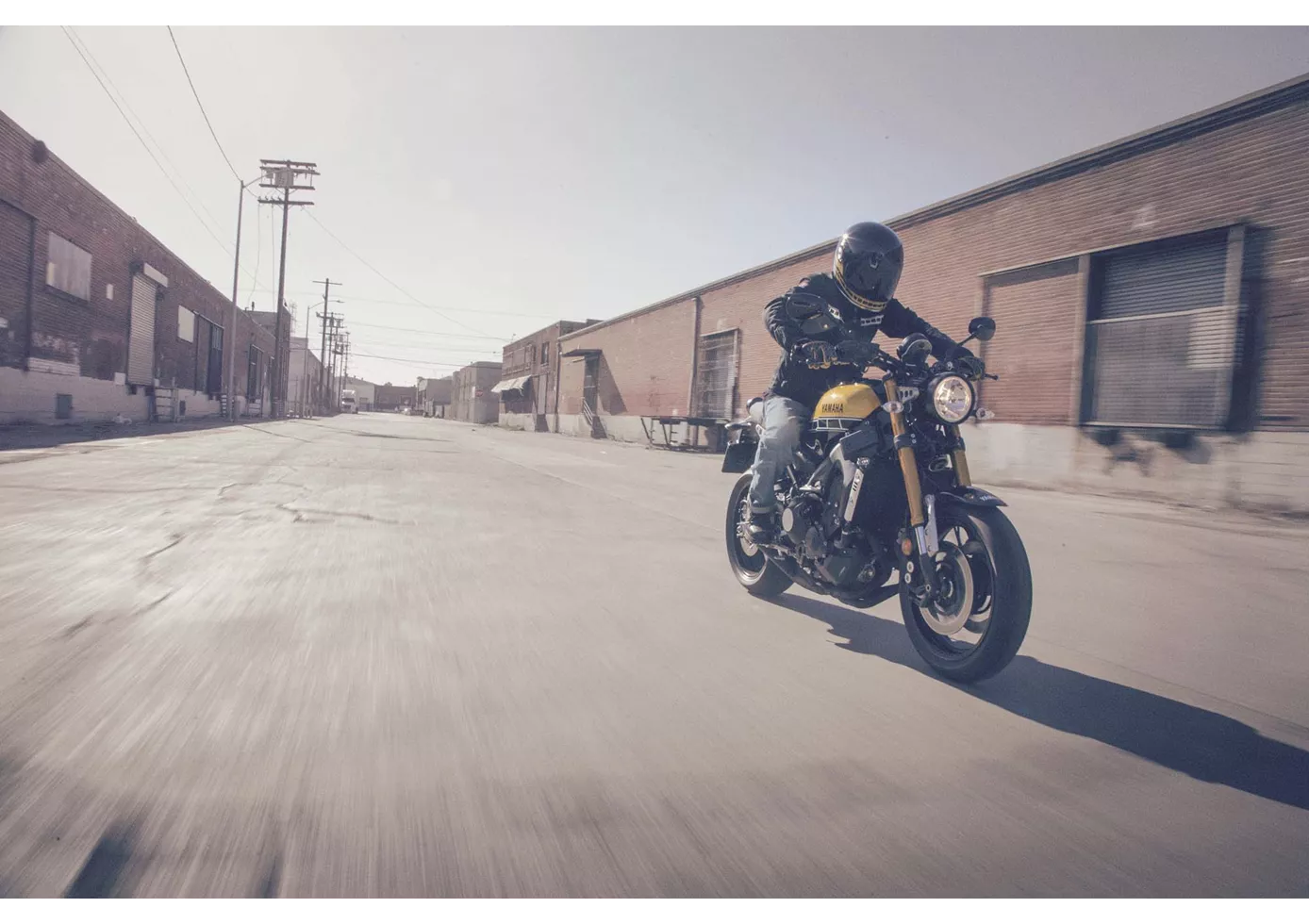
Yamaha XSR900 klasik bir optik illüzyondur - yuvarlak fari, köseli deposu ve ekli arka lambasiyla açikça retro bir motosiklet olarak geçer. Bununla birlikte, performansinin güçlü orta sinif naked motosiklet Yamaha MT-09'u animsatmasi tesadüf degildir, çünkü bu XSR900 için son derece sportif bir temeldir. Bu nedenle motor hesaba katilmasi gereken bir güçtür ve frenler de çok güçlüdür. Neyse ki mühendisler sasi konusunda asiriya kaçmamislar, XSR900 yeterli konfor sunuyor ve dik sürüs pozisyonu da güçlü motorun önerdiginden daha rahat. Bununla birlikte, XSR900 retro motosiklet yelpazesindeki en sportif modellerden biridir.
Fiyat Karşılaştırması Ortalama Piyasa Fiyatı Yamaha R1 vs Yamaha XSR900
There are a few key differences between a Yamaha R1 2016 and a Yamaha XSR900 2016. In terms of price, the actual average price of a Yamaha R1 2016 is about 142% higher. A Yamaha R1 2016 experiences a loss of 670 USD in one year and 590 USD in two years of ownership. This is offset by a loss of 1,650 USD and 1,670 USD for a Yamaha XSR900 2016. Compared to Yamaha XSR900 2016 there are more Yamaha R1 2016 bikes available on the 1000PS.de Marketplace, specifically 6 compared to 5. It takes less time to sell a Yamaha R1 with 73 days compared to 77 days for a Yamaha XSR900. Since model year 2005 1000PS.de editors have written 80 reviews for the Yamaha R1 and 30 reviews for the Yamaha XSR900 since model year 2016. The first review for the Yamaha R1 was published on 4/28/2003 and now has more than 3,900 views. This compares to more than 17,600 views for the first review on Yamaha XSR900 published on 11/25/2015.