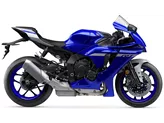
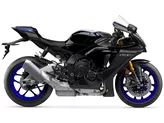
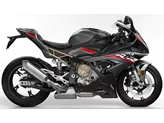
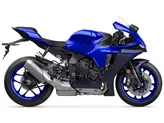
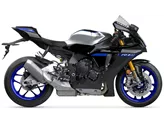
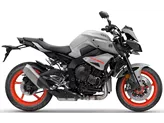
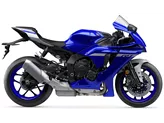
BMW S 1000 RR 2010 vs. Yamaha R1 2009
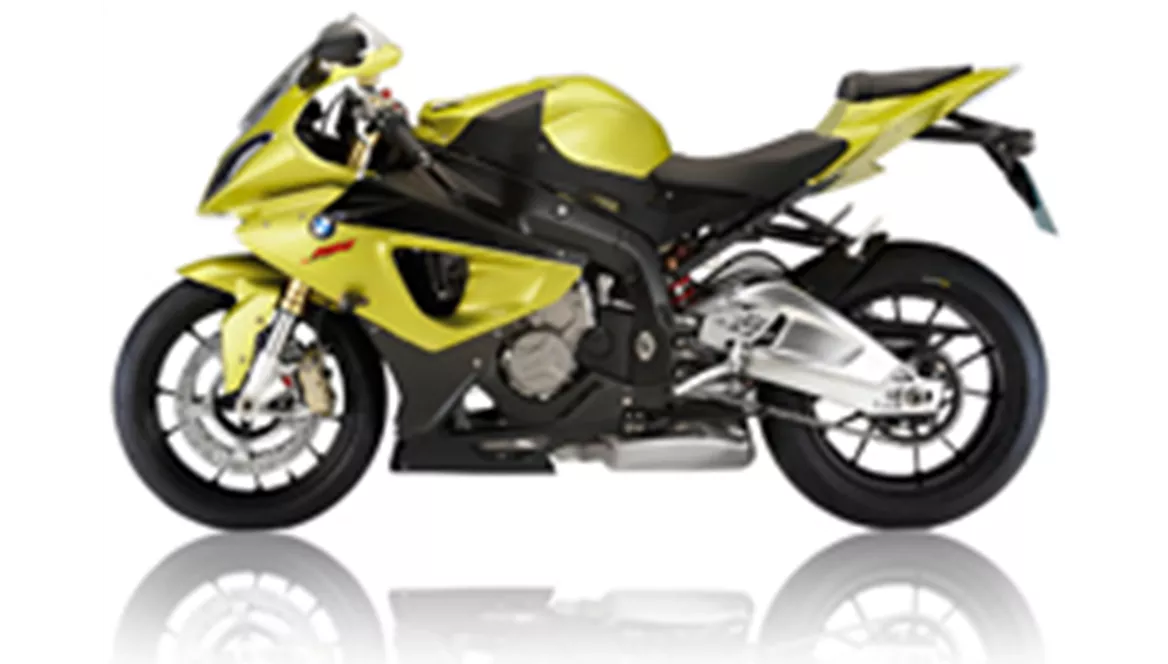
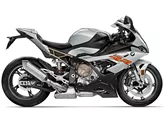
BMW S 1000 RR 2010
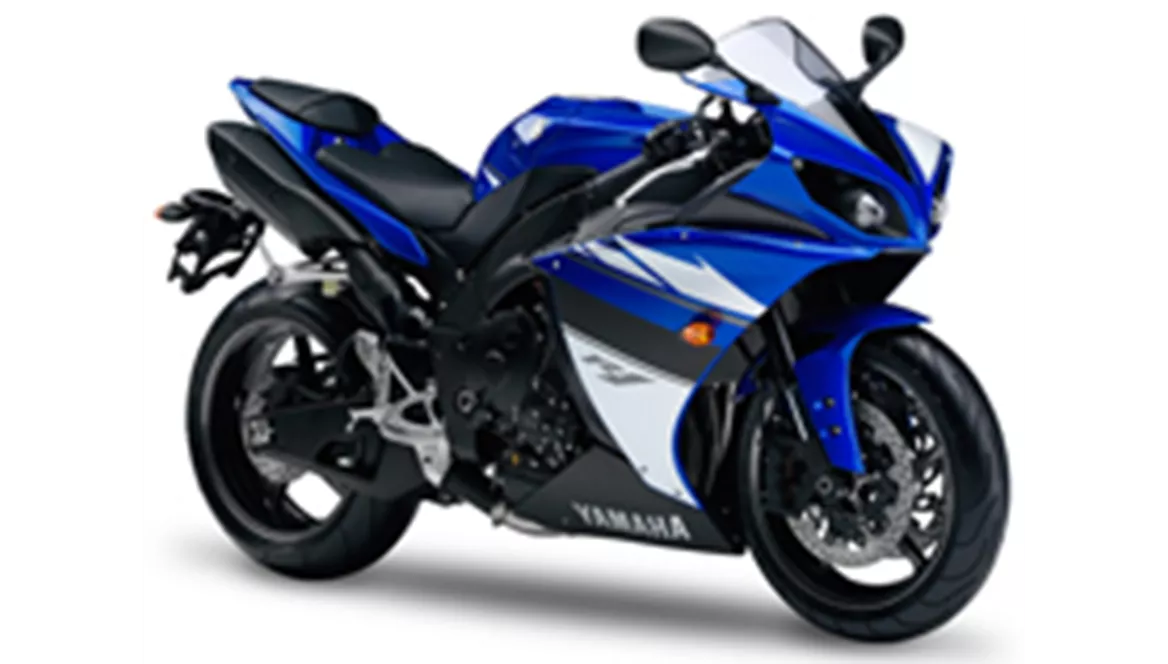
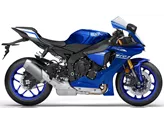
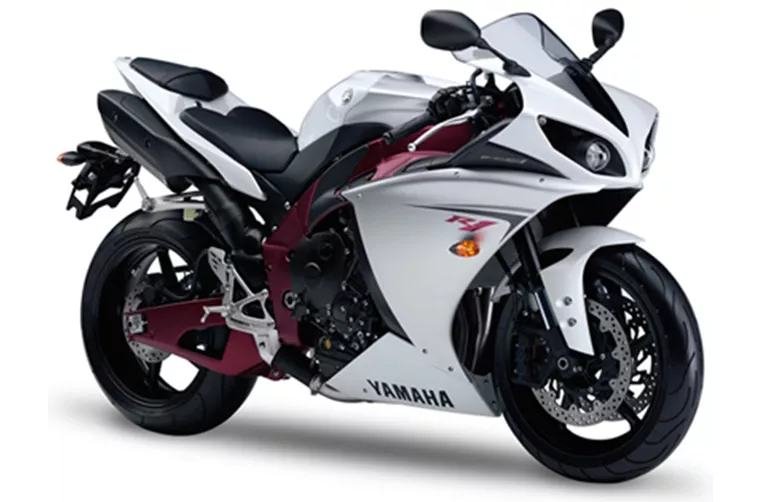
Yamaha R1 2009
Genel bakış - BMW S 1000 RR 2010 vs Yamaha R1 2009
The BMW S 1000 RR 2010 and the Yamaha R1 2009 are both powerful supersport motorcycles with similar engine types, in-line four-cylinder engines. However, there are several differences between the two models.
In terms of engine specifications, the BMW S 1000 RR 2010 has a slightly larger bore of 80mm compared to the Yamaha R1 2009's 78mm. This could potentially result in better overall performance and power delivery for the BMW. The stroke length of the BMW is 49.7mm, while the Yamaha has a longer stroke of 52.2mm. This difference in stroke length may affect the torque characteristics of the two bikes, with the Yamaha potentially having a slight advantage in torque output.
In terms of power, the BMW S 1000 RR 2010 boasts an engine power of 192 HP, while the Yamaha R1 2009 has a slightly lower power output of 182 HP. This gives the BMW a clear advantage in terms of sheer horsepower. However, the Yamaha compensates for this with a slightly higher torque output of 115.5 Nm compared to the BMW's 112 Nm.
Both motorcycles have a compression ratio of around 13, indicating that they are high-performance machines designed for optimal power delivery. Both bikes also have a 4-cylinder configuration and a displacement of around 1000cc.
In terms of suspension, both the BMW and the Yamaha feature telescopic forks at the front and swing arm suspensions at the rear. This ensures good handling and stability for both bikes.
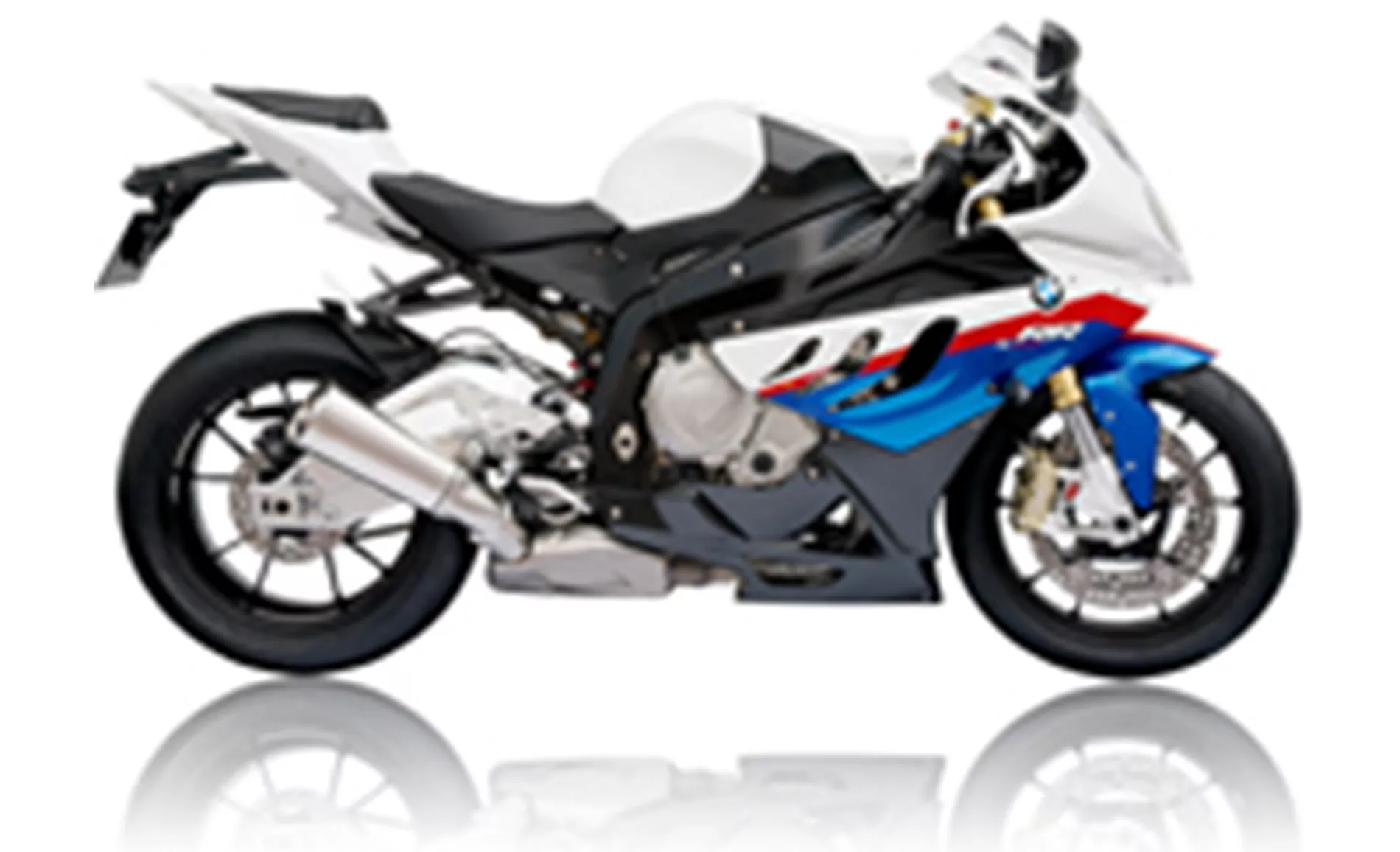
BMW S 1000 RR 2010
The chassis of the BMW S 1000 RR 2010 is made of aluminum and has a twin tube frame, while the Yamaha R1 2009 features an aluminum frame with a Deltabox design. Both frames are designed to provide rigidity and stability during high-speed riding.
When it comes to braking, both motorcycles have double disc brakes at the front. This ensures excellent stopping power and control for both bikes.
In terms of dimensions and weights, the BMW S 1000 RR 2010 has a slightly longer wheelbase of 1432mm compared to the Yamaha R1 2009's 1415mm. This may result in slightly better stability and handling for the BMW. The seat height of the BMW is 820mm, while the Yamaha has a slightly higher seat height of 835mm. The dry weight of the BMW is 183kg, while the Yamaha weighs slightly more at 206kg. This means that the BMW is lighter and potentially more agile than the Yamaha.
In terms of fuel capacity, the BMW S 1000 RR 2010 has a fuel tank capacity of 17.5 liters, while the Yamaha R1 2009 has a slightly larger fuel tank capacity of 18 liters.
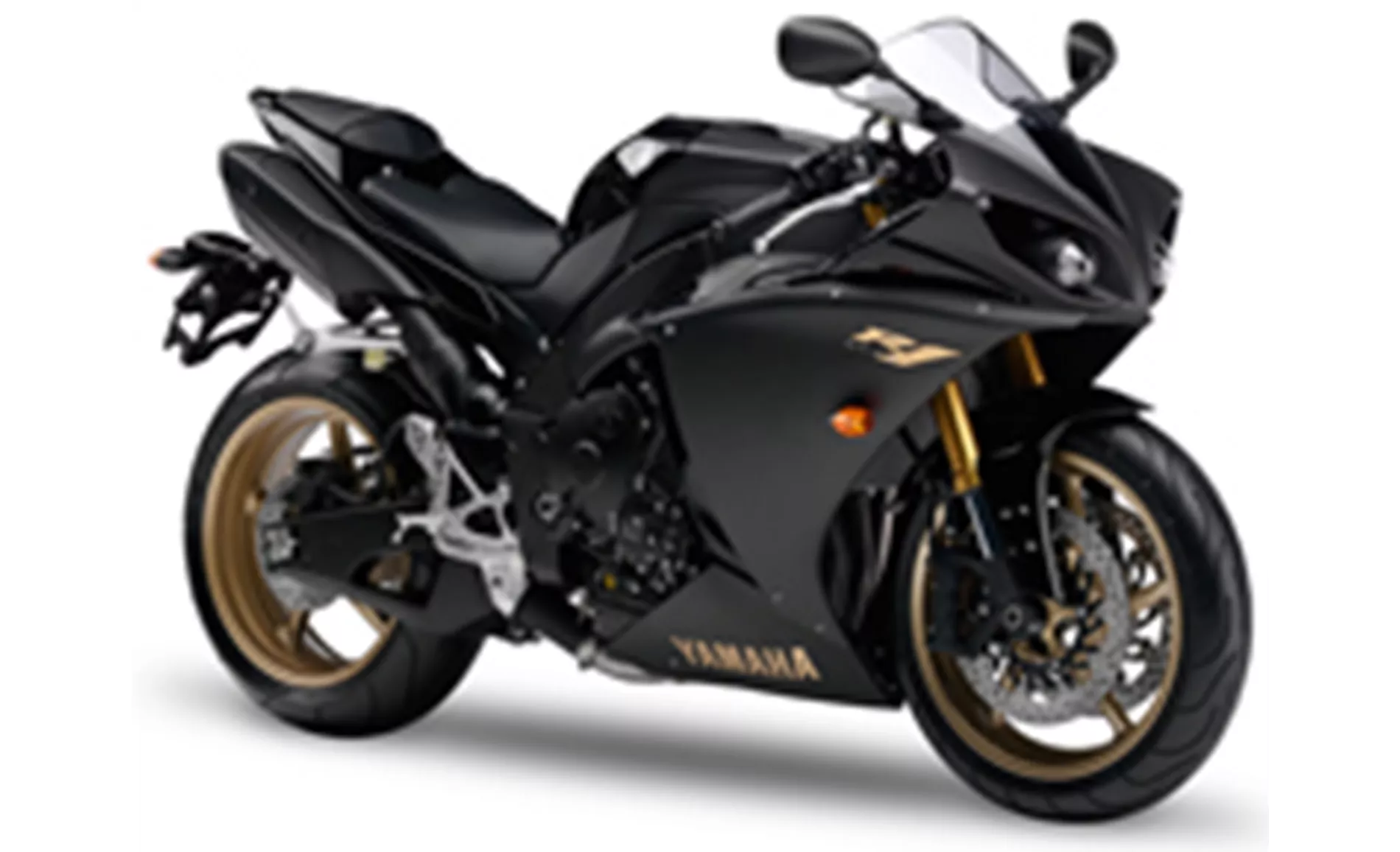
Yamaha R1 2009
In terms of strengths, the BMW S 1000 RR 2010 offers superior performance with its higher horsepower and torque output. It also features well-functioning driving aids and is known for its speed. Additionally, the BMW offers an optimal price compared to its competitors.
On the other hand, the Yamaha R1 2009 has a sophisticated sound and offers a good feeling for power delivery. It is also known for its easy handling and features hydraulic spring preload. The Yamaha R1 2009 also has a high level of workmanship, indicating its quality and attention to detail.
However, the BMW S 1000 RR 2010 does have some weaknesses. It may lack agility and have complicated handling, potentially affecting its maneuverability. Additionally, the BMW may have some issues with braking stability due to its high weight.
The Yamaha R1 2009 also has a few weaknesses. It may have a suboptimal seating position, which could affect rider comfort during long rides. Additionally, the Yamaha may be somewhat difficult to corner over long distances.
In conclusion, both the BMW S 1000 RR 2010 and the Yamaha R1 2009 are powerful and high-performance supersport motorcycles. While the BMW offers superior performance and a more optimal price, the Yamaha has its own strengths in terms of sound, power delivery, handling, and workmanship. Ultimately, the choice between the two models will depend on the rider's preferences and priorities.
Teknik Özellikler – BMW S 1000 RR 2010 ve Yamaha R1 2009 karşılaştırması
Karşılaştırıldığında Artıları ve eksileri
Karşılaştırıldığında Artıları ve eksileri
BMW S 1000 RR 2010
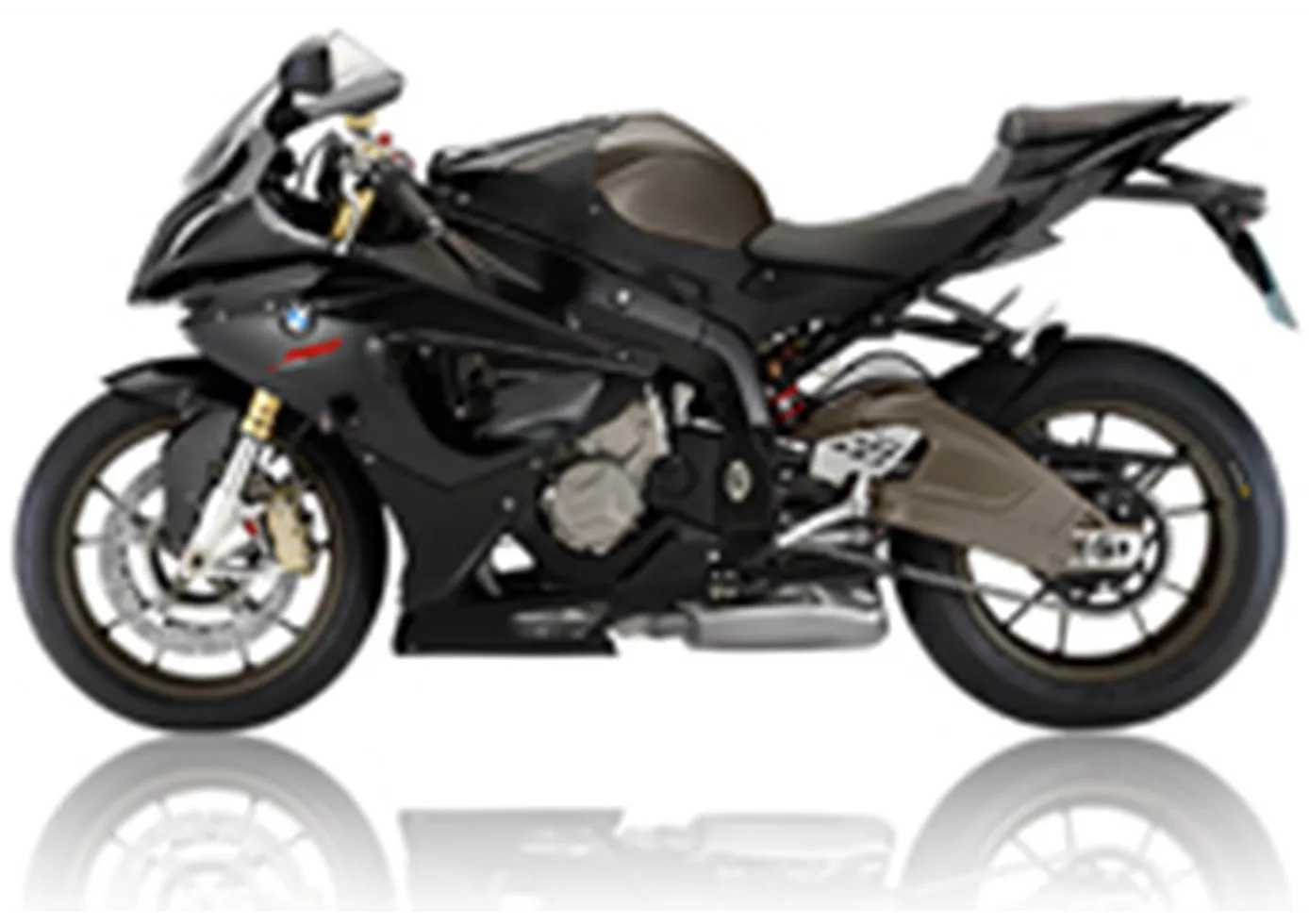
BMW 2015'te hala somut verilerle puan toplayabilir. En yüksek performansi seviyorsaniz, BMW'yi satin almalisiniz. En üstte inanilmaz derecede güçlü bir sekilde devirlenir ve 200 kilometreden itibaren alanin geri kalanini geride birakir. Uzun boylu ve agir sürücüler bundan daha da fazla faydalanacaktir. BMW bu makineyle isini kolaylastirmamis ve çok evrensel bir motosiklet yaratmistir. Eger 50 farkli sürücüyle (çaylaklardan profesyonellere kadar) bir karsilastirma testi yapacak olsaydiniz, BMW tüm 1000cc motosikletler arasinda en iyi ortalamayi elde ederdi. Elektronik sasi ve sürüs yardimcilari profesyonelleri hizli, acemileri ise yolda güvenli kilar. Çok genis bir hedef grup için en iyi tavsiye. Çok hizli hobi sürücüleri standart süspansiyondan %100 memnun kalmayacaktir. Süspansiyonu dönüstürmek istemiyorsaniz, bir R1M, bir Panigale S veya bir RSV RF tercih etmelisiniz. S 1000 RR, yine de dönüstürme yapanlar için en güçlü ve en evrensel temeldir. Sasirtici bir sekilde, bu güçlü makine köy yollarinda da çok iyi bir sürüse sahip. Sonuç olarak, bir uzlasma gibi görünüyor, ancak pratikte asla öyle hissettirmiyor.
Yamaha R1 2009
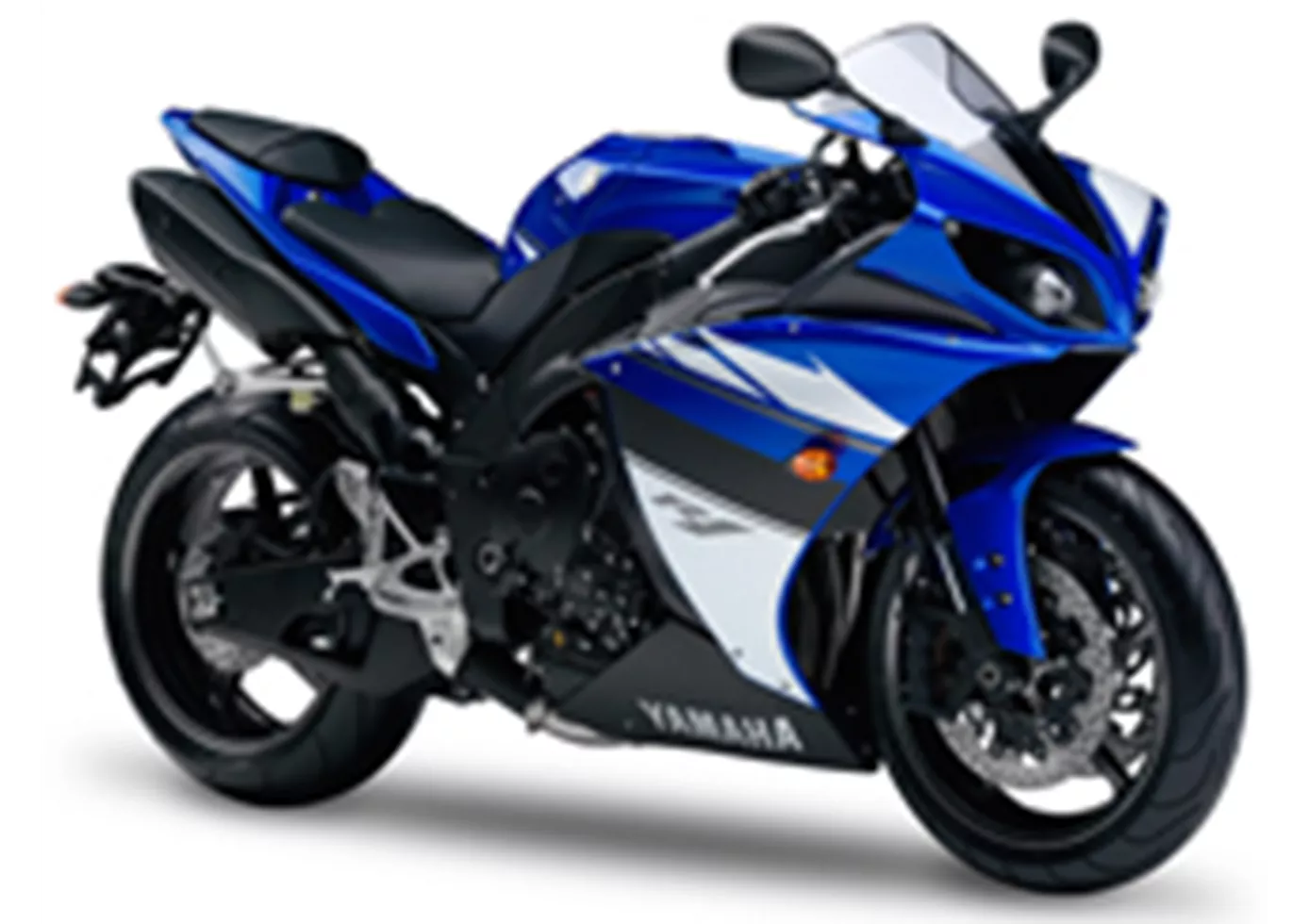
Yamaha YZF-R1 dengeli performansi ile etkilemeye devam ediyor - özellikle 1000cc motor, abartili krank pimi ofseti ile sadece güçlü bir güç dagitimi degil, ayni zamanda muhtesem bir ses de sagliyor!
Fiyat Karşılaştırması Ortalama Piyasa Fiyatı BMW S 1000 RR vs Yamaha R1
There are a few key differences between a BMW S 1000 RR 2010 and a Yamaha R1 2009. There are the same number of bikes of both models available on the 1000PS.de marketplace, specifically 6. It takes less time to sell a Yamaha R1 with 45 days compared to 52 days for the BMW S 1000 RR. Since model year 2010 1000PS.de editors have written 135 reviews for the BMW S 1000 RR and 80 reviews for the Yamaha R1 since model year 2005. The first review for the BMW S 1000 RR was published on 4/16/2008 and now has more than 4,000 views. This compares to more than 3,900 views for the first review on Yamaha R1 published on 4/28/2003.