Yamaha R1 2009 vs. Kawasaki Ninja 650 2017
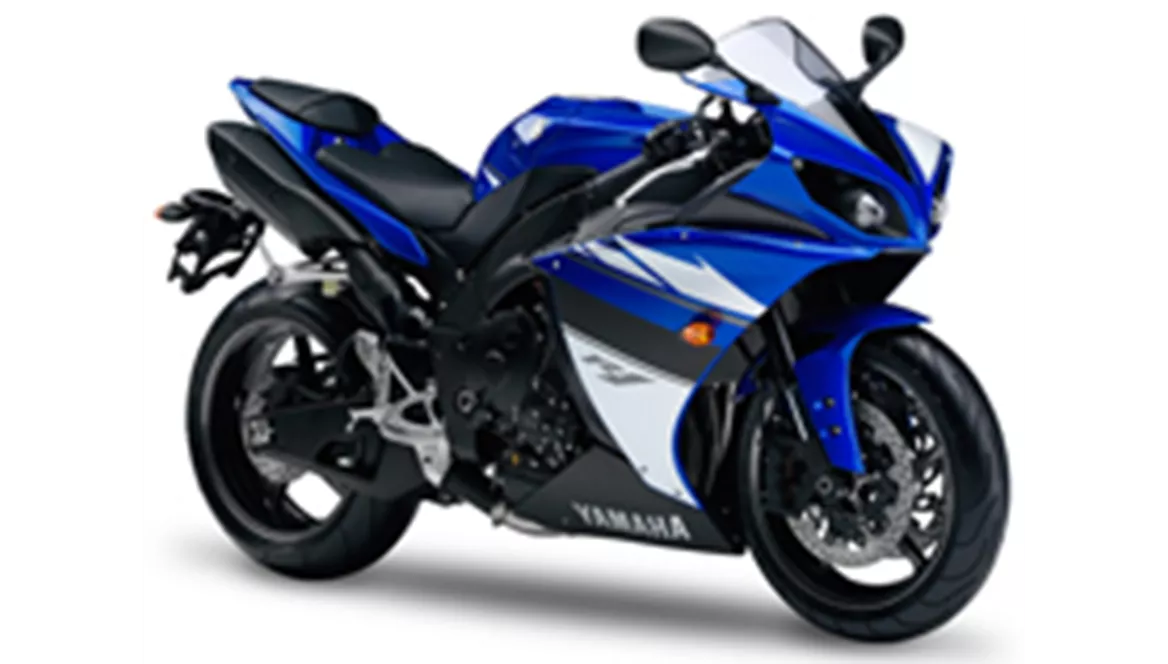
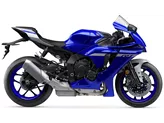
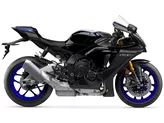
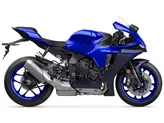
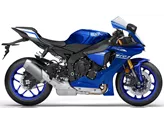
Yamaha R1 2009
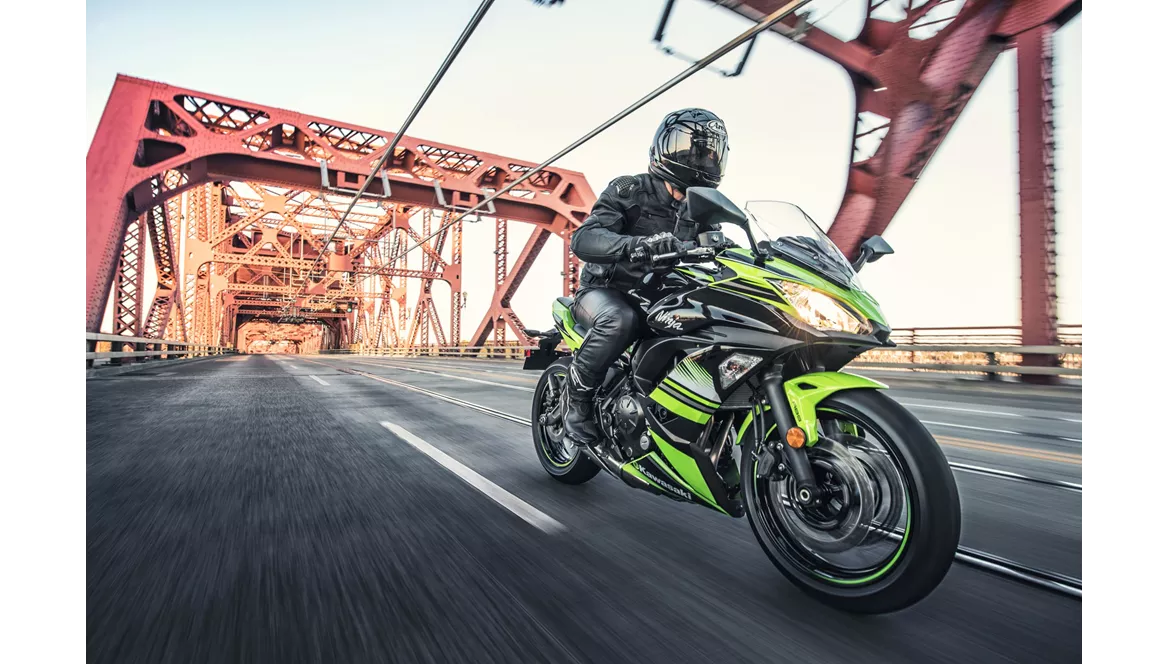
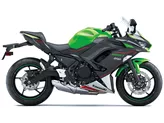
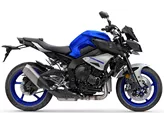
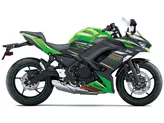
Kawasaki Ninja 650 2017
Pregled - Yamaha R1 2009 vs Kawasaki Ninja 650 2017
The Yamaha R1 model year 2009 and the Kawasaki Ninja 650 model year 2017 are two different motorcycles with distinct characteristics and specifications.
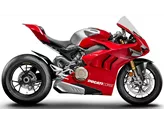
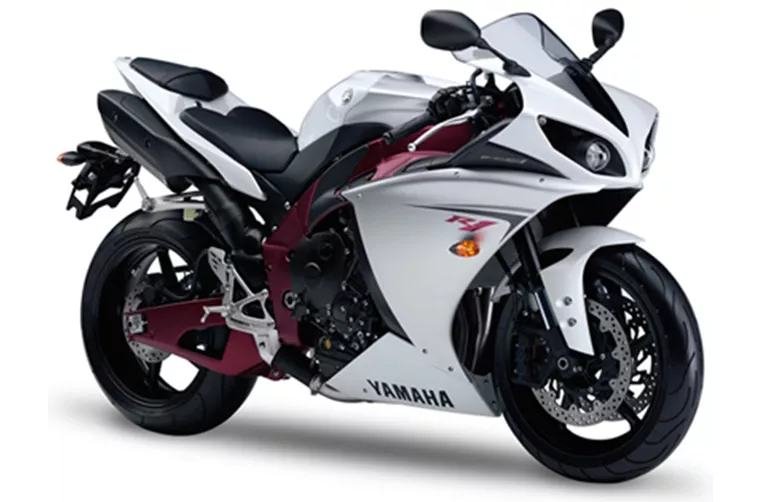
Starting with the Yamaha R1 2009, it is a supersport motorcycle with a powerful engine. It features an in-line, 4-cylinder engine with a displacement of 998cc. The engine produces an impressive 182 horsepower and 115.5 Nm of torque. The compression ratio is 12.7, indicating a high level of performance. The R1 also has a DOHC valve system and a bore and stroke of 78mm and 52.2mm respectively. The chassis of the R1 is made of aluminum and has a Deltabox frame, which provides stability and rigidity. The front suspension is a telescopic fork, while the rear suspension is a swing arm. The R1 is equipped with double disk brakes on the front and has 17-inch wheels. The wheelbase measures 1415mm, and the seat height is 835mm. The fuel tank capacity is 18 liters.
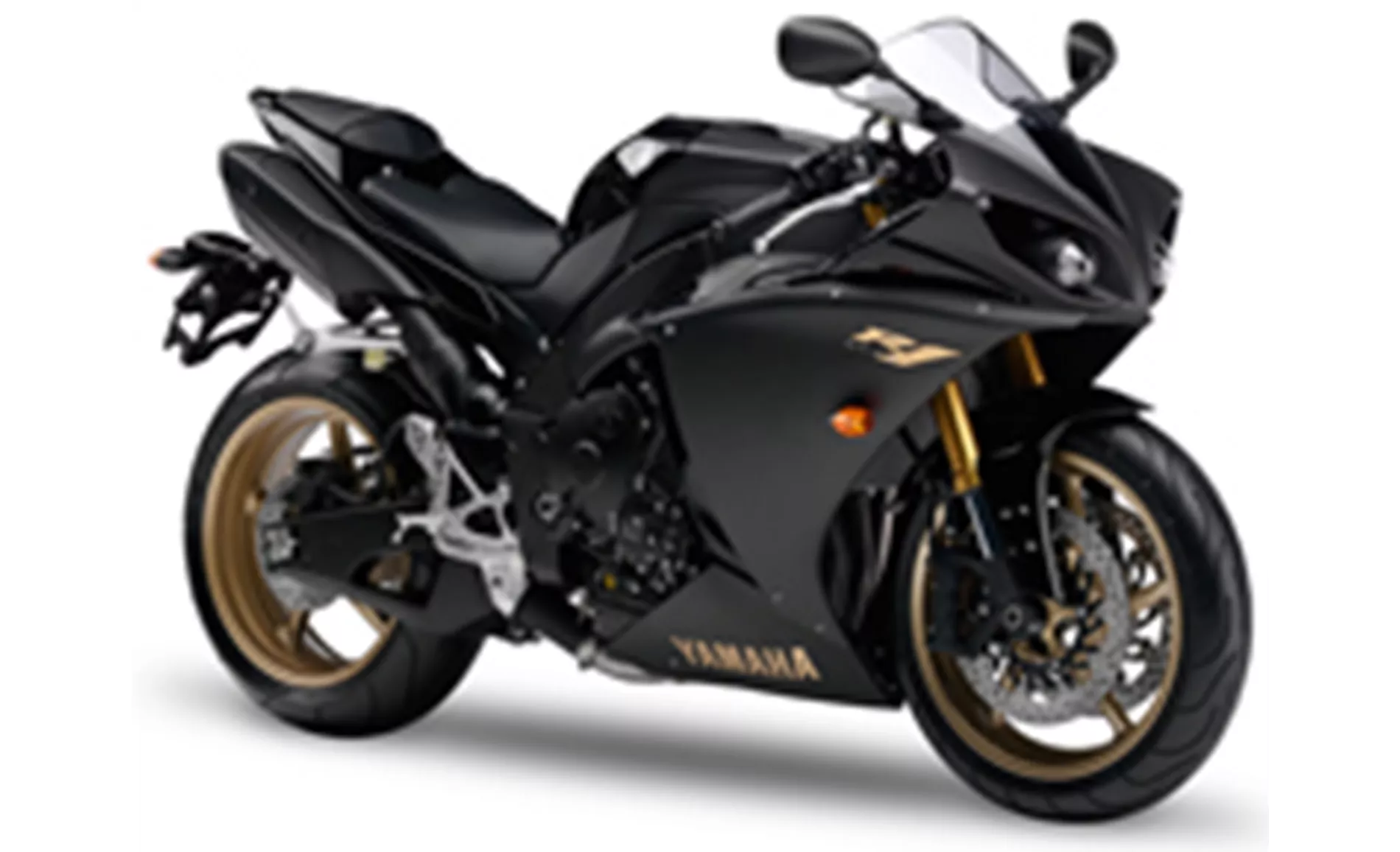
Yamaha R1 2009
In terms of strengths, the Yamaha R1 2009 is known for its sophisticated sound and good power delivery. It offers easy handling and has a high level of workmanship. The hydraulic spring preload adds to the overall quality of the motorcycle. However, the R1 does have some weaknesses. The seating position is suboptimal, which may not be comfortable for long distances. Additionally, cornering can be somewhat difficult over extended periods.
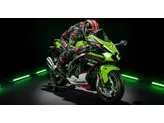
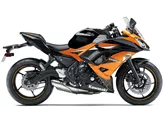
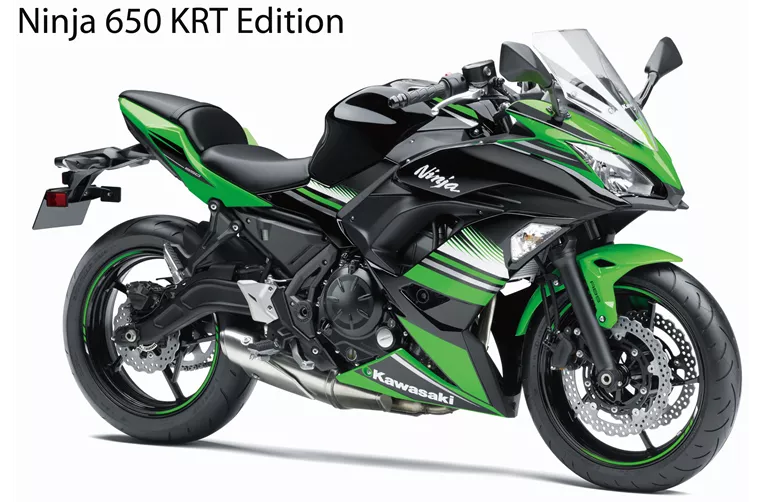
Moving on to the Kawasaki Ninja 650 2017, it is a supersport motorcycle with its own set of strengths and weaknesses. The Ninja 650 is equipped with an in-line, 2-cylinder engine with a displacement of 649cc. The engine produces 68.2 horsepower and 65.7 Nm of torque. The compression ratio is 10.8, indicating a slightly lower level of performance compared to the R1. Similar to the R1, the Ninja 650 has a DOHC valve system. The bore and stroke measure 83mm and 60mm respectively. The chassis of the Ninja 650 is made of steel and has a tubular frame. The front suspension is a telescopic fork, and the rear suspension is a swing arm. The Ninja 650 is also equipped with double disk brakes on the front and has 17-inch wheels. The wheelbase measures 1410mm, and the seat height is 790mm. The fuel tank capacity is 15 liters.
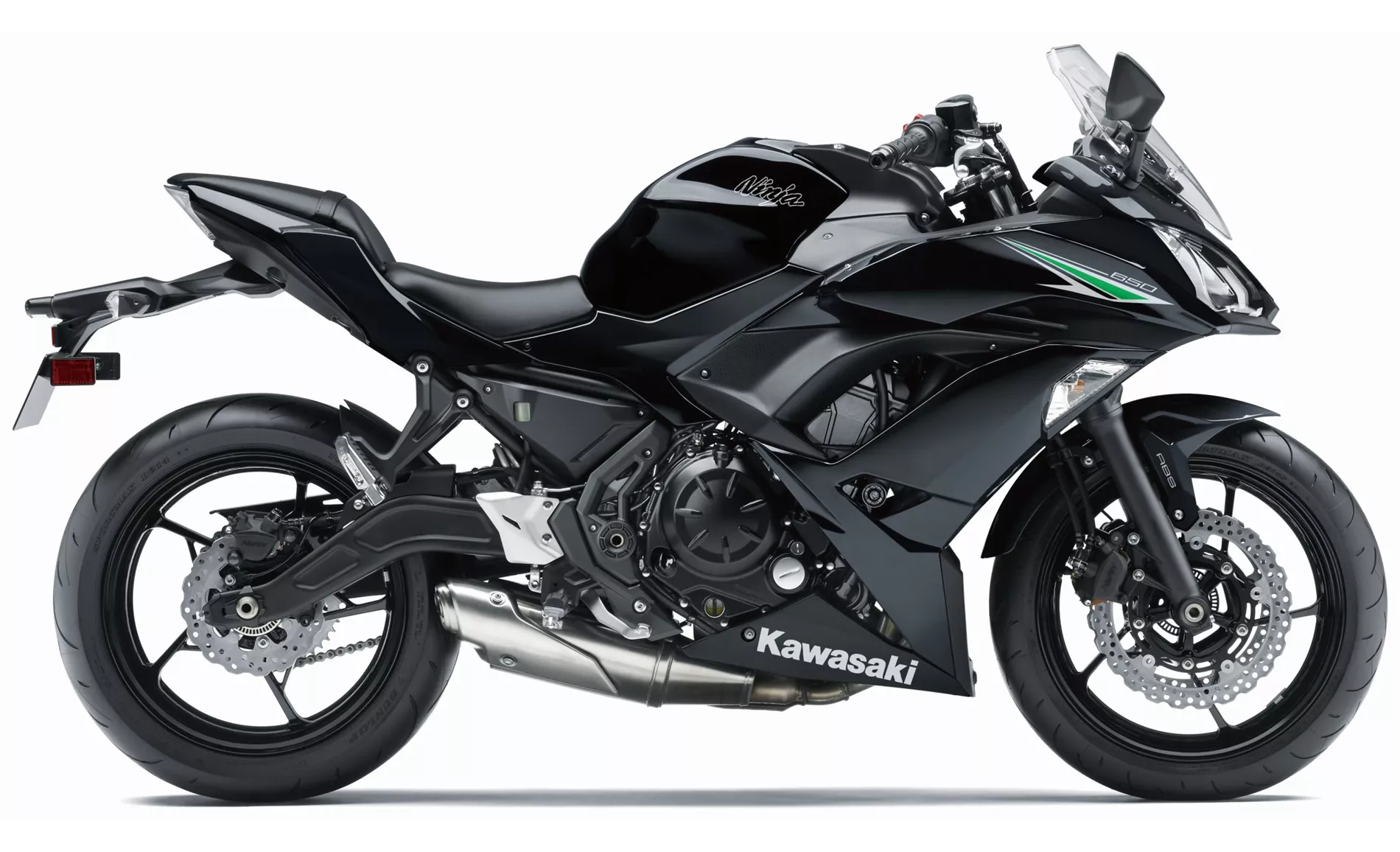
Kawasaki Ninja 650 2017
The strengths of the Kawasaki Ninja 650 2017 include its transparent chassis, which gives it a sporty look. It offers playful and good-natured handling, making it enjoyable to ride. The brakes on the Ninja 650 are excellent, providing reliable stopping power. The sharp looks of the motorcycle resemble the ZX-10R, giving it a stylish appearance. The engine of the Ninja 650 is also resilient. However, there are a few weaknesses to consider. The series pot of the Ninja 650 produces little sound, which may be disappointing for some riders. The engine also shows slight vibrations, which can affect the overall riding experience.
In summary, the Yamaha R1 2009 and the Kawasaki Ninja 650 2017 are both supersport motorcycles with their own unique features and specifications. The R1 offers a powerful engine and a high level of workmanship, but it has a suboptimal seating position and can be difficult to corner over long distances. On the other hand, the Ninja 650 has a transparent chassis and playful handling, but it lacks sound from the series pot and has slight engine vibrations. Ultimately, the choice between the two motorcycles depends on the rider's preferences and priorities.
Tehnične specifikacije Yamaha R1 2009 v primerjavi z Kawasaki Ninja 650 2017
Primerjava prednosti in slabosti
Primerjava prednosti in slabosti
Yamaha R1 2009
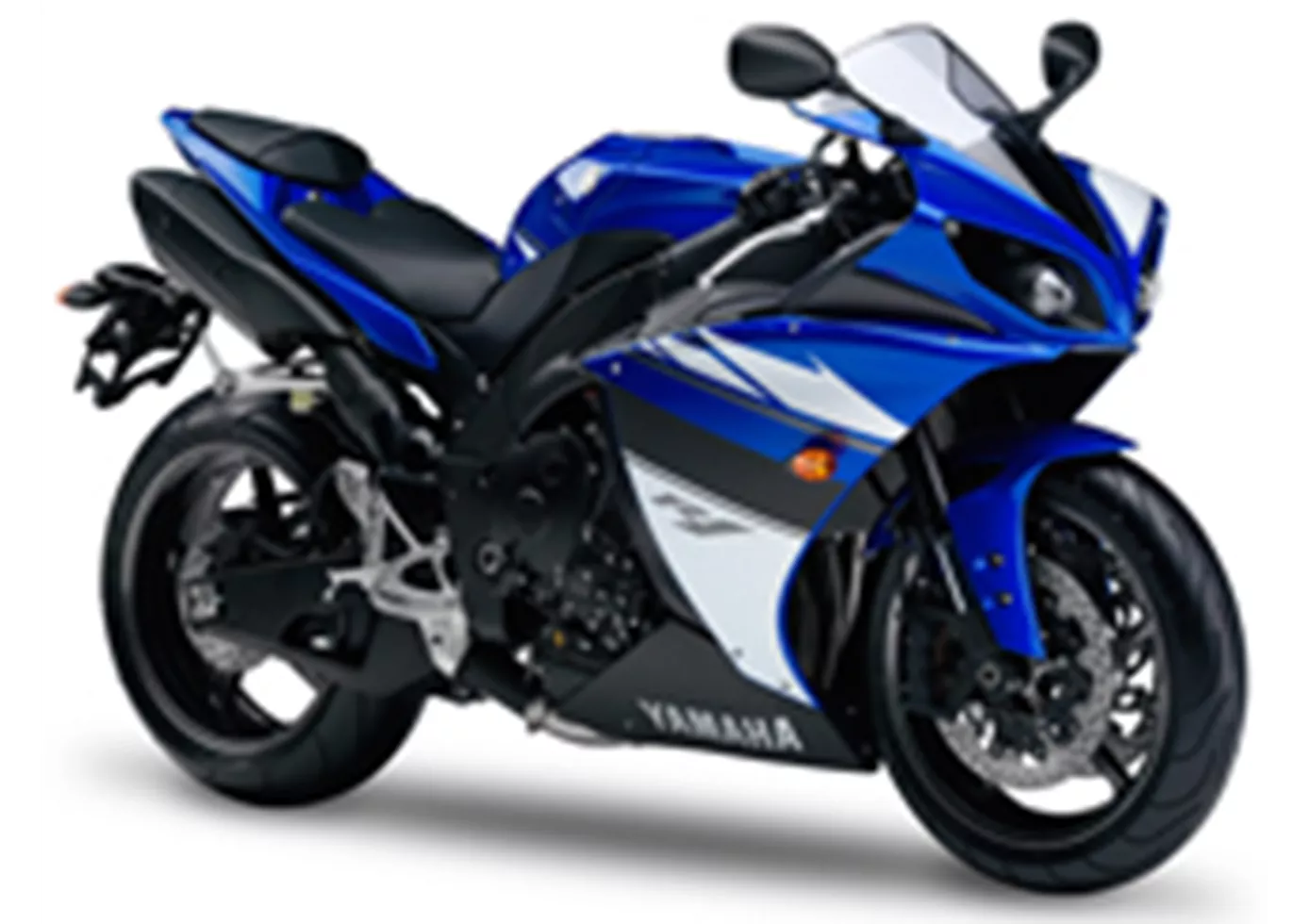
Yamaha YZF-R1 še vedno navdušuje z uravnoteženo zmogljivostjo - zlasti 1000-kubični motor z ekstravagantnim pomikom ročičnega čepa, ki ne služi le močnemu prenosu moči, temveč zagotavlja tudi čudovit zvok!
Kawasaki Ninja 650 2017
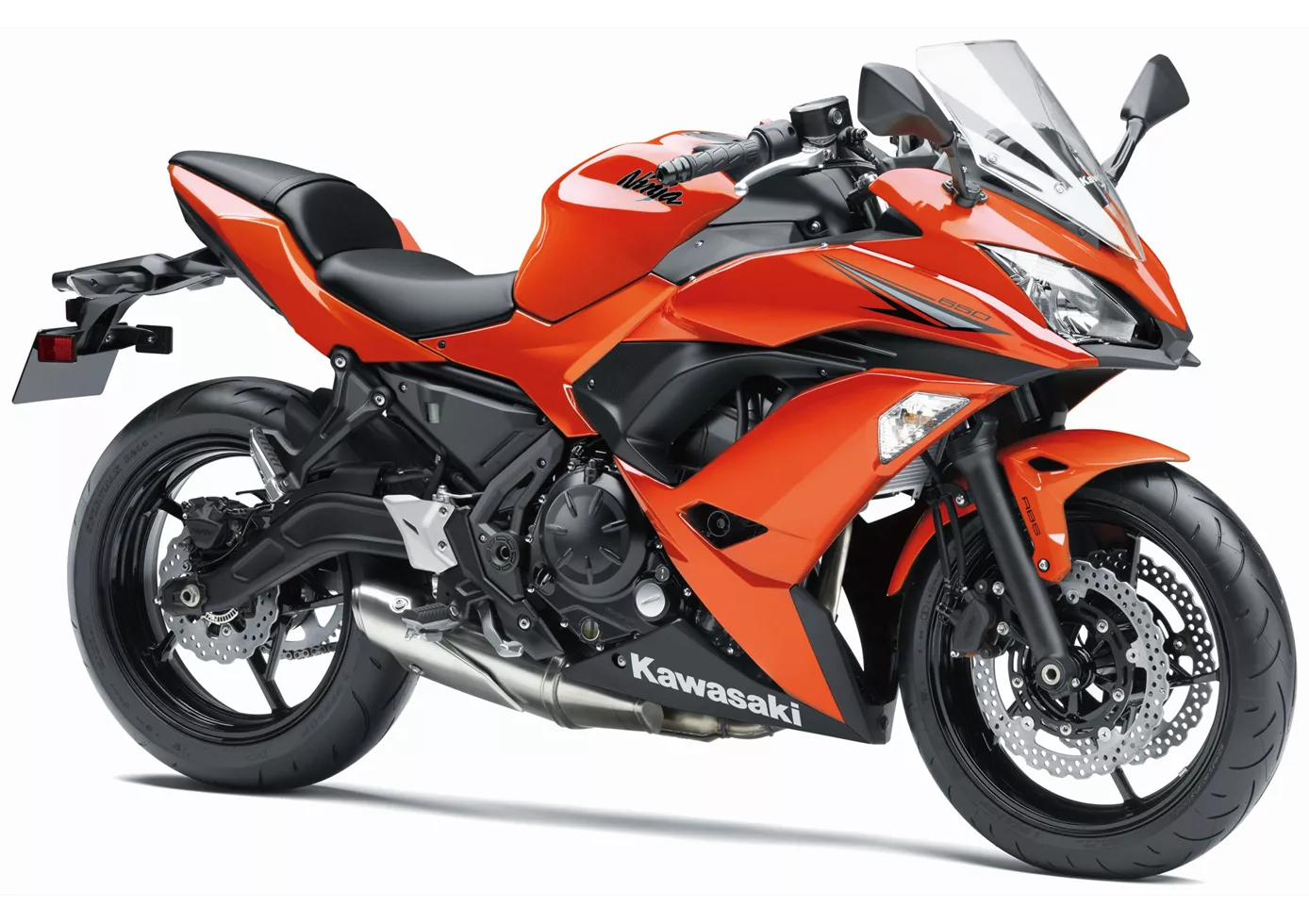
Ninja 650 močno zaznamuje svojega predhodnika (Er-6f). Motor se je dobro spopadel z zahtevami Euro 4 in ponuja zelo uporabnih 68 KM, podvozje je preprosto odlično za ta razred, za 18(!) kilogramov manjša teža v primerjavi z modelom ER-6f pa upravičuje spoštljivo prikimavanje.
Primerjava povprečnih tržnih cen Yamaha R1 vs Kawasaki Ninja 650
There are a few key differences between a Yamaha R1 2009 and a Kawasaki Ninja 650 2017. It takes less time to sell a Yamaha R1 with 45 days compared to 96 days for a Kawasaki Ninja 650. Since model year 2005 1000PS.de editors have written 80 reviews for the Yamaha R1 and 20 reviews for the Kawasaki Ninja 650 since model year 2017. The first review for the Yamaha R1 was published on 4/28/2003 and now has more than 3,900 views. This compares to more than 79,600 views for the first review on Kawasaki Ninja 650 published on 10/4/2016.