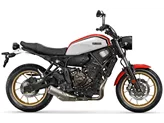
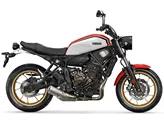
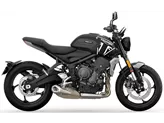
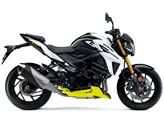
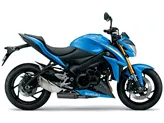
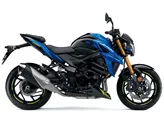
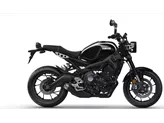
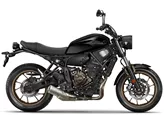
Suzuki GSX-S1000 2016 vs. Yamaha XSR700 2016
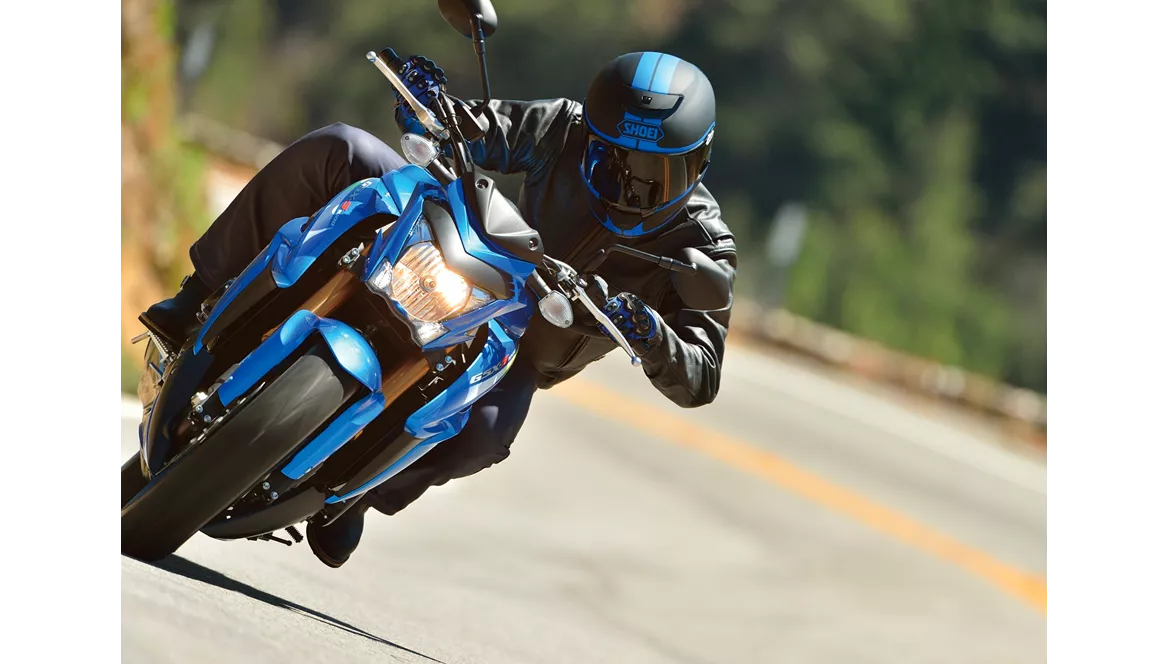
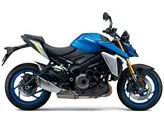
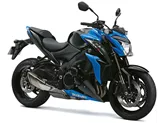
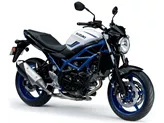
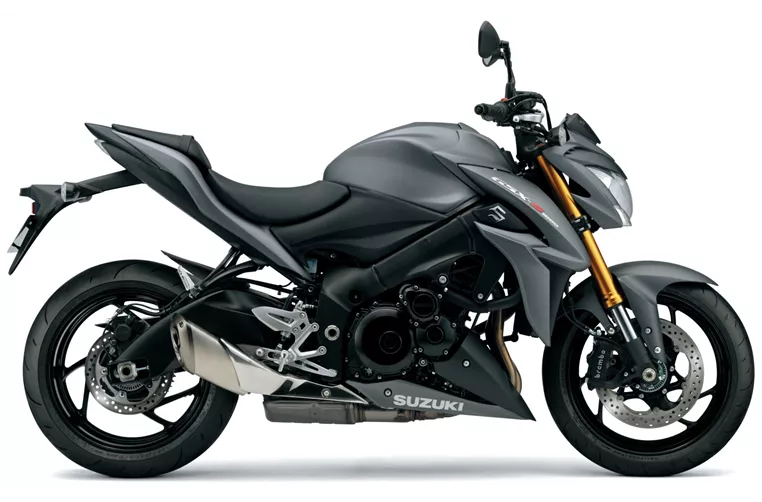
Suzuki GSX-S1000 2016

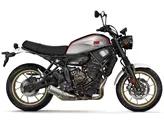
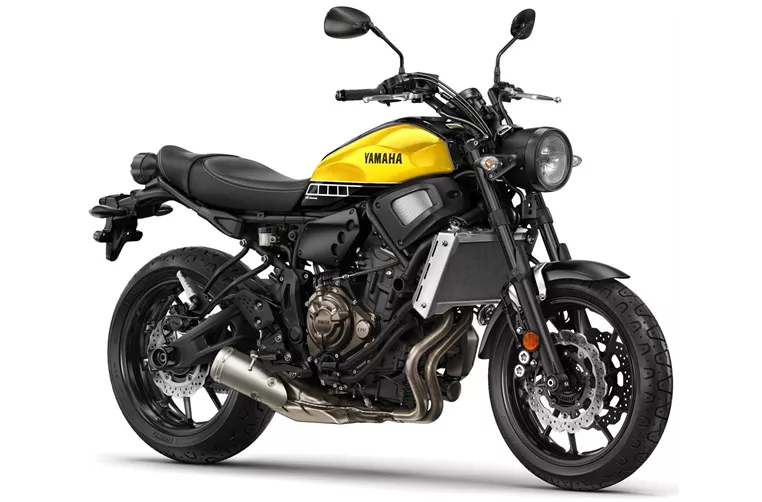
Yamaha XSR700 2016
Pregled - Suzuki GSX-S1000 2016 vs Yamaha XSR700 2016
In terms of engine power, the Suzuki GSX-S1000 2016 clearly outperforms the Yamaha XSR700 2016 with 149 HP compared to 75 HP. This makes the Suzuki more suitable for riders looking for a more powerful and thrilling riding experience. Additionally, the Suzuki has a higher torque of 106 Nm compared to the Yamaha's 68 Nm, providing better acceleration and overall performance.
Both bikes are equipped with fuel injection systems, ensuring efficient fuel consumption and smooth throttle response. However, the Suzuki has a larger engine displacement of 999 ccm compared to the Yamaha's 689 ccm, which contributes to its higher power output.
In terms of suspension, the Suzuki features an upside-down telescopic fork at the front, providing better stability and control during cornering. The Yamaha, on the other hand, has a standard telescopic fork. Both bikes have a swing arm rear suspension with a monoshock absorber, ensuring a comfortable ride.
The chassis of the Suzuki GSX-S1000 2016 is made of aluminum, which is known for its lightweight and rigid properties, contributing to better handling and maneuverability. The Yamaha XSR700 2016, on the other hand, has a steel frame, which may result in a slightly heavier overall weight.
Both bikes are equipped with double disk brakes at the front, ensuring reliable and efficient stopping power. The Suzuki has larger brake disks with a diameter of 310 mm compared to the Yamaha's 282 mm. Both bikes have four-piston calipers, providing excellent braking control.
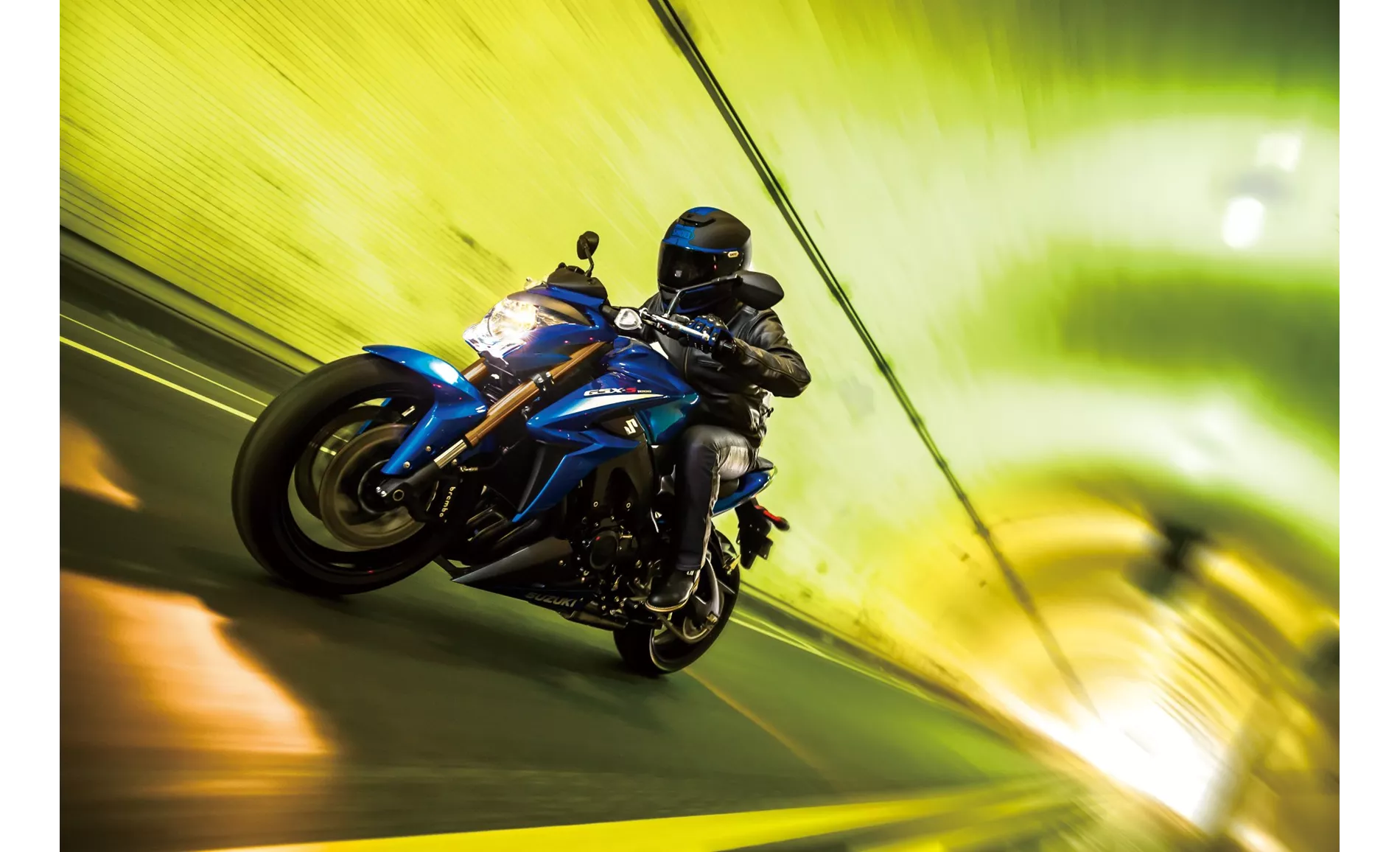
Suzuki GSX-S1000 2016
Both the Suzuki and the Yamaha are equipped with advanced rider assistance systems, including ABS, ensuring safe and controlled braking in various road conditions.
In terms of dimensions and weights, both bikes have similar front tire widths of 120 mm and rear tire diameters of 17 inches. However, the Suzuki has a wider rear tire width of 190 mm compared to the Yamaha's 180 mm. The Suzuki also has a longer wheelbase of 1460 mm compared to the Yamaha's 1405 mm. Both bikes have a seat height of 815 mm, providing a comfortable riding position for most riders.
The Suzuki GSX-S1000 2016 has a slightly higher kerb weight of 209 kg compared to the Yamaha's 186 kg. However, considering the Suzuki's more powerful engine, this weight difference is expected.
In terms of fuel tank capacity, the Suzuki has a larger capacity of 17 liters compared to the Yamaha's 14 liters, providing a longer range between refueling.

Yamaha XSR700 2016
In terms of strengths, the Suzuki GSX-S1000 2016 offers a powerful engine, good braking control, a stable and sensitive chassis, a comfortable seating position, and a relatively low price compared to other bikes in its class.
On the other hand, the Yamaha XSR700 2016 has strengths such as an elastic motor, direct transmission, easy handling, and good build quality.
However, the Suzuki GSX-S1000 2016 has some weaknesses, including a front end that may appear too aggressive for some riders and a throttle response that can be too sensitive in the lower rev range.
The Yamaha XSR700 2016, on the other hand, has a slightly softer chassis and a seating position that may require some getting used to.
Overall, both the Suzuki GSX-S1000 2016 and the Yamaha XSR700 2016 have their own strengths and weaknesses, and the choice between them ultimately depends on the rider's preferences and priorities.
Tehnične specifikacije Suzuki GSX-S1000 2016 v primerjavi z Yamaha XSR700 2016
Primerjava prednosti in slabosti
Primerjava prednosti in slabosti
Suzuki GSX-S1000 2016
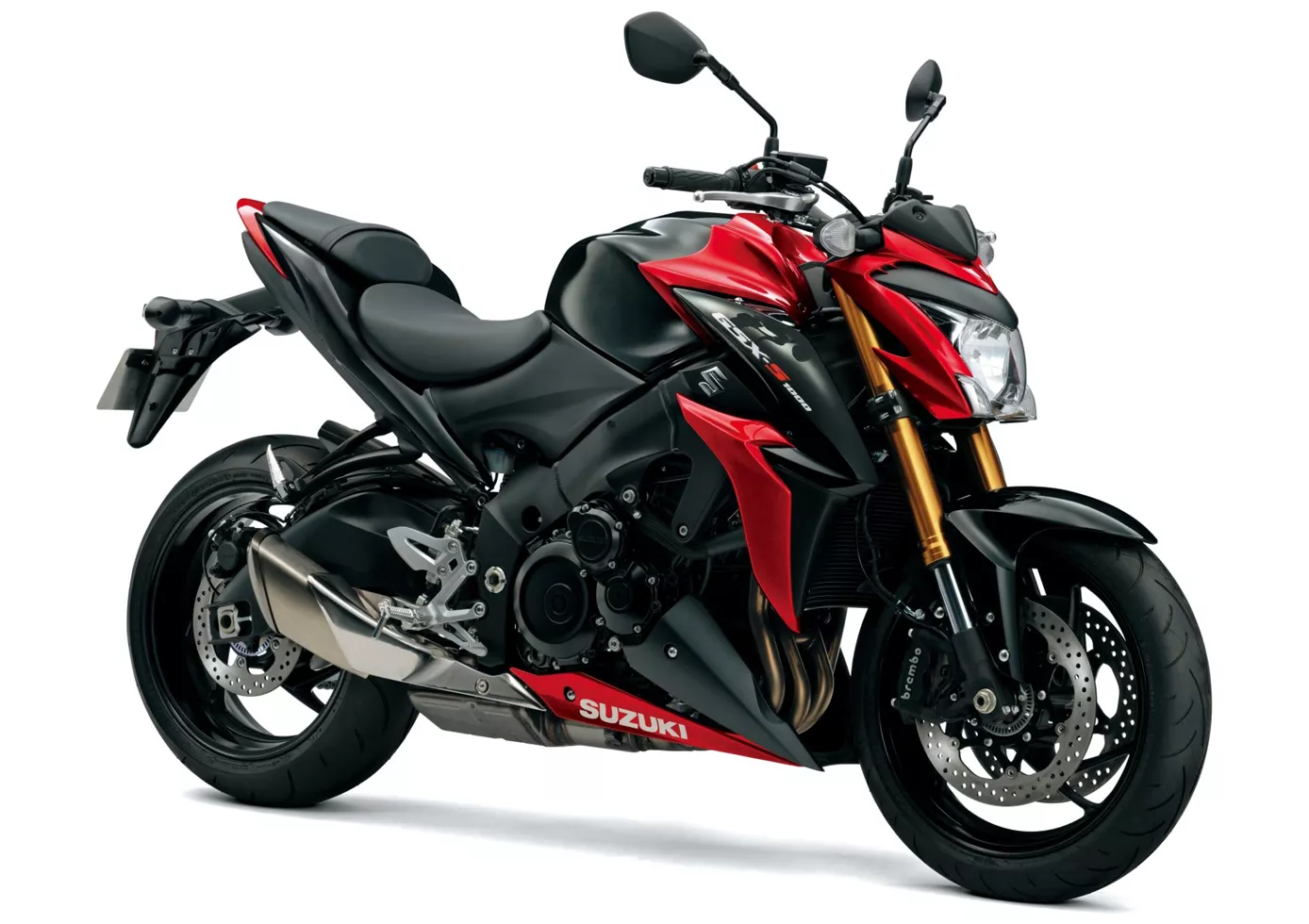
Nekateri so morda presenečeni, da Suzuki po tako dolgem čakanju ni predstavil vrhunskega, brezkompromisno zmogljivega golega motocikla. Namesto tega se zdi Suzuki GSX-S 1000 s 149 KM skoraj preveč dobro vzgojen. A ko se z njim zapeljete na dirkališče, hitro ugotovite, da je motor v resničnem življenju veliko močnejši in da so tudi preostale zmogljivosti podvozja in zavornega sistema impresivne. V zameno ponuja tudi velik delež vsakdanje in praktične uporabnosti - kar ni slaba sestavina, ko morate z enim kolesom pokriti vse od vsakdana do dirkalne steze.
Yamaha XSR700 2016

XSR je zame popolno vsakodnevno kolo. Vizualno je prava paša za oči, ima neverjetno veliko moči, a je še vedno lahek in okreten. Položaj sedenja omogoča daljše vožnje, saj je mogoče prtljago brez težav prevažati na zadnjem sedežu. Sam XSR še ne ve točno, kaj bi rad postal. Vendar sem se mi zdi nastala mešanica precej vznemirljiva. Če torej v garaži ne želite (ali ne morete) imeti različnih koles, je XSR zelo dobra izbira. zelo dobro služi. Ima vse, kar pričakujete od motornega kolesa. V hotelu bi lahko govorili o ponudbi "vse vključeno". Odličen je za Odličen je za vsakodnevno vožnjo v službo, za izlete ob koncu tedna in manjše izlete na jug. Tudi s sovoznikom je motor zelo enostaven za premikanje. Kot je pri Yamahi običajno, motocikel naredi zelo soliden vtis. Vse tu preprosto deluje. Izpušni plin je prijetno tih, vendar od 5000 vrtljajev na minuto naprej proizvaja zelo privlačen in grlen zvok. Zadnji del je stvar okusa. Osebno bi zadnji del predelal in odstranil plastične elemente. Tudi serijska ogledala se mi zdijo nekoliko velika. Retro videz tu ni bil povsem izpeljan. Vendar je to mogoče zelo spremeniti hitro in enostavno zaradi številnih dodatkov. Instrumentna plošča je v osnovi dobro berljiva. Vendar pa je veliko informacij prostora. Tu sta oblikovanje in funkcionalnost nekoliko v navzkrižju. Povzeto v enem stavku: Popolno kolo za vsak izziv.
Primerjava povprečnih tržnih cen Suzuki GSX-S1000 vs Yamaha XSR700
There are a few key differences between a Suzuki GSX-S1000 2016 and a Yamaha XSR700 2016. In terms of price, the actual average price of a Suzuki GSX-S1000 2016 is about 25% higher. A Suzuki GSX-S1000 2016 experiences a loss of 90 USD in one year of ownership. This is offset by a loss of 100 USD for a Yamaha XSR700 2016. Compared to Yamaha XSR700 2016 there are more Suzuki GSX-S1000 2016 bikes available on the 1000PS.de Marketplace, specifically 10 compared to 9. It takes less time to sell a Yamaha XSR700 with 85 days compared to 109 days for the Suzuki GSX-S1000. Since model year 2015 1000PS.de editors have written 36 reviews for the Suzuki GSX-S1000 and 26 reviews for the Yamaha XSR700 since model year 2015. The first review for the Suzuki GSX-S1000 was published on 9/27/2014 and now has more than 17,100 views. This compares to more than 13,700 views for the first review on Yamaha XSR700 published on 7/22/2015.