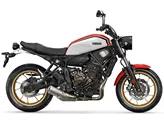
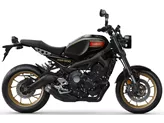
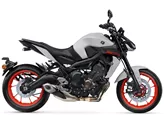
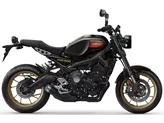
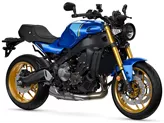
Yamaha XSR900 2016 vs. Kawasaki Z900 RS 2018
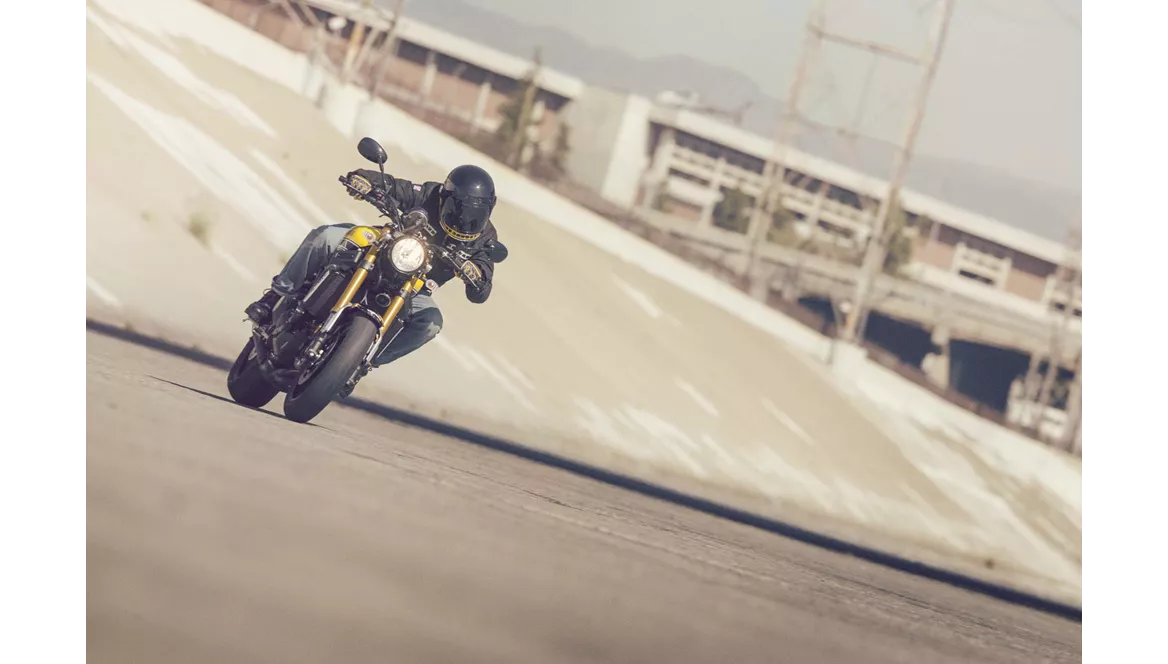
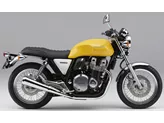
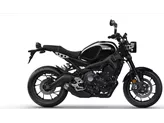
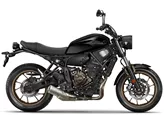
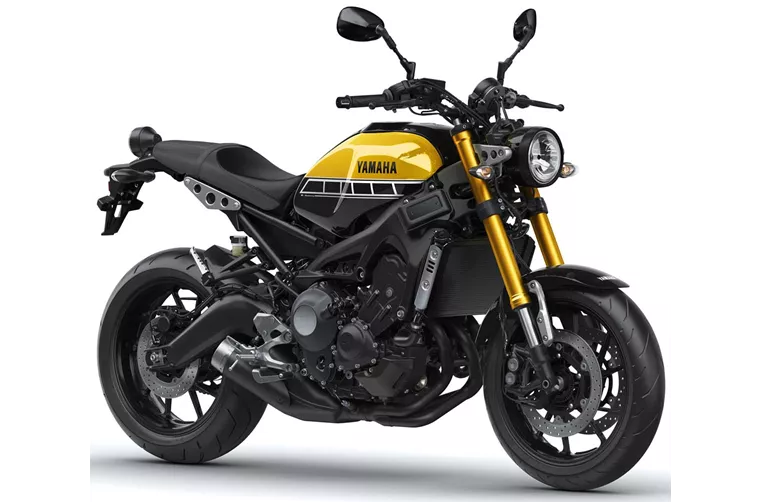
Yamaha XSR900 2016
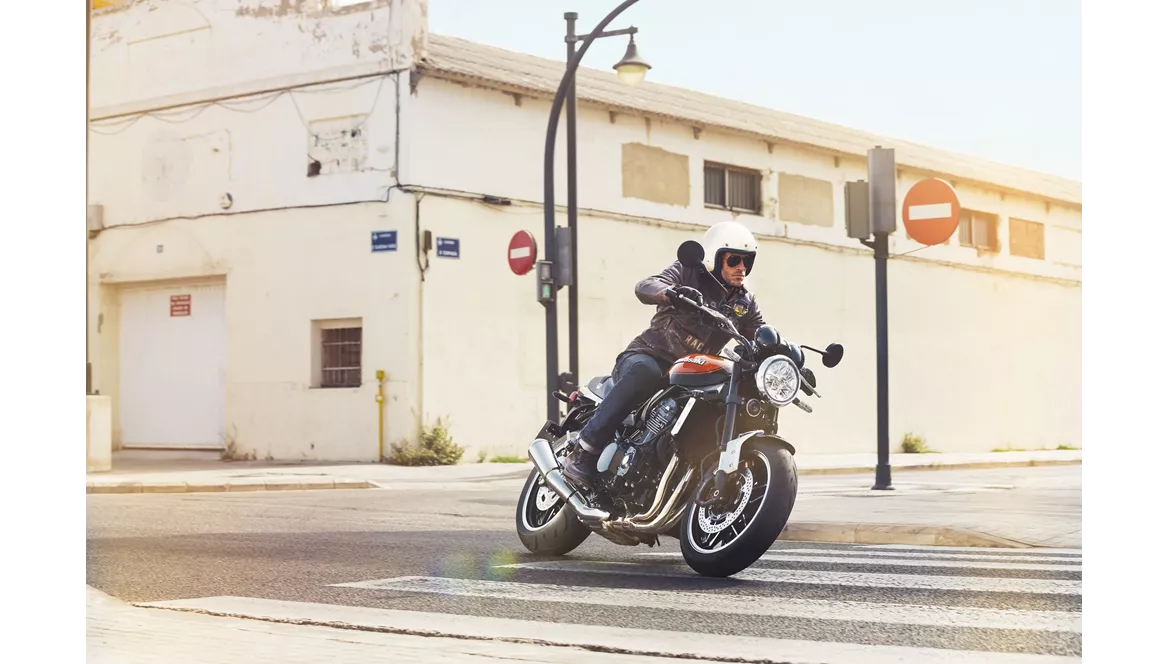
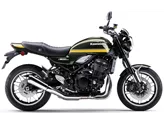
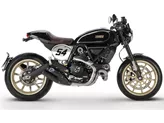
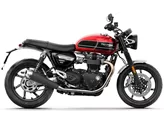
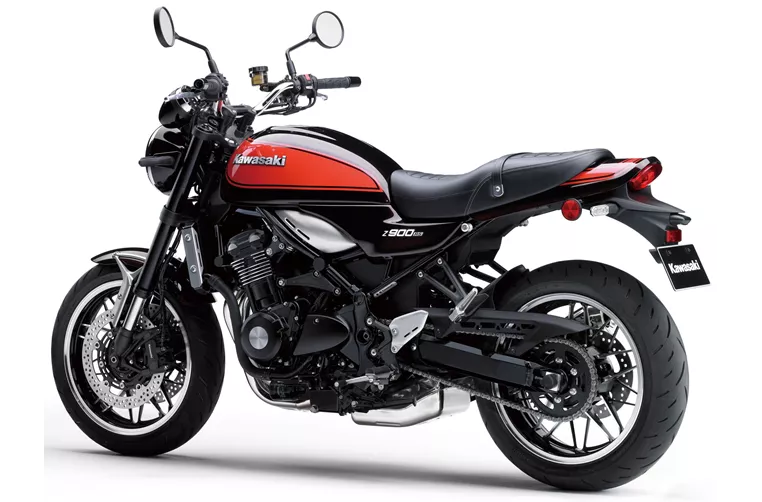
Kawasaki Z900 RS 2018
Visão geral - Yamaha XSR900 2016 vs Kawasaki Z900 RS 2018
The Yamaha XSR900 2016 and the Kawasaki Z900 RS 2018 are both naked bikes that offer powerful performance and stylish designs.
In terms of engine specifications, the Yamaha XSR900 2016 is equipped with an inline 3-cylinder engine that produces 115 HP of power and 87.5 Nm of torque. On the other hand, the Kawasaki Z900 RS 2018 features an inline 4-cylinder engine that delivers 111 HP of power and 98.6 Nm of torque. Both bikes have liquid cooling systems and a displacement of around 900cc.
When it comes to suspension, both bikes have a telescopic fork at the front and a swingarm with a monoshock at the rear. This setup provides a comfortable and stable ride for both models.
In terms of chassis, the Yamaha XSR900 2016 features an aluminum frame, while the Kawasaki Z900 RS 2018 has a steel frame. The choice of materials affects the overall weight and handling of the bikes. The Yamaha XSR900 2016 weighs 191 kg (with ABS), while the Kawasaki Z900 RS 2018 is slightly heavier at 215 kg (with ABS).
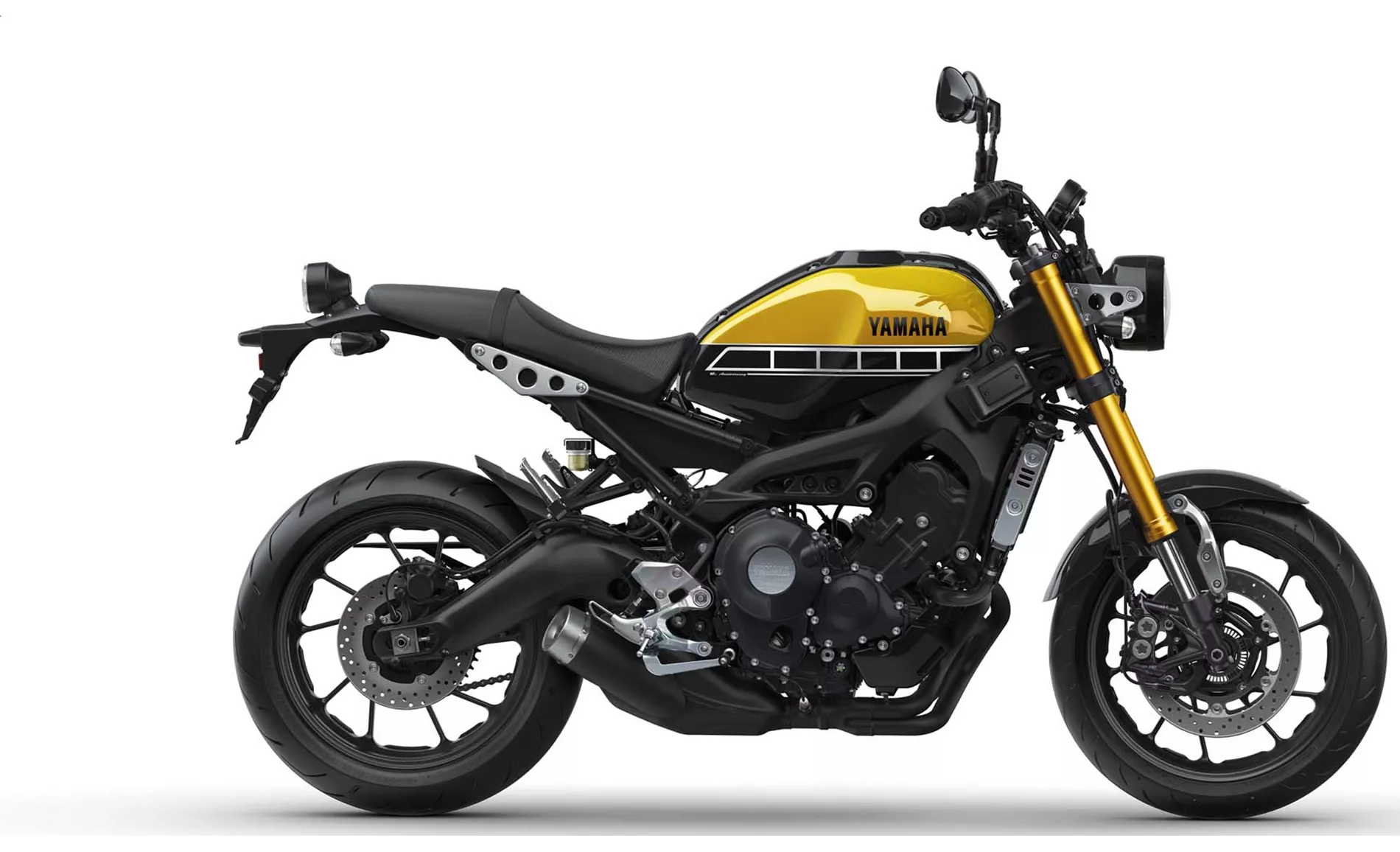
Yamaha XSR900 2016
Both bikes come with dual disc brakes at the front, with the Yamaha XSR900 2016 having a diameter of 298 mm and the Kawasaki Z900 RS 2018 having a diameter of 300 mm. This ensures excellent stopping power and control for both models.
In terms of advanced rider assistance systems, both bikes are equipped with ABS. However, the Kawasaki Z900 RS 2018 also offers additional features such as ride-by-wire and traction control, providing enhanced safety and control for the rider.
In terms of dimensions, the Yamaha XSR900 2016 and the Kawasaki Z900 RS 2018 have similar tire widths and diameters. Both bikes have a wheelbase of around 1440-1470 mm, providing stability and agility on the road. The seat height of the Yamaha XSR900 2016 is 815 mm, while the Kawasaki Z900 RS 2018 has a slightly higher seat height of 835 mm.
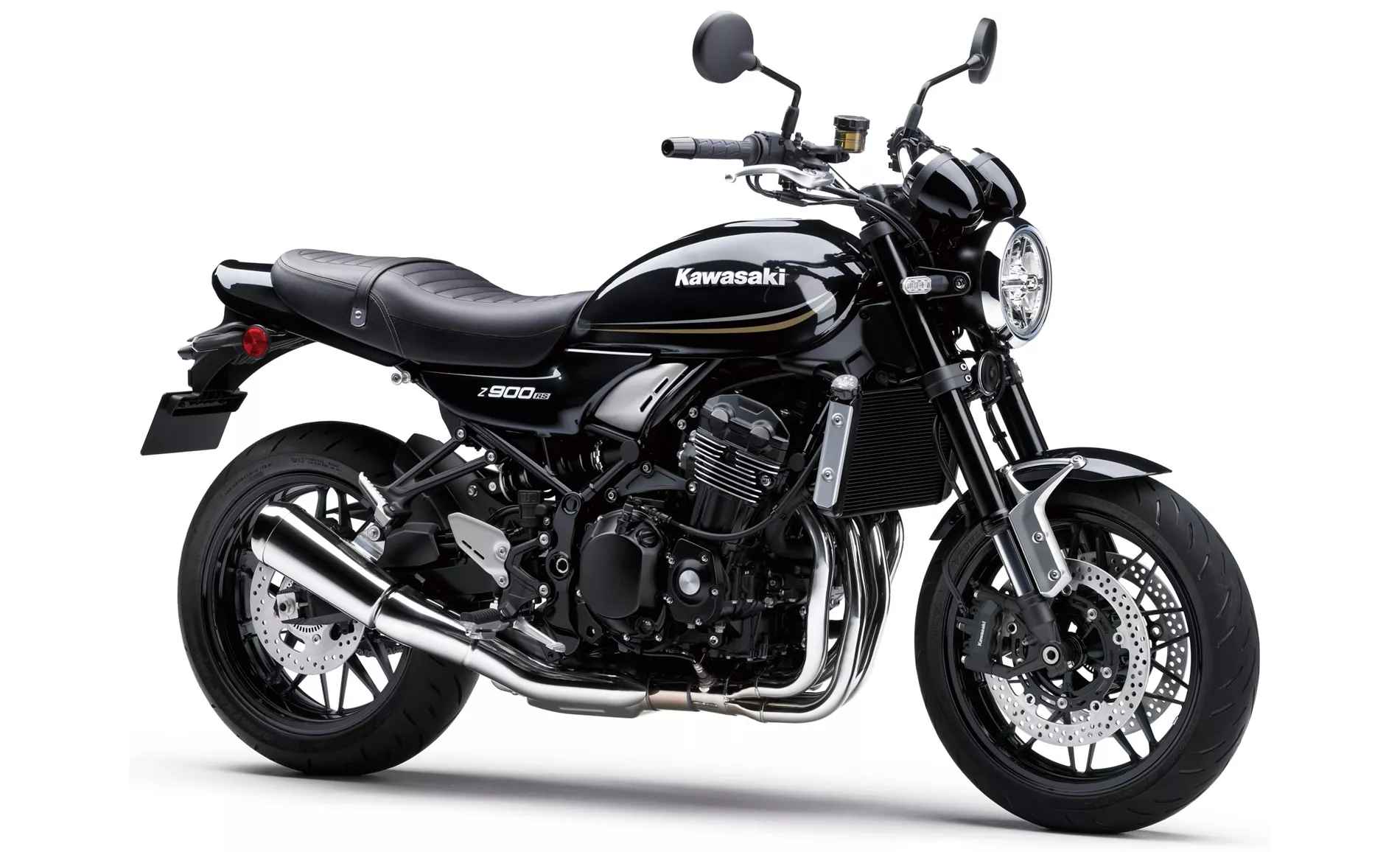
Kawasaki Z900 RS 2018
The Yamaha XSR900 2016 has a fuel tank capacity of 14 liters, while the Kawasaki Z900 RS 2018 offers a larger capacity of 17 liters, allowing for longer rides without the need for frequent refueling.
In terms of strengths, the Yamaha XSR900 2016 is praised for its eager engine, well-tuned riding modes, standard ABS and TC, modern authentic design, and clean finish. On the other hand, the Kawasaki Z900 RS 2018 is commended for its powerful and smooth engine, good looks, comfortable seating position, easy handling, and balanced maneuverability without feeling overly heavy or aggressive.
However, the Yamaha XSR900 2016 has some weaknesses, including a rigid chassis, a less comfortable seat, and a speedometer design that is not unique to the model. The Kawasaki Z900 RS 2018, on the other hand, lacks a gear shift assistant, is heavier compared to other retro bikes in its class, has a seat that may be too soft for long rides, and lacks wind protection.
In conclusion, both the Yamaha XSR900 2016 and the Kawasaki Z900 RS 2018 are capable and stylish naked bikes with their own strengths and weaknesses. The choice between the two ultimately depends on the rider's preferences and priorities in terms of performance, design, and comfort.
Especificações técnicas Yamaha XSR900 2016 em comparação com Kawasaki Z900 RS 2018
Prós e contras em comparação
Prós e contras em comparação
Yamaha XSR900 2016
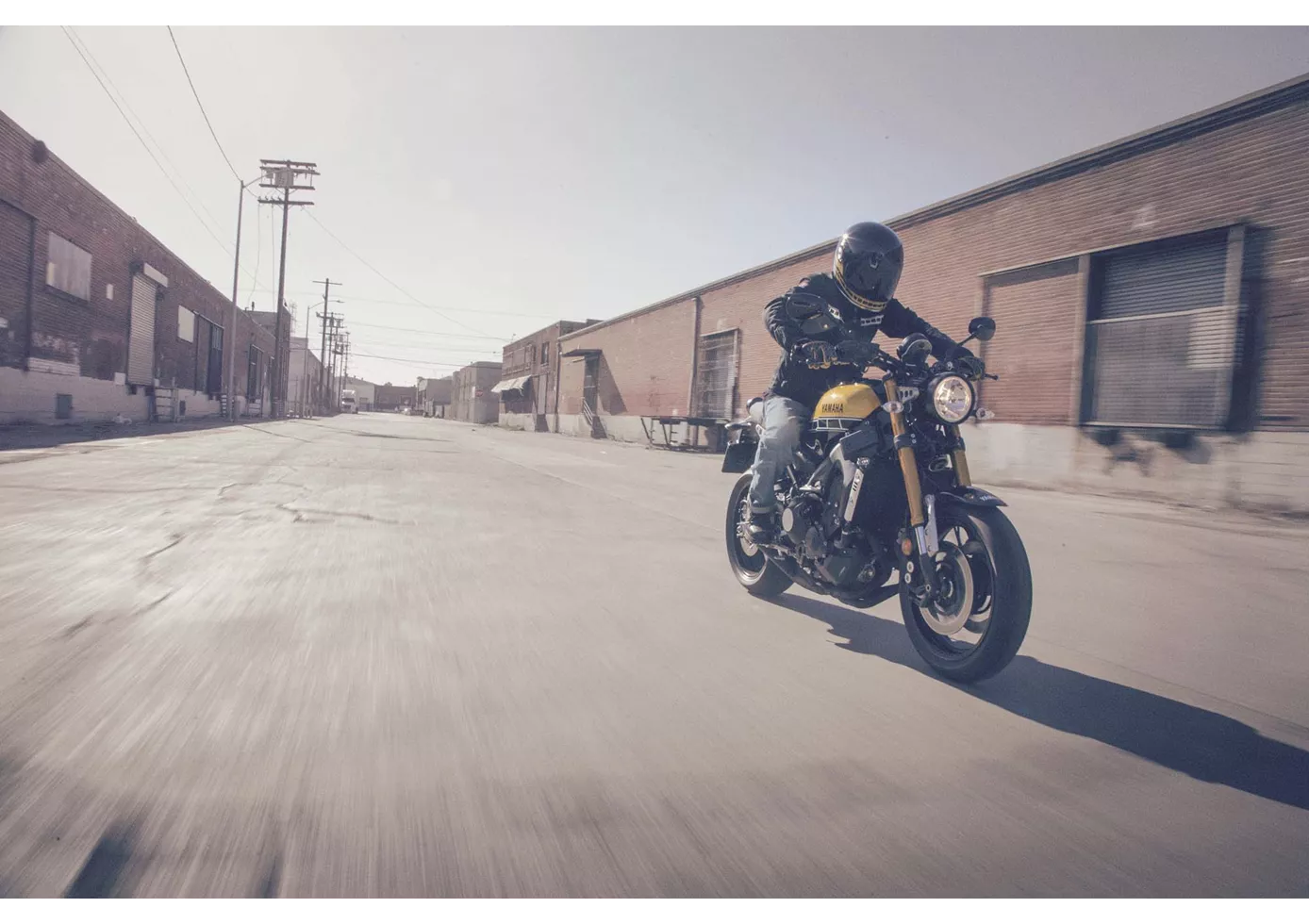
A Yamaha XSR900 é uma ilusão de ótica clássica - com o seu farol redondo, depósito angular e farolim traseiro acoplado, passa claramente por uma moto retro. Mas não é por acaso que o desempenho faz lembrar a potente naked de gama média Yamaha MT-09, que é a base extremamente desportiva da XSR900. Assim, o motor é uma explosão e os travões são apropriadamente venenosos. Felizmente, os engenheiros não exageraram com o chassis, a XSR900 oferece conforto suficiente e a posição de condução vertical é mais confortável do que o potente motor levaria a esperar. Em suma, a XSR900 é um dos modelos mais desportivos entre as motos retro.
Kawasaki Z900 RS 2018
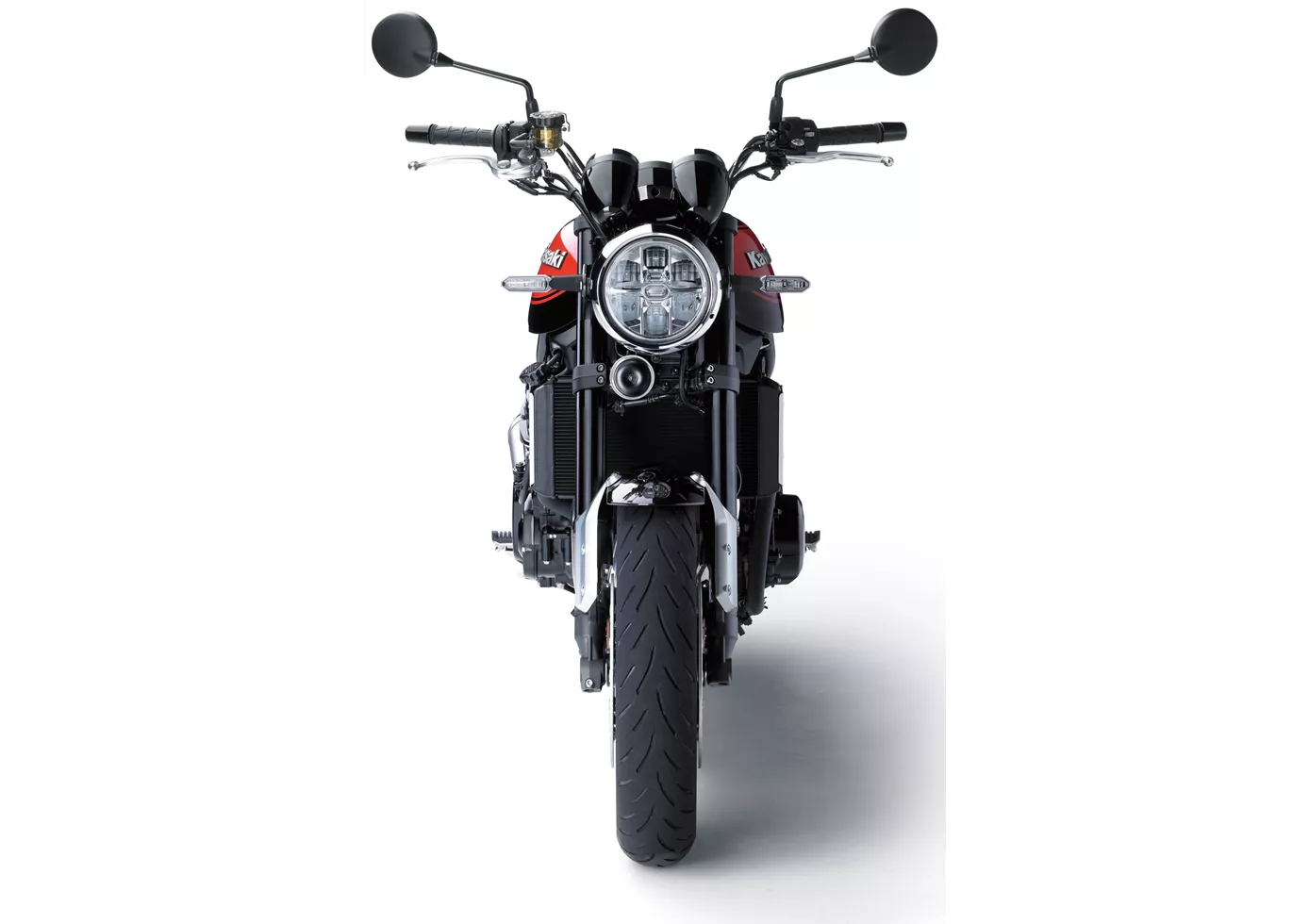
A Kawasaki Z900 RS é a mistura perfeita de design clássico e tecnologia moderna. O sedoso motor de quatro cilindros oferece uma entrega de potência linear e uma elasticidade impressionante em todas as gamas de rotações. A suspensão combina conforto e estabilidade, ideal para longas distâncias e passeios desportivos. Apesar da falta de proteção contra o vento, a Z900 RS impressiona com uma posição de condução confortável e caraterísticas de condução ágeis. Visualmente, faz lembrar a lendária Z1, enquanto as caraterísticas modernas, como o controlo de tração e o acabamento de alta qualidade, completam o pacote global. Para quem procura um visual retro com um desempenho moderno, a Z900 RS é uma companheira fiável e versátil - tanto para o uso diário como para as viagens de turismo.
Comparação de preços Preço médio de mercado Yamaha XSR900 vs Kawasaki Z900 RS
There are a few key differences between a Yamaha XSR900 2016 and a Kawasaki Z900 RS 2018. In terms of price, the actual average price of a Kawasaki Z900 RS 2018 is about 80% higher. A Yamaha XSR900 2016 experiences a loss of 2 050 EUR in one year and 2 070 EUR in two years of ownership. This is offset by a loss of 1 120 EUR and 1 330 EUR for a Kawasaki Z900 RS 2018. Compared to Kawasaki Z900 RS 2018 there are less Yamaha XSR900 2016 bikes available on the 1000PS.de Marketplace, specifically 5 compared to 28. It takes less time to sell a Yamaha XSR900 with 77 days compared to 154 days for a Kawasaki Z900 RS. Since model year 2016 1000PS.de editors have written 30 reviews for the Yamaha XSR900 and 26 reviews for the Kawasaki Z900 RS since model year 2018. The first review for the Yamaha XSR900 was published on 25/11/2015 and now has more than 17 600 views. This compares to more than 63 700 views for the first review on Kawasaki Z900 RS published on 06/09/2017.