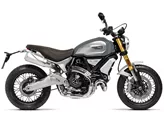
BMW R nineT 2014 vs. Kawasaki Z900 2020
.jpg?format=webp&quality=80&trim.threshold=80&trim.percentpadding=1&scale=both&width=1168&height=664&bgcolor=rgba_39_42_44_0&mode=pad "BMW R nineT 2014")
BMW R nineT 2014
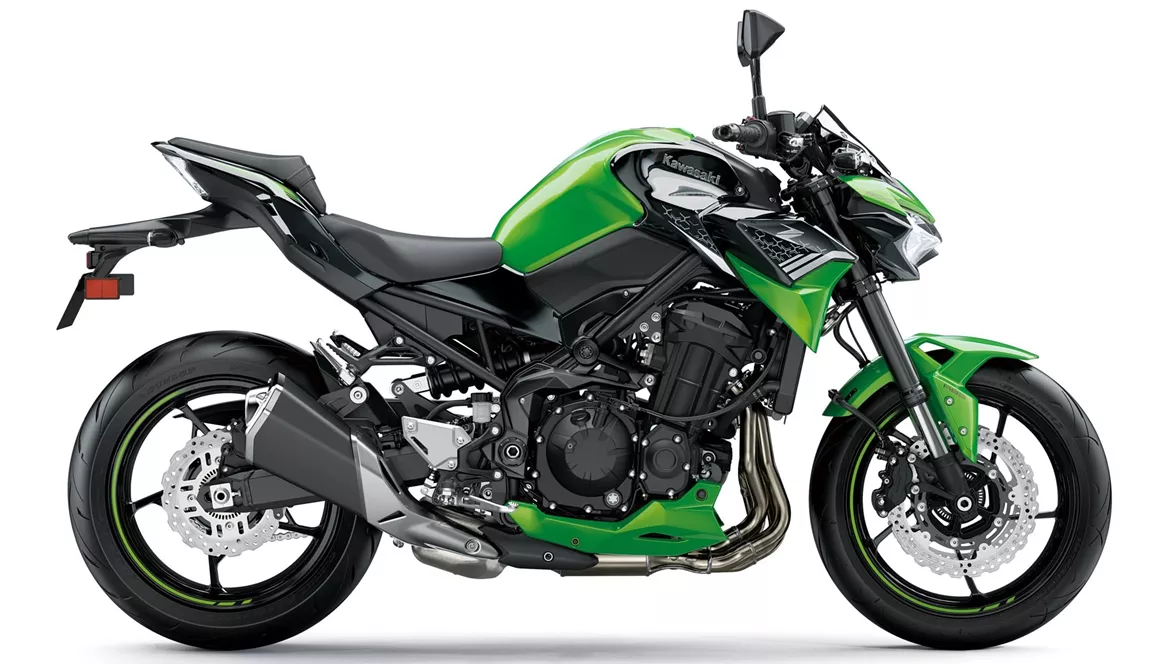
Kawasaki Z900 2020
Visão geral - BMW R nineT 2014 vs Kawasaki Z900 2020
When comparing the BMW R nineT 2014 and the Kawasaki Z900 2020, it is clear that both motorcycles have their own unique strengths and weaknesses.
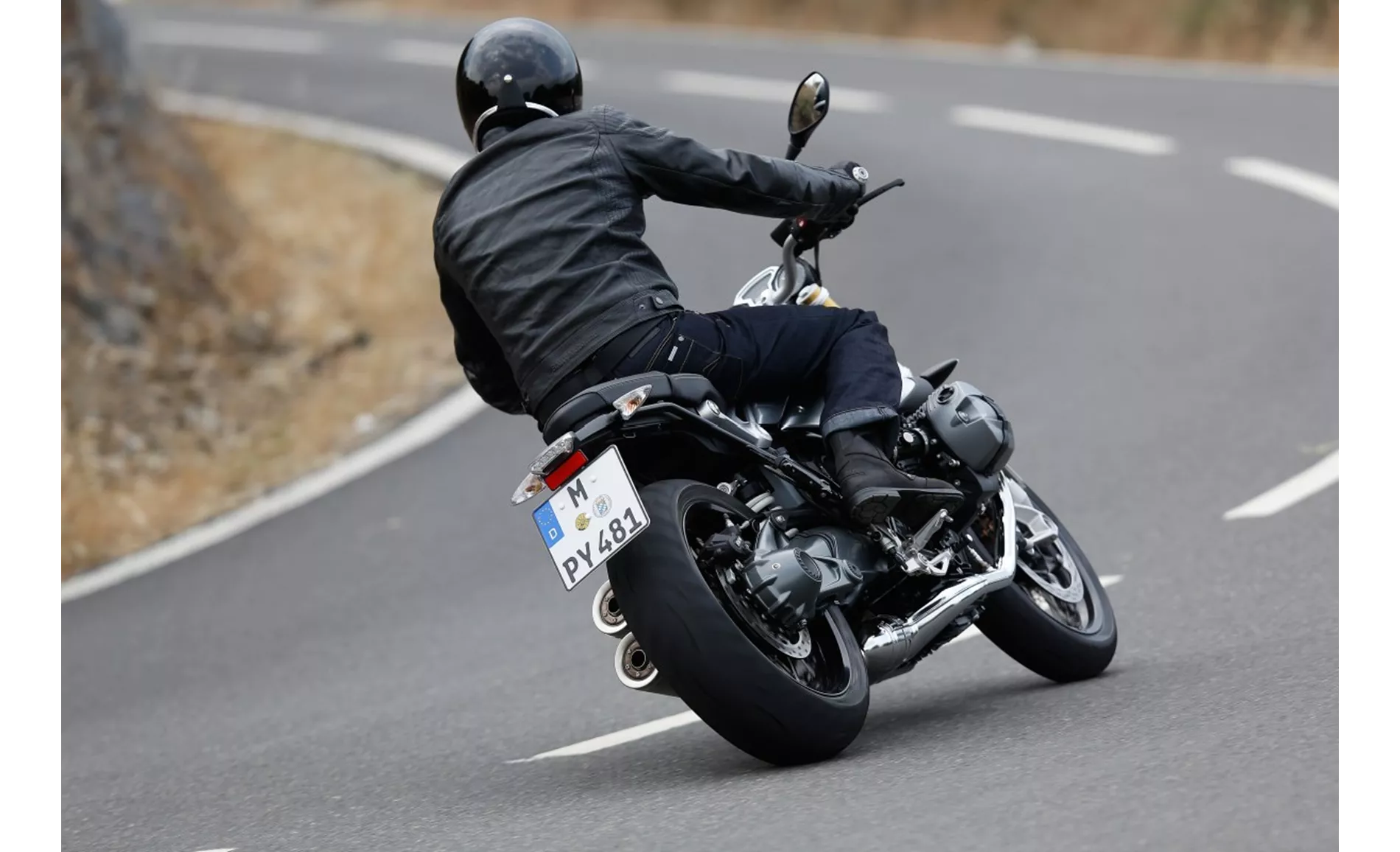
BMW R nineT 2014
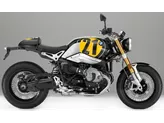
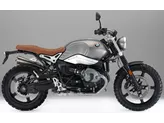
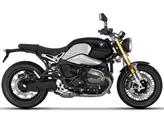
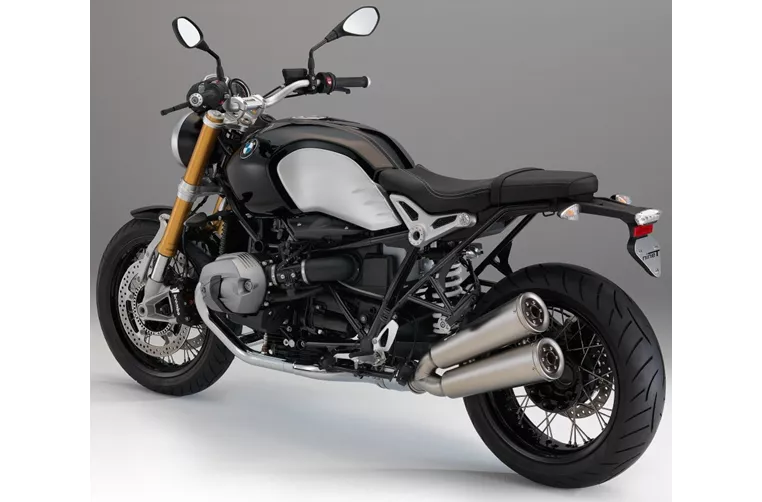
Starting with the BMW R nineT 2014, one of its main strengths lies in its aesthetics. The bike has a classic and timeless design that appeals to many riders. Additionally, the R nineT is equipped with a Boxer engine, which delivers a power output of 110 HP and a torque of 119 Nm. This provides the bike with a strong and responsive performance on the road. The R nineT also features a telescopic fork suspension at the front and a Paralever suspension at the rear, ensuring a smooth and comfortable ride. The chassis of the R nineT is a load-bearing engine type, which adds to its stability and handling. In terms of braking, the R nineT is equipped with dual disc brakes at the front with four-piston calipers, utilizing radial technology. The bike also has a wide front tire with a width of 120 mm and a diameter of 17 inches, as well as a rear tire with a width of 180 mm and a diameter of 17 inches. The R nineT has a wheelbase of 1476 mm and a seat height of 785 mm. However, one weakness of the R nineT is that it may have insufficient rebound damping in the rear shock absorber.
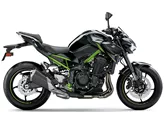
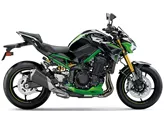
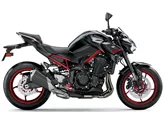
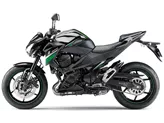
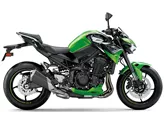
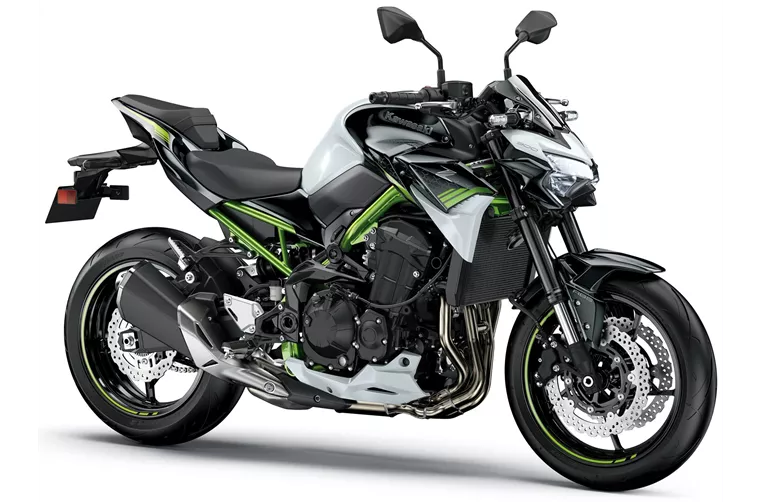
On the other hand, the Kawasaki Z900 2020 has its own set of strengths. One of its main advantages is its powerful four-cylinder engine, which delivers a higher power output of 125.4 HP compared to the R nineT. The Z900 also offers excellent handling, allowing riders to maneuver the bike with ease. It comes with a telescopic inverted fork suspension at the front and a swingarm suspension at the rear, providing a comfortable and stable ride. The Z900 features a double cradle frame, which enhances its overall stability and rigidity. In terms of braking, the Z900 is equipped with dual disc brakes at the front with four-piston calipers, utilizing petal technology. Similar to the R nineT, the Z900 has a front tire with a width of 120 mm and a diameter of 17 inches, as well as a rear tire with a width of 180 mm and a diameter of 17 inches. The Z900 has a slightly shorter wheelbase compared to the R nineT, measuring at 1450 mm, and a seat height of 795 mm. One weakness of the Z900 is that navigating through its menu system can be somewhat tiresome, and it lacks the option of a quickshifter.
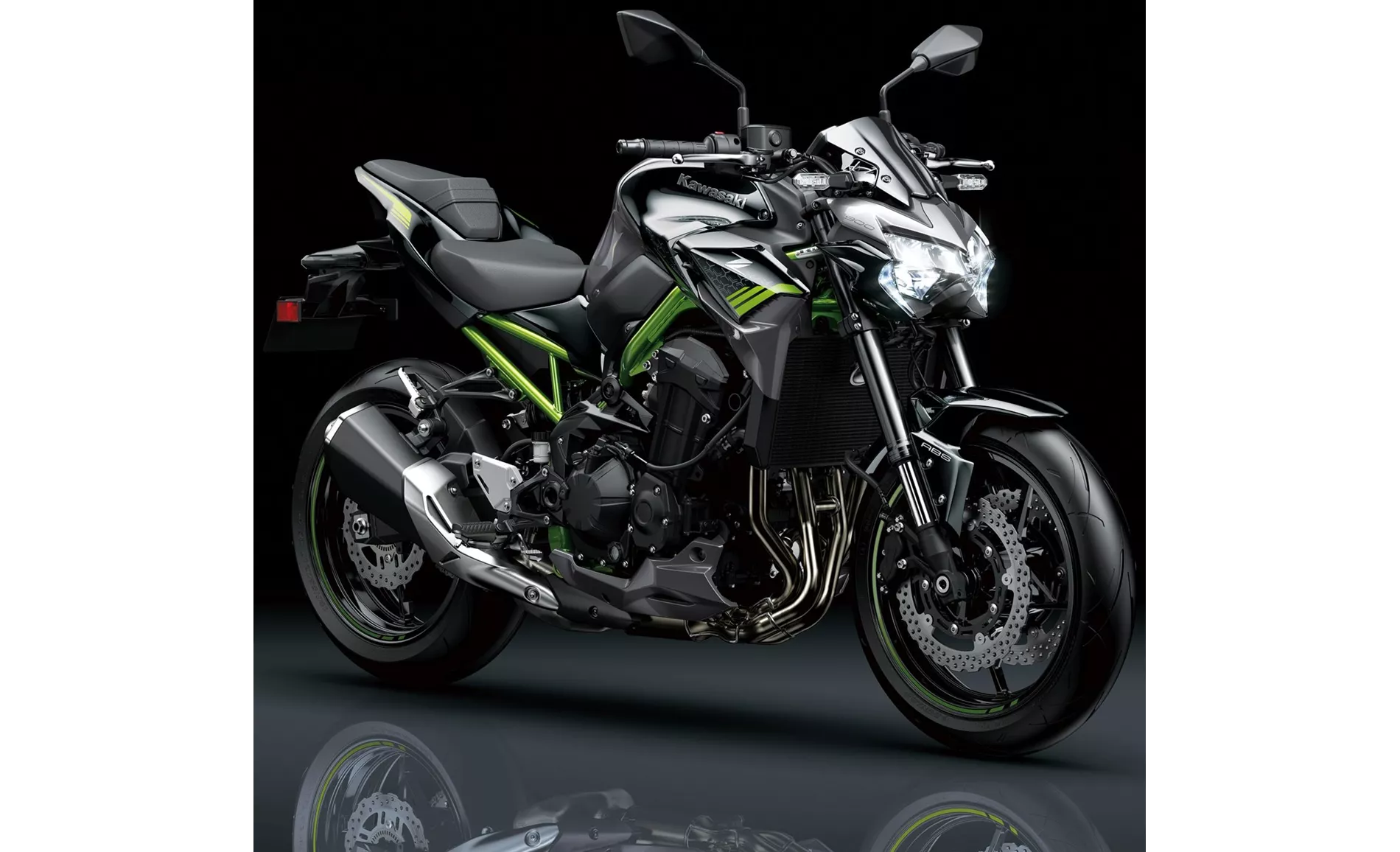
Kawasaki Z900 2020
In conclusion, both the BMW R nineT 2014 and the Kawasaki Z900 2020 have their own unique strengths and weaknesses. The R nineT stands out with its timeless design, powerful Boxer engine, and comfortable suspension, while the Z900 impresses with its powerful four-cylinder engine, excellent handling, and aggressive appearance. Ultimately, the choice between these two motorcycles will depend on the rider's personal preferences and priorities.
Especificações técnicas BMW R nineT 2014 em comparação com Kawasaki Z900 2020
Prós e contras em comparação
Prós e contras em comparação
BMW R nineT 2014
.jpg?format=webp&quality=80&trim.threshold=80&trim.percentpadding=1&scale=both&width=1388&height=980&bgcolor=rgba_39_42_44_0&mode=pad "BMW R nineT 2014")
O que mais pode ser dito sobre a BMW R nineT? Desde o seu lançamento em 2014, tem sido um verdadeiro favorito perene na cena da personalização e também na própria BMW. Os seus ingredientes, no entanto, são de alta qualidade e explicam porque é que o resultado é tão coerente. O motor boxer, cheio de carácter, é uma verdadeira alegria sempre que se carrega no acelerador e, graças ao maravilhoso som, nunca se torna aborrecido a longo prazo. Apesar do peso relativamente elevado, a BMW é agradável de conduzir graças ao chassis de alta qualidade e encontra uma mistura equilibrada entre a cruiser e a naked desportiva. O visual é, obviamente, uma questão de gosto, mas os números de vendas sugerem que a BMW deve ter feito algo certo. E mesmo que não goste do visual de série, os acessórios são uma dúzia.
Kawasaki Z900 2020
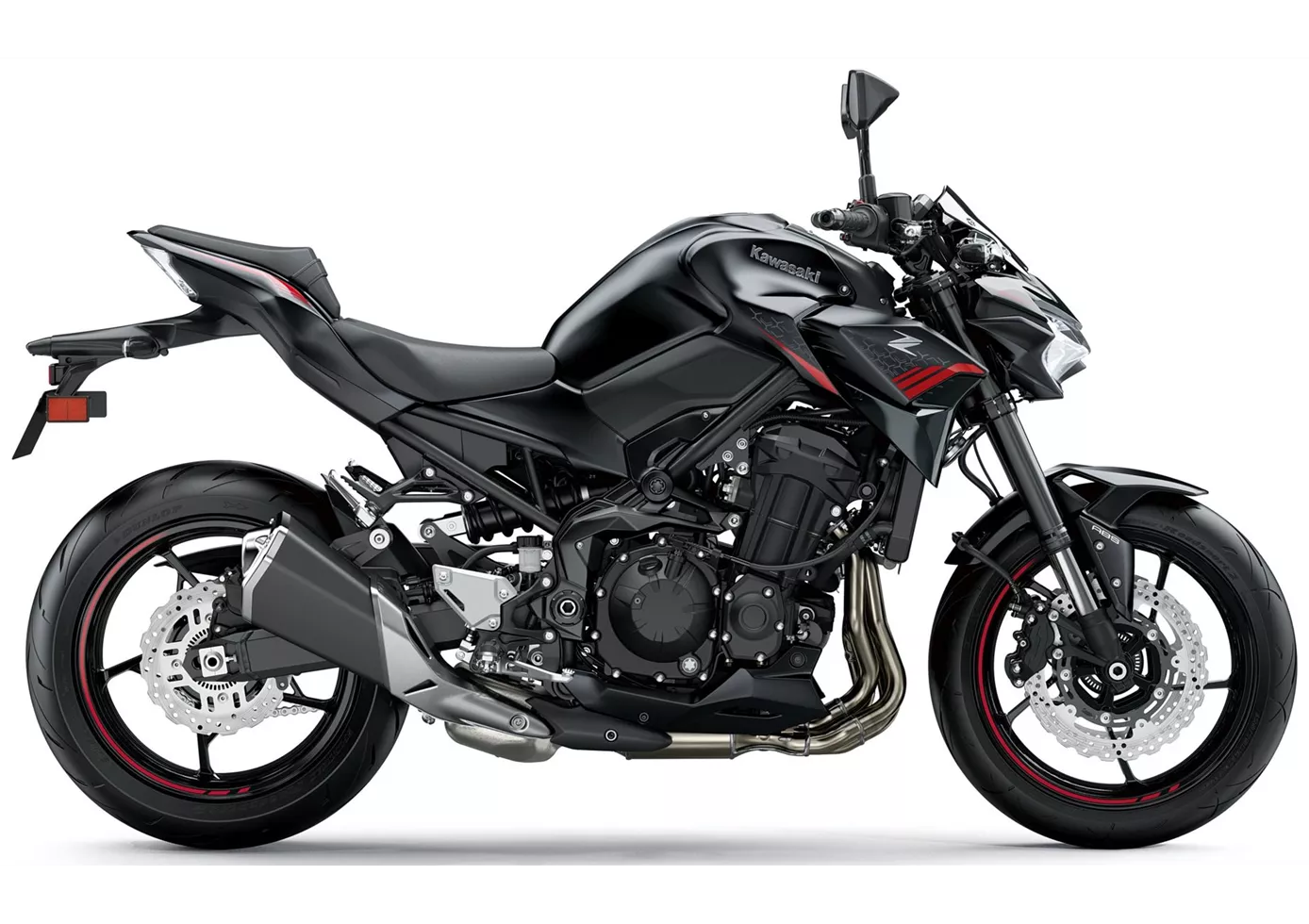
A Kawasaki Z900 pode não estar à altura das características electrónicas modernas e dependentes do ângulo de inclinação, mas é relativamente barata e não se deve subestimar a base de fãs do bom e velho motor de quatro cilindros em linha - a Z900 é uma das formas mais baratas de ter um motor tão bom com pouco menos de um litro de cilindrada numa naked desportiva! O peso mais elevado é percetível, mas não é muito incómodo, porque o comportamento e a estabilidade são bastante bons. Em termos de eletrónica "ultrapassada", o mais irritante é a falta do assistente de mudanças, que nem sequer está disponível como opção. No entanto, no geral, a Z900 é uma excelente naked bike com uma óptima relação preço/desempenho.
Comparação de preços Preço médio de mercado BMW R nineT vs Kawasaki Z900
There are a few key differences between a BMW R nineT 2014 and a Kawasaki Z900 2020. In terms of price, the actual average price of a BMW R nineT 2014 is about 27% higher. Compared to Kawasaki Z900 2020 there are less BMW R nineT 2014 bikes available on the 1000PS.de Marketplace, specifically 7 compared to 34. It takes less time to sell a BMW R nineT with 81 days compared to 124 days for a Kawasaki Z900. Since model year 2014 1000PS.de editors have written 57 reviews for the BMW R nineT and 46 reviews for the Kawasaki Z900 since model year 2017. The first review for the BMW R nineT was published on 17/10/2013 and now has more than 17 000 views. This compares to more than 93 200 views for the first review on Kawasaki Z900 published on 11/11/2016.