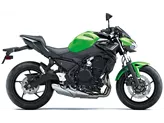
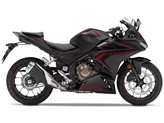
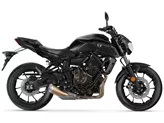
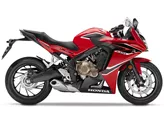
Kawasaki Ninja 650 2017 vs. Suzuki GSX-R 1000 R 2017
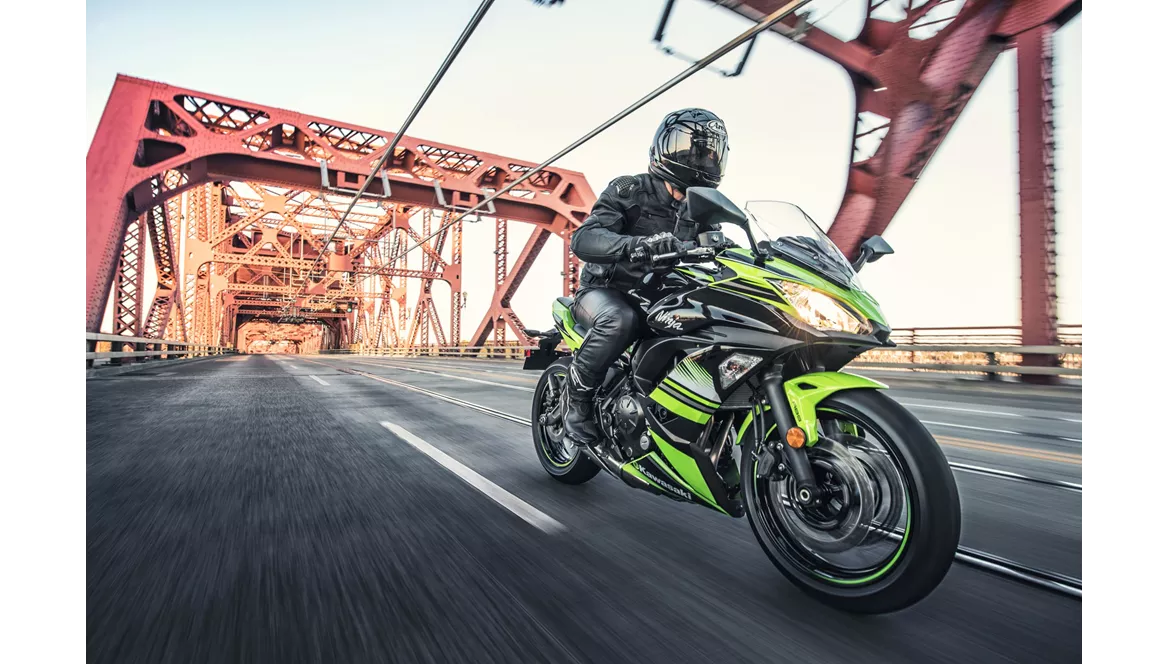
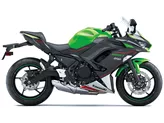
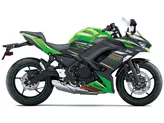
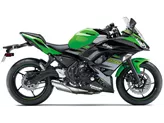
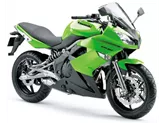
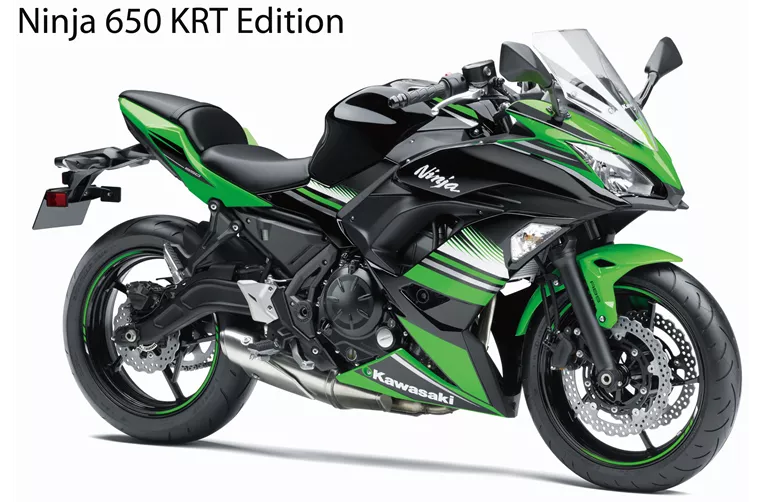
Kawasaki Ninja 650 2017
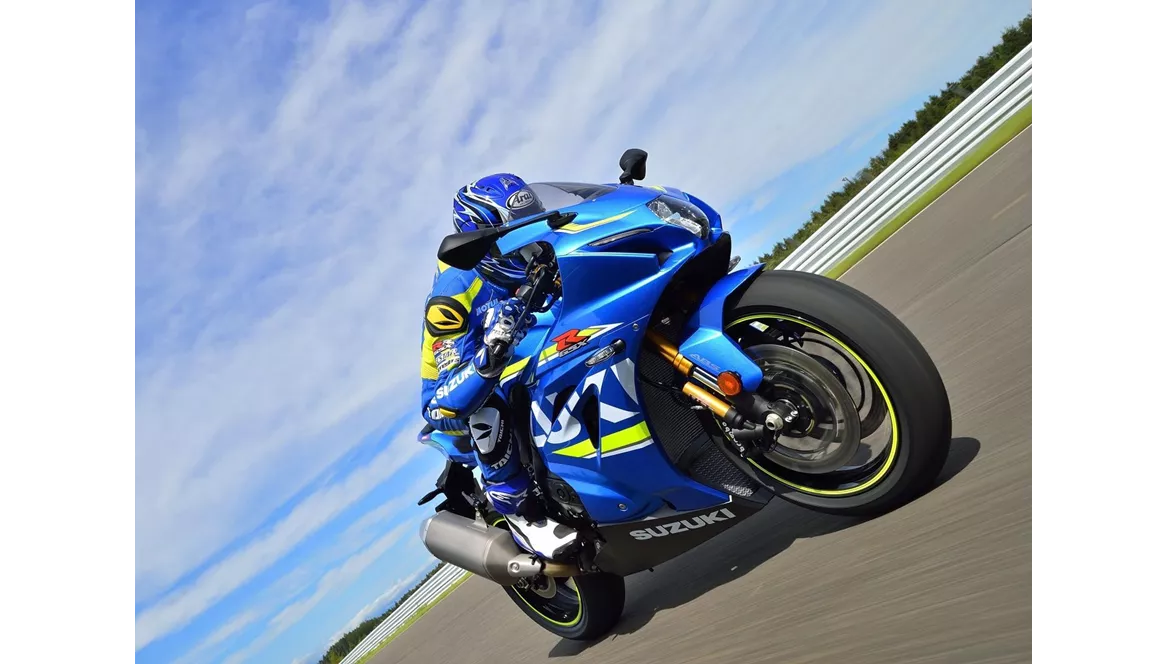
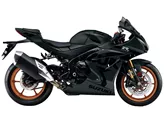
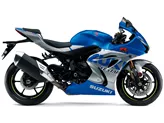
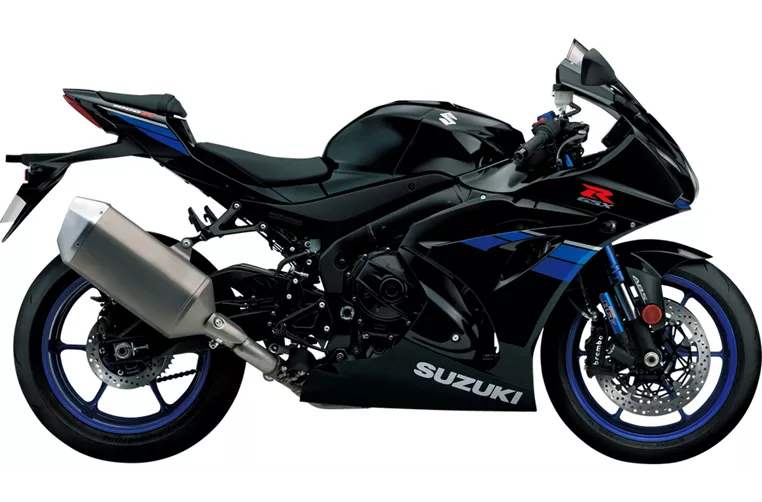
Suzuki GSX-R 1000 R 2017
Visão geral - Kawasaki Ninja 650 2017 vs Suzuki GSX-R 1000 R 2017
In terms of the technical specifications, the Kawasaki Ninja 650 2017 features an inline engine with a bore of 83 mm and a stroke of 60 mm. It has a power output of 68.2 HP and a torque of 65.7 Nm. The compression ratio is 10.8 and it has a throttle bore of 36 mm. The bike has 2 cylinders with 4 valves per cylinder and a DOHC valve system. The displacement is 649 ccm. The front suspension is a telescopic fork with a diameter of 41 mm, while the rear suspension is a swingarm with a monoshock and deflection shock support. The chassis is made of steel and has a tubular frame. The rake is 65.5 degrees and the trail is 100 mm. The front brakes are dual disc with a diameter of 300 mm and feature petal technology. The bike also has ABS as an advanced rider assistance system. The front tire width is 120 mm with a diameter of 17 inches, while the rear tire width is 160 mm with a diameter of 17 inches. The wheelbase is 1410 mm and the seat height is 790 mm. The bike weighs 193 kg with ABS and has a fuel tank capacity of 15 liters.
On the other hand, the Suzuki GSX-R 1000 R 2017 also has an inline engine, but with a smaller bore of 76 mm and a stroke of 55.1 mm. It has a much higher power output of 202 HP and a torque of 118 Nm. The compression ratio is 13.2 and it has a throttle bore of 46 mm. The bike has 4 cylinders with 4 valves per cylinder and a DOHC valve system. The displacement is 999 ccm. The front suspension is a upside-down telescopic fork with a diameter of 43 mm, while the rear suspension is a swingarm with a monoshock and deflection shock support. The chassis is made of aluminum and has a twin-spar frame. The rake is 66.8 degrees and the trail is 95 mm. The front brakes are dual disc with a diameter of 320 mm and feature radial and monoblock technology. The bike also has ABS, riding modes, ride-by-wire, and traction control as advanced rider assistance systems. The front tire width is 120 mm with a diameter of 17 inches, while the rear tire width is 190 mm with a diameter of 17 inches. The wheelbase is 1410 mm and the seat height is 825 mm. The bike weighs 203 kg with ABS and has a fuel tank capacity of 17.5 liters.
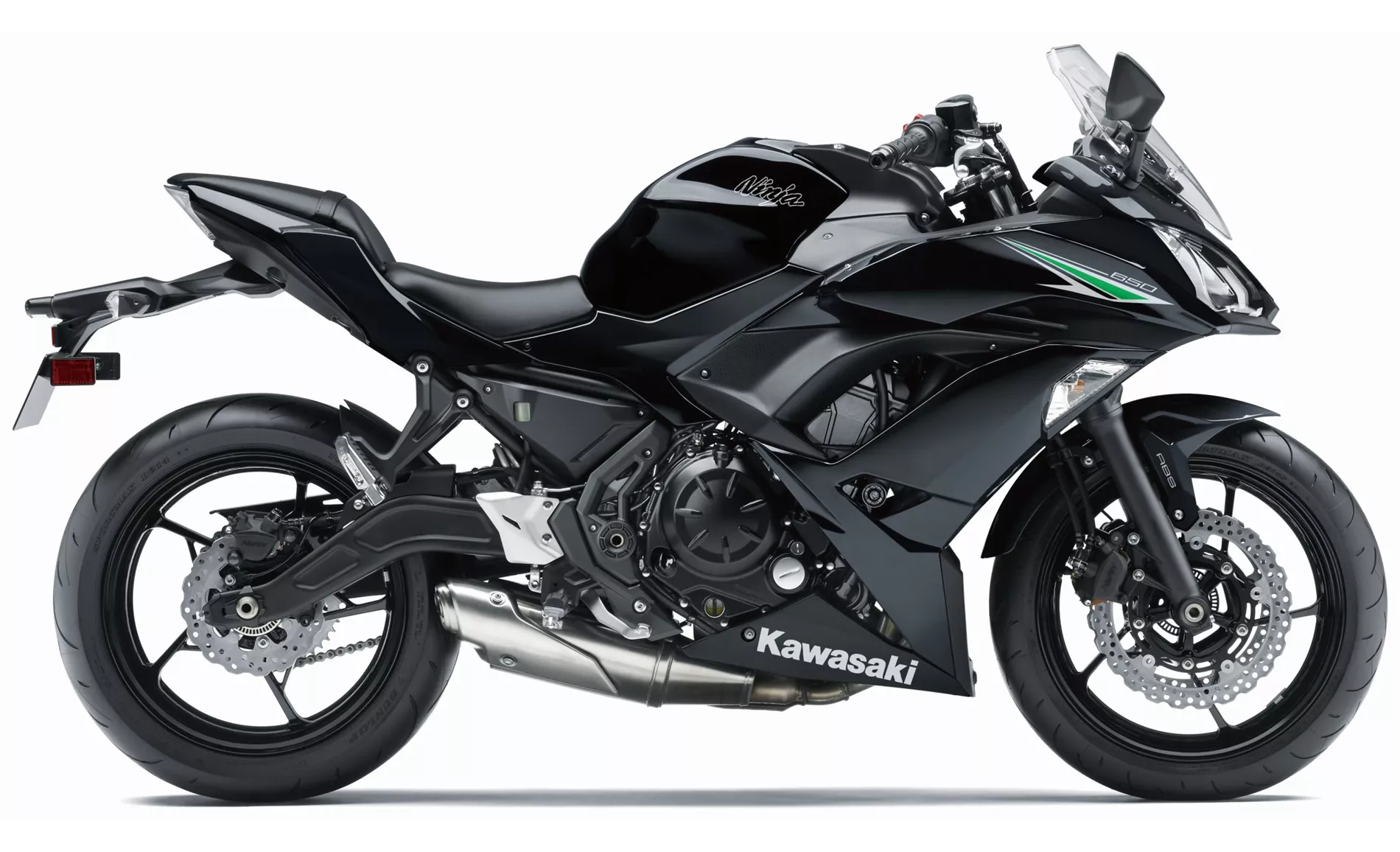
Kawasaki Ninja 650 2017
In terms of strengths, the Kawasaki Ninja 650 2017 has a sporty and playful chassis, excellent brakes, an elegant appearance similar to the ZX-10R, and a durable engine. On the other hand, the Suzuki GSX-R 1000 R 2017 has a high-revving engine, a smooth torque curve, stability in corner exits and radius, an excellent gearbox, a high-quality chassis, and performs well on fast tracks.
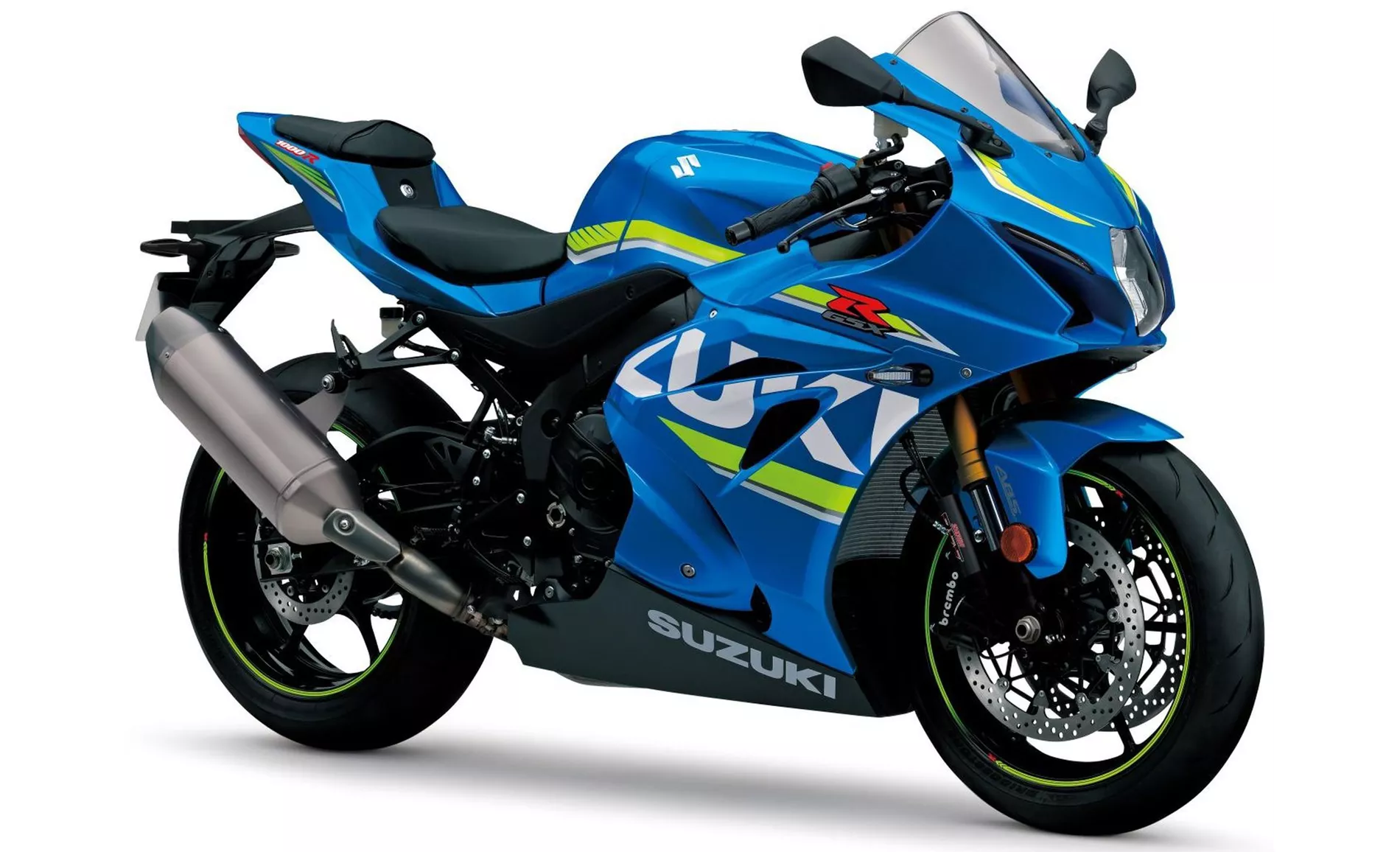
Suzuki GSX-R 1000 R 2017
However, the Kawasaki Ninja 650 2017 does have some weaknesses, such as a lack of sound from the exhaust in the stock version and slight vibrations from the engine. On the other hand, the Suzuki GSX-R 1000 R 2017 has a non-adjustable engine brake and the wheely control is linked to the traction control.
In conclusion, while both bikes have their strengths and weaknesses, the Kawasaki Ninja 650 2017 is more suited for those looking for a fun and playful ride with an elegant appearance, while the Suzuki GSX-R 1000 R 2017 is more suitable for those seeking high performance and stability on fast tracks.
Especificações técnicas Kawasaki Ninja 650 2017 em comparação com Suzuki GSX-R 1000 R 2017
Prós e contras em comparação
Prós e contras em comparação
Kawasaki Ninja 650 2017
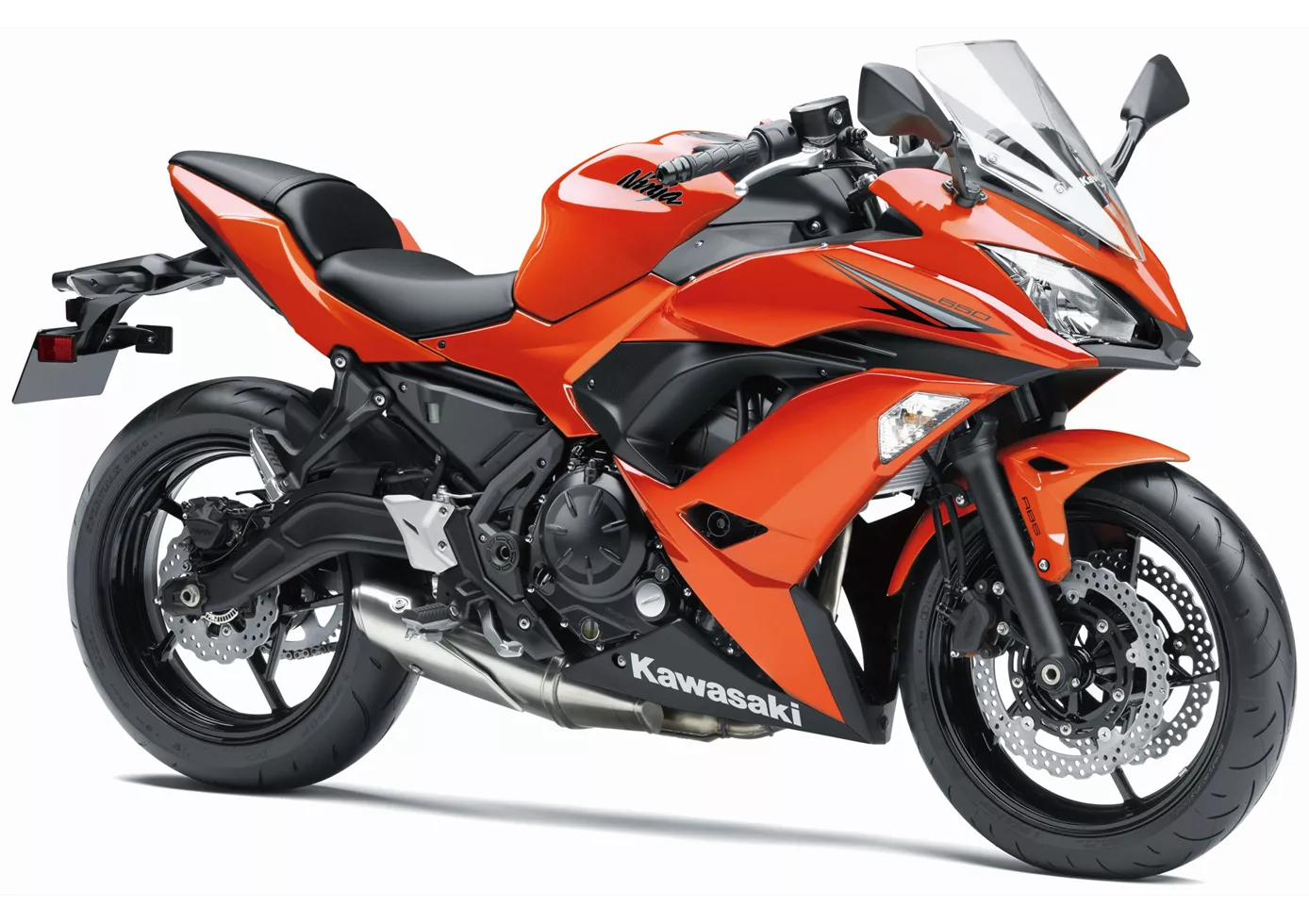
A Ninja 650 é um selo firme da sua antecessora (Er-6f). O motor dominou bem a barreira do Euro 4 e oferece 68 cv muito úteis, o chassis é simplesmente fantástico para esta classe e a redução de peso de 18(!) quilos em comparação com a ER-6f justifica acenos de cabeça reverentes.
Suzuki GSX-R 1000 R 2017
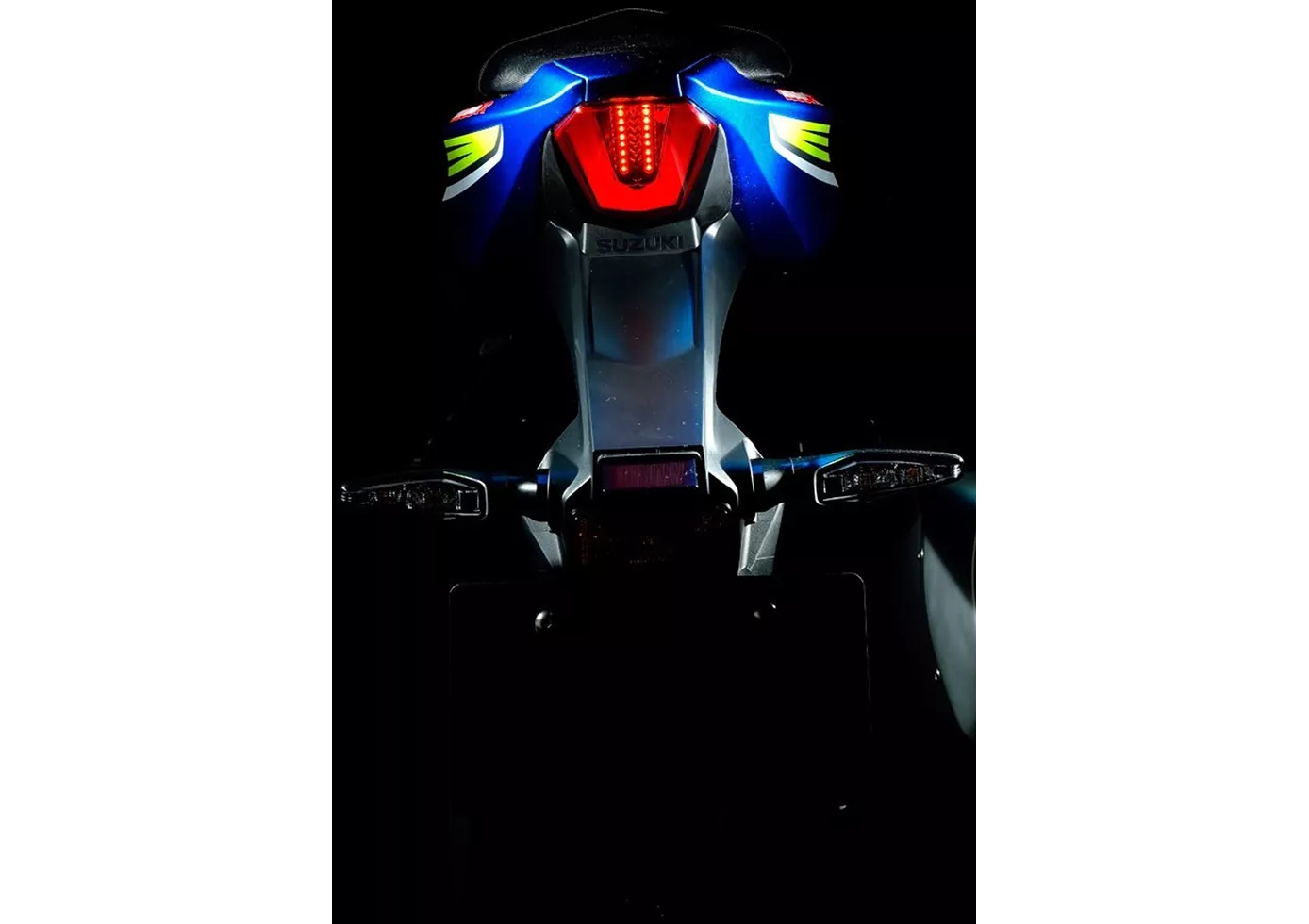
A Suzuki fez um excelente trabalho com a GSX-R 1000 R 2017. Uma moto potente com uma curva de binário fabulosamente suave. Realmente inacreditável com 202 cv! O chassis é de alta qualidade e o pacote eletrónico não tem qualquer enfeite, mas proporciona um desempenho de topo.
Comparação de preços Preço médio de mercado Kawasaki Ninja 650 vs Suzuki GSX-R 1000 R
There are a few key differences between a Kawasaki Ninja 650 2017 and a Suzuki GSX-R 1000 R 2017. There are the same number of bikes of both models available on the 1000PS.de marketplace, specifically 7. It takes less time to sell a Kawasaki Ninja 650 with 96 days compared to 176 days for a Suzuki GSX-R 1000 R. Since model year 2017 1000PS.de editors have written 20 reviews for the Kawasaki Ninja 650 and 13 reviews for the Suzuki GSX-R 1000 R since model year 2017. The first review for the Kawasaki Ninja 650 was published on 04/10/2016 and now has more than 79 600 views. This compares to more than 197 700 views for the first review on Suzuki GSX-R 1000 R published on 04/10/2016.