Kawasaki Z650 2020 vs. Kawasaki Z900 2020
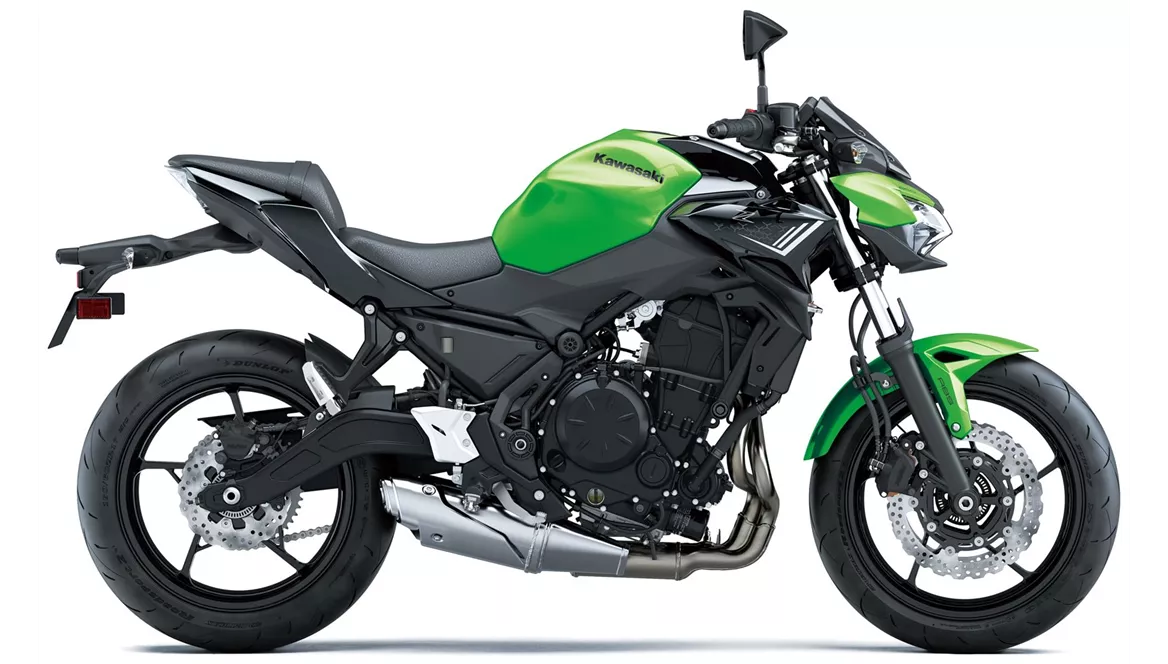
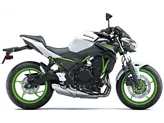
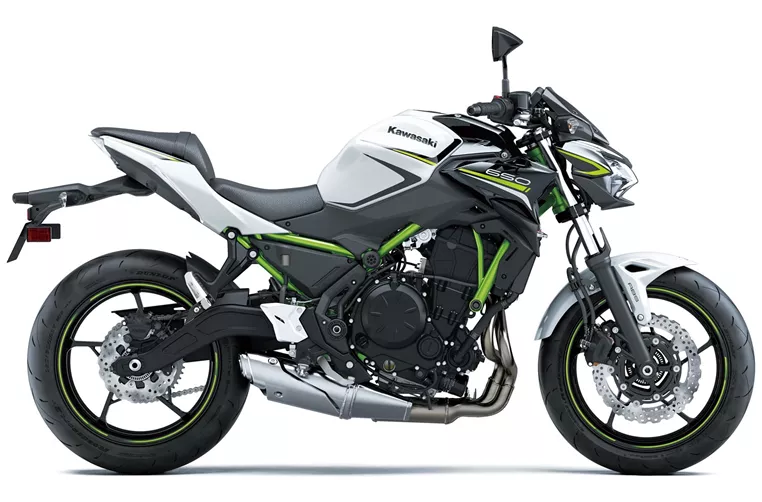
Kawasaki Z650 2020
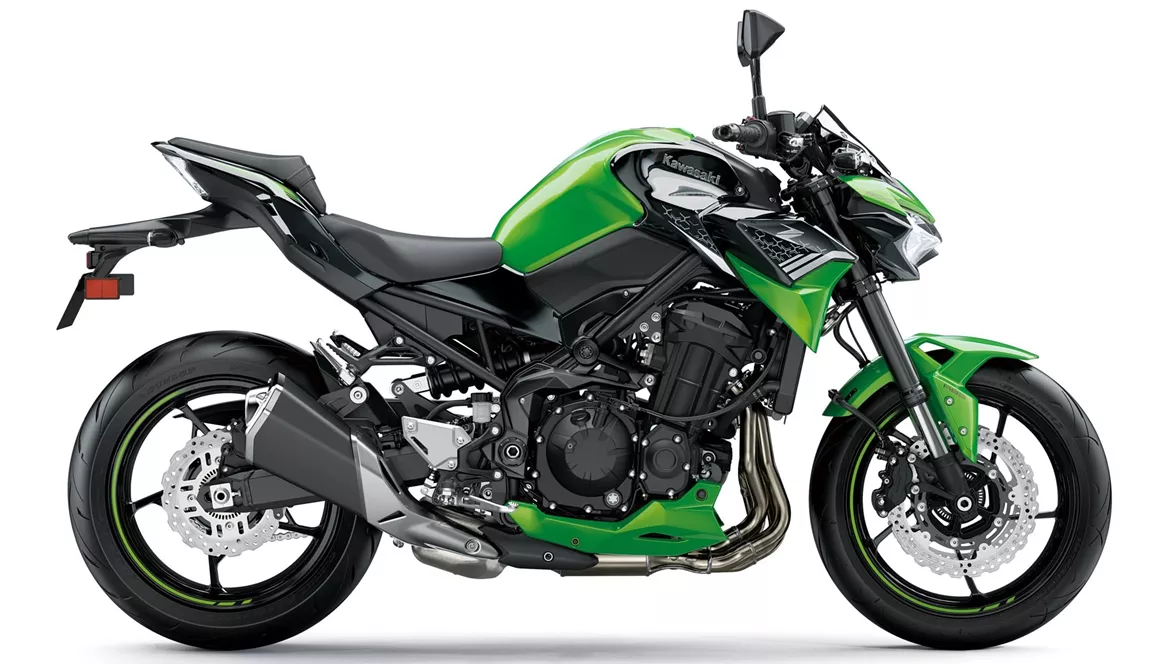
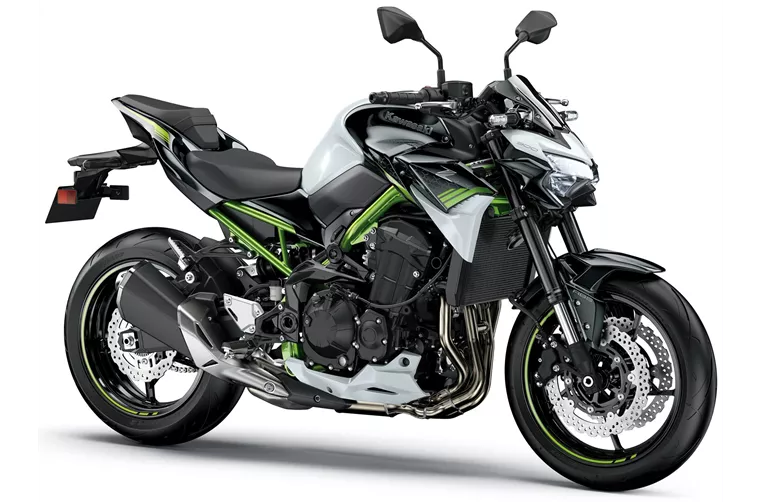
Kawasaki Z900 2020
Overview - Kawasaki Z650 2020 vs Kawasaki Z900 2020
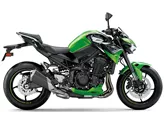
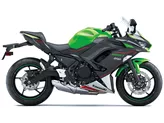
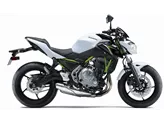
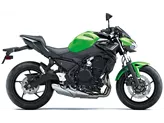
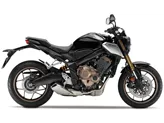
The Kawasaki Z650 2020 is equipped with a powerful two-cylinder engine that delivers 68.2 horsepower and 65.7 Nm of torque. It has a fuel injection system and a liquid cooling system. The bike has a displacement of 649cc and features a telescopic fork front suspension and a swing arm rear suspension with a monoshock absorber. The frame is made of steel and has a tubular design. The front brakes are double disk with a diameter of 300mm and a double piston technology. The bike is equipped with ABS for advanced rider assistance. The front tire has a width of 120mm and a diameter of 17 inches, while the rear tire has a width of 160mm and a diameter of 17 inches. The wheelbase is 1410mm and the seat height is 790mm. The bike weighs 187.1kg and comes with LED daytime running lights, LED headlights, and a TFT display.
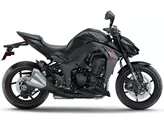
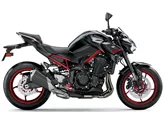
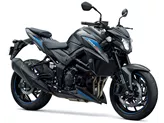
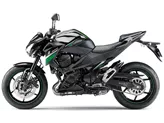
On the other hand, the Kawasaki Z900 2020 features a more powerful four-cylinder engine that delivers 125.4 horsepower and 98.6 Nm of torque. It also has a fuel injection system and a liquid cooling system. The bike has a displacement of 948cc and features an upside-down telescopic fork front suspension and a swing arm rear suspension with a monoshock absorber. The frame is made of steel and has a double cradle design. The front brakes are double disk with a diameter of 300mm and a four-piston technology. Similar to the Z650, the Z900 is equipped with ABS for advanced rider assistance. The front tire has a width of 120mm and a diameter of 17 inches, while the rear tire has a width of 180mm and a diameter of 17 inches. The wheelbase is slightly longer at 1450mm and the seat height is 795mm. The bike weighs 210kg and comes with LED daytime running lights, LED headlights, and a TFT display.
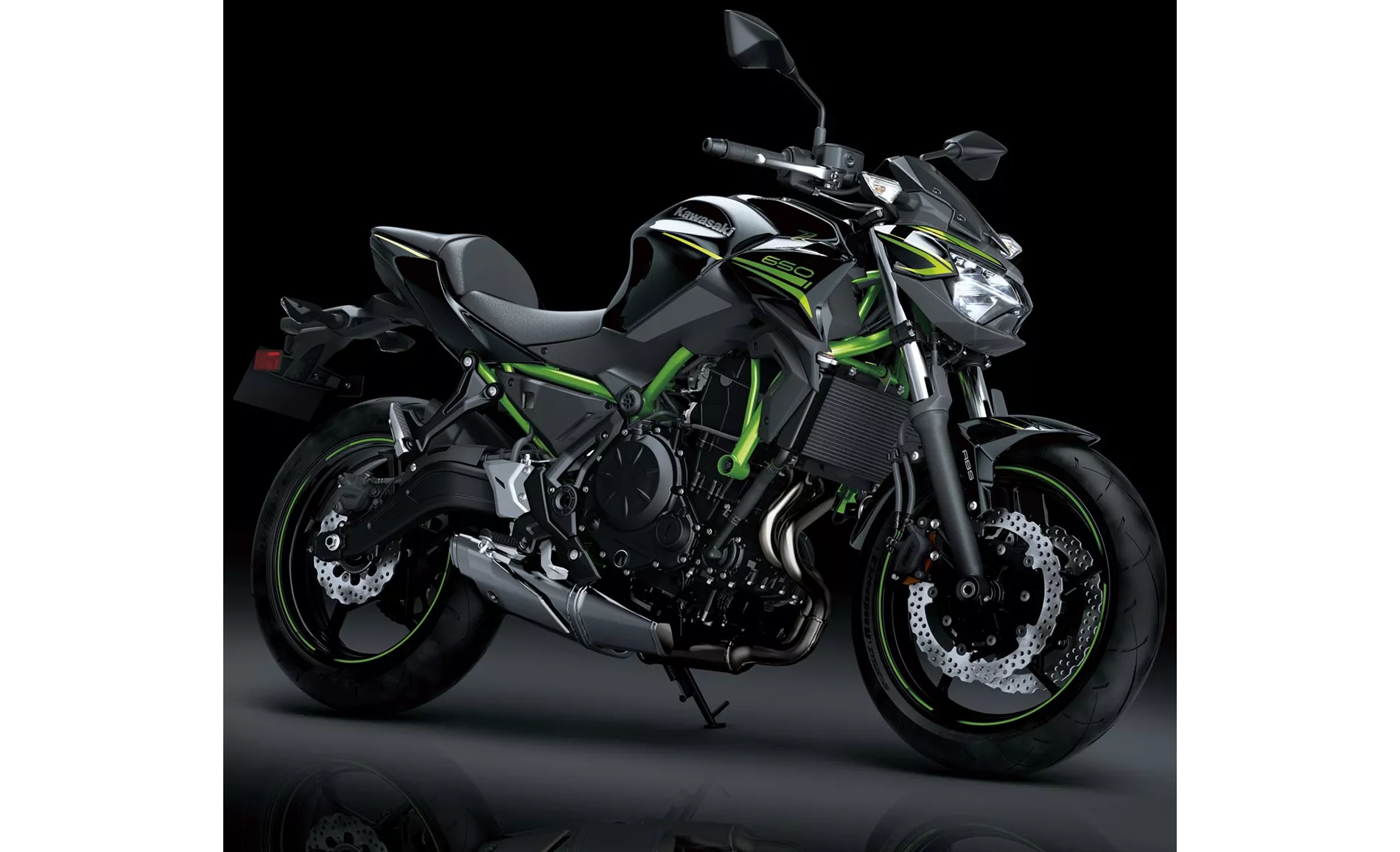
Kawasaki Z650 2020
In terms of strengths, the Z650 has a powerful two-cylinder engine that provides a thrilling riding experience. It also has an aggressive intake noise that adds to the excitement. The bike has compact dimensions and a low seat height, making it suitable for riders of different sizes. The stable chassis ensures a smooth and controlled ride. The TFT display with connectivity features allows for easy navigation and access to important information. Additionally, the Z650 has a grown-up look that appeals to riders looking for a more mature style.
On the other hand, the Z900 boasts a more powerful four-cylinder engine that delivers impressive performance. The bike has great handling capabilities, allowing riders to confidently navigate corners and curves. It comes with good equipment, including LED daytime running lights, LED headlights, and a TFT display. The aggressive looks of the Z900 give it a bold and sporty appearance. Furthermore, the Z900 offers excellent value for money, providing high performance at a reasonable price.
However, the Z650 does have some weaknesses. Some riders may find the front brake pressure point to be less than ideal. Additionally, the bike may not be as comfortable for taller riders due to its compact dimensions. The Rideology App, while a useful feature, may not be as sophisticated as some riders would prefer.
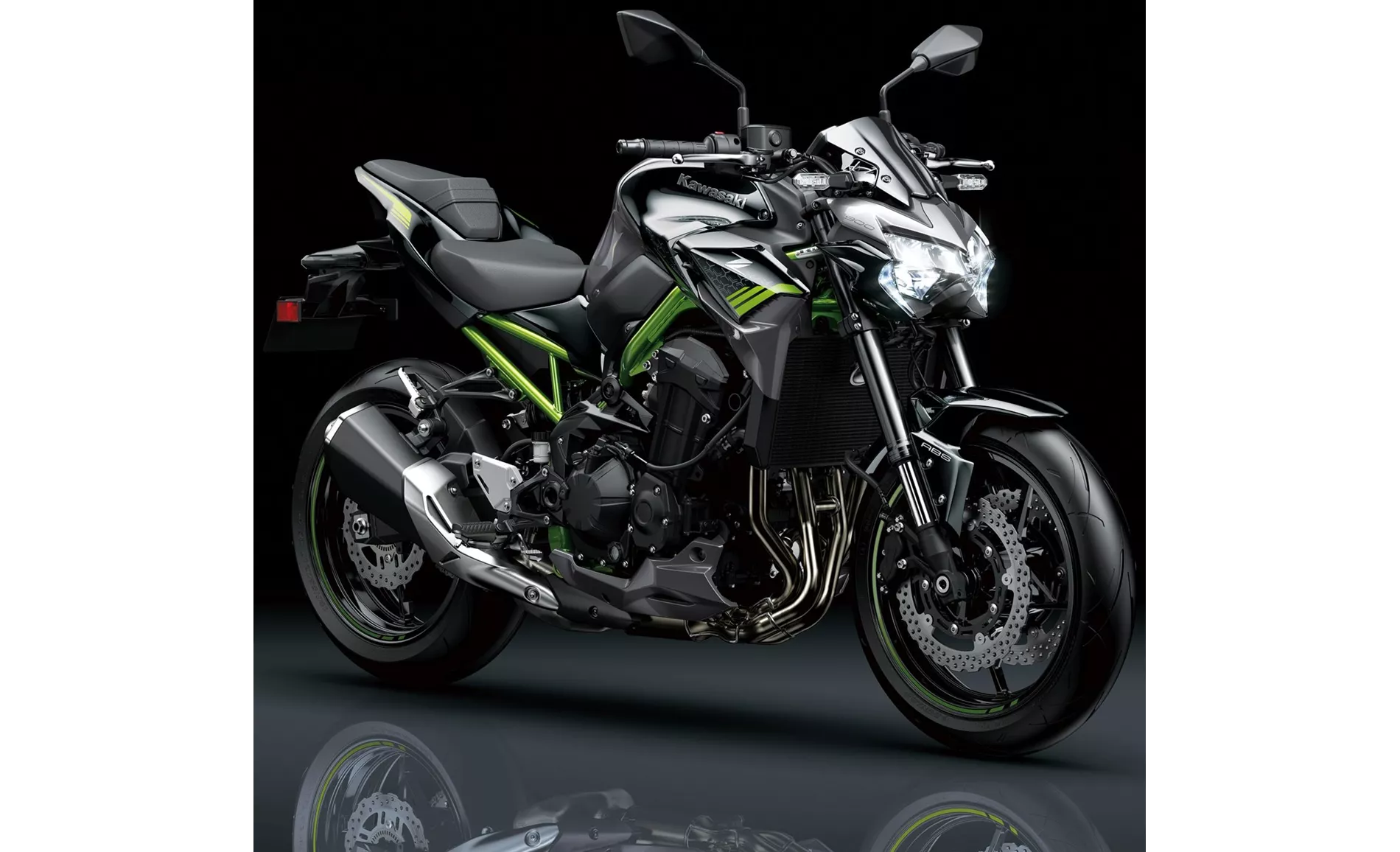
Kawasaki Z900 2020
Similarly, the Z900 has a few weaknesses. The menu navigation on the bike can be somewhat tiring, requiring more effort to navigate through the settings. Additionally, the Z900 does not offer a quickshifter option, which may be a drawback for riders who prefer seamless gear shifts.
In conclusion, both the Kawasaki Z650 2020 and the Kawasaki Z900 2020 offer powerful performance and attractive features. The Z650 is a more compact and accessible option, while the Z900 provides a higher level of performance and equipment. Ultimately, the choice between the two will depend on the rider's preferences and priorities.
Technical Specifications Kawasaki Z650 2020 compared to Kawasaki Z900 2020
Pros and Cons in comparison
Pros and Cons in comparison
Kawasaki Z650 2020
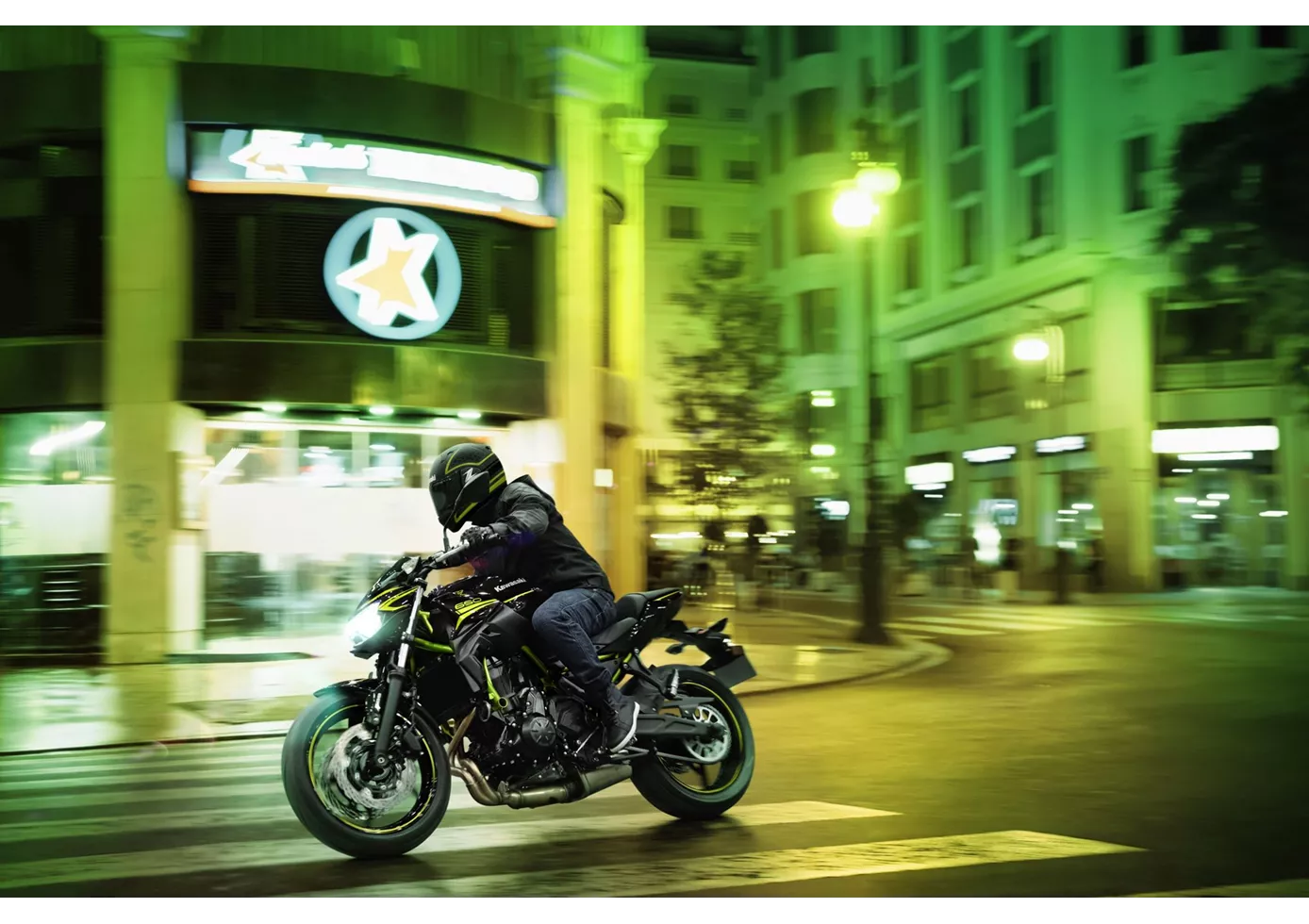
Even in 2021, the Kawasaki Z 650 stands for easy riding with great looks and good equipment. Both seat height and engine are very accessible and will give both experienced riders and newcomers a lot of pleasure. If you are looking for an honest naked bike without any big surprises, this is the bike for you. Due to its compact dimensions, however, you should try it out before buying and perhaps go for the raised seat.
Kawasaki Z900 2020
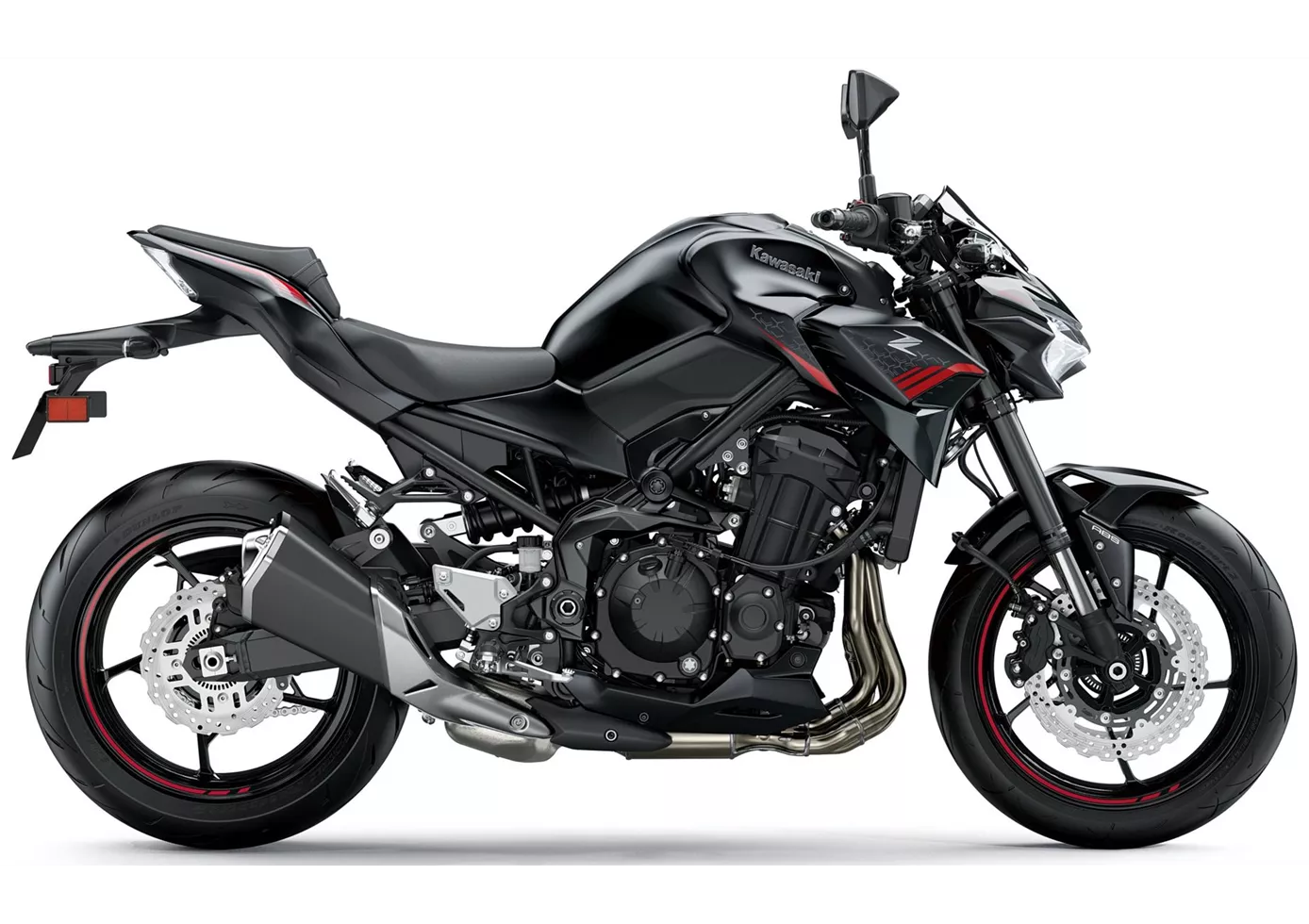
The Kawasaki Z900 may not be up to scratch when it comes to modern, lean angle-dependent electronic features, but it's relatively cheap and you shouldn't underestimate the fan base of the good old inline four - the Z900 is one of the cheapest ways to own such a great engine with just under a litre of displacement in a sporty naked bike! The higher weight is noticeable, but not massively annoying, because the handling and stability are quite alright. In terms of "outdated" electronics, the most annoying thing is the missing shift assistant, which is not even available as an option. Overall, however, the Z900 is a great naked bike with a great price-performance ratio.
Price Comparison Average Market Price Kawasaki Z650 vs Kawasaki Z900
There are a few key differences between a Kawasaki Z650 2020 and a Kawasaki Z900 2020. In terms of price, the actual average price of a Kawasaki Z900 2020 is about 37% higher. Compared to Kawasaki Z900 2020 there are less Kawasaki Z650 2020 bikes available on the 1000PS.de Marketplace, specifically 21 compared to 34. It takes less time to sell a Kawasaki Z650 with 80 days compared to 124 days for a Kawasaki Z900. Since model year 2017 1000PS.de editors have written 31 reviews for the Kawasaki Z650 and 46 reviews for the Kawasaki Z900 since model year 2017. The first review for the Kawasaki Z650 was published on 11/8/2016 and now has more than 25,000 views. This compares to more than 93,200 views for the first review on Kawasaki Z900 published on 11/11/2016.