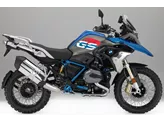
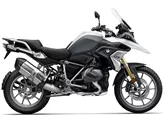
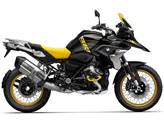
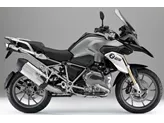
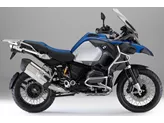
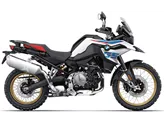
BMW R 1250 GS 2020 vs. BMW R 1200 GS 2015
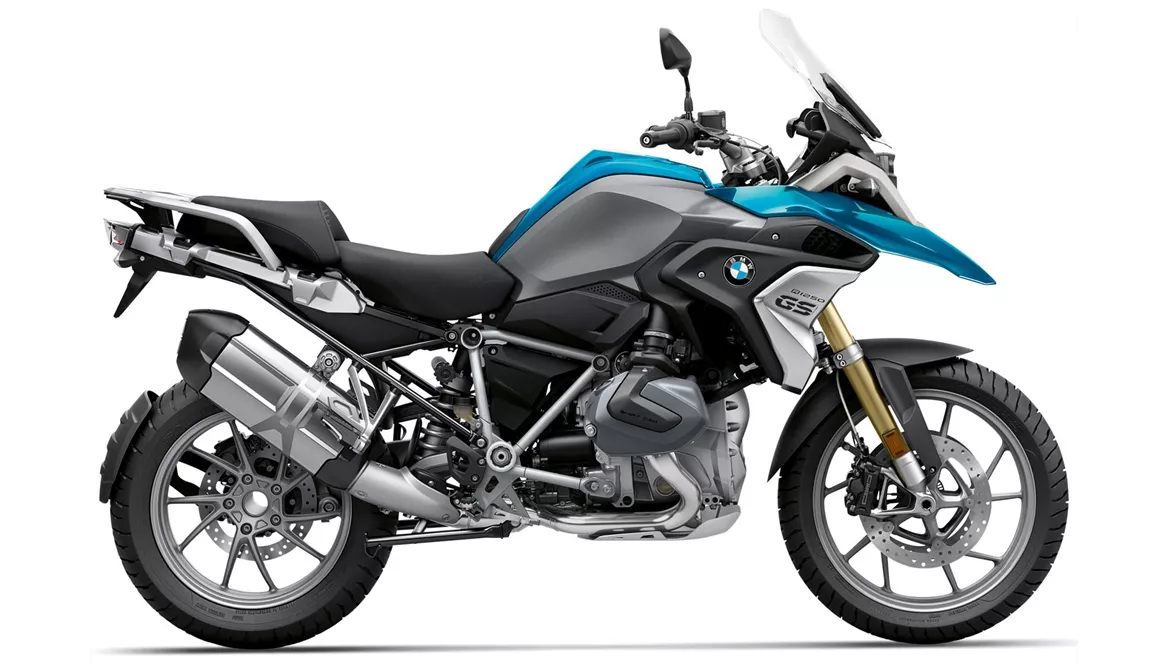
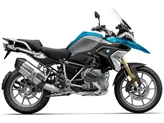
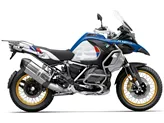
BMW R 1250 GS 2020
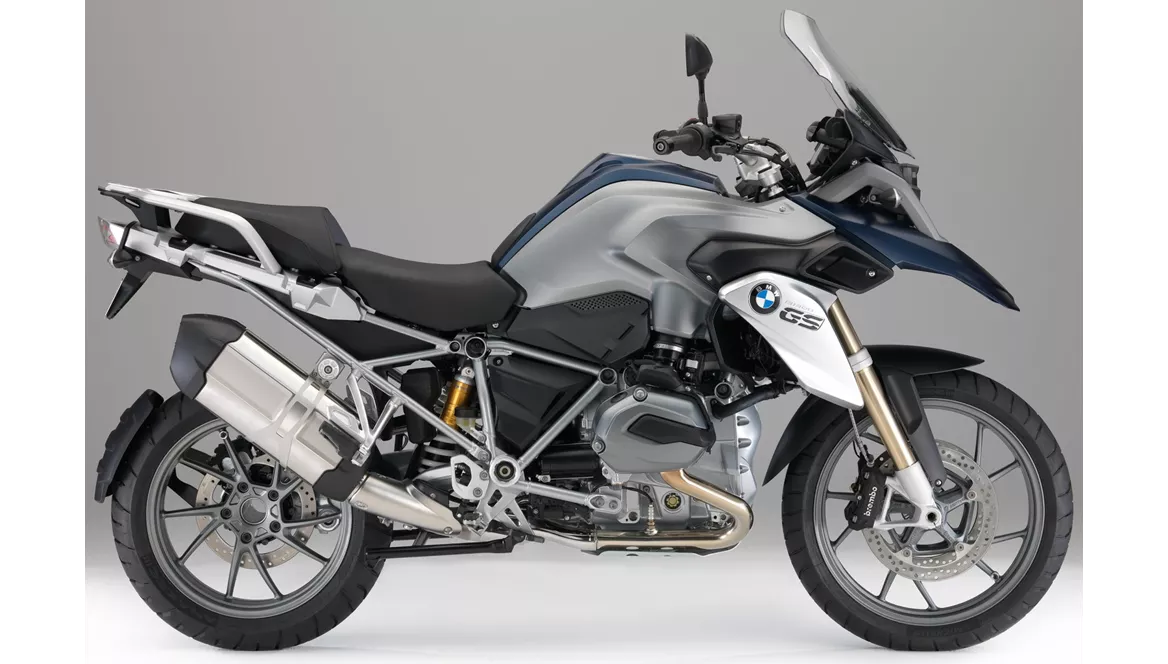
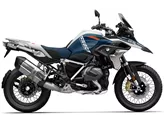
BMW R 1200 GS 2015
Overview - BMW R 1250 GS 2020 vs BMW R 1200 GS 2015
The BMW R 1250 GS 2020 and the BMW R 1200 GS 2015 are both enduro motorcycles with similar technical specifications. They both have a Boxer engine type, with the R 1250 GS having a slightly larger bore and stroke compared to the R 1200 GS. The R 1250 GS also has a higher engine power and torque, with 136 HP and 143 Nm respectively, compared to the R 1200 GS which has 125 HP and 125 Nm. Both motorcycles have a prop shaft transmission and 2 cylinders, but the R 1250 GS has a larger displacement at 1254ccm compared to the R 1200 GS at 1170ccm.
In terms of suspension, the R 1250 GS has a Telelever front suspension with preload adjustment, while the R 1200 GS has a strut front suspension with preload adjustment. Both motorcycles have a single swing arm rear suspension with preload adjustment, but the R 1250 GS also has rebound adjustment. The chassis of both motorcycles is made of steel, with the R 1200 GS having a twin tube load-bearing engine frame type, while the R 1250 GS has a load-bearing engine frame type.
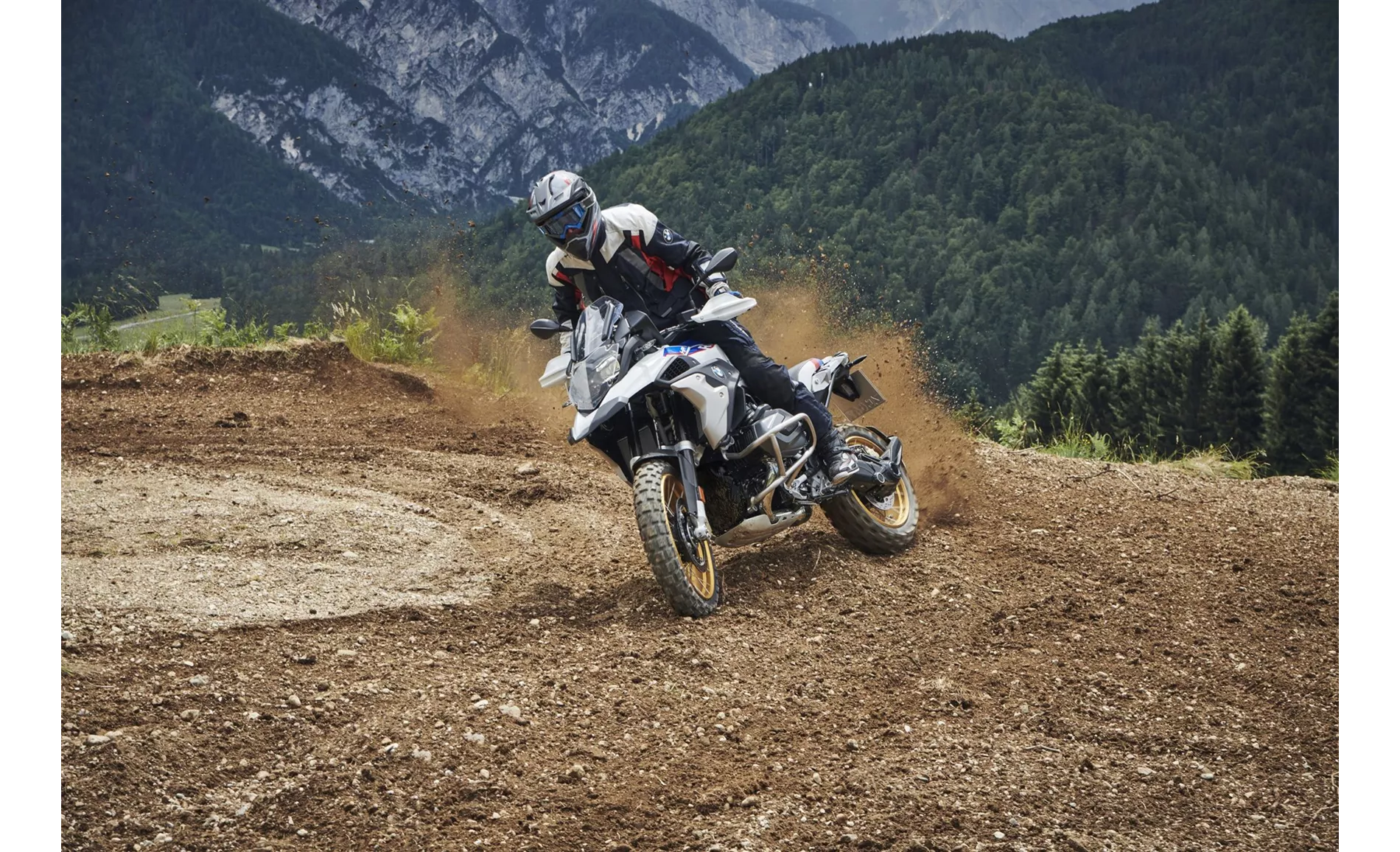
BMW R 1250 GS 2020
Both motorcycles have double disk front brakes and the same tire dimensions with a 19-inch front tire diameter and a 170mm rear tire width. The R 1250 GS has a 17-inch rear tire diameter, while the R 1200 GS has a 20-inch rear tire diameter. The wheelbase of the R 1250 GS is slightly longer at 1525mm compared to the R 1200 GS at 1507mm. Both motorcycles have a seat height of 850mm and a fuel tank capacity of 20 liters. The R 1250 GS is slightly heavier with a kerb weight of 249kg compared to the R 1200 GS at 238kg.
The BMW R 1250 GS 2020 has several strengths compared to the R 1200 GS 2015. It has an extremely high-torque boxer engine, providing powerful performance. The sound of the engine is also good, adding to the overall riding experience. The comfortable seating position of the R 1250 GS makes it suitable for long distances. The braking performance is stable, ensuring safety while riding. The motorcycle also offers good weather protection, keeping the rider shielded from the elements. Additionally, the R 1250 GS comes with a colour TFT display as standard and LED headlights, enhancing visibility and providing a modern look.
On the other hand, the BMW R 1200 GS 2015 also has its strengths. It has a powerful engine and offers low fuel consumption, making it efficient for long rides. The seating position is comfortable, allowing for a pleasant riding experience. The motorcycle can also be used off-road, adding versatility to its capabilities. It also has a high reputation, indicating its reliability and popularity among riders.
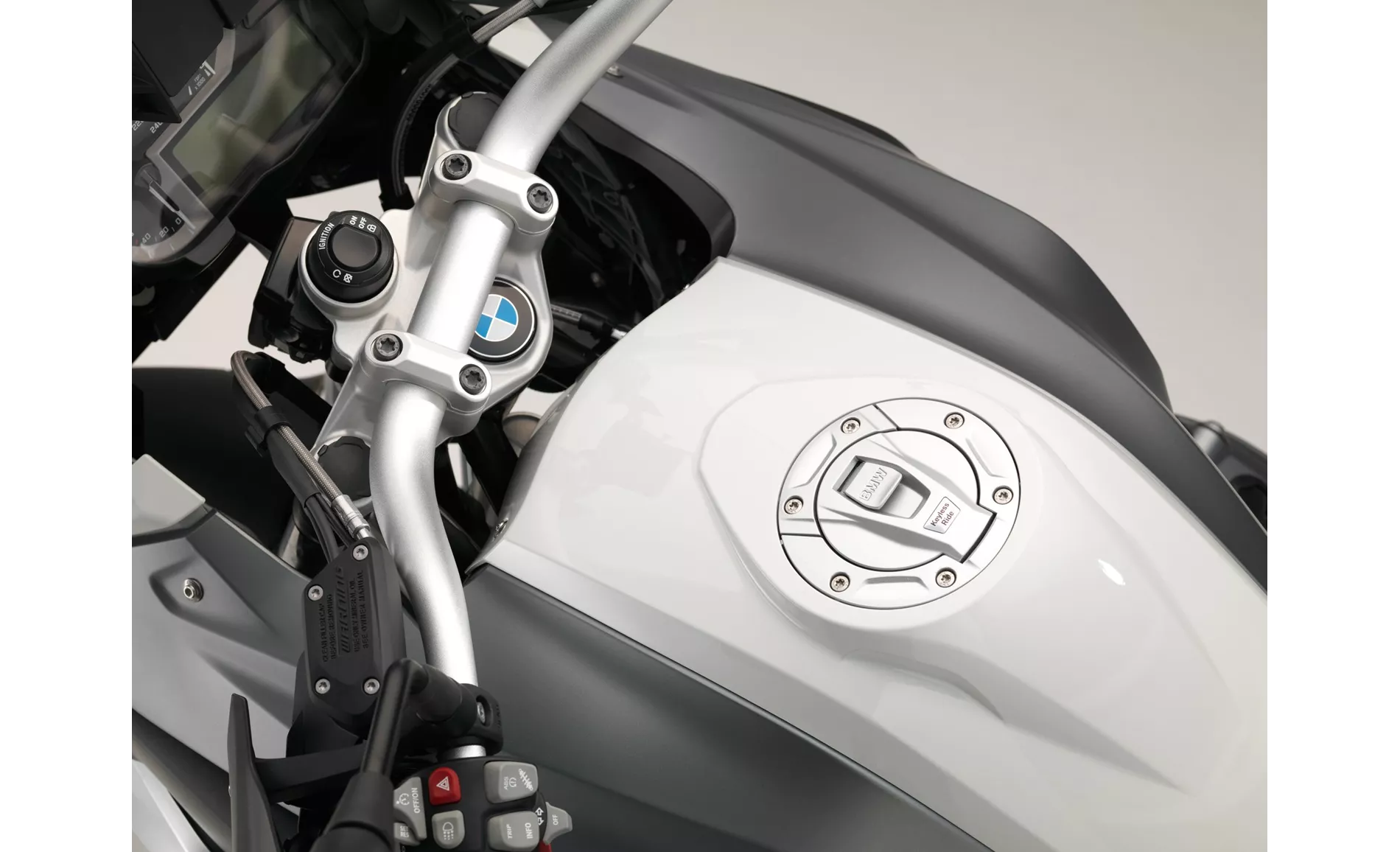
BMW R 1200 GS 2015
In terms of weaknesses, the BMW R 1250 GS 2020 has manageable standard equipment and a long surcharge list, meaning additional features may come at an extra cost. The appearance of the R 1250 GS may be seen as jagged with little elegance, which may not appeal to some riders. On the other hand, the BMW R 1200 GS 2015 also has a long and expensive surcharge side, meaning additional features may come at a high cost. The Telelever front suspension of the R 1200 GS may take some getting used to, and the brake can be very sharp.
In conclusion, the BMW R 1250 GS 2020 and the BMW R 1200 GS 2015 are both capable enduro motorcycles with their own strengths and weaknesses. The R 1250 GS offers a more powerful engine, comfortable seating position, and modern features, while the R 1200 GS is known for its efficiency, versatility, and reputation. Ultimately, the choice between the two would depend on the rider's preferences and priorities.
Technical Specifications BMW R 1250 GS 2020 compared to BMW R 1200 GS 2015
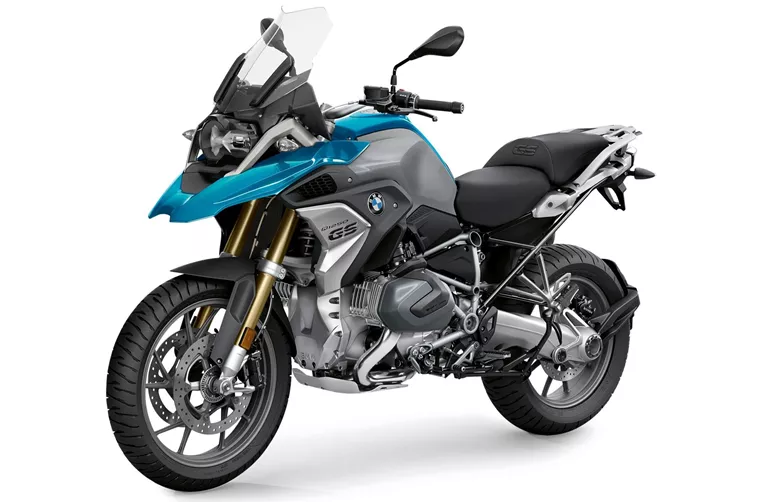
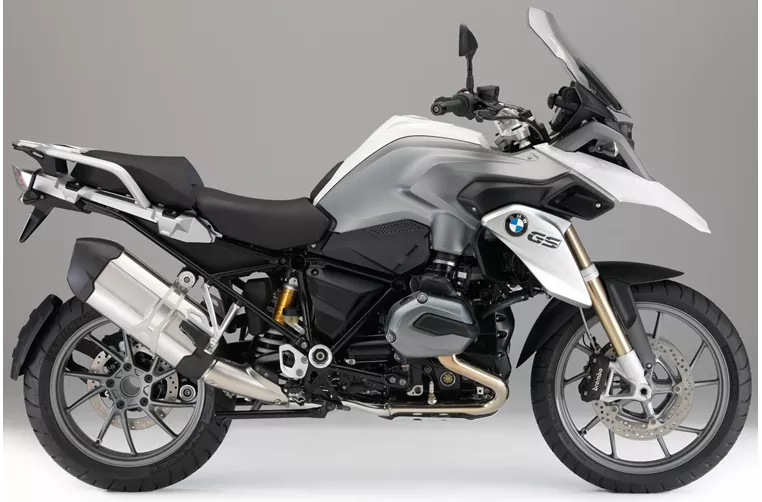
Pros and Cons in comparison
Pros and Cons in comparison
BMW R 1250 GS 2020
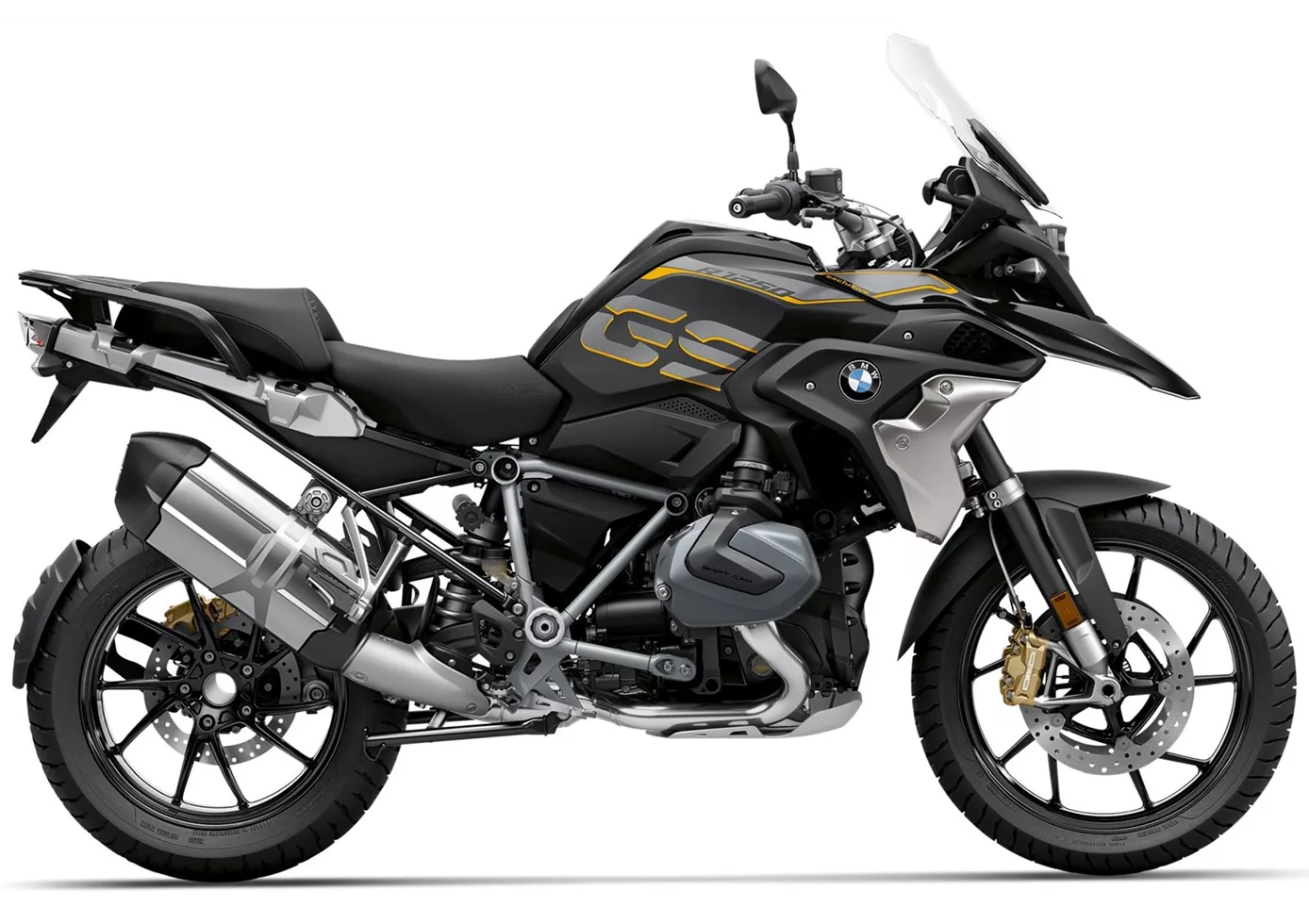
The BMW R 1250 GS also presents itself as a very complete bike in 2022. Confident and well-balanced, it impresses on intensive rides. The bike scores points with its superb engine, great ergonomics and practical riding aids including great app integration. However, in a direct comparison with other top-of-the-range touring enduros, it shows its first weaknesses in terms of features and components. In direct comparison, however, the 136 hp from the boxer engine is convincing in every situation.
BMW R 1200 GS 2015
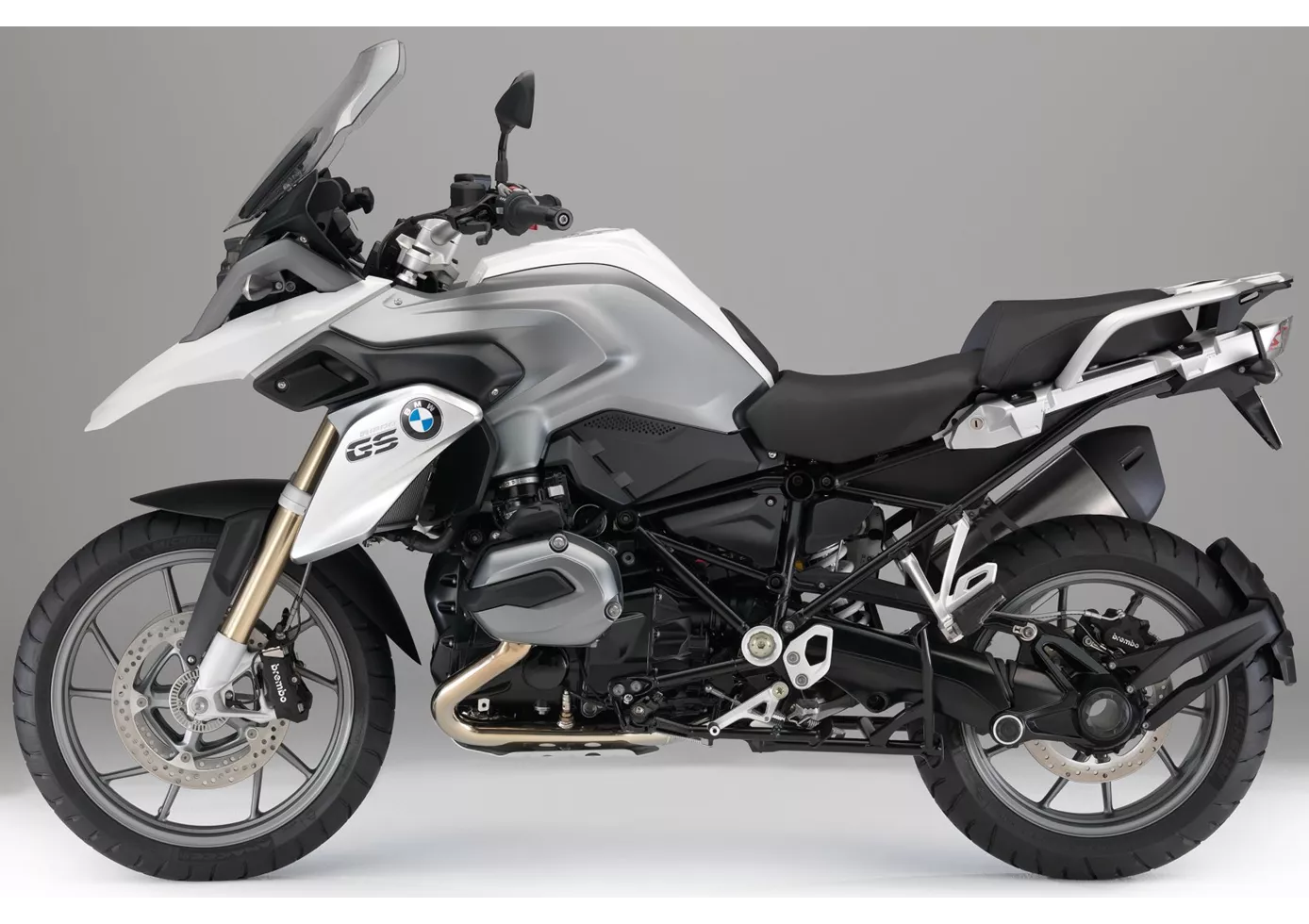
For over 35 years, BMW has continued to expand the boxer range and is consistently working on the evolution of the GS. In addition to the EURO4 update of the engine with new catalytic converter and mapping, there are now even more features such as the Dynamic ESA Next Generation with automatic riding position compensation, which further improves stability and comfort for the rider. With its subtle colour scheme, the Exclusive version is intended for friends of a neat and subdued appearance and, unlike the flashier Rallye variant, is designed more for the road. Many features are at extra cost, but GS customers usually don't care - 90 percent are ordered with full equipment.
Price Comparison Average Market Price BMW R 1250 GS vs BMW R 1200 GS
There are a few key differences between a BMW R 1250 GS 2020 and a BMW R 1200 GS 2015. In terms of price, the actual average price of a BMW R 1250 GS 2020 is about 46% higher. A BMW R 1250 GS 2020 experiences a loss of 590 USD in one year of ownership. This is offset by a loss of 440 USD for a BMW R 1200 GS 2015. Compared to BMW R 1200 GS 2015 there are more BMW R 1250 GS 2020 bikes available on the 1000PS.de Marketplace, specifically 71 compared to 47. It takes less time to sell a BMW R 1250 GS with 43 days compared to 66 days for a BMW R 1200 GS. Since model year 2019 1000PS.de editors have written 50 reviews for the BMW R 1250 GS and 98 reviews for the BMW R 1200 GS since model year 2005. The first review for the BMW R 1250 GS was published on 9/19/2018 and now has more than 305,600 views. This compares to more than 19,100 views for the first review on BMW R 1200 GS published on 1/20/2004.