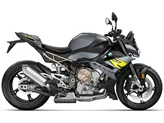
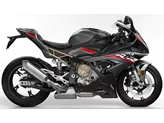
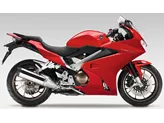
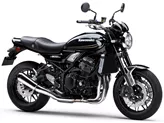
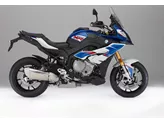
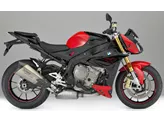
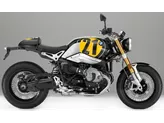
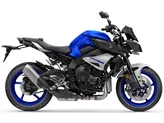
BMW S 1000 R 2015 vs. Kawasaki Z900 RS 2018
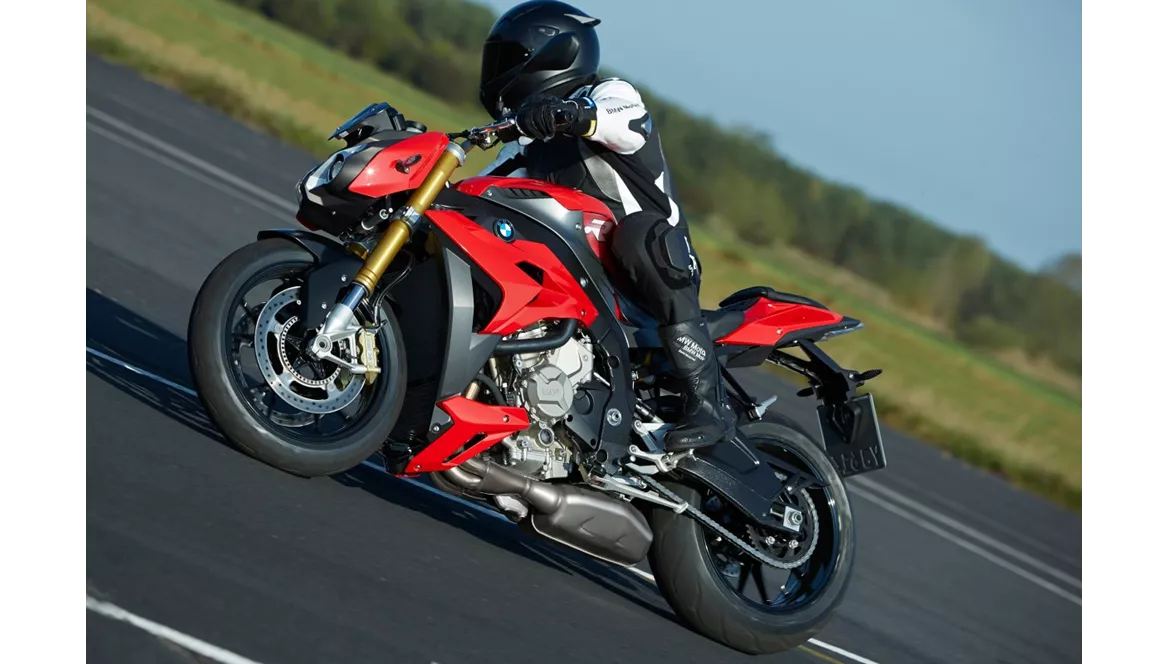
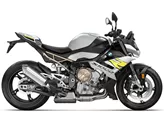
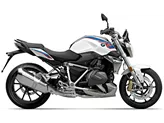
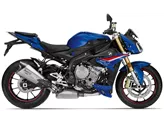
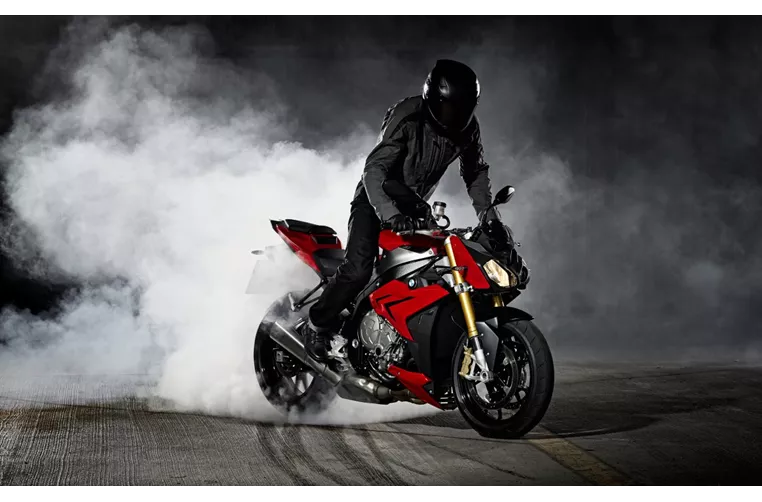
BMW S 1000 R 2015
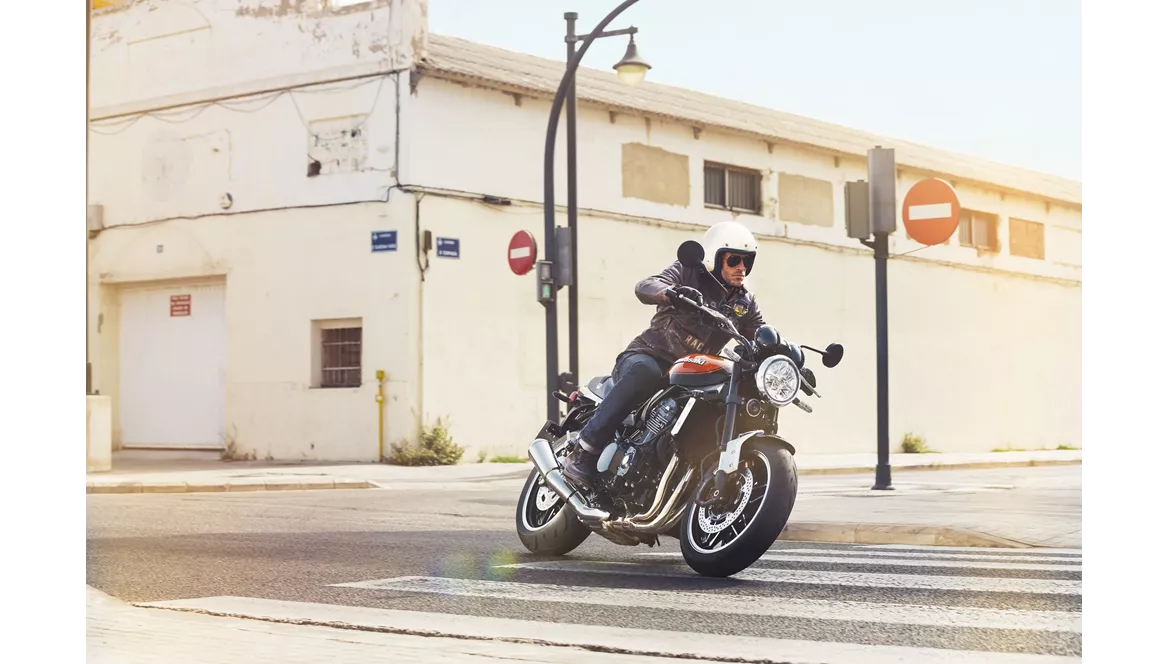
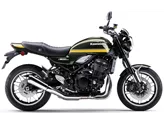
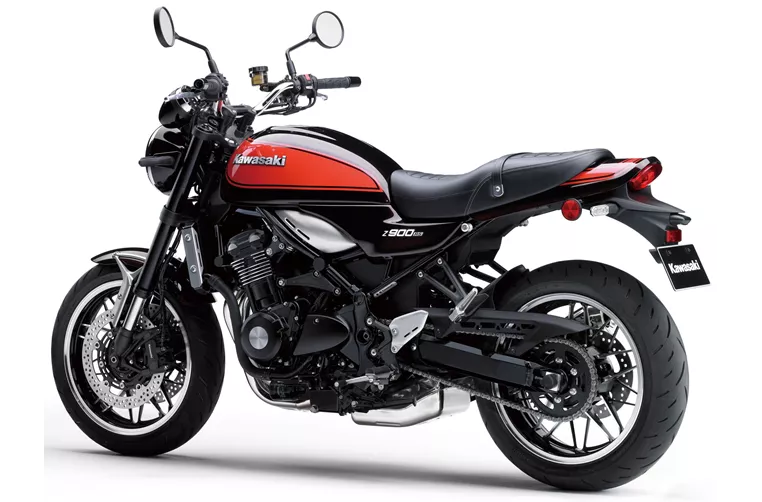
Kawasaki Z900 RS 2018
Overview - BMW S 1000 R 2015 vs Kawasaki Z900 RS 2018
The BMW S 1000 R 2015 and the Kawasaki Z900 RS 2018 are both naked bikes with similar engine types, in-line 4-cylinder engines. However, there are several differences between the two models.
In terms of engine power, the BMW S 1000 R 2015 has a higher output with 160 HP compared to the Kawasaki Z900 RS 2018's 111 HP. This gives the BMW an advantage in terms of acceleration and top speed. The BMW also has a higher torque of 112 Nm compared to the Kawasaki's 98.6 Nm, which provides better low-end power.
Both bikes have upside-down telescopic forks for the front suspension and swing arms with monoshock for the rear suspension. This ensures good stability and handling for both models. However, the BMW has the advantage of having a dynamic suspension system, which enhances the overall riding experience.
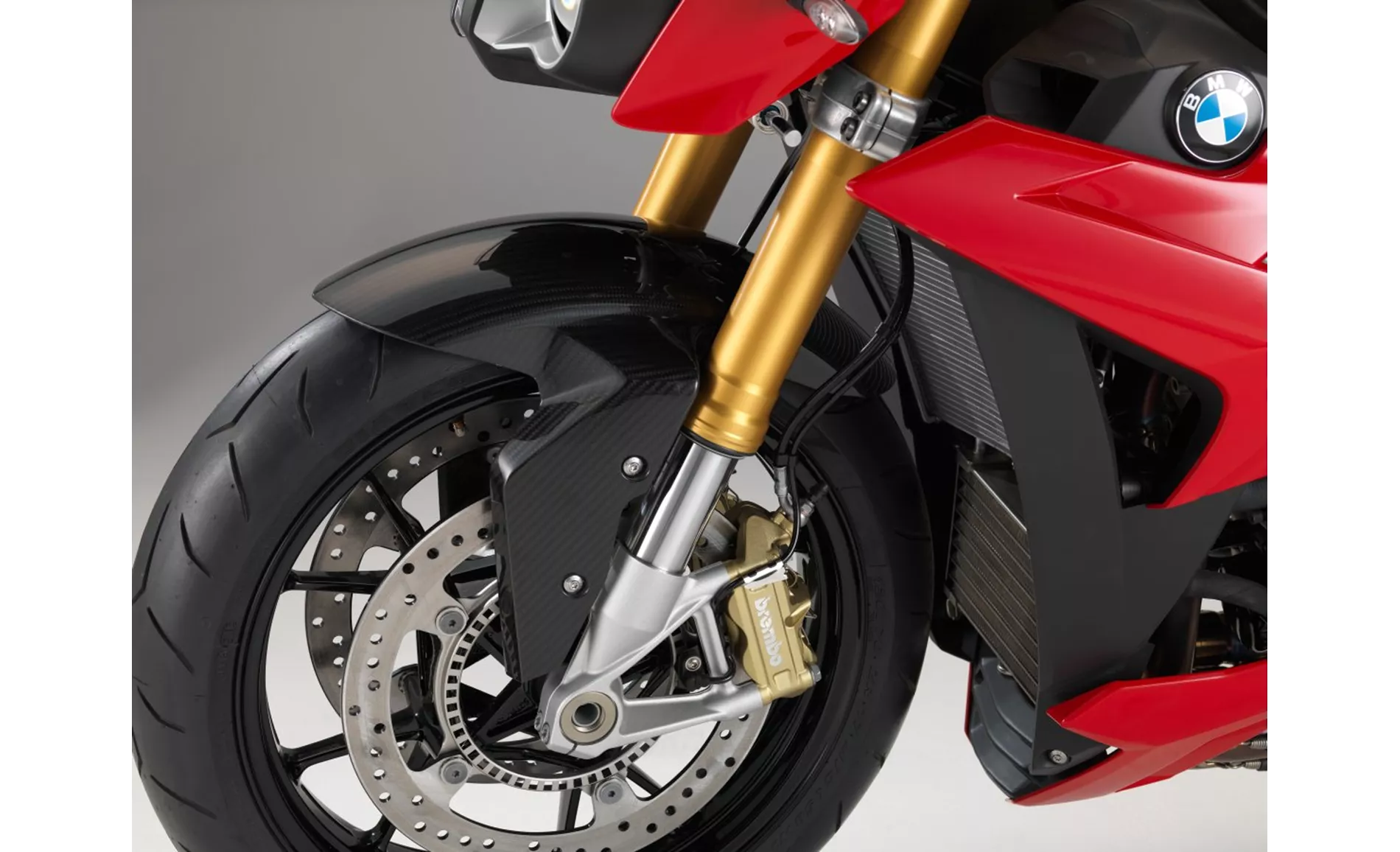
BMW S 1000 R 2015
In terms of chassis, the BMW S 1000 R 2015 has an aluminum frame with a twin tube design, while the Kawasaki Z900 RS 2018 has a steel frame with a tubular design. The aluminum frame of the BMW provides better rigidity and lighter weight, contributing to better handling and maneuverability.
Both bikes have double disk brakes with four pistons at the front, ensuring powerful and reliable braking performance. However, the Kawasaki Z900 RS 2018 has additional advanced rider assistance systems such as ABS, ride by wire, and traction control, which enhance safety and control.
In terms of dimensions and weights, the Kawasaki Z900 RS 2018 has a slightly longer wheelbase of 1470 mm compared to the BMW S 1000 R 2015's 1439 mm. This gives the Kawasaki better stability at high speeds. The seat height of the Kawasaki is also slightly higher at 835 mm compared to the BMW's 814 mm. However, the BMW has a lower kerb weight of 207 kg with ABS, compared to the Kawasaki's 215 kg.
In terms of fuel tank capacity, both bikes have similar capacities with the BMW having 17.5 liters and the Kawasaki having 17 liters.
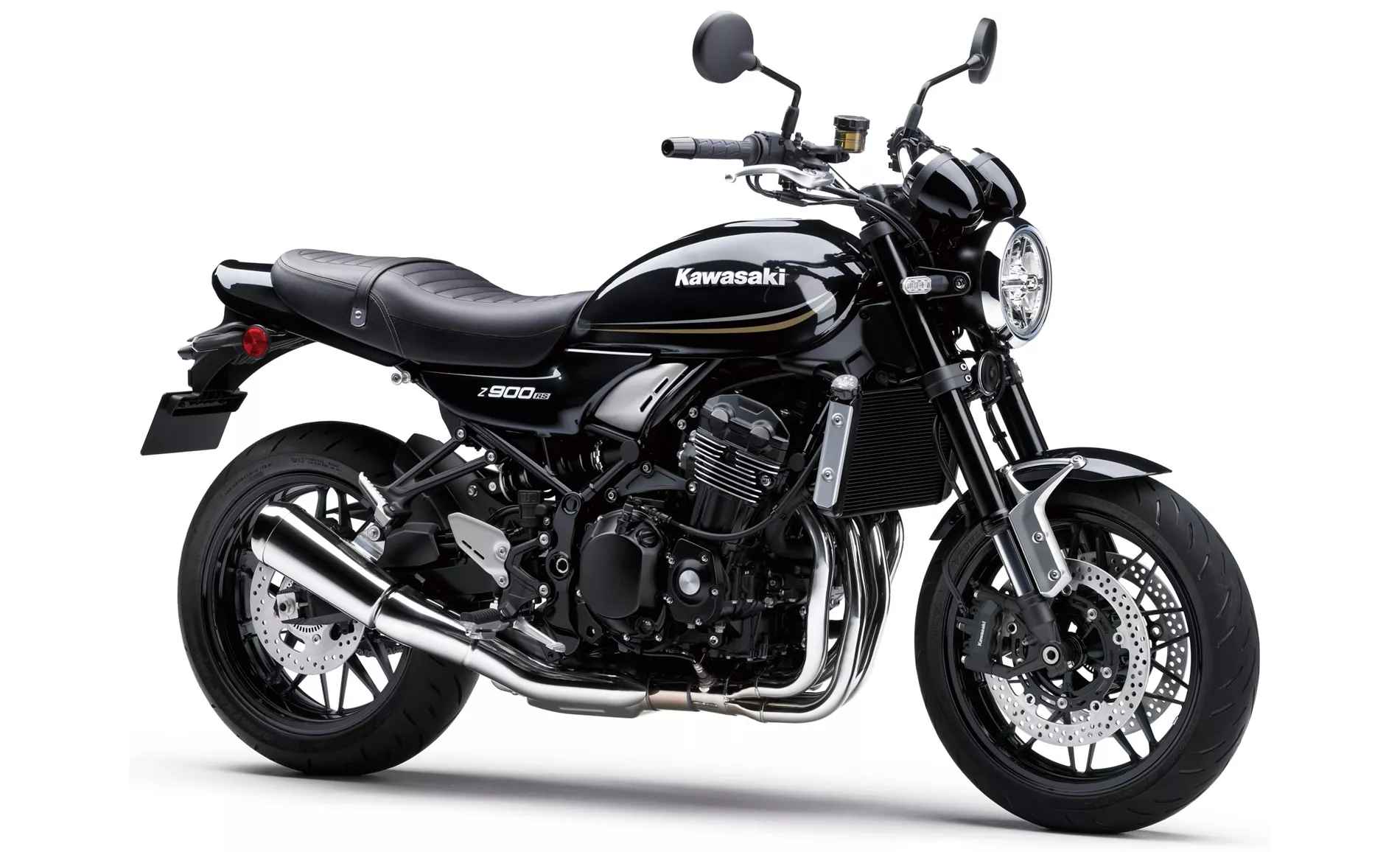
Kawasaki Z900 RS 2018
In terms of strengths, the BMW S 1000 R 2015 has a powerful and well-controllable engine, a powerful braking system, and a comparatively comfortable seating position. On the other hand, the Kawasaki Z900 RS 2018 has a powerful and smooth engine, good looks, a comfortable seating position, and balanced handling. It is also easy to ride and not nervous or ponderous.
In terms of weaknesses, the BMW S 1000 R 2015 has irresistible but expensive optional extras, a hard chassis, and vibrations in the handlebars. The Kawasaki Z900 RS 2018, on the other hand, lacks a shift assistant, is heavier than other retro bikes in its class, has a seat that may be too soft on long tours, and lacks wind protection.
Overall, both the BMW S 1000 R 2015 and the Kawasaki Z900 RS 2018 have their own strengths and weaknesses. The BMW offers more power and advanced suspension, while the Kawasaki offers a smoother engine and a more comfortable riding position. Ultimately, the choice between the two will depend on the rider's preferences and priorities.
Technical Specifications BMW S 1000 R 2015 compared to Kawasaki Z900 RS 2018
Pros and Cons in comparison
Pros and Cons in comparison
BMW S 1000 R 2015
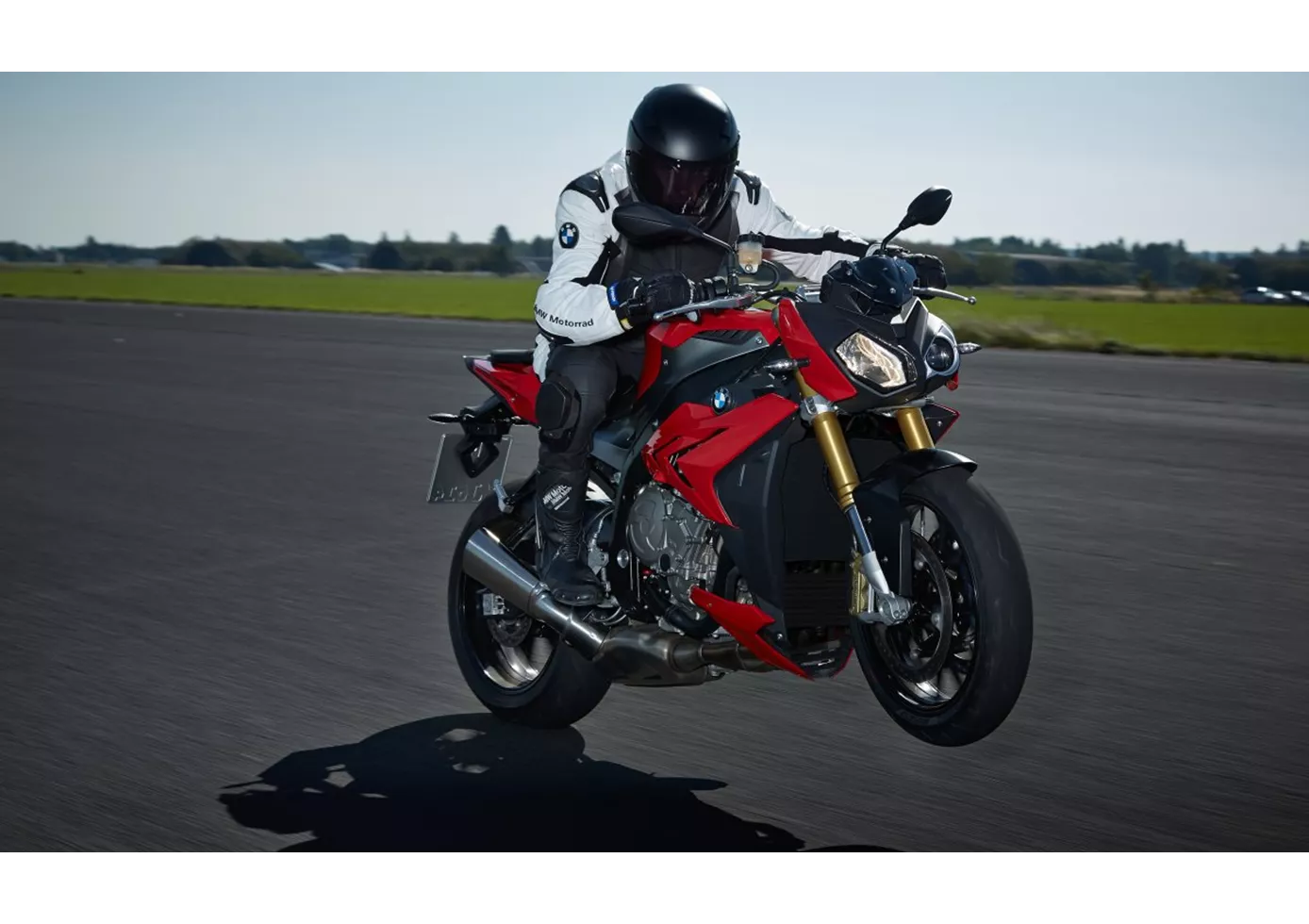
With the BMW S 1000 R, you notice both the close relationship to the S 1000 RR superbike and the endeavour to equip the machine with a high degree of comfort for country roads and everyday use. Accordingly, the 1000cc four-cylinder power unit is brute and yet easily controllable, and the seating position is correspondingly sporty and comfortable. The fact that the S 1000 R is one of the most affordable power naked bikes is surprising and very pleasing, although one must not get hold of the list of optional extras - because thanks to the many irresistible features, it will certainly be more expensive.
Kawasaki Z900 RS 2018
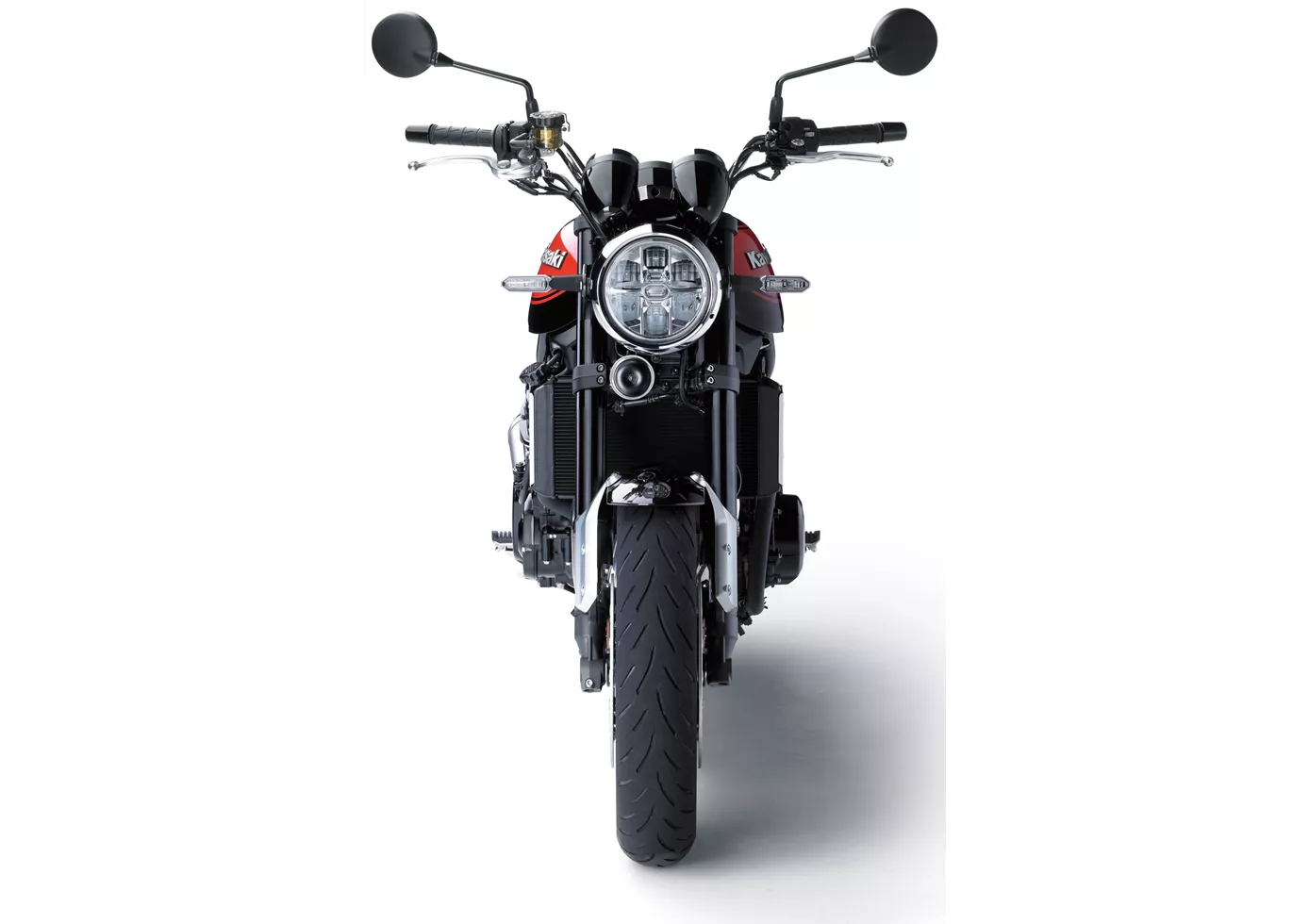
Its four-cylinder is silky smooth while delivering enough power to make you grin under your helmet. It is also very easy to move, which should make it a great commuter bike in everyday life and serve as an iconic fun bike at the weekend. The looks find the perfect straddle of classic design and modern details to form a coherent retro package that is also a worthy tribute to Kawasaki history. It's a great naked bike with a snazzy look.
Price Comparison Avarage Market Price BMW S 1000 R vs Kawasaki Z900 RS
There are a few key differences between a BMW S 1000 R 2015 and a Kawasaki Z900 RS 2018. In terms of price, the actual average price of a Kawasaki Z900 RS 2018 is about 17% higher. A BMW S 1000 R 2015 experiences a loss of 250 USD in one year and 600 USD in two years of ownership. This is offset by a loss of 900 USD and 1,070 USD for a Kawasaki Z900 RS 2018. Compared to Kawasaki Z900 RS 2018 there are less BMW S 1000 R 2015 bikes available on the 1000PS.de Marketplace, specifically 12 compared to 28. It takes less time to sell a BMW S 1000 R with 61 days compared to 154 days for a Kawasaki Z900 RS. Since model year 2014 1000PS.de editors have written 62 reviews for the BMW S 1000 R and 26 reviews for the Kawasaki Z900 RS since model year 2018. The first review for the BMW S 1000 R was published on 11/3/2013 and now has more than 17,300 views. This compares to more than 63,700 views for the first review on Kawasaki Z900 RS published on 9/6/2017.