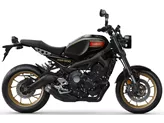
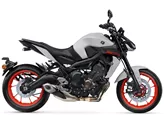
Yamaha XSR700 2016 vs. Yamaha XSR900 2016

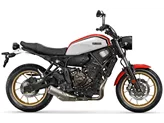
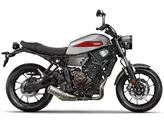
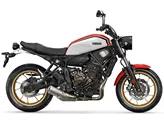
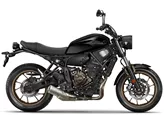
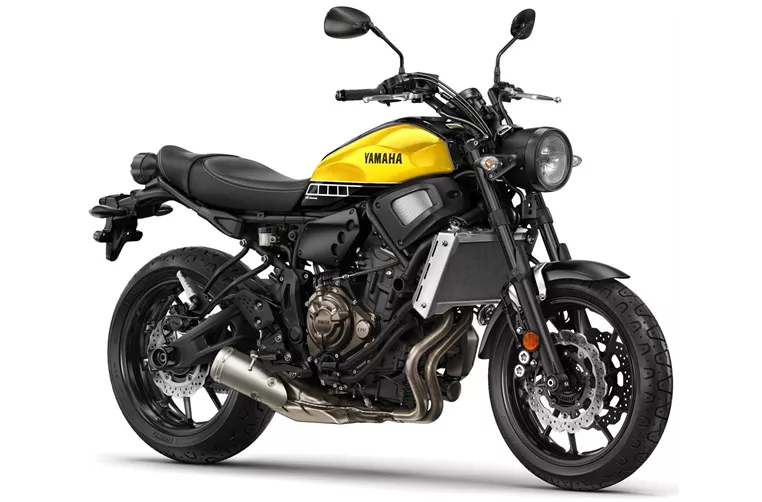
Yamaha XSR700 2016
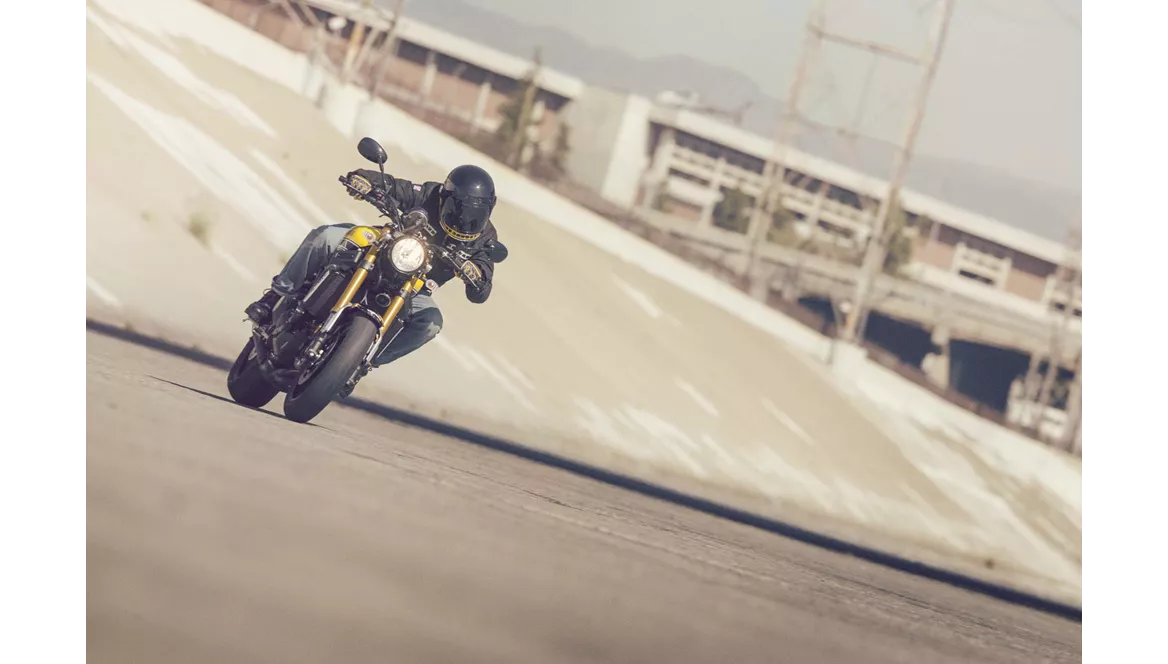
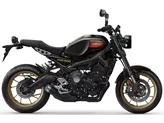
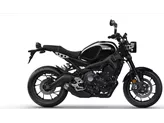
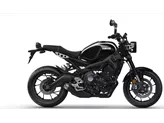
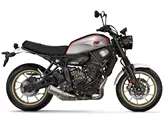
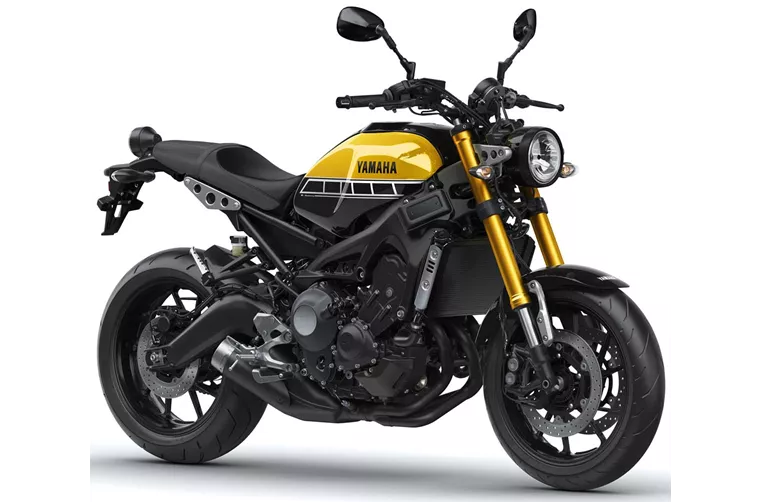
Yamaha XSR900 2016
Overview - Yamaha XSR700 2016 vs Yamaha XSR900 2016
The Yamaha XSR700 2016 and the Yamaha XSR900 2016 are both naked bikes with similar technical specifications. However, there are some notable differences between the two models.
In terms of engine performance, the XSR900 has a more powerful engine with 115 horsepower compared to the XSR700's 75 horsepower. The XSR900 also has a higher torque of 87.5 Nm compared to the XSR700's 68 Nm. This makes the XSR900 more suitable for riders who prefer a faster and more aggressive riding experience.
Both models have in-line engines with liquid cooling, but the XSR900 has an additional cylinder, making it a three-cylinder engine compared to the XSR700's two-cylinder engine. This contributes to the XSR900's increased power and torque.
In terms of suspension, the XSR700 has a telescopic fork front suspension, while the XSR900 has an upside-down telescopic fork front suspension. This difference in suspension design may result in a slightly different riding experience, with the XSR900 potentially offering better stability and control.

Yamaha XSR700 2016
The chassis of the XSR700 is made of steel, while the XSR900 has an aluminum frame. The aluminum frame of the XSR900 is lighter, which may contribute to better handling and maneuverability.
Both models have double disk brakes at the front with ABS as standard. The XSR900 has slightly larger brake disks with a diameter of 298 mm compared to the XSR700's 282 mm. This may result in improved braking performance for the XSR900.
In terms of dimensions and weights, the XSR900 has a slightly longer wheelbase of 1440 mm compared to the XSR700's 1405 mm. The seat height is the same for both models at 815 mm. The XSR900 is slightly heavier with a kerb weight of 191 kg compared to the XSR700's 186 kg.
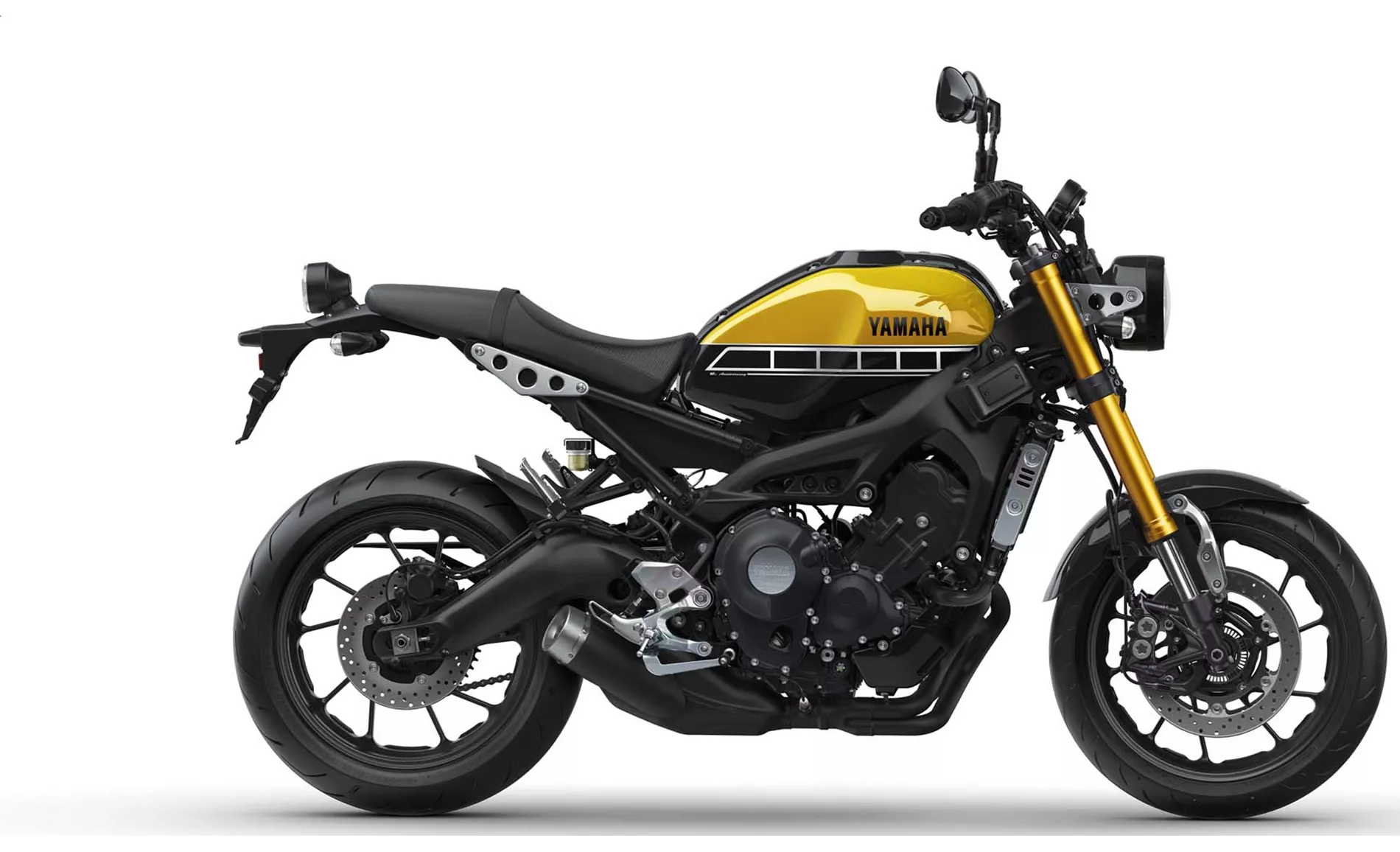
Yamaha XSR900 2016
Both models have a fuel tank capacity of 14 liters and have the same tire dimensions with a front tire width of 120 mm and a rear tire width of 180 mm, both with a diameter of 17 inches.
In terms of strengths, the XSR700 is praised for its elastic motor, direct transmission, easy handling, and good build quality. On the other hand, the XSR900 is highlighted for its powerful engine, well-tuned riding modes, ABS and TC as standard, authentic modern design, and clean workmanship.
However, there are also weaknesses associated with each model. The XSR700 is criticized for having a too soft chassis and a seating position that may require some getting used to. The XSR900, on the other hand, is noted for its hard chassis and a seat that could be more comfortable. Additionally, the XSR900's speedblock design is already present on many other Yamaha models, which may make it less unique in terms of aesthetics.
Overall, the Yamaha XSR700 and XSR900 are both capable naked bikes with their own strengths and weaknesses. The choice between the two models ultimately depends on the rider's preferences and priorities in terms of engine performance, handling, and design.
Technical Specifications Yamaha XSR700 2016 compared to Yamaha XSR900 2016
Pros and Cons in comparison
Pros and Cons in comparison
Yamaha XSR700 2016

The XSR is the perfect everyday bike for me. It is visually a feast for the eyes, has an incredible amount of power, but is still light and agile. The seating position allows longer rides, as the luggage can be carried on the back without any problems. The XSR itself doesn't know exactly what it wants to be now. But I find the resulting mix quite exciting. So if you don't want to (or can't) have different bikes in the garage, the XSR is a very good choice. served very well. It has everything you expect from a motorbike. In a hotel, one would speak of an all-inclusive offer. It is perfect for It is perfect for the daily ride to the office, for weekend excursions and smaller tours to the south. Even with a pillion, the bike is very easy to move. As usual from Yamaha, the bike makes a very solid impression. Everything simply works here. The exhaust is pleasantly quiet, but from 5000 rpm it produces a very appealing and throaty sound. The rear end is a matter of taste. Personally, I would rebuild the rear and remove the plastic elements. I also find the standard mirrors a little large. The retro look was not quite carried through here. However, this can be changed very quickly and easily thanks to the many accessories. The instrument panel is basically easy to read. However, a lot of information is space. Here, design and functionality clash a little. Summarised in one sentence: The perfect bike for every challenge.
Yamaha XSR900 2016
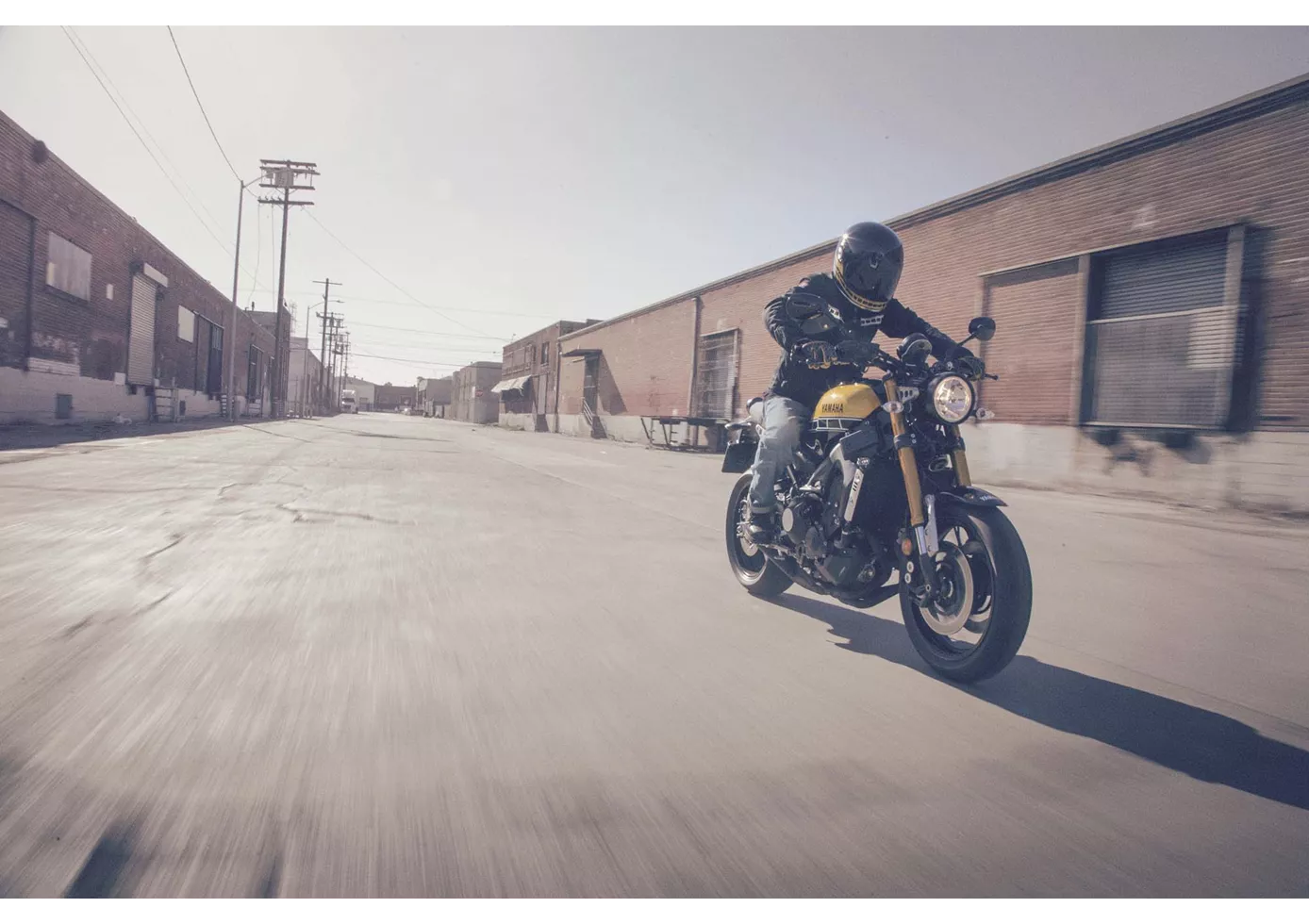
The Yamaha XSR900 is a classic optical illusion - with its round headlight, angular tank and attached tail light, it clearly passes for a retro bike. But it's no coincidence that the performance is reminiscent of the potent mid-range naked bike Yamaha MT-09, which is the extremely sporty basis for the XSR900. So the engine is a blast and the brakes are appropriately venomous. Fortunately, the engineers didn't overdo it with the chassis, the XSR900 offers sufficient comfort and the upright riding position is more comfortable than the powerful engine would lead one to expect. All in all, the XSR900 is one of the sportiest models among the retro bikes.
Price Comparison Average Market Price Yamaha XSR700 vs Yamaha XSR900
There are a few key differences between a Yamaha XSR700 2016 and a Yamaha XSR900 2016. In terms of price, the actual average price of a Yamaha XSR700 2016 is about 3% higher. A Yamaha XSR700 2016 experiences a loss of 100 USD in one year of ownership. This is offset by a loss of 1,650 USD for a Yamaha XSR900 2016. Compared to Yamaha XSR900 2016 there are more Yamaha XSR700 2016 bikes available on the 1000PS.de Marketplace, specifically 9 compared to 5. It takes less time to sell a Yamaha XSR900 with 77 days compared to 85 days for the Yamaha XSR700. Since model year 2015 1000PS.de editors have written 26 reviews for the Yamaha XSR700 and 30 reviews for the Yamaha XSR900 since model year 2016. The first review for the Yamaha XSR700 was published on 7/22/2015 and now has more than 13,700 views. This compares to more than 17,600 views for the first review on Yamaha XSR900 published on 11/25/2015.