Honda CB750 Hornet E-Clutch 2026 vs. Yamaha Tracer 7 GT Y-AMT 2026

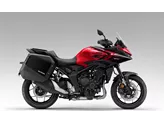
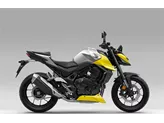
Honda CB750 Hornet E-Clutch 2026
Honda CB750 Hornet E-Clutch 2026

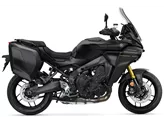
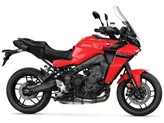
Yamaha Tracer 7 GT Y-AMT 2026

Yamaha Tracer 7 GT Y-AMT 2026

Loading...

Technical Specifications Honda CB750 Hornet E-Clutch 2026 compared to Yamaha Tracer 7 GT Y-AMT 2026

Honda CB750 Hornet E-Clutch 2026
Yamaha Tracer 7 GT Y-AMT 2026

Engine and Drive Train

Engine typeEngine typeIn line crankpin offsetEngine typeIn line
BoreBore87 mmBore80 mm
StrokeStroke63.5 mmStroke68.6 mm
Engine powerEngine power92 HPEngine power73 HP
Rpm at Max. PowerRpm at Max. Power9,500 rpmRpm at Max. Power8,750 rpm
TorqueTorque75 NmTorque68 Nm
Rpm at TorqueRpm at Torque7,250 rpmRpm at Torque6,500 rpm
Compression RatioCompression Ratio11 Compression Ratio11.5
Fuel systemFuel systemInjectionFuel systemInjection
StarterStarterElectricStarterElectric
Clutch TypeClutch TypeElectronically controlledClutch TypeMultiplate in oil-bath
TransmissionTransmissionChainTransmissionChain
Transmission TypeTransmission TypeGearshiftTransmission TypeGearshift
Number of gearsNumber of gears6Number of gears6
CylindersCylinders2Cylinders2
StrokesStrokes4-StrokeStrokes4-Stroke
Valves per cylinderValves per cylinder4Valves per cylinder4
ValvesValvesOHCValvesDOHC
CoolingCoolingliquidCoolingliquid
DisplacementDisplacement755 ccmDisplacement689 ccm

Suspension Front

Front suspensionFront suspensionUpside-Down telescopic forkFront suspensionUpside-Down telescopic fork
DiameterDiameter41 mmDiameter41 mm
TravelTravel130 mmTravel130 mm

Suspension Rear

SuspensionSuspensionSwing armSuspensionSwing arm
Shock absorberShock absorberMonoshockShock absorberMonoshock
TravelTravel150 mmTravel139 mm
AdjustmentAdjustmentPreloadAdjustmentPreload, Rebound

Chassis

FrameFrameSteelFrameSteel
Frame typeFrame typeTwin TubeFrame typeTwin Tube, Central tube
RakeRake25 degreeRake25.2 degree
TrailTrail99 mmTrail99.1 mm

Brakes Front

TypeTypeDouble diskTypeDouble disk
DiameterDiameter296 mmDiameter298 mm
PistonPistonFour pistonsPistonFour pistons
ActuationActuationHydraulicActuationHydraulic
TechnologyTechnologyradialTechnologyradial

Brakes Rear

TypeTypeDiscTypeDisc
DiameterDiameter240 mmDiameter245 mm
PistonPistonSingle pistonPistonFour pistons

Assistance Systems

Advanced Rider Assistance SystemsAdvanced Rider Assistance SystemsABS, Riding modes, Ride by Wire, Traction control, Anti-wheelie, Advanced Rider Assistance SystemsABS, Riding modes, Cruise control, Traction control,

Dimensions and Weights

Front tyre widthFront tyre width120 mmFront tyre width120 mm
Front tyre heightFront tyre height70 %Front tyre height70 %
Front tyre diameterFront tyre diameter17 inchFront tyre diameter17 inch
Rear tyre widthRear tyre width160 mmRear tyre width180 mm
Rear tyre heightRear tyre height60 %Rear tyre height55 %
Rear tyre diameterRear tyre diameter17 inchRear tyre diameter17 inch
LengthLength2,090 mmLength2,135 mm
WidthWidth780 mmWidth875 mm
HeightHeight1,085 mmHeight1,425 mm
WheelbaseWheelbase1,420 mmWheelbase1,495 mm
Seat HeightSeat Height795 mmSeat Height845 mm
Kerb Weight (with ABS)Kerb Weight (with ABS)196 kgKerb Weight (with ABS)214 kg
Fuel Tank CapacityFuel Tank Capacity15.2 lFuel Tank Capacity18 l
License compliancyLicense compliancyA2, ALicense compliancyA2, A
RangeRange353 kmRange395 km
Combined CO2 emissionsCombined CO2 emissions99 g/kmCombined CO2 emissions97 g/km
Combined fuel consumptionCombined fuel consumption4.3 l/100kmCombined fuel consumption4.1 l/100km
Ground clearanceGround clearance140 mmGround clearance140 mm

Equipment

EquipmentEquipmentConnectivity, LED-Headlights, TFT display, USB-C socket, , , EquipmentConnectivity, Heated grips, LED daytime running lights, LED-Headlights, TFT display, USB-C socket, Windscreen adjustable, , , , ,

Pros and Cons in comparison

Pros and Cons in comparison

Honda CB750 Hornet E-Clutch 2026

Honda CB750 Hornet E-Clutch 2026

The Hornet 2026 remains true to itself and is complemented by the E-Clutch. The system increases comfort and performance in equal measure and perfectly matches the versatile character of the naked bike. Thanks to the first-time interaction of electronic throttle control and E-Clutch, the Japanese company's hybrid clutch technology has now finally overtaken conventional quickshifters and harmonises perfectly with the Hornet. Both the bike and the E-Clutch score points in everyday situations as well as on fun rides.

E-clutch as good as ever, offers comfort & performance

high everyday comfort

agile handling

accessible yet emotional engine

nicely balanced suspension

very attractive price

Ergonomics suboptimal for tall riders

handlebars could be wider and further forward

suspension (unlike Transalp model sister) not adjustable

Yamaha Tracer 7 GT Y-AMT 2026

Yamaha Tracer 7 GT Y-AMT 2026

The debate about automatic transmission technology on bikes is here to stay. But one thing is certain: the future belongs to touring bikes with automatic transmissions. The Yamaha Tracer 7 GT Y-AMT is comfortable, stable, suitable for everyday use and technically well realised. The automatic system is not perfect for sporty attacks, but it is very good for travelling. And that's exactly what this bike is made for. Positive overall judgement: Yes.

Great, powerful engine

willing steering behaviour

accessible ergonomics

real touring qualities

Y-AMT automatic transmission works extremely well in most riding situations

good wind protection

Y-AMT sometimes shifts unexpectedly when leaning

slight load changes when accelerating

Price Comparison Avarage Market Price Honda CB750 Hornet E-Clutch vs Yamaha Tracer 7 GT Y-AMT

Price Honda CB750 Hornet E-Clutch

Model year
Current average market prices

Price Yamaha Tracer 7 GT Y-AMT

Model year
Current average market prices

Alternative Comparisons