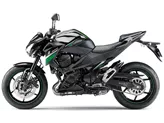
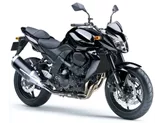
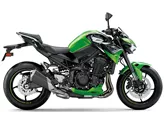
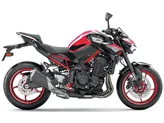
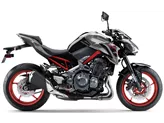
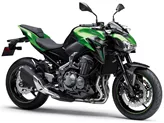
Kawasaki Z900 2026 vs. Triumph Trident 800 2026

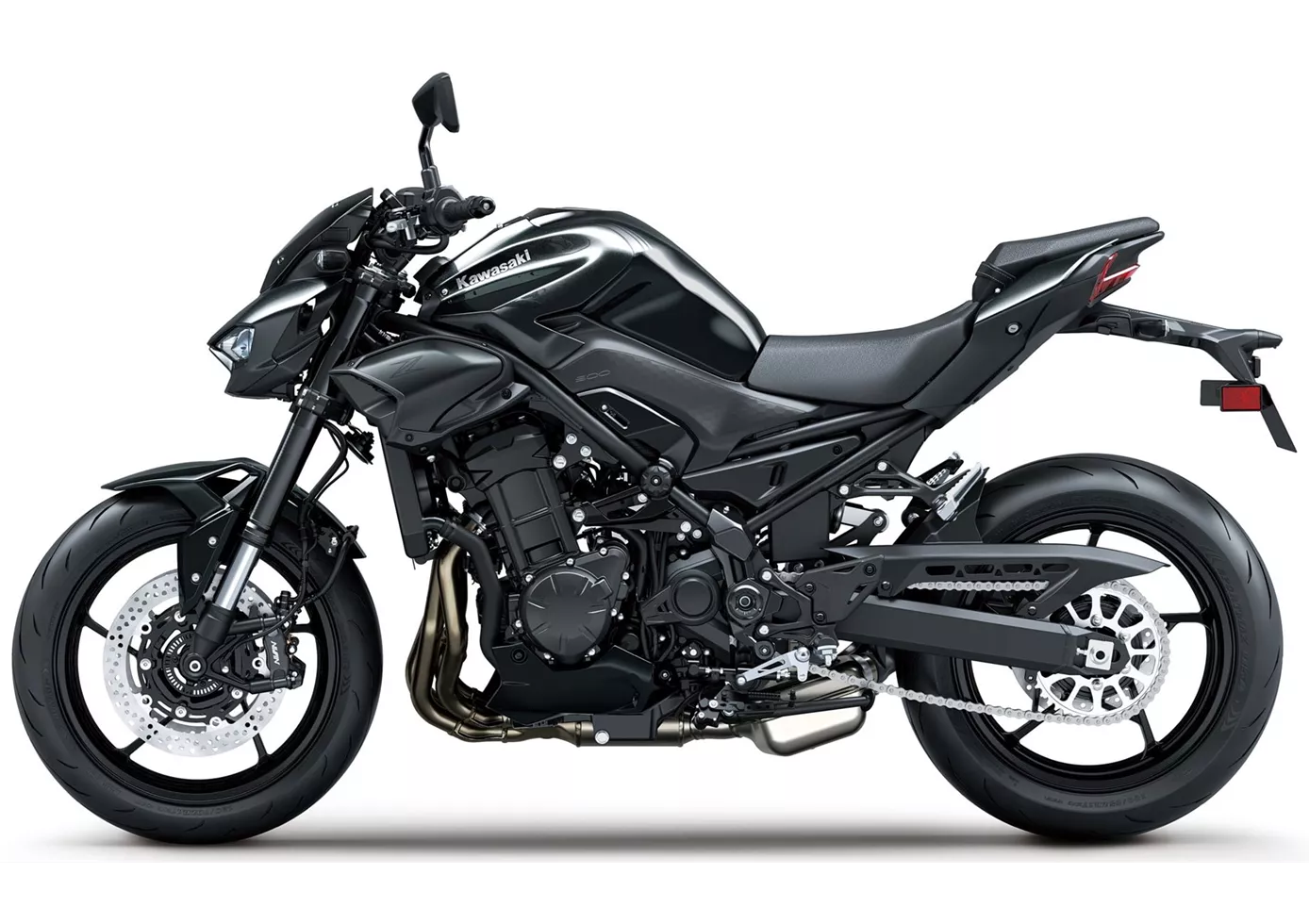
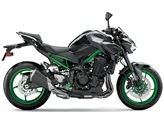
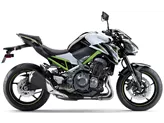
Kawasaki Z900 2026

Kawasaki Z900 2026

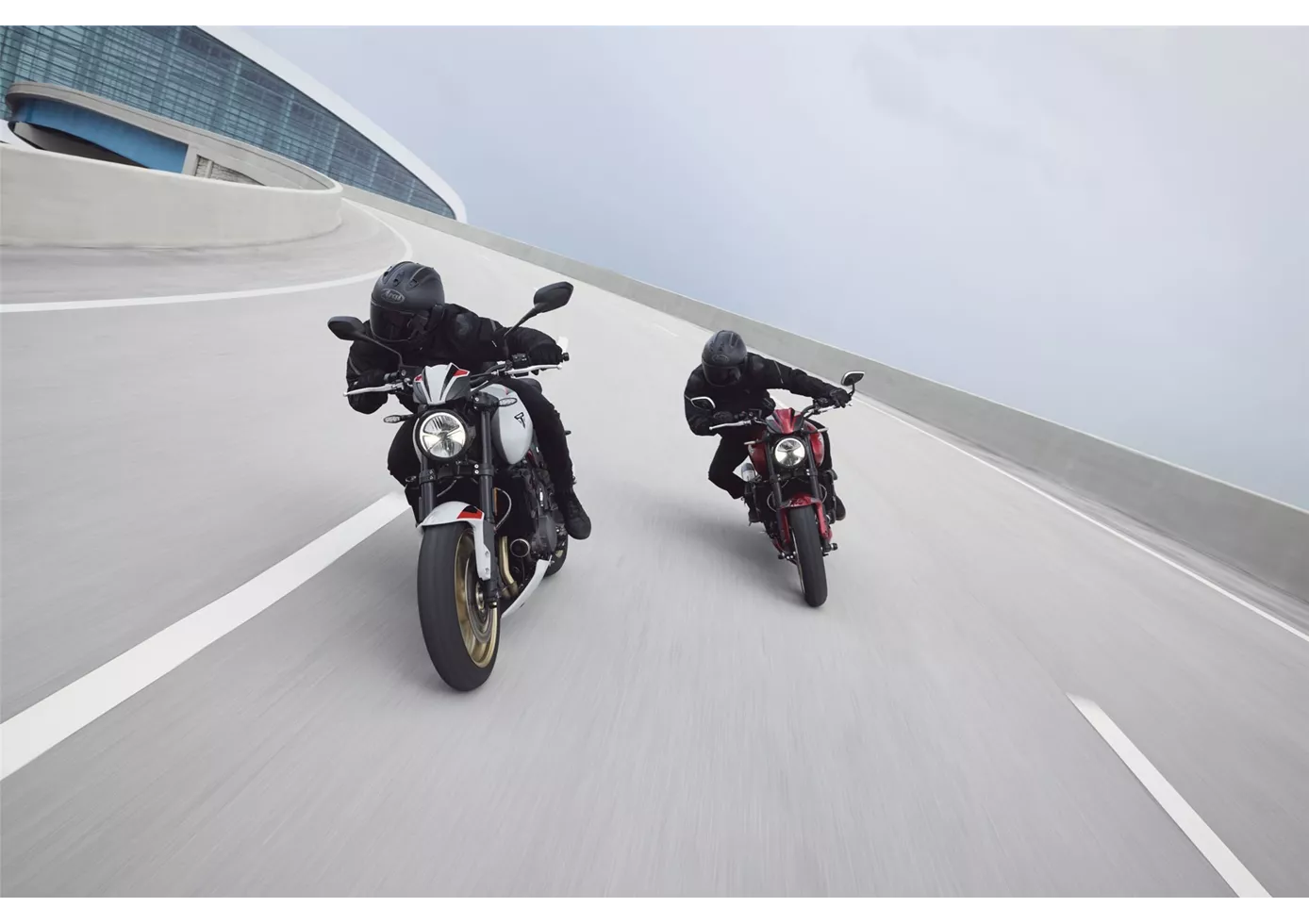
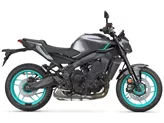
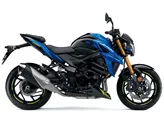
Triumph Trident 800 2026

Triumph Trident 800 2026

Loading...

Overview - Kawasaki Z900 2026 vs Triumph Trident 800 2026

Kawasaki Z900 2026

Kawasaki Z900 2026

Triumph Trident 800 2026

Triumph Trident 800 2026

Technical Specifications Kawasaki Z900 2026 compared to Triumph Trident 800 2026

Kawasaki Z900 2026
Triumph Trident 800 2026

Engine and Drive Train

Engine typeEngine typeIn lineEngine typeIn line
BoreBore73.4 mmBore78 mm
StrokeStroke56 mmStroke55.7 mm
Engine powerEngine power124 HPEngine power115 HP
Rpm at Max. PowerRpm at Max. Power9,500 rpmRpm at Max. Power10,750 rpm
TorqueTorque97.4 NmTorque84 Nm
Rpm at TorqueRpm at Torque7,700 rpmRpm at Torque8,500 rpm
Compression RatioCompression Ratio11.8 Compression Ratio13.2
Fuel systemFuel systemInjectionFuel systemInjection
Clutch TypeClutch TypeMultiplate in oil-bathClutch TypeMultiplate in oil-bath, Antihopping, ,
TransmissionTransmissionChainTransmissionChain
Transmission TypeTransmission TypeGearshiftTransmission TypeGearshift
Number of gearsNumber of gears6Number of gears6
CylindersCylinders4Cylinders3
StrokesStrokes4-StrokeStrokes4-Stroke
Valves per cylinderValves per cylinder4Valves per cylinder4
ValvesValvesDOHCValvesDOHC
CoolingCoolingliquidCoolingliquid
DisplacementDisplacement948 ccmDisplacement798 ccm

Suspension Front

Front suspensionFront suspensionUpside-Down telescopic forkFront suspensionUpside-Down telescopic fork
DiameterDiameter41 mmDiameter41 mm
TravelTravel120 mmTravel120 mm
AdjustmentAdjustmentPreload, ReboundAdjustmentCompression, Rebound

Suspension Rear

SuspensionSuspensionSwing armSuspensionSwing arm
Shock absorberShock absorberMonoshockShock absorberMonoshock
TravelTravel140 mmTravel130 mm
AdjustmentAdjustmentPreload, ReboundAdjustmentPreload, Rebound
MaterialMaterialAluminiumMaterialSteel

Chassis

FrameFrameSteelFrameSteel
Frame typeFrame typeDouble cradleFrame typeTubular, Perimeter
TrailTrail110 mmTrail108 mm

Brakes Front

TypeTypeDouble diskTypeDouble disk
DiameterDiameter300 mmDiameter310 mm
PistonPistonFour pistonsPistonFour pistons
ActuationActuationHydraulicActuationHydraulic
TechnologyTechnologyPetalTechnologyradial

Brakes Rear

TypeTypeDiscTypeDisc
DiameterDiameter250 mmDiameter220 mm
PistonPistonSingle pistonPistonSingle piston

Assistance Systems

Advanced Rider Assistance SystemsAdvanced Rider Assistance SystemsABS, Riding modes, Cornering ABS, Ride by Wire, Shift assistant with blipper, Cruise control, Traction controlAdvanced Rider Assistance SystemsABS, Cornering ABS, Quickshifter, Shift assistant with blipper, Cruise control, Traction control, , ,

Dimensions and Weights

Front tyre widthFront tyre width120 mmFront tyre width120 mm
Front tyre heightFront tyre height70 %Front tyre height70 %
Front tyre diameterFront tyre diameter17 inchFront tyre diameter17 inch
Rear tyre widthRear tyre width180 mmRear tyre width180 mm
Rear tyre heightRear tyre height55 %Rear tyre height55 %
Rear tyre diameterRear tyre diameter17 inchRear tyre diameter17 inch
LengthLength2,065 mmLength2,024 mm
WidthWidth830 mmWidth815 mm
HeightHeight1,075 mmHeight1,088 mm
WheelbaseWheelbase1,450 mmWheelbase1,402 mm
Seat HeightSeat Height830 mmSeat Height810 mm
Kerb Weight (with ABS)Kerb Weight (with ABS)213 kgKerb Weight (with ABS)198 kg
Fuel Tank CapacityFuel Tank Capacity17 lFuel Tank Capacity14 l
License compliancyLicense compliancyALicense compliancyA
RangeRange354 kmRange297 km
Combined CO2 emissionsCombined CO2 emissions117 g/kmCombined CO2 emissions109 g/km
Combined fuel consumptionCombined fuel consumption4.8 l/100kmCombined fuel consumption4.7 l/100km
Euro NormEuro NormEuro 5+Euro NormEuro 5+

Equipment

EquipmentEquipmentLED daytime running lights, LED-Headlights, TFT displayEquipmentConnectivity, LED-Headlights, TFT display, ,

Pros and Cons in comparison

Pros and Cons in comparison

Kawasaki Z900 2026

Kawasaki Z900 2026

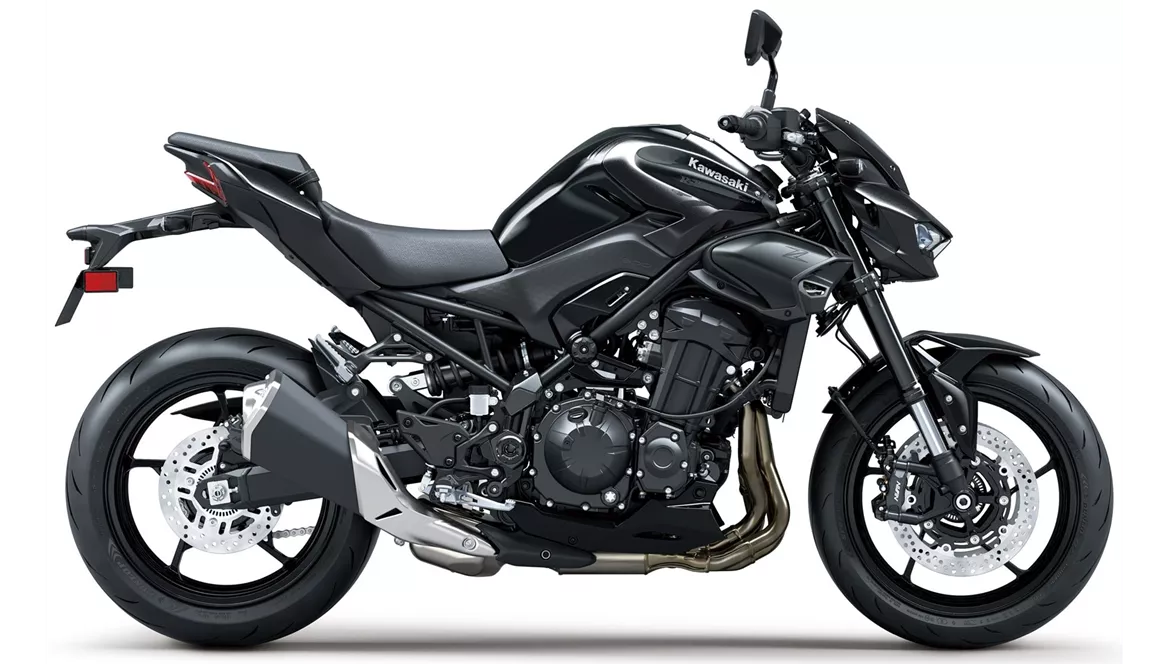
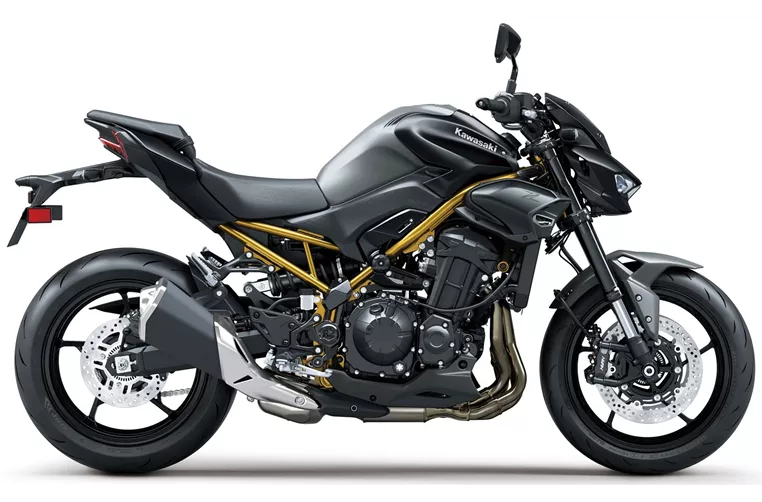
The new Z900 masters the balancing act between modernisation and proven virtues remarkably well. The 6-axle IMU, the precise quickshifter and the new electronics package make it technically absolutely up-to-date, while the characterful four-cylinder engine loses none of its fascination despite Euro 5+. The harmonious setup of all components is particularly impressive: whether suspension, engine or ergonomics - the overall package is just right.

Harmonious engine with impressive acceleration in the mid-range

very well functioning quickshifter with precise responsiveness

mature riding performance with a good compromise between stability and nimble handling

sensitive 6-axle IMU with harmonious control

superbly tuned seating position

excellent engine reponsiveness

confident cornering behaviour with transparent feedback from the front

harmonious electronics that do not restrict riding pleasure

smooth transmission with perfectly tuned ratios

first-class stop-and-go behaviour in city traffic

intuitive bike for beginners and experienced riders

slim waist despite four-cylinder layout

Great 5 inch display but the possibilities are not perfectly utilised with the Rideology app

licence plate holder seems a little carelessly integrated into the design

fuel consumption in practice significantly higher than factory specification (6.0-6.5l instead of 4.8l)

suspension of the basic version a little stiff on poor asphalt

promised app functions not yet available at the time of testing

Triumph Trident 800 2026

Triumph Trident 800 2026

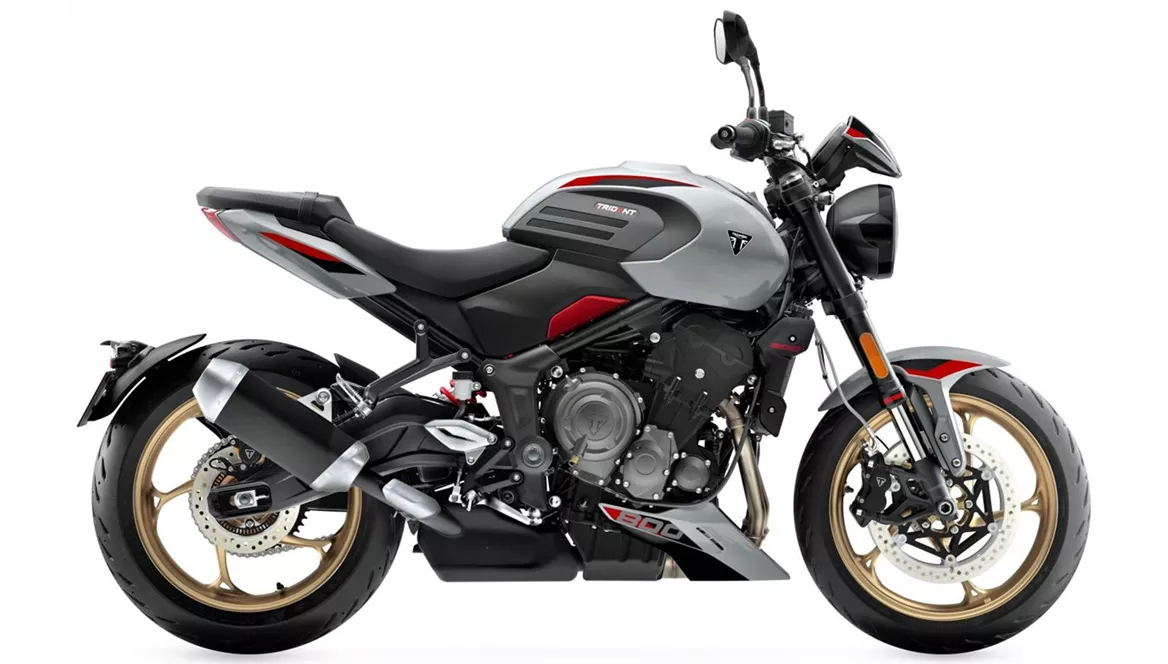
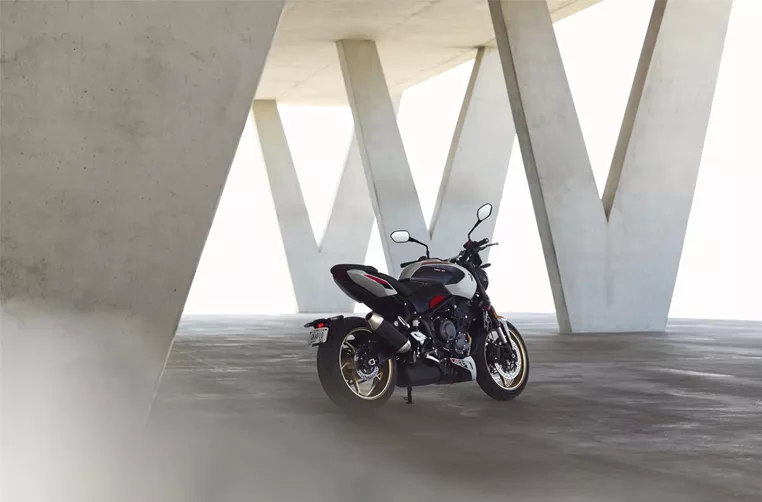
The Triumph Trident 800 remains true to the Trident idea: accessible, uncomplicated, fun to ride - just noticeably more grown-up. The new 798cc triple delivers elasticity, the standard quickshifter works first-class, and the overall package of suspension, tyres, electronics and ergonomics makes the Trident 800 a bike that is light-footed in the city and smooth on the country road. In addition, there is a very good finish and a design that is clearly recognisable as a Trident - with a little more bullishness and a licence plate holder that is a topic for discussion.

Resilient, powerful three-cylinder engine

Quickshifter as standard and excellently setup

Successful ergonomics for many body sizes

Balanced suspension with a good everyday/sport compromise

Good tyres ex works (Michelin Road 6)

Brakes with good modulation

Extensive standard equipment

Stable even at motorway speeds

High-quality workmanship and successful Trident design

Display visually not quite premium

Tank fairing prone to scratches (tank pad recommended)

Clutch lever not adjustable
Price Comparison Avarage Market Price Kawasaki Z900 vs Triumph Trident 800

Price Kawasaki Z900

Model year
Current average market prices

Price Triumph Trident 800

Model year
Current average market prices

Alternative Comparisons