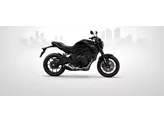
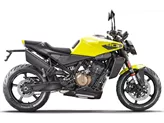
Honda CB650R E-Clutch 2026 vs. Triumph Trident 800 2026
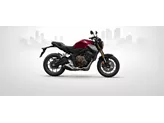
Honda CB650R E-Clutch 2026
Honda CB650R E-Clutch 2026

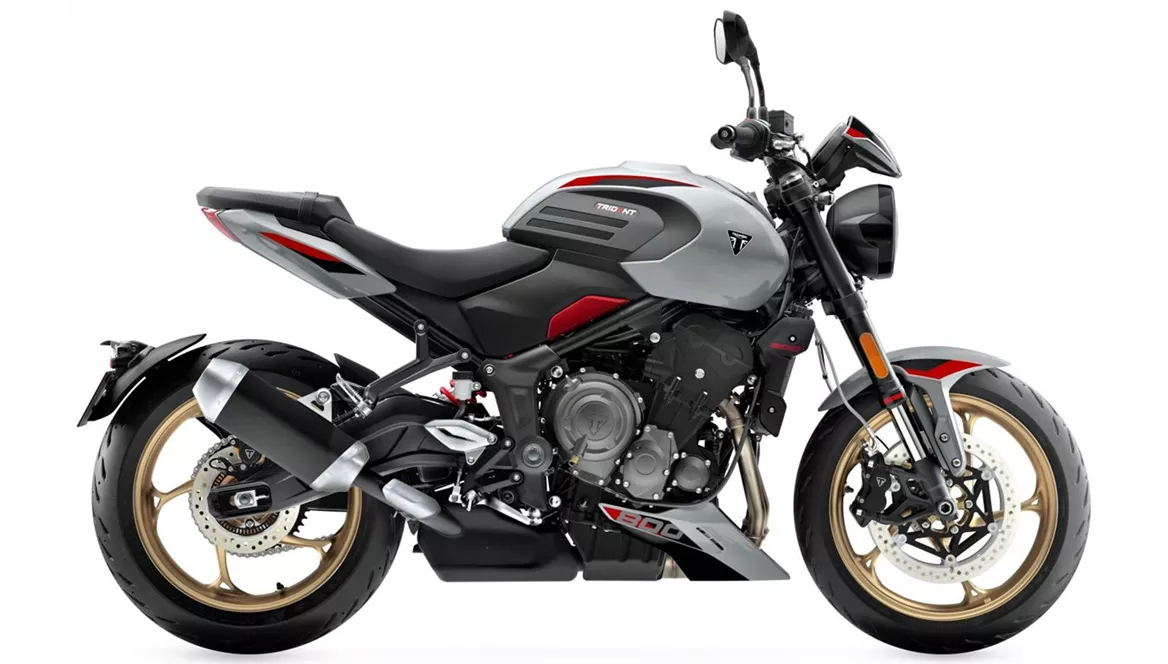
Triumph Trident 800 2026

Triumph Trident 800 2026

Loading...

Technical Specifications Honda CB650R E-Clutch 2026 compared to Triumph Trident 800 2026
Honda CB650R E-Clutch 2026
Triumph Trident 800 2026

Engine and Drive Train

Engine typeEngine typeIn lineEngine typeIn line
BoreBore67 mmBore78 mm
StrokeStroke46 mmStroke55.7 mm
Engine powerEngine power95 HPEngine power115 HP
Rpm at Max. PowerRpm at Max. Power12,000 rpmRpm at Max. Power10,750 rpm
TorqueTorque63 NmTorque84 Nm
Rpm at TorqueRpm at Torque9,500 rpmRpm at Torque8,500 rpm
Compression RatioCompression Ratio11.6 Compression Ratio13.2
Fuel systemFuel systemInjectionFuel systemInjection
StarterStarterElectricStarterElectric
Clutch TypeClutch TypeMultiplate in oil-bathClutch TypeMultiplate in oil-bath, Antihopping, Clutch systems, Assist clutch
TransmissionTransmissionChainTransmissionChain
Transmission TypeTransmission TypeGearshiftTransmission TypeGearshift
Number of gearsNumber of gears6Number of gears6
CylindersCylinders4Cylinders3
StrokesStrokes4-StrokeStrokes4-Stroke
Valves per cylinderValves per cylinder4Valves per cylinder4
ValvesValvesDOHCValvesDOHC
CoolingCoolingliquidCoolingliquid
DisplacementDisplacement649 ccmDisplacement798 ccm

Suspension Front

Front suspensionFront suspensionUpside-Down telescopic forkFront suspensionUpside-Down telescopic fork
TechnologyTechnologyBig PistonTechnologyBig Piston
BrandBrandShowaBrandShowa
DiameterDiameter41 mmDiameter41 mm
TravelTravel120 mmTravel120 mm

Suspension Rear

SuspensionSuspensionSwing armSuspensionSwing arm
Shock absorberShock absorberMonoshockShock absorberMonoshock
AdjustmentAdjustmentPreloadAdjustmentPreload, Rebound
MaterialMaterialAluminiumMaterialSteel

Chassis

FrameFrameSteelFrameSteel
Frame typeFrame typeTwin TubeFrame typeTubular, Perimeter
RakeRake64.5 degreeRake24.5 degree
TrailTrail101 mmTrail108 mm

Brakes Front

TypeTypeDouble diskTypeDouble disk
DiameterDiameter310 mmDiameter310 mm
PistonPistonFour pistonsPistonFour pistons
TechnologyTechnologyradialTechnologyradial

Brakes Rear

TypeTypeDiscTypeDisc
DiameterDiameter240 mmDiameter220 mm
PistonPistonSingle pistonPistonSingle piston

Assistance Systems

Advanced Rider Assistance SystemsAdvanced Rider Assistance SystemsABSAdvanced Rider Assistance SystemsABS, Cornering ABS, Quickshifter, Shift assistant with blipper, Cruise control, Traction control, Modern electronics, IMU (Inertial Measurement Unit), Cornering traction control

Dimensions and Weights

Front tyre widthFront tyre width120 mmFront tyre width120 mm
Front tyre heightFront tyre height70 %Front tyre height70 %
Front tyre diameterFront tyre diameter17 inchFront tyre diameter17 inch
Rear tyre widthRear tyre width180 mmRear tyre width180 mm
Rear tyre heightRear tyre height55 %Rear tyre height55 %
Rear tyre diameterRear tyre diameter17 inchRear tyre diameter17 inch
LengthLength2,120 mmLength2,024 mm
WidthWidth750 mmWidth815 mm
HeightHeight1,150 mmHeight1,088 mm
WheelbaseWheelbase1,450 mmWheelbase1,402 mm
Seat HeightSeat Height810 mmSeat Height810 mm
Kerb Weight (with ABS)Kerb Weight (with ABS)202.5 kgKerb Weight (with ABS)198 kg
Fuel Tank CapacityFuel Tank Capacity15.4 lFuel Tank Capacity14 l
License compliancyLicense compliancyALicense compliancyA
RangeRange314 kmRange297 km
Combined CO2 emissionsCombined CO2 emissions112 g/kmCombined CO2 emissions109 g/km
Combined fuel consumptionCombined fuel consumption4.9 l/100kmCombined fuel consumption4.7 l/100km

Pros and Cons in comparison

Pros and Cons in comparison

Honda CB650R E-Clutch 2026
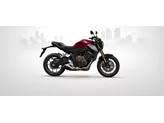
Honda CB650R E-Clutch 2026

The Honda CB650R E-Clutch impressed in our 2024 long term test bike with its combination of a classic four-cylinder engine and state-of-the-art E-Clutch technology. It offers a balanced riding experience that is enjoyable both in everyday life and on sporty rides. Despite minor weaknesses, such as its higher weight and standard tyres, it remains a reliable and powerful naked bike that stands out above all for its comfort, user-friendliness and innovative technology.

Powerful and smooth-running four-cylinder engine Innovative E-Clutch system for comfortable gear changes

Good suspension for a sporty and comfortable rider

User-friendly ergonomics and intuitive TFT display

Higher weight compared to the competition

Standard tyres offer handling that could be improved

Slight vibrations at high revs

Suspension reaches its limits at very high speeds

Triumph Trident 800 2026

Triumph Trident 800 2026

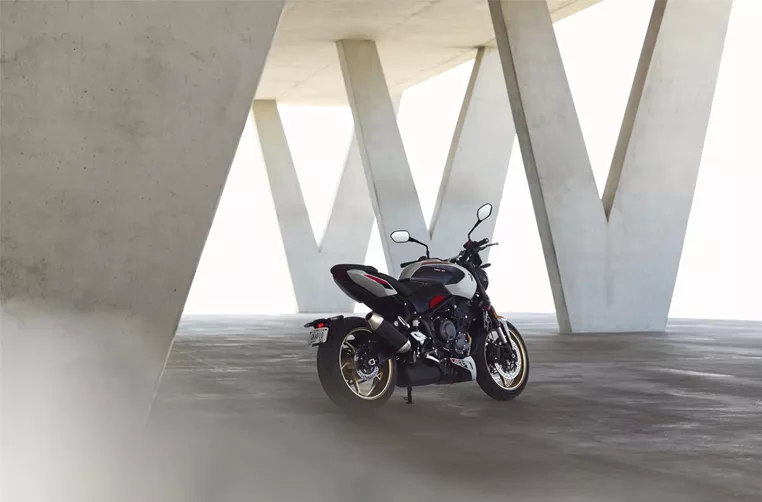
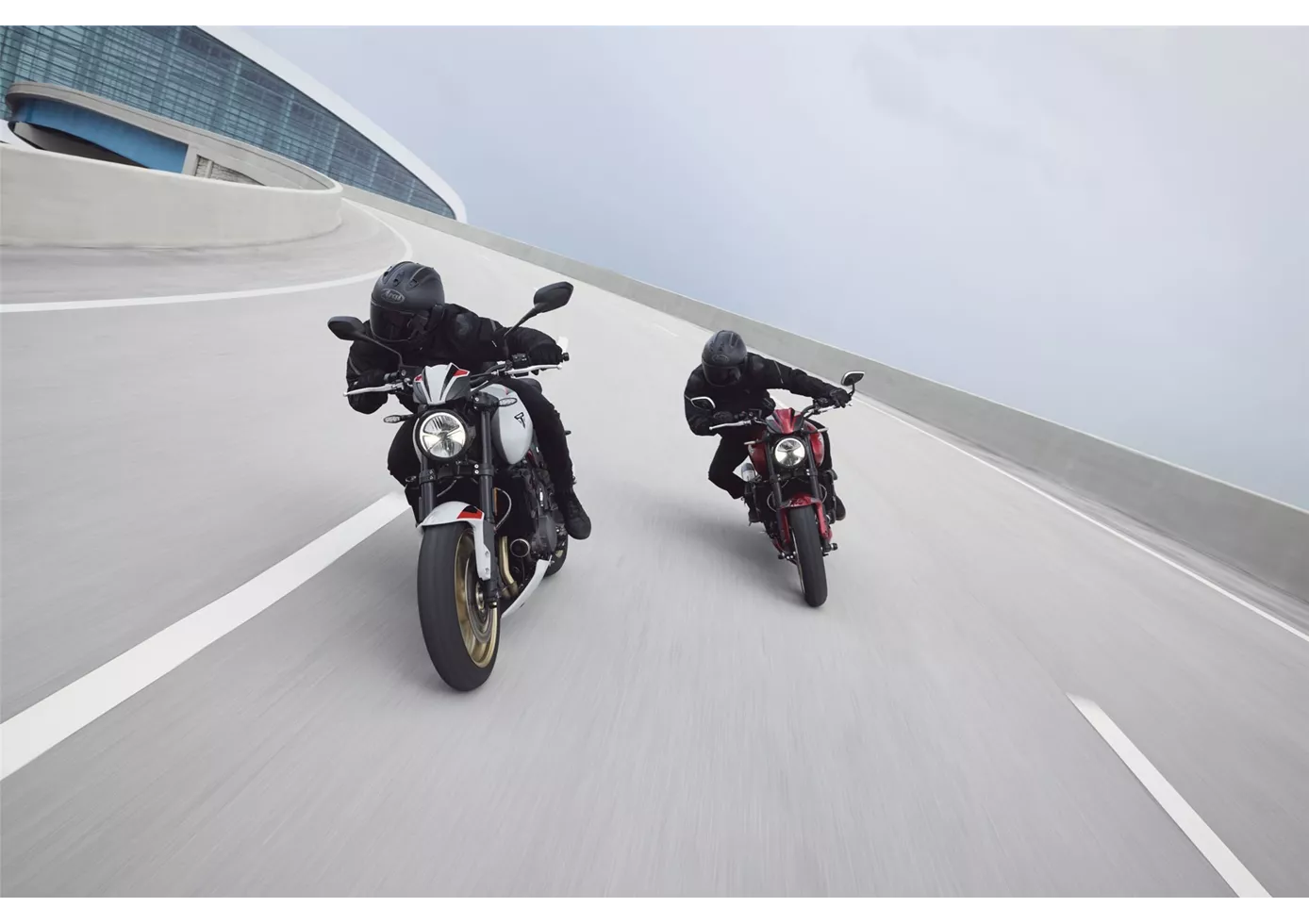
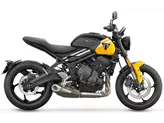
The Triumph Trident 800 remains true to the Trident concept: accessible, straightforward and fun to ride – yet noticeably more mature than its 660cc sister model. The new 798cc three cylinder engine delivers smooth power delivery, the standard quickshifter works a treat, and the overall package of suspension, tyres, electronics and ergonomics makes the Trident 800 a bike that’s nimble in town and composed on country roads. Added to this is excellent build quality and a design that’s clearly recognisable as a Trident – with a slightly more muscular look and a number plate holder that’s sure to spark debate.
Responsive, powerful three cylinder engine

Quickshifter fitted as standard and superbly set up

Well-designed ergonomics to suit a wide range of rider heights

Well-balanced suspension offering a good compromise between everyday and sport riding

Good tyres fitted as standard (Michelin Road 6)

Brakes are easy to modulate

Extensive standard equipment

Stable even at motorway speeds

High-quality build and attractive Trident design

The display doesn’t quite look premium

Fuel tank cover is prone to scratches (fuel tank pad recommended)

Clutch lever is not adjustable

Price Comparison Average Market Price Honda CB650R E-Clutch vs Triumph Trident 800

Price Honda CB650R E-Clutch

Model year
Current average market prices

Price Triumph Trident 800

Model year
Current average market prices

Alternative Comparisons