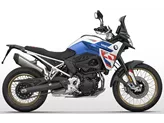
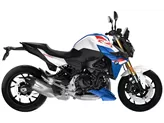
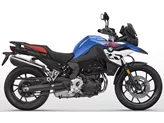
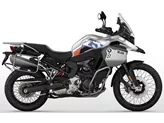
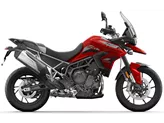
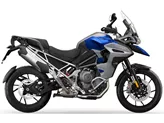
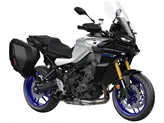
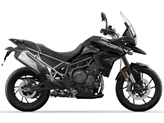
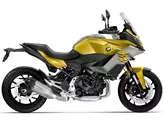
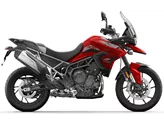
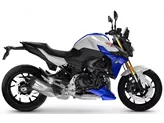
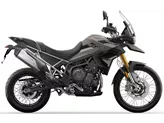
BMW F 900 R 2025 vs. Triumph Tiger 900 GT Pro 2025
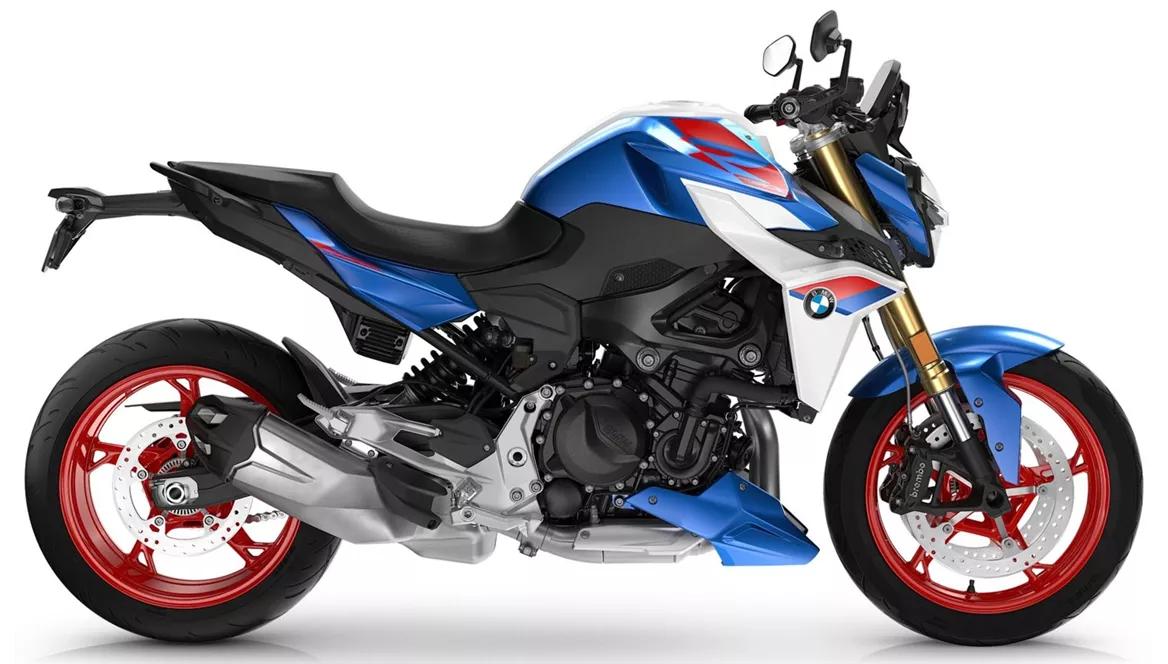
BMW F 900 R 2025
BMW F 900 R 2025

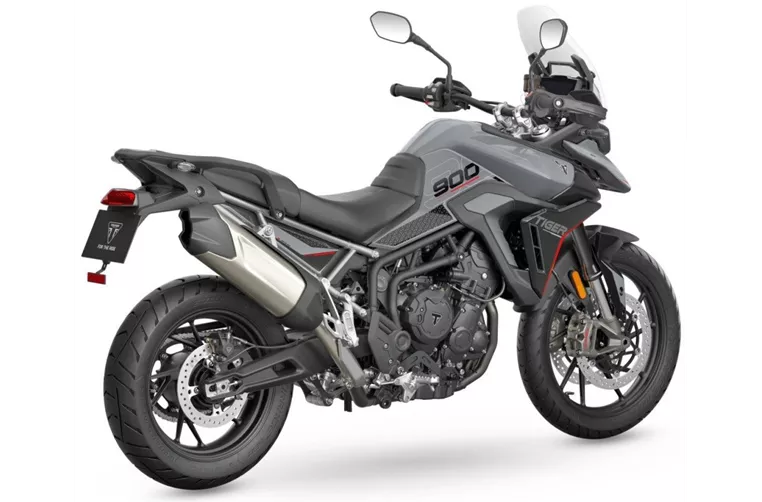
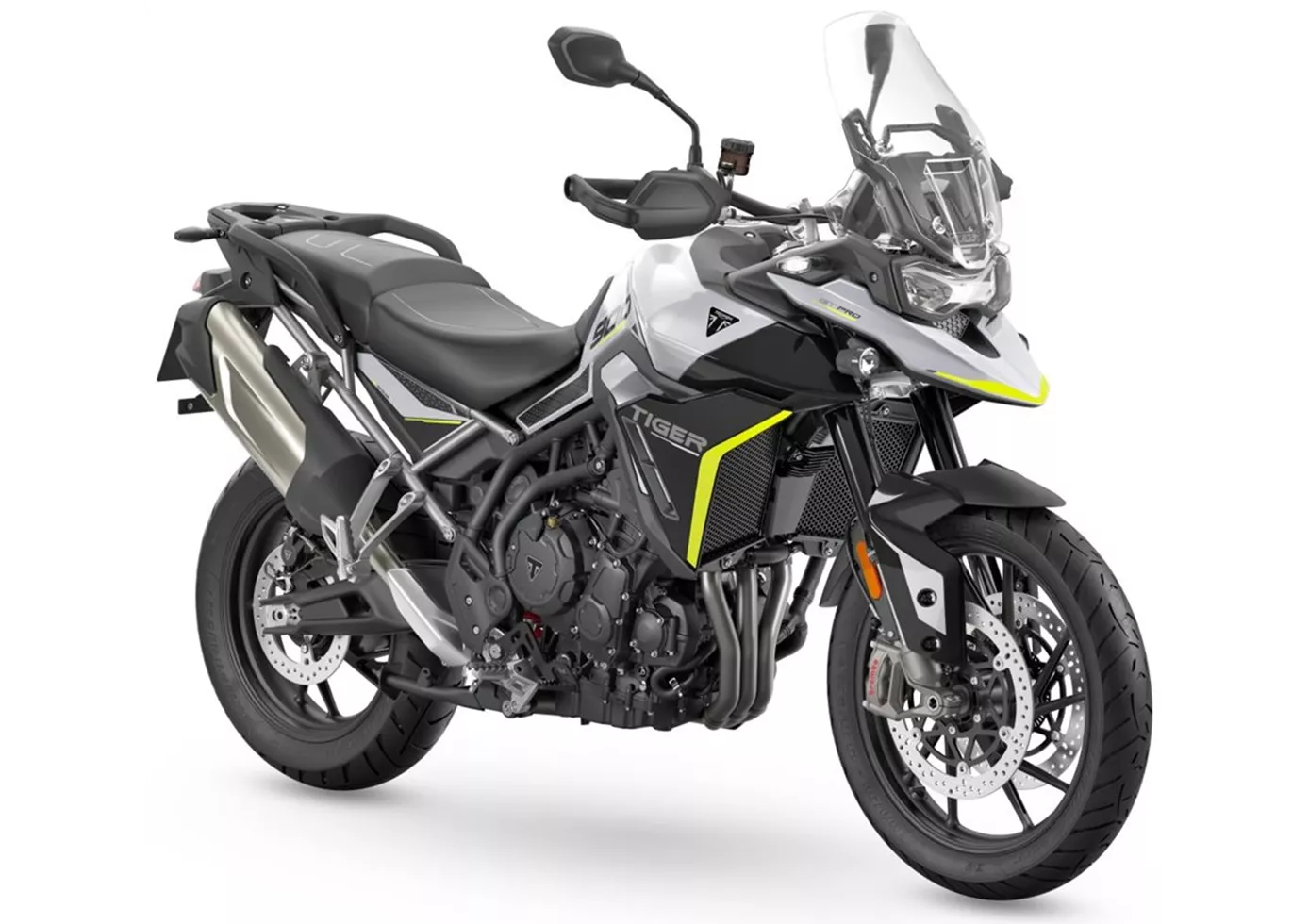
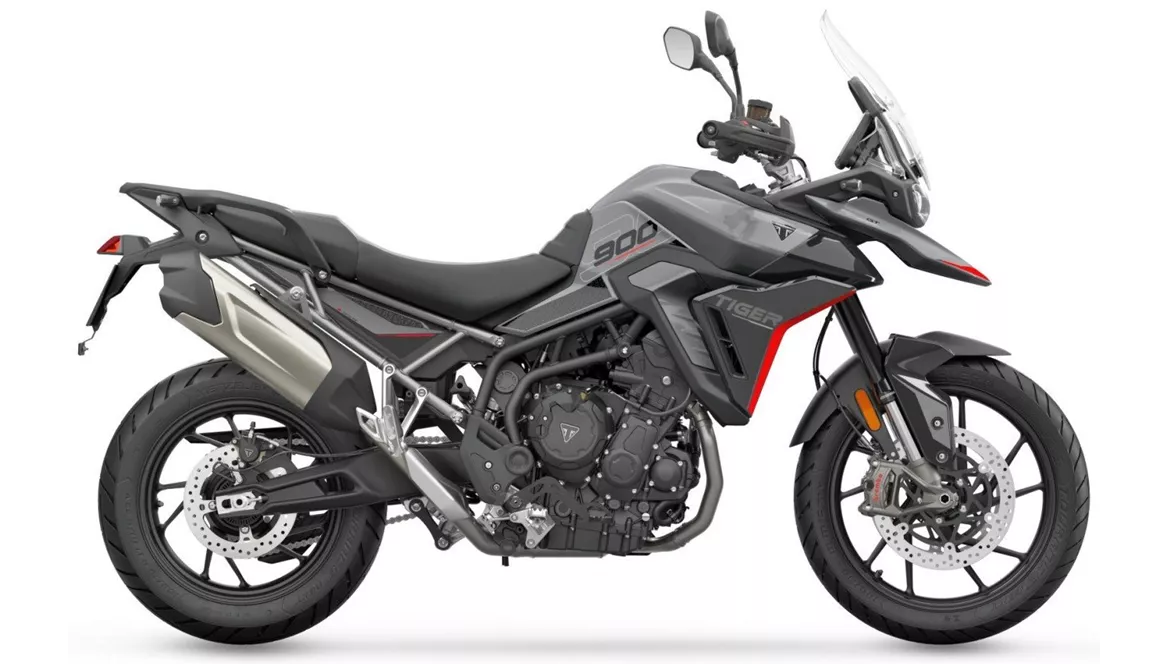
Triumph Tiger 900 GT Pro 2025

Triumph Tiger 900 GT Pro 2025

Loading...

Overview - BMW F 900 R 2025 vs Triumph Tiger 900 GT Pro 2025
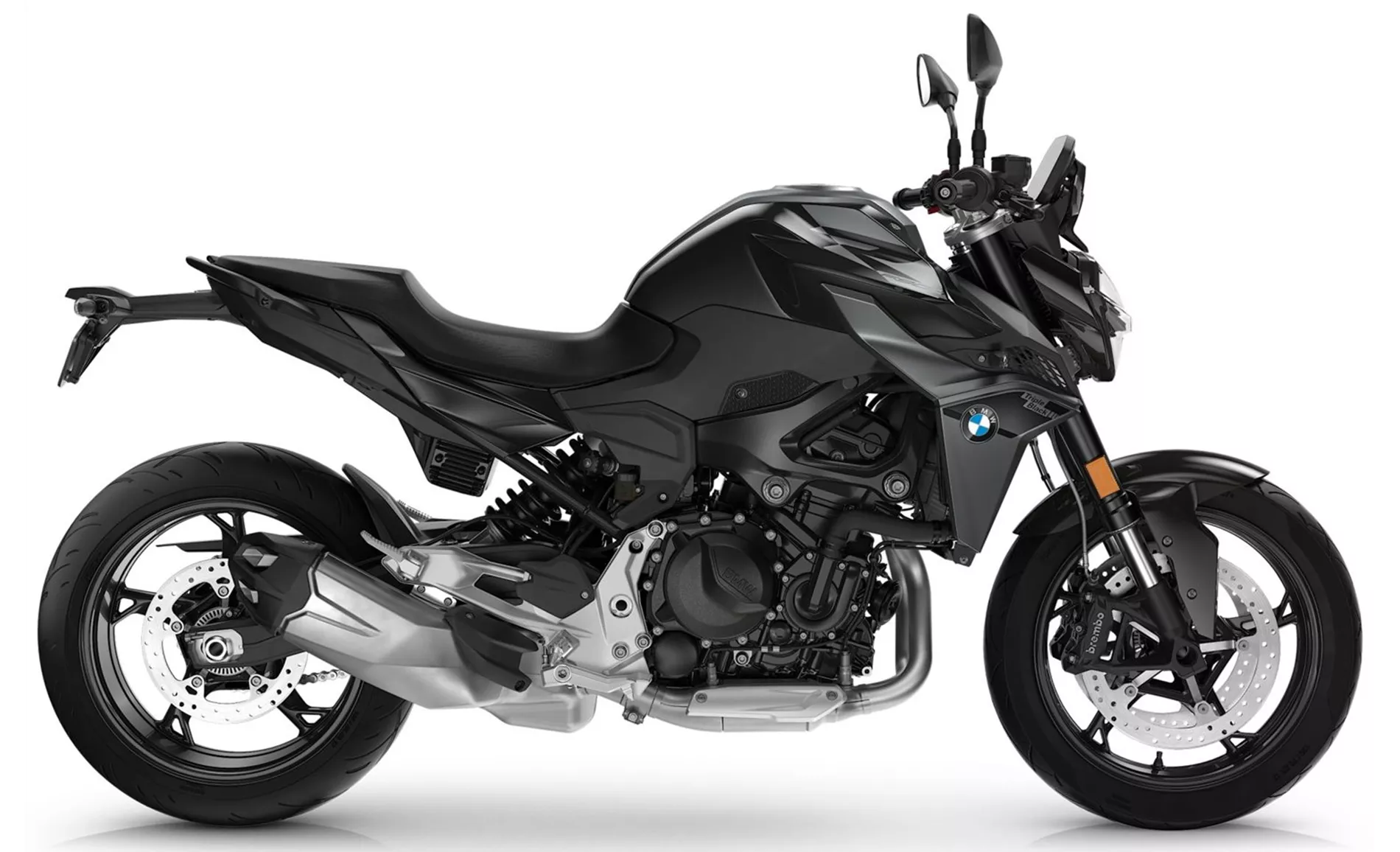
BMW F 900 R 2025
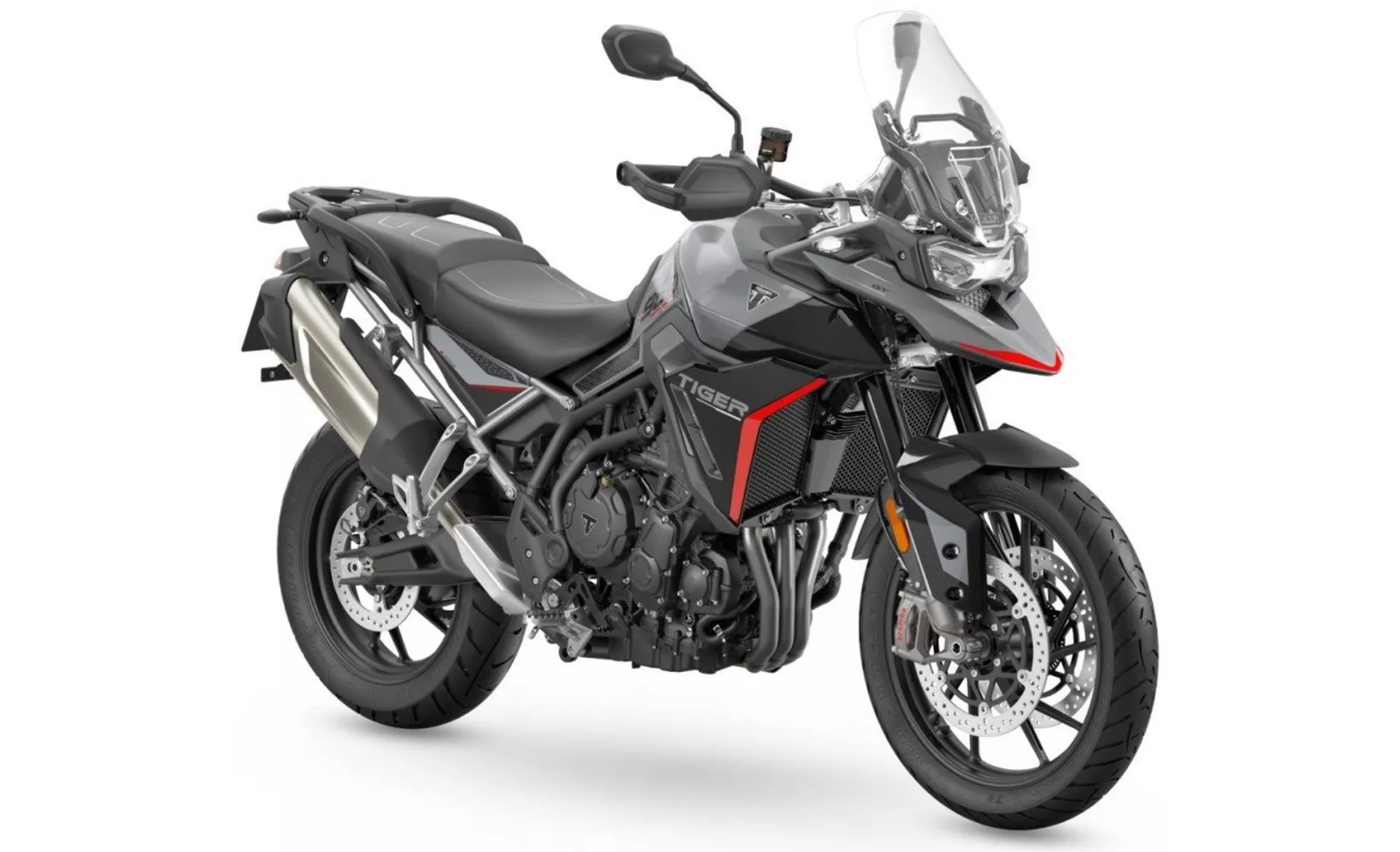
BMW F 900 R 2025

Triumph Tiger 900 GT Pro 2025

Triumph Tiger 900 GT Pro 2025

Technical Specifications BMW F 900 R 2025 compared to Triumph Tiger 900 GT Pro 2025
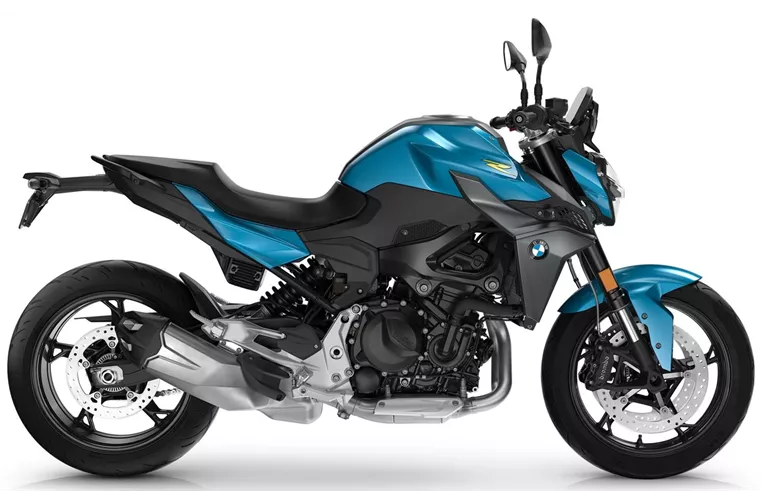
BMW F 900 R 2025
Triumph Tiger 900 GT Pro 2025

Engine and Drive Train

Engine typeEngine typeIn lineEngine typeIn line
BoreBore86 mmBore78 mm
StrokeStroke77 mmStroke61.9 mm
Engine powerEngine power105 HPEngine power108 HP
Rpm at Max. PowerRpm at Max. Power8,500 rpmRpm at Max. Power9,500 rpm
TorqueTorque93 NmTorque90 Nm
Rpm at TorqueRpm at Torque6,750 rpmRpm at Torque6,850 rpm
Compression RatioCompression Ratio13.1 Compression Ratio11.27
Fuel systemFuel systemInjectionFuel systemInjection
StarterStarterElectricStarterElectric
Clutch TypeClutch TypeMultiplate in oil-bathClutch TypeMultiplate in oil-bath
TransmissionTransmissionChainTransmissionChain
Transmission TypeTransmission TypeGearshiftTransmission TypeGearshift
Number of gearsNumber of gears6Number of gears6
CylindersCylinders2Cylinders3
StrokesStrokes4-StrokeStrokes4-Stroke
Valves per cylinderValves per cylinder4Valves per cylinder4
ValvesValvesDOHCValvesDOHC
CoolingCoolingliquidCoolingliquid
DisplacementDisplacement895 ccmDisplacement888 ccm

Suspension Front

Front suspensionFront suspensionUpside-Down telescopic forkFront suspensionUpside-Down telescopic fork
DiameterDiameter43 mmDiameter45 mm
TravelTravel135 mmTravel180 mm
AdjustmentAdjustmentCompression, Preload, ReboundAdjustmentCompression, Rebound

Suspension Rear

SuspensionSuspensionSwing armSuspensionSwing arm
Shock absorberShock absorberMonoshockShock absorberMonoshock
TravelTravel142 mmTravel170 mm
AdjustmentAdjustmentPreload, ReboundAdjustmentPreload, Rebound
MaterialMaterialAluminiumMaterialAluminium

Chassis

FrameFrameSteelFrameSteel
Frame typeFrame typeTwin Tube, Load-bearing engineFrame typeTubular
RakeRake64 degreeRake65.4 degree
TrailTrail114 mmTrail102.7 mm

Brakes Front

TypeTypeDouble diskTypeDouble disk
DiameterDiameter320 mmDiameter320 mm
PistonPistonFour pistonsPistonFour pistons
TechnologyTechnologyradialTechnologyradial, Monoblock

Brakes Rear

TypeTypeDiscTypeDisc
DiameterDiameter265 mmDiameter255 mm
PistonPistonSingle pistonPistonSingle piston
Shock mountShock mountFloating caliperShock mountFloating caliper

Assistance Systems

Advanced Rider Assistance SystemsAdvanced Rider Assistance SystemsABS, Anti-slipping control, Riding modes, Cornering ABS, Engine drag torque control, Ride by Wire, Traction controlAdvanced Rider Assistance SystemsSuspension electronically adjustable, Riding modes, Cornering ABS, Tire pressure monitoring system, Ride by Wire, Shift assistant with blipper, Cruise control, Traction control

Dimensions and Weights

Front tyre widthFront tyre width120 mmFront tyre width100 mm
Front tyre heightFront tyre height70 %Front tyre height90 %
Front tyre diameterFront tyre diameter17 inchFront tyre diameter19 inch
Rear tyre widthRear tyre width180 mmRear tyre width150 mm
Rear tyre heightRear tyre height55 %Rear tyre height70 %
Rear tyre diameterRear tyre diameter17 inchRear tyre diameter17 inch
WidthWidth870 mmWidth930 mm
WheelbaseWheelbase1,514 mmWheelbase1,556 mm
Seat HeightSeat Height760 mmSeat Height820 mm
Seat Height up toSeat Height up to835 mmSeat Height up to840 mm
Kerb Weight (with ABS)Kerb Weight (with ABS)208 kgKerb Weight (with ABS)219 kg
Fuel Tank CapacityFuel Tank Capacity13 lFuel Tank Capacity20 l
License compliancyLicense compliancyALicense compliancyA
RangeRange309 kmRange425 km
Combined CO2 emissionsCombined CO2 emissions99 g/kmCombined CO2 emissions108 g/km
Combined fuel consumptionCombined fuel consumption4.2 l/100kmCombined fuel consumption4.7 l/100km

Equipment

EquipmentEquipmentLED daytime running lights, LED-Headlights, TFT displayEquipmentHeated grips, LED daytime running lights, LED-Headlights, Heated seat, TFT display, USB socket

Pros and Cons in comparison

Pros and Cons in comparison

BMW F 900 R 2025
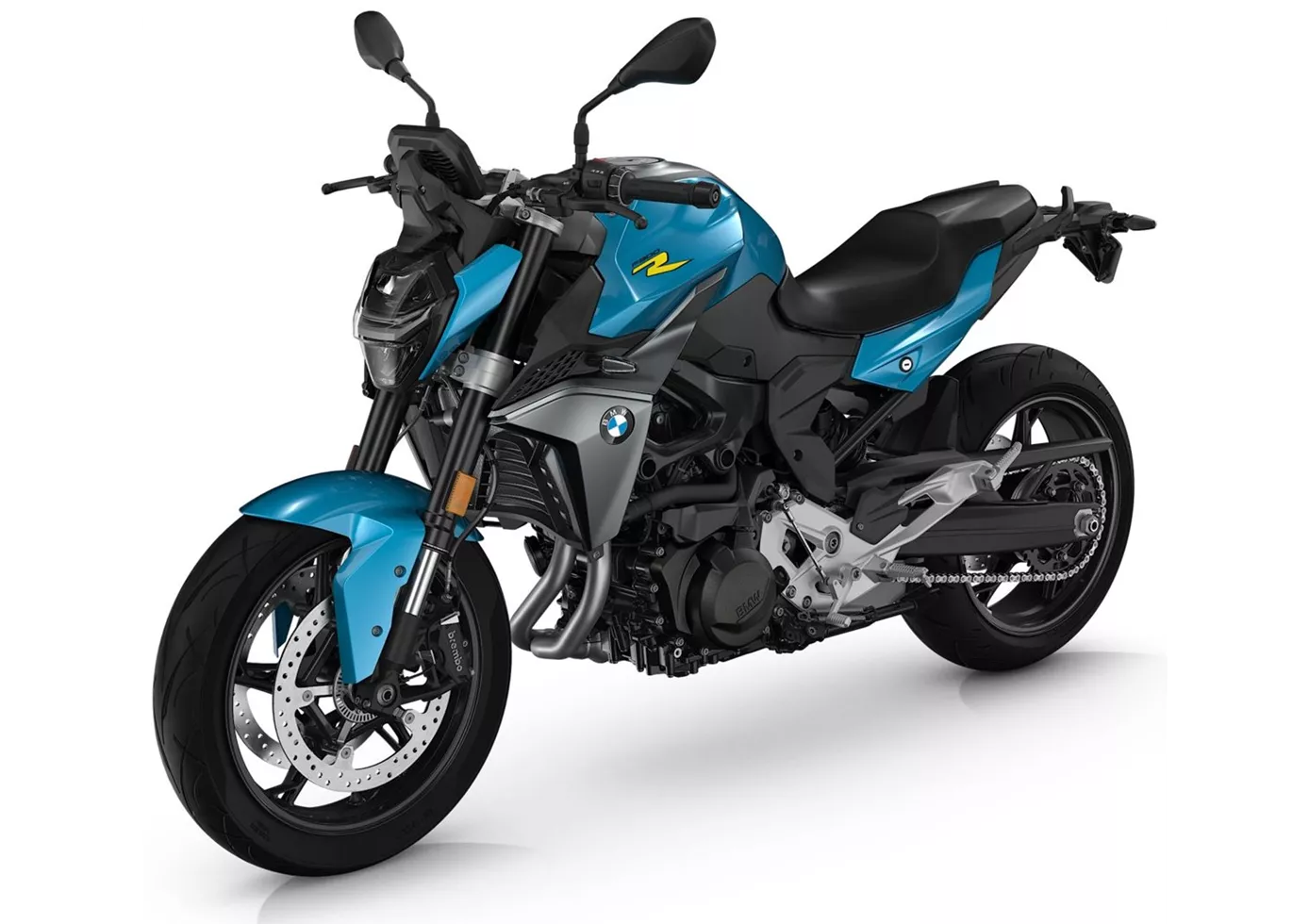
BMW F 900 R 2025

The BMW F 900 R remains a prime example of common sense on two wheels in 2025. It does not impress with radical looks or a brute engine - but that is precisely its strength. If you are looking for a reliable, versatile naked bike suitable for everyday use that offers solid technology, modern safety features and a fair price-performance ratio, this is the bike for you. The model upgrade brings sensible improvements to details without overloading the tried and tested concept.

Price-performance ratio

Riding modes incl. Dynamic mode as standard

New, adjustable fork

ABS Pro and DTC as standard

Revised ergonomics: sporty but comfortable

Pleasant handling, accessible riding dynamics

Good workmanship, solid technology

Design still rather restrained, not very emotional

Quickshifter is stiff at low revs

Suspension set-up at the rear more geared towards comfort than sport

Triumph Tiger 900 GT Pro 2025

Triumph Tiger 900 GT Pro 2025

The flagship of the Tiger 900 road models. Practically every conceivable feature is on board as standard. With more power and performance, the 2024 Tiger 900 GT Pro is now even easier and more enjoyable to throw into the bend, and even more fun to throw out of the bend.
Stained seats for rider and passenger as standard

Heated low seat (800mm) available

Electronically adjustable rear suspension

Very smooth throttle response

Good smoothness thanks to handlebar damping

Easily accessible bike

Good compromise between smoothness and sportiness

Relatively high price

No radar system

No longer A2 compliant

Display rather sluggish

Price Comparison Avarage Market Price BMW F 900 R vs Triumph Tiger 900 GT Pro

Price BMW F 900 R

Model year
Current average market prices

Price Triumph Tiger 900 GT Pro

Model year
Current average market prices

Alternative Comparisons