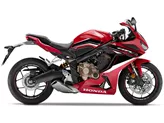
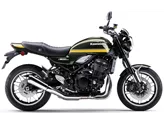
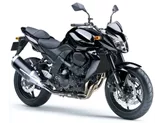
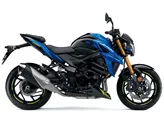
Kawasaki Z900 2021 vs. Kawasaki Ninja 650 2020
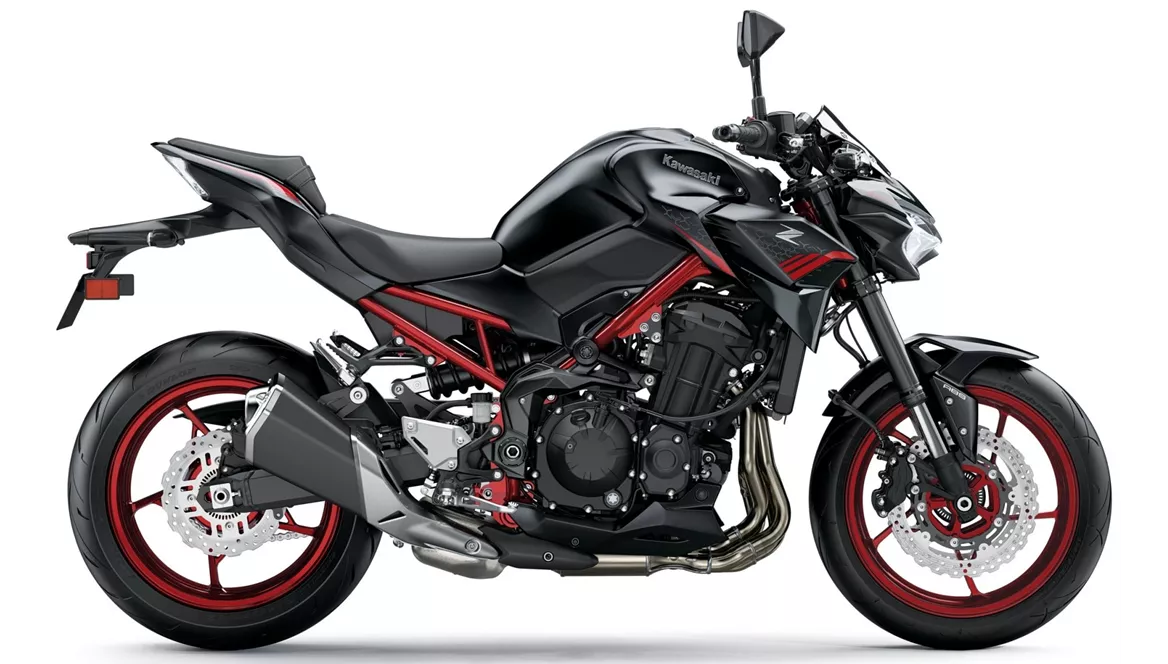
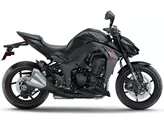
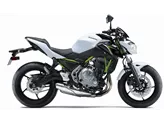
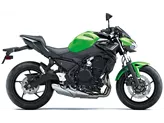
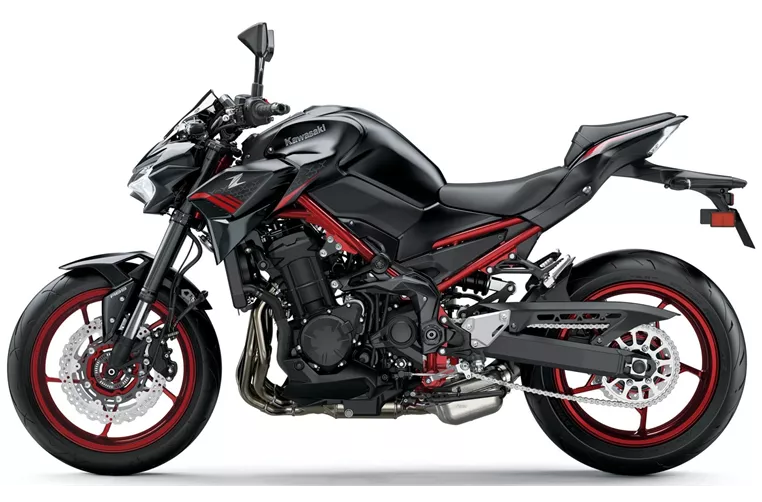
Kawasaki Z900 2021
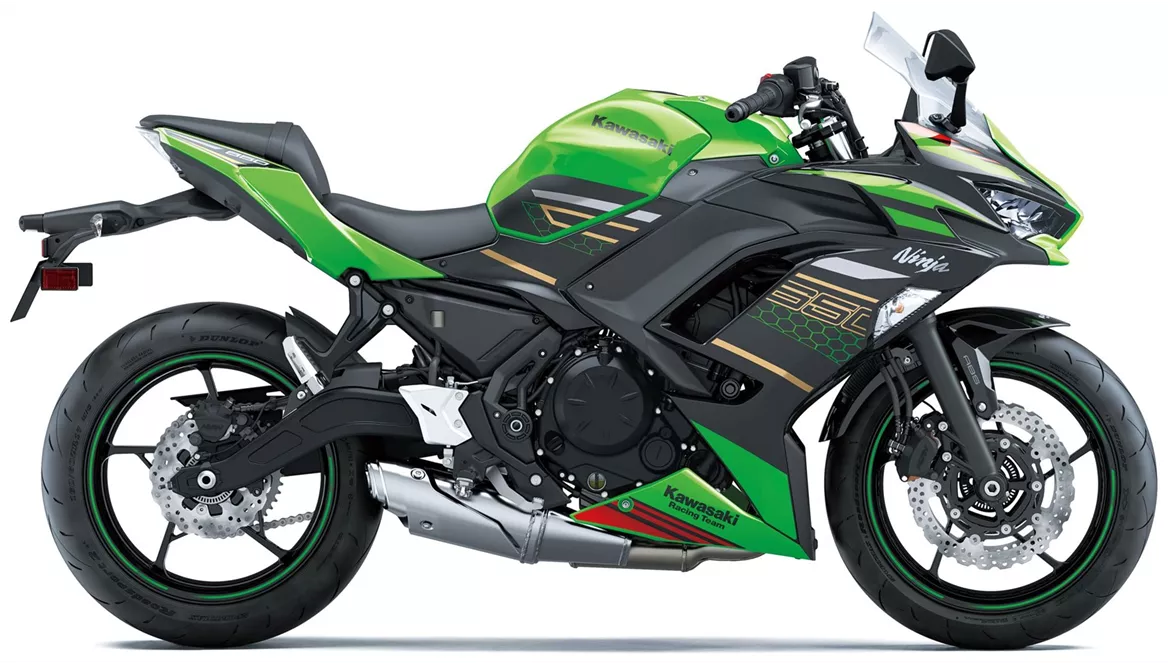
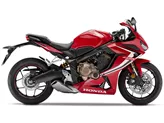
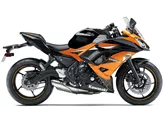
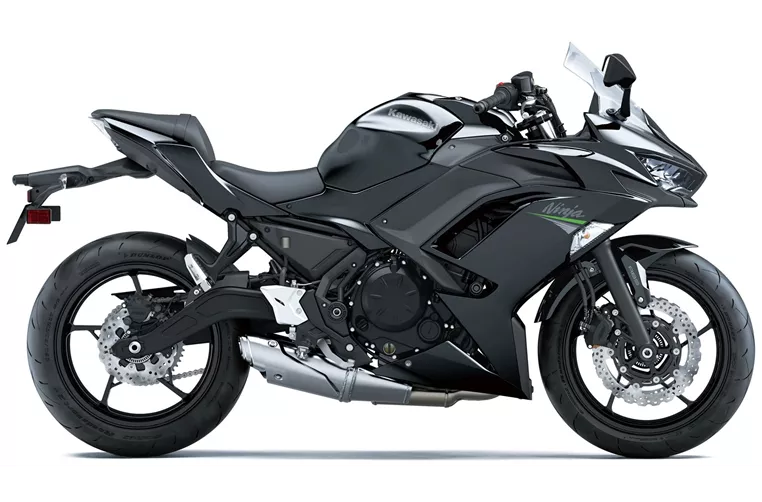
Kawasaki Ninja 650 2020
Overview - Kawasaki Z900 2021 vs Kawasaki Ninja 650 2020
The Kawasaki Z900 2021 and the Kawasaki Ninja 650 2020 are both popular models from Kawasaki, but they have some key differences in terms of technical specifications and strengths.
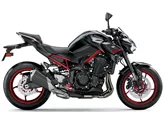
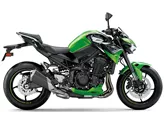
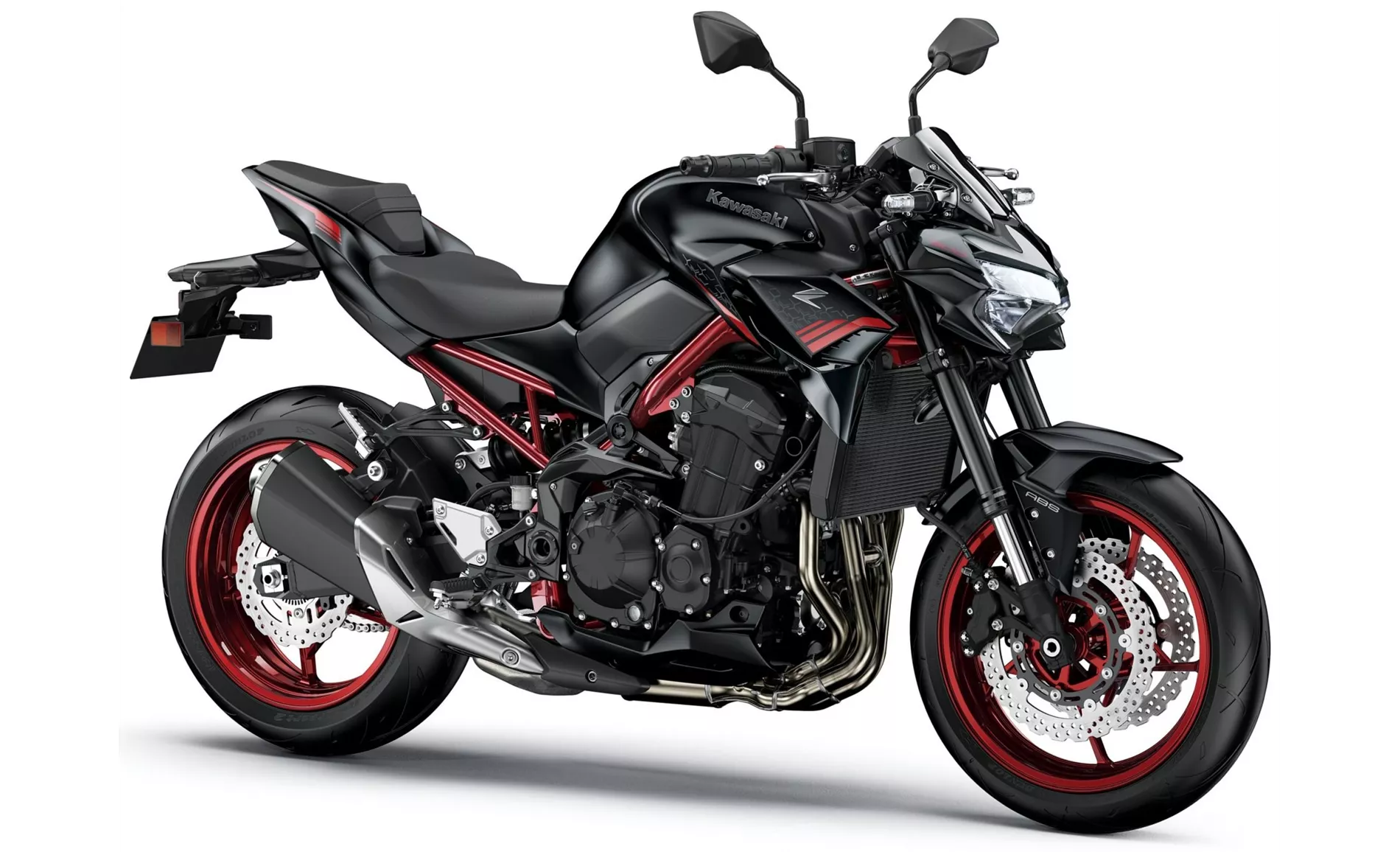
Starting with the Kawasaki Z900 2021, this naked bike is equipped with a powerful four-cylinder engine that produces 125.4 HP of power and 98.6 Nm of torque. It has a displacement of 948cc and a compression ratio of 11.8. The Z900 features a DOHC valve system with four valves per cylinder and is cooled by a liquid cooling system. It has a steel double cradle frame and a front suspension with upside-down telescopic forks and a diameter of 41mm. The rear suspension is a swing arm with a monoshock and offers preload and rebound adjustment. The Z900 is equipped with double disk brakes with a diameter of 300mm and four-piston calipers at the front. It also features advanced rider assistance systems such as ABS, riding modes, ride by wire, and traction control. The Z900 has a wheelbase of 1450mm and a seat height of 795mm. It weighs 210kg (with ABS) and comes with LED daytime running lights, LED headlights, and a TFT display.
Kawasaki Z900 2021
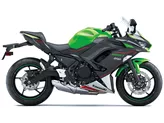
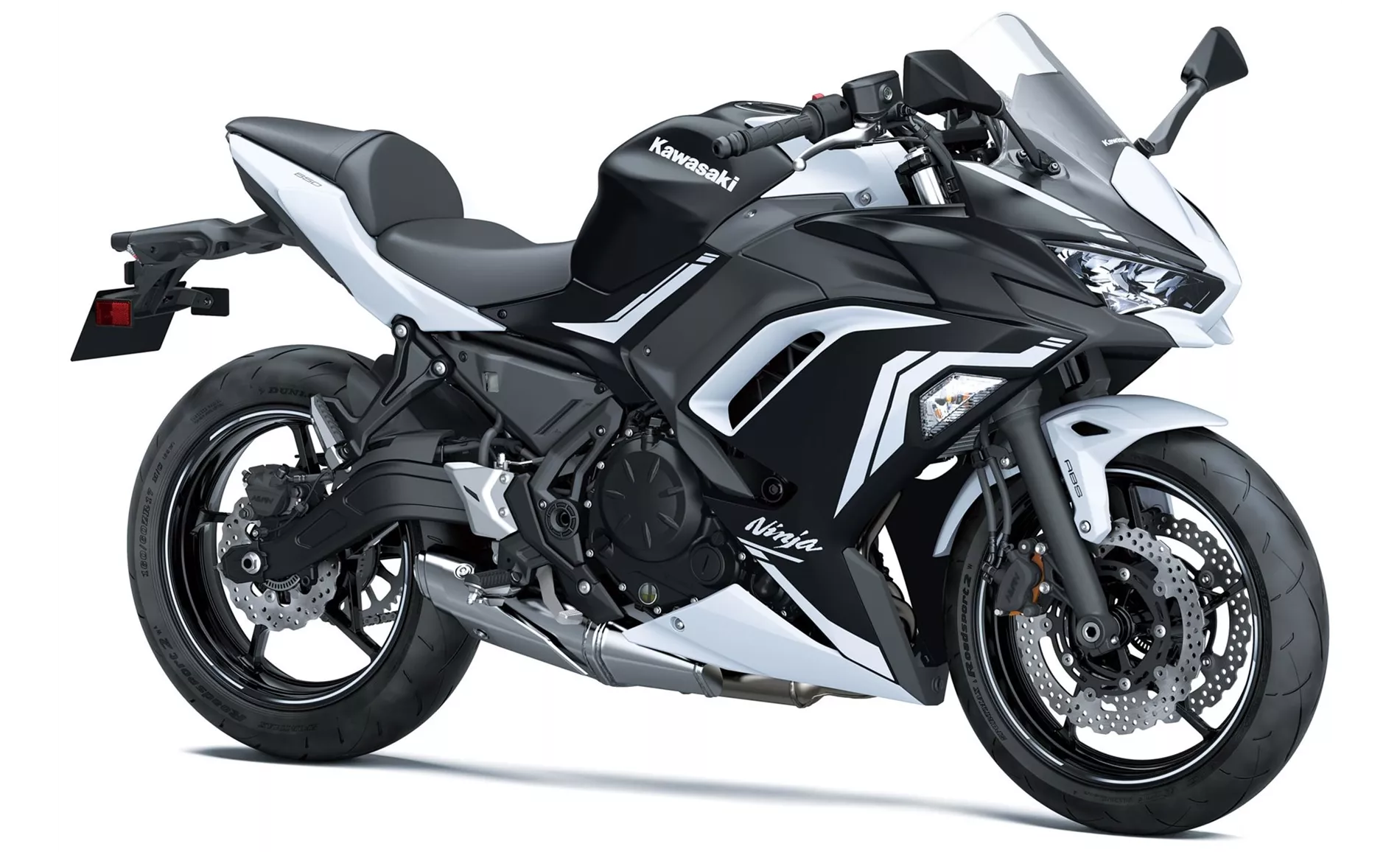
On the other hand, the Kawasaki Ninja 650 2020 is a supersport model with a two-cylinder engine that produces 68.2 HP of power and 65.7 Nm of torque. It has a displacement of 649cc and a compression ratio of 10.8. Similar to the Z900, the Ninja 650 also features a DOHC valve system with four valves per cylinder and is cooled by a liquid cooling system. It has a steel tubular frame and a front suspension with telescopic forks and a diameter of 41mm. The rear suspension is a swing arm with a monoshock and offers preload adjustment. The Ninja 650 is equipped with double disk brakes with a diameter of 300mm and double-piston calipers at the front. It also features ABS as its only advanced rider assistance system. The Ninja 650 has a wheelbase of 1410mm and a seat height of 790mm. It weighs 193kg (with ABS) and comes with LED daytime running lights, LED headlights, and a TFT display with connectivity.
In terms of strengths, the Kawasaki Z900 2021 stands out for its powerful four-cylinder engine, intuitive handling, good equipment, aggressive looks, and value for money. On the other hand, the Kawasaki Ninja 650 2020 is praised for being one of the last of its kind with a powerful two-cylinder engine, a comfortable seat suitable for touring, compact dimensions, a beginner-friendly seat height, a stable chassis, a TFT display with connectivity, and a sporty look.
Kawasaki Ninja 650 2020
However, the Kawasaki Z900 2021 does have some weaknesses. It does not offer a quickshifter option, and there are competitors in the market that offer a 6-axis IMU, which provides advanced electronic features. On the other hand, the Kawasaki Ninja 650 2020 has a few weaknesses as well. It may not be suitable for tall riders due to its overall dainty size, the front brake pressure point may not be to everyone's liking, and it may have limited suitability for touring with two people.
In conclusion, the Kawasaki Z900 2021 and the Kawasaki Ninja 650 2020 are both impressive models from Kawasaki, each with its own strengths and weaknesses. The Z900 offers a more powerful four-cylinder engine and advanced electronic features, while the Ninja 650 provides a comfortable touring experience with its two-cylinder engine and sporty looks. Ultimately, the choice between the two will depend on the rider's preferences and intended use.
Technical Specifications Kawasaki Z900 2021 compared to Kawasaki Ninja 650 2020
Pros and Cons in comparison
Pros and Cons in comparison
Kawasaki Z900 2021
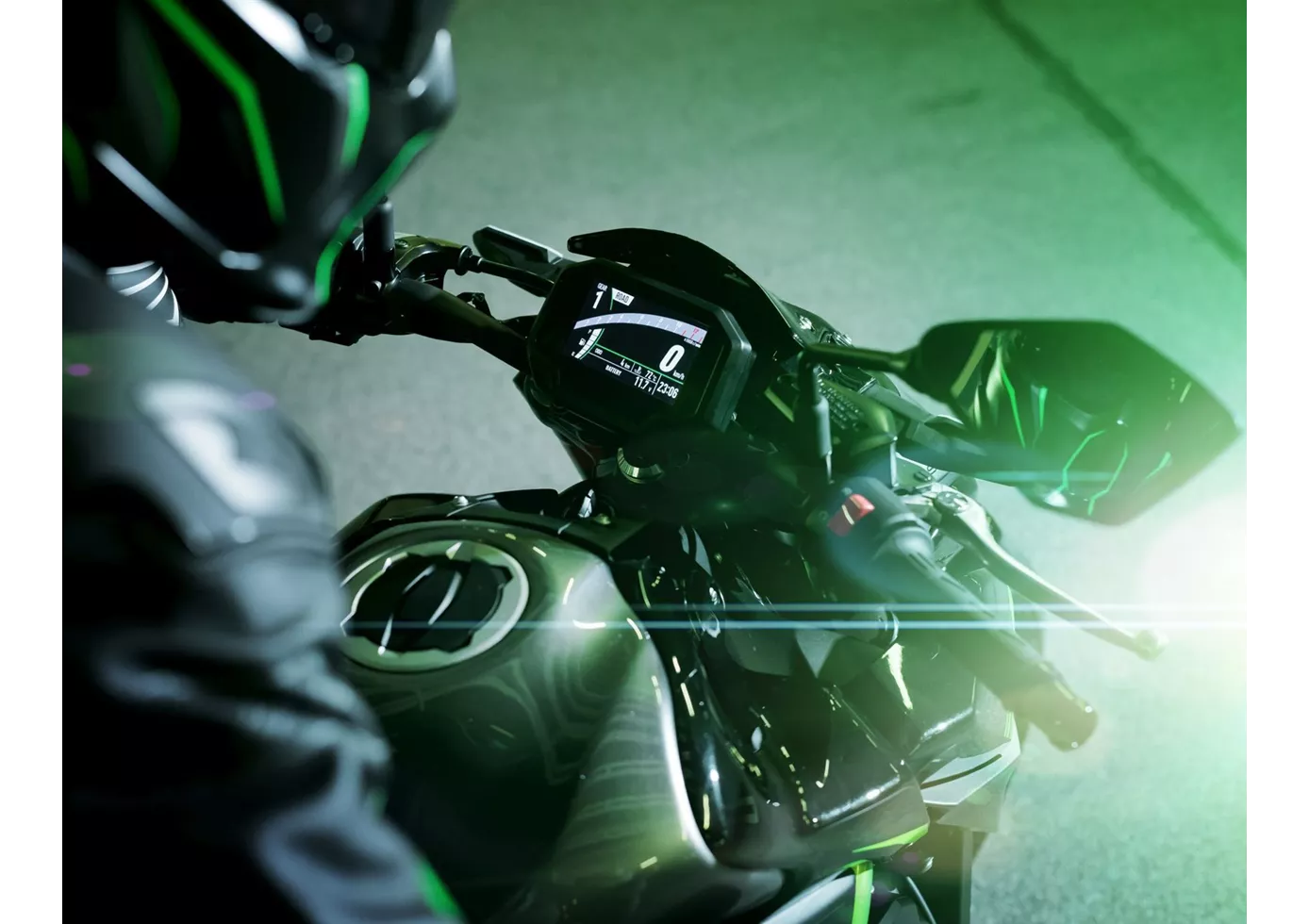
The Kawasaki Z900 may not be up to scratch when it comes to modern, lean angle-dependent electronic features, but it's relatively cheap and you shouldn't underestimate the fan base of the good old inline four - the Z900 is one of the cheapest ways to own such a great engine with just under a litre of displacement in a sporty naked bike! The higher weight is noticeable, but not massively annoying, because the handling and stability are quite alright. In terms of "outdated" electronics, the most annoying thing is the missing shift assistant, which is not even available as an option. Overall, however, the Z900 is a great naked bike with a great price-performance ratio.
Kawasaki Ninja 650 2020
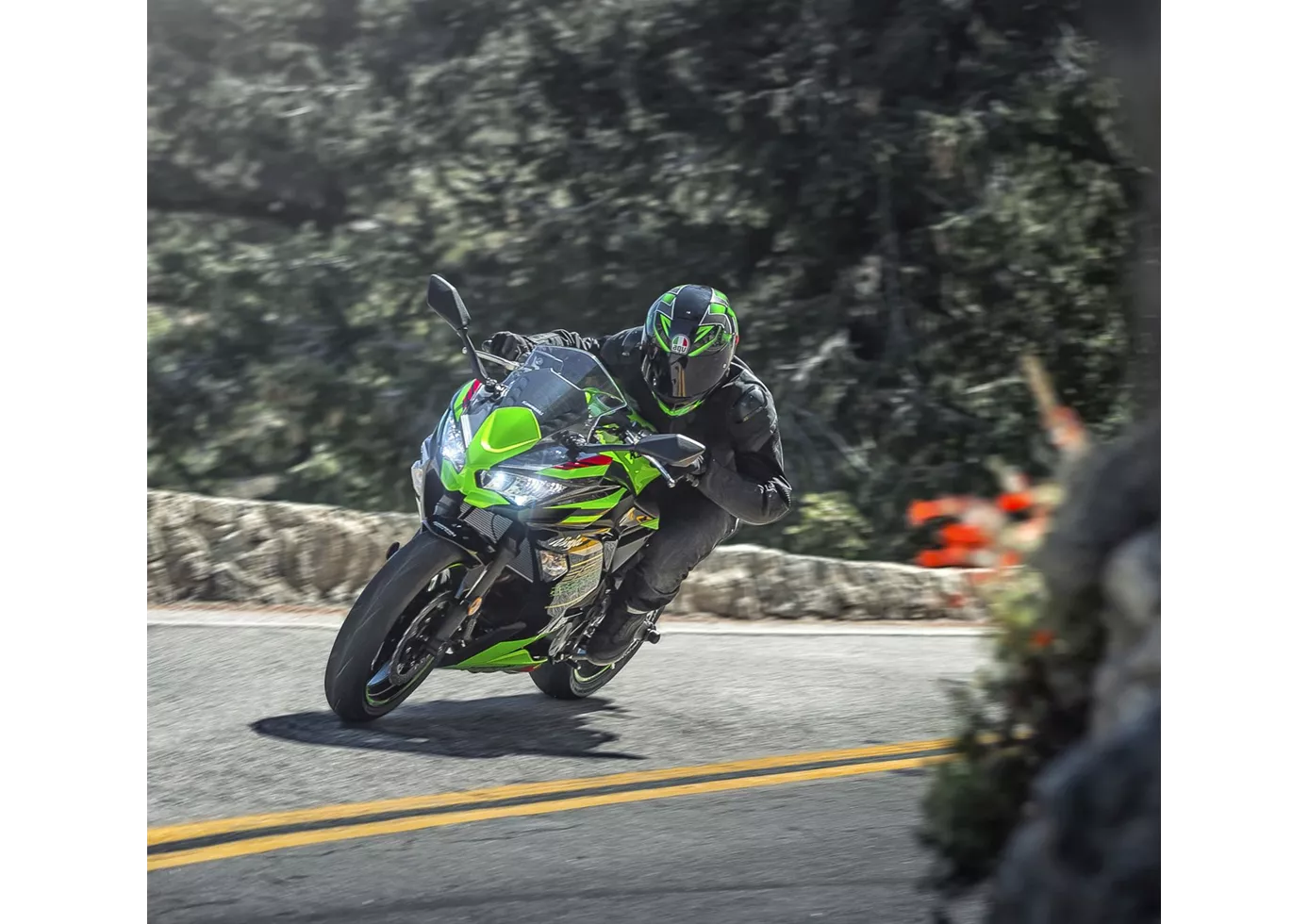
Save the sport tourer! With the Ninja 650, Kawasaki has created an exemplary representative of this class and (hopefully) solved the problem of the new generation. The stable chassis and the decent two-cylinder will delight beginners and advanced riders alike, even at a brisker pace. The front brake is a little too well intentioned, lacking a transparent pressure point despite basically good braking performance. Another plus is the TFT display, which we don't find in the competition at the moment, as well as the grown-up look, which is strongly oriented towards the larger Ninja models.
Price Comparison Average Market Price Kawasaki Z900 vs Kawasaki Ninja 650
There are a few key differences between a Kawasaki Z900 2021 and a Kawasaki Ninja 650 2020. In terms of price, the actual average price of a Kawasaki Z900 2021 is about 24% higher. Compared to Kawasaki Ninja 650 2020 there are more Kawasaki Z900 2021 bikes available on the 1000PS.de Marketplace, specifically 33 compared to 10. It takes less time to sell a Kawasaki Ninja 650 with 75 days compared to 107 days for the Kawasaki Z900. Since model year 2017 1000PS.de editors have written 46 reviews for the Kawasaki Z900 and 20 reviews for the Kawasaki Ninja 650 since model year 2017. The first review for the Kawasaki Z900 was published on 11/11/2016 and now has more than 93,200 views. This compares to more than 79,600 views for the first review on Kawasaki Ninja 650 published on 10/4/2016.