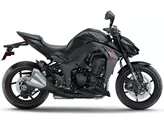
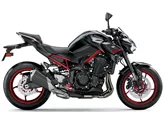
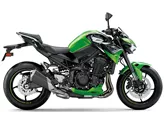
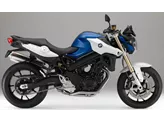
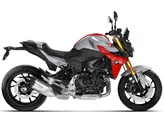
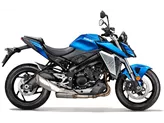
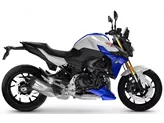
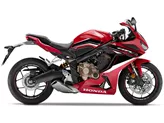
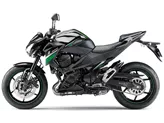
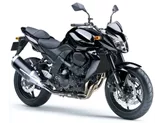
Kawasaki Z900 2018 vs. BMW F 900 R 2020
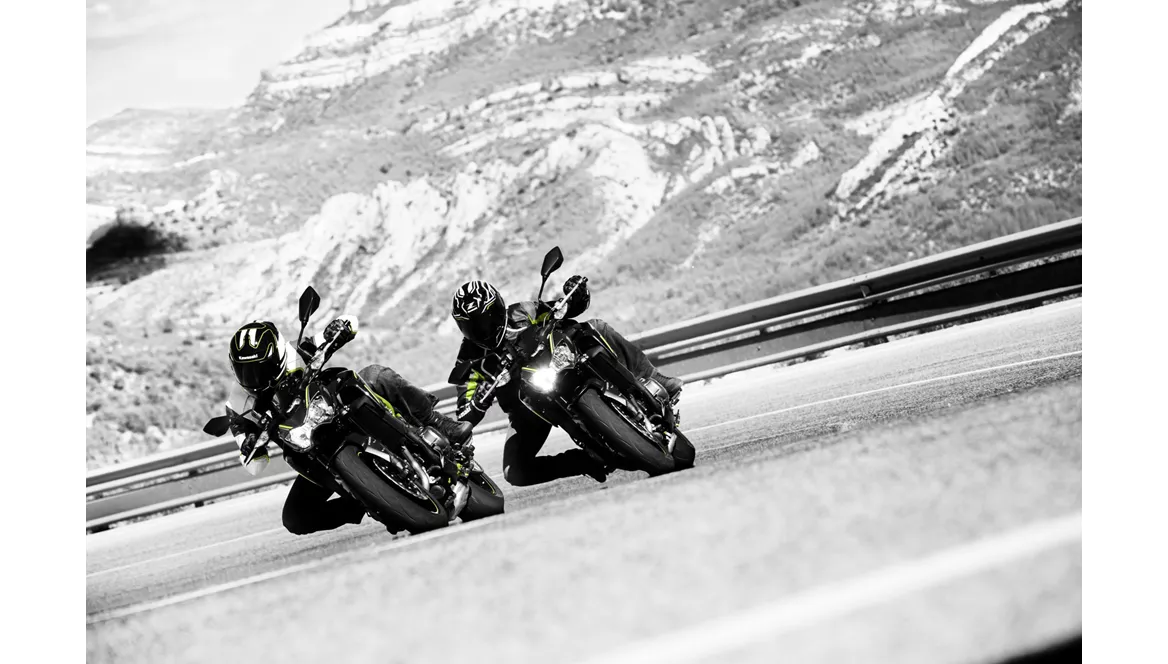
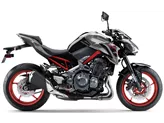
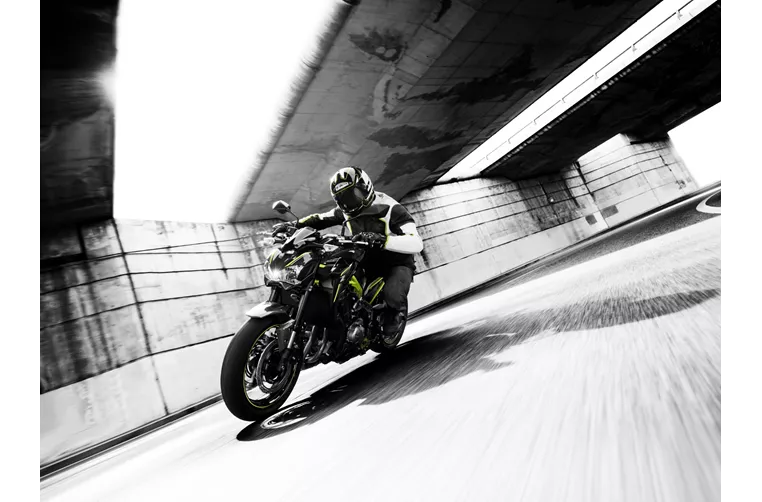
Kawasaki Z900 2018
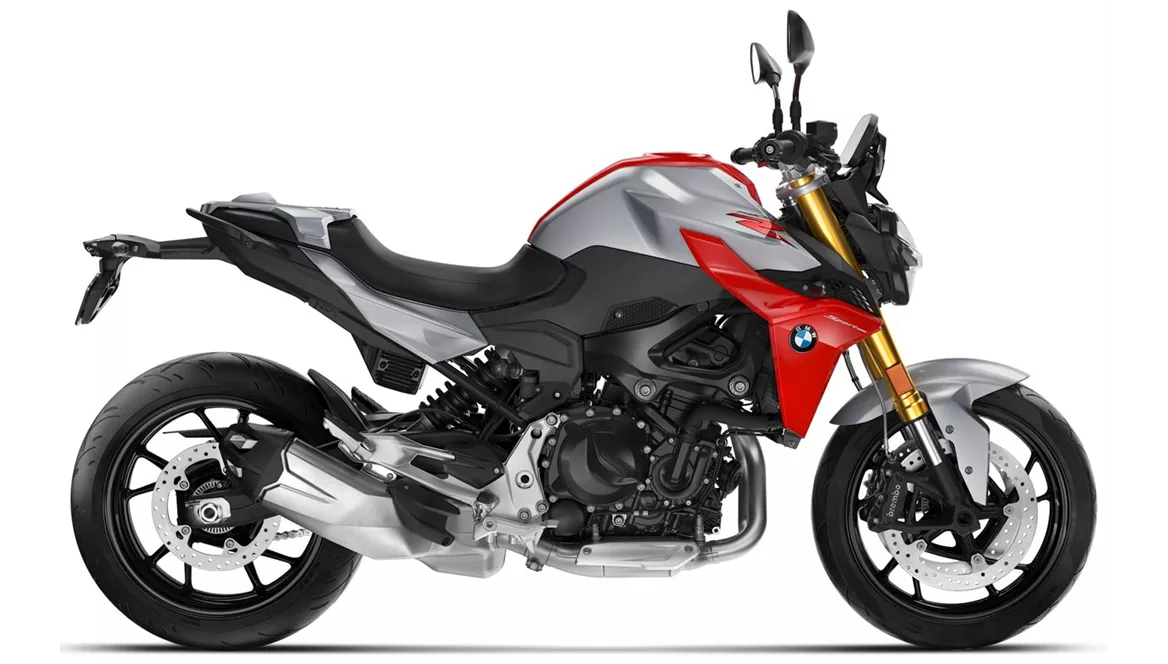
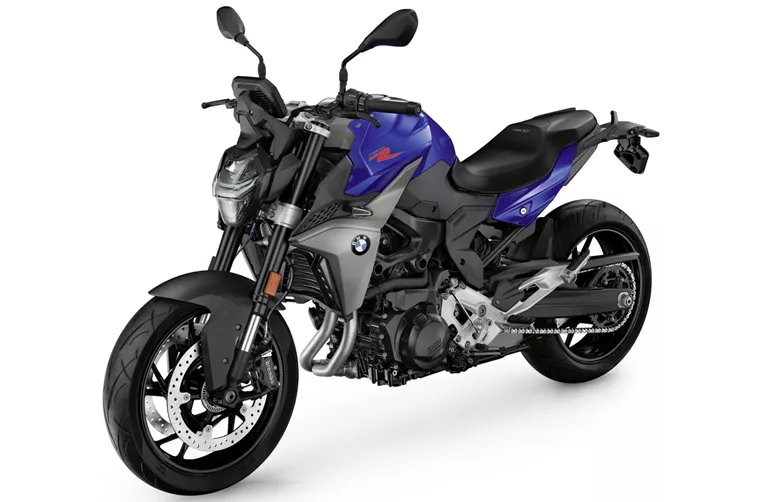
BMW F 900 R 2020
Overview - Kawasaki Z900 2018 vs BMW F 900 R 2020
When comparing the Kawasaki Z900 2018 and the BMW F 900 R 2020, there are several notable differences and similarities to consider.
In terms of engine specifications, both bikes have an inline engine type with liquid cooling. However, the Kawasaki Z900 has a larger engine displacement of 948cc compared to the BMW F 900 R's 895cc. The Z900 also has a higher engine power of 125.4 HP compared to the F 900 R's 105 HP. Additionally, the Z900 has a higher torque of 98.6 Nm compared to the F 900 R's 92 Nm. Both bikes have a fuel injection system and 4 cylinders.
In terms of suspension, both bikes feature upside-down telescopic forks at the front and a swing arm with a monoshock at the rear. The suspension on both bikes can be adjusted for preload and rebound. This allows for customization and fine-tuning of the suspension to suit the rider's preferences.
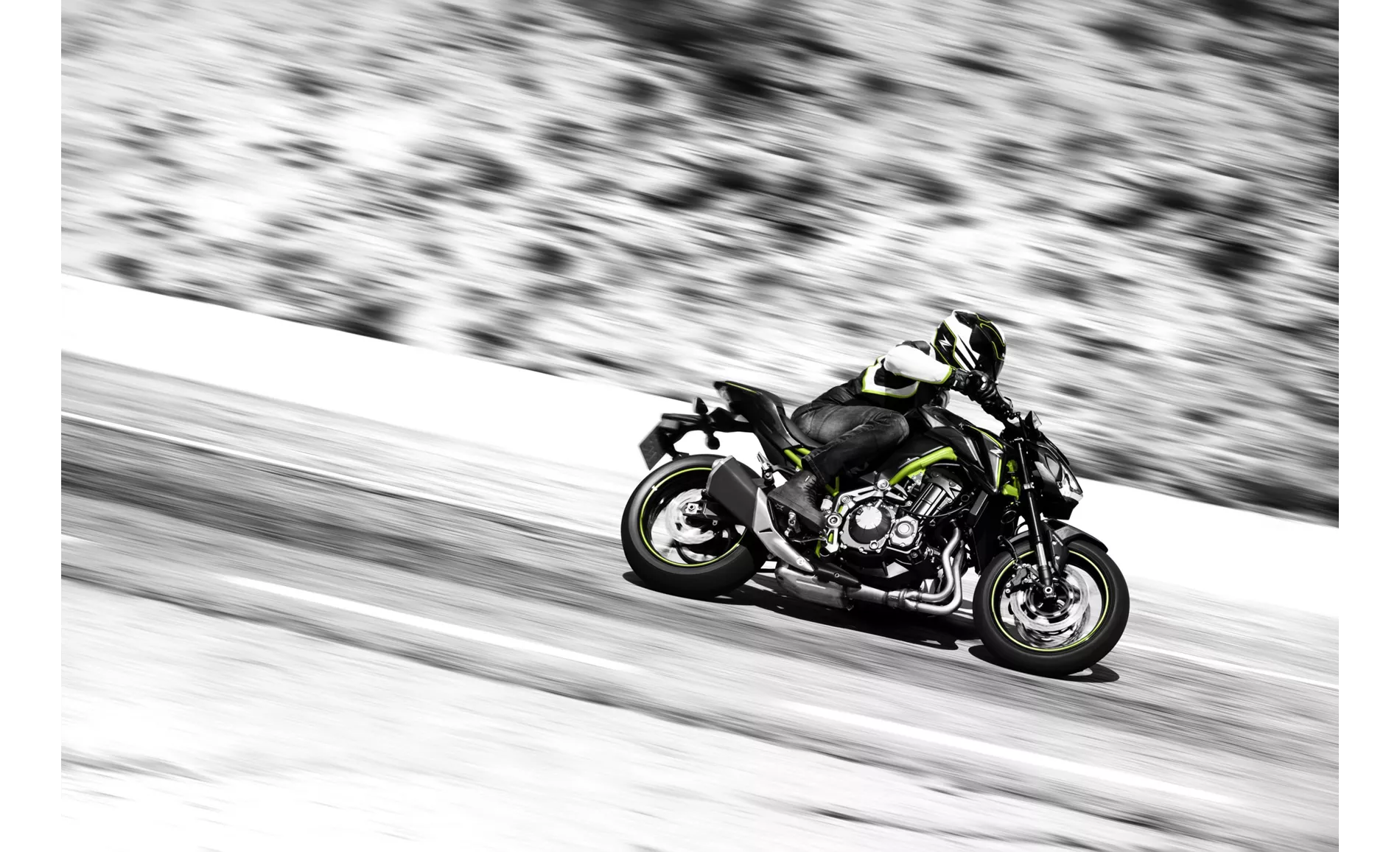
Kawasaki Z900 2018
Both bikes have a steel frame, with the Kawasaki Z900 having a double cradle frame and the BMW F 900 R having a twin tube, load-bearing engine frame. The frame design of the F 900 R is unique and contributes to its stability and handling.
When it comes to braking, both bikes have double disk brakes at the front with four pistons. However, the BMW F 900 R has larger brake disks with a diameter of 320mm compared to the Z900's 300mm. The F 900 R also features radial brake technology, which enhances braking performance and feel.
In terms of advanced rider assistance systems, both bikes have ABS. However, the BMW F 900 R goes a step further and includes additional features such as anti-slipping control and riding modes. These additional systems enhance safety and provide more control in different riding conditions.
In terms of dimensions and weights, both bikes have the same front and rear tire width and diameter. However, the BMW F 900 R has a slightly longer wheelbase of 1518mm compared to the Z900's 1450mm. The seat height is also slightly higher on the F 900 R at 815mm compared to the Z900's 795mm. Both bikes have a similar kerb weight, with the F 900 R weighing slightly more at 211kg compared to the Z900's 210kg.
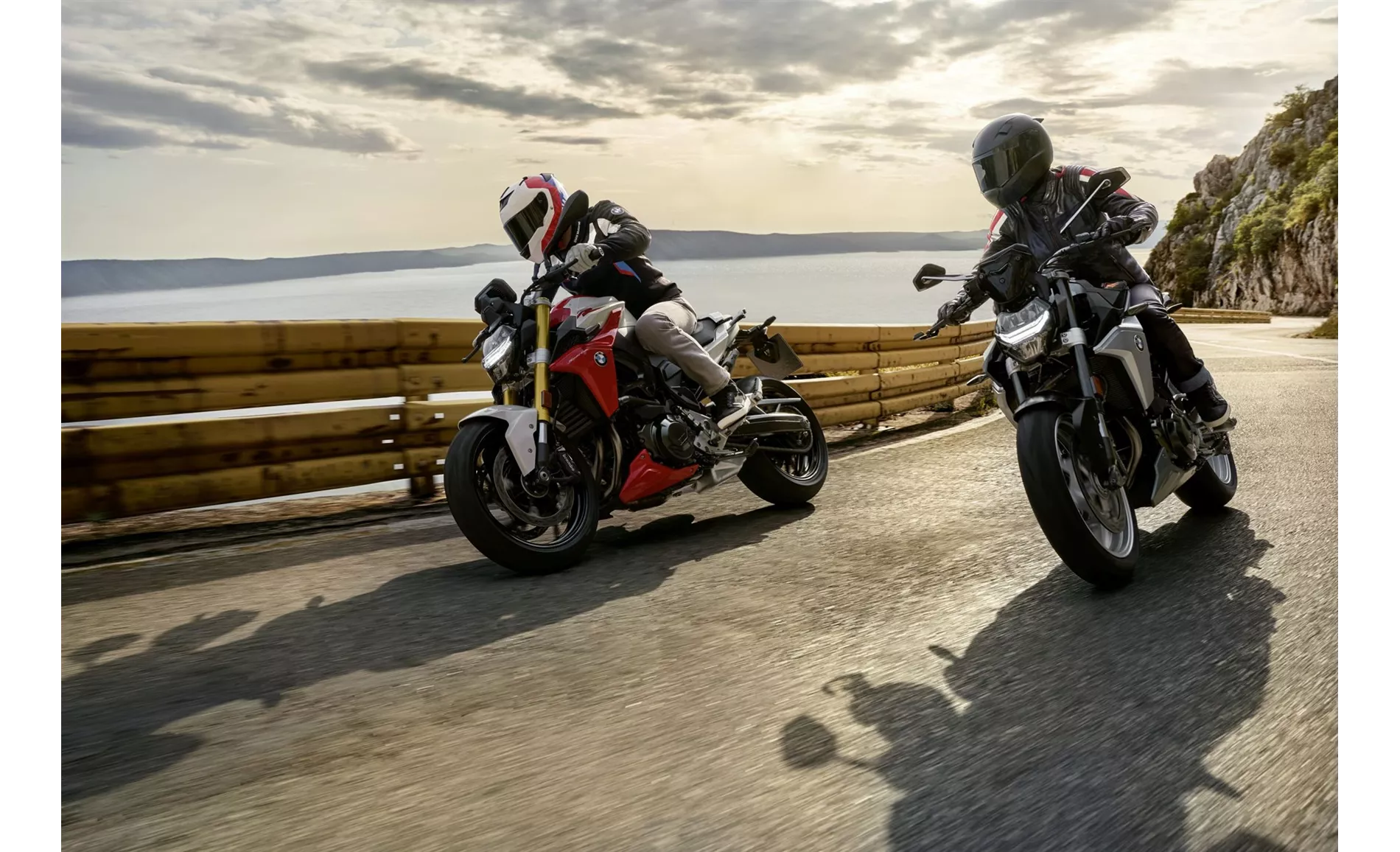
BMW F 900 R 2020
In terms of strengths, the Kawasaki Z900 2018 is praised for its powerful and smooth engine, great sound, sharp and sporty look, low seating position, and easy handling and manoeuvrability. On the other hand, the BMW F 900 R 2020 is praised for its easy handling, high stability, fine response from the chassis, well-behaved engine, and reliable brakes. The F 900 R also has the advantage of offering an extensive list of accessories for customization.
In terms of weaknesses, the Kawasaki Z900 2018 lacks traction control, which could be seen as a disadvantage for riders seeking additional safety features. Additionally, tall riders may find the knee angle strenuous during long rides. The BMW F 900 R 2020 has a smaller fuel tank capacity of 13 liters, which may require more frequent refueling. However, the engine performance of the F 900 R is generally considered to be good.
Overall, both the Kawasaki Z900 2018 and the BMW F 900 R 2020 have their own unique strengths and weaknesses. The choice between the two would depend on the rider's preferences and priorities, such as desired engine power, advanced rider assistance systems, and customization options.
Technical Specifications Kawasaki Z900 2018 compared to BMW F 900 R 2020
Pros and Cons in comparison
Pros and Cons in comparison
Kawasaki Z900 2018
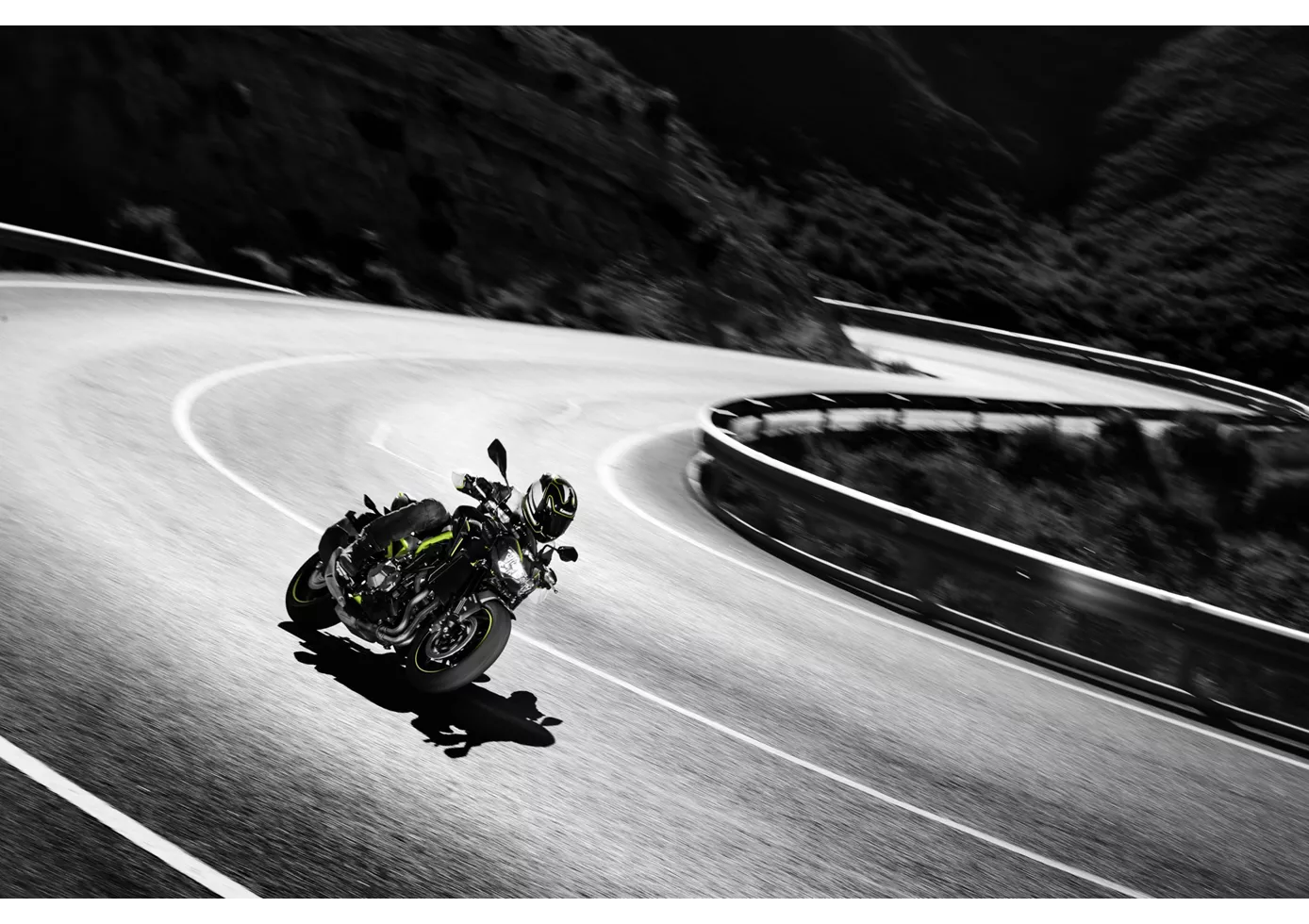
Fortunately, the new Kawasaki Z900 has lost none of its character through the use of electronics. It is and remains a playful mid-range naked bike, which at the same time masters the brisk pace on the country road magnificently. The riding pleasure and suitability for everyday use are high, the now installed riding aids offer a plus in safety. Your opponents will have a really hard time from now on.
BMW F 900 R 2020
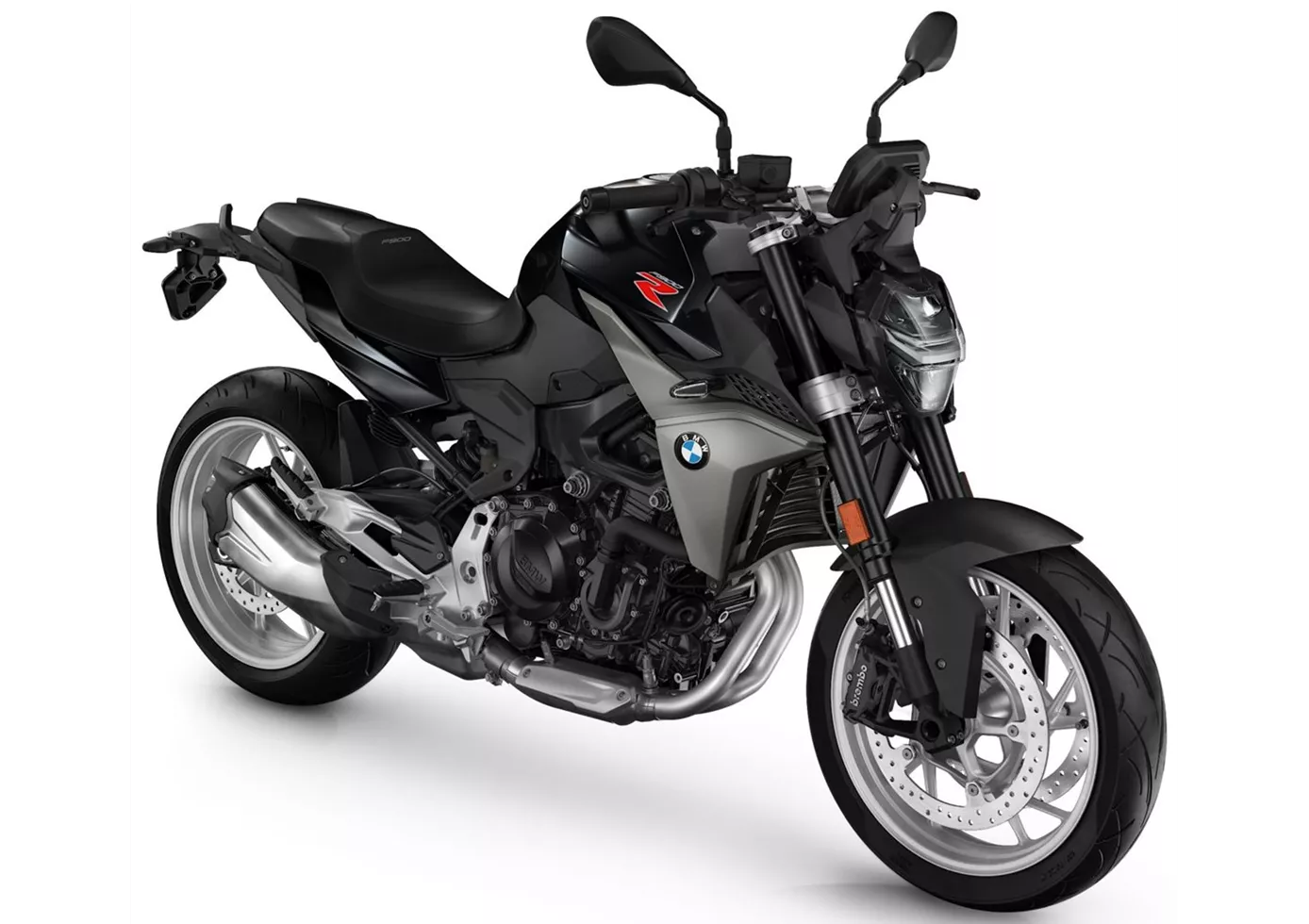
The BMW F 900 R is a full-grown motorbike. 895 cc, 105 hp and 92 Nm smell of versatility. The F 900 R fulfils this promise completely. The motorbike, including electronics and components, does a great job in every situation. But of all things, the heart of the bike, the engine and transmission unit, does not shine in premium gloss.
Price Comparison Average Market Price Kawasaki Z900 vs BMW F 900 R
There are a few key differences between a Kawasaki Z900 2018 and a BMW F 900 R 2020. In terms of price, the actual average price of a BMW F 900 R 2020 is about 8% higher. A Kawasaki Z900 2018 experiences a loss of 640 USD in one year and 520 USD in two years of ownership. This is offset by a loss of 700 USD and 700 USD for a BMW F 900 R 2020. Compared to BMW F 900 R 2020 there are more Kawasaki Z900 2018 bikes available on the 1000PS.de Marketplace, specifically 55 compared to 14. It takes less time to sell a BMW F 900 R with 82 days compared to 112 days for the Kawasaki Z900. Since model year 2017 1000PS.de editors have written 46 reviews for the Kawasaki Z900 and 24 reviews for the BMW F 900 R since model year 2020. The first review for the Kawasaki Z900 was published on 11/11/2016 and now has more than 93,200 views. This compares to more than 154,700 views for the first review on BMW F 900 R published on 11/5/2019.