Suzuki V-Strom 1000 2019 vs. BMW R 1200 GS 2016
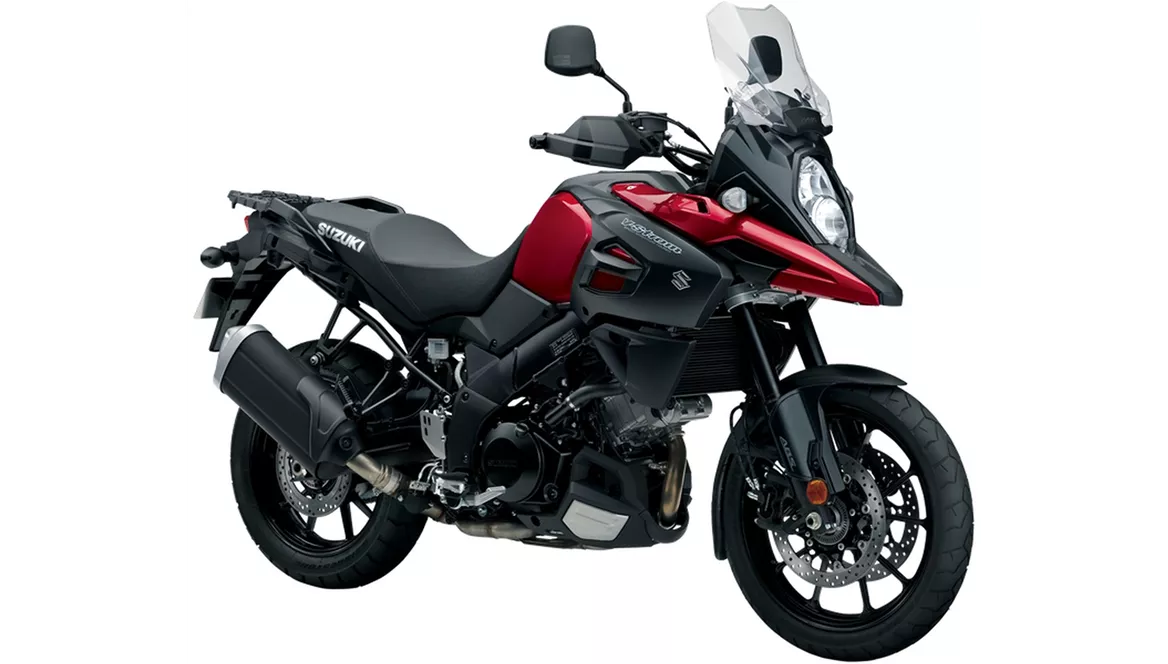
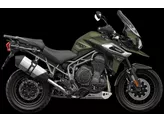
Suzuki V-Strom 1000 2019
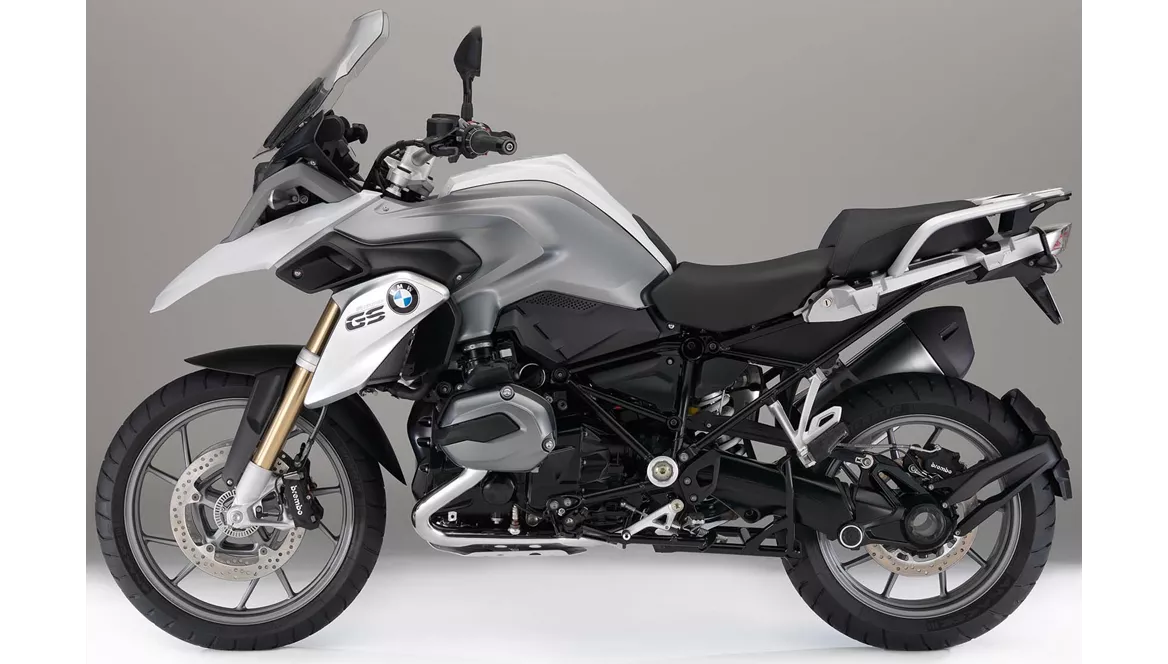
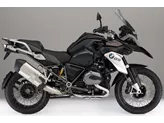
BMW R 1200 GS 2016
Overview - Suzuki V-Strom 1000 2019 vs BMW R 1200 GS 2016
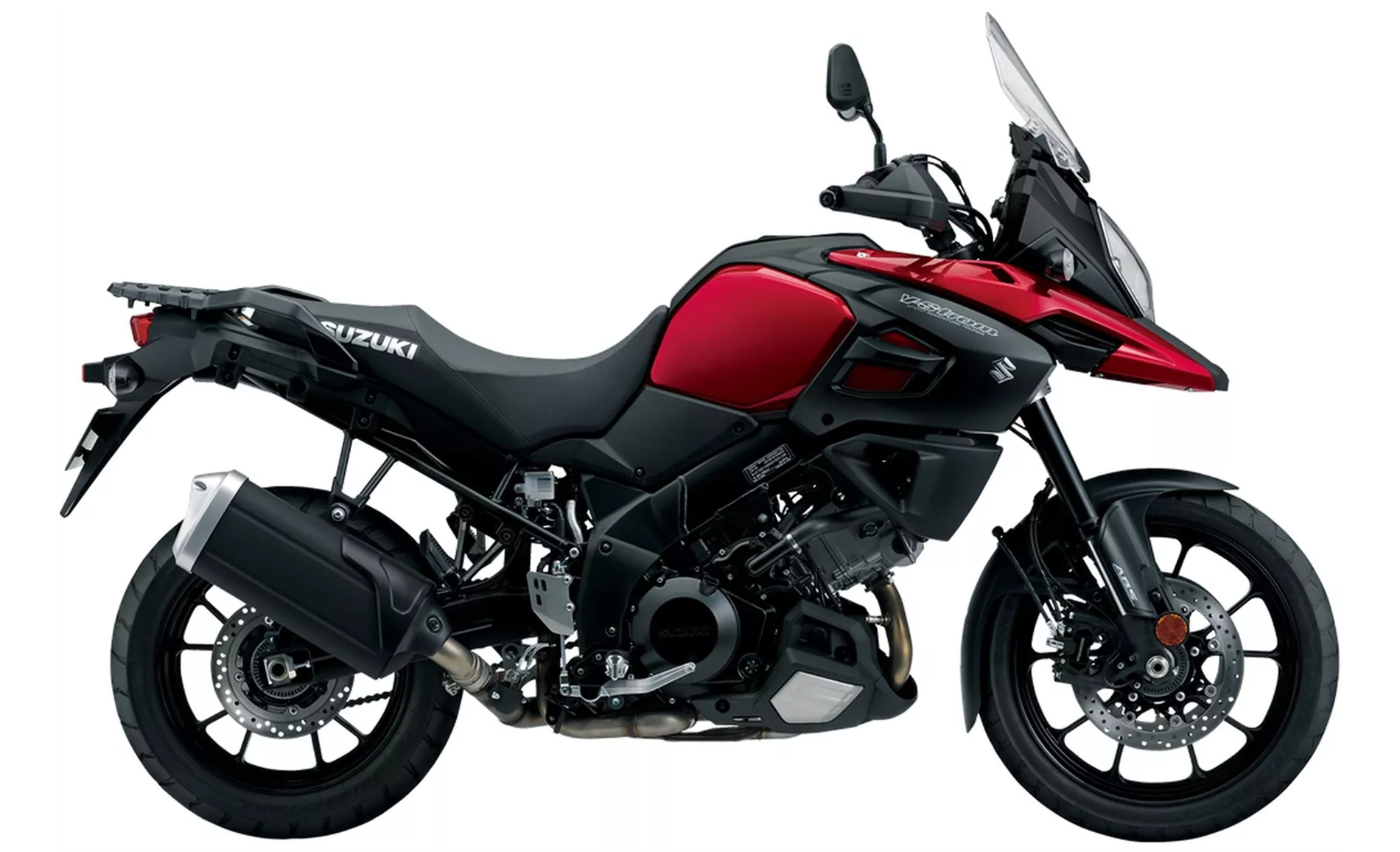
Suzuki V-Strom 1000 2019
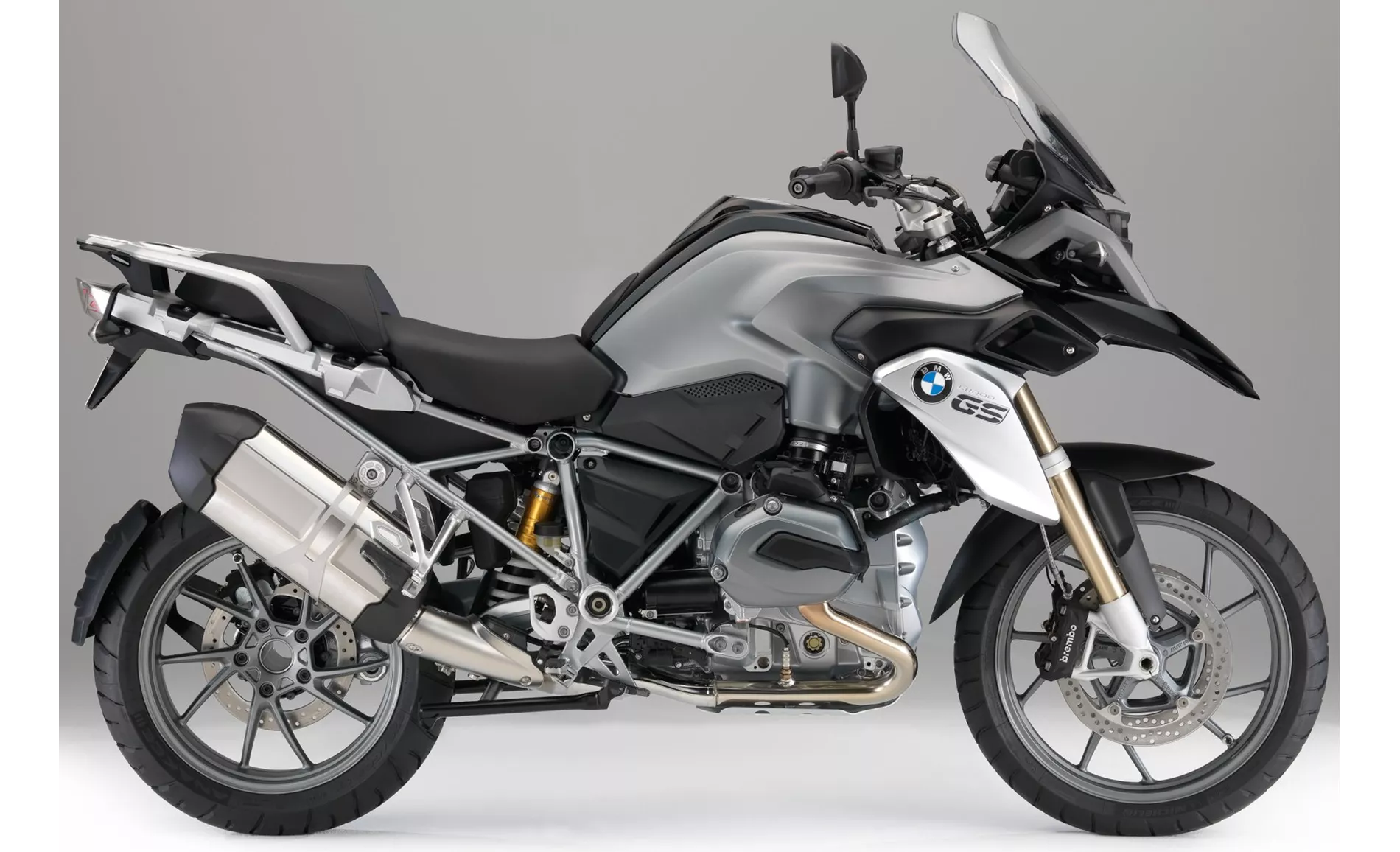
BMW R 1200 GS 2016
Technical Specifications Suzuki V-Strom 1000 2019 compared to BMW R 1200 GS 2016
Pros and Cons in comparison
Pros and Cons in comparison
Suzuki V-Strom 1000 2019
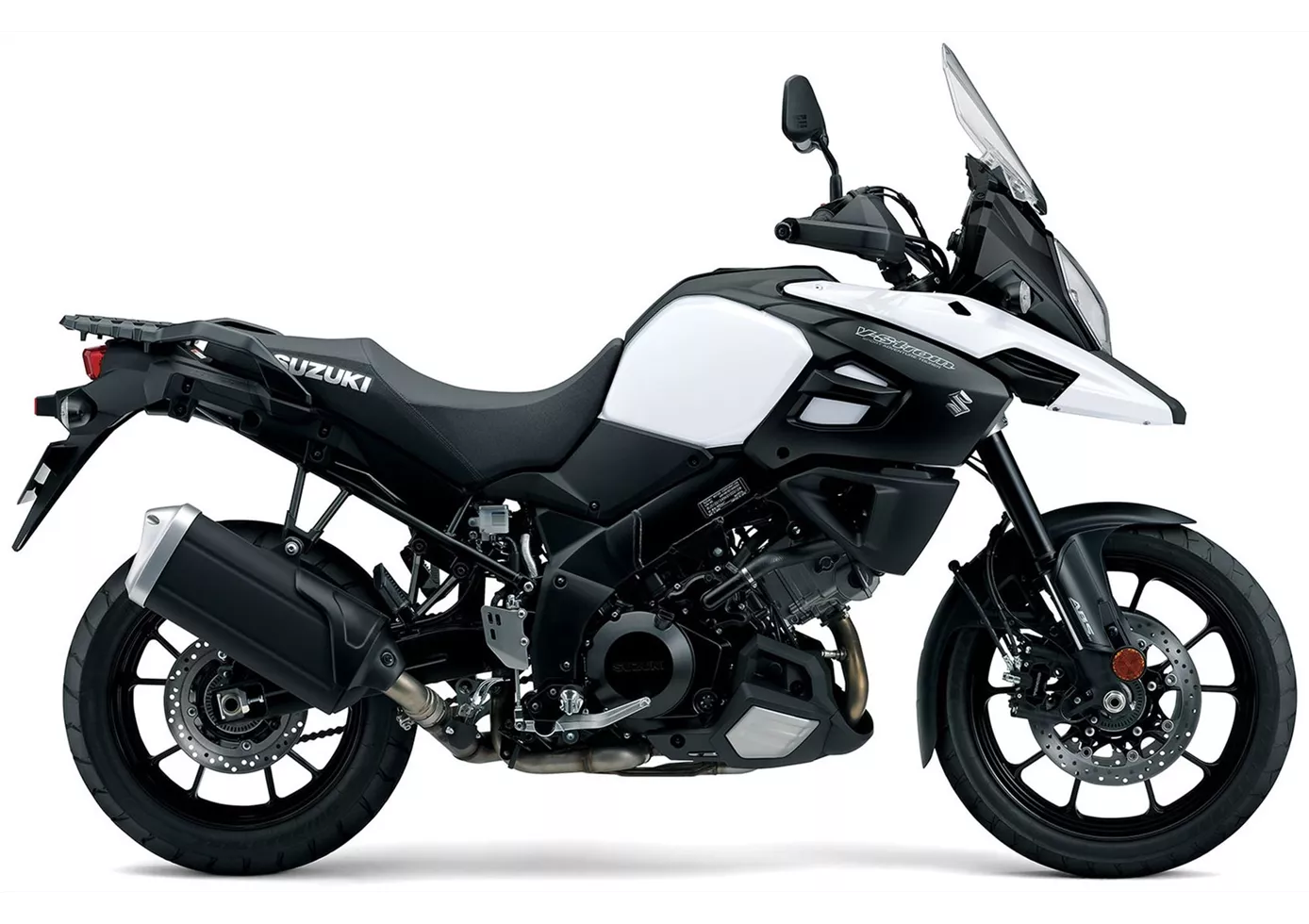
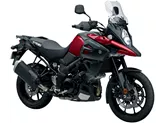
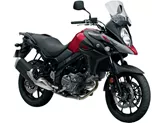
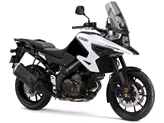
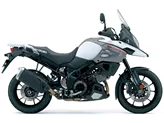
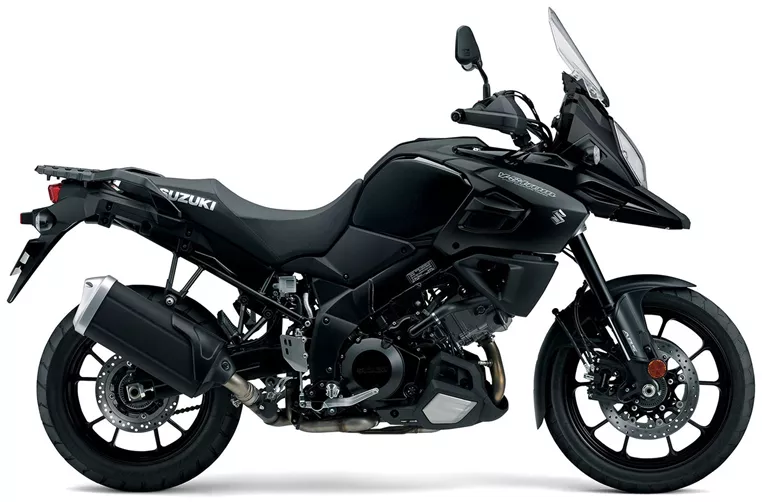
Even though Suzuki may not have put as much work into the development of the V-Strom as its competitors in touring enduros, the Suzuki can use this circumstance to its advantage. In a world with extensive electronics packages, it still looks very purist in the 2019 model year, with only the cornering ABS hinting at innovation. Many customers want a simple motorbike, and the V-Strom 1000 appeals to precisely this target group. Its lusty V2 exudes endless character and, thanks to years of testing, is a bulletproof companion. Combined with the potent chassis and relaxed seating position, the Suzuki V-Strom 1000 gives you a sporty touring enduro that stands up to the digitalisation of motorbikes in today's world.
BMW R 1200 GS 2016
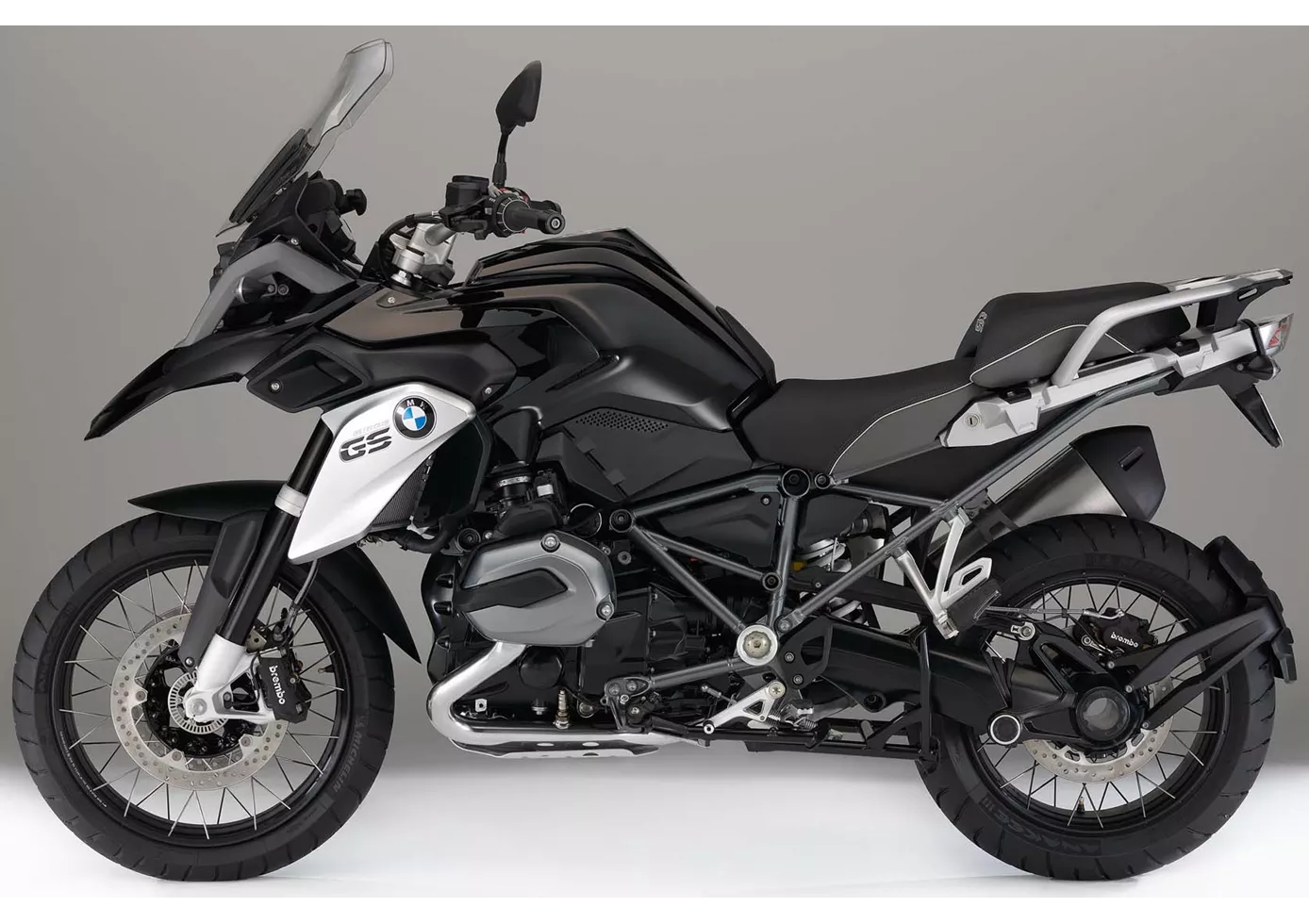
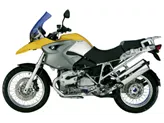
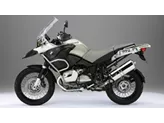
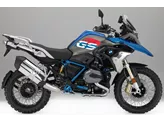
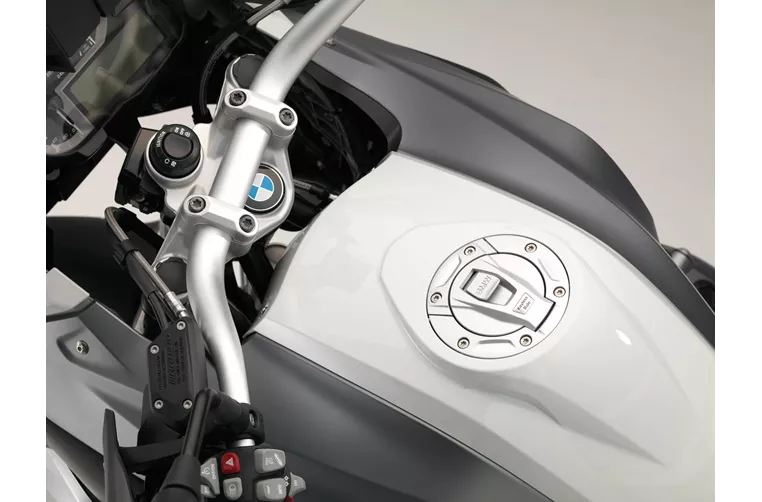
A GS is at home almost anywhere - but only to a limited extent on the racetrack. It's a pleasure to feel the power of the partially water-cooled boxer twin cylinder on the exit of the bend - 125 hp only seems much weaker on paper than 150 or even 160 hp on the competition. With 125 Newton metres of torque, the acceleration from the bottom is superb anyway and the GS, at 238 kilos ready to ride, does not carry too much flab despite its bulky appearance. In very tight corners, the low centre of gravity also has a positive effect - the BMW R 1200 GS is very hard to crack! Even the front telelever suspension, which suppresses the front wheel's tendency to sink in under braking, fits perfectly into the GS's overall package and only slightly detracts from its sporty character.