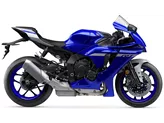
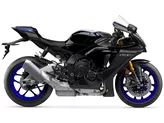
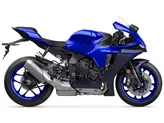
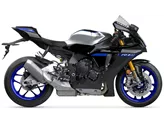
Suzuki GSX-R 1000 2010 vs. Yamaha R1 2010
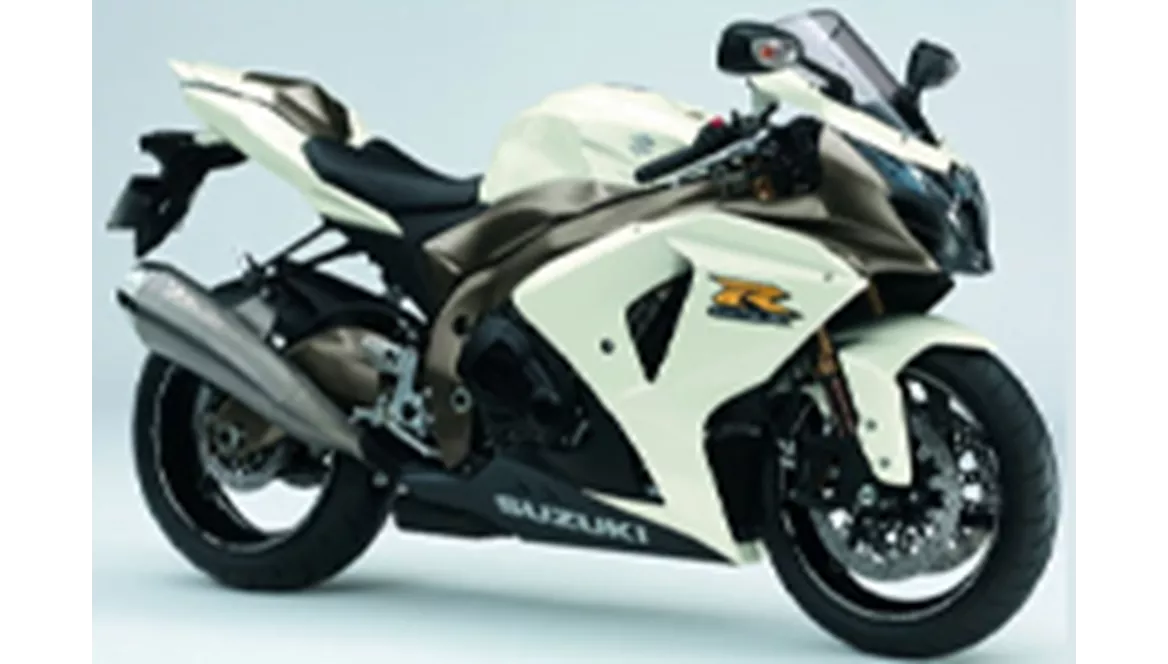
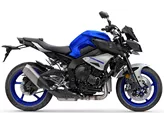
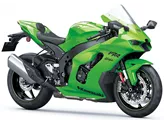
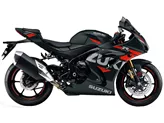
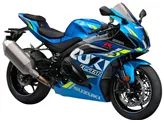
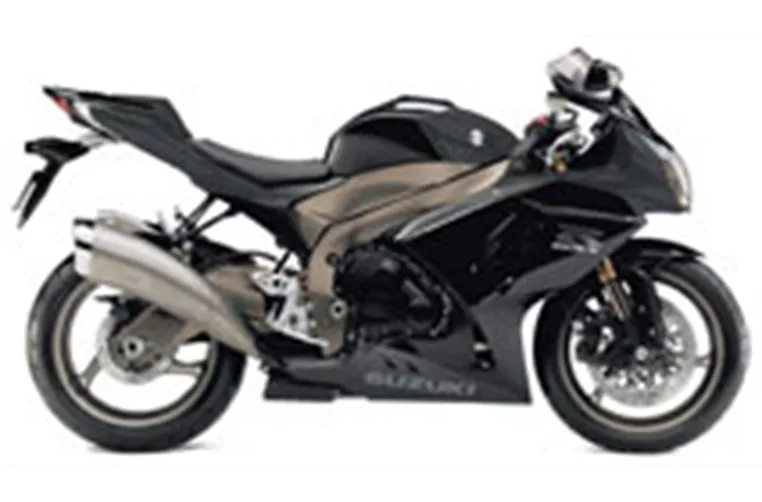
Suzuki GSX-R 1000 2010
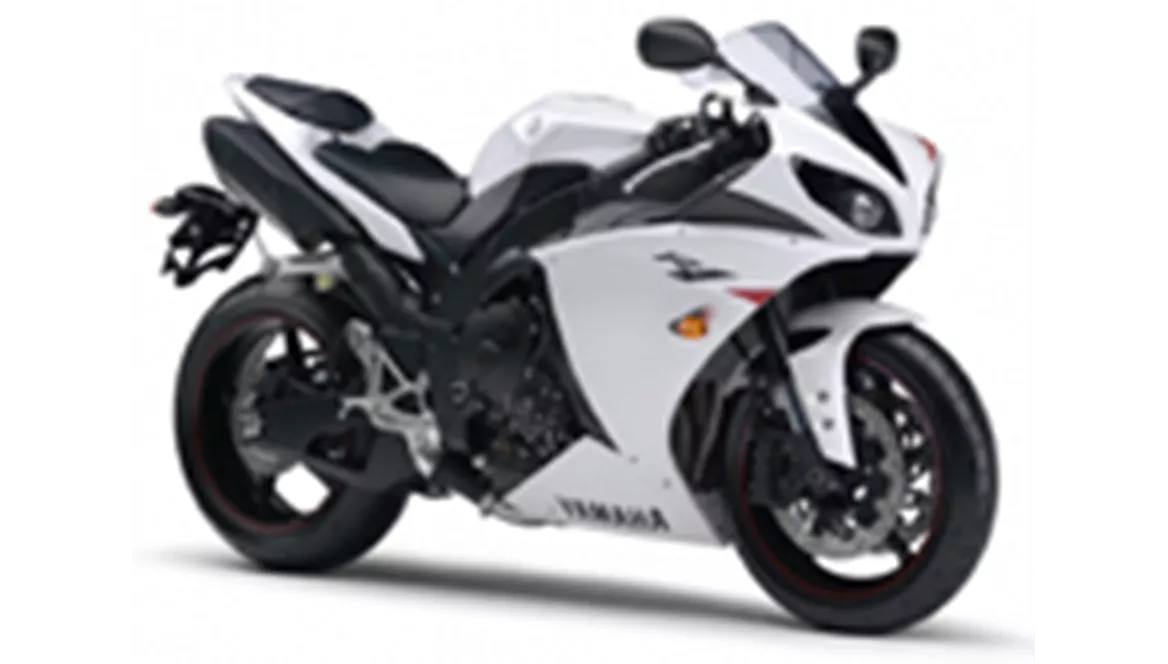
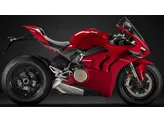
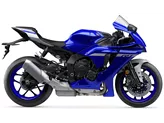
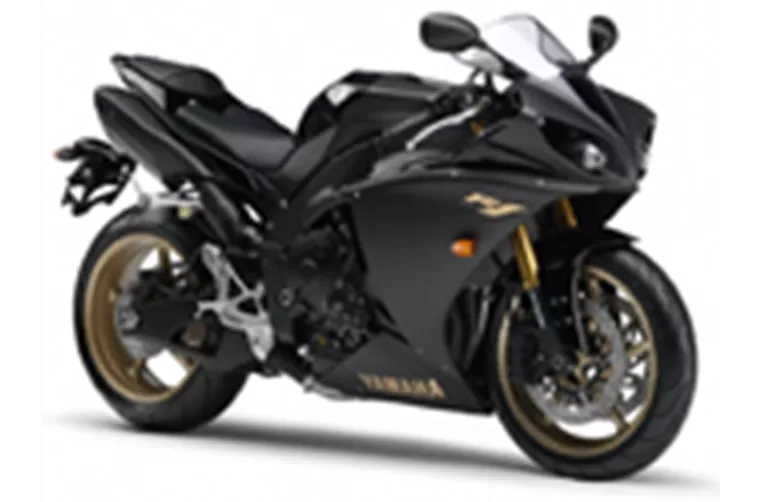
Yamaha R1 2010
Overview - Suzuki GSX-R 1000 2010 vs Yamaha R1 2010
The Suzuki GSX-R 1000 model year 2010 and the Yamaha R1 model year 2010 are both high-performance supersport motorcycles. They have similar engine configurations, with both featuring a 4-cylinder DOHC engine. However, there are some notable differences between the two models.
In terms of engine specifications, the Suzuki GSX-R 1000 has a bore of 74.5 mm and a stroke of 57.3 mm, resulting in a displacement of 999 cc. It produces a powerful 185 HP of engine power and 116.7 Nm of torque. On the other hand, the Yamaha R1 has a slightly larger bore of 78 mm and a shorter stroke of 52.2 mm, resulting in a displacement of 998 cc. It produces 181 HP of engine power and 115.5 Nm of torque. Both bikes have a strong engine, but the Suzuki GSX-R 1000 has a slight advantage in terms of power output.
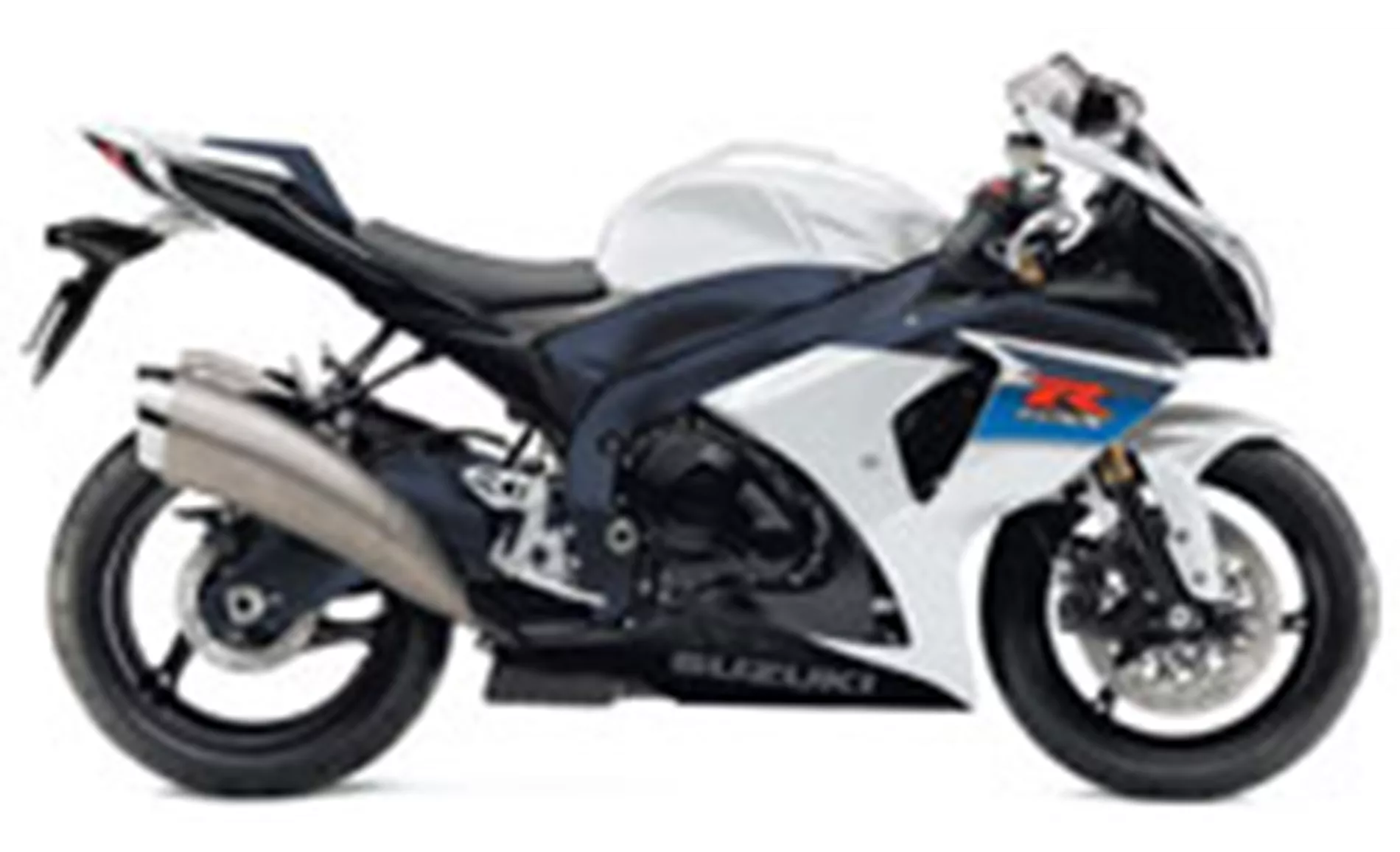
Suzuki GSX-R 1000 2010
In terms of chassis, both bikes feature an aluminum frame, which provides a good balance of rigidity and lightweight construction. However, the Suzuki GSX-R 1000 has a twin-spar frame, while the Yamaha R1 has a Deltabox frame. The twin-spar frame of the Suzuki offers better stability and handling, while the Deltabox frame of the Yamaha provides a more compact and agile feel.
Both bikes have double disc brakes at the front, which offer excellent stopping power. The dimensions and weights of the front and rear tires are the same for both models, with a width of 120 mm and a diameter of 17 inches. The wheelbase of the Suzuki GSX-R 1000 is slightly shorter at 1405 mm, compared to the 1415 mm wheelbase of the Yamaha R1. The seat height of the Suzuki is also slightly lower at 810 mm, compared to the 835 mm seat height of the Yamaha. The kerb weight of the Suzuki is 203 kg, while the Yamaha weighs slightly more at 206 kg. Both bikes have a fuel tank capacity of around 17-18 liters.
In terms of strengths, both bikes have a strong engine that delivers impressive performance. They also offer good stability and efficient wind protection. The Yamaha R1 has a more sophisticated engine character, providing a smooth and refined riding experience. It also has an optimal braking system and a comfortable seating position.
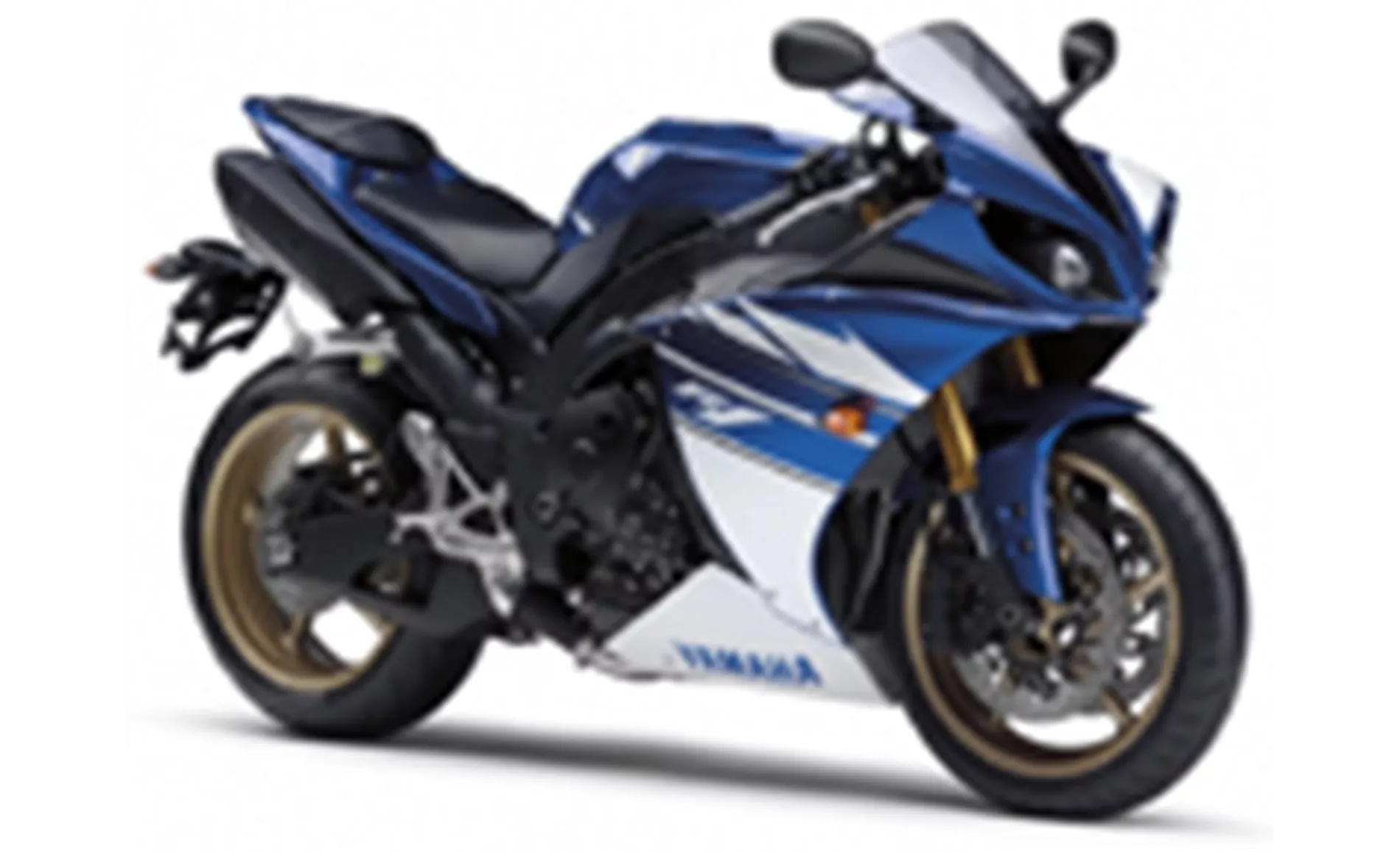
Yamaha R1 2010
However, both models have some weaknesses. The Suzuki GSX-R 1000 has a poor suspension strut and a chassis that is too softly tuned, resulting in a slight lack of stability and responsiveness. It also has some inertia and the gearbox could be improved. On the other hand, the Yamaha R1 has suboptimal suspension elements, which can affect the overall ride quality. It also has slightly lower peak power and weaker traction, possibly due to its higher weight.
In conclusion, both the Suzuki GSX-R 1000 2010 and the Yamaha R1 2010 are powerful and capable supersport motorcycles. They have their own strengths and weaknesses, with the Suzuki offering better stability and wind protection, while the Yamaha provides a more refined engine character and comfortable seating position. Ultimately, the choice between the two will depend on the rider's preferences and priorities.
Technical Specifications Suzuki GSX-R 1000 2010 compared to Yamaha R1 2010
Pros and Cons in comparison
Pros and Cons in comparison
Suzuki GSX-R 1000 2010
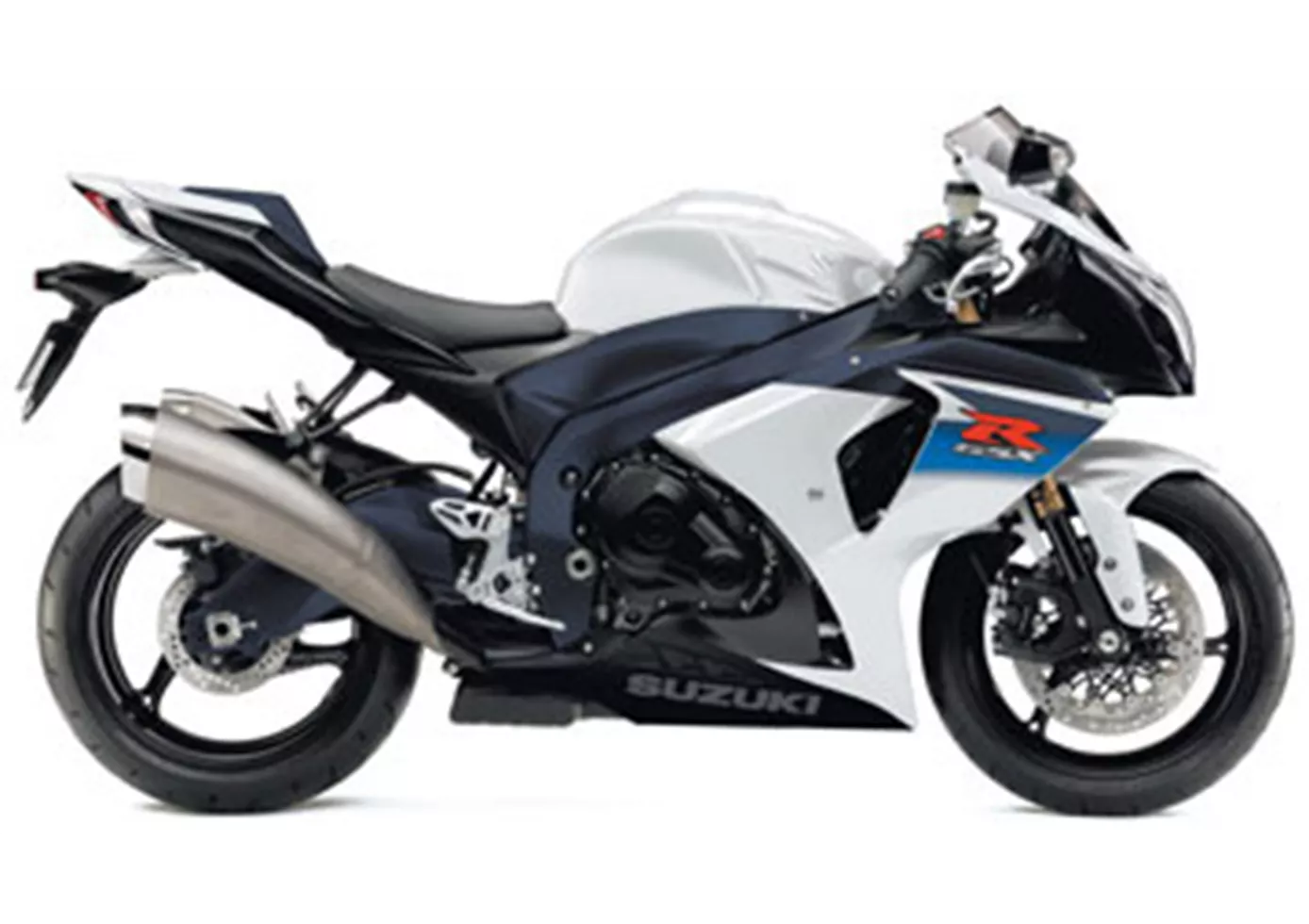
Many victorious years in international motorbike racing have made the GSX-R1000 superbike a legend - and a somewhat grey model. Real innovations or even revolutions are a long time ago, and the last updates were limited to visual upgrades, such as the MotoGP Replica paint scheme. It may look fresh and snappy, but in the segment of racers that have now advanced to technologically advanced and correspondingly expensive hyper-sports bikes, the GSX-R now looks like a slightly greying prototype. It still rides well, fast and harmoniously, you can just tell it's mature - and that's meant in a positive way. Nevertheless, we are already waiting for the next generation.
Yamaha R1 2010
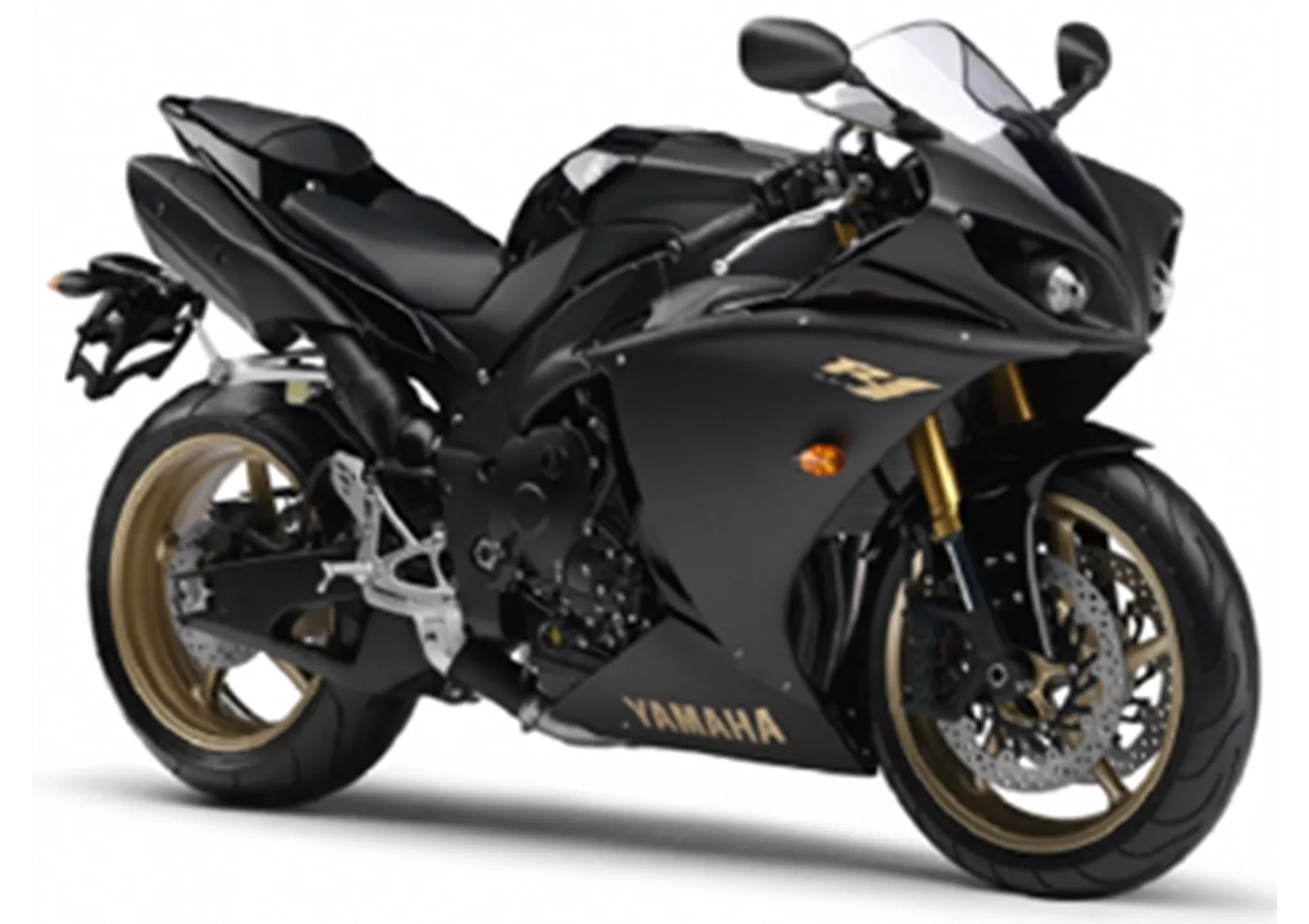
The Yamaha YZF-R1 still inspires with balanced performance - especially the 1000cc engine with its extravagant crank pin offset not only serves the powerful power delivery but also provides a wonderful sound!
Price Comparison Average Market Price Suzuki GSX-R 1000 vs Yamaha R1
There are a few key differences between a Suzuki GSX-R 1000 2010 and a Yamaha R1 2010. It takes less time to sell a Yamaha R1 with 53 days compared to 69 days for the Suzuki GSX-R 1000. Since model year 2005 1000PS.de editors have written 71 reviews for the Suzuki GSX-R 1000 and 80 reviews for the Yamaha R1 since model year 2005. The first review for the Suzuki GSX-R 1000 was published on 3/3/2004 and now has more than 7,100 views. This compares to more than 3,900 views for the first review on Yamaha R1 published on 4/28/2003.