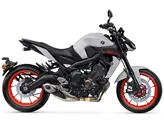
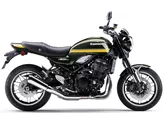
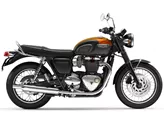
Yamaha XSR700 2015 vs. Kawasaki Z900 RS 2021

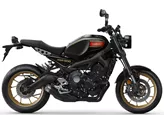
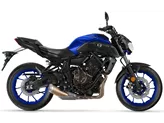
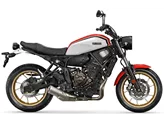
Yamaha XSR700 2015
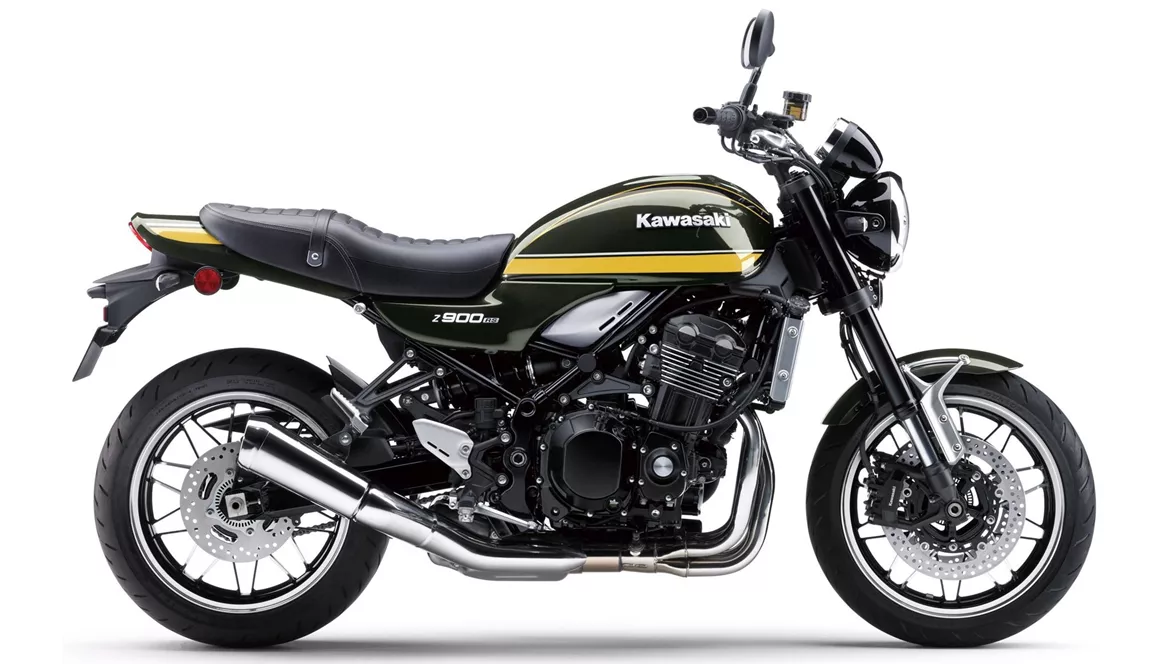
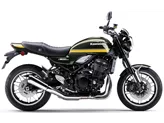
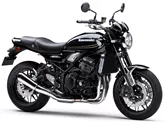
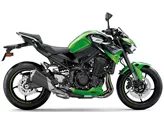
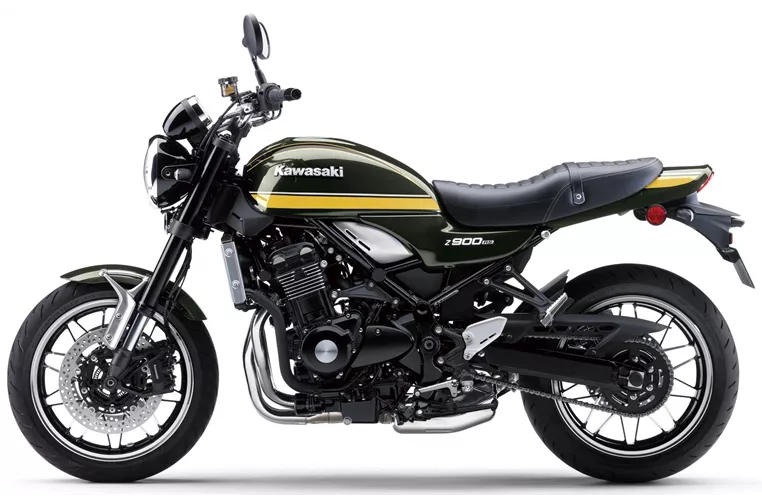
Kawasaki Z900 RS 2021
Overview - Yamaha XSR700 2015 vs Kawasaki Z900 RS 2021
In terms of engine and drive train, both the Yamaha XSR700 2015 and the Kawasaki Z900 RS 2021 have inline engines with fuel injection systems. However, the Kawasaki Z900 RS has a more powerful engine, with 111 HP compared to the Yamaha XSR700's 75 HP. The Z900 RS also has higher torque at 98.6 Nm, while the XSR700 has 68 Nm. The Yamaha XSR700 has a smaller displacement of 689ccm, while the Kawasaki Z900 RS has a larger displacement of 948ccm.
In terms of suspension, both bikes have swing arm rear suspensions with monoshocks. However, the Yamaha XSR700 has a telescopic fork front suspension, while the Kawasaki Z900 RS has an upside-down telescopic fork front suspension. This may provide the Z900 RS with better handling and stability.
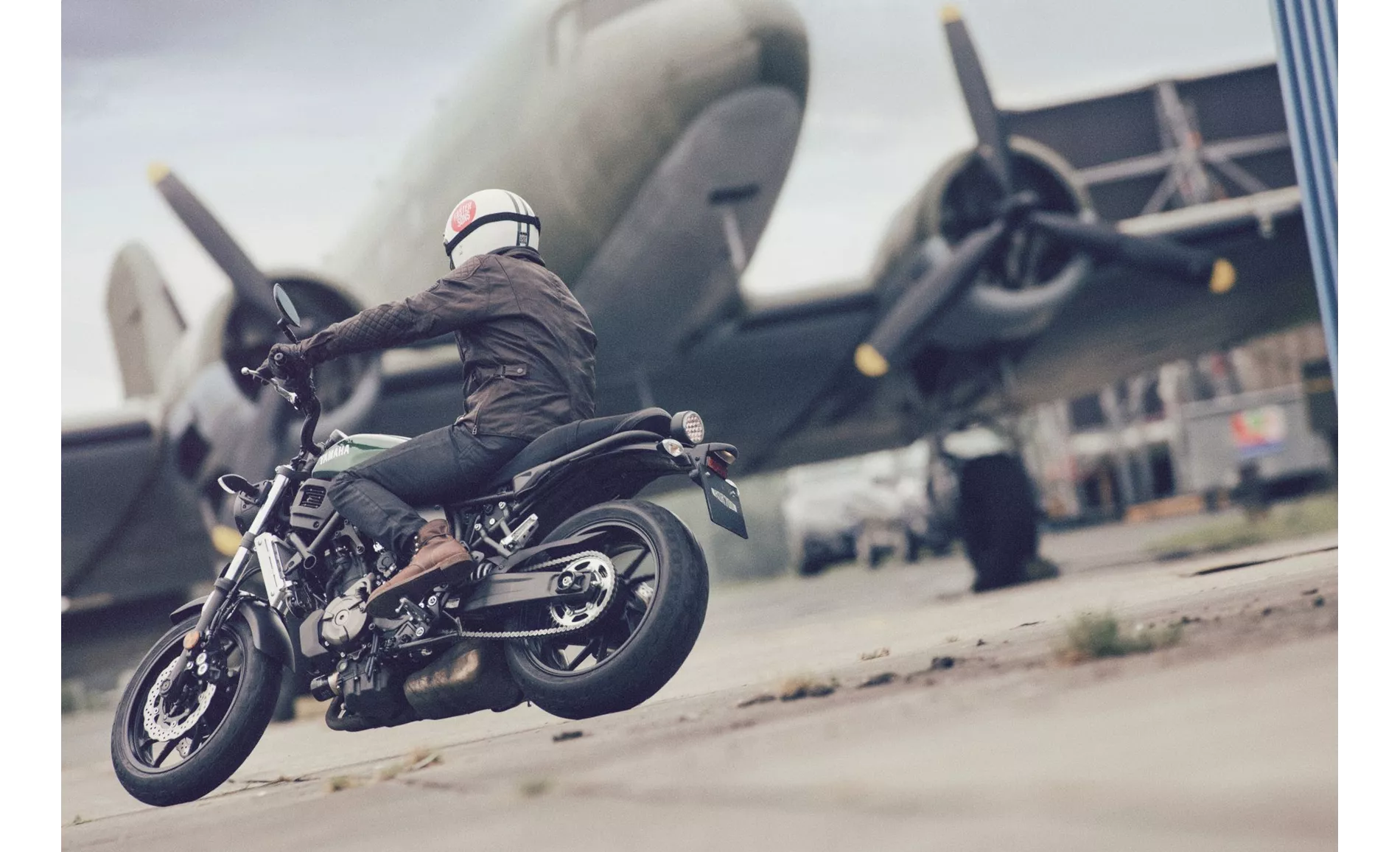
Yamaha XSR700 2015
Both bikes have steel frames and double disk front brakes with four pistons. The Yamaha XSR700 has a front brake diameter of 282mm, while the Kawasaki Z900 RS has a larger front brake diameter of 300mm. Both bikes also have ABS as an advanced rider assistance system.
In terms of dimensions and weights, the Yamaha XSR700 has a wheelbase of 1405mm, while the Kawasaki Z900 RS has a longer wheelbase of 1470mm. The seat height of the XSR700 is 815mm, while the Z900 RS has a slightly higher seat height of 835mm. The XSR700 has a kerb weight of 186kg with ABS, while the Z900 RS is heavier at 215kg with ABS. The Z900 RS also has a larger fuel tank capacity of 17 liters, compared to the XSR700's 14 liters.
Now let's discuss the strengths and weaknesses of each bike. The Yamaha XSR700 2015 is praised for its agile engine, comfortable yet sporty chassis, and comfortably upright seating position. It also has a cool retro look and comes with complete instrumentation. The XSR700 has good brakes and there are many accessories available for customization. However, some weaknesses of the XSR700 include a suspension that may be too soft for extremely sporty riding, a digital rev counter that is difficult to read, and a higher price compared to the basic MT-07.
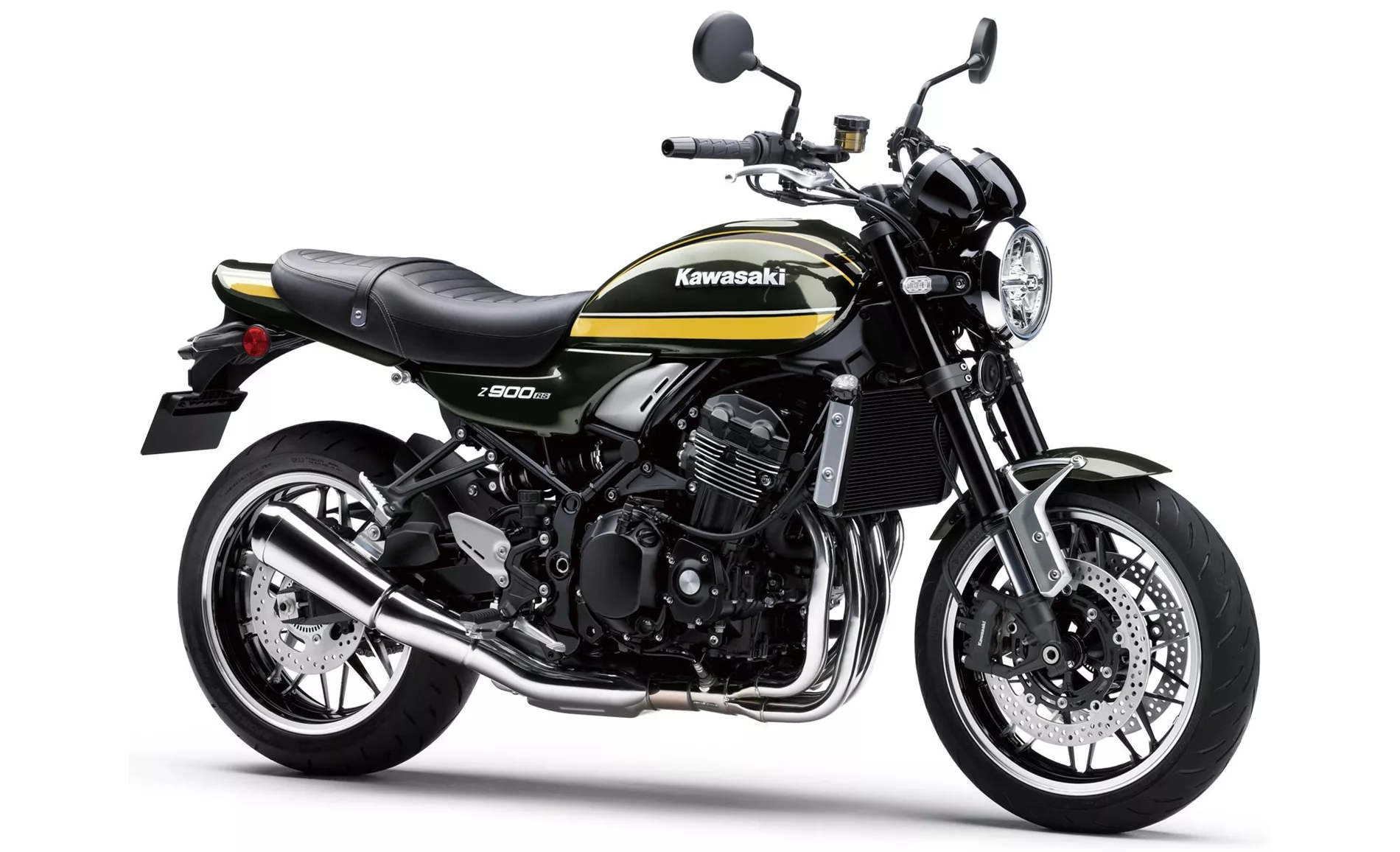
Kawasaki Z900 RS 2021
On the other hand, the Kawasaki Z900 RS 2021 has a beautiful and authentic retro look, with a very comfortable seating position. It is also described as easy and comfortable to ride. However, some weaknesses of the Z900 RS include the lack of a quickshifter and driving modes, although it does have adjustable traction control.
In conclusion, the Yamaha XSR700 2015 and the Kawasaki Z900 RS 2021 are both naked bikes with similar technical specifications. However, the Z900 RS has a more powerful engine, a larger displacement, and a longer wheelbase. The XSR700, on the other hand, is praised for its agility, comfortable chassis, and retro look. Both bikes have their strengths and weaknesses, and the choice between them would depend on individual preferences and priorities.
Technical Specifications Yamaha XSR700 2015 compared to Kawasaki Z900 RS 2021

Pros and Cons in comparison
Pros and Cons in comparison
Yamaha XSR700 2015
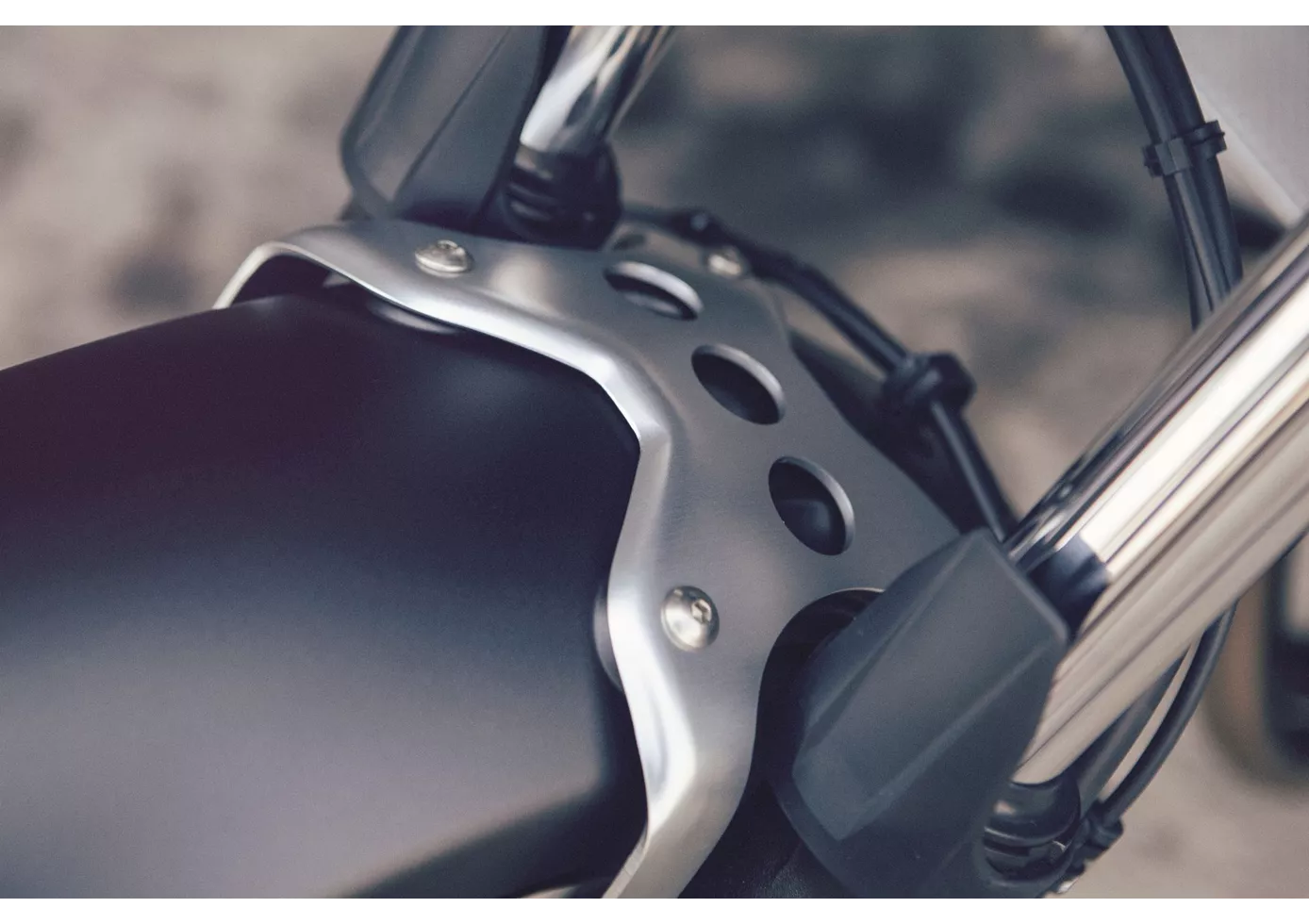
The XSR is the perfect everyday bike for me. It is visually a feast for the eyes, has an incredible amount of power, but is still light and agile. The seating position allows longer rides, as the luggage can be carried on the back without any problems. The XSR itself doesn't know exactly what it wants to be now. But I find the resulting mix quite exciting. So if you don't want to (or can't) have different bikes in the garage, the XSR is a very good choice. served very well. It has everything you expect from a motorbike. In a hotel, one would speak of an all-inclusive offer. It is perfect for It is perfect for the daily ride to the office, for weekend excursions and smaller tours to the south. Even with a pillion, the bike is very easy to move. As usual from Yamaha, the bike makes a very solid impression. Everything simply works here. The exhaust is pleasantly quiet, but from 5000 rpm it produces a very appealing and throaty sound. The rear end is a matter of taste. Personally, I would rebuild the rear and remove the plastic elements. I also find the standard mirrors a little large. The retro look was not quite carried through here. However, this can be changed very quickly and easily thanks to the many accessories. The instrument panel is basically easy to read. However, a lot of information is space. Here, design and functionality clash a little. Summarised in one sentence: The perfect bike for every challenge.
Kawasaki Z900 RS 2021
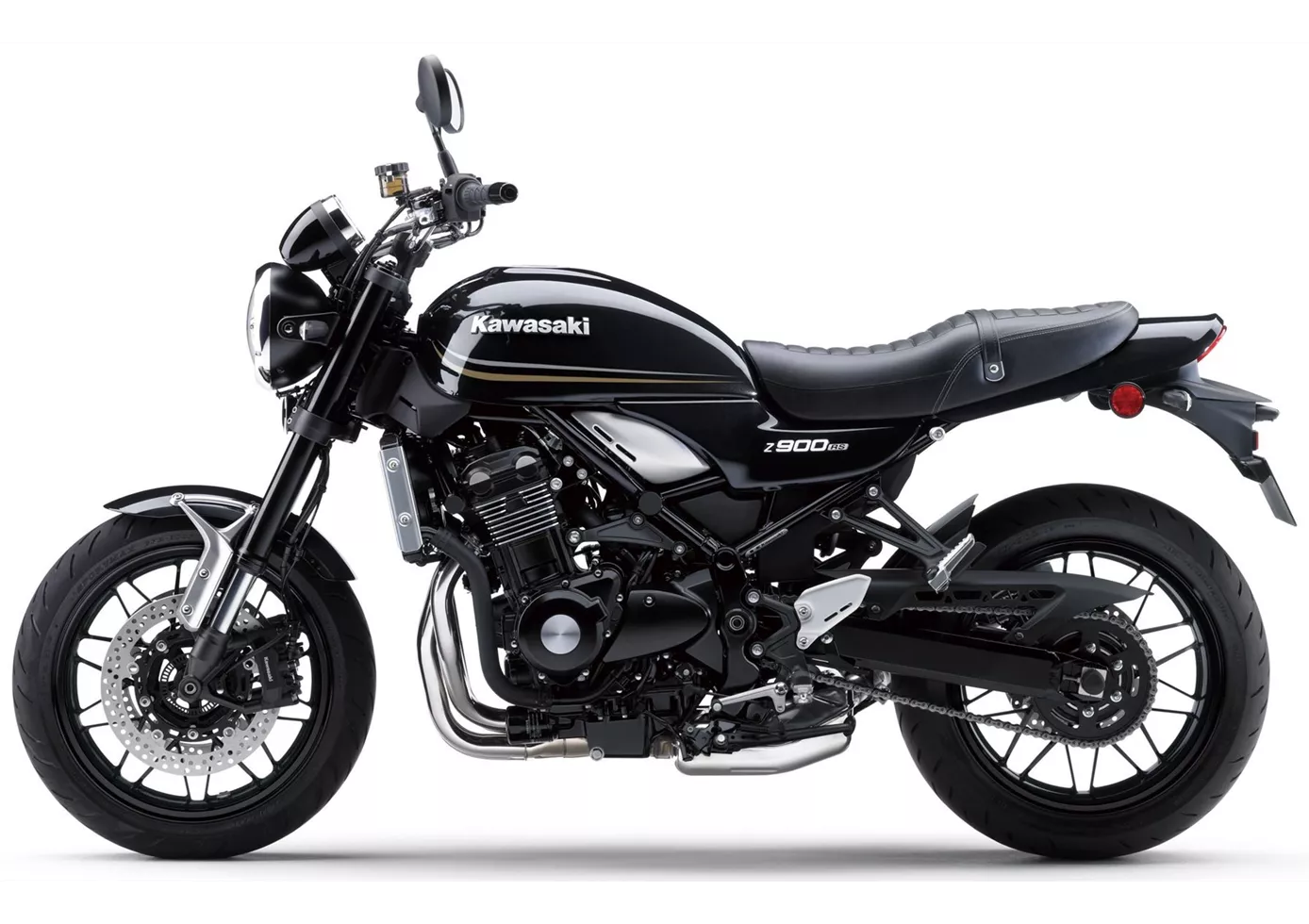
The Kawasaki Z900 RS is the perfect combination of classic design and modern technology. Its four-cylinder Inline engine, which runs silky smooth, delivers linear power and impressive elasticity across the entire rev range. The suspension strikes an ideal balance between comfort and stability, making it perfect for both long-distance riding and sporty riding. Despite the lack of a windscreen, the Z900 RS impresses with a comfortable riding position and agile riding performance. Aesthetically, it pays homage to the legendary Z1, whilst modern features such as traction control and high-quality build quality round off a very successful overall package. For anyone looking to combine a retro look with modern power, the Z900 RS is a reliable and versatile companion, both for everyday use and for longer tours.
Price Comparison Average Market Price Yamaha XSR700 vs Kawasaki Z900 RS
There are a few key differences between a Yamaha XSR700 2015 and a Kawasaki Z900 RS 2021. It takes less time to sell a Kawasaki Z900 RS with 125 days compared to 155 days for the Yamaha XSR700. Since model year 2015 1000PS.de editors have written 26 reviews for the Yamaha XSR700 and 26 reviews for the Kawasaki Z900 RS since model year 2018. The first review for the Yamaha XSR700 was published on 7/22/2015 and now has more than 13,700 views. This compares to more than 63,700 views for the first review on Kawasaki Z900 RS published on 9/6/2017.