BMW S 1000 RR 2019 vs. Kawasaki Ninja ZX-10R 2013
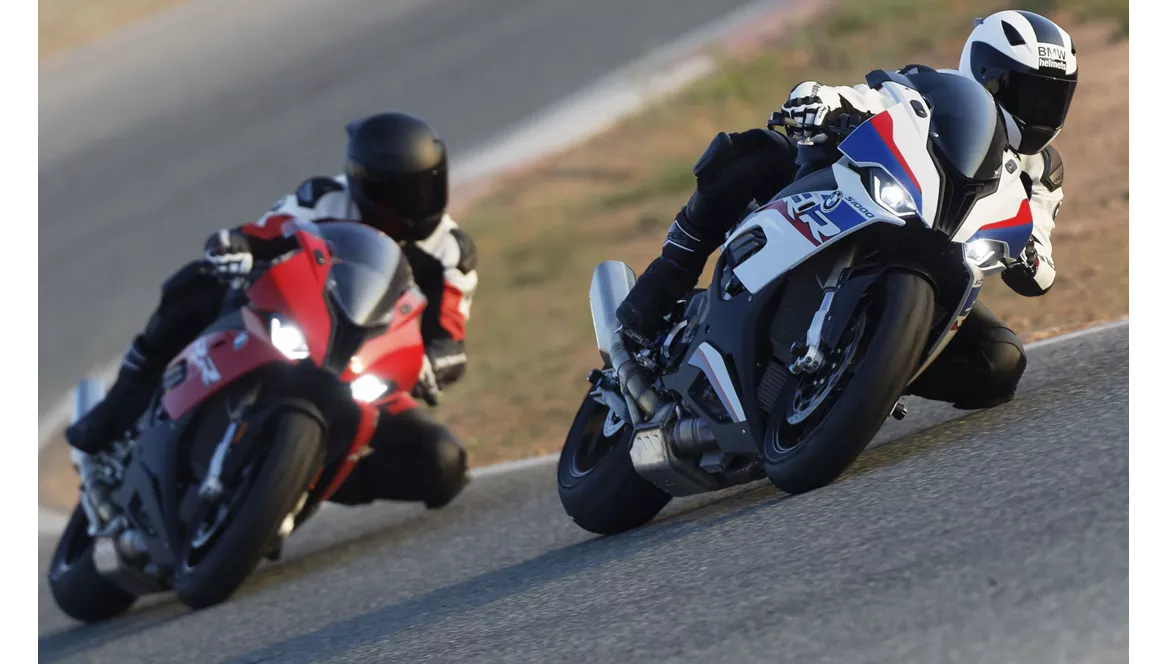
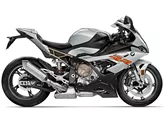
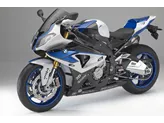
BMW S 1000 RR 2019
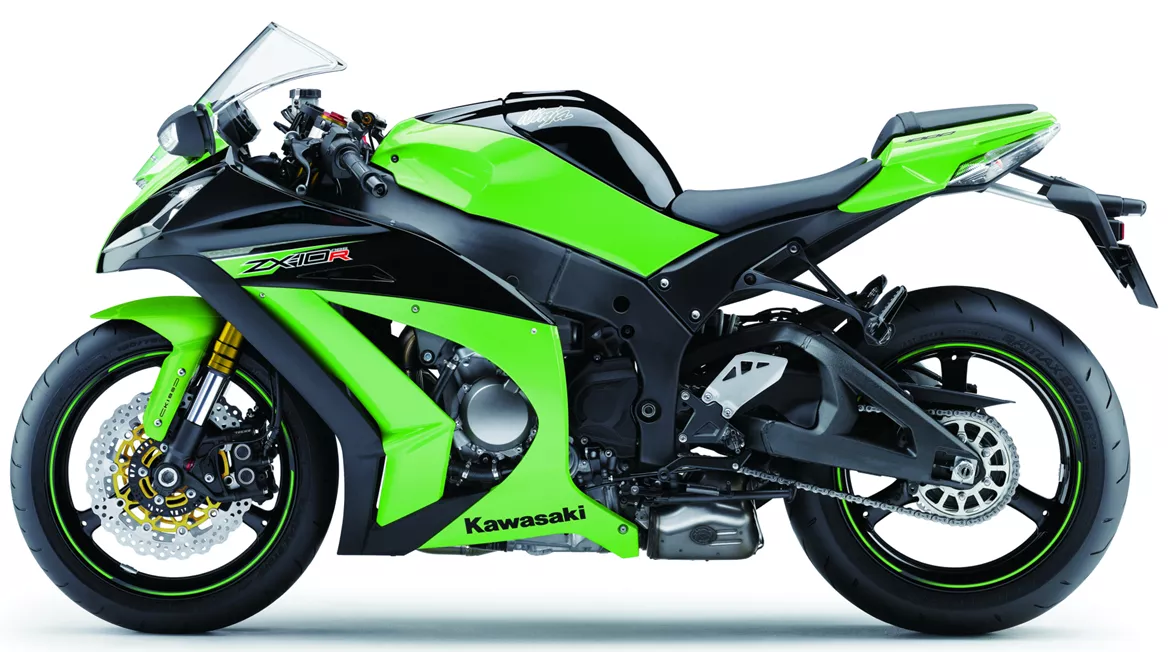
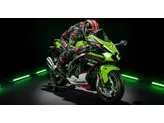
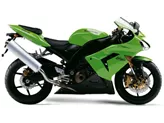
Kawasaki Ninja ZX-10R 2013
Overview - BMW S 1000 RR 2019 vs Kawasaki Ninja ZX-10R 2013
The BMW S 1000 RR 2019 and the Kawasaki Ninja ZX-10R 2013 are both high-performance supersport motorcycles that offer impressive power and handling. However, there are several key differences between the two models.
In terms of engine specifications, the BMW S 1000 RR 2019 features an in-line four-cylinder engine with a displacement of 999cc, producing 207 horsepower and 113 Nm of torque. On the other hand, the Kawasaki Ninja ZX-10R 2013 also has an in-line four-cylinder engine, but with a slightly smaller displacement of 998cc, delivering 200.1 horsepower and 114.3 Nm of torque. Both bikes have a high compression ratio of around 13, ensuring strong performance.
When it comes to suspension, both motorcycles are equipped with upside-down telescopic forks at the front and offer adjustable compression, preload, and rebound settings for optimal customization. The chassis of both bikes is made of aluminum, providing a lightweight yet rigid structure.
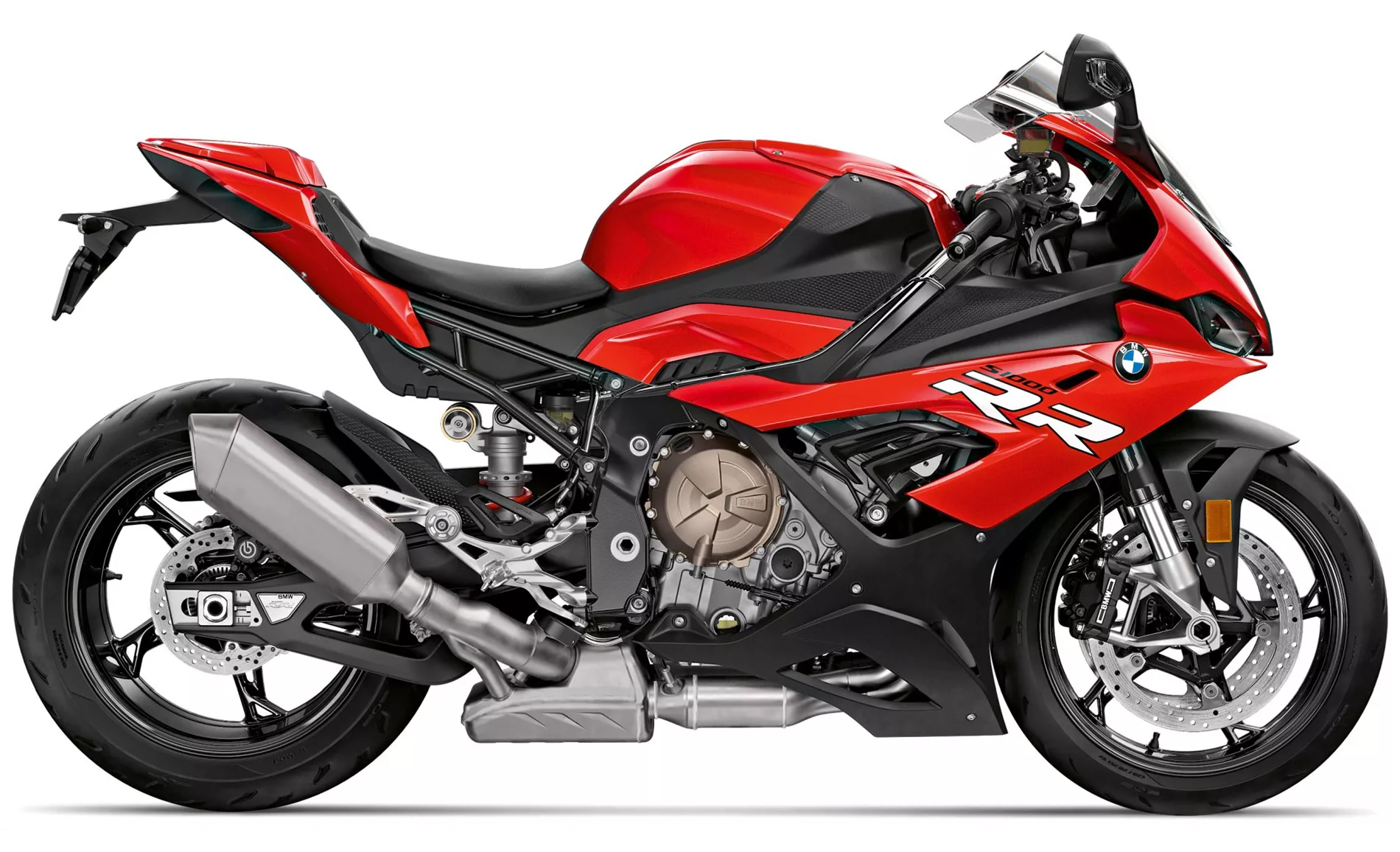
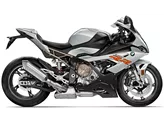
BMW S 1000 RR 2019
In terms of braking, both the BMW S 1000 RR 2019 and the Kawasaki Ninja ZX-10R 2013 feature double disk brakes at the front. However, the Kawasaki Ninja ZX-10R 2013 also incorporates petal technology, which helps to dissipate heat more efficiently and improve overall braking performance.
In terms of dimensions and weights, the BMW S 1000 RR 2019 has a slightly longer wheelbase of 1441mm compared to the Kawasaki Ninja ZX-10R 2013's 1115mm. The seat height of the BMW S 1000 RR 2019 is also slightly higher at 824mm, while the Kawasaki Ninja ZX-10R 2013 has a seat height of 813mm. The fuel tank capacity of the BMW S 1000 RR 2019 is 16.5 liters, whereas the Kawasaki Ninja ZX-10R 2013 has a slightly larger fuel tank capacity of 17 liters.
In terms of strengths, the BMW S 1000 RR 2019 offers a very linear power delivery, making it more controllable and faster for most riders. It also has a wide rev range and pleasant dosing. The new DDC (Dynamic Damping Control) system of the BMW S 1000 RR 2019 provides even more precise performance, and the bike comes with a top-notch electronics package and an excellent shift assistant. The seating position of the BMW S 1000 RR 2019 is more active and sportier, and it features high-quality details such as the frame, swingarm, and display.
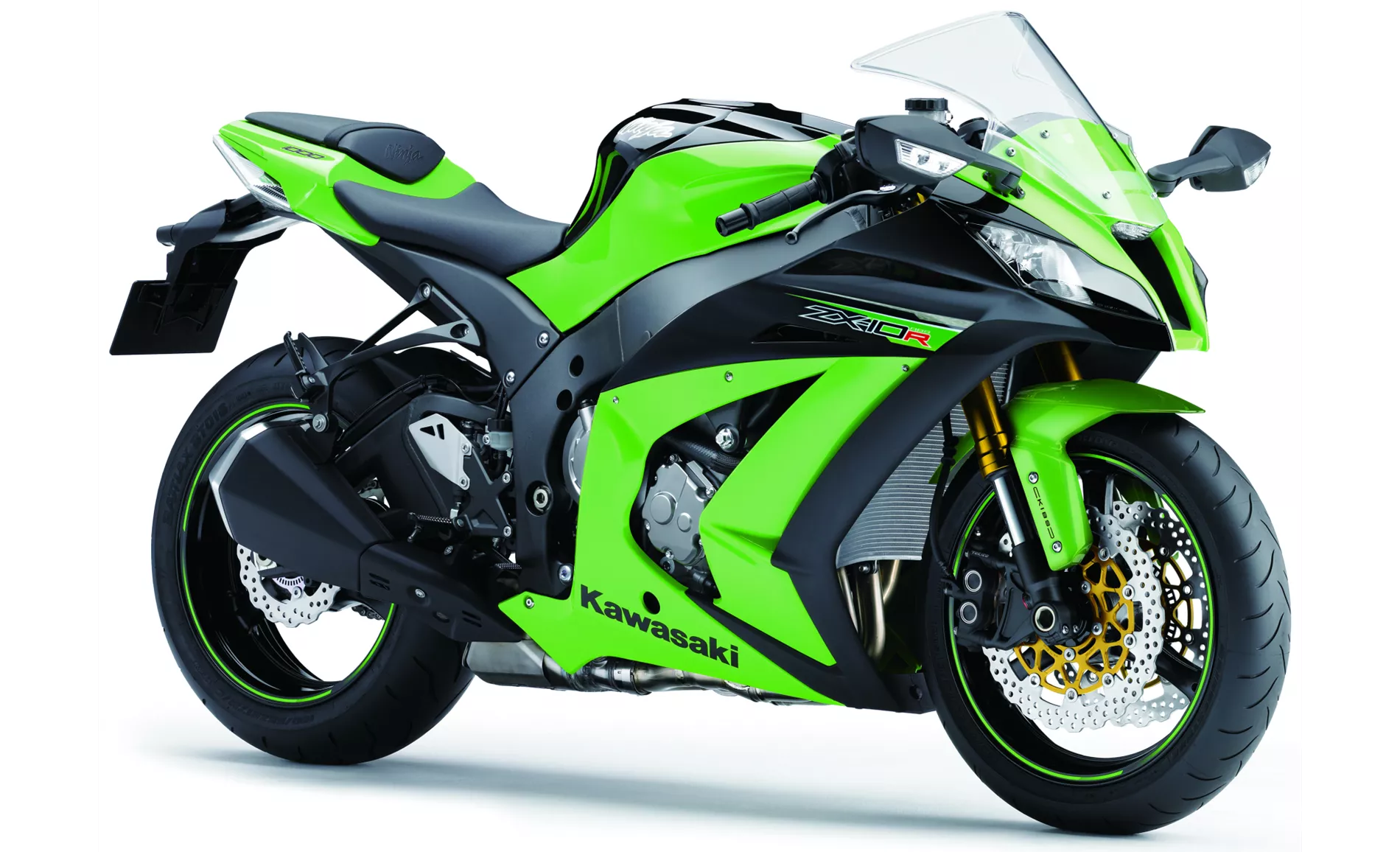
Kawasaki Ninja ZX-10R 2013
On the other hand, the Kawasaki Ninja ZX-10R 2013 is known for its impressive speed and comfortable ride. It also features electronic chassis technology, which enhances stability and overall performance.
In terms of weaknesses, the BMW S 1000 RR 2019 has lost a certain amount of "thrill" due to its linear power delivery, making it almost "too perfect" for some riders. The menu navigation on the BMW S 1000 RR 2019 may take some time to get used to. On the other hand, there are no specific weaknesses mentioned for the Kawasaki Ninja ZX-10R 2013.
Overall, both the BMW S 1000 RR 2019 and the Kawasaki Ninja ZX-10R 2013 are highly capable supersport motorcycles with their own unique strengths and weaknesses. The BMW S 1000 RR 2019 offers a more refined and precise riding experience, while the Kawasaki Ninja ZX-10R 2013 focuses on speed and comfort. Ultimately, the choice between the two models will depend on the rider's preferences and priorities.
Technical Specifications BMW S 1000 RR 2019 compared to Kawasaki Ninja ZX-10R 2013
Pros and Cons in comparison
Pros and Cons in comparison
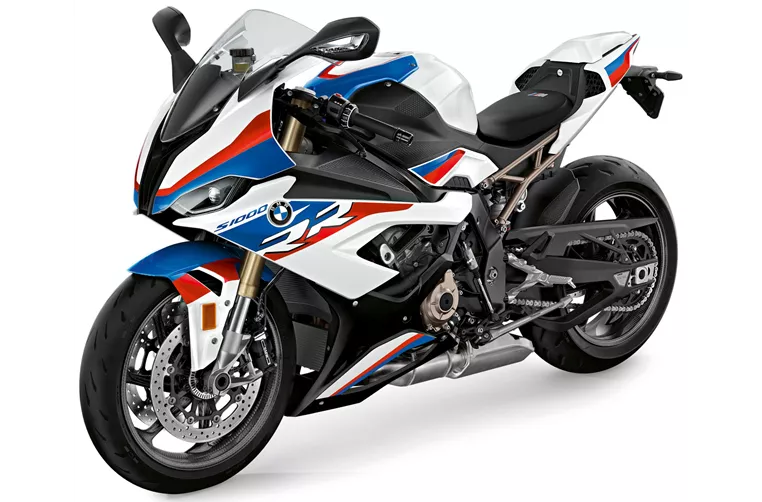
BMW S 1000 RR 2019
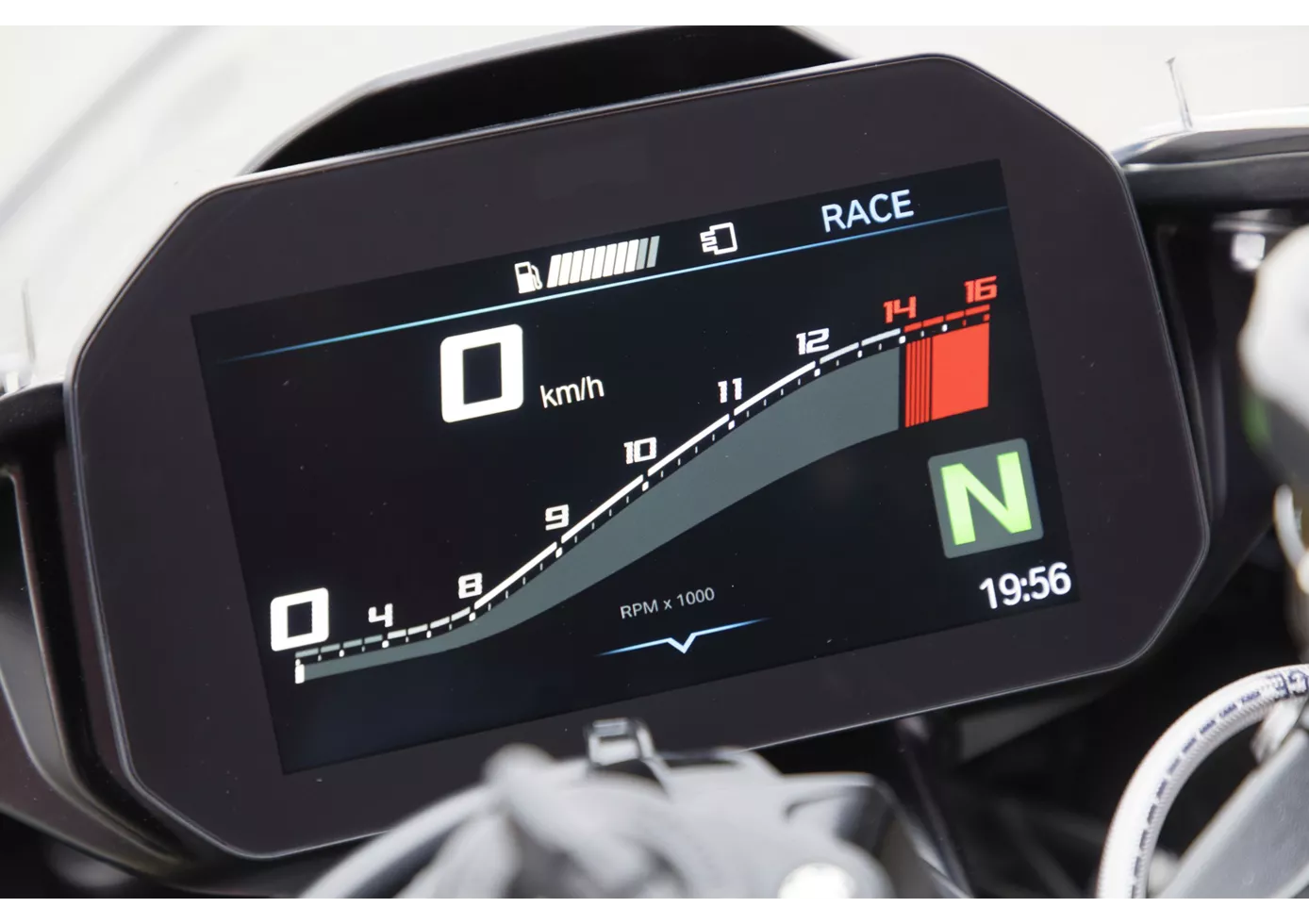
A real "all-rounder" superbike. The BMW knows how to play to its strengths both on the race track and on the country road. Thanks to variable camshaft control, the powerful engine is already convincing at the bottom end and accelerates harmoniously across the entire rev range, with plenty of power in every range. For the hobby pilot, the chassis certainly functions excellently in every situation, provides transparent feedback and offers many adjustment options. The seating position is sporty yet relatively comfortable. The electronics work very harmoniously without patronising the rider - TOP!
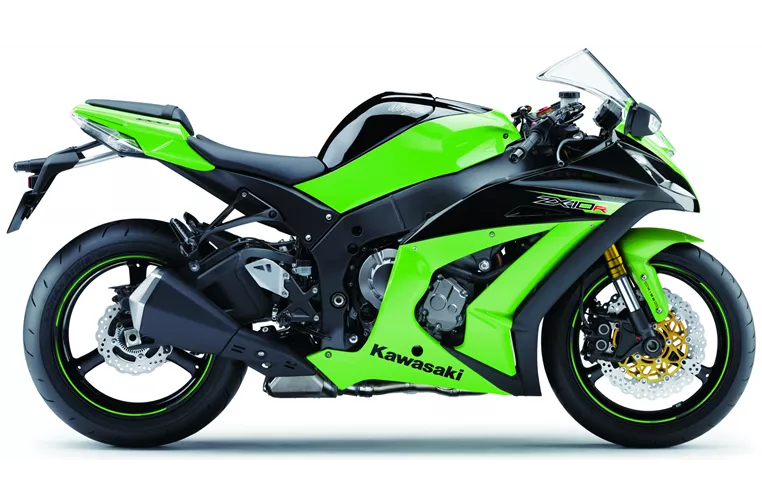
Kawasaki Ninja ZX-10R 2013
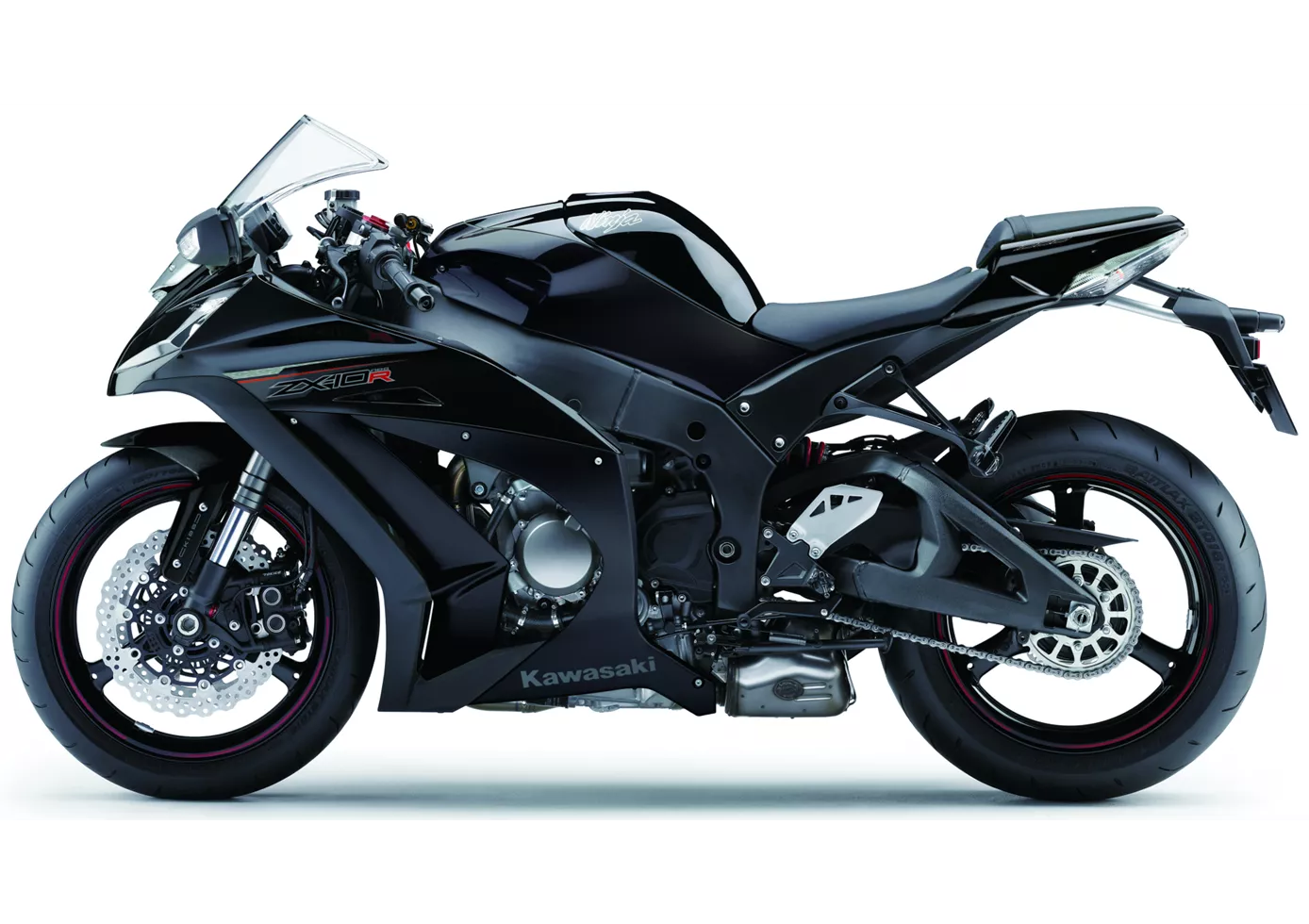
The ZX-10R was right in the middle during the test. It was not as fast and radical as the R1, Panigale, BMW and Aprilia. But it was also sportier than the Honda and Suzuki. While Honda and Suzuki would need completely new bikes to catch up with the top, Kawasaki would only have to give the ZX-10R a small update. But satisfied ZX-10R riders need not despair. The gap to the top is small enough to catch up with a few accessories. Because the ZX-10R has one decisive advantage. It has been on the market for a long time and there are enough parts available, including the necessary setup information. If you don't want to get involved in any experiments, take a Kawasaki and with a few simple steps you will also be at the top.
Price Comparison Average Market Price BMW S 1000 RR vs Kawasaki Ninja ZX-10R
There are a few key differences between a BMW S 1000 RR 2019 and a Kawasaki Ninja ZX-10R 2013. There are the same number of bikes of both models available on the 1000PS.de marketplace, specifically 11. It takes less time to sell a BMW S 1000 RR with 63 days compared to 120 days for a Kawasaki Ninja ZX-10R. Since model year 2010 1000PS.de editors have written 135 reviews for the BMW S 1000 RR and 51 reviews for the Kawasaki Ninja ZX-10R since model year 2005. The first review for the BMW S 1000 RR was published on 4/16/2008 and now has more than 4,000 views. This compares to more than 2,900 views for the first review on Kawasaki Ninja ZX-10R published on 1/11/2004.