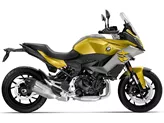
BMW R 1300 GS 2024 vs. Suzuki V-Strom 1000 2017

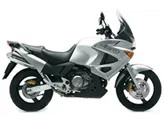
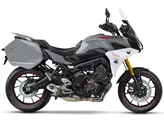
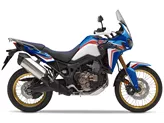
BMW R 1300 GS 2024
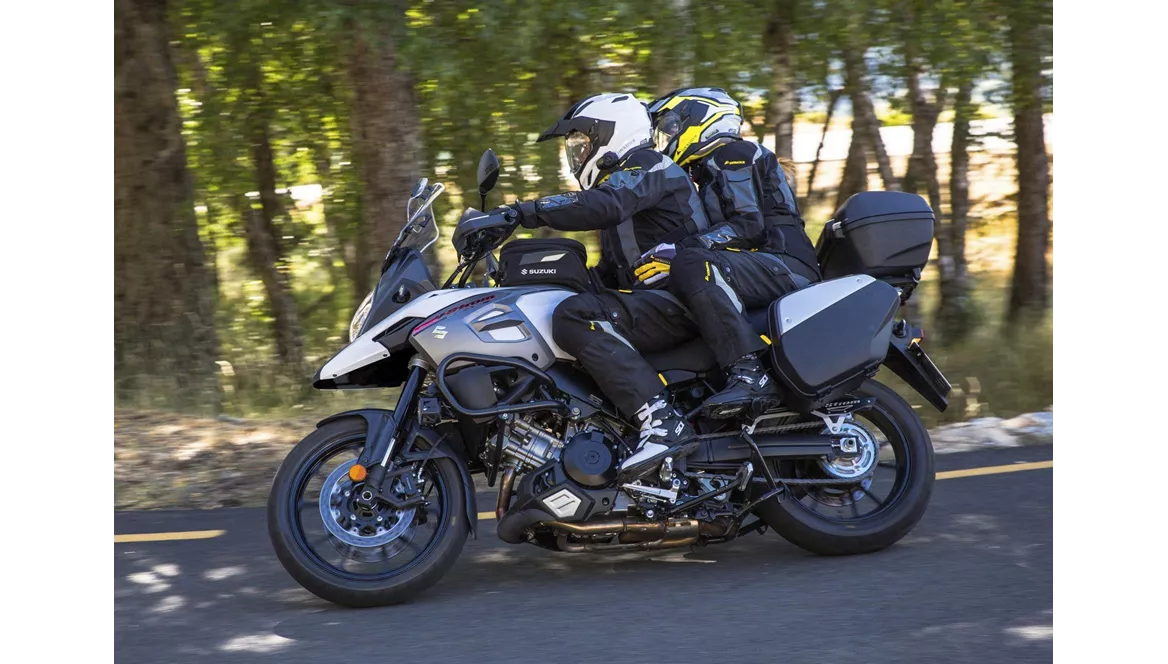
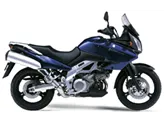
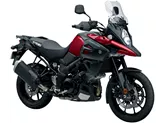
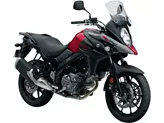
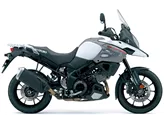
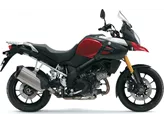
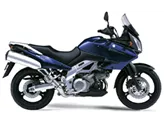
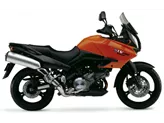
Suzuki V-Strom 1000 2017
Overview - BMW R 1300 GS 2024 vs Suzuki V-Strom 1000 2017
The BMW R 1300 GS 2024 and the Suzuki V-Strom 1000 2017 are both enduro motorcycles with their own unique features and strengths.
Starting with the BMW R 1300 GS 2024, it boasts a powerful engine with excellent response behavior, providing a thrilling riding experience. It also offers very good traction and stable handling, making it both agile and cornering-friendly. The motorbike has a practical configuration with options for customization, and the handguards provide surprisingly good wind protection. Even with minimal equipment, the bike appears compact and sporty. It also features well-integrated radar cruise control and an understandable operating concept with an easy-to-read display. The BMW R 1300 GS 2024 offers a wide range of ergonomic customization options, powerful brakes, and a precise gearbox. Despite its high torque, the bike maintains accessible driving behavior. Additionally, it has a well-functioning and unobtrusively integrated emergency call system.

BMW R 1300 GS 2024
On the other hand, the Suzuki V-Strom 1000 2017 also has its own set of strengths. It has a powerful engine and good brakes with lean angle ABS. The bike features a Combined Brake System and traction control, ensuring safety during rides. The chassis is stable yet comfortable, making it suitable for touring. It also provides good wind protection and has a complete set of instruments, including a gear indicator. Additionally, the bike comes with a 12-volt socket in the cockpit area, hand protectors, and an engine guard as standard. The Suzuki V-Strom 1000 2017 offers all these features at a reasonable price.
However, both motorcycles also have their weaknesses. The BMW R 1300 GS 2024 does not offer every desired configuration option, sometimes requiring the selection of unnecessary extras. While the suspension works at a high level, it lacks flawless response behavior and a wide adjustment range. The Front Collision Warning (FCW) system can trigger annoying false alarms during rough everyday driving, and a very sporty riding style may result in a slight rolling motion in the vehicle. Additionally, the bike may appear too compact for tall riders, especially from the rear, and the ABS system provides too much feedback into the brake lever during sporty riding.
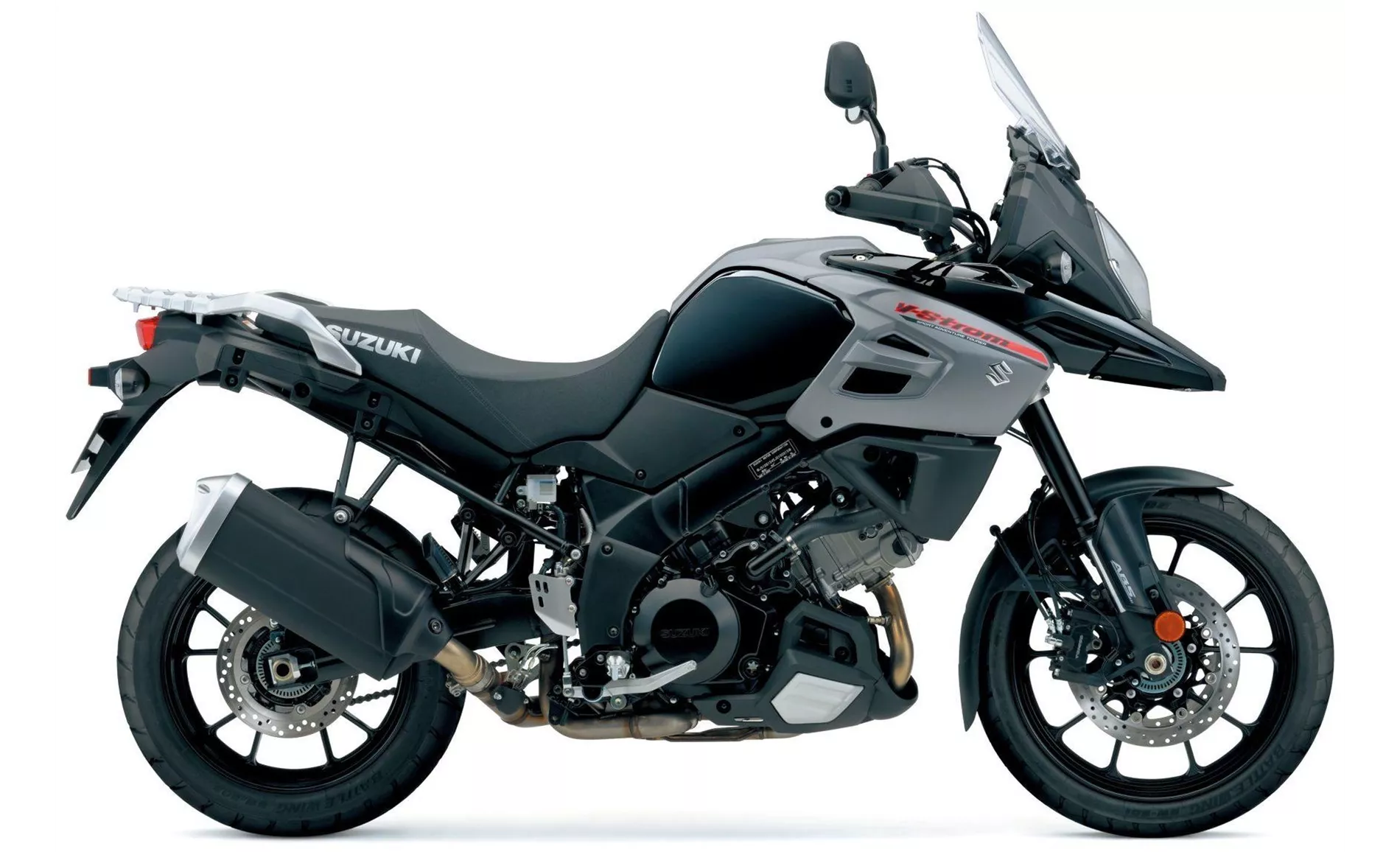
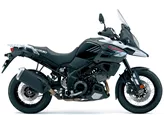
Suzuki V-Strom 1000 2017
On the other hand, the Suzuki V-Strom 1000 2017 has a noticeable set-up torque when braking in curves, which can be a disadvantage for some riders.
In conclusion, both the BMW R 1300 GS 2024 and the Suzuki V-Strom 1000 2017 have their own unique strengths and weaknesses. The BMW R 1300 GS 2024 offers a powerful engine, excellent traction, and stable handling, while the Suzuki V-Strom 1000 2017 provides a powerful engine, good brakes, and a comfortable chassis. Ultimately, the choice between the two will depend on the rider's preferences and priorities.
Technical Specifications BMW R 1300 GS 2024 compared to Suzuki V-Strom 1000 2017

Pros and Cons in comparison
Pros and Cons in comparison
BMW R 1300 GS 2024

BMW has developed the new R 1300 GS drawing on a wealth of experience and expertise, which is evident in its advanced technology and versatility. The model appeals to both experienced and new riders, offering an impressive combination of power, comfort and state-of-the-art features. It is a successful blend of compactness, power and luxury that performs equally well both off-road and on the road.
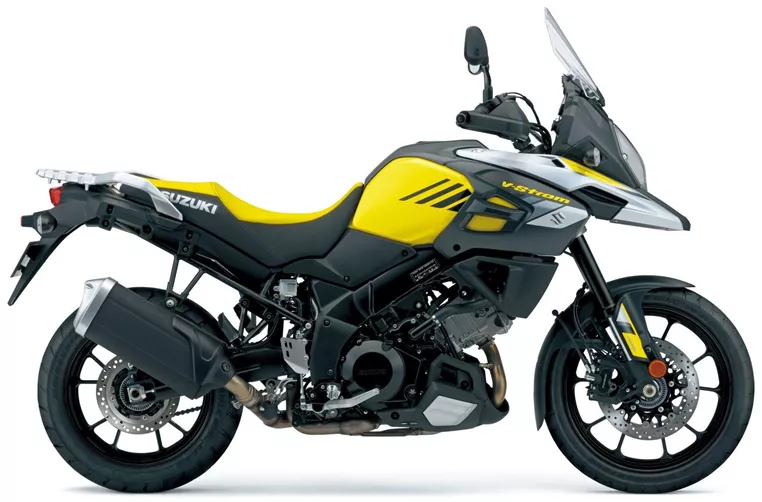
Suzuki V-Strom 1000 2017
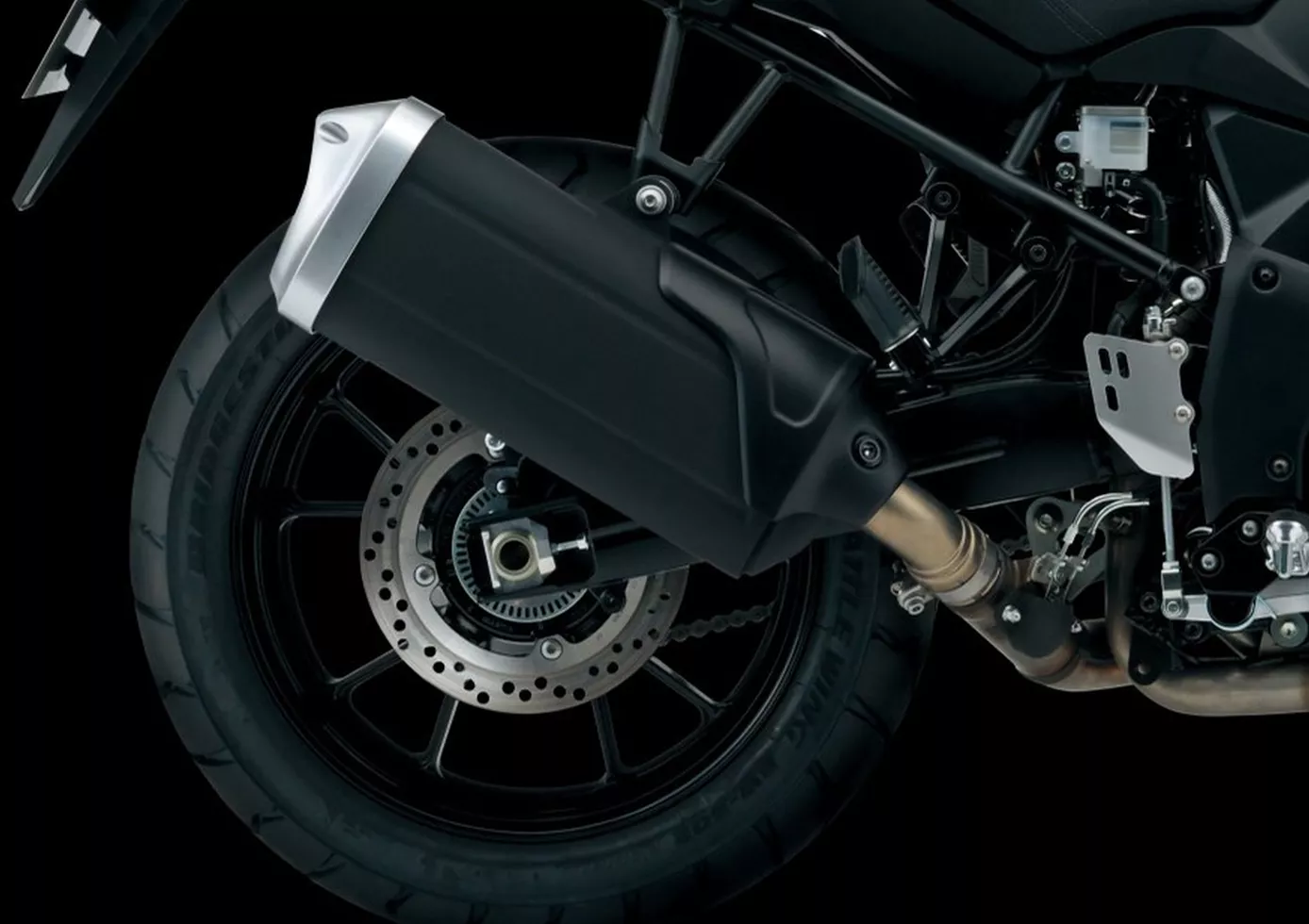
Even though Suzuki may not have put as much work into the development of the V-Strom as its competitors in touring enduros, the Suzuki can use this circumstance to its advantage. In a world with extensive electronics packages, it still looks very purist in the 2019 model year, with only the cornering ABS hinting at innovation. Many customers want a simple motorbike, and the V-Strom 1000 appeals to precisely this target group. Its lusty V2 exudes endless character and, thanks to years of testing, is a bulletproof companion. Combined with the potent chassis and relaxed seating position, the Suzuki V-Strom 1000 gives you a sporty touring enduro that stands up to the digitalisation of motorbikes in today's world.
Price Comparison Average Market Price BMW R 1300 GS vs Suzuki V-Strom 1000
There are a few key differences between a BMW R 1300 GS 2024 and a Suzuki V-Strom 1000 2017. In terms of price, the actual average price of a BMW R 1300 GS 2024 is about 152% higher. Compared to Suzuki V-Strom 1000 2017 there are less BMW R 1300 GS 2024 bikes available on the 1000PS.de Marketplace, specifically 4 compared to 10. It takes less time to sell a BMW R 1300 GS with 15 days compared to 105 days for a Suzuki V-Strom 1000. Since model year 2024 1000PS.de editors have written 11 reviews for the BMW R 1300 GS and 40 reviews for the Suzuki V-Strom 1000 since model year 2005. The first review for the BMW R 1300 GS was published on 9/28/2023 and now has more than 49,900 views. This compares to more than 6,300 views for the first review on Suzuki V-Strom 1000 published on 7/23/2002.