Yamaha FZ-8N 2010 vs. Honda CB 1000 R 2018
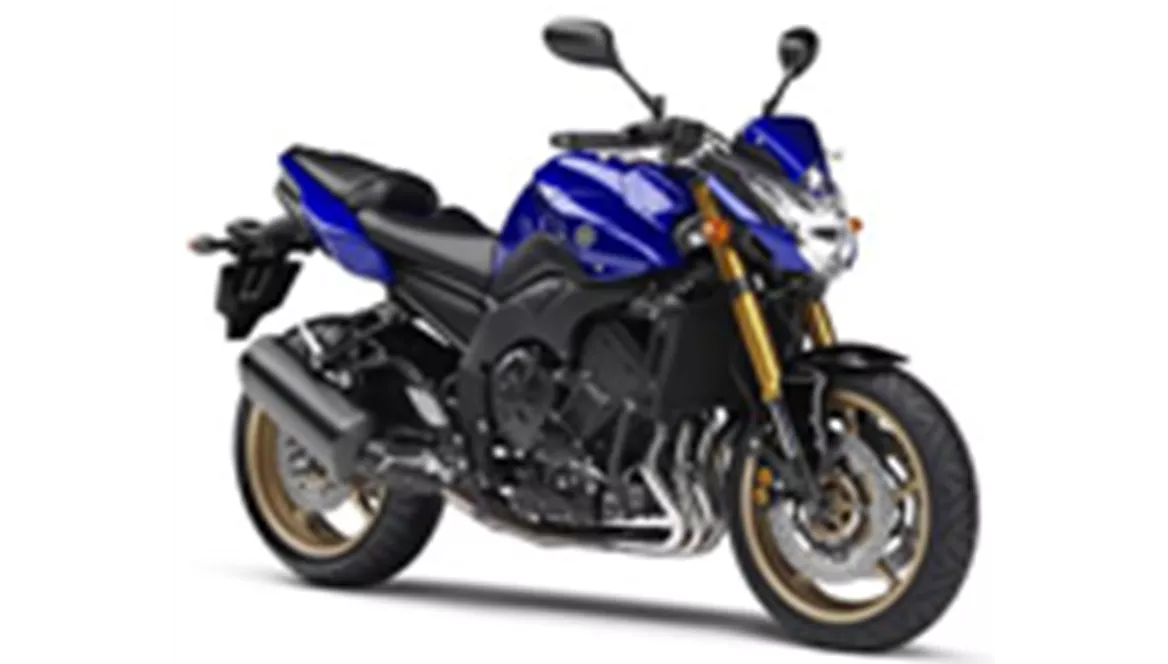
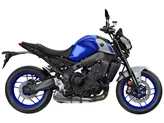
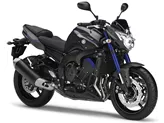
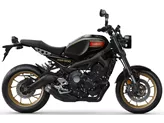
Yamaha FZ-8N 2010
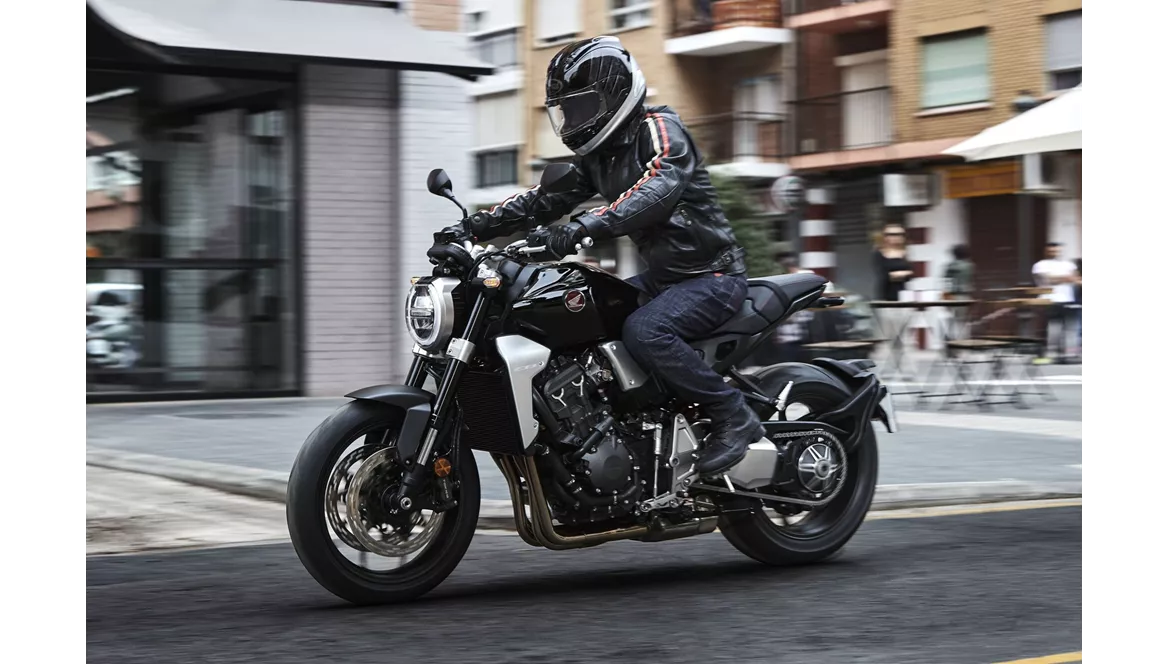
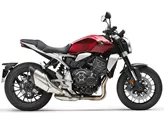
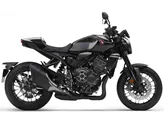
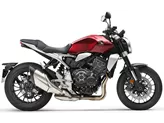
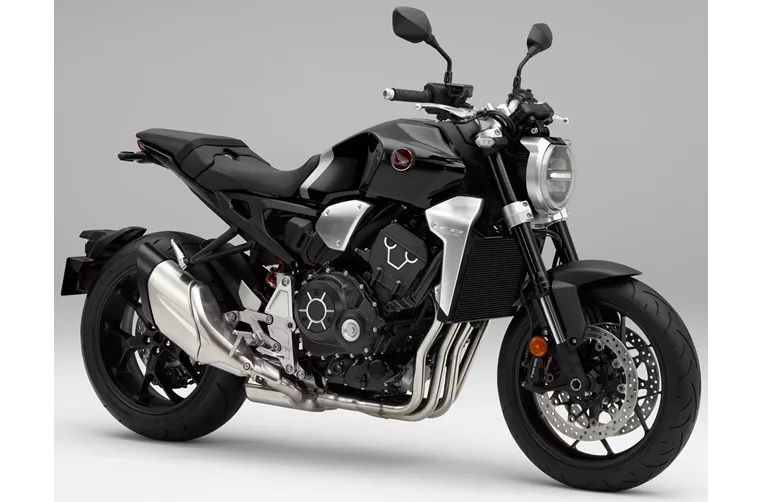
Honda CB 1000 R 2018
Overview - Yamaha FZ-8N 2010 vs Honda CB 1000 R 2018
The Yamaha FZ-8N 2010 and the Honda CB 1000 R 2018 are both naked bikes that offer powerful engine performance and sporty handling. However, there are some notable differences between the two models.
In terms of engine power, the Yamaha FZ-8N 2010 has a 106 HP engine, while the Honda CB 1000 R 2018 boasts a more powerful 145 HP engine. This means that the Honda CB 1000 R 2018 has a significant advantage in terms of acceleration and top speed.
Both bikes have a liquid-cooled, 4-cylinder engine, which ensures efficient cooling and optimal performance. They also feature upside-down telescopic forks for the front suspension and a monoshock for the rear suspension, providing a comfortable and responsive ride.
The Yamaha FZ-8N 2010 has a Deltabox frame, while the Honda CB 1000 R 2018 features a backbone frame. Both frames are designed to provide stability and control, but the Deltabox frame on the Yamaha may offer slightly better handling in corners.
Yamaha FZ-8N 2010
In terms of braking, both bikes are equipped with double disc brakes at the front. However, the Honda CB 1000 R 2018 offers additional rider assistance systems such as ABS, riding modes, ride by wire, and traction control. These features enhance safety and provide a more customizable riding experience.
In terms of dimensions and weights, the Yamaha FZ-8N 2010 has a front tire width of 120 mm and a rear tire width of 180 mm. The Honda CB 1000 R 2018 has a slightly wider rear tire at 190 mm. Both bikes have a wheelbase of around 1450-1460 mm, providing stability and maneuverability.
The seat height of the Yamaha FZ-8N 2010 is 815 mm, while the Honda CB 1000 R 2018 has a slightly higher seat height of 830 mm. This may be a consideration for shorter riders who may find it easier to handle the Yamaha.
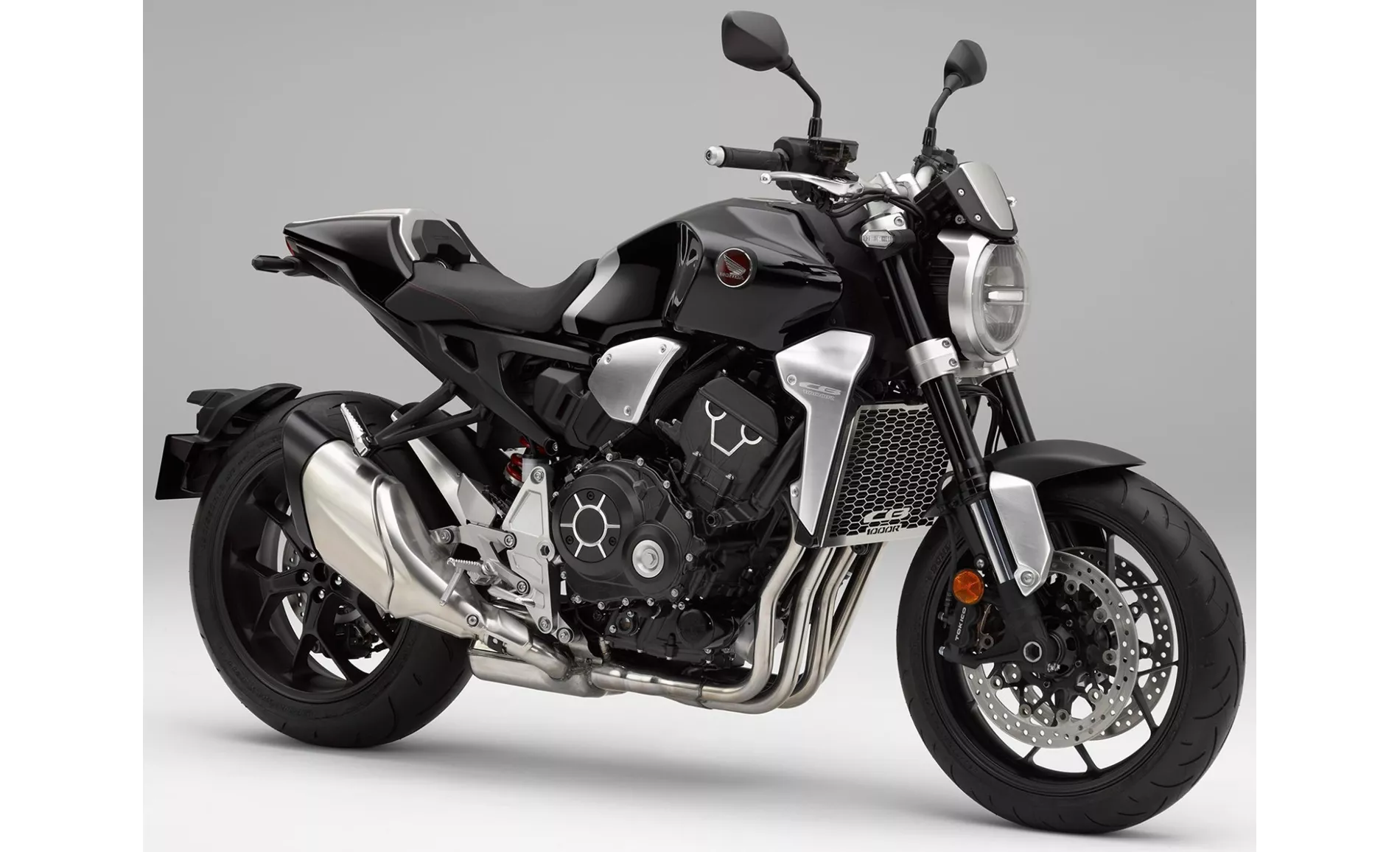
Honda CB 1000 R 2018
In terms of fuel tank capacity, the Yamaha FZ-8N 2010 has a 17-liter tank, while the Honda CB 1000 R 2018 has a slightly smaller 16.2-liter tank. This means that the Yamaha may offer a slightly longer range between refueling stops.
In terms of strengths, the Yamaha FZ-8N 2010 is praised for its sporty engine performance, beefy appearance, pleasant driving feel, and relatively fast speed. On the other hand, the Honda CB 1000 R 2018 is lauded for its fabulous response in every engine situation, comfortable and sporty feel, precise and smooth transmission, precise lines due to its immaculate drive unit and good chassis, and high-quality details.
As for weaknesses, the Yamaha FZ-8N 2010 is criticized for its visually unappealing exhaust canister. The Honda CB 1000 R 2018 has a display that may not be perfectly readable in direct sunlight, and taller riders may experience space problems with their knees at the tank, so it is recommended to try it out before purchasing.
In conclusion, while both the Yamaha FZ-8N 2010 and the Honda CB 1000 R 2018 are powerful naked bikes, the Honda offers a more advanced rider assistance system and slightly better overall performance. However, personal preferences and specific needs should be taken into consideration when choosing between the two models.
Technical Specifications Yamaha FZ-8N 2010 compared to Honda CB 1000 R 2018
Pros and Cons in comparison
Pros and Cons in comparison
Yamaha FZ-8N 2010
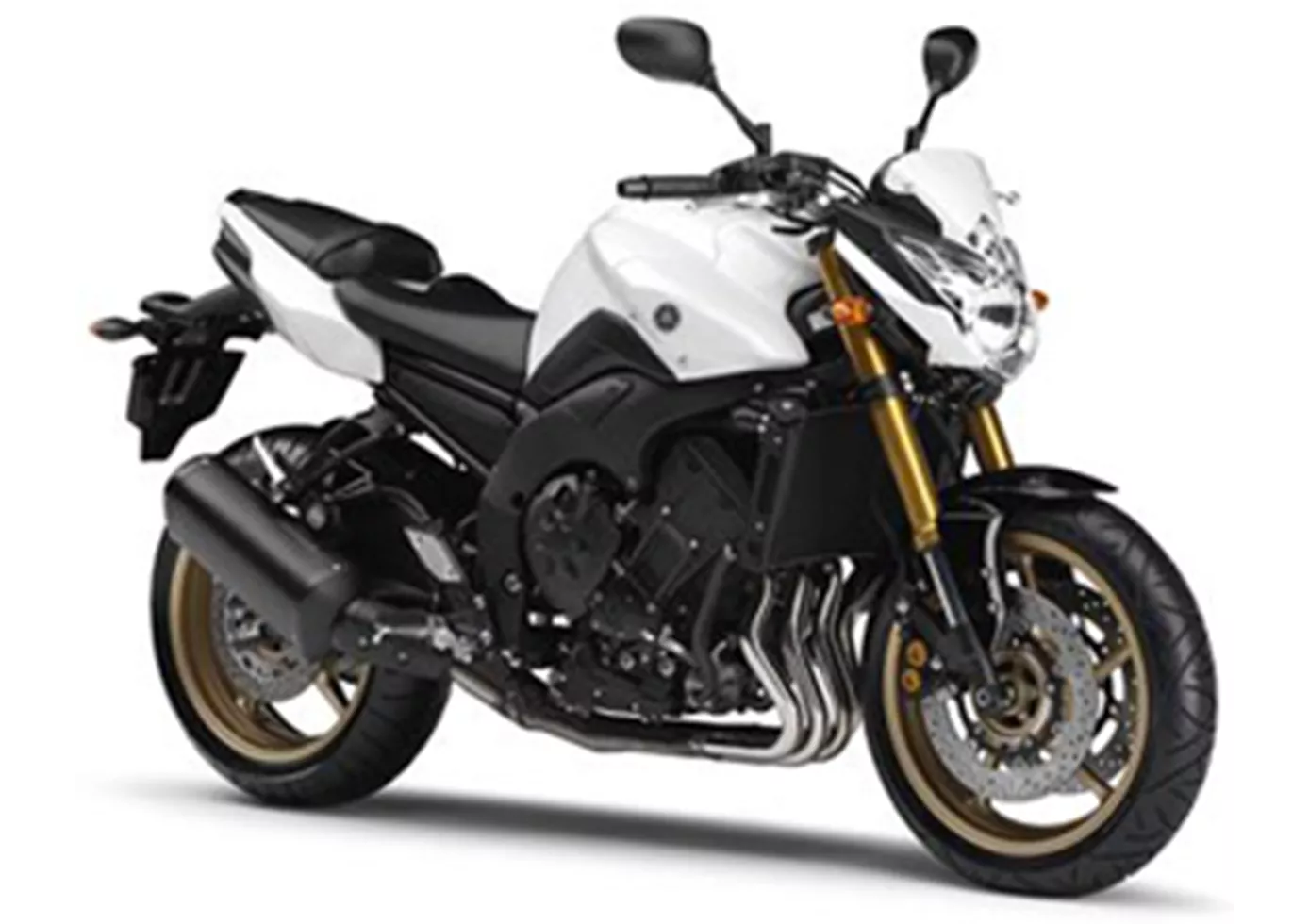
Freely following the philosophical-optimistic view that the glass is not half empty but half full, at Yamaha you don't have to decide AGAINST two, but FOR one. In any case, the FZ8 has enough potential to become the golden mean in the circle of free-body bikes.
Honda CB 1000 R 2018
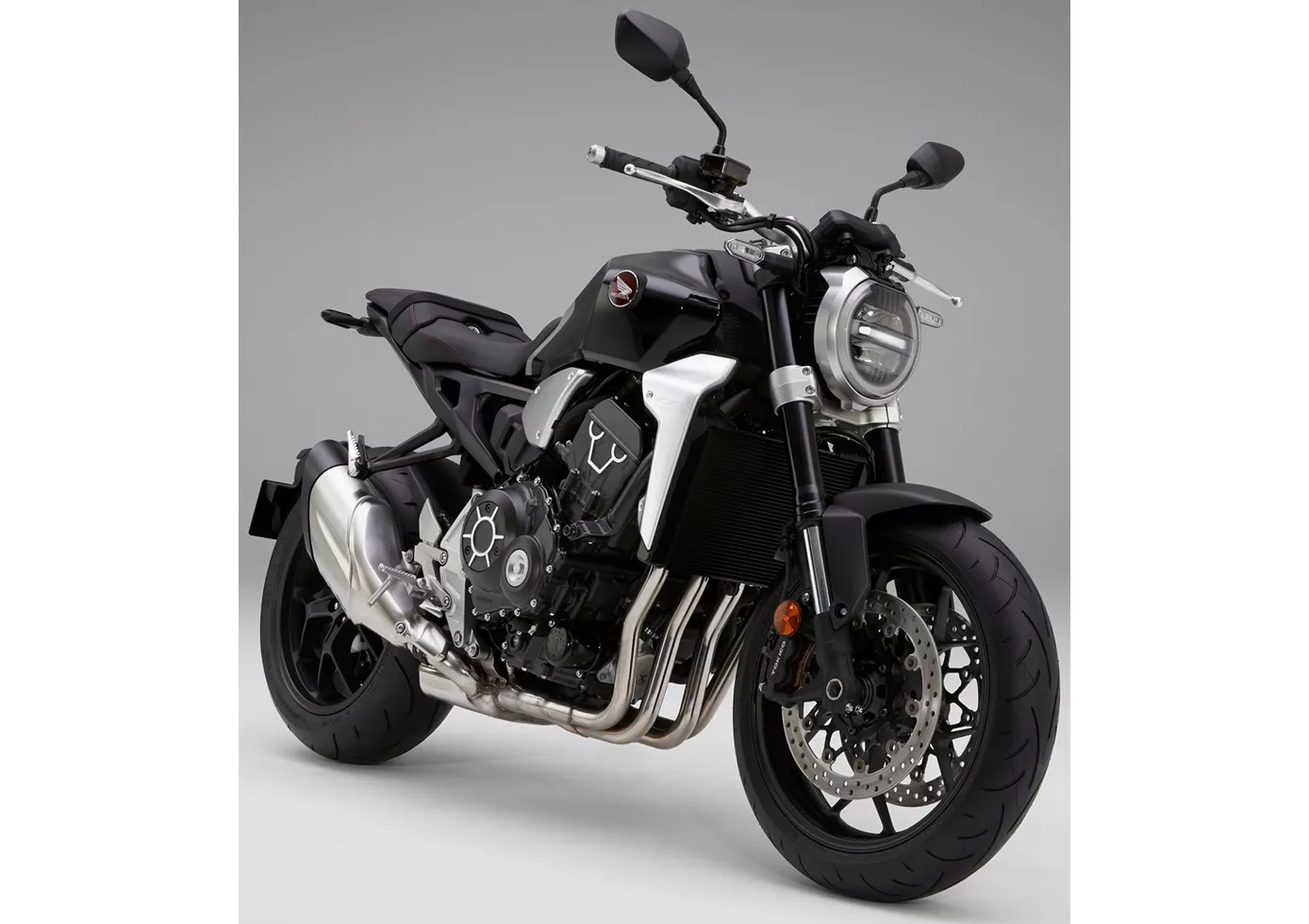
The 1-litre version of the Neo Sport Cafe Racer shows that it doesn't always have to be the golden mean. In all honesty, it has to be said that the largest of all the representatives also feels the most "grown-up". The electronic equipment of the 1000 in the + version leaves almost nothing to be desired and the handling is extremely rider-friendly for this class. Playfully easy cornering with a well-tuned chassis, snappy brakes and low weight seem to be the recipe for success in terms of smoothness. In terms of performance, the CB1000R+ unfortunately has to make concessions. With 145 hp, the Honda is not a brute rocket, but it is all the more controllable for it. And 145 hp with a full tank of 213 kg is more than enough for maximum riding pleasure on country roads!
Price Comparison Average Market Price Yamaha FZ-8N vs Honda CB 1000 R
There are a few key differences between a Yamaha FZ-8N 2010 and a Honda CB 1000 R 2018. It takes less time to sell a Yamaha FZ-8N with 57 days compared to 113 days for a Honda CB 1000 R. Since model year 2010 1000PS.de editors have written 11 reviews for the Yamaha FZ-8N and 42 reviews for the Honda CB 1000 R since model year 2008. The first review for the Yamaha FZ-8N was published on 1/27/2010 and now has more than 8,200 views. This compares to more than 10,400 views for the first review on Honda CB 1000 R published on 11/6/2007.