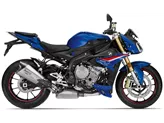
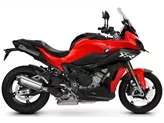
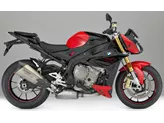
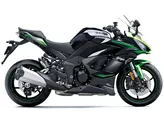
BMW S 1000 R 2015 vs. BMW S 1000 XR 2015
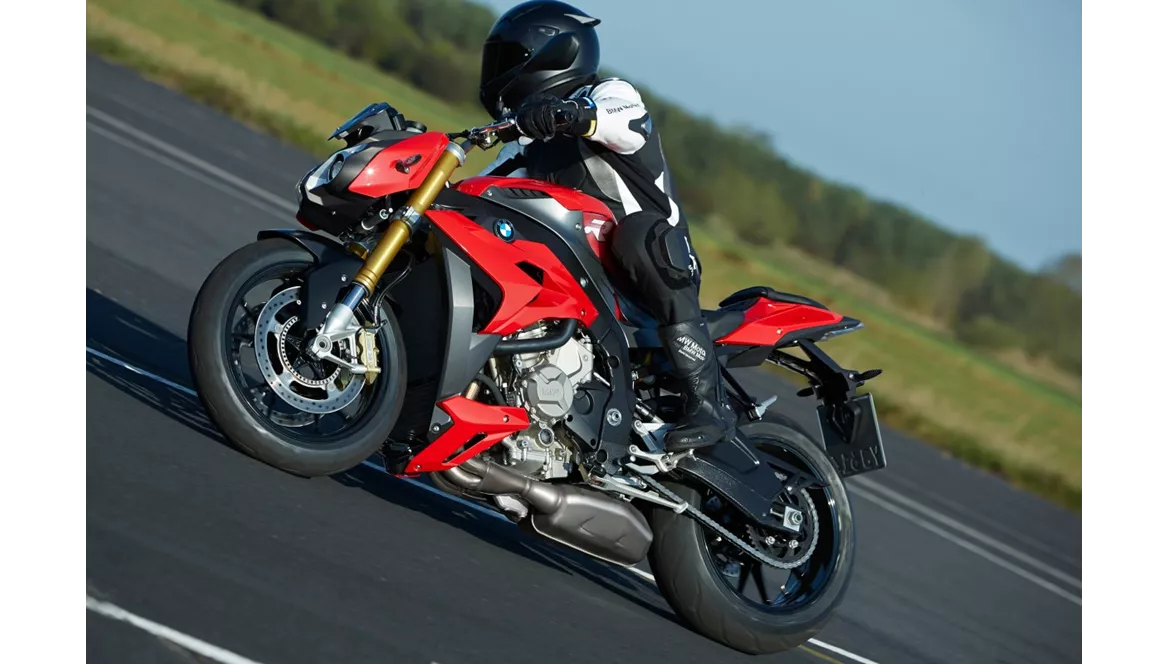
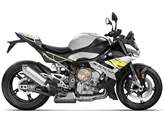
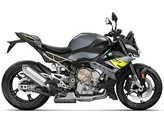
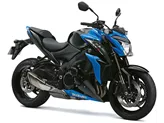
BMW S 1000 R 2015
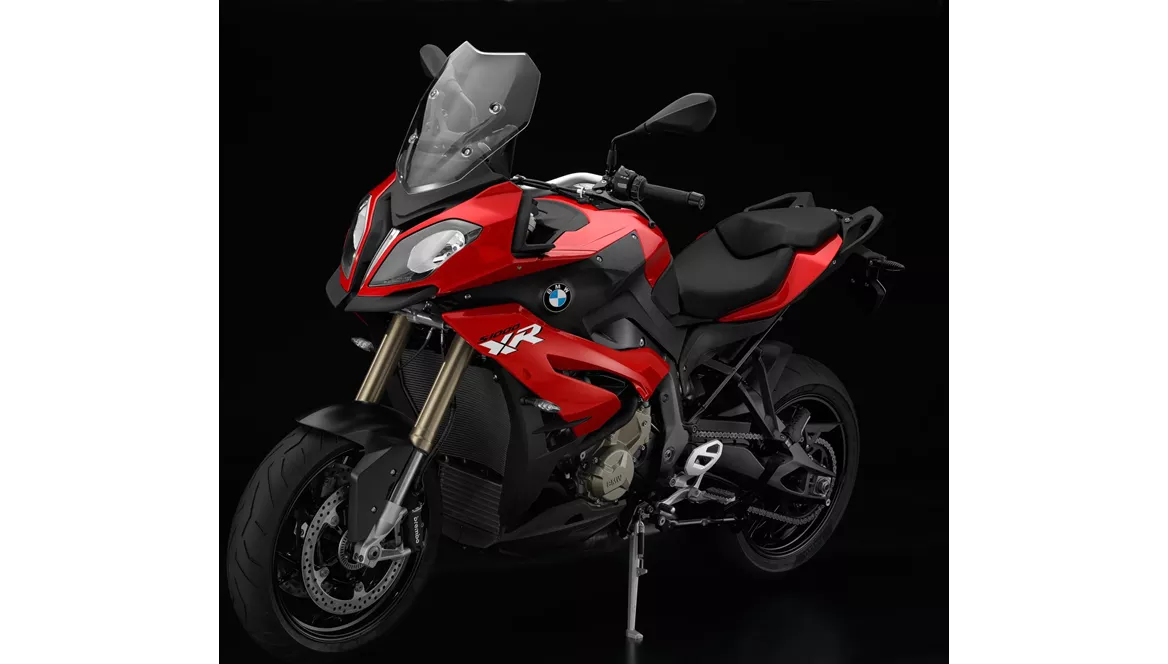
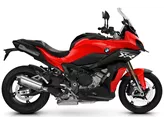
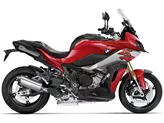
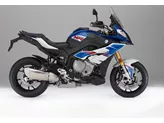
BMW S 1000 XR 2015
Overview - BMW S 1000 R 2015 vs BMW S 1000 XR 2015
The BMW S 1000 R 2015 and the BMW S 1000 XR 2015 are both powerful motorcycles with similar technical specifications. They both have an in-line, 4-stroke engine with a displacement of 999cc and an engine power of 160 HP. The torque is also the same at 112 Nm. Both bikes have a chain transmission and 4 cylinders.
In terms of suspension, the BMW S 1000 R 2015 has an upside-down telescopic fork at the front and a swing arm suspension at the rear. On the other hand, the BMW S 1000 XR 2015 has a telescopic fork at the front and a swing arm suspension at the rear. Both bikes have an aluminum frame with a twin tube design.
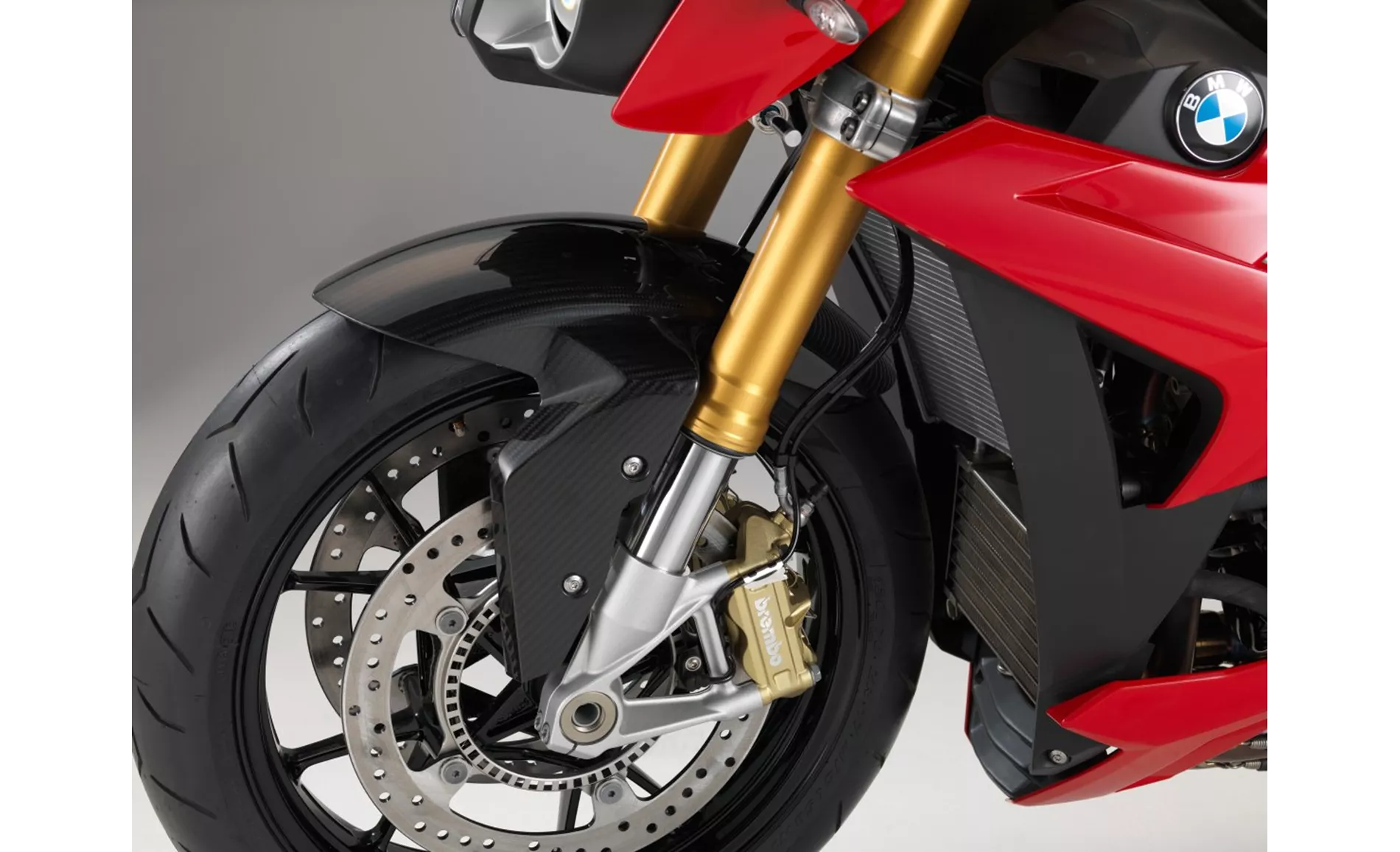
BMW S 1000 R 2015
The braking system on both bikes is also similar, with double disk brakes at the front and four pistons. The technology used is radial. The BMW S 1000 XR 2015 also has ABS and traction control as standard, providing advanced rider assistance systems.
In terms of dimensions and weights, the front and rear tire widths and diameters are the same for both bikes, with a width of 120mm and a diameter of 17 inches. However, the wheelbase and seat height differ. The BMW S 1000 R 2015 has a wheelbase of 1439mm and a seat height of 814mm, while the BMW S 1000 XR 2015 has a wheelbase of 1548mm and a seat height of 840mm. The kerb weight of the BMW S 1000 R 2015 is 207kg with ABS, while the BMW S 1000 XR 2015 is slightly heavier at 228kg with ABS. The fuel tank capacity of the BMW S 1000 R 2015 is 17.5 liters, while the BMW S 1000 XR 2015 has a larger capacity of 20 liters.
In terms of strengths, the BMW S 1000 R 2015 is praised for its powerful and well-controllable engine, powerful braking system, and comparatively comfortable seating position. On the other hand, the BMW S 1000 XR 2015 is praised for its sharp engine, cool design, high-quality workmanship, stable road holding, ABS and ASC standard, comfortable seat, and successful ergonomics even for tall riders.
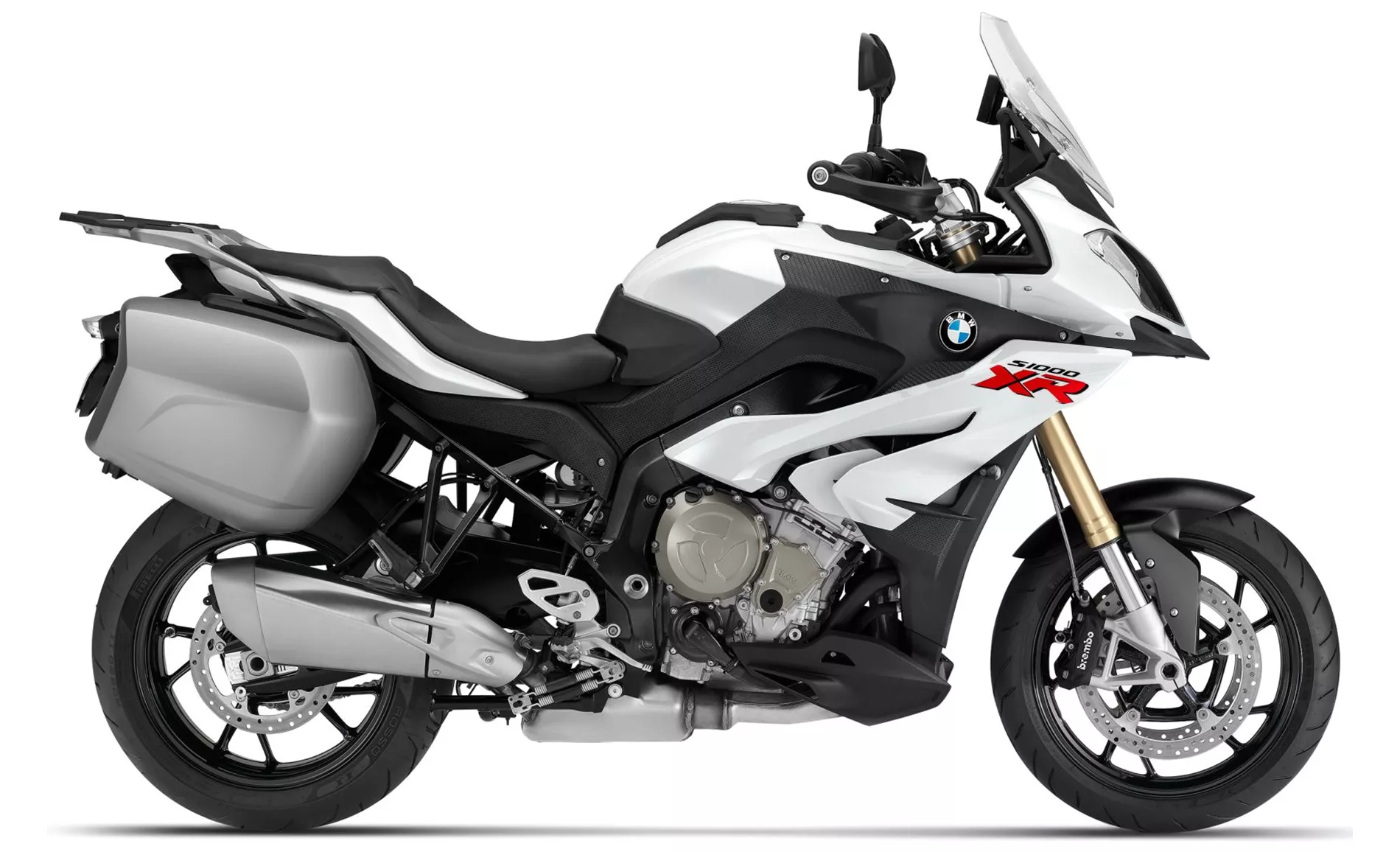
BMW S 1000 XR 2015
However, both bikes have their weaknesses. The BMW S 1000 R 2015 has expensive optional extras that may be irresistible but costly. It also has a hard chassis and vibrations in the handlebars. The BMW S 1000 XR 2015 experiences vibrations in the mid rev range, and the wind protection could be better. Additionally, some riders find the exhaust sound to be screeching.
In conclusion, both the BMW S 1000 R 2015 and the BMW S 1000 XR 2015 are powerful motorcycles with similar technical specifications. They have their strengths and weaknesses, with the BMW S 1000 R 2015 offering a more comfortable seating position and the BMW S 1000 XR 2015 providing ABS and traction control as standard. Riders should consider their preferences and priorities when choosing between the two models.
Technical Specifications BMW S 1000 R 2015 compared to BMW S 1000 XR 2015
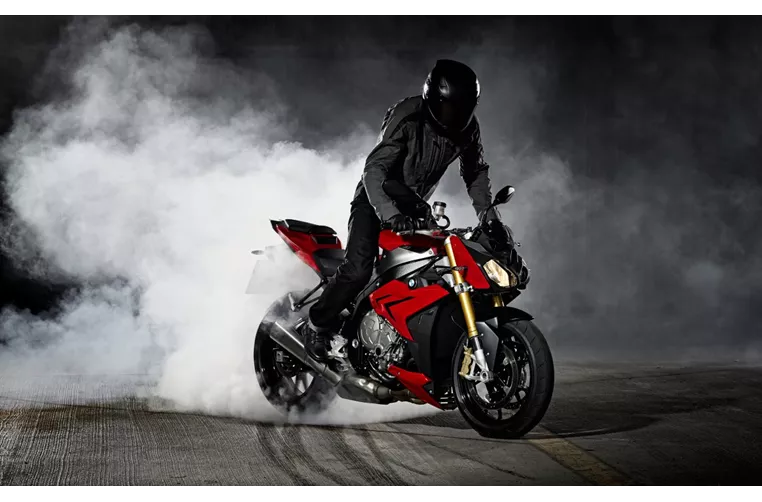
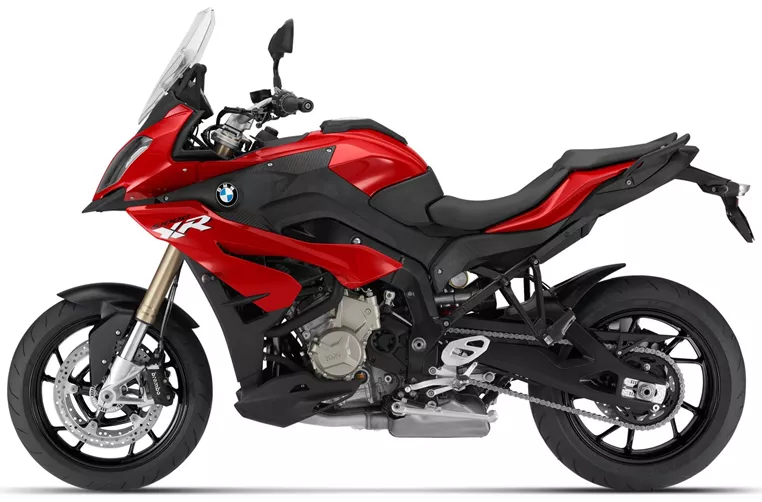
Pros and Cons in comparison
Pros and Cons in comparison
BMW S 1000 R 2015
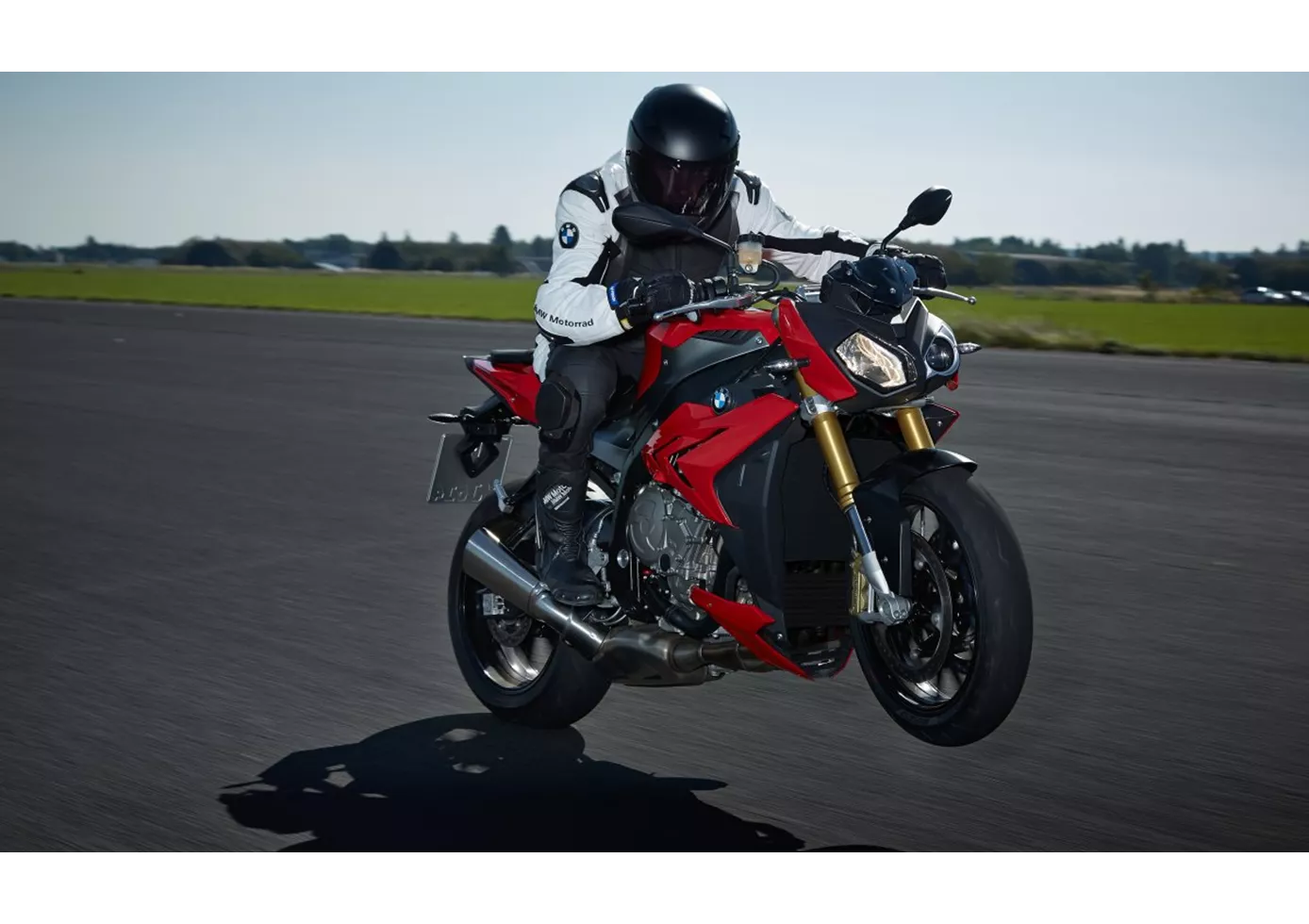
The BMW S 1000 R impresses across the board and is much more than just a naked version of the S 1000 RR. With its own character, more torque in the mid-range and first-class electronics, it sets new standards in the high-performance Naked segment. The overall package of brutal performance, excellent suspension and practical everyday use makes it one of the best naked bikes ever - and at a surprisingly fair price.
BMW S 1000 XR 2015
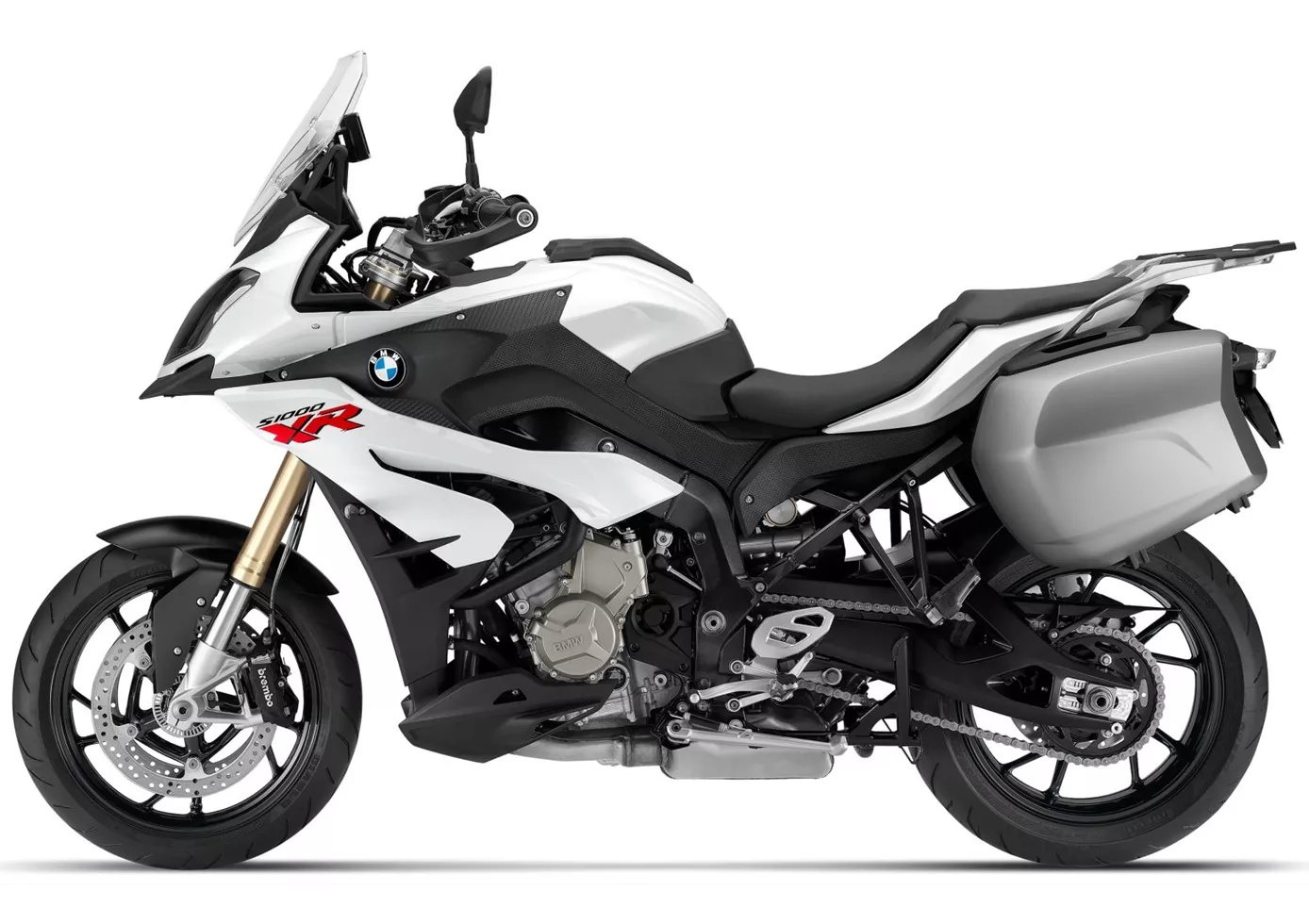
The S 1000 XR, with its now 165 hp Supersport power unit combined with the geometry and comfort of a Bigenduro, is one of the fastest motorbikes on the public road. The extensive range of accessories makes it even faster or even more comfortable, as required. However, with a seat height of 840 mm and a long crotch arch, it is only conditionally suitable for smaller riders. The 790 mm high seat, however, remedies this. The brakes are as strong as the engine, the XR convinces with precision and above all stability. Despite the insane performance, you feel well and safe, as you would expect from a BMW.
Price Comparison Average Market Price BMW S 1000 R vs BMW S 1000 XR
There are a few key differences between a BMW S 1000 R 2015 and a BMW S 1000 XR 2015. In terms of price, the actual average price of a BMW S 1000 XR 2015 is about 20% higher. A BMW S 1000 R 2015 experiences a loss of 250 USD in one year and 600 USD in two years of ownership. This is offset by a loss of 1,150 USD and 1,560 USD for a BMW S 1000 XR 2015. Compared to BMW S 1000 XR 2015 there are less BMW S 1000 R 2015 bikes available on the 1000PS.de Marketplace, specifically 12 compared to 16. It takes less time to sell a BMW S 1000 R with 61 days compared to 93 days for a BMW S 1000 XR. Since model year 2014 1000PS.de editors have written 62 reviews for the BMW S 1000 R and 40 reviews for the BMW S 1000 XR since model year 2015. The first review for the BMW S 1000 R was published on 11/3/2013 and now has more than 17,300 views. This compares to more than 16,000 views for the first review on BMW S 1000 XR published on 10/21/2014.