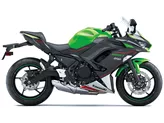
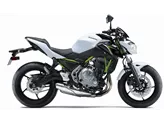
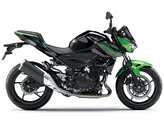
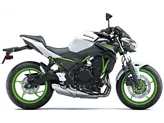
Kawasaki Z900 RS 2018 vs. Kawasaki Z650 2021
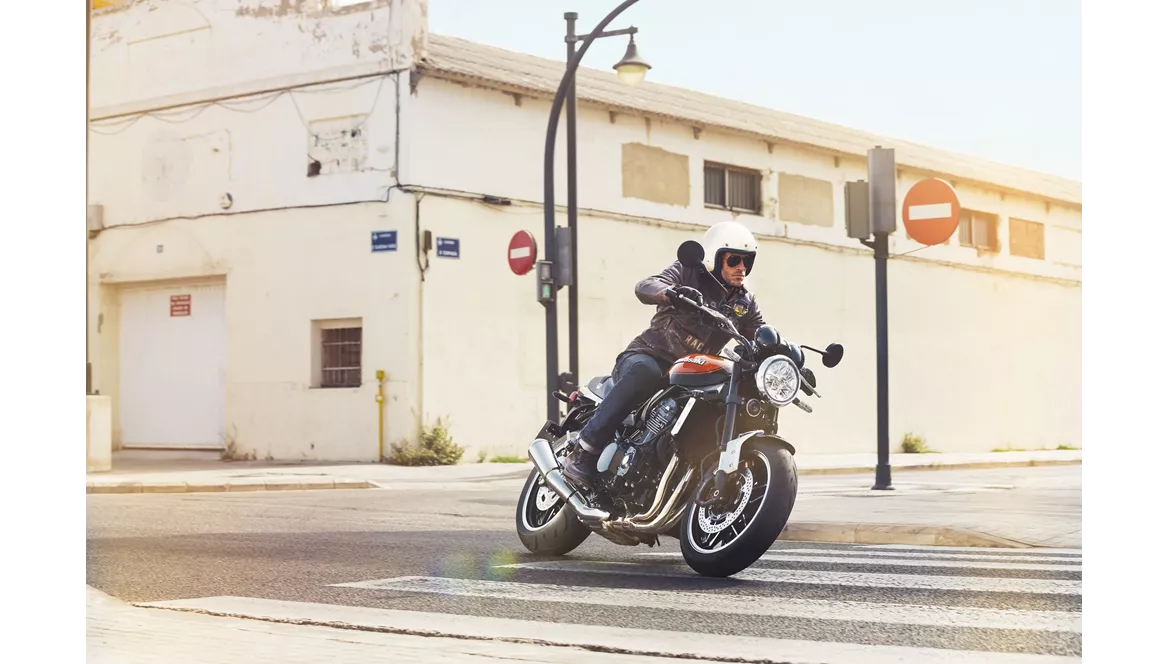
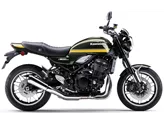
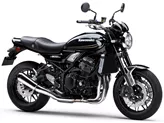
Kawasaki Z900 RS 2018
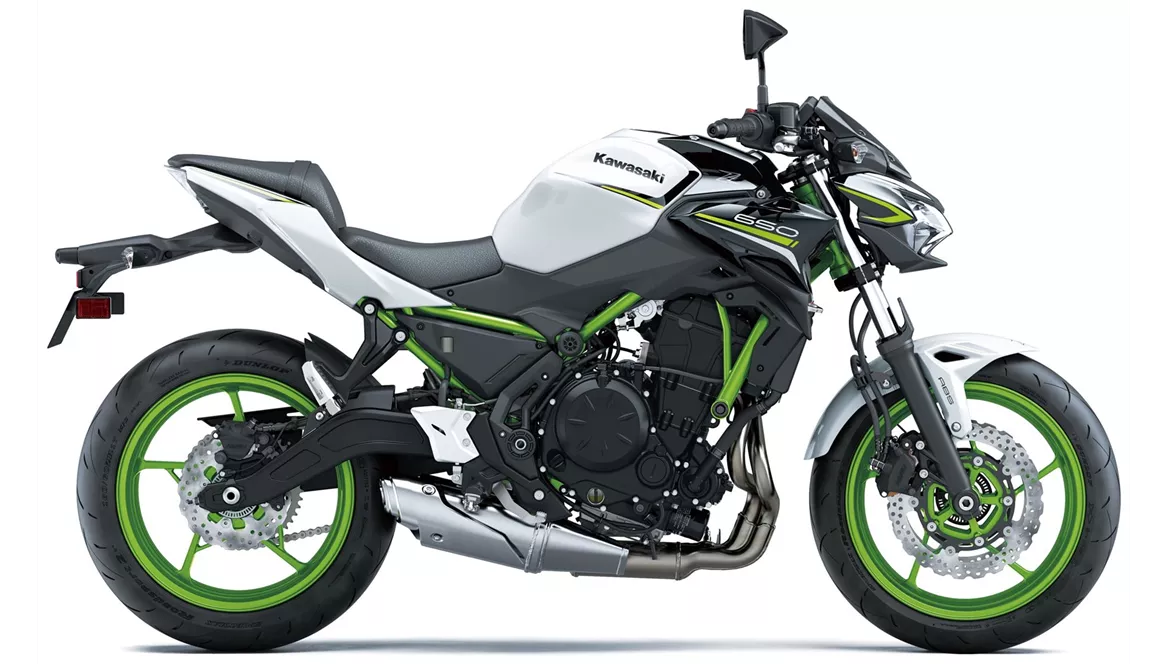
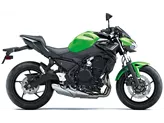
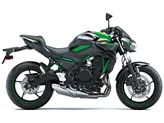
Kawasaki Z650 2021
Overview - Kawasaki Z900 RS 2018 vs Kawasaki Z650 2021
The Kawasaki Z900 RS 2018 and the Kawasaki Z650 2021 are both naked bikes from Kawasaki, but they have some key differences in terms of specifications and strengths.
Starting with the Kawasaki Z900 RS 2018, it is equipped with a powerful in-line four-cylinder engine that produces 111 HP of power and 98.6 Nm of torque. This engine delivers smooth and consistent power, making it a joy to ride. The bike also features advanced rider assistance systems such as ABS, Ride by Wire, and traction control, which enhance safety and control. The Z900 RS has a steel tubular frame, which provides stability and durability. It has a front suspension with upside-down telescopic forks and a rear suspension with a swing arm and monoshock. The bike has a wheelbase of 1470 mm and a seat height of 835 mm. It weighs 215 kg (with ABS) and has a fuel tank capacity of 17 liters.
The strengths of the Kawasaki Z900 RS 2018 include its powerful and smooth engine, attractive design, comfortable seating position, and balanced handling. The bike is easy to ride and offers a stable and controlled riding experience. It is not overly aggressive or heavy, striking a good balance between performance and comfort.
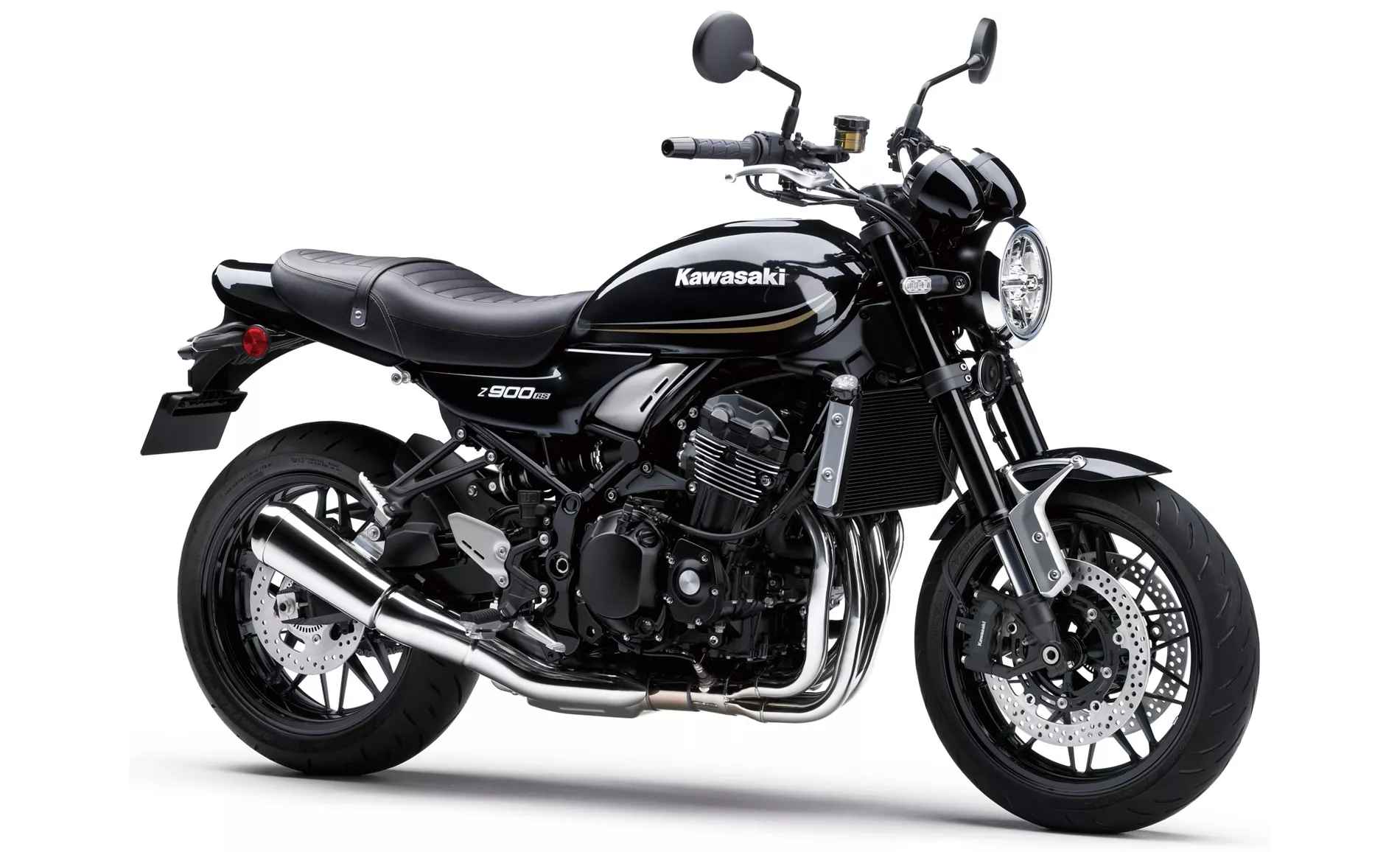
Kawasaki Z900 RS 2018
However, the Kawasaki Z900 RS 2018 does have some weaknesses. It lacks a shift assistant, which can be a drawback for riders who prefer quick and seamless gear shifts. The bike is also heavier than other retro bikes in its class, which can affect maneuverability. Additionally, the seat may be too soft for some riders on long tours, and there is no wind protection, which can be a disadvantage during high-speed rides.
Moving on to the Kawasaki Z650 2021, it is equipped with an in-line twin-cylinder engine that produces 68.2 HP of power and 65.7 Nm of torque. While it may not have the same power as the Z900 RS, it still offers a responsive and accessible riding experience. The bike features ABS as an advanced rider assistance system. It has a steel tubular frame and a front suspension with telescopic forks and a rear suspension with a swing arm and monoshock. The Z650 has a wheelbase of 1410 mm and a seat height of 790 mm. It weighs 187.1 kg (with ABS) and has a fuel tank capacity of 15 liters.
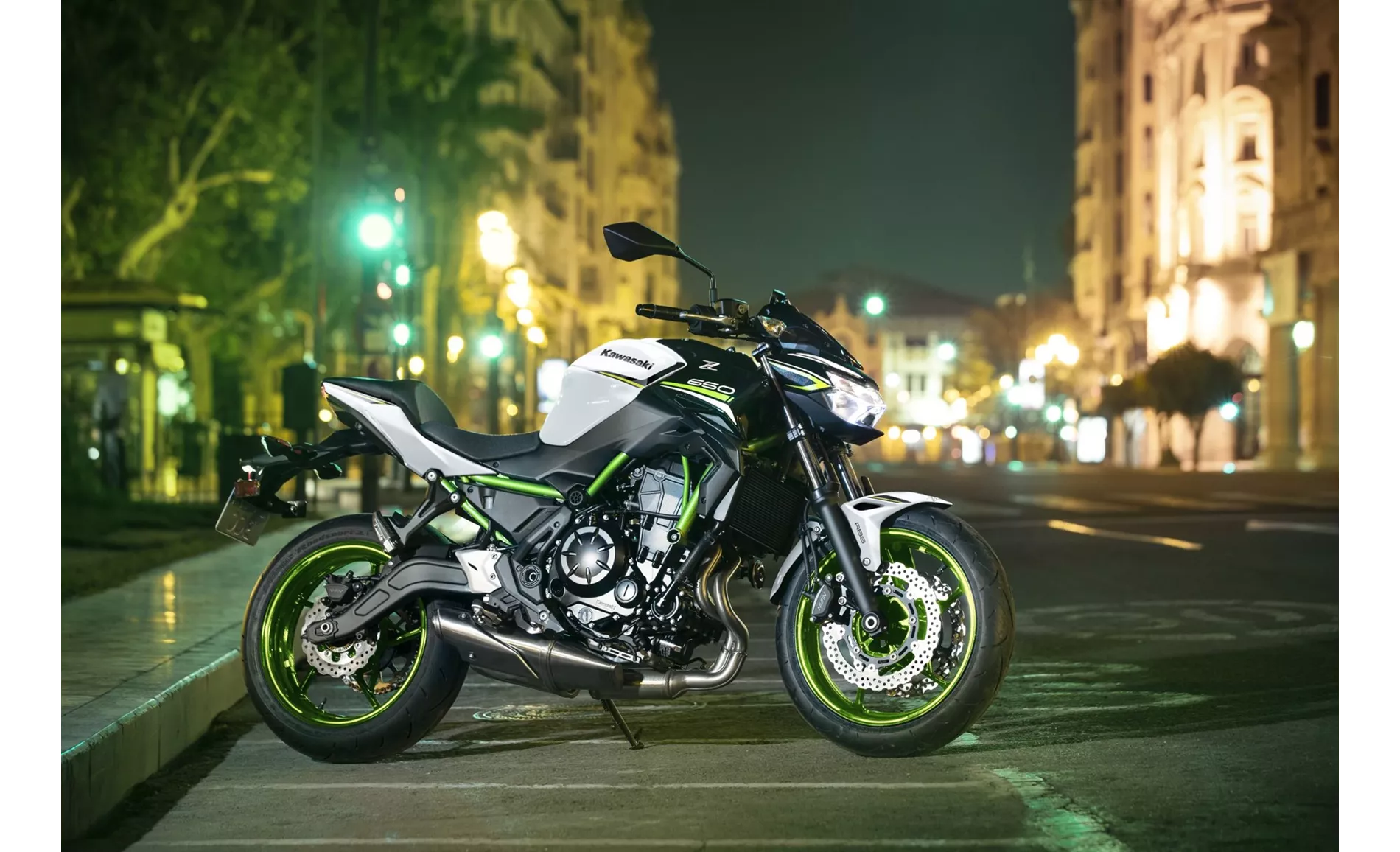
Kawasaki Z650 2021
The strengths of the Kawasaki Z650 2021 include its compact dimensions, low seat height, stable chassis, and a TFT display with connectivity. The bike is designed to be accessible and easy to handle, making it suitable for riders of all skill levels. It has a grown-up look, which can appeal to riders who prefer a more mature aesthetic.
However, the Kawasaki Z650 2021 does have some weaknesses. It may not be as comfortable for tall riders due to its compact dimensions and lower seat height. Additionally, the adrenaline level in the saddle may be lower compared to its competition, which could be a drawback for riders seeking a more exhilarating riding experience.
In conclusion, the Kawasaki Z900 RS 2018 and the Kawasaki Z650 2021 are both capable naked bikes with their own strengths and weaknesses. The Z900 RS offers a more powerful engine and a comfortable riding position, while the Z650 provides a more accessible and compact option. Ultimately, the choice between the two will depend on the rider's preferences and priorities.
Technical Specifications Kawasaki Z900 RS 2018 compared to Kawasaki Z650 2021
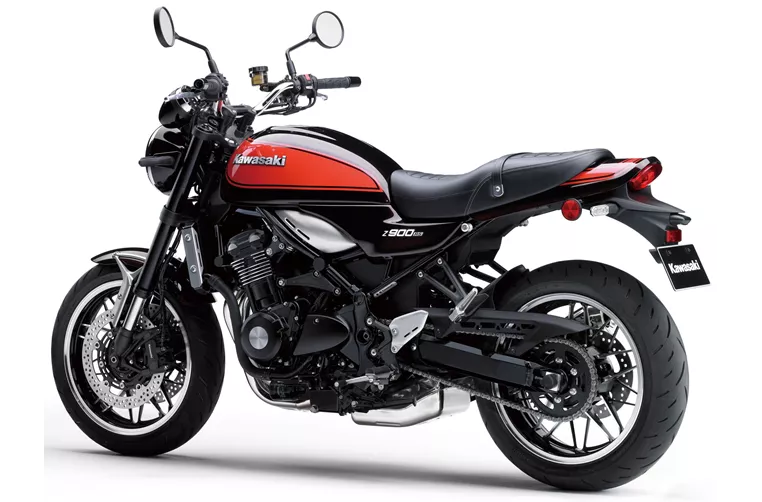
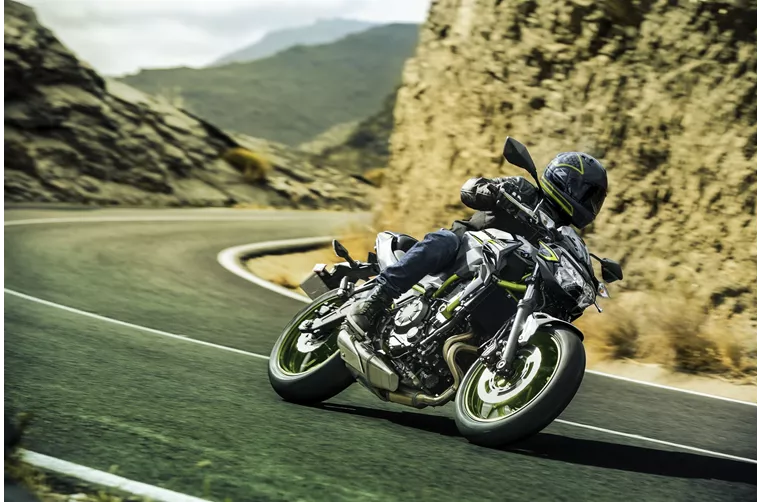
Pros and Cons in comparison
Pros and Cons in comparison
Kawasaki Z900 RS 2018
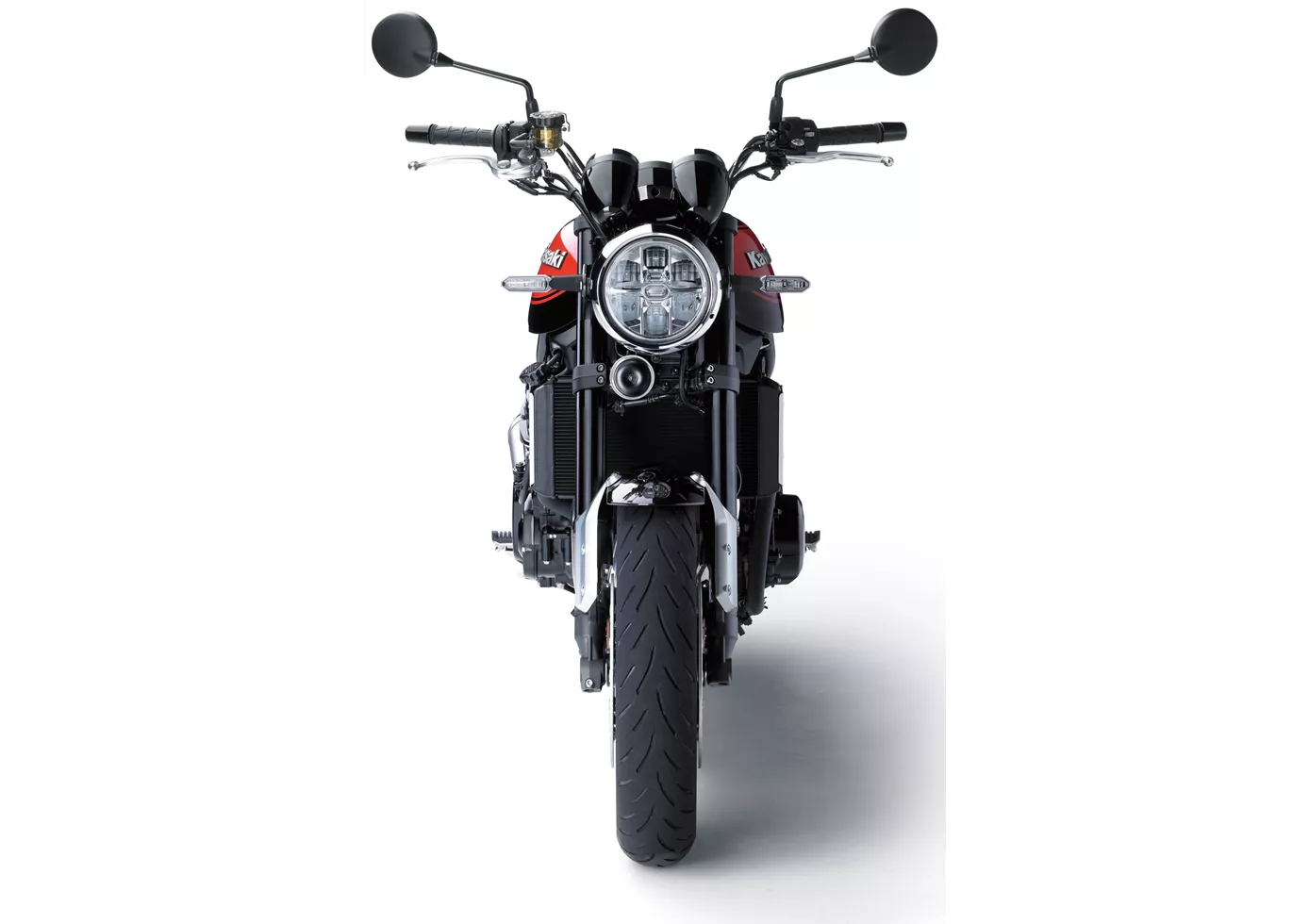
Its four-cylinder is silky smooth while delivering enough power to make you grin under your helmet. It is also very easy to move, which should make it a great commuter bike in everyday life and serve as an iconic fun bike at the weekend. The looks find the perfect straddle of classic design and modern details to form a coherent retro package that is also a worthy tribute to Kawasaki history. It's a great naked bike with a snazzy look.
Kawasaki Z650 2021
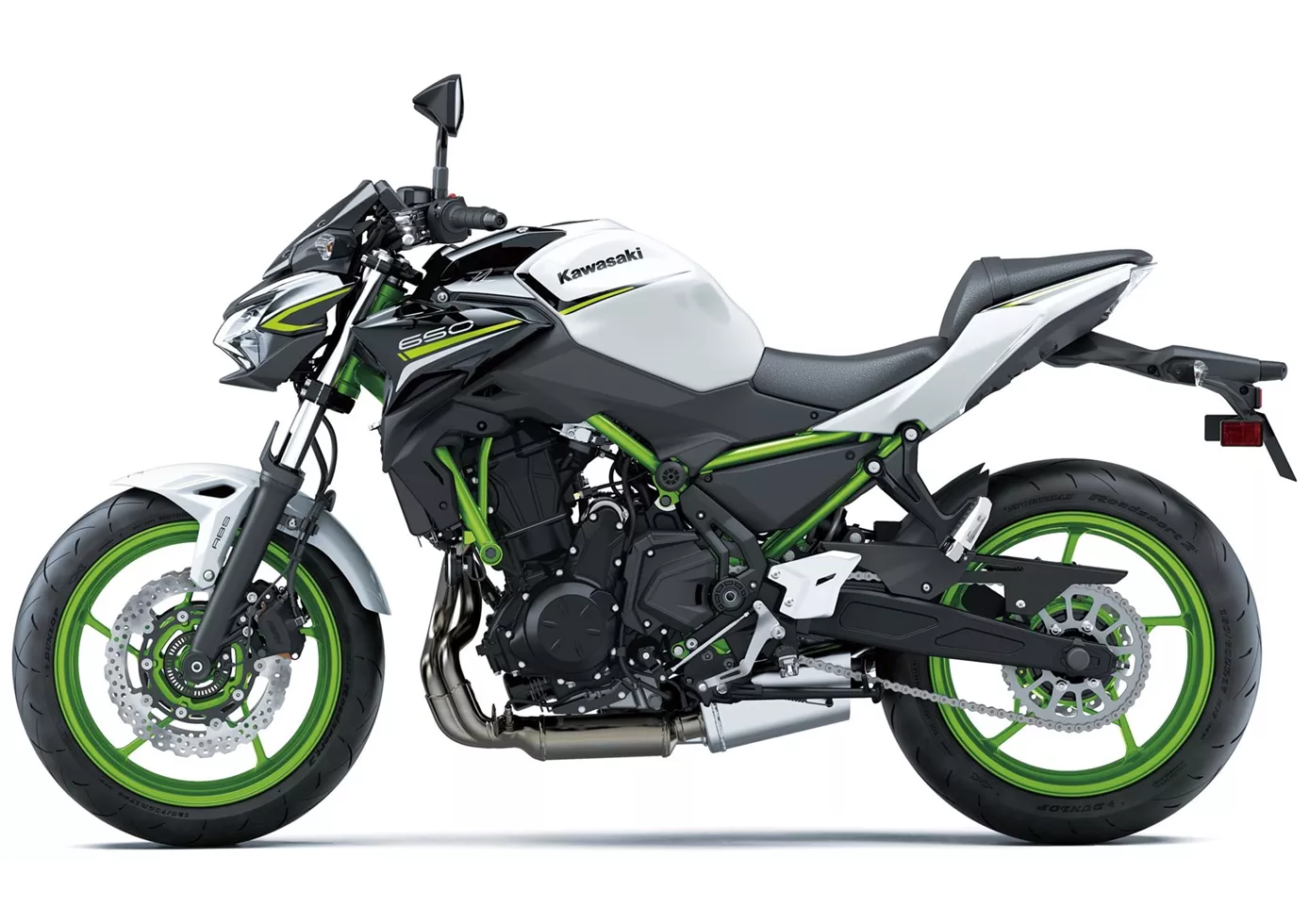
Even in 2021, the Kawasaki Z 650 stands for easy riding with great looks and good equipment. Both seat height and engine are very accessible and will give both experienced riders and newcomers a lot of pleasure. If you are looking for an honest naked bike without any big surprises, this is the bike for you. Due to its compact dimensions, however, you should try it out before buying and perhaps go for the raised seat.
Price Comparison Avarage Market Price Kawasaki Z900 RS vs Kawasaki Z650
There are a few key differences between a Kawasaki Z900 RS 2018 and a Kawasaki Z650 2021. In terms of price, the actual average price of a Kawasaki Z900 RS 2018 is about 83% higher. Compared to Kawasaki Z650 2021 there are more Kawasaki Z900 RS 2018 bikes available on the 1000PS.de Marketplace, specifically 28 compared to 25. It takes less time to sell a Kawasaki Z650 with 106 days compared to 154 days for the Kawasaki Z900 RS. Since model year 2018 1000PS.de editors have written 26 reviews for the Kawasaki Z900 RS and 31 reviews for the Kawasaki Z650 since model year 2017. The first review for the Kawasaki Z900 RS was published on 9/6/2017 and now has more than 63,700 views. This compares to more than 25,000 views for the first review on Kawasaki Z650 published on 11/8/2016.