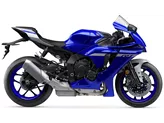
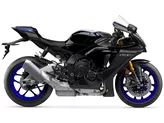
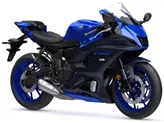
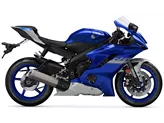
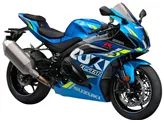
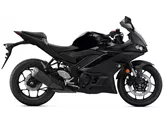
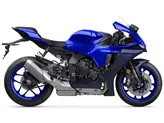
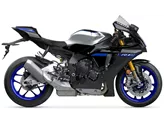
Yamaha R1 2016 vs. Yamaha YZF-R6 2017
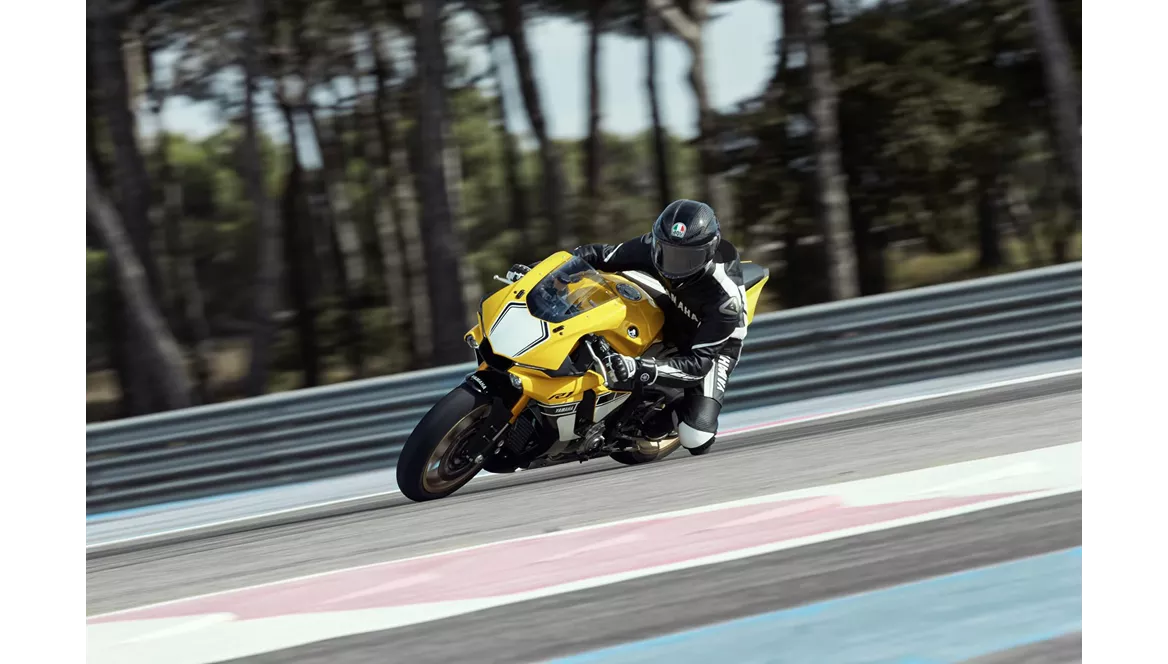
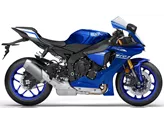
Yamaha R1 2016
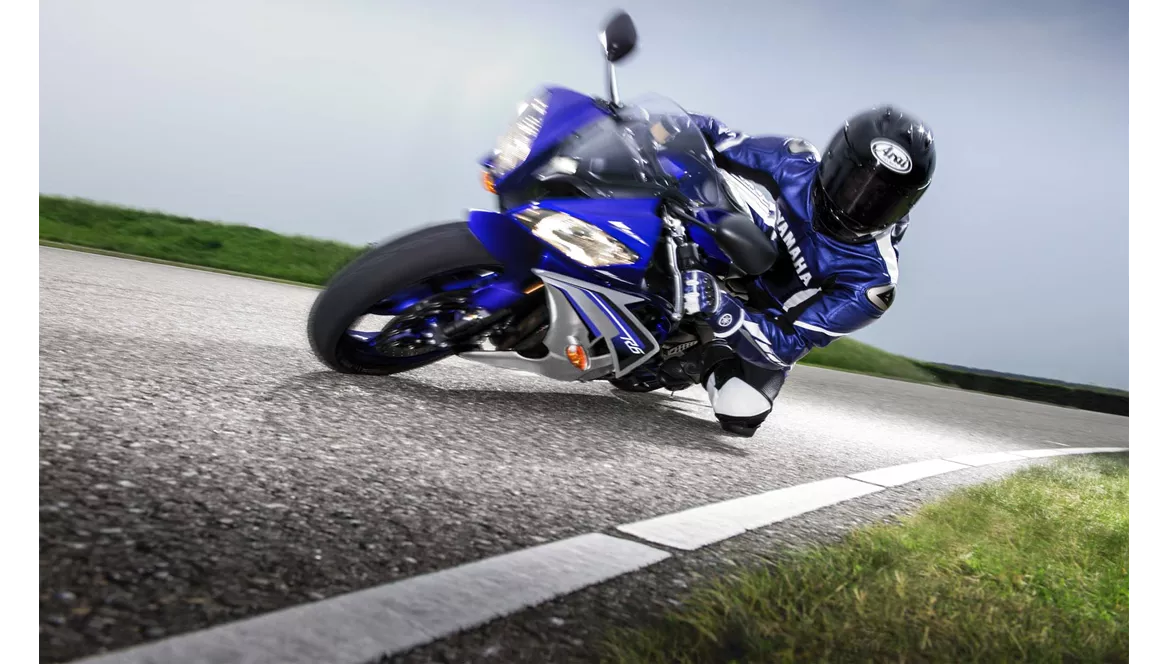
Yamaha YZF-R6 2017
Overview - Yamaha R1 2016 vs Yamaha YZF-R6 2017
The Yamaha R1 model year 2016 and the Yamaha YZF-R6 model year 2017 are both supersport motorcycles manufactured by Yamaha. While they share some similarities in terms of design and features, there are also notable differences between the two models.
In terms of engine specifications, the Yamaha R1 2016 is equipped with a 998cc engine, whereas the Yamaha YZF-R6 2017 has a smaller 599cc engine. The R1 boasts a higher engine power of 200 horsepower compared to the YZF-R6's 124 horsepower. Additionally, the R1 has a higher torque of 112.4 Nm compared to the YZF-R6's 65.7 Nm. Both models have a compression ratio of 13 and feature four cylinders with four valves per cylinder. The engines of both models are equipped with DOHC technology.
In terms of suspension, both the Yamaha R1 2016 and the Yamaha YZF-R6 2017 feature upside-down telescopic forks in the front. This allows for better handling and stability while riding. The chassis of both models is made of aluminum and features a Deltabox frame, which provides strength and rigidity.
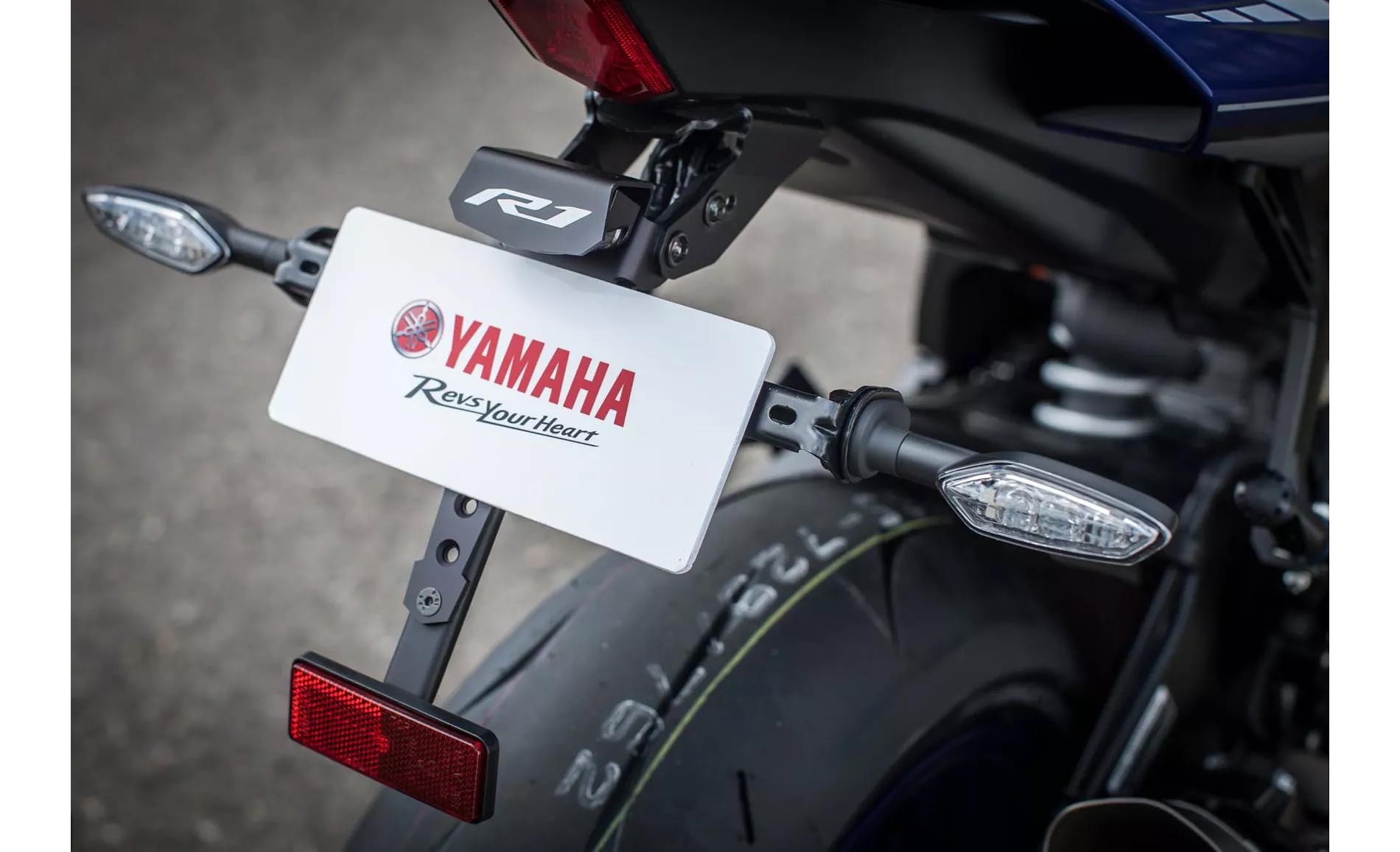
Yamaha R1 2016
Both models are equipped with double disk brakes in the front, ensuring strong and reliable stopping power. The front tire width of both models is 120 mm, with a diameter of 17 inches. However, the rear tire width of the Yamaha R1 is slightly wider at 190 mm compared to the YZF-R6's 180 mm. Both models have a rear tire diameter of 17 inches.
In terms of dimensions and weights, the Yamaha R1 has a wheelbase of 1405 mm, while the YZF-R6 has a slightly shorter wheelbase of 1375 mm. The seat height of the R1 is 855 mm, slightly higher than the YZF-R6's 850 mm. Both models have a fuel tank capacity of 17 liters.
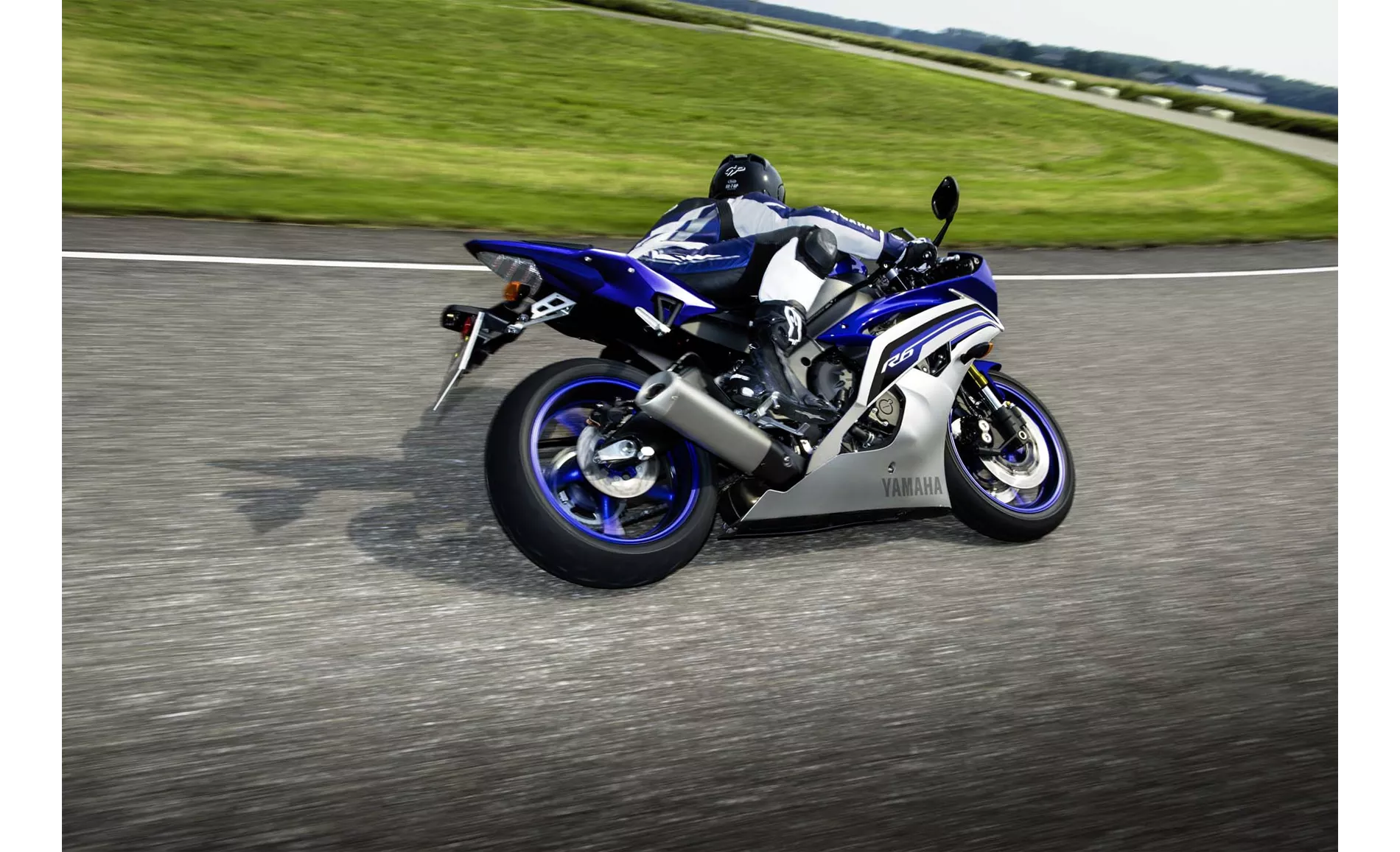
Yamaha YZF-R6 2017
Now let's discuss the strengths and weaknesses of each model. The Yamaha R1 2016 is praised for its lively handling, high-revving and precisely controllable engine, and excellent electronics package. On the other hand, it is worth noting that the R1's shift assistant is only available for upshifting, which may be seen as a weakness by some riders.
The Yamaha YZF-R6 2017, on the other hand, is commended for its strong and direct brakes, sharp looks, automatic gearshift, good wind protection, precise handling, and high transparency. However, some riders may find the radical seating position of the YZF-R6 unsuitable for touring. Additionally, the standard power of the YZF-R6 is lower at 118.4 horsepower compared to the R1, and upgrading the power can be cost-intensive.
In conclusion, both the Yamaha R1 2016 and the Yamaha YZF-R6 2017 are high-performance supersport motorcycles with their own unique strengths and weaknesses. The R1 offers a more powerful engine and a wider rear tire, while the YZF-R6 provides strong brakes, a sleek design, and an automatic gearshift. Ultimately, the choice between the two models depends on the rider's preferences and intended use.
Technical Specifications Yamaha R1 2016 compared to Yamaha YZF-R6 2017
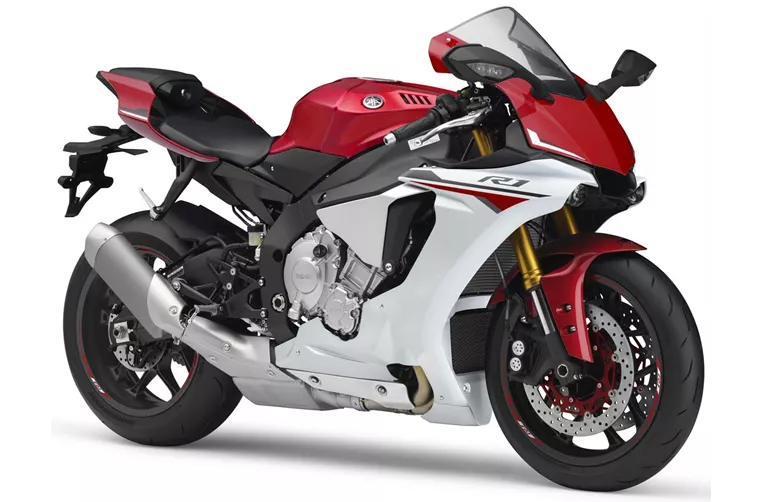
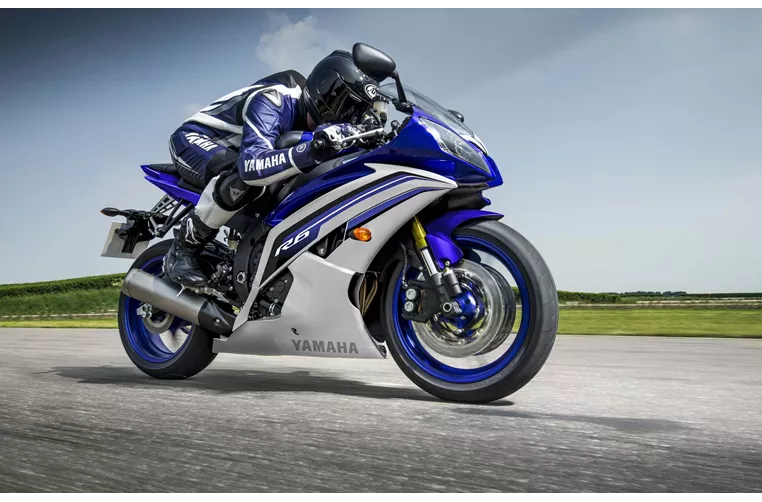
Pros and Cons in comparison
Pros and Cons in comparison
Yamaha R1 2016
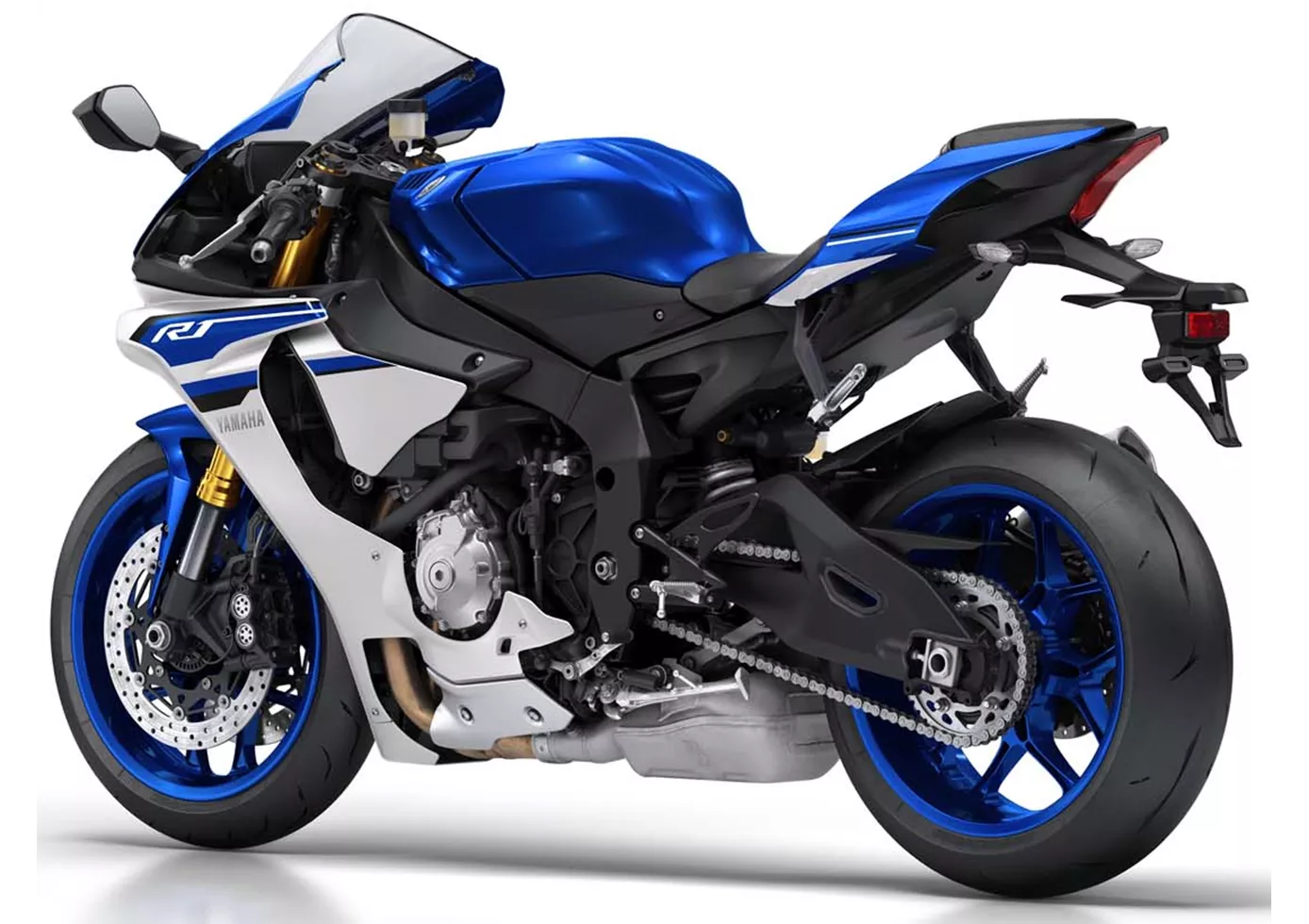
Yamaha's high-tech rocket is still a technological leader in 2016. Radical, polarising and fascinating, it sets powerful lap times. It is closer to the race bikes than the other 1000s. In the meantime, no one grumbles about the front. Without the "M", it is the best choice for those who don't need Öhlins anyway, or the best choice for those who are planning a racetrack conversion anyway and like to install "normal" Öhlins hardware without electric stuff.
Yamaha YZF-R6 2017
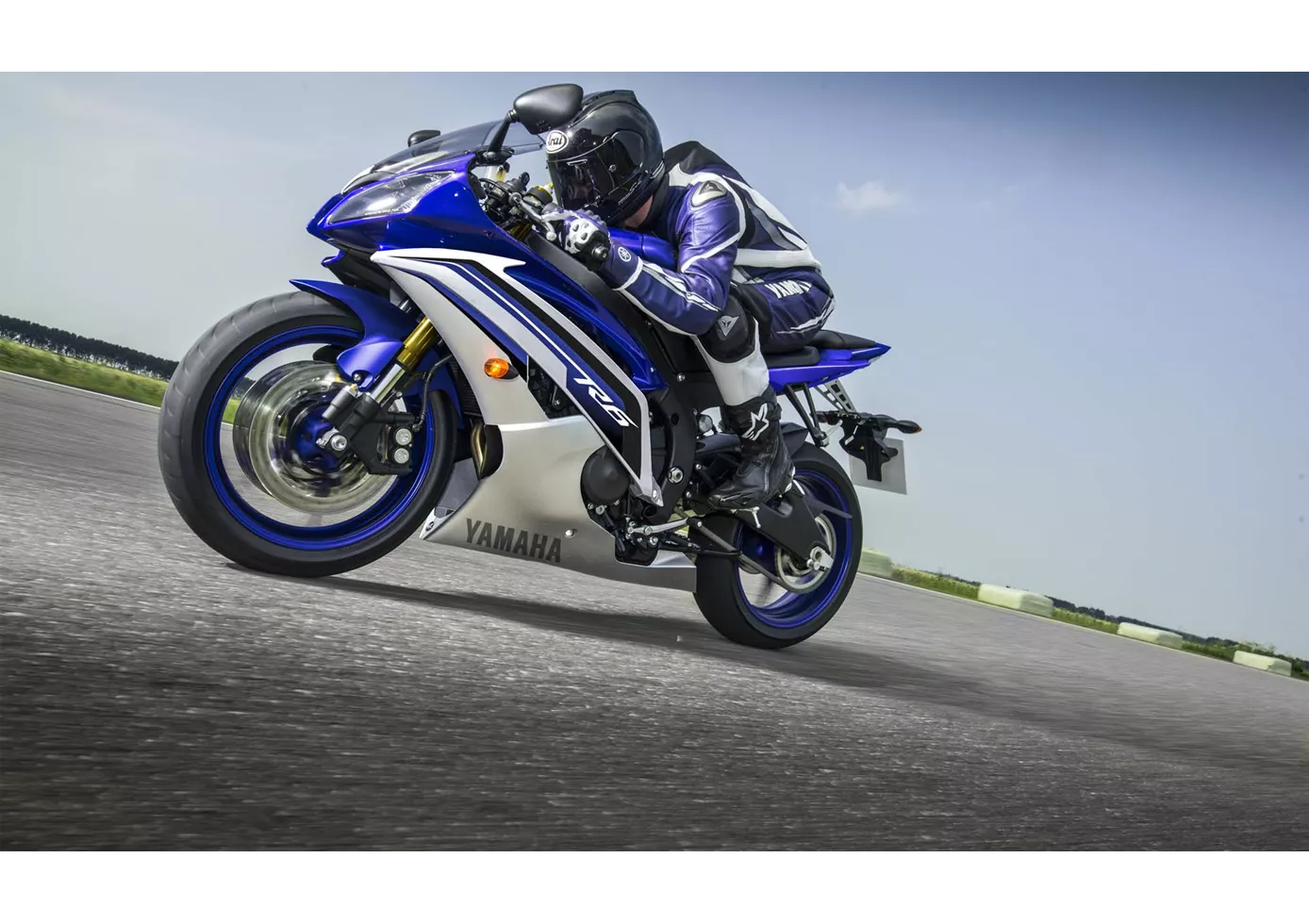
It almost seems as if the Yamaha YZF-R6 was born on the race track. It is easy to see that the R6 is the little sister of the YZF-R1. Whether it's the design, the ergonomics, the braking or the electronic aids - the racing genes are everywhere! The R6 is an outstanding piece of engineering in the 600cc class and, depending on your preferences, is probably the best 600cc bike currently available - at least for the racetrack. The Yamaha gives the rider unbelievably high precision and feedback over the front wheel and the chassis, and is super manageable at the same time! The engine is extremely rev-happy, but also wants to be kept happy. It is a pity that the latest version of the R6 has lost some of its power due to Euro 4... Nevertheless, it will be the faster track bike for most of us. And if there is a need, an open exhaust system (without road homologation) and mapping can tickle a few more horsepower out of the super sports bike. Sharp design meets even sharper components - TOP!
Price Comparison Average Market Price Yamaha R1 vs Yamaha YZF-R6
There are a few key differences between a Yamaha R1 2016 and a Yamaha YZF-R6 2017. There are the same number of bikes of both models available on the 1000PS.de marketplace, specifically 6. It takes less time to sell a Yamaha R1 with 73 days compared to 136 days for a Yamaha YZF-R6. Since model year 2005 1000PS.de editors have written 80 reviews for the Yamaha R1 and 33 reviews for the Yamaha YZF-R6 since model year 2005. The first review for the Yamaha R1 was published on 4/28/2003 and now has more than 3,900 views. This compares to more than 3,600 views for the first review on Yamaha YZF-R6 published on 10/17/2002.