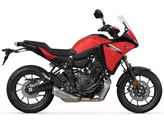
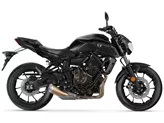
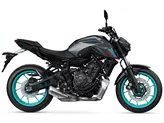
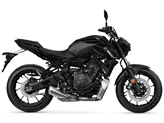
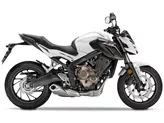
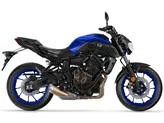
Honda CB500F 2013 vs. Yamaha MT-07 2022
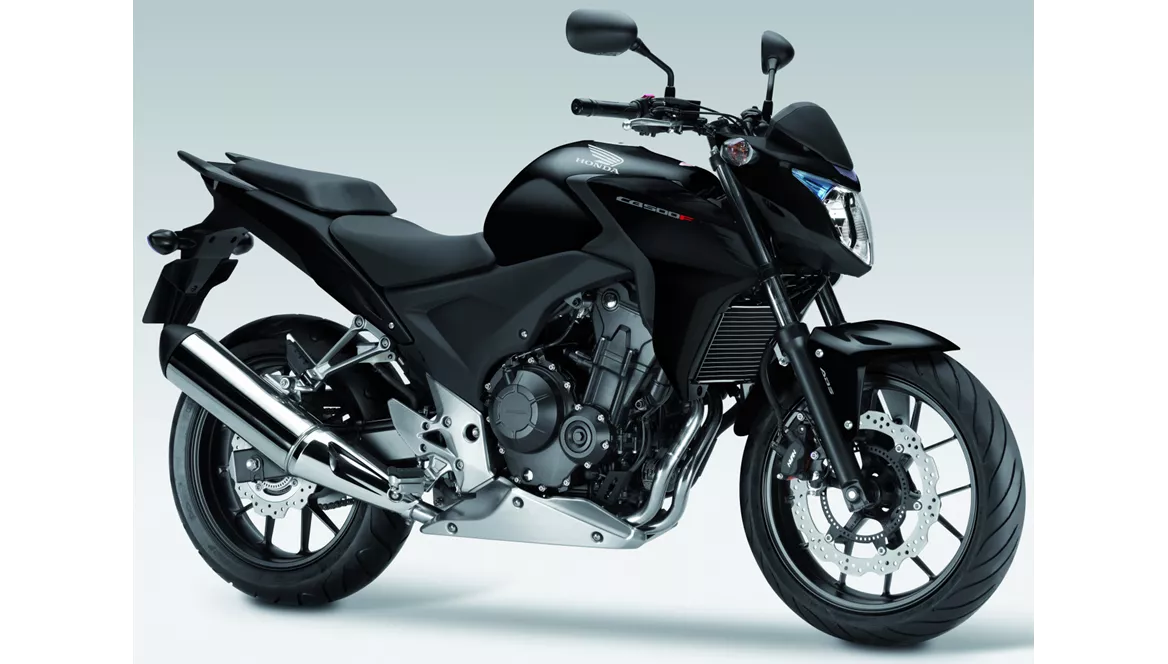
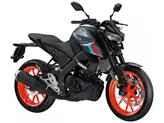
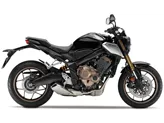
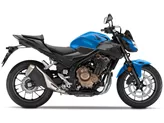
Honda CB500F 2013
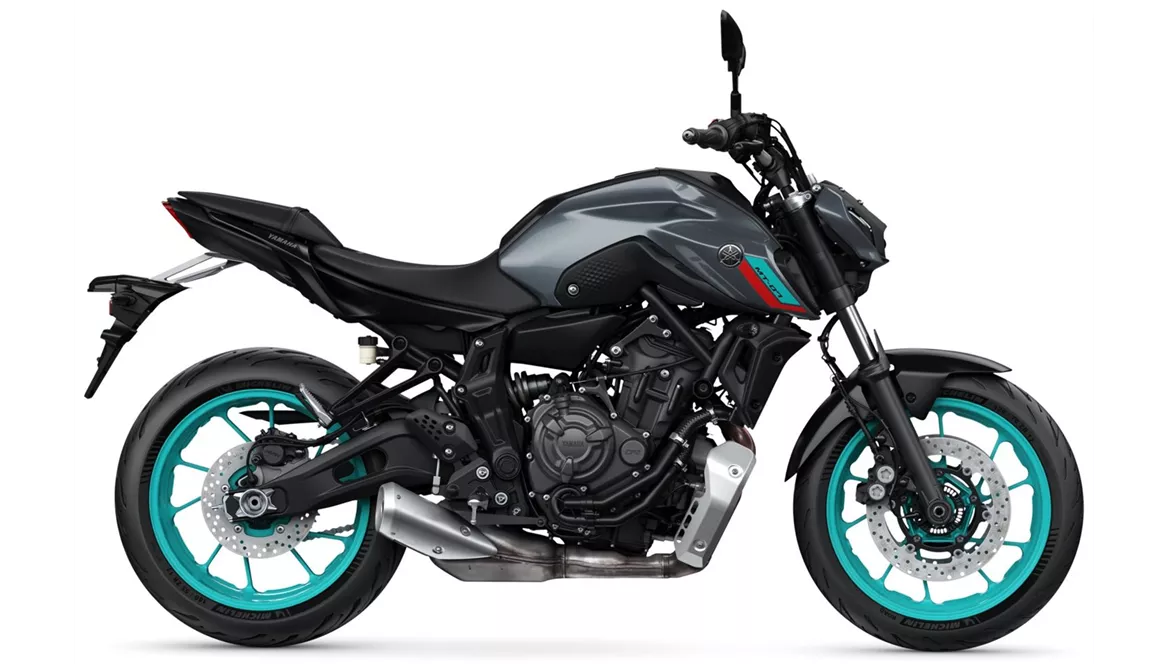
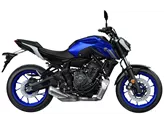
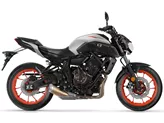
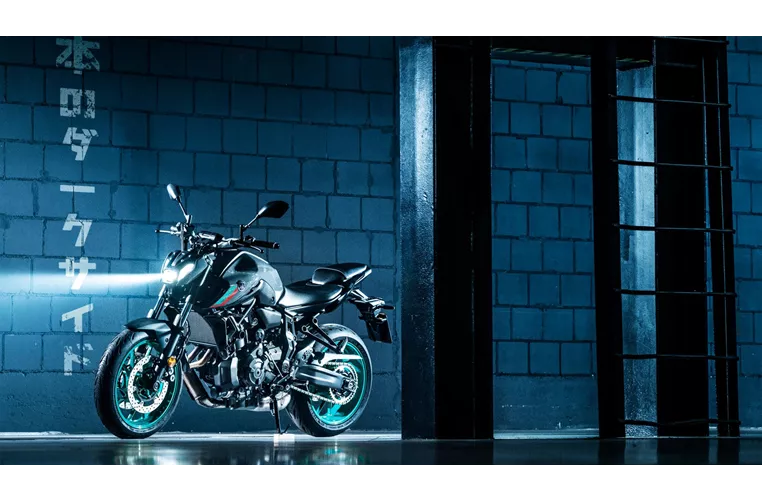
Yamaha MT-07 2022
Overview - Honda CB500F 2013 vs Yamaha MT-07 2022
The Honda CB500F model year 2013 and the Yamaha MT-07 model year 2022 are both naked bikes that offer a thrilling riding experience. While they share some similarities in terms of engine type, cooling system, and frame material, there are notable differences in their specifications and features.
In terms of engine power, the Yamaha MT-07 2022 takes the lead with 73.4 HP compared to the Honda CB500F 2013's 48 HP. This means that the MT-07 offers more power and acceleration, making it a more suitable choice for riders who enjoy a lively and exhilarating ride. Additionally, the MT-07 also has a higher torque of 67 Nm compared to the CB500F's 43 Nm, further enhancing its performance capabilities.
Both bikes feature a 2-cylinder engine configuration and liquid cooling, ensuring efficient heat dissipation and optimal engine performance. However, the Yamaha MT-07 has a larger displacement of 689ccm compared to the Honda CB500F's 471ccm, which contributes to its higher power output.
In terms of braking system, the Yamaha MT-07 2022 has an advantage with its double disk front brakes, providing better stopping power and improved safety compared to the Honda CB500F's single disk front brake. This makes the MT-07 more suitable for riders who prioritize responsive and reliable braking performance.
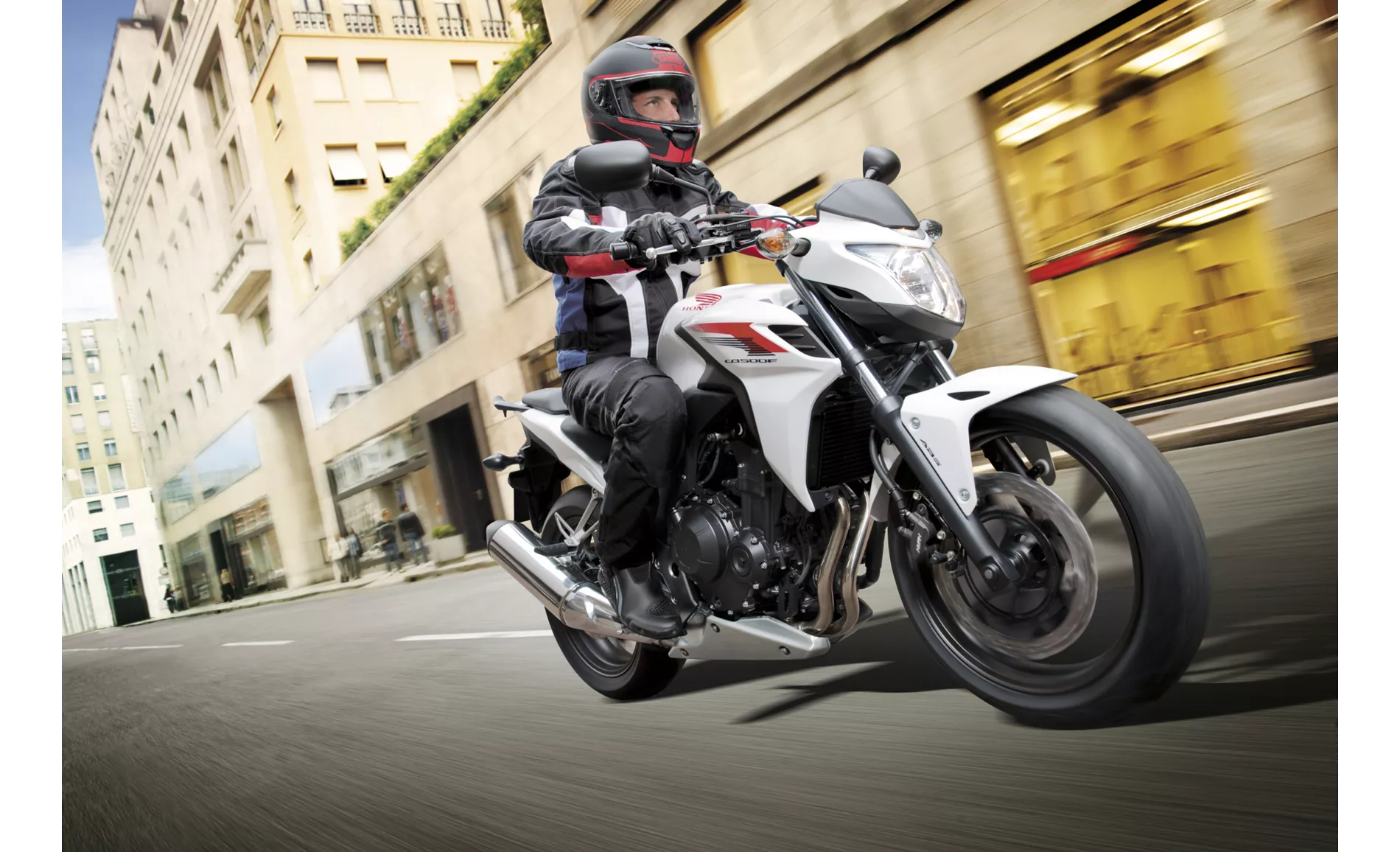
Honda CB500F 2013
When it comes to dimensions and weights, the two bikes have similar front tire width and diameter, but the Yamaha MT-07 has a wider rear tire width of 180mm compared to the CB500F's 160mm. This wider rear tire contributes to better stability and grip, especially during cornering, enhancing the overall handling and control of the MT-07.
The wheelbase of the Honda CB500F is slightly longer at 1410mm compared to the Yamaha MT-07's 1400mm. While this difference may not be significant, a shorter wheelbase generally results in a more agile and maneuverable ride, which can be advantageous in urban environments or tight corners.
In terms of seat height, the Yamaha MT-07 has a slightly higher seat at 805mm compared to the Honda CB500F's 790mm. This may be a consideration for riders with shorter inseams, as a lower seat height can provide better stability and confidence at stops.
When it comes to weight, the Yamaha MT-07 is lighter with a kerb weight of 184kg compared to the Honda CB500F's 192kg. This lighter weight contributes to the MT-07's nimble and agile handling, making it easier to maneuver and control.
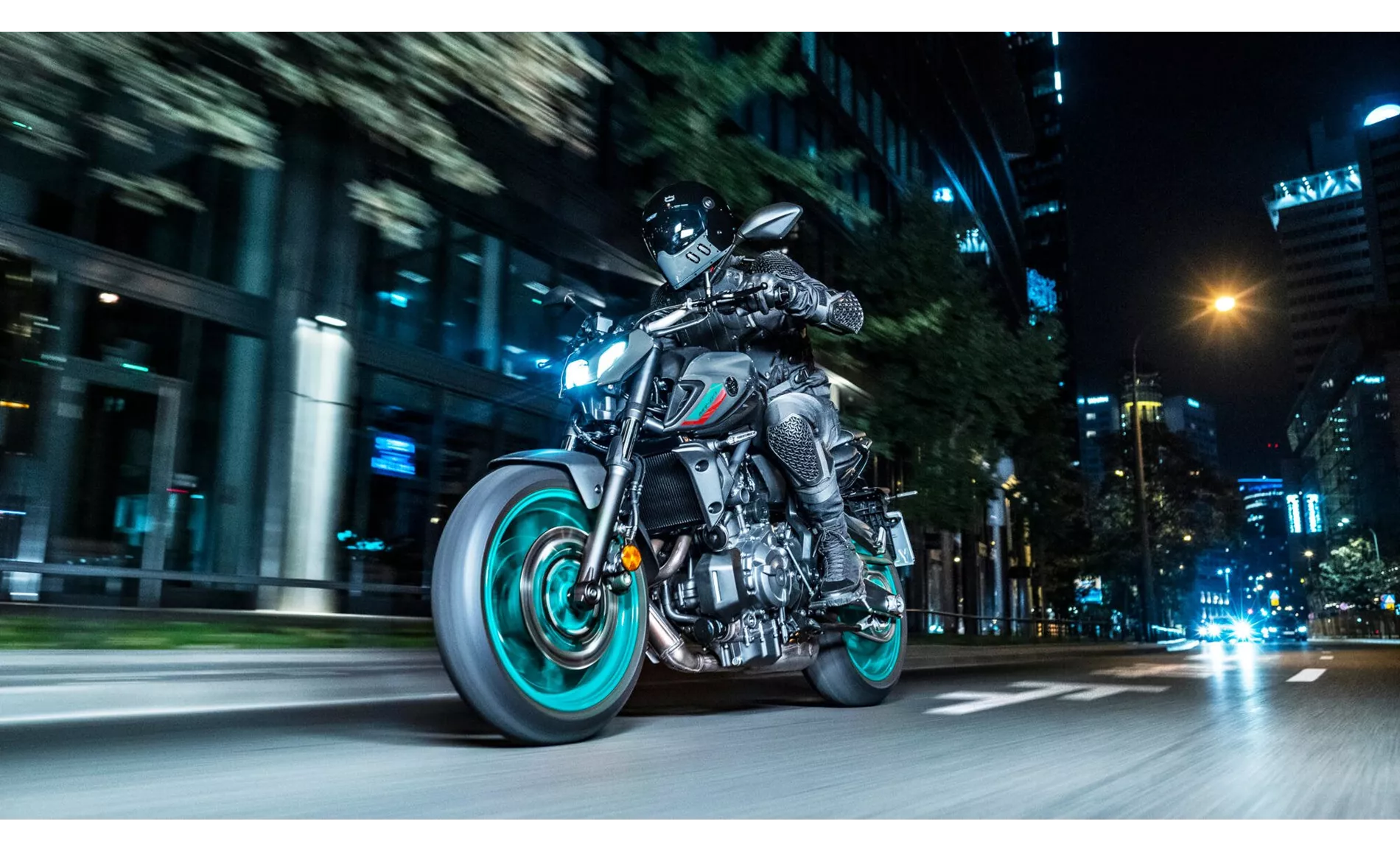
Yamaha MT-07 2022
In terms of fuel tank capacity, the Honda CB500F has a larger capacity of 15.7 liters compared to the Yamaha MT-07's 14 liters. This means that the CB500F may offer a slightly longer range before needing to refuel.
In terms of strengths, the Honda CB500F 2013 is praised for its relatively low overall weight, agile and nimble handling, acceptable chassis, good comfort, strong engine, and successful seating position. On the other hand, the Yamaha MT-07 2022 is commended for its lively and powerful engine, good sound, comfortable seating position, good braking system, and easy-to-read instruments.
However, the Honda CB500F 2013 has some weaknesses, including partially shoddy workmanship and a lack of a gear indicator. In contrast, the Yamaha MT-07 2022 has its own weaknesses, such as a non-adjustable chassis and the absence of a TFT display.
Overall, both the Honda CB500F 2013 and the Yamaha MT-07 2022 offer exciting riding experiences with their own set of strengths and weaknesses. The choice between the two ultimately depends on the rider's preferences and priorities, whether it be power, handling, comfort, or specific features.
Technical Specifications Honda CB500F 2013 compared to Yamaha MT-07 2022
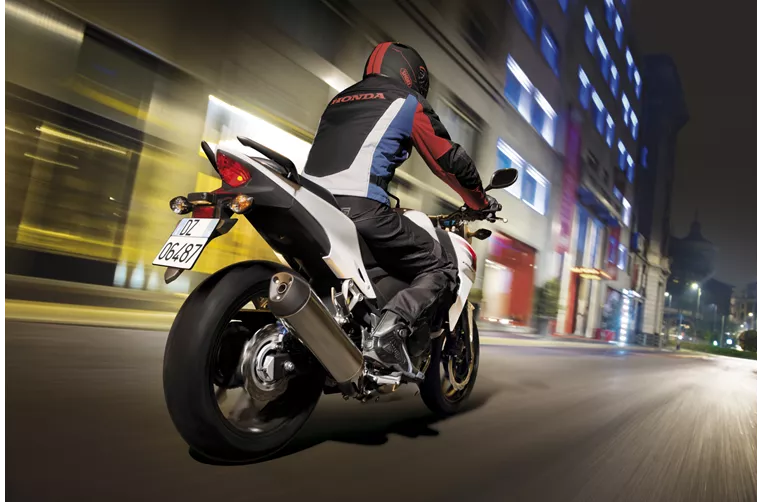
Pros and Cons in comparison
Pros and Cons in comparison
Honda CB500F 2013
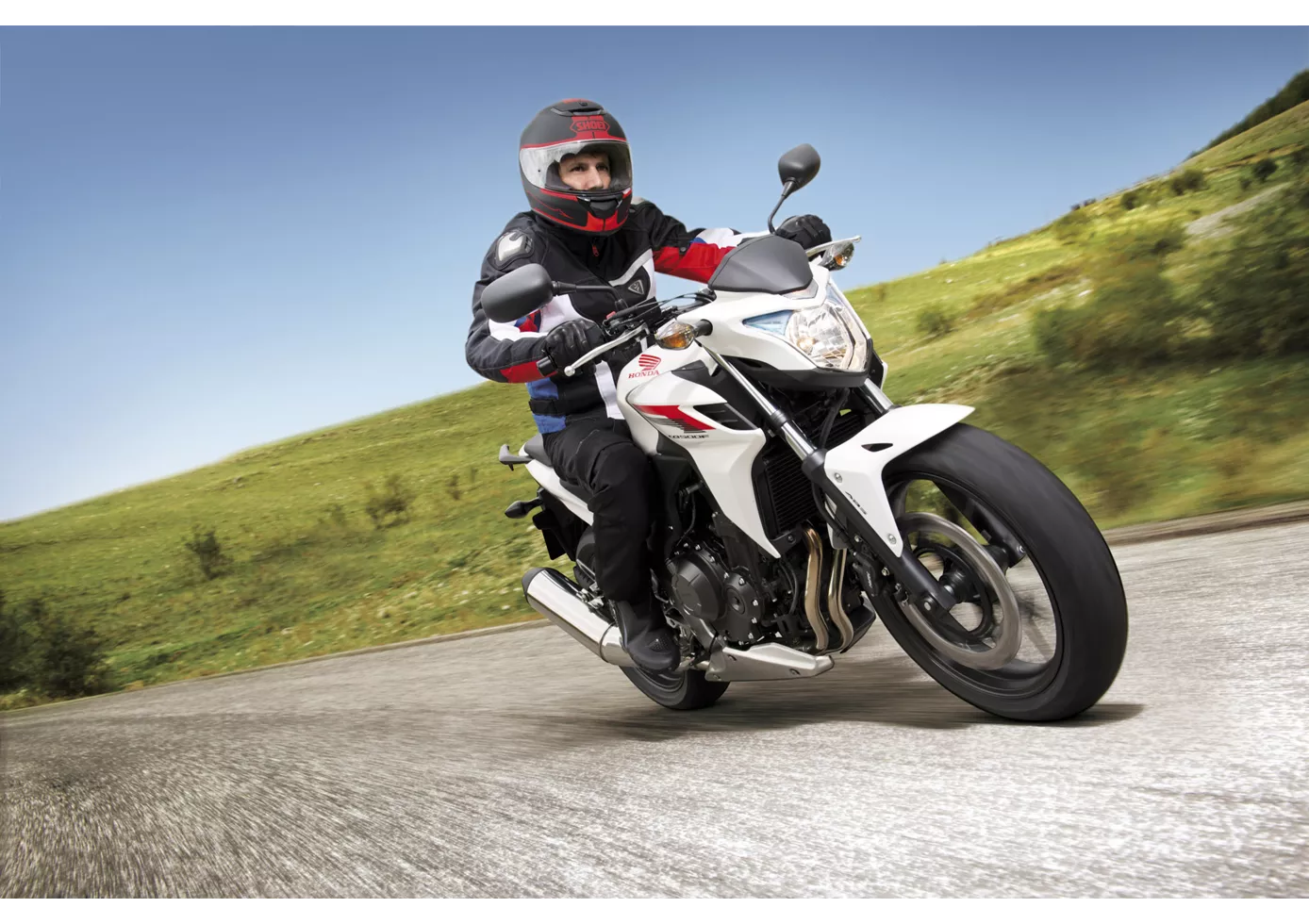
Like its two-cylinder predecessors CB500 and CBF500, the new CB500F presents itself as a mature motorbike for beginners, returning riders or for the daily commute to work. With the modern LED headlight and LED tail light, Honda is moving with the times and thus offers a great package in the A2 driving licence class. With its nimble handling, it is convincing both in city traffic and on country roads, and thanks to the revisions to the engine and transmission, it cuts a sportier figure than ever before. The chassis, on the other hand, offers enough comfort, which is further supported by the adjustable brake lever.
Yamaha MT-07 2022
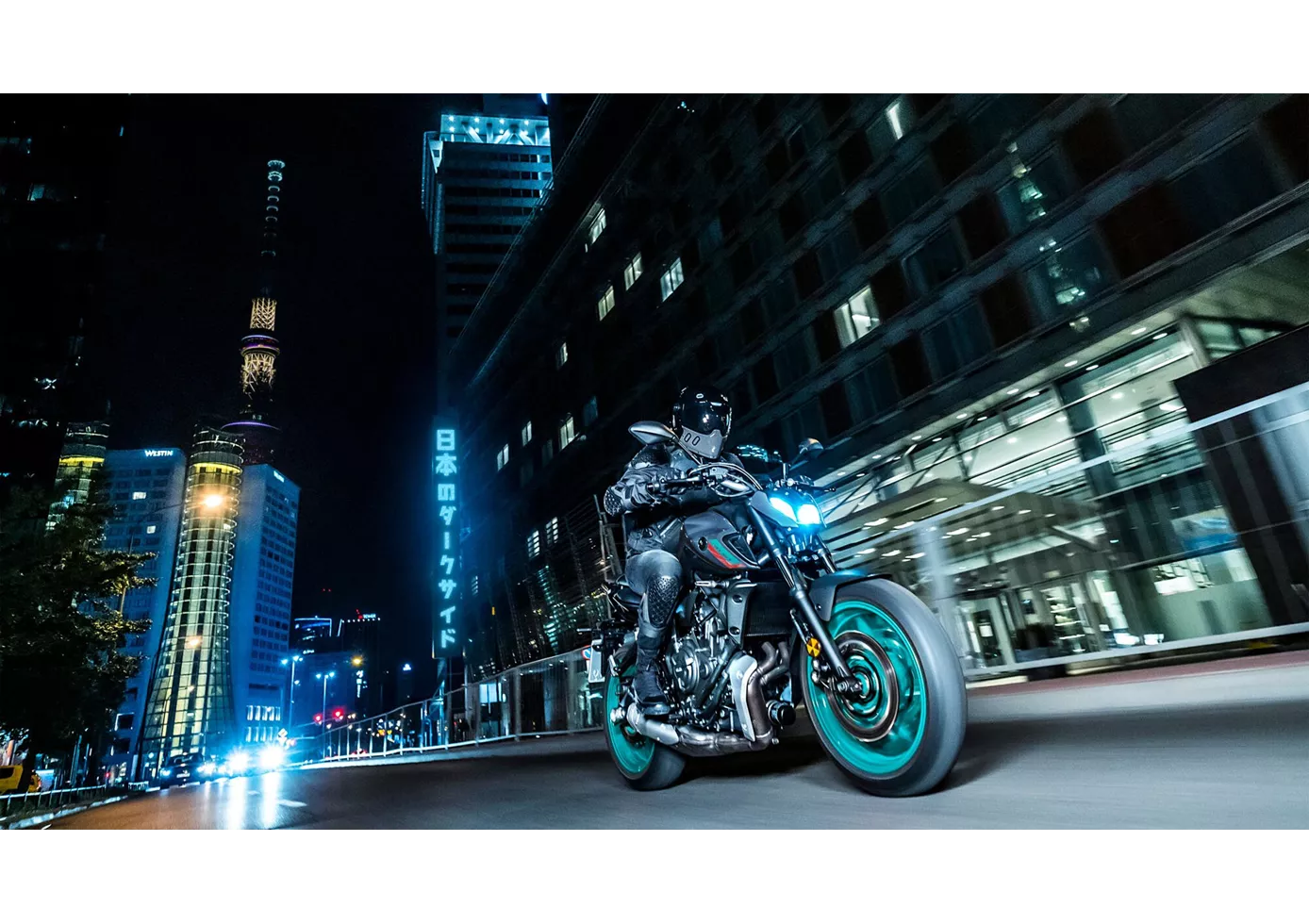
In model year 2023, the MT-07 is still a good and universally usable motorbike. Its problem is the tough competition. In a direct comparison, the engine now seems a bit limp and the equipment a bit uninspiring. The good riding position and uncomplicated handling are still good.
Price Comparison Average Market Price Honda CB500F vs Yamaha MT-07
There are a few key differences between a Honda CB500F 2013 and a Yamaha MT-07 2022. In terms of price, the actual average price of a Yamaha MT-07 2022 is about 68% higher. Compared to Yamaha MT-07 2022 there are less Honda CB500F 2013 bikes available on the 1000PS.de Marketplace, specifically 5 compared to 52. It takes less time to sell a Honda CB500F with 54 days compared to 109 days for a Yamaha MT-07. Since model year 2013 1000PS.de editors have written 22 reviews for the Honda CB500F and 69 reviews for the Yamaha MT-07 since model year 2013. The first review for the Honda CB500F was published on 11/10/2012 and now has more than 18,500 views. This compares to more than 12,600 views for the first review on Yamaha MT-07 published on 11/4/2013.