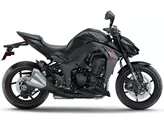
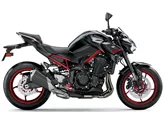
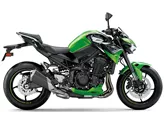
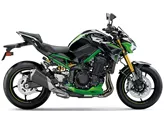
Kawasaki Z900 2018 vs. Kawasaki Z1000 2010
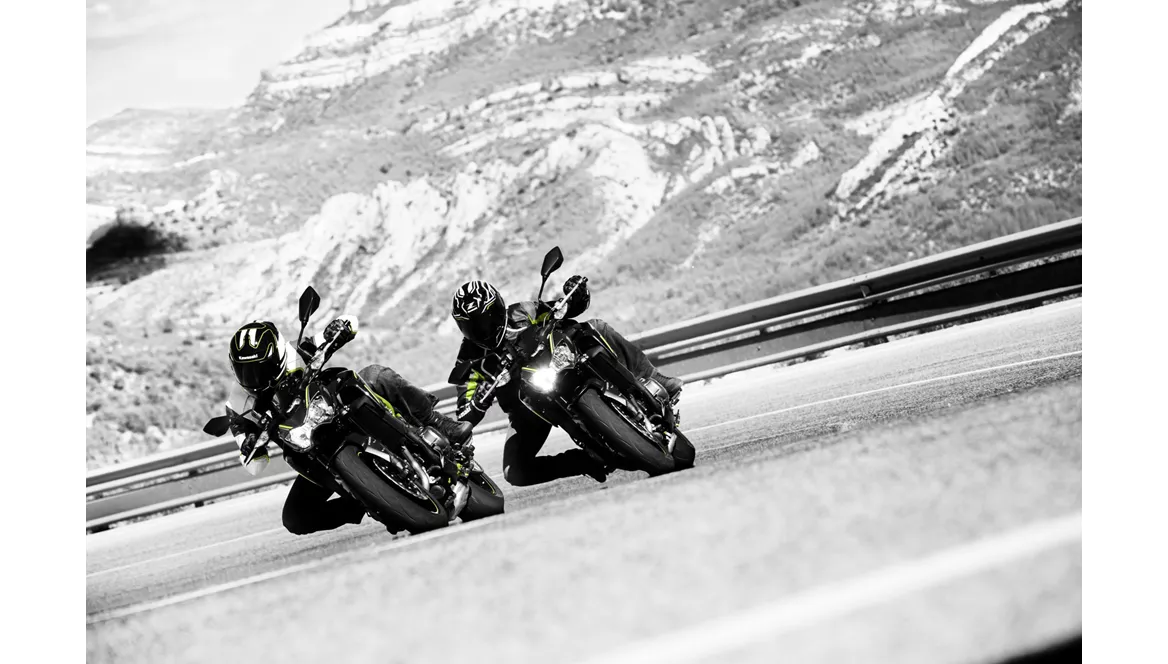
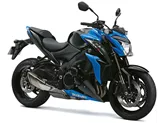
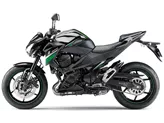
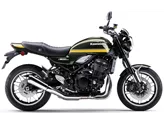
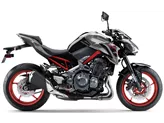
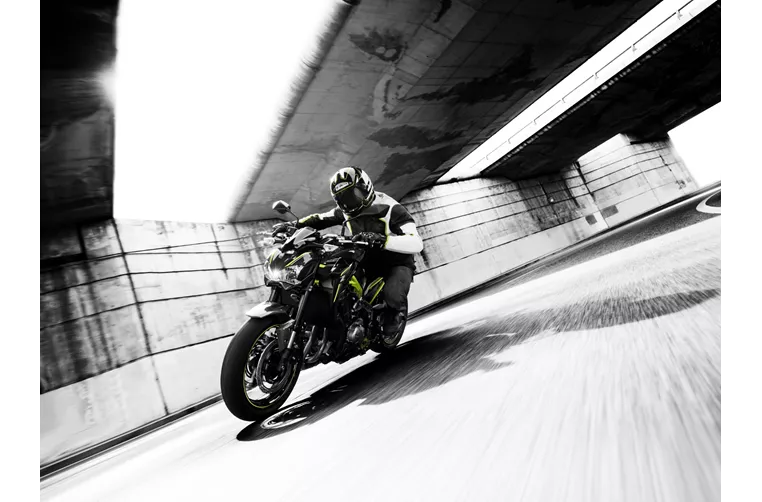
Kawasaki Z900 2018
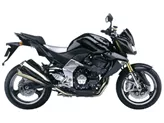
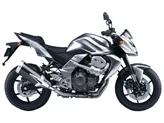
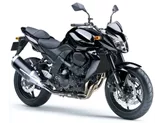
Kawasaki Z1000 2010
Overview - Kawasaki Z900 2018 vs Kawasaki Z1000 2010
When comparing the Kawasaki Z900 2018 and the Kawasaki Z1000 2010, there are several key differences to consider.
In terms of engine specifications, both models have an in-line engine with liquid cooling. However, the Z900 has a displacement of 948ccm and produces 125.4 HP, while the Z1000 has a displacement of 1043ccm and produces 138 HP. This means that the Z1000 has a slightly more powerful engine compared to the Z900.
Both bikes have a four-cylinder configuration and feature upside-down telescopic forks for the front suspension. However, the Z900 offers adjustment options for preload and rebound, while the Z1000 offers additional adjustment options for compression. This means that the Z1000 has more customizable suspension settings compared to the Z900.
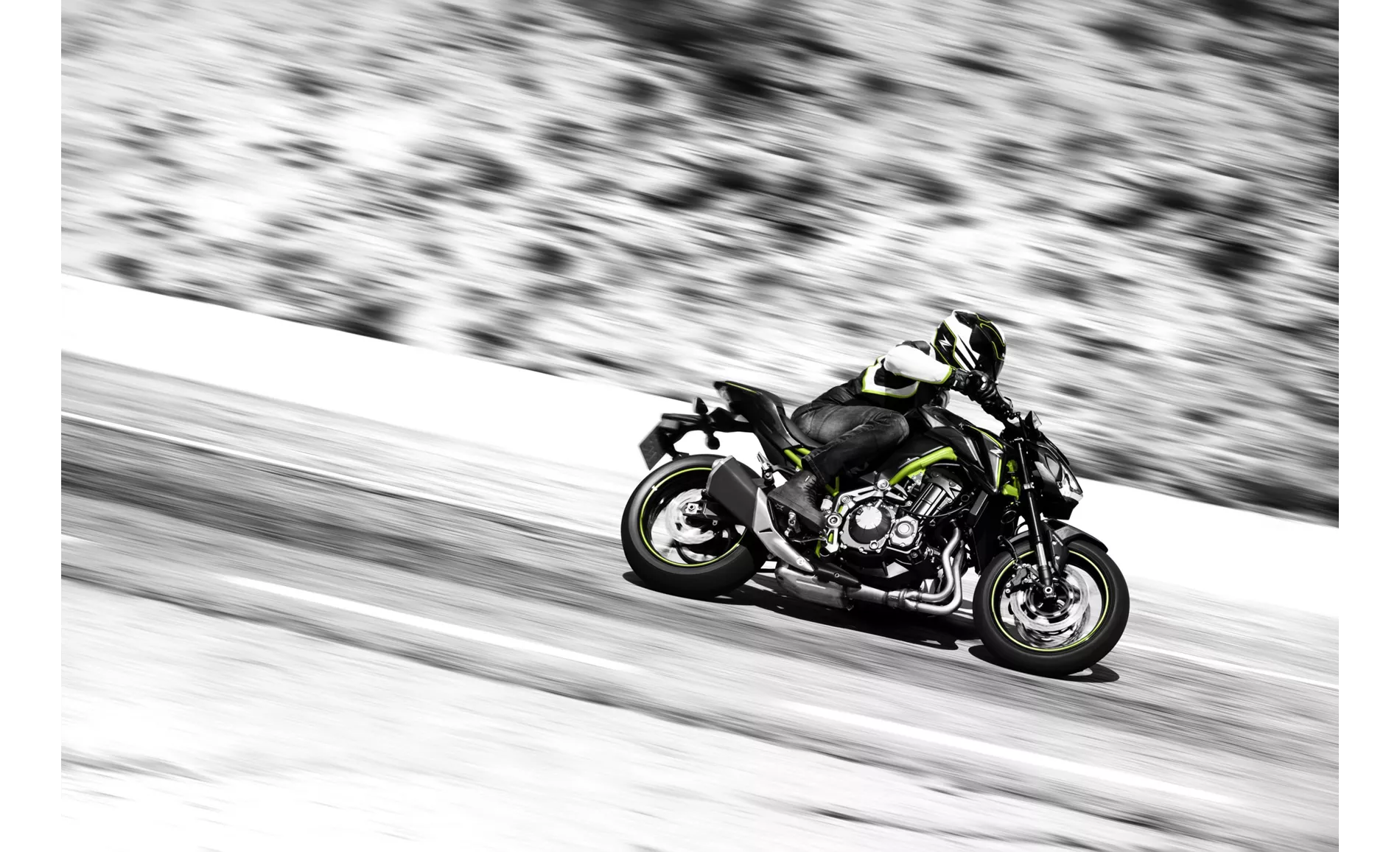
Kawasaki Z900 2018
In terms of the chassis, the Z900 has a steel frame, while the Z1000 has an aluminum frame. Both bikes have a double cradle frame type, which provides stability and rigidity. However, the aluminum frame of the Z1000 may offer slightly better weight distribution and handling characteristics compared to the steel frame of the Z900.
Both models feature double disc brakes at the front with four pistons. However, the Z1000 has radial brakes, which provide more direct and precise braking compared to the petal brakes of the Z900. Additionally, the Z1000 has a slightly wider rear tire width of 190mm compared to the 180mm of the Z900.
In terms of dimensions and weights, the Z900 has a slightly longer wheelbase of 1450mm compared to the 1440mm of the Z1000. The seat height of the Z900 is also slightly lower at 795mm compared to the 815mm of the Z1000.
Kawasaki Z1000 2010
When considering the strengths of each model, the Z900 has a powerful and silky engine, great sound, a sharp and sporty look, and easy handling and maneuverability. It also has a low seating position, which can be comfortable for some riders. On the other hand, the Z1000 offers satisfaction in the saddle, plenty of power, a good chassis, and a sophisticated design. It also has tightly tuned suspension elements, which provide a more direct handling experience.
In terms of weaknesses, the Z900 lacks traction control, which may be a disadvantage for riders who prioritize safety. Additionally, the knee angle can be strenuous for tall riders during long rides. On the other hand, the Z1000 has slightly suboptimal brake inputs, although they are still quite acceptable.
Overall, both the Kawasaki Z900 2018 and the Kawasaki Z1000 2010 are powerful and capable naked bikes with their own unique strengths and weaknesses. The choice between the two ultimately depends on the rider's preferences and priorities.
Technical Specifications Kawasaki Z900 2018 compared to Kawasaki Z1000 2010
Pros and Cons in comparison
Pros and Cons in comparison
Kawasaki Z900 2018
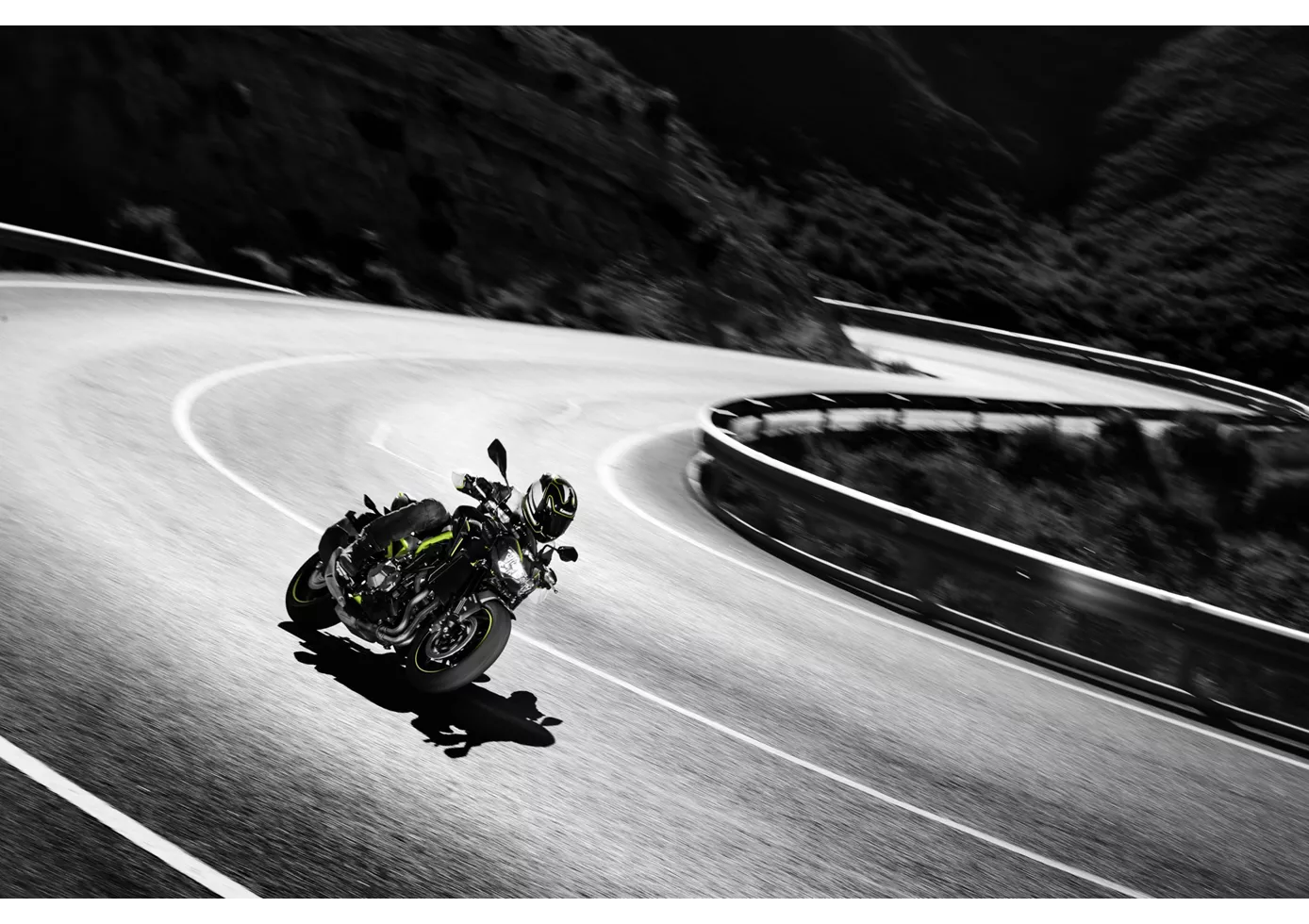
Fortunately, the new Kawasaki Z900 has lost none of its character through the use of electronics. It is and remains a playful mid-range naked bike, which at the same time masters the brisk pace on the country road magnificently. The riding pleasure and suitability for everyday use are high, the now installed riding aids offer a plus in safety. Your opponents will have a really hard time from now on.
Kawasaki Z1000 2010
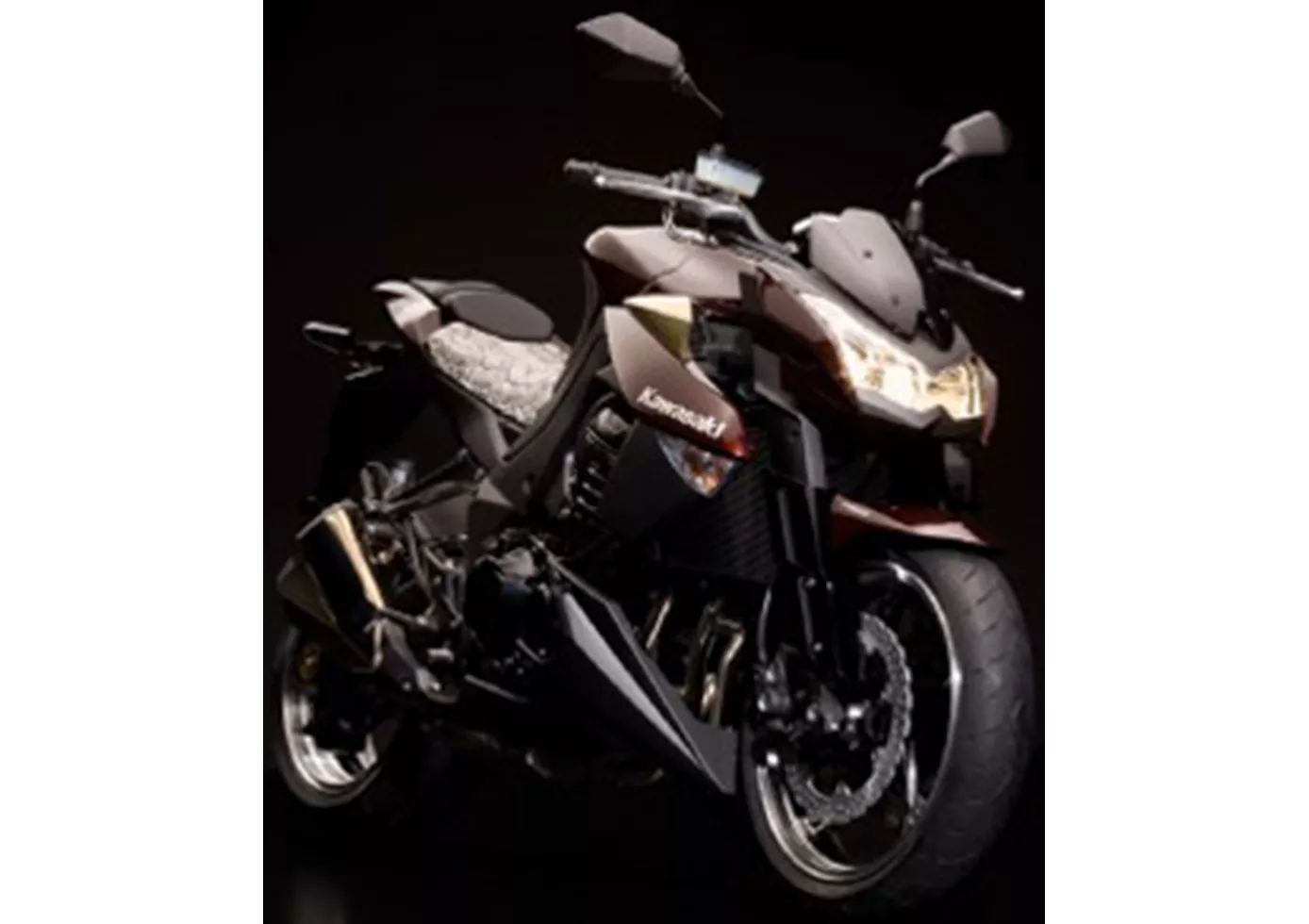
All in all, the new Z1000 is a successful further development of its predecessor. The lack of traction control is more of a marketing problem than a problem for end customers.
Price Comparison Average Market Price Kawasaki Z900 vs Kawasaki Z1000
There are a few key differences between a Kawasaki Z900 2018 and a Kawasaki Z1000 2010. There are the same number of bikes of both models available on the 1000PS.de marketplace, specifically 55. It takes less time to sell a Kawasaki Z1000 with 65 days compared to 112 days for the Kawasaki Z900. Since model year 2017 1000PS.de editors have written 46 reviews for the Kawasaki Z900 and 41 reviews for the Kawasaki Z1000 since model year 2005. The first review for the Kawasaki Z900 was published on 11/11/2016 and now has more than 93,200 views. This compares to more than 5,800 views for the first review on Kawasaki Z1000 published on 9/2/2002.