Kawasaki Z900 2018 vs. Kawasaki Vulcan S 2015
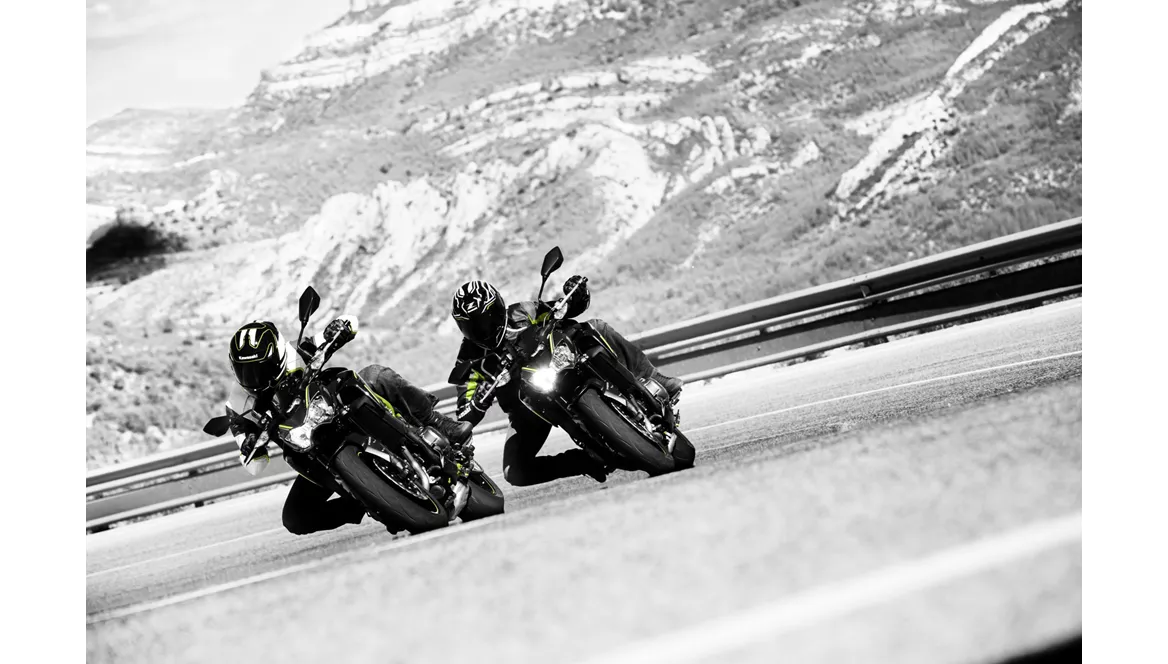
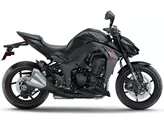
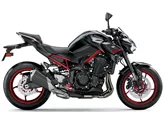
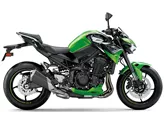
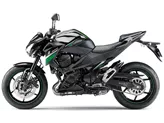
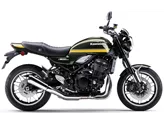
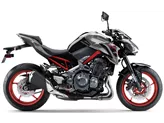
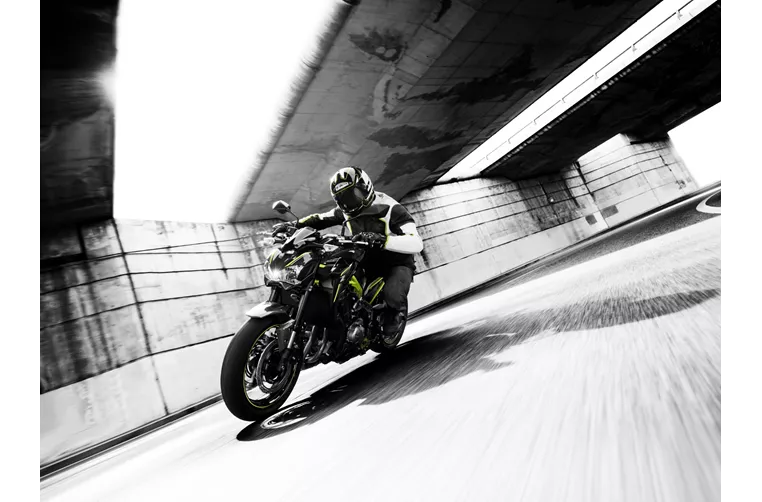
Kawasaki Z900 2018
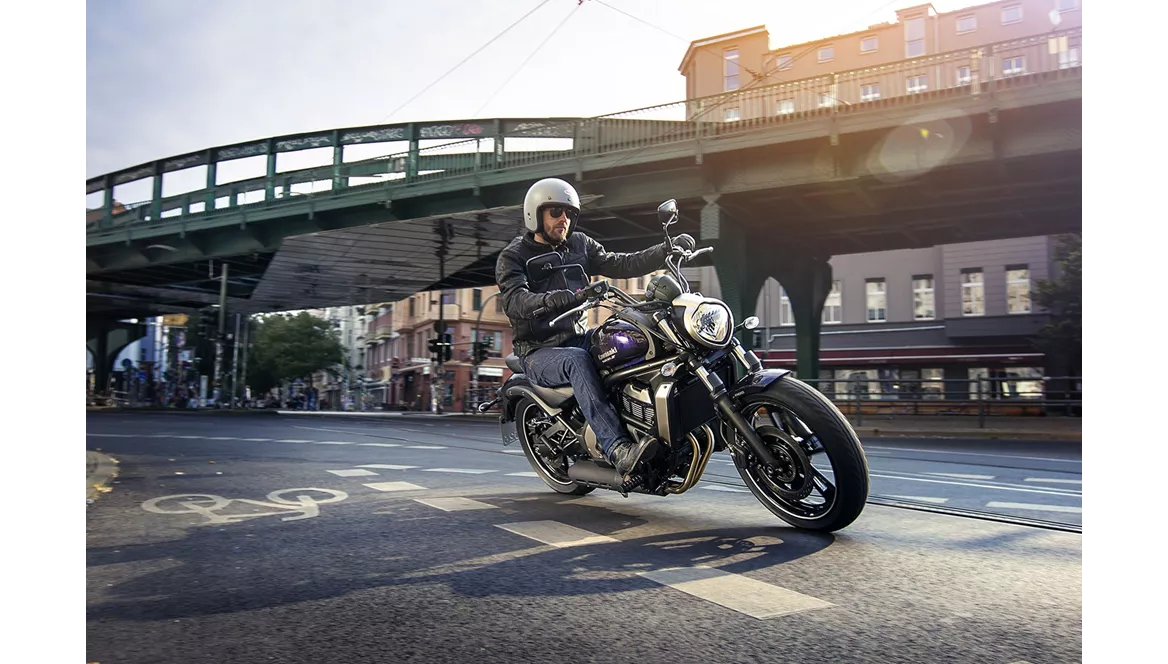
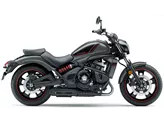
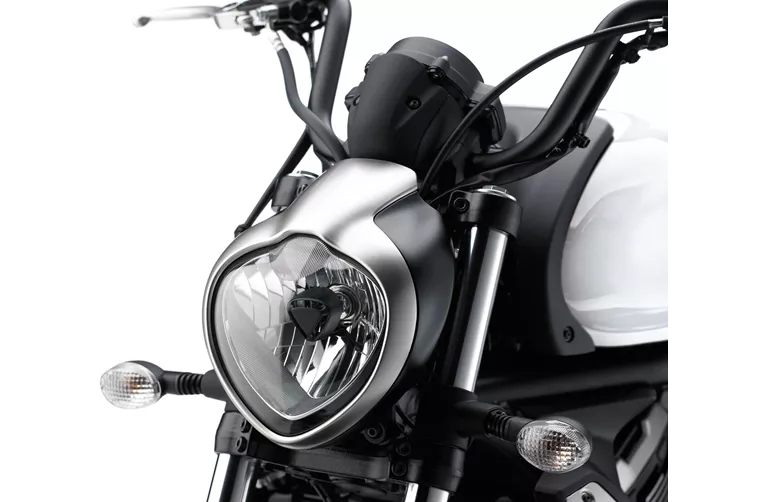
Kawasaki Vulcan S 2015
Overview - Kawasaki Z900 2018 vs Kawasaki Vulcan S 2015
The Kawasaki Z900 2018 and the Kawasaki Vulcan S 2015 are two different models with distinct features and specifications.
Starting with the Kawasaki Z900 2018, it boasts a powerful and smooth engine with an impressive output of 125.4 HP. The engine is an inline, four-cylinder type with a displacement of 948cc. It delivers a torque of 98.6 Nm, providing excellent acceleration and performance. The Z900 also features a chain transmission and liquid cooling for optimal engine temperature control.
In terms of chassis, the Z900 has a steel frame with a double cradle design, which enhances stability and handling. The front brakes are double disk type with four pistons, ensuring efficient stopping power. The front and rear tires have a width of 120mm and 180mm respectively, with both having a diameter of 17 inches. The wheelbase is 1450mm, and the seat height is 795mm. The Z900 weighs 210kg with ABS.
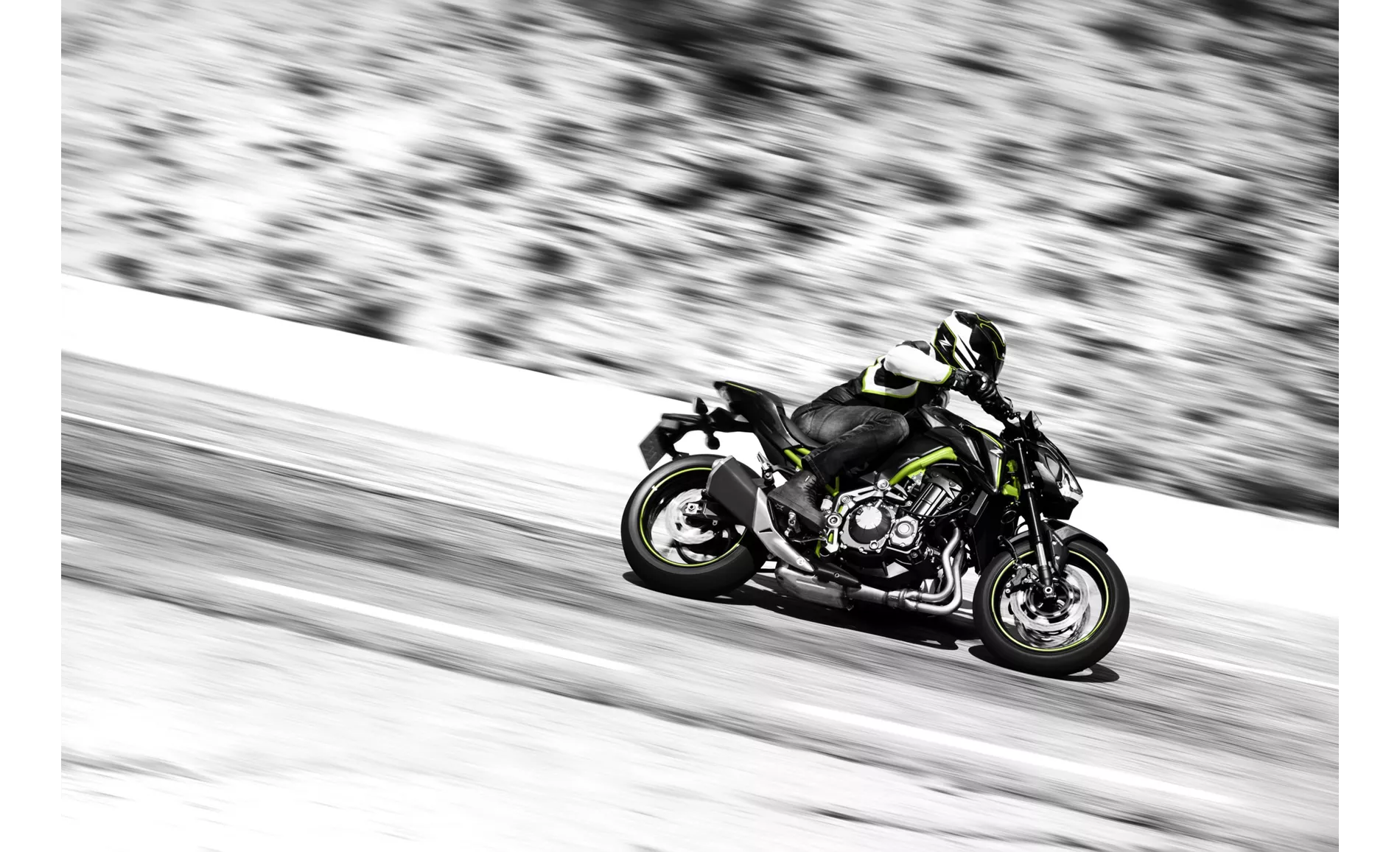
Kawasaki Z900 2018
The strengths of the Z900 include its powerful and smooth engine, which produces a great sound. The chassis design contributes to its sharp and sporty appearance. The low seating position and easy handling make it a comfortable and maneuverable bike.
However, the Z900 does have a few weaknesses. It lacks traction control, which can be a disadvantage in certain riding conditions. Additionally, tall riders may find the knee angle strenuous during long rides.
Moving on to the Kawasaki Vulcan S 2015, it features an inline, two-cylinder engine with a displacement of 649cc. The engine delivers 61 HP of power and 63 Nm of torque. Like the Z900, it has a chain transmission and liquid cooling.
The Vulcan S has a steel frame with a perimeter design, providing stability and strength. The front brake is a single disk type with double pistons, ensuring reliable braking performance. The front tire has a width of 120mm and a diameter of 18 inches, while the rear tire has a width of 160mm and a diameter of 17 inches. The wheelbase is longer than the Z900 at 1575mm, and the seat height is lower at 705mm. The Vulcan S weighs 228kg with ABS.
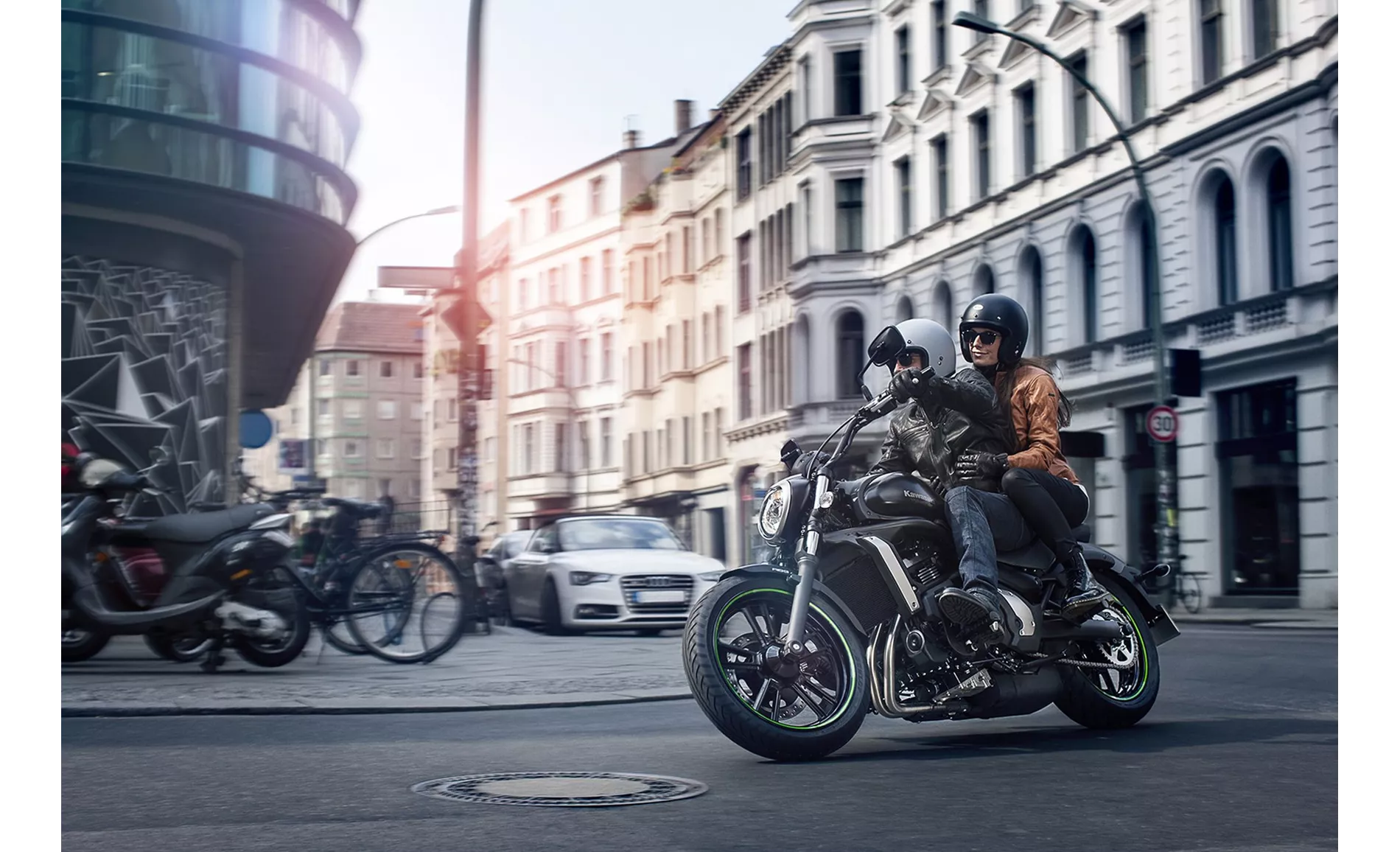
Kawasaki Vulcan S 2015
The strengths of the Vulcan S include its rev-happy engine, which performs well in both high and low rev ranges. The bike also features a decent brake system with ABS, ensuring safe and controlled stopping. The idiosyncratic look of the Vulcan S adds to its appeal, and the narrow rear tire enhances maneuverability. The Ergo-Fit system allows riders to customize the bike for optimal comfort.
However, the Vulcan S does have a few weaknesses. The Ergo-Fit system comes at an additional cost, which may be a drawback for some buyers. The wind protection is moderate, and the gear indicator is only available as an option.
In conclusion, the Kawasaki Z900 2018 and the Kawasaki Vulcan S 2015 have their own unique strengths and weaknesses. The Z900 excels in terms of engine power, chassis design, and sporty appearance. On the other hand, the Vulcan S offers a rev-happy engine, comfortable chassis, and customization options. Ultimately, the choice between the two models depends on individual preferences and riding style.
Technical Specifications Kawasaki Z900 2018 compared to Kawasaki Vulcan S 2015
Pros and Cons in comparison
Pros and Cons in comparison
Kawasaki Z900 2018
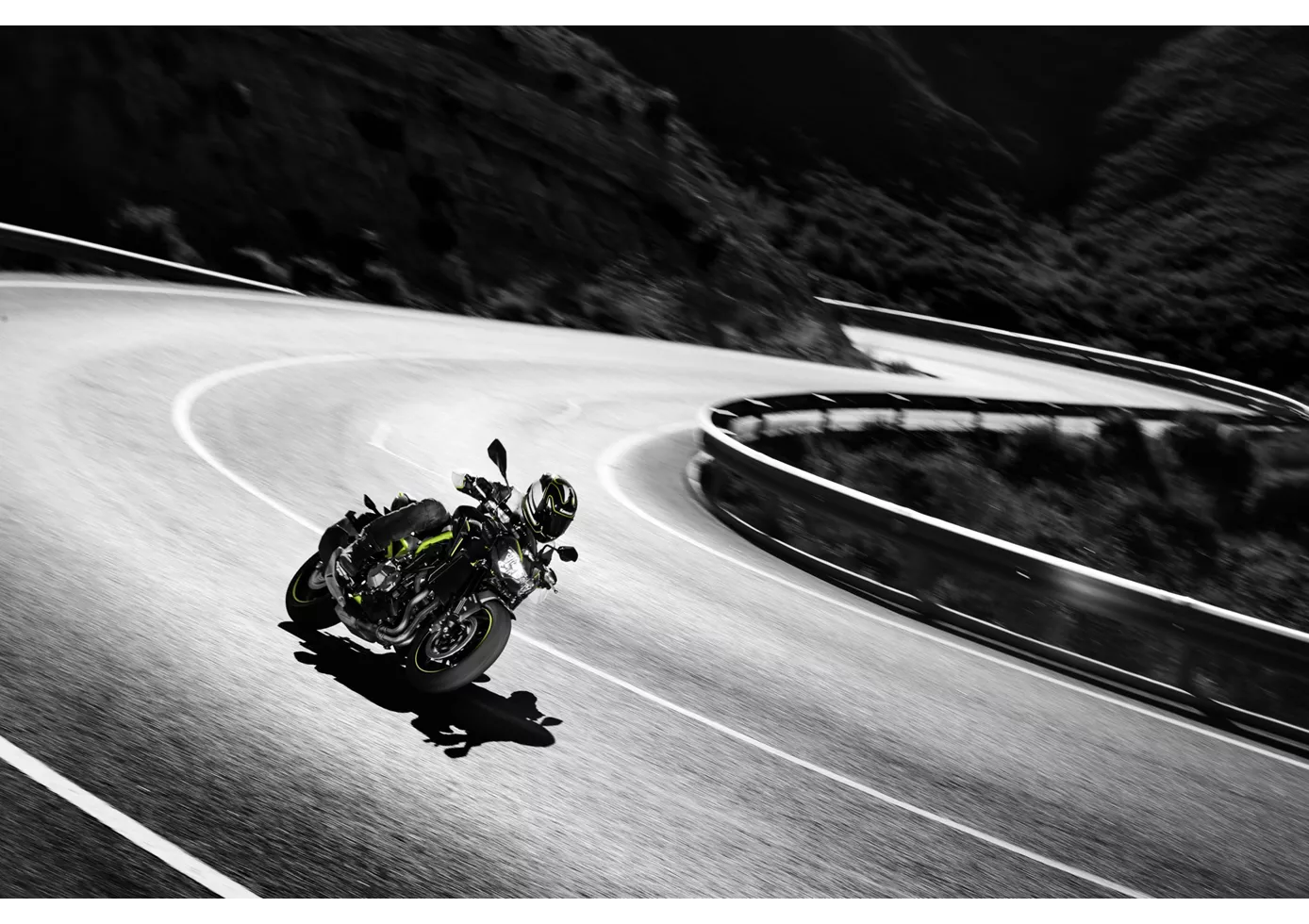
Fortunately, the new Kawasaki Z900 has lost none of its character through the use of electronics. It is and remains a playful mid-range naked bike, which at the same time masters the brisk pace on the country road magnificently. The riding pleasure and suitability for everyday use are high, the now installed riding aids offer a plus in safety. Your opponents will have a really hard time from now on.
Kawasaki Vulcan S 2015
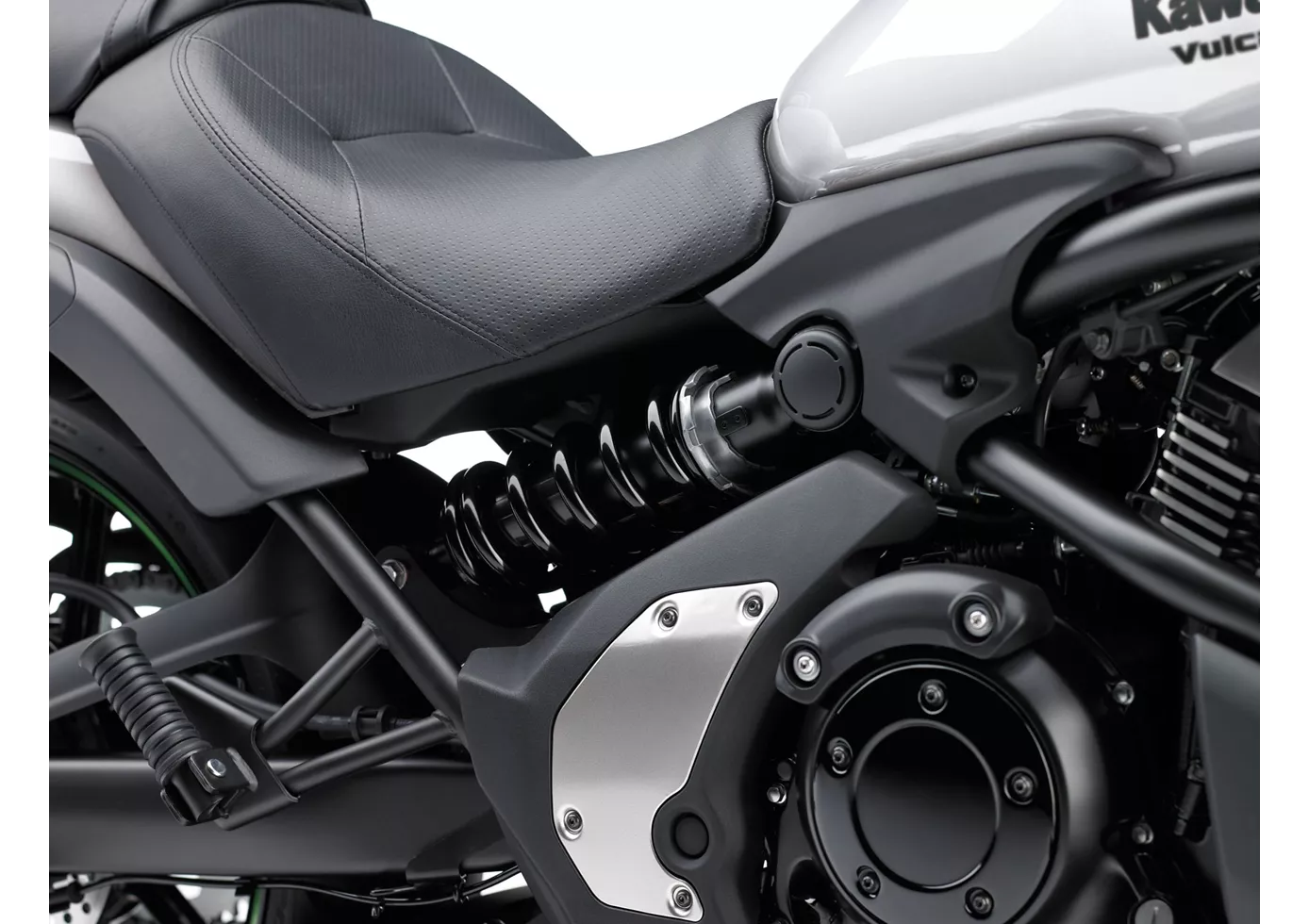
No matter which platform Kawasaki puts the 650 cubic two-cylinder in, the result is always a great motorbike! Even though the engine is unusually rev-happy for a cruiser, it results in a cruiser that actually qualifies as a sports cruiser when paired with the sporty chassis set-up. The only brake is the limited lean angle clearance, but this will not deter lovers of hearty footrest grinding. With such a good bike, we hope that Kawasaki will follow suit - after all, the Vulcan S has been with us almost unchanged since 2015.
Price Comparison Average Market Price Kawasaki Z900 vs Kawasaki Vulcan S
There are a few key differences between a Kawasaki Z900 2018 and a Kawasaki Vulcan S 2015. In terms of price, the actual average price of a Kawasaki Z900 2018 is about 33% higher. A Kawasaki Z900 2018 experiences a loss of 640 USD in one year and 520 USD in two years of ownership. This is offset by a loss of 380 USD and 400 USD for a Kawasaki Vulcan S 2015. Compared to Kawasaki Vulcan S 2015 there are more Kawasaki Z900 2018 bikes available on the 1000PS.de Marketplace, specifically 55 compared to 8. It takes less time to sell a Kawasaki Vulcan S with 75 days compared to 112 days for the Kawasaki Z900. Since model year 2017 1000PS.de editors have written 46 reviews for the Kawasaki Z900 and 13 reviews for the Kawasaki Vulcan S since model year 2015. The first review for the Kawasaki Z900 was published on 11/11/2016 and now has more than 93,200 views. This compares to more than 14,800 views for the first review on Kawasaki Vulcan S published on 10/16/2014.