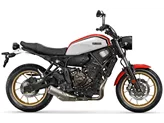
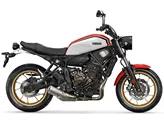
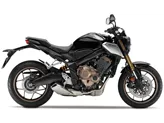
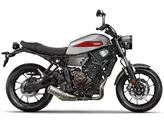
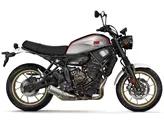
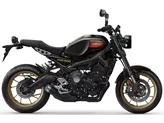
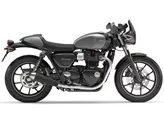
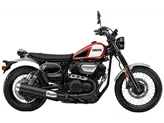
Triumph Street Cup 2017 vs. Yamaha XSR700 2016
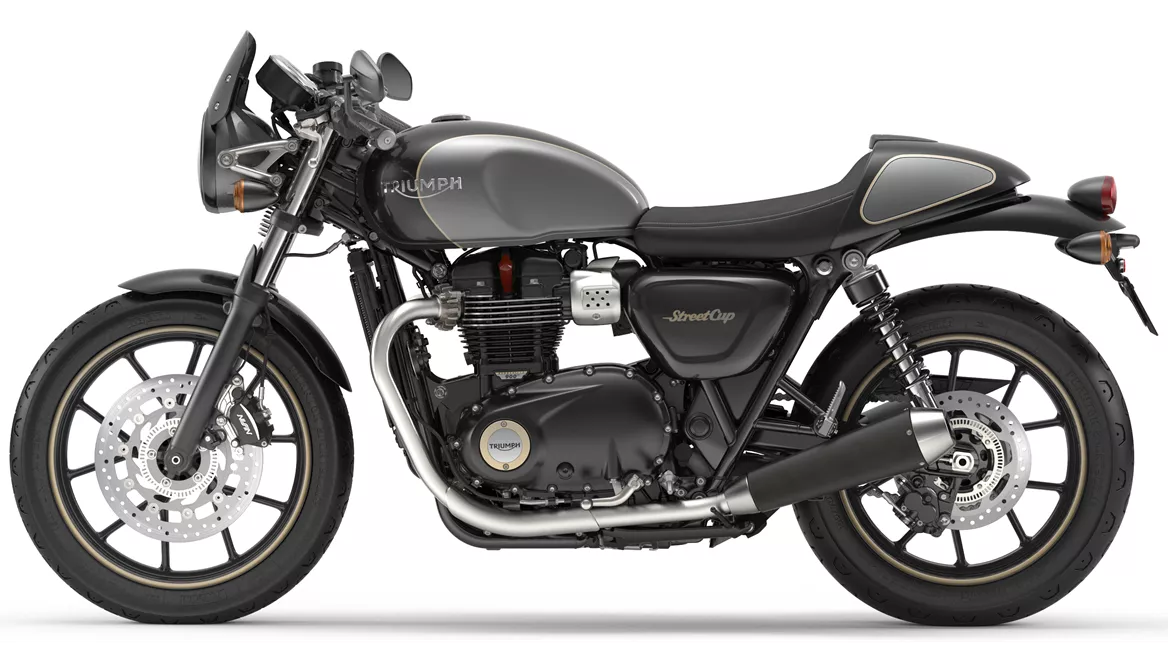
Triumph Street Cup 2017

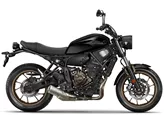
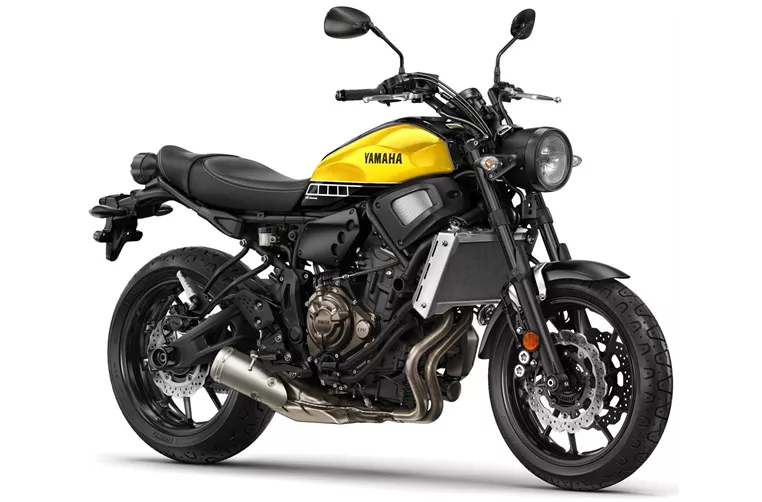
Yamaha XSR700 2016
Overview - Triumph Street Cup 2017 vs Yamaha XSR700 2016
The Triumph Street Cup 2017 and the Yamaha XSR700 2016 are both naked bikes that offer a combination of style, performance, and comfort.
In terms of engine specifications, the Triumph Street Cup is equipped with an in-line crankpin offset engine that delivers 55 horsepower and 80 Nm of torque. On the other hand, the Yamaha XSR700 features an in-line engine that produces 75 horsepower and 68 Nm of torque. While the Yamaha XSR700 has a slightly more powerful engine, the Triumph Street Cup compensates with its torque-strong and elastic engine, providing a responsive and enjoyable riding experience.
Both motorcycles are equipped with fuel injection systems and liquid cooling, ensuring efficient performance and engine temperature regulation. They also have 2 cylinders and a steel frame chassis, providing stability and durability on the road.
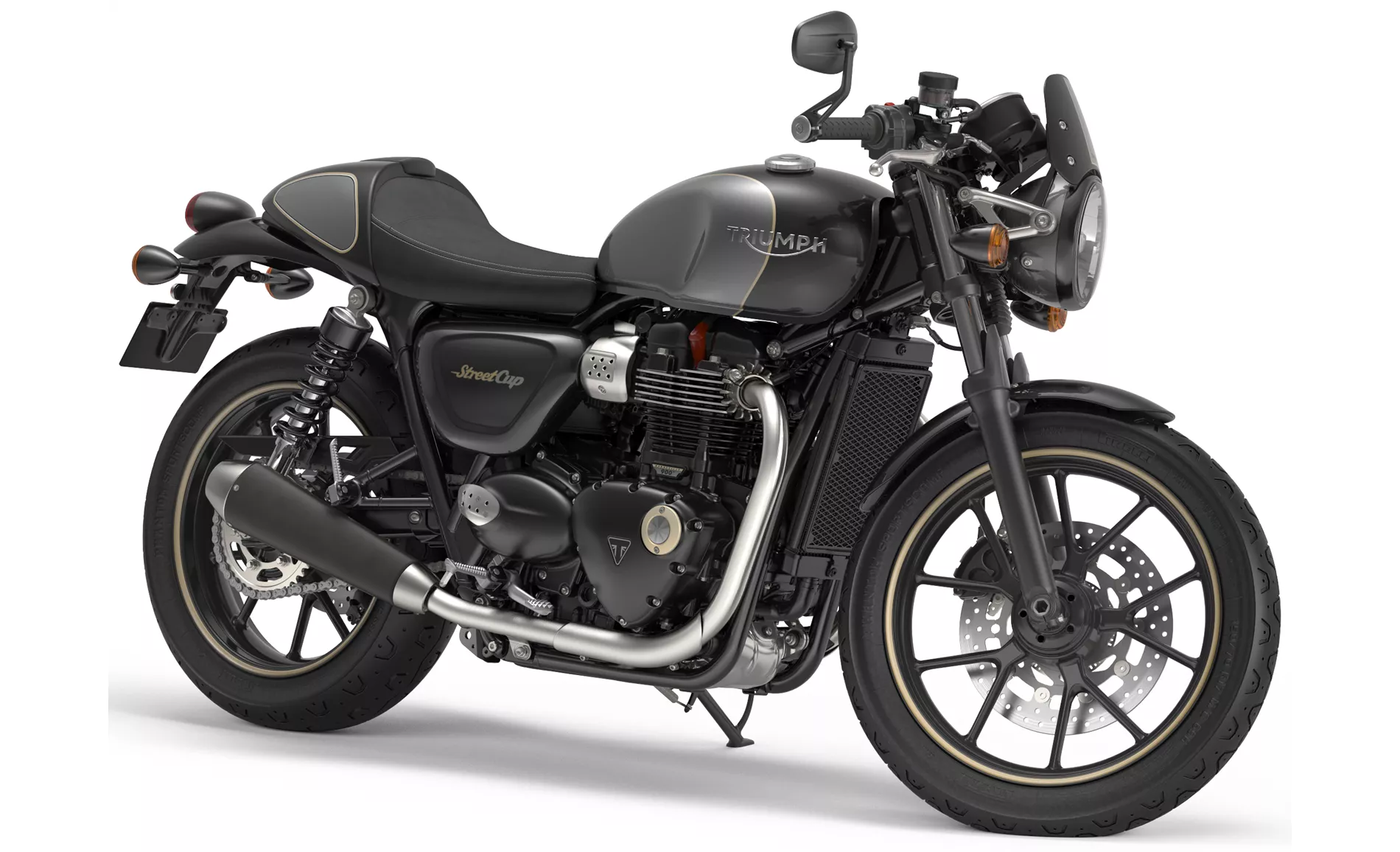
Triumph Street Cup 2017
In terms of suspension, both bikes feature telescopic forks at the front and swing arm suspensions at the rear. However, the Yamaha XSR700 is equipped with a monoshock rear shock absorber, while the Triumph Street Cup has dual shocks. This difference in suspension design may result in a slightly different riding experience, with the Yamaha offering a more direct and responsive feel, and the Triumph providing a smoother and more comfortable ride.
Both motorcycles have double disk brakes at the front, but there are some differences in the specifications. The Triumph Street Cup has larger diameter disks (310 mm) and double piston calipers, while the Yamaha XSR700 has slightly smaller diameter disks (282 mm) and four piston calipers. These differences may result in variations in braking performance, with the Triumph potentially offering stronger stopping power.
Both bikes are equipped with ABS, providing advanced rider assistance systems for improved safety on the road.
In terms of dimensions and weights, the Yamaha XSR700 has a slightly larger front tire width (120 mm) compared to the Triumph Street Cup (100 mm). The rear tire width of the Yamaha is also wider (180 mm) compared to the Triumph (150 mm). However, the Triumph Street Cup has a larger front tire diameter (18 inch) compared to the Yamaha (17 inch). Both motorcycles have the same rear tire diameter of 17 inches. The Yamaha XSR700 has a slightly shorter wheelbase (1405 mm) compared to the Triumph Street Cup (1435 mm). The seat height of the Yamaha is higher (815 mm) compared to the Triumph (780 mm). Additionally, the Yamaha XSR700 has a larger fuel tank capacity (14 liters) compared to the Triumph Street Cup (12 liters).

Yamaha XSR700 2016
In terms of strengths, the Triumph Street Cup is praised for its stunning looks, torque-strong and elastic engine, and sporty yet comfortable seating position. On the other hand, the Yamaha XSR700 is commended for its elastic motor, direct transmission, easy handling, and good build quality.
As for weaknesses, the Triumph Street Cup's electronics do not remember if the traction control was deactivated after switching off the ignition. The Yamaha XSR700, on the other hand, is criticized for having a too soft chassis and a seating position that may require some getting used to.
In summary, both the Triumph Street Cup 2017 and the Yamaha XSR700 2016 offer unique features and strengths. The Triumph Street Cup stands out with its stunning looks, torque-strong engine, and comfortable seating position, while the Yamaha XSR700 impresses with its elastic motor, direct transmission, and easy handling. Ultimately, the choice between the two will depend on the rider's preferences and priorities.
Technical Specifications Triumph Street Cup 2017 compared to Yamaha XSR700 2016
Pros and Cons in comparison
Pros and Cons in comparison
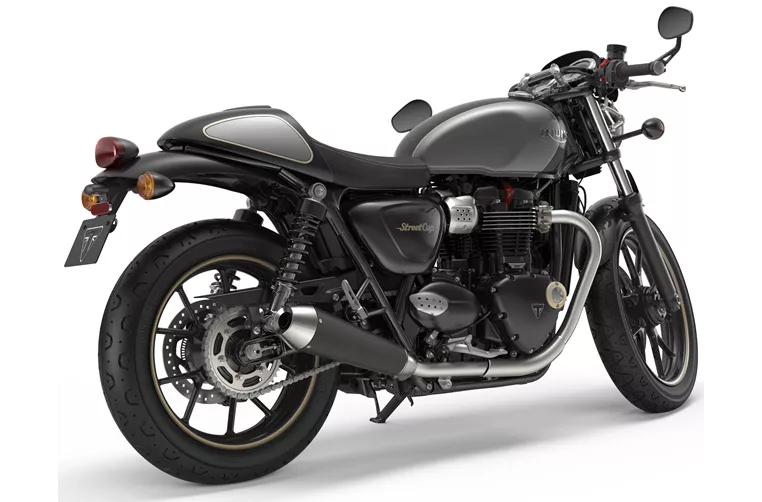
Triumph Street Cup 2017
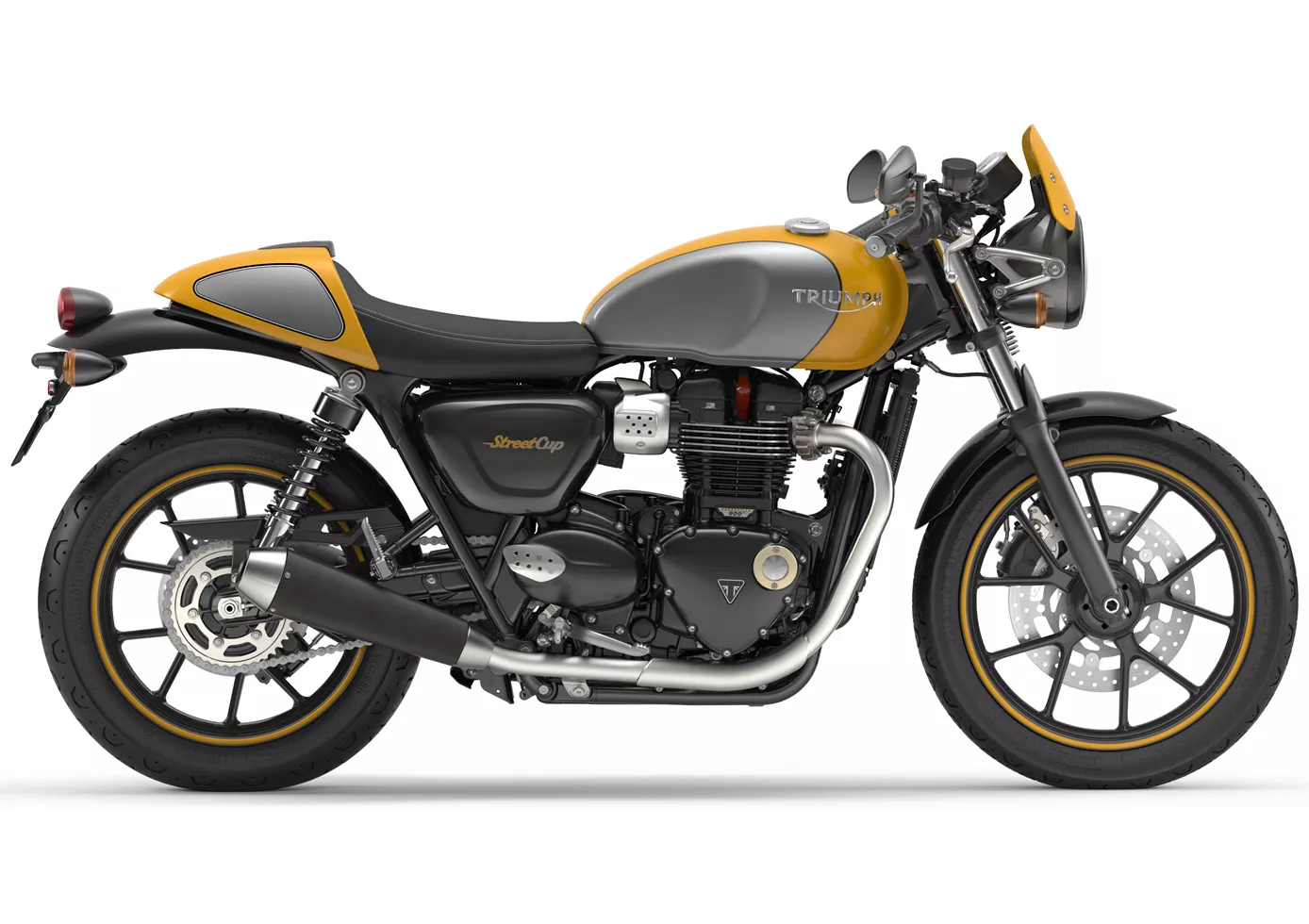
Beautiful retro racer. Lots of riding fun, little fear. Not a killer naked, but definitely strong in battle if you are swing-oriented.
Yamaha XSR700 2016

The XSR is the perfect everyday bike for me. It is visually a feast for the eyes, has an incredible amount of power, but is still light and agile. The seating position allows longer rides, as the luggage can be carried on the back without any problems. The XSR itself doesn't know exactly what it wants to be now. But I find the resulting mix quite exciting. So if you don't want to (or can't) have different bikes in the garage, the XSR is a very good choice. served very well. It has everything you expect from a motorbike. In a hotel, one would speak of an all-inclusive offer. It is perfect for It is perfect for the daily ride to the office, for weekend excursions and smaller tours to the south. Even with a pillion, the bike is very easy to move. As usual from Yamaha, the bike makes a very solid impression. Everything simply works here. The exhaust is pleasantly quiet, but from 5000 rpm it produces a very appealing and throaty sound. The rear end is a matter of taste. Personally, I would rebuild the rear and remove the plastic elements. I also find the standard mirrors a little large. The retro look was not quite carried through here. However, this can be changed very quickly and easily thanks to the many accessories. The instrument panel is basically easy to read. However, a lot of information is space. Here, design and functionality clash a little. Summarised in one sentence: The perfect bike for every challenge.
Price Comparison Average Market Price Triumph Street Cup vs Yamaha XSR700
There are a few key differences between a Triumph Street Cup 2017 and a Yamaha XSR700 2016. It takes less time to sell a Yamaha XSR700 with 85 days compared to 112 days for the Triumph Street Cup. Since model year 2017 1000PS.de editors have written 4 reviews for the Triumph Street Cup and 26 reviews for the Yamaha XSR700 since model year 2015. The first review for the Triumph Street Cup was published on 10/4/2016 and now has more than 36,100 views. This compares to more than 13,700 views for the first review on Yamaha XSR700 published on 7/22/2015.