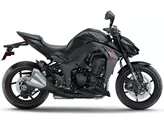
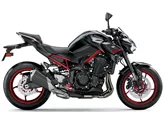
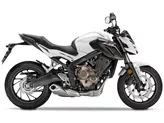
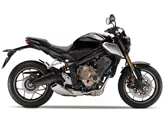
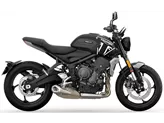
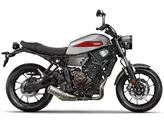
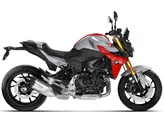
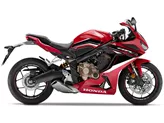
Honda CB650R 2021 vs. Kawasaki Z900 2017
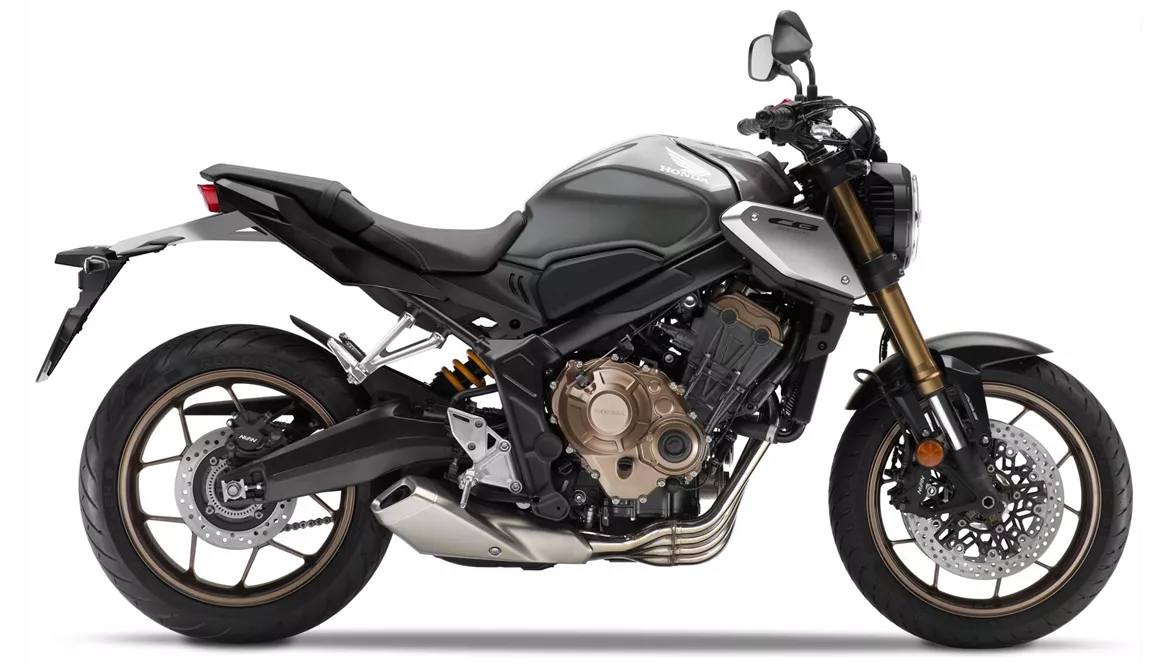
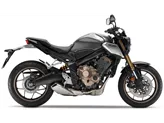
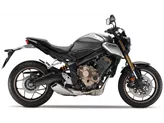
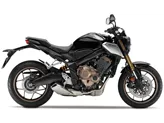
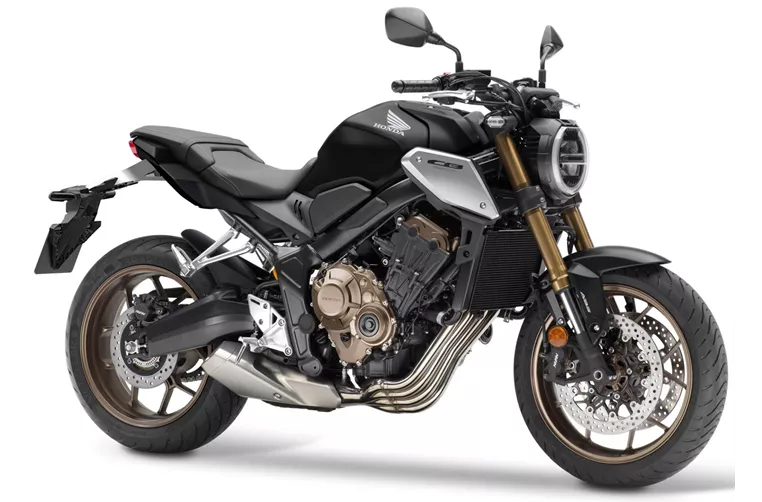
Honda CB650R 2021
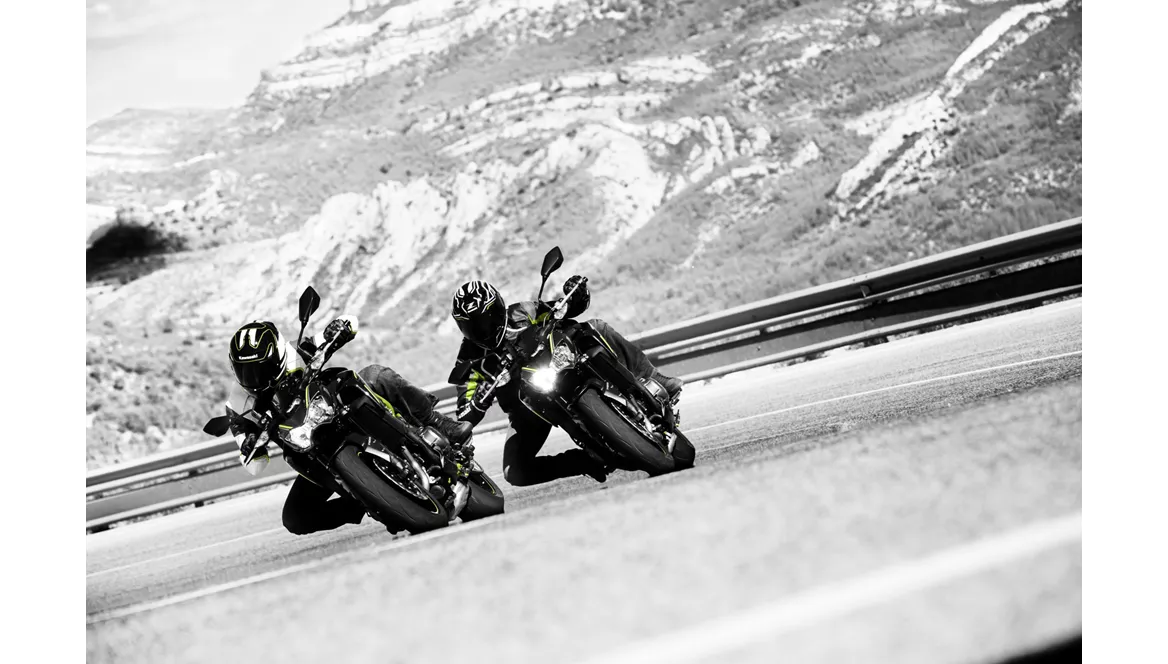
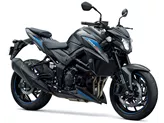
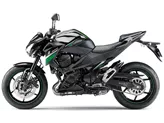
Kawasaki Z900 2017
Overview - Honda CB650R 2021 vs Kawasaki Z900 2017
The Honda CB650R 2021 and the Kawasaki Z900 2017 are both naked bikes with similar engine types, fuel systems, and cooling systems. However, there are several differences between these two models.
In terms of engine power, the Kawasaki Z900 2017 has a higher horsepower of 125.4 HP compared to the Honda CB650R 2021's 95 HP. The Z900 also has a higher torque of 98.6 Nm compared to the CB650R's 63 Nm. This means that the Z900 may offer more acceleration and power on the road.
Both bikes have a four-cylinder engine and use fuel injection systems. They also have upside-down telescopic forks for the front suspension and swing arms with monoshock absorbers for the rear suspension. The Kawasaki Z900 2017, however, offers additional adjustment options for the rear suspension, including preload and rebound adjustment.
In terms of chassis, both bikes have steel frames, but the Honda CB650R 2021 has a twin tube frame, while the Kawasaki Z900 2017 has a double cradle frame. This may result in slight differences in handling and stability.
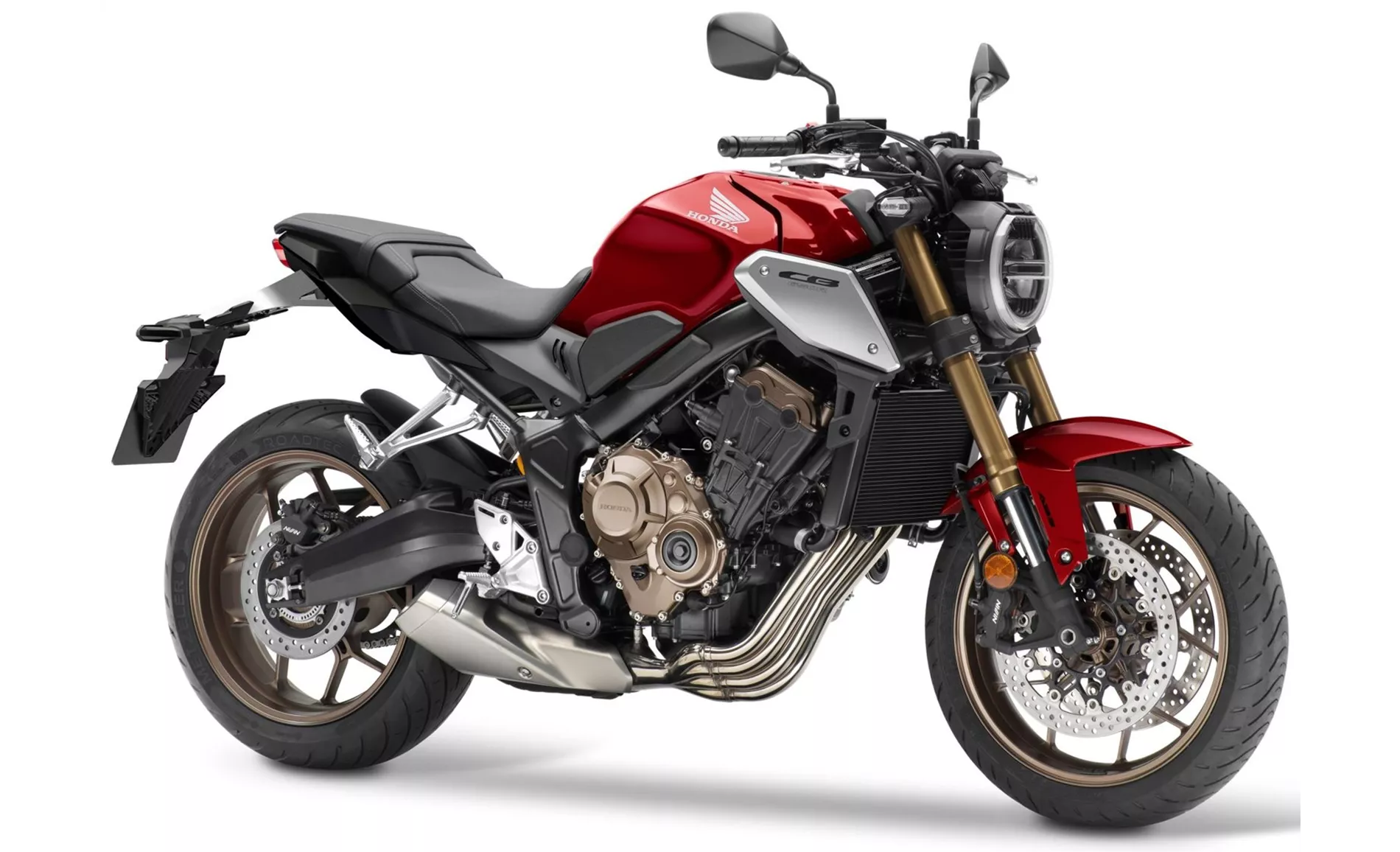
Honda CB650R 2021
Both bikes have double disk brakes on the front with four pistons, but the Kawasaki Z900 2017 uses petal technology for its front brakes, which may provide better heat dissipation and improved braking performance.
Both bikes are equipped with ABS as an advanced rider assistance system, ensuring safer braking in emergency situations.
In terms of dimensions and weights, both bikes have the same front and rear tire widths and diameters. They also have the same wheelbase of 1450 mm. However, the Honda CB650R 2021 has a slightly higher seat height of 810 mm compared to the Z900's 795 mm. The CB650R also has a lower kerb weight of 202.5 kg with ABS, while the Z900 weighs 210 kg with ABS.
Considering the strengths of the Honda CB650R 2021, it offers a stylish design with Neo Sports Cafe Optics and is suitable for beginners. It also has a good price-performance ratio and a smooth-revving engine with low fuel consumption.
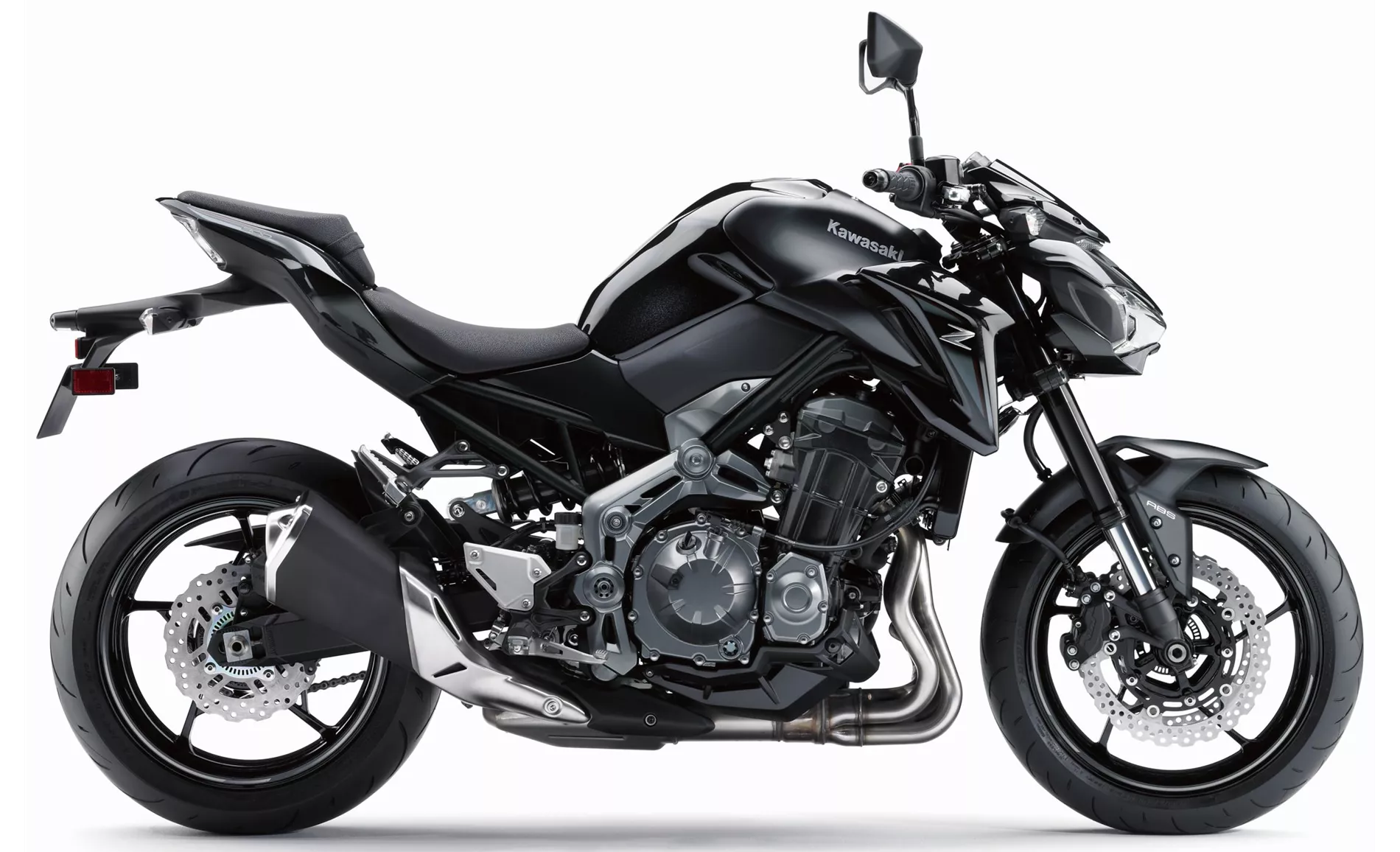
Kawasaki Z900 2017
On the other hand, the Kawasaki Z900 2017 is praised for its ingenious nakedbike chassis and superb looks. It has a powerful engine with excellent responsiveness and a well-balanced torque. It is considered to have an optimal combination of performance, price, and practical use.
In terms of weaknesses, the Honda CB650R 2021 may not provide enough space for tall riders and has a relatively mediocre equipment. It is also criticized for having little punch from the rev range.
The Kawasaki Z900 2017 has a narrow knee angle, which may be uncomfortable for taller riders. However, this can be addressed by ordering a different seat.
Overall, both bikes have their strengths and weaknesses, and the choice between them will depend on individual preferences and priorities.
Technical Specifications Honda CB650R 2021 compared to Kawasaki Z900 2017
Pros and Cons in comparison
Pros and Cons in comparison
Honda CB650R 2021
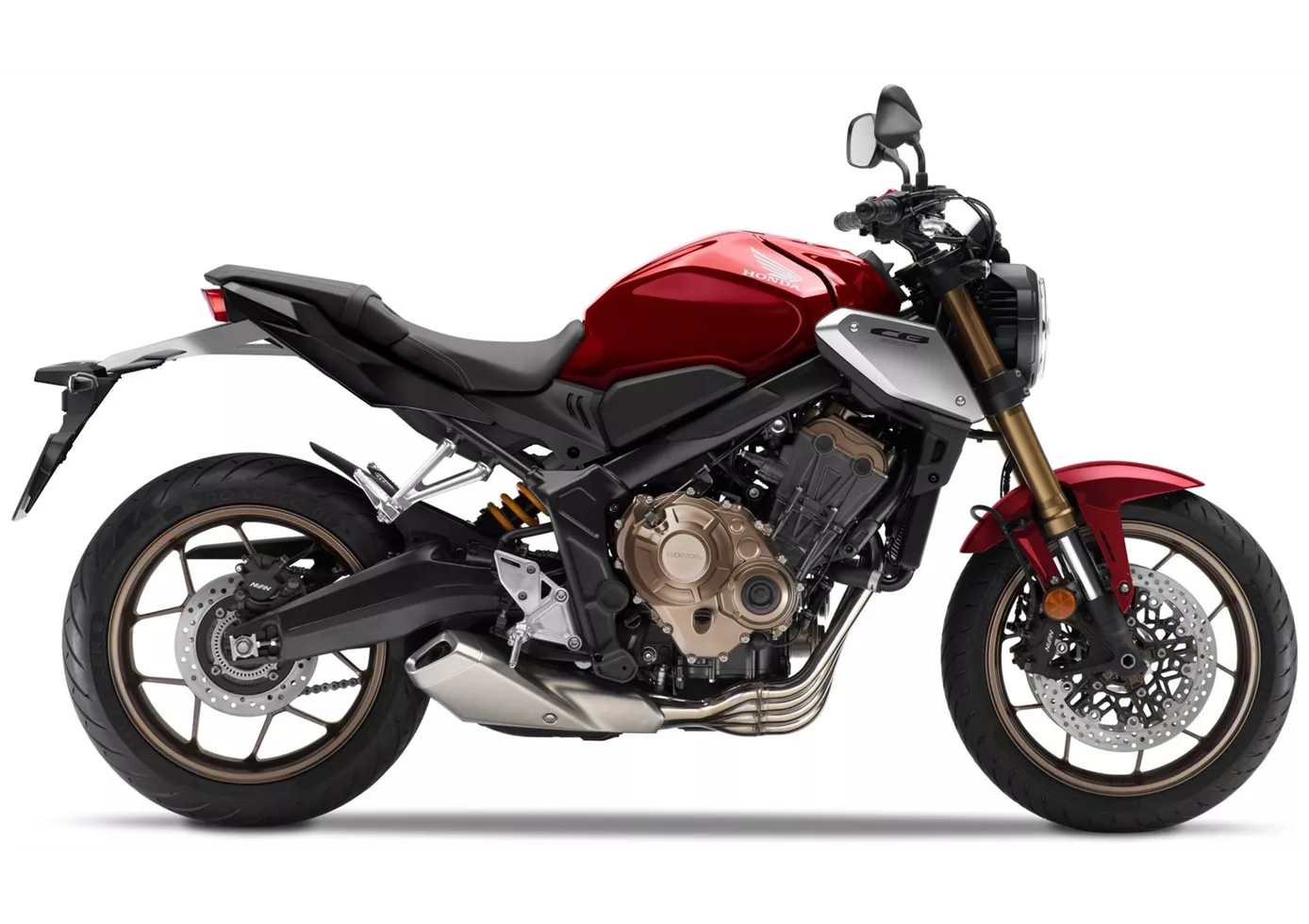
Honda's CB650R proves brilliantly that four-cylinder naked bikes with little displacement are also a real source of joy on the country road. The engine tuning provides enough pressure from the hairpin bend and rewards with a wonderful four-cylinder shriek after a short wait. The chassis components offer a solid balance between everyday life and sportiness.
Kawasaki Z900 2017
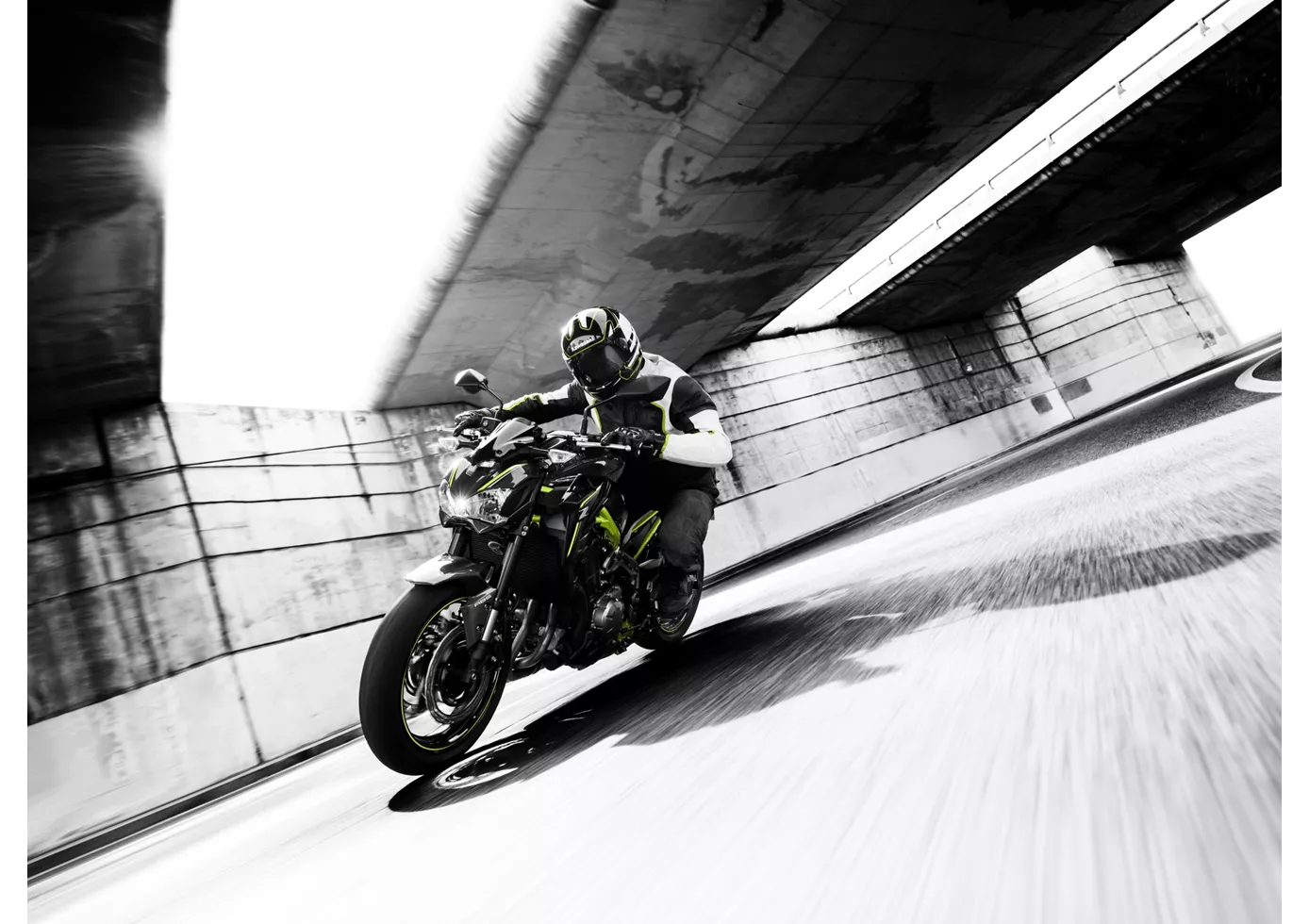
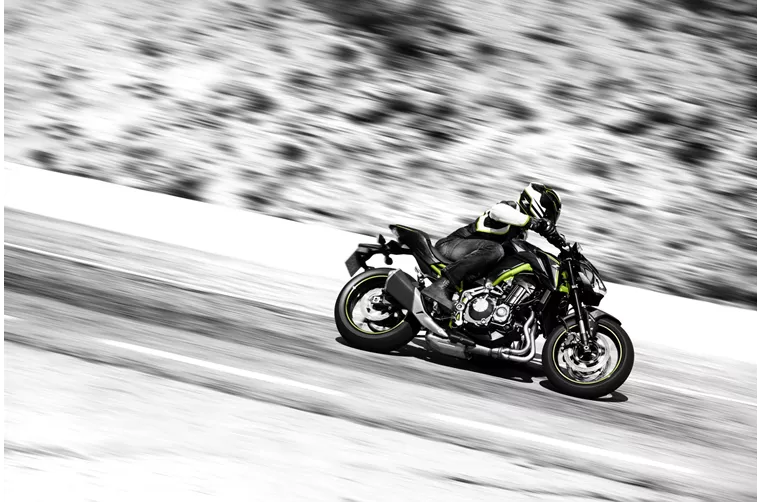
Fortunately, the new Kawasaki Z900 has lost none of its character through the use of electronics. It is and remains a playful mid-range naked bike, which at the same time masters the brisk pace on the country road magnificently. The riding pleasure and suitability for everyday use are high, the now installed riding aids offer a plus in safety. Your opponents will have a really hard time from now on.
Price Comparison Average Market Price Honda CB650R vs Kawasaki Z900
There are a few key differences between a Honda CB650R 2021 and a Kawasaki Z900 2017. In terms of price, the actual average price of a Kawasaki Z900 2017 is about 31% higher. Compared to Kawasaki Z900 2017 there are less Honda CB650R 2021 bikes available on the 1000PS.de Marketplace, specifically 11 compared to 43. It takes less time to sell a Honda CB650R with 63 days compared to 85 days for a Kawasaki Z900. Since model year 2019 1000PS.de editors have written 23 reviews for the Honda CB650R and 46 reviews for the Kawasaki Z900 since model year 2017. The first review for the Honda CB650R was published on 10/8/2018 and now has more than 53,700 views. This compares to more than 93,200 views for the first review on Kawasaki Z900 published on 11/11/2016.