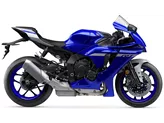
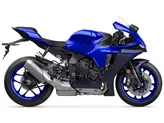
Kawasaki Ninja ZX-10R 2013 vs. Yamaha R1 2014
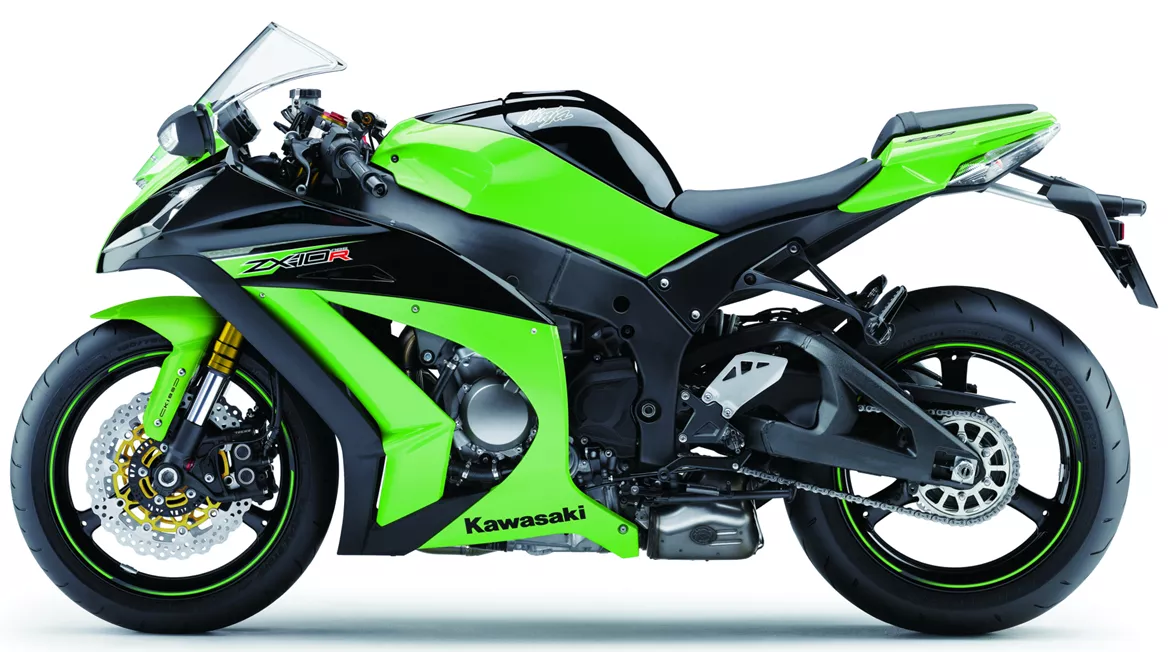
Kawasaki Ninja ZX-10R 2013
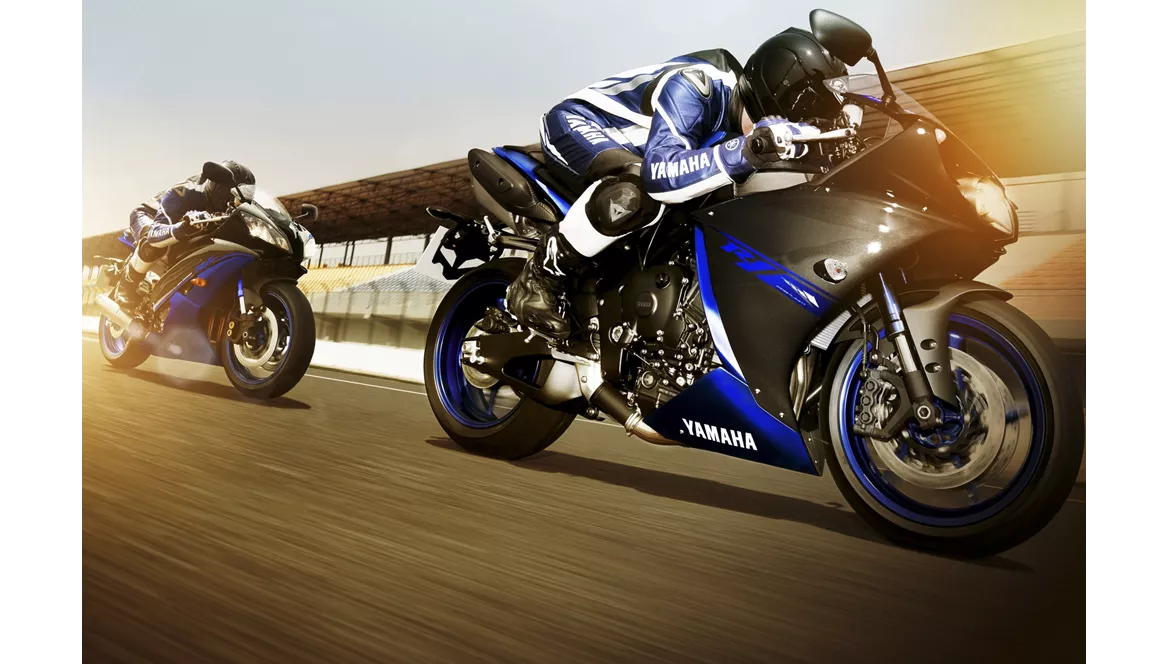
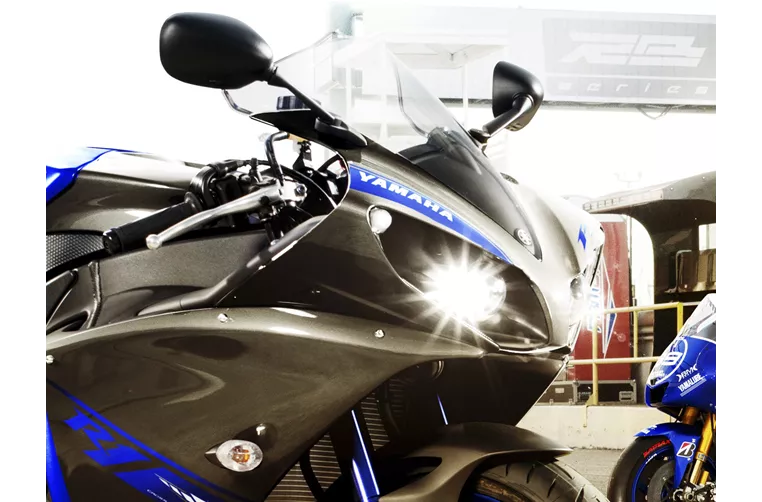
Yamaha R1 2014
Overview - Kawasaki Ninja ZX-10R 2013 vs Yamaha R1 2014
The Kawasaki Ninja ZX-10R 2013 and the Yamaha R1 2014 are both powerful and high-performance supersport motorcycles. While they share many similarities in terms of engine displacement, suspension, chassis, and braking system, there are some notable differences between the two models.
In terms of engine specifications, the Kawasaki Ninja ZX-10R 2013 has a bore of 76 mm and a stroke of 55 mm, producing an impressive engine power of 200.1 HP and torque of 114.3 Nm. On the other hand, the Yamaha R1 2014 has a slightly larger bore of 78 mm but a smaller stroke of 52.2 mm, resulting in a slightly lower engine power of 182 HP and torque of 115.5 Nm. Both motorcycles have four cylinders and a displacement of 998 ccm, providing ample power for thrilling acceleration and top speeds.
When it comes to suspension, both motorcycles feature upside-down telescopic forks at the front, ensuring excellent handling and stability. The chassis of both models is made of aluminum, which contributes to their lightweight and nimble nature. Additionally, both motorcycles are equipped with double disk brakes at the front, delivering strong stopping power and reliable braking performance.
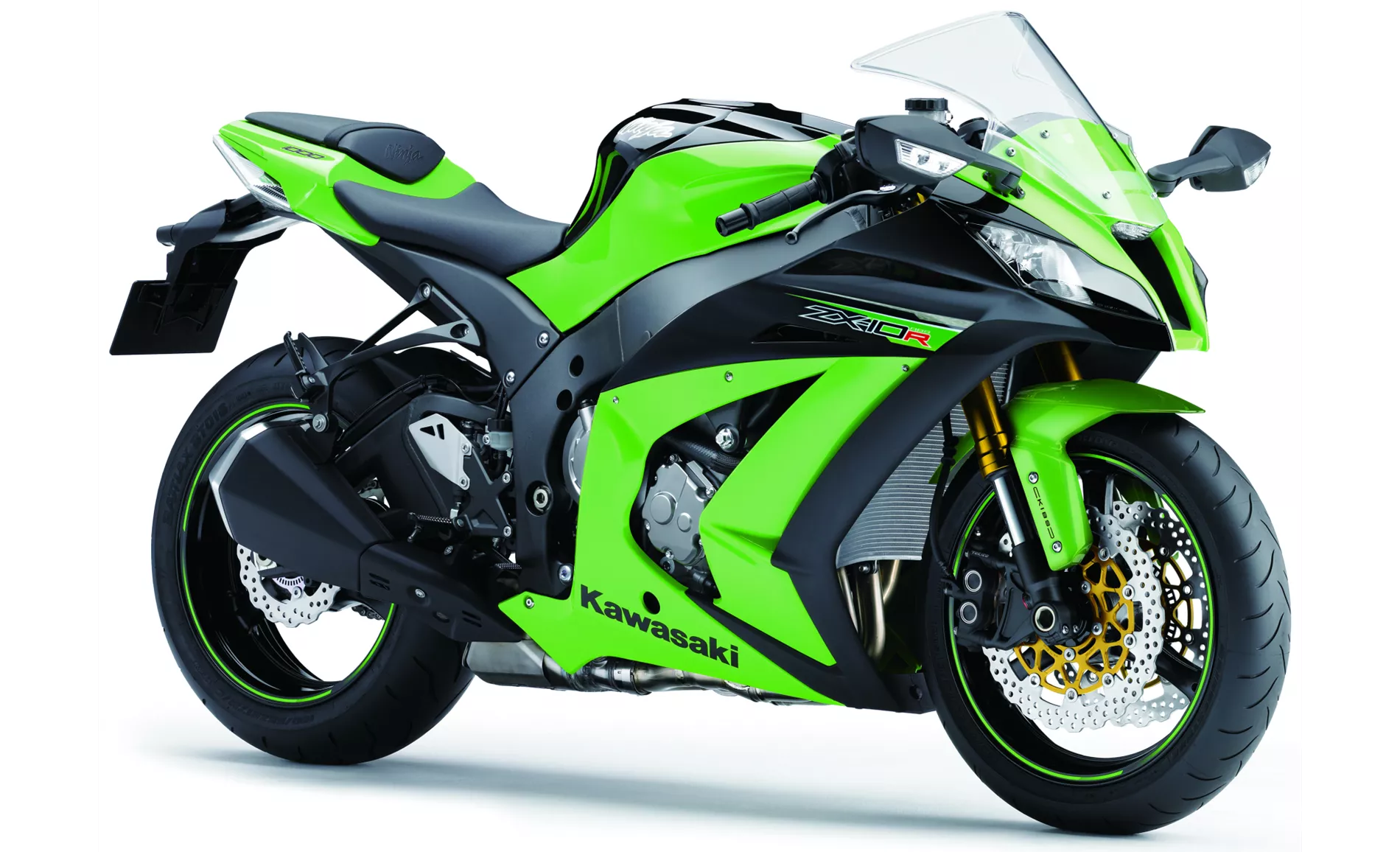
Kawasaki Ninja ZX-10R 2013
In terms of dimensions and weights, the Kawasaki Ninja ZX-10R 2013 has a front tire width of 120 mm and a rear tire width of 190 mm, with both tires having a diameter of 17 inches. It has a wheelbase of 1115 mm and a seat height of 813 mm. The kerb weight of the Ninja ZX-10R is 198 kg, making it slightly lighter than the Yamaha R1 2014, which weighs 206 kg. The R1 has a longer wheelbase of 1415 mm and a higher seat height of 835 mm.
Both motorcycles have a fuel tank capacity suitable for long rides, with the Ninja ZX-10R 2013 having a 17-liter tank and the Yamaha R1 2014 having an 18-liter tank.
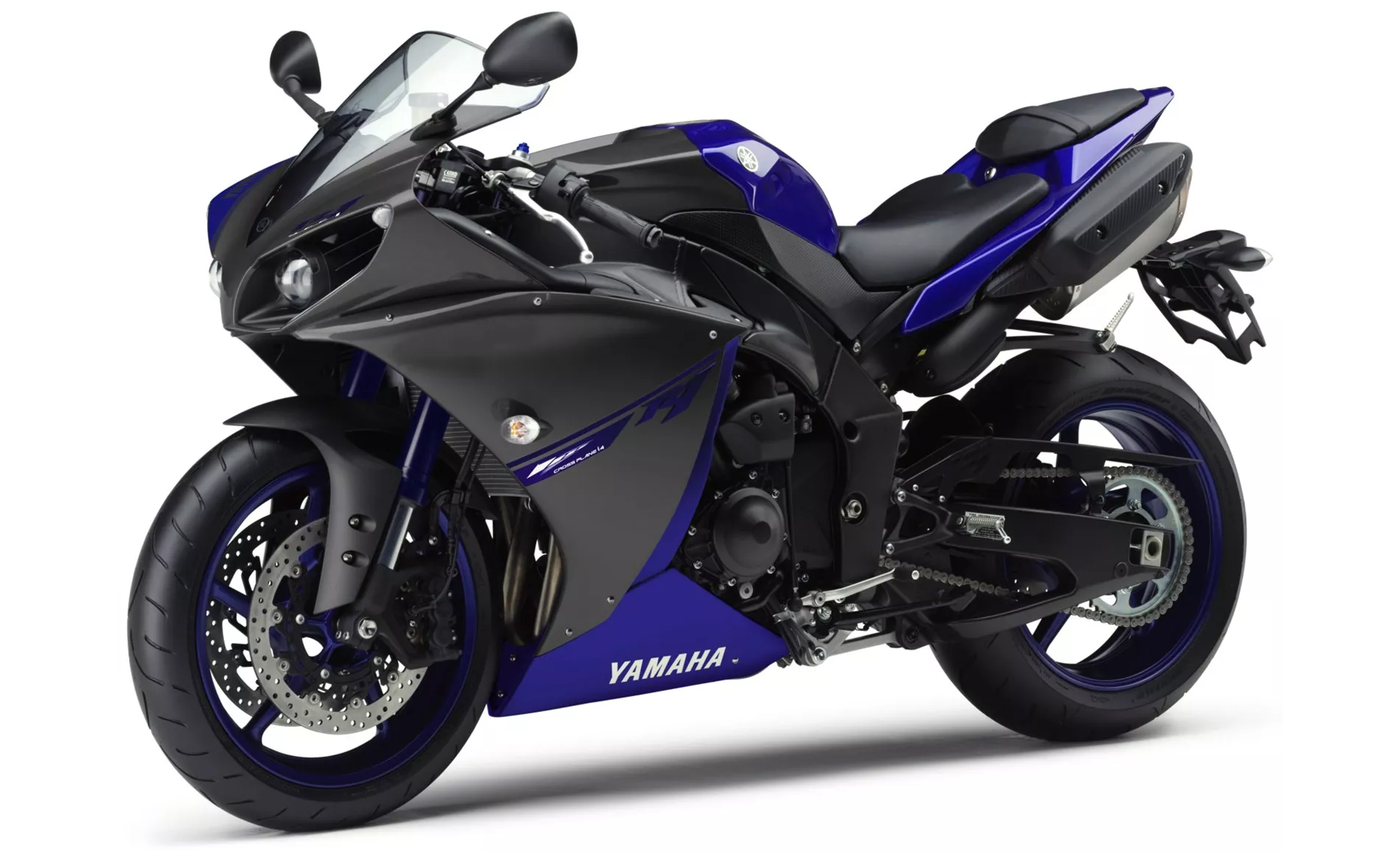
Yamaha R1 2014
In terms of strengths, the Kawasaki Ninja ZX-10R 2013 is known for its exceptional speed and comfortable riding experience. It features electronic chassis technology, which enhances stability and control. On the other hand, the Yamaha R1 2014 is praised for its agility and strong braking system. It also stands out due to its unique and exclusive design, particularly its idiosyncratic engine.
As for weaknesses, the Kawasaki Ninja ZX-10R 2013 does not have any notable weaknesses. However, some riders may find the appearance of the Yamaha R1 2014, with its wide tail, to be a matter of personal taste and preference.
In conclusion, both the Kawasaki Ninja ZX-10R 2013 and the Yamaha R1 2014 are impressive supersport motorcycles with their own strengths and weaknesses. While the Ninja ZX-10R offers exceptional speed and comfort, the R1 stands out with its agility, strong brakes, and unique design. Ultimately, the choice between the two models will depend on individual preferences and priorities.
Technical Specifications Kawasaki Ninja ZX-10R 2013 compared to Yamaha R1 2014
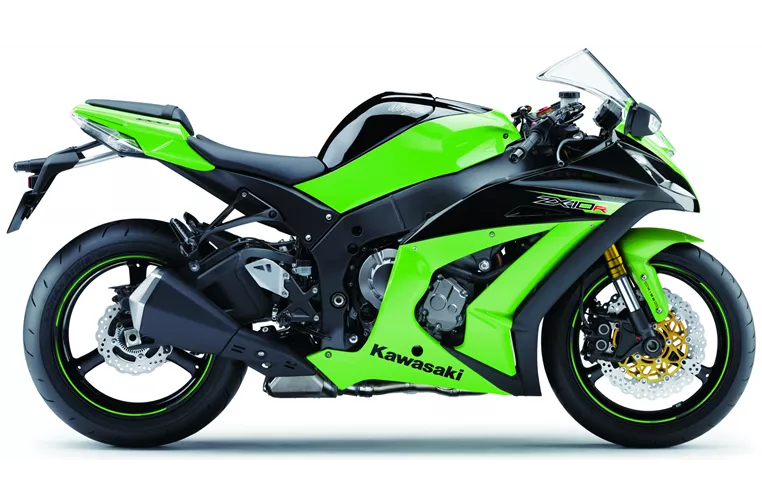
Pros and Cons in comparison
Pros and Cons in comparison
Kawasaki Ninja ZX-10R 2013
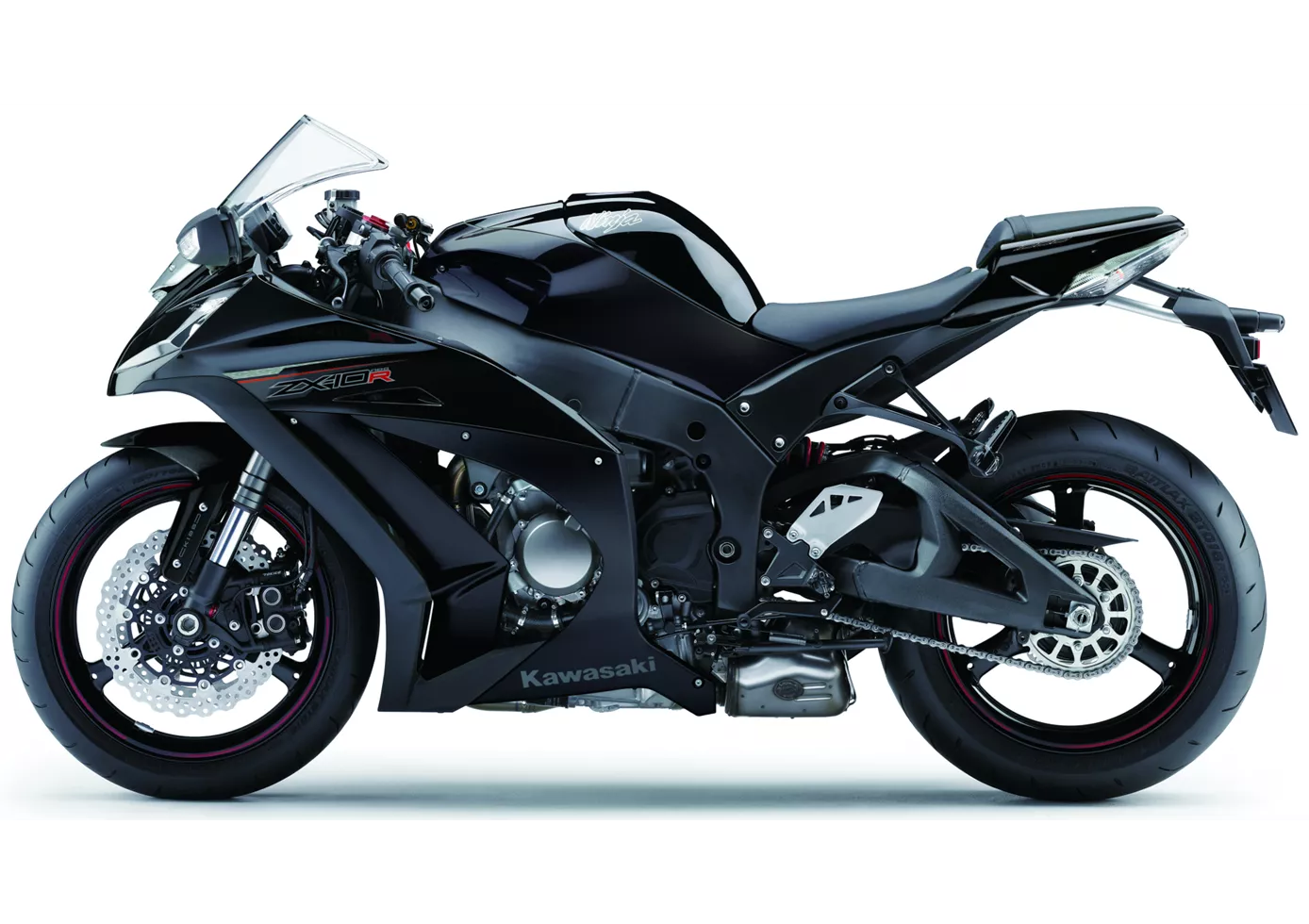
The ZX-10R was right in the middle during the test. It was not as fast and radical as the R1, Panigale, BMW and Aprilia. But it was also sportier than the Honda and Suzuki. While Honda and Suzuki would need completely new bikes to catch up with the top, Kawasaki would only have to give the ZX-10R a small update. But satisfied ZX-10R riders need not despair. The gap to the top is small enough to catch up with a few accessories. Because the ZX-10R has one decisive advantage. It has been on the market for a long time and there are enough parts available, including the necessary setup information. If you don't want to get involved in any experiments, take a Kawasaki and with a few simple steps you will also be at the top.
Yamaha R1 2014
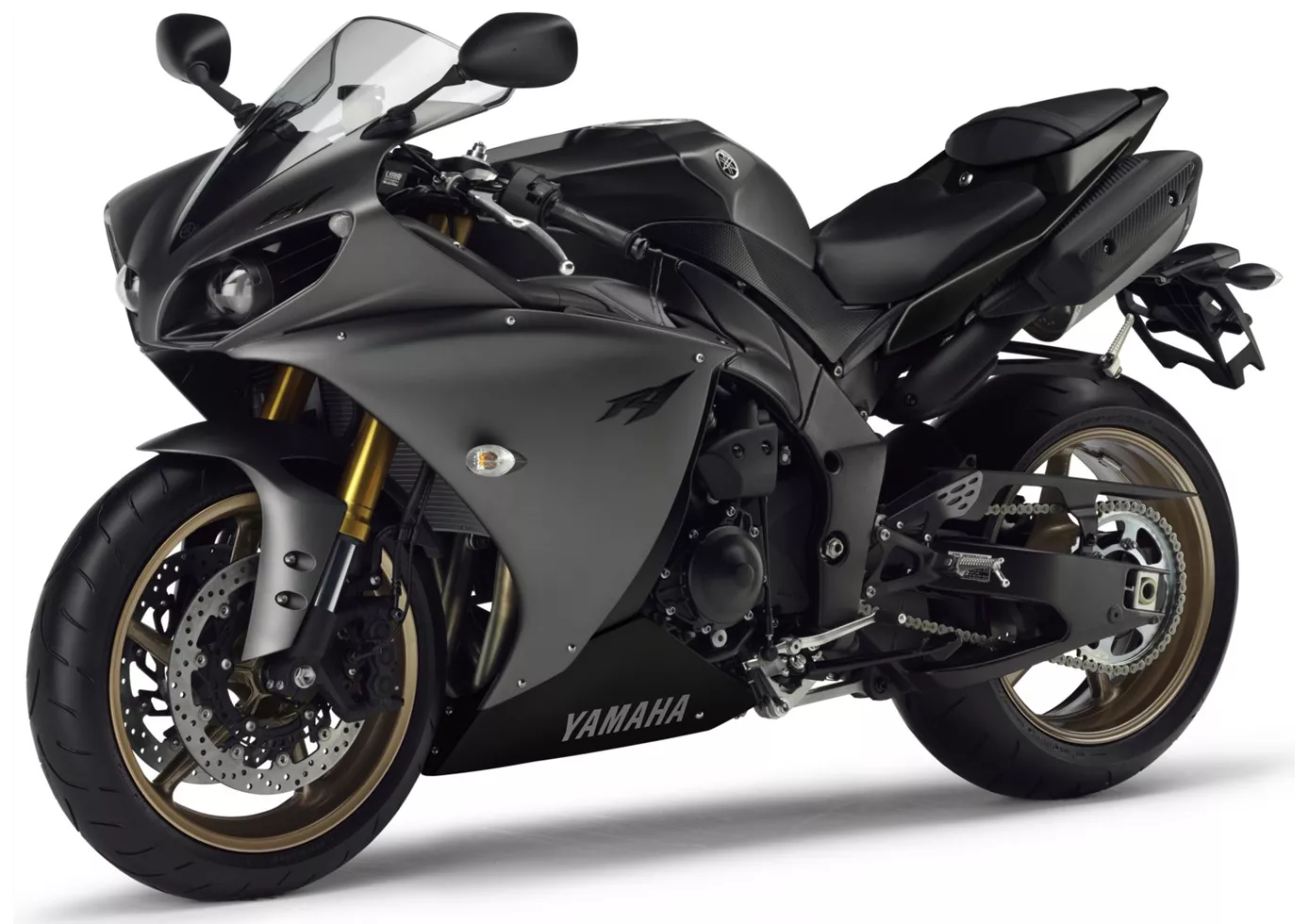
The Yamaha YZF-R1 still inspires with balanced performance - especially the 1000cc engine with its extravagant crank pin offset not only serves the powerful power delivery but also provides a wonderful sound!
Price Comparison Average Market Price Kawasaki Ninja ZX-10R vs Yamaha R1
There are a few key differences between a Kawasaki Ninja ZX-10R 2013 and a Yamaha R1 2014. It takes less time to sell a Yamaha R1 with 74 days compared to 120 days for the Kawasaki Ninja ZX-10R. Since model year 2005 1000PS.de editors have written 51 reviews for the Kawasaki Ninja ZX-10R and 80 reviews for the Yamaha R1 since model year 2005. The first review for the Kawasaki Ninja ZX-10R was published on 1/11/2004 and now has more than 2,900 views. This compares to more than 3,900 views for the first review on Yamaha R1 published on 4/28/2003.