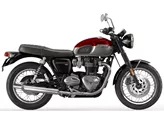
Yamaha XJR 1300 2016 vs. Moto Guzzi V7 Stone 2022
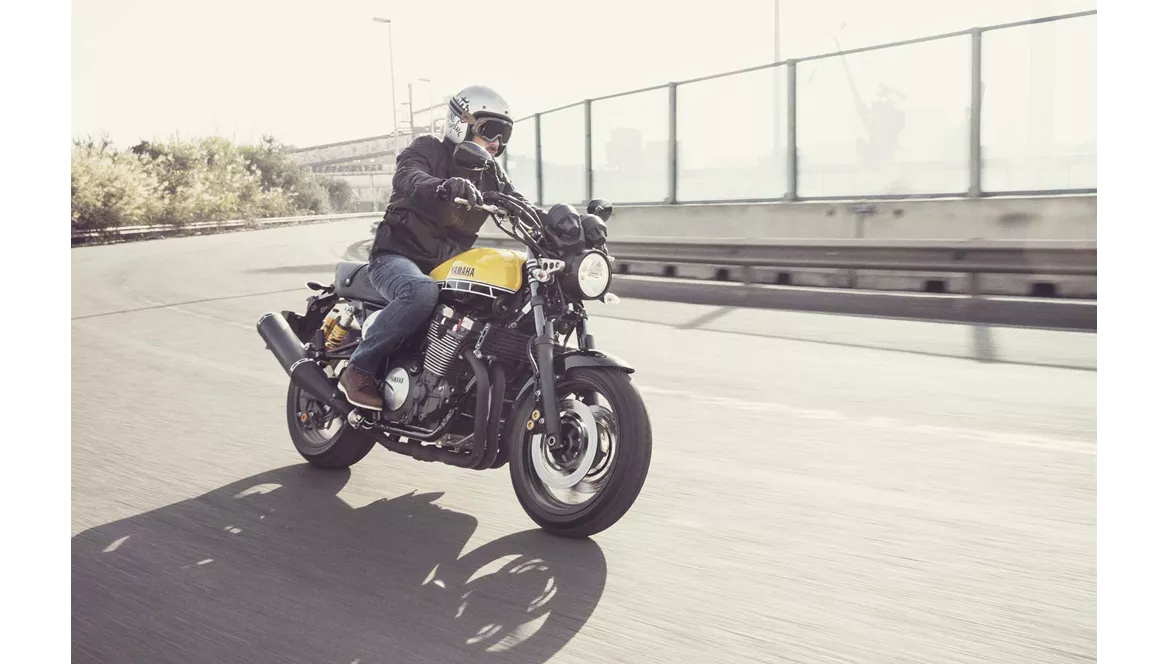
Yamaha XJR 1300 2016
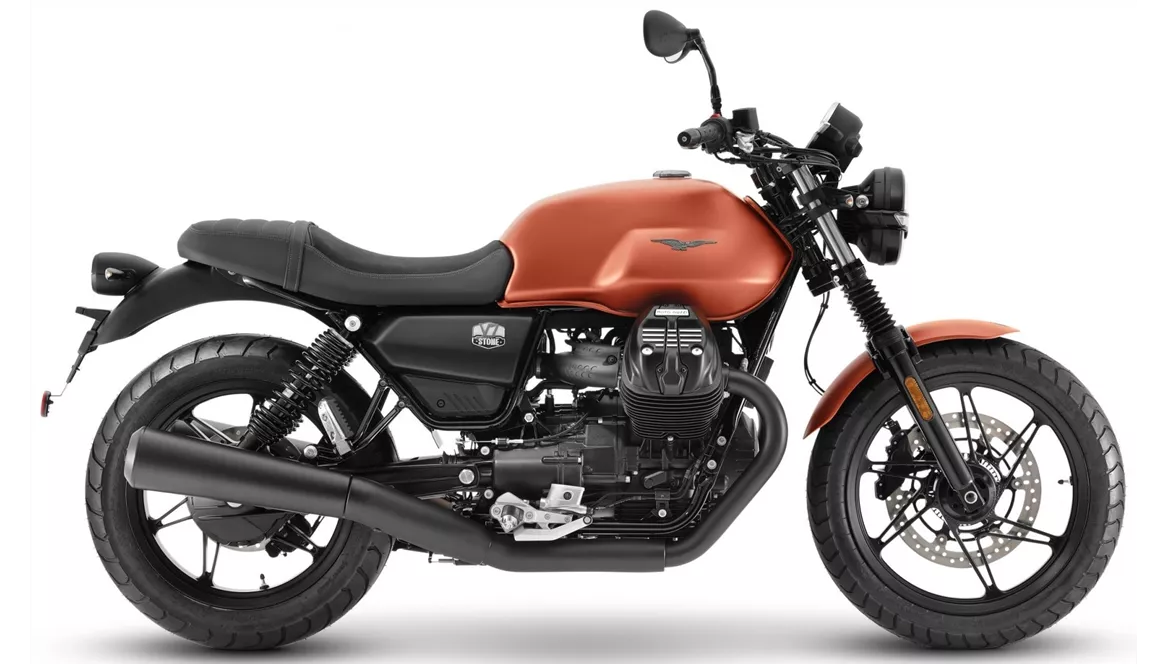
Moto Guzzi V7 Stone 2022
Overview - Yamaha XJR 1300 2016 vs Moto Guzzi V7 Stone 2022
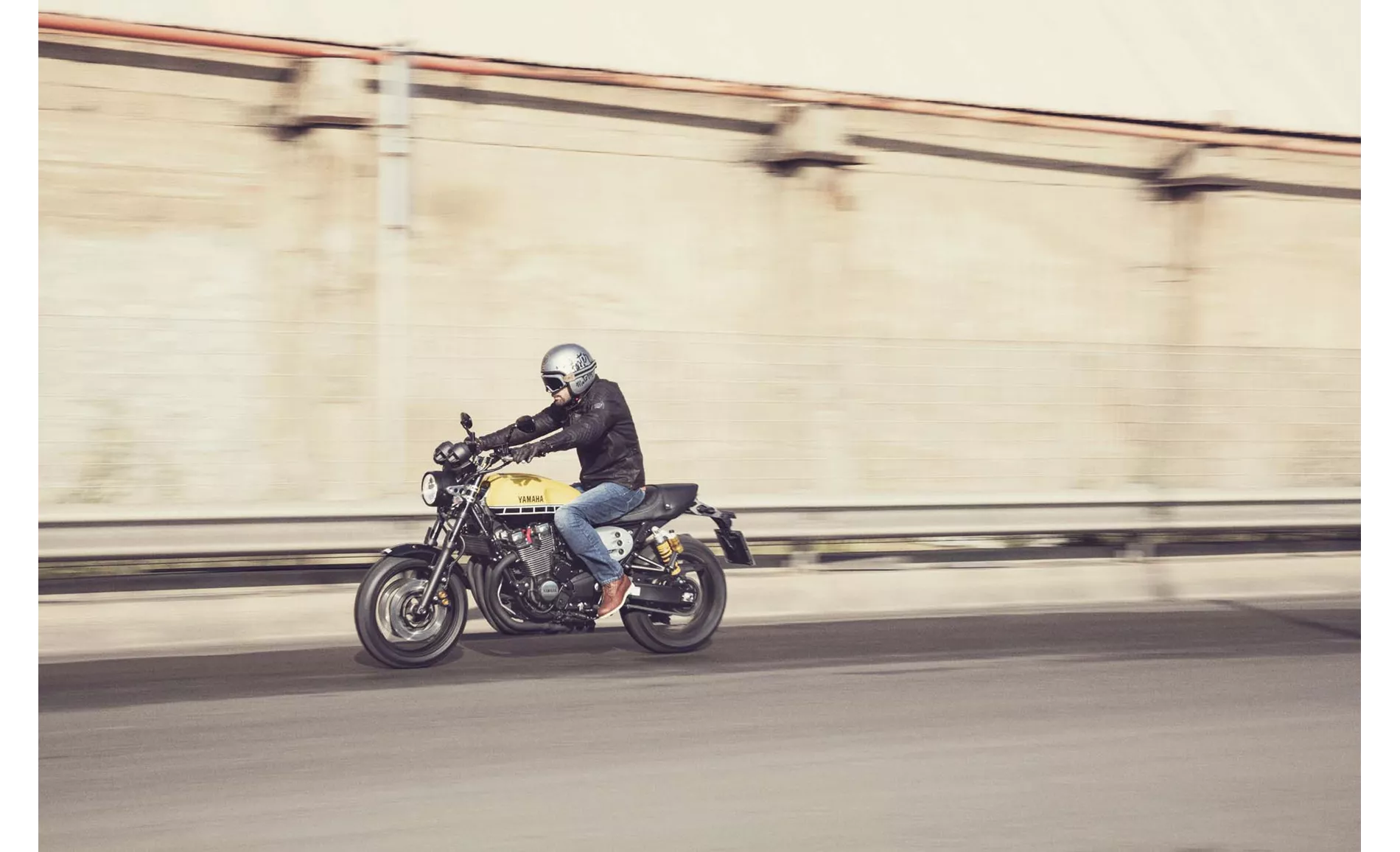
Yamaha XJR 1300 2016
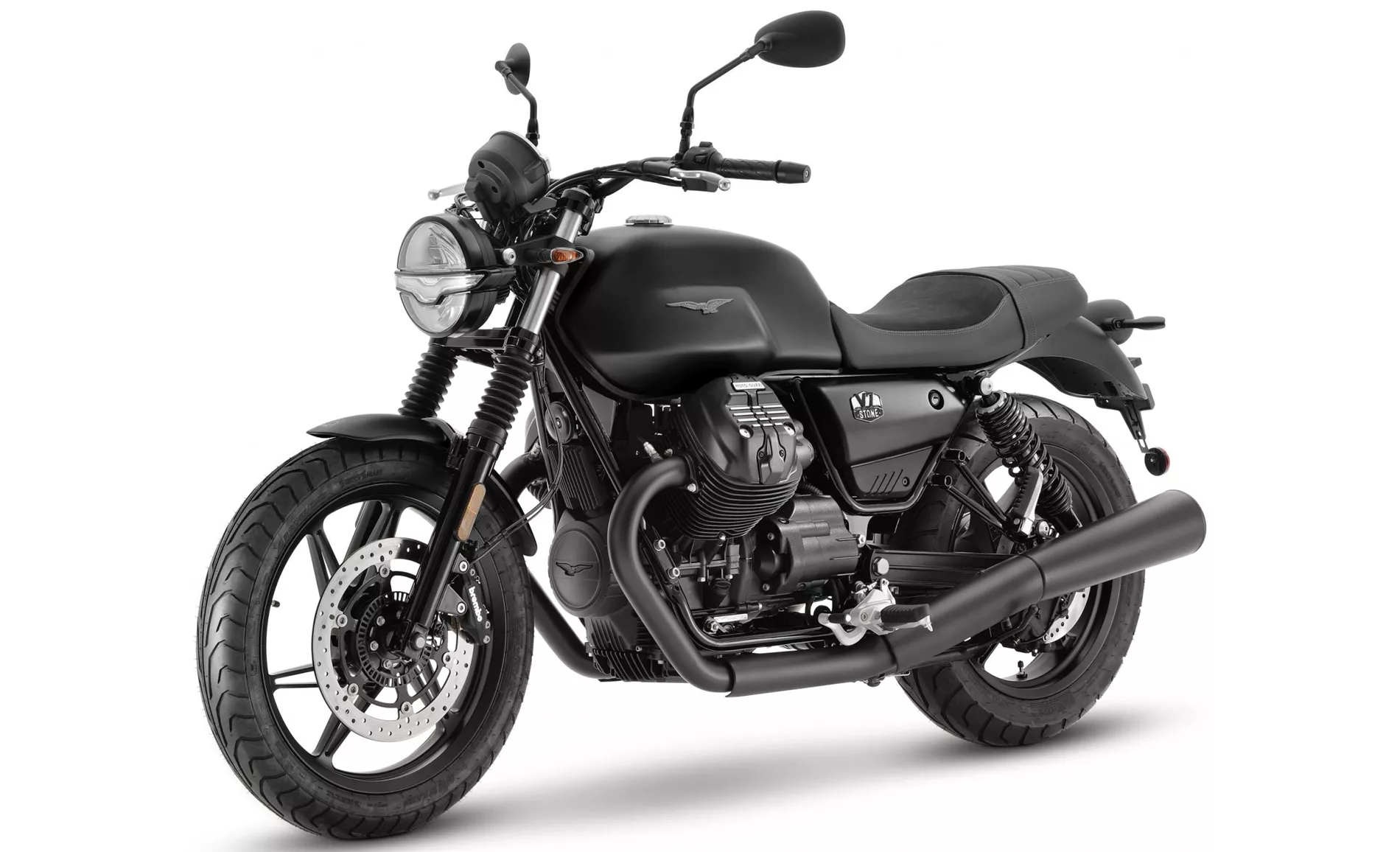
Moto Guzzi V7 Stone 2022
Technical Specifications Yamaha XJR 1300 2016 compared to Moto Guzzi V7 Stone 2022
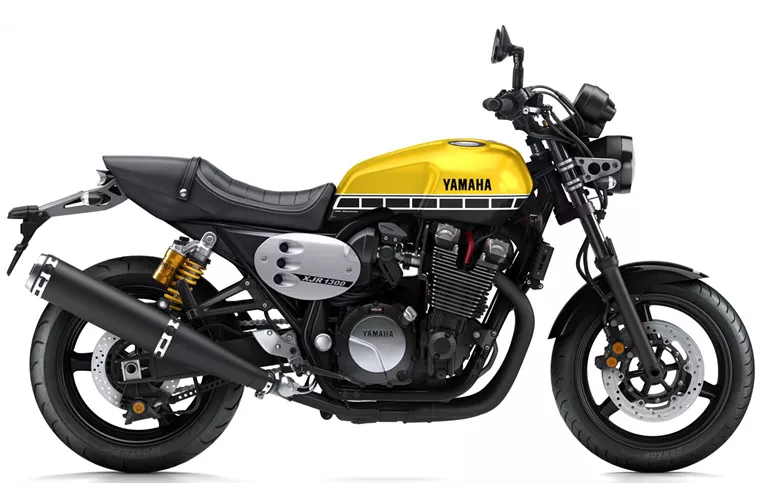
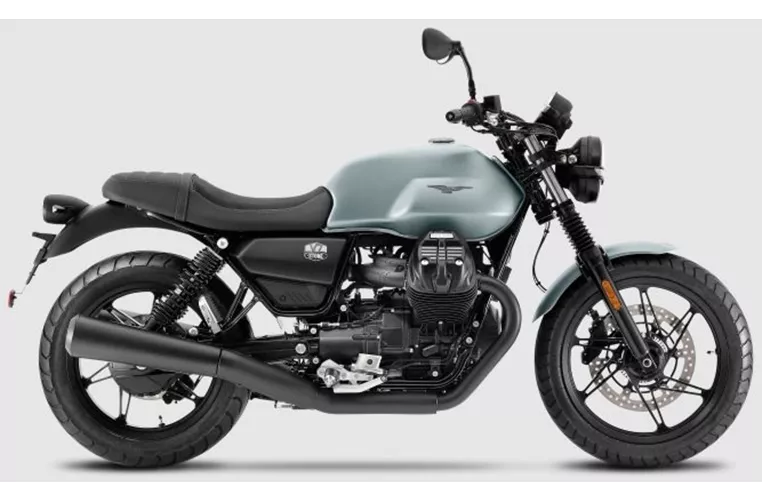
Pros and Cons in comparison
Pros and Cons in comparison
Yamaha XJR 1300 2016
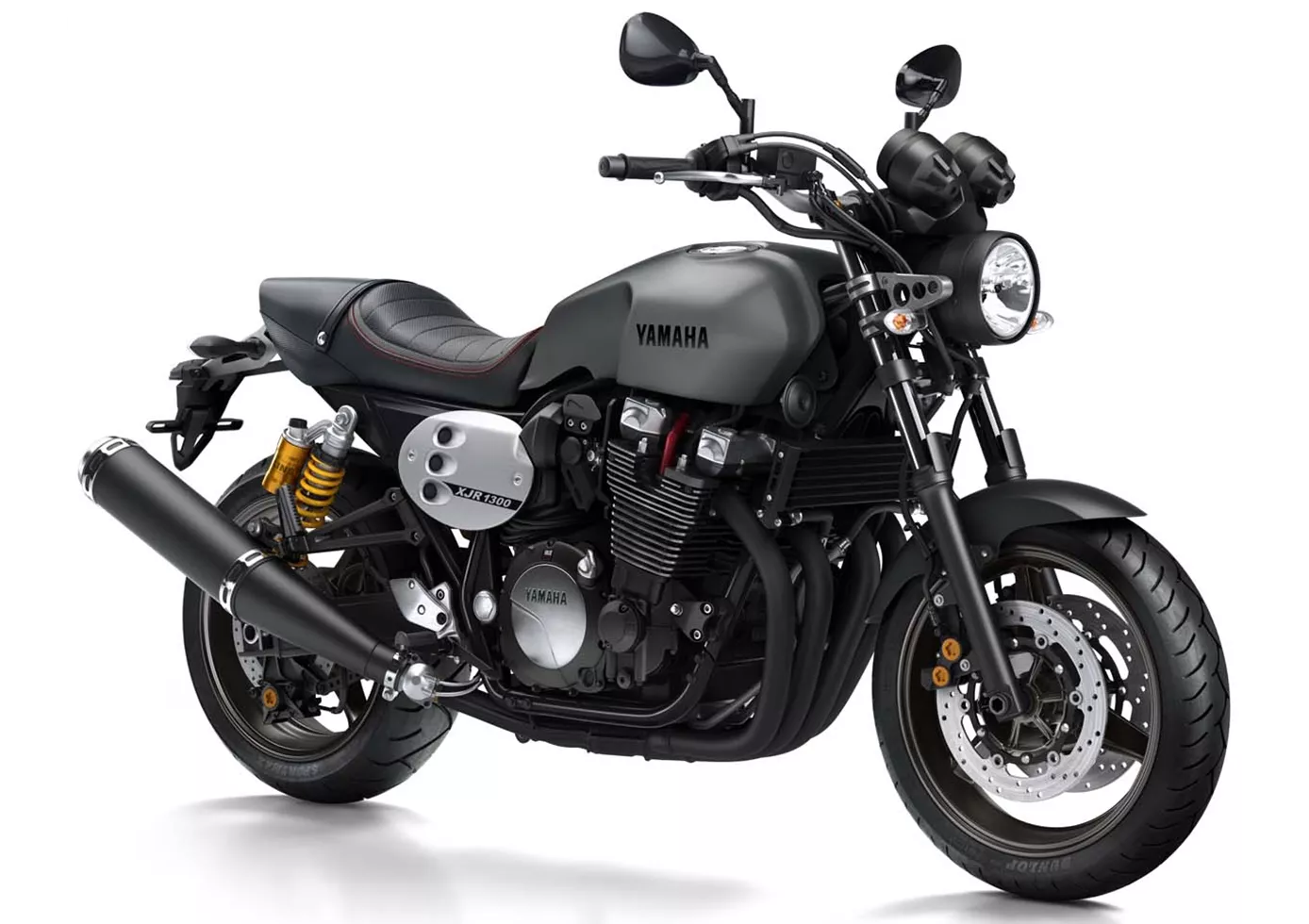
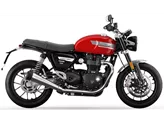
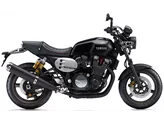
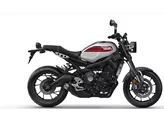
In the 2015 model year, the Yamaha XJR 1300 represents the last stage of evolution and possibly also the last chance for a really fat air-cooled four-cylinder. Yamaha has had a tradition in this segment for decades, and in recent years it has become cool to use such motorbikes as the basis for caferacer conversions. The XJR 1300 doesn't look artificial, but honest. If you like four-cylinder engines, you've come to the right place. In addition to its cool looks, rich torque and casual riding feel, the bike also offers a lot of practical benefits. Both in the city and on long tours, you have a lot of fun with the motorbike. Unlike the Racer, a few small additional accessories would do it good so that it can show its full potential in front of the cafe.
Moto Guzzi V7 Stone 2022
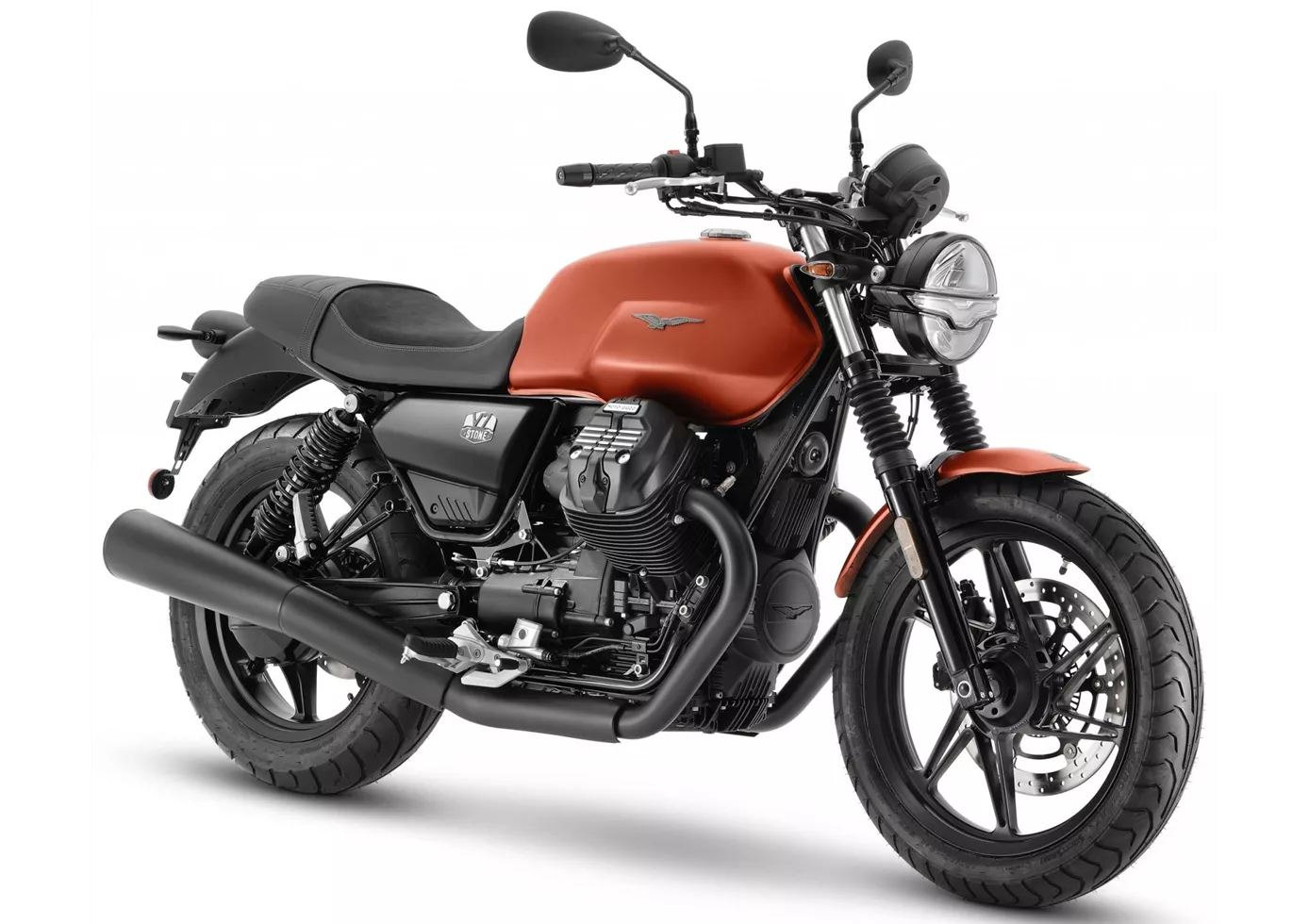
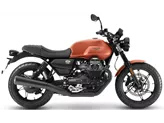
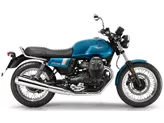
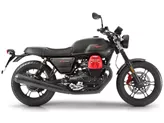
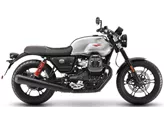
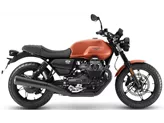
The Italians know exactly how to polish an icon - the V7 Stone also has the characteristic, longitudinally installed V2 engine with the typical sloping cylinders. And with this model in particular, this should appeal not only to true Guzzi fans, but also to all those who are looking for a balanced, uncomplicated motorbike. Although the engine has its typical vibrations, it behaves well, the chassis is more comfortable than sporty, and the seating position is also well suited to the comfortable character. The single-disc brakes at the front even grip surprisingly well and the overall look goes straight to the heart. Only the LCD instruments seem out of place and modern.