BMW F 700 GS 2014 vs. Kawasaki Versys 1000 2016
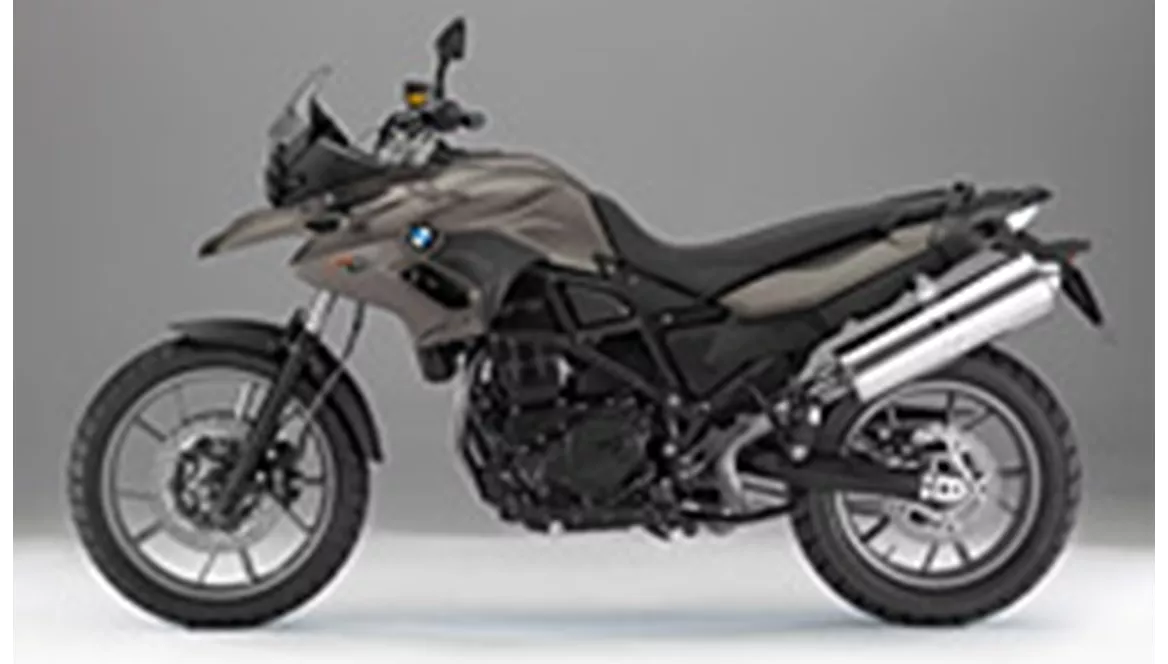
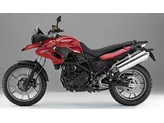
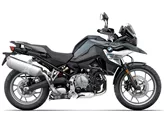
BMW F 700 GS 2014
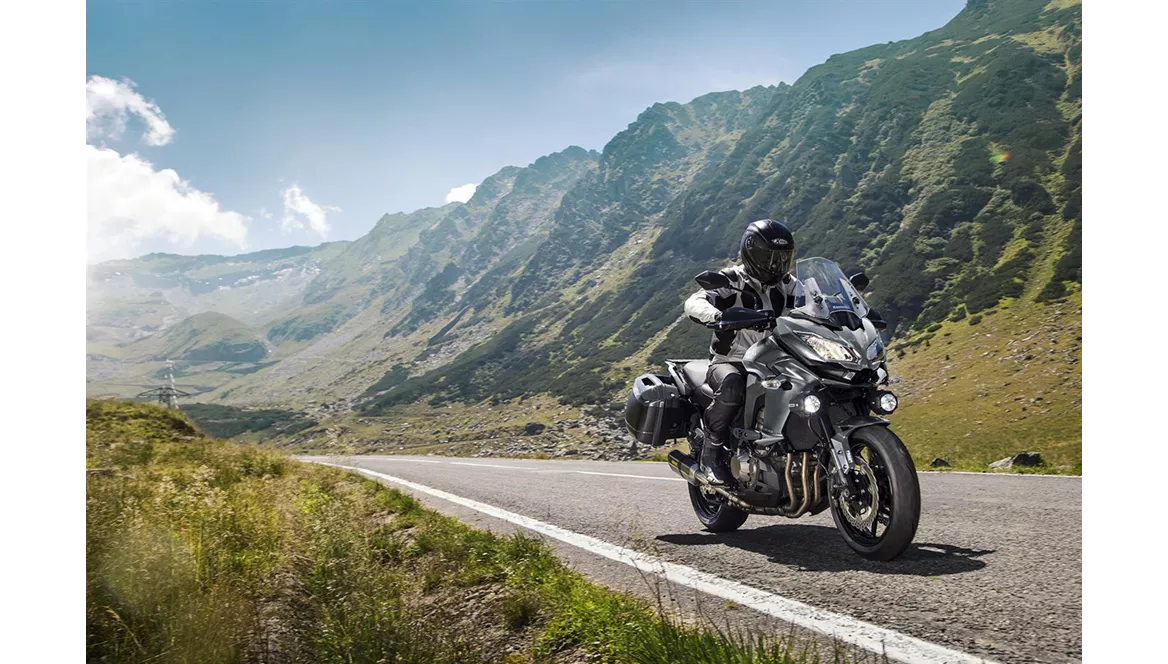
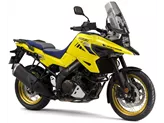
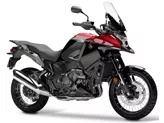
Kawasaki Versys 1000 2016
Overview - BMW F 700 GS 2014 vs Kawasaki Versys 1000 2016
BMW F 700 GS 2014
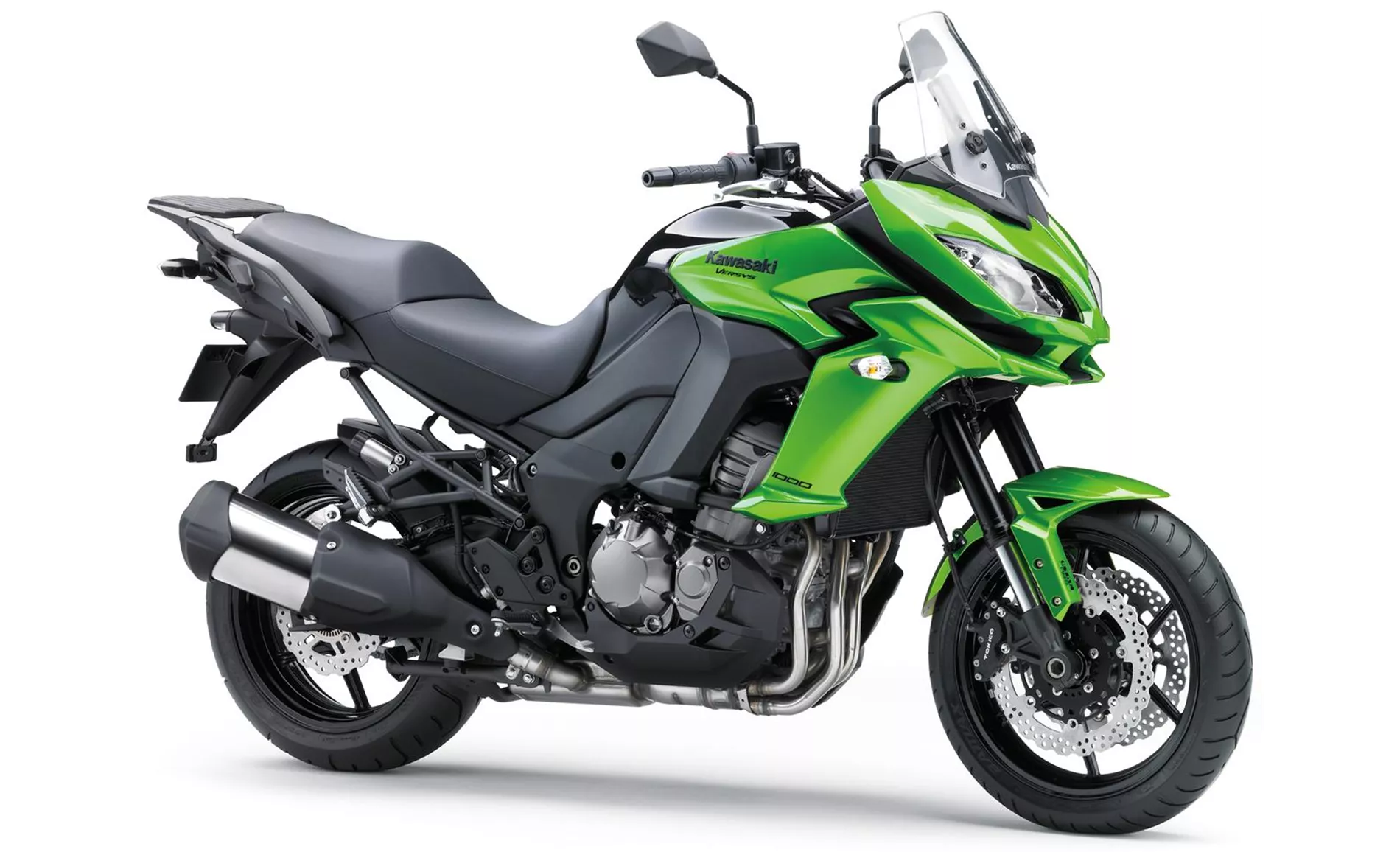
Kawasaki Versys 1000 2016
Technical Specifications BMW F 700 GS 2014 compared to Kawasaki Versys 1000 2016
Pros and Cons in comparison
Pros and Cons in comparison
BMW F 700 GS 2014
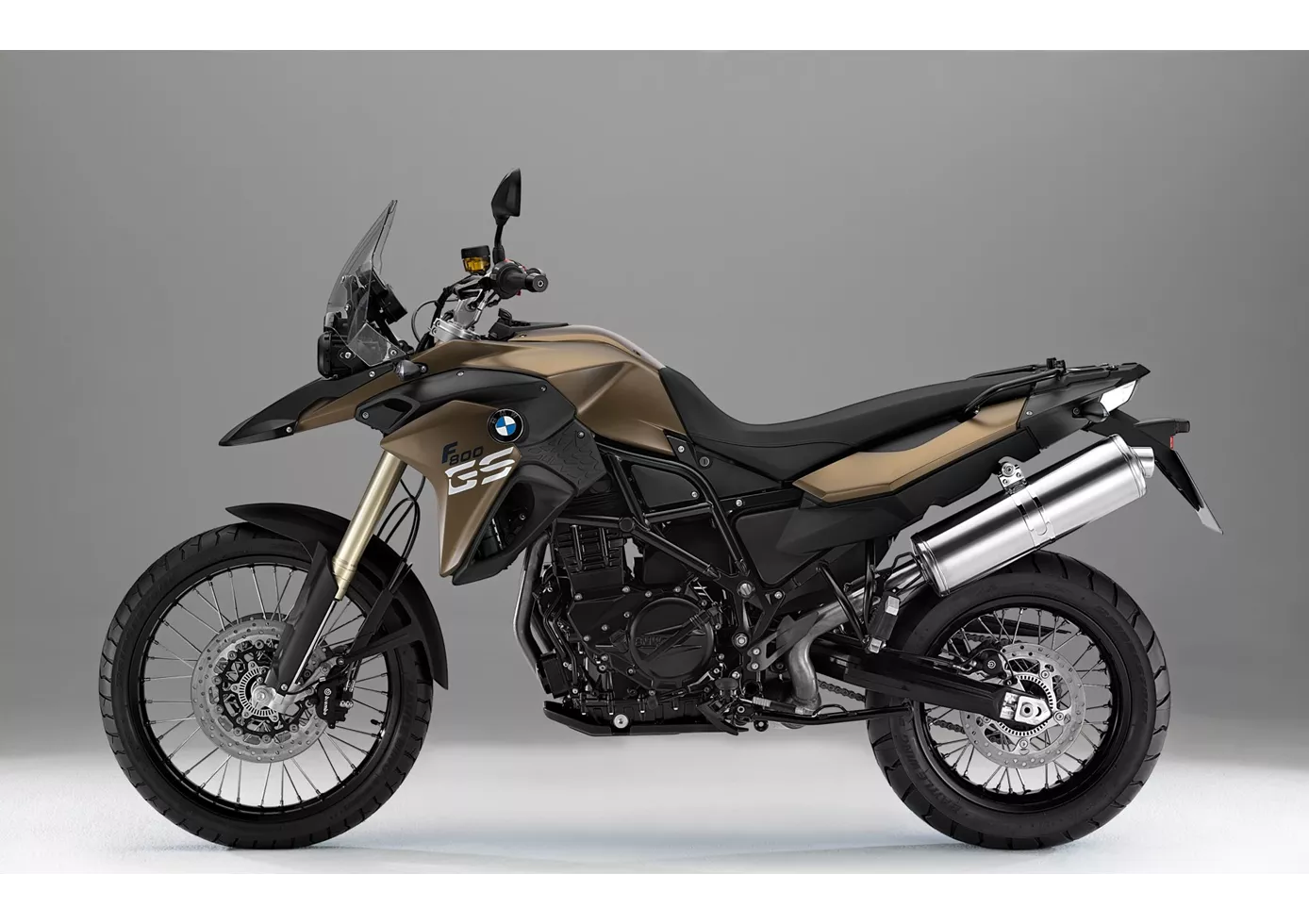
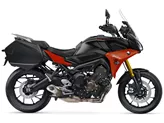
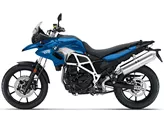
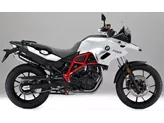
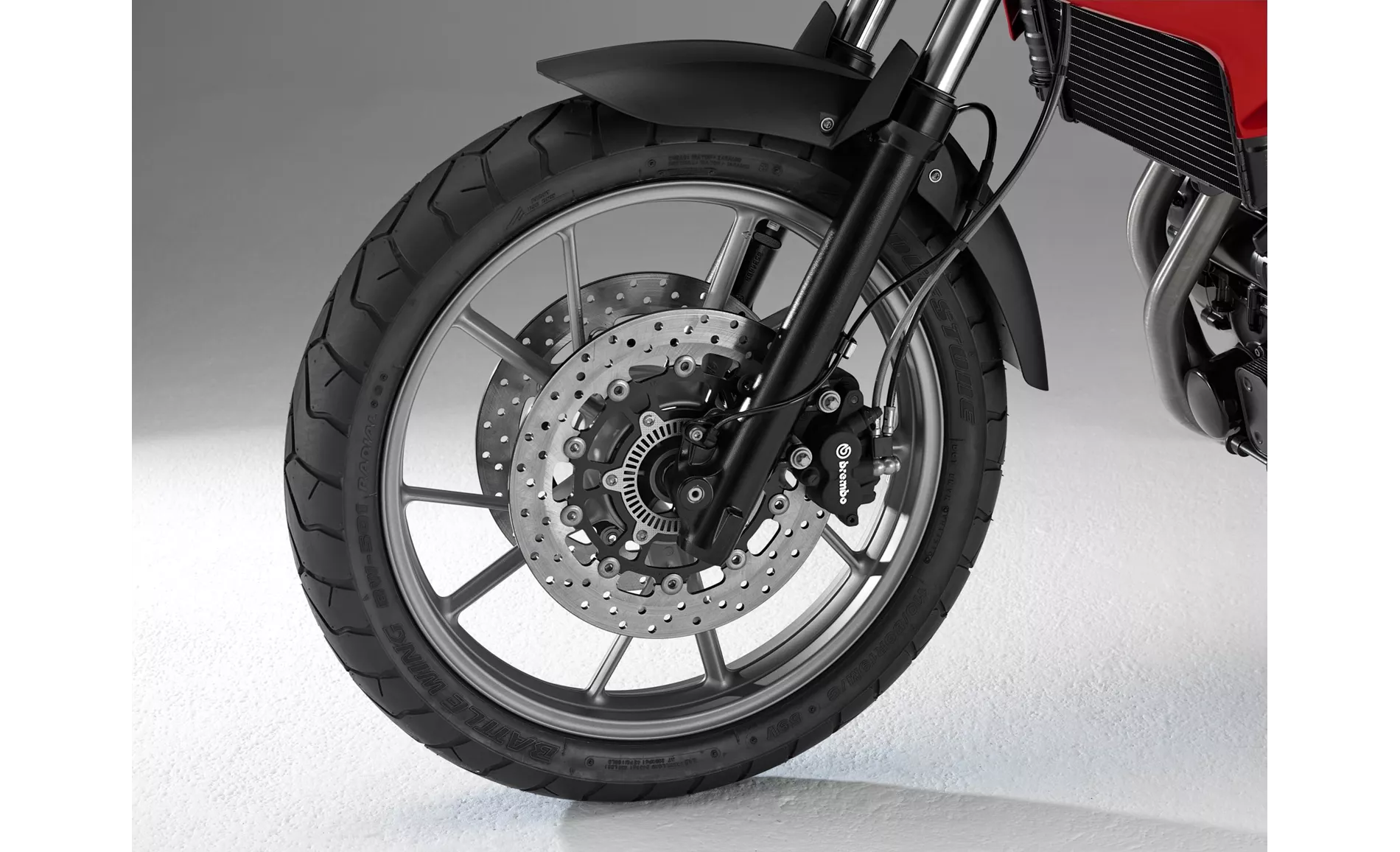
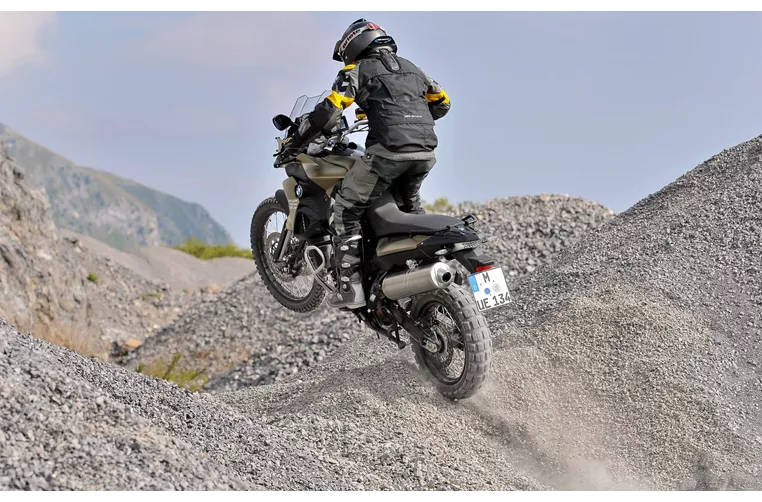
The smaller of the two F GS sisters, the F 700 GS convinces with a successful overall performance. It looks like its big sister, but at its core it is more of a lively naked bike than a big enduro. The fact that the bike has outgrown the entry-level segment can be seen in the braking system - with two brake discs at the front, it is on a par with its big 800 sister and now decelerates just as confidently. In terms of the chassis, it convinces with good suspension comfort and at the same time a firm set-up in tight bends. Upgrading is never a problem with BMW; in addition to traction control, there is also the electronic suspension ESA for the F 700 GS.
Kawasaki Versys 1000 2016
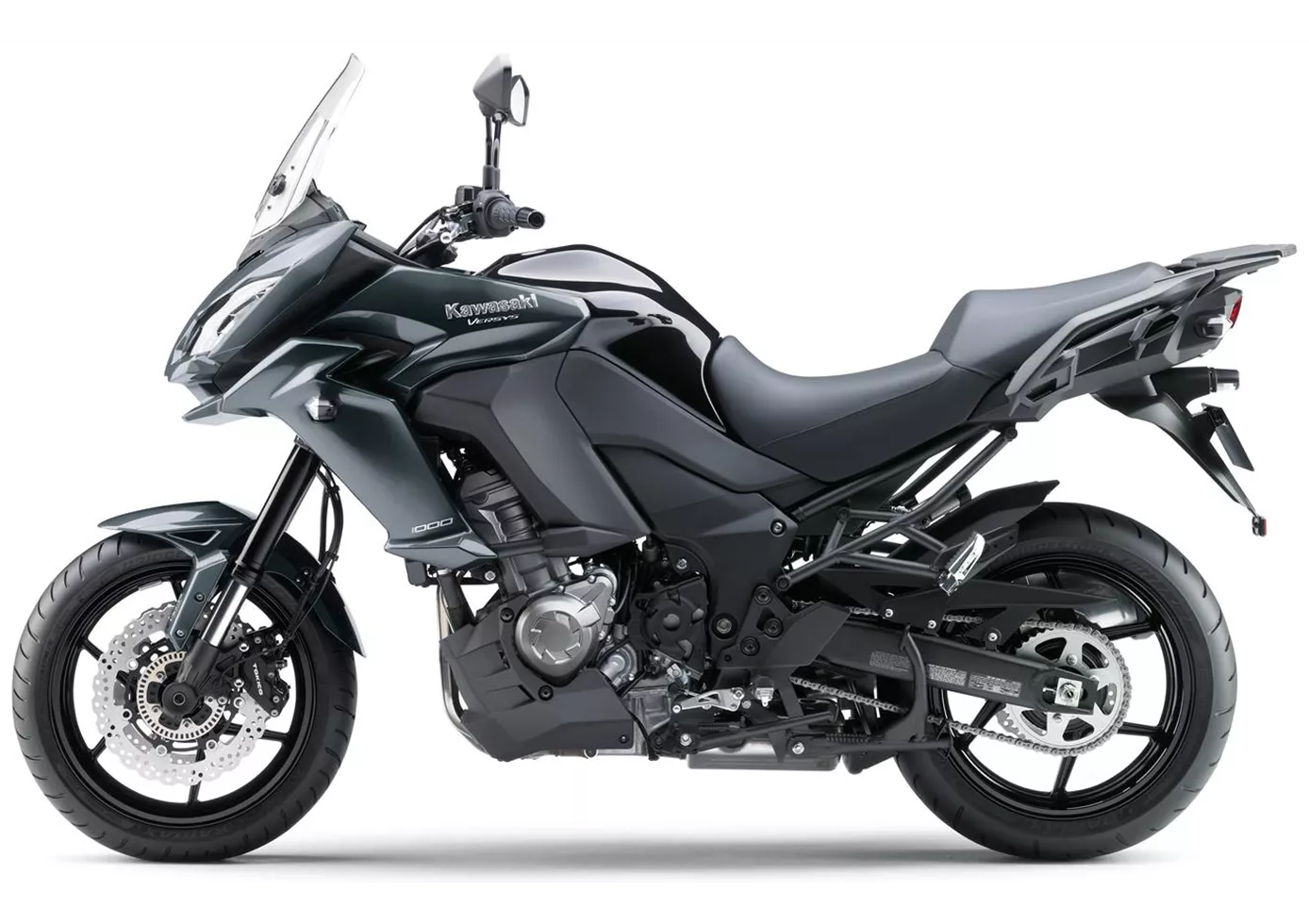
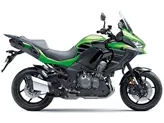
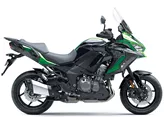
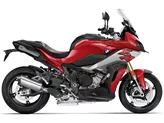
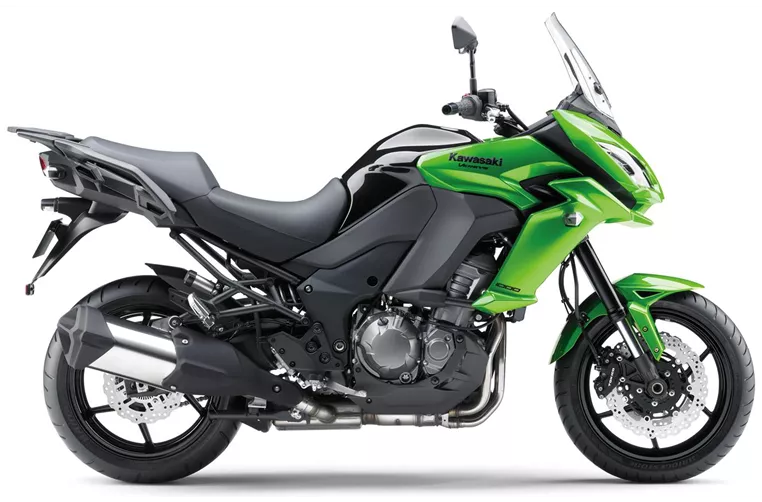
The Kawasaki Versys 1000 is not a completely new model - even if it looks like one from the design point of view. The look has been cleverly adapted to the current aggressive Kawasaki line with two pointed headlights and many edges at the front. Technically, on the other hand, it has been cautiously upgraded - but quite sensibly. Two additional horsepower boost the output to 120 hp, which is excellent to ride thanks to the wonderful in-line four-cylinder characteristics. The chassis corresponds to the sporty demands of a Kawasaki, but the ergonomics and comfortable seating position allow for long journeys - just like a big enduro. With useful accessories such as a pannier set, top case, heated grips and additional headlights, the Versys 1000 becomes a serious long-distance tourer - the comparatively low base price makes these gimmicks quite affordable.