Yamaha R7 2021 vs. Yamaha MT-07 2014
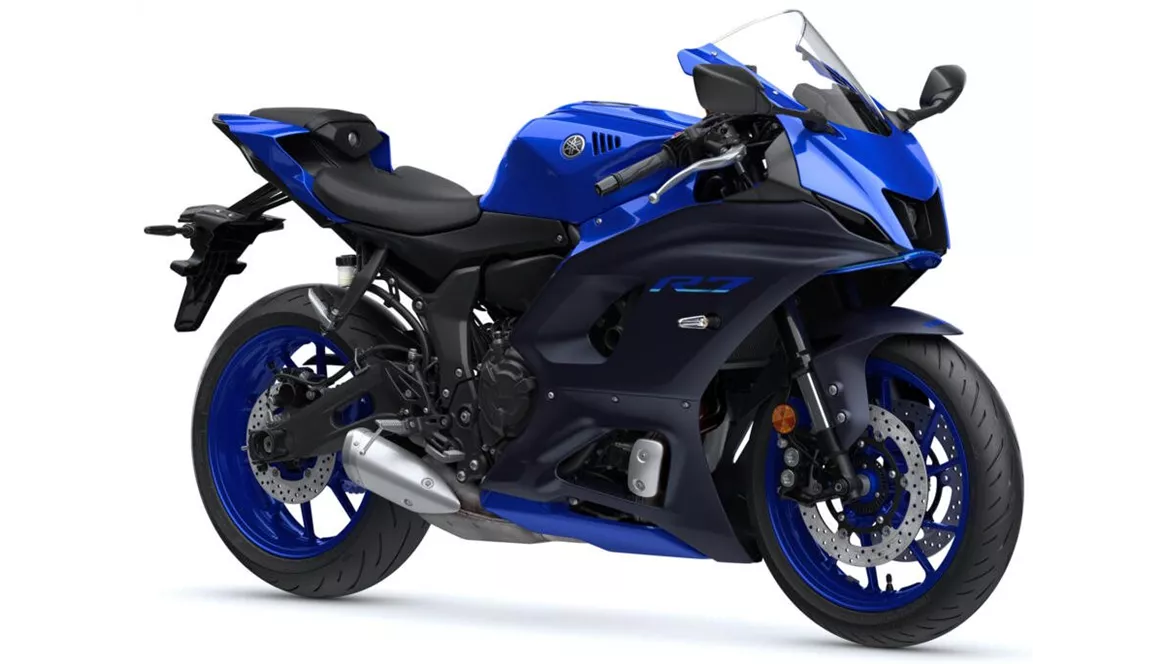
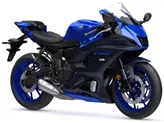
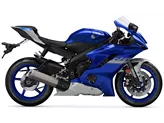
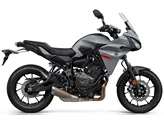
Yamaha R7 2021
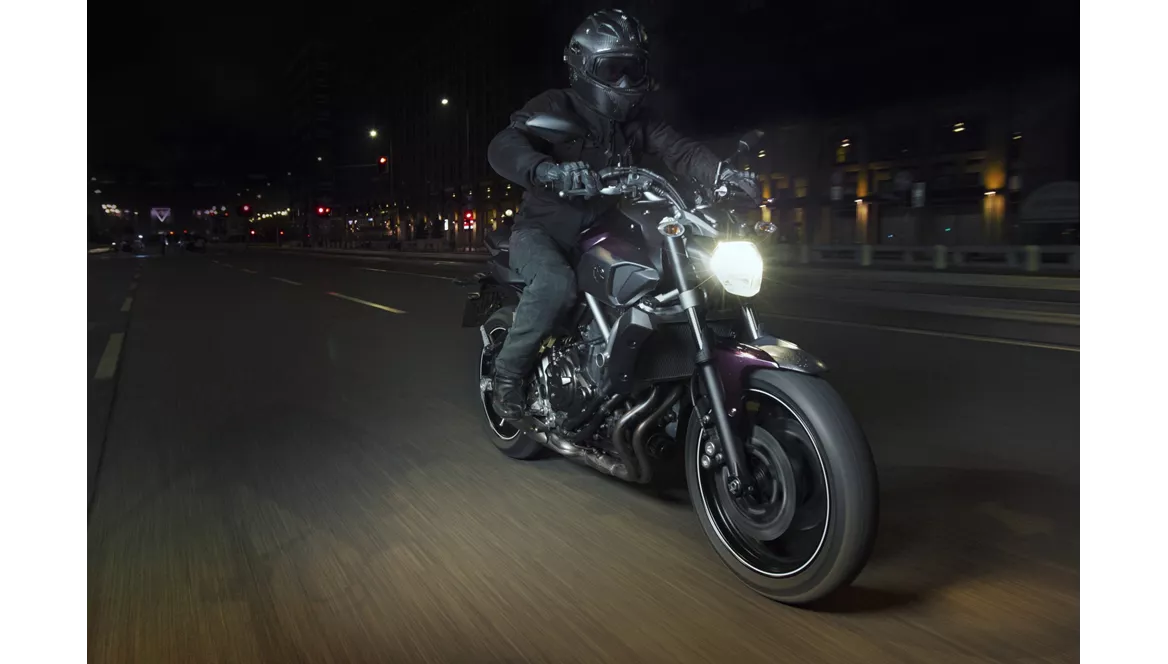
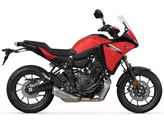
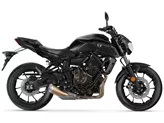
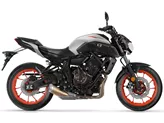
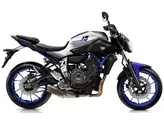
Yamaha MT-07 2014
Overview - Yamaha R7 2021 vs Yamaha MT-07 2014
The Yamaha R7 2021 and the Yamaha MT-07 2014 are two different models from Yamaha, each with its own unique features and strengths.
Starting with the technical specifications, both models have the same engine type, bore, stroke, engine power, torque, compression ratio, cylinders, valves per cylinder, valve type, cooling system, and displacement. This means that in terms of engine performance, they are very similar.
In terms of suspension, the Yamaha R7 2021 features an Upside-Down telescopic fork, which is generally considered to provide better performance and handling compared to the telescopic fork found on the Yamaha MT-07 2014. This gives the R7 an advantage in terms of suspension setup.
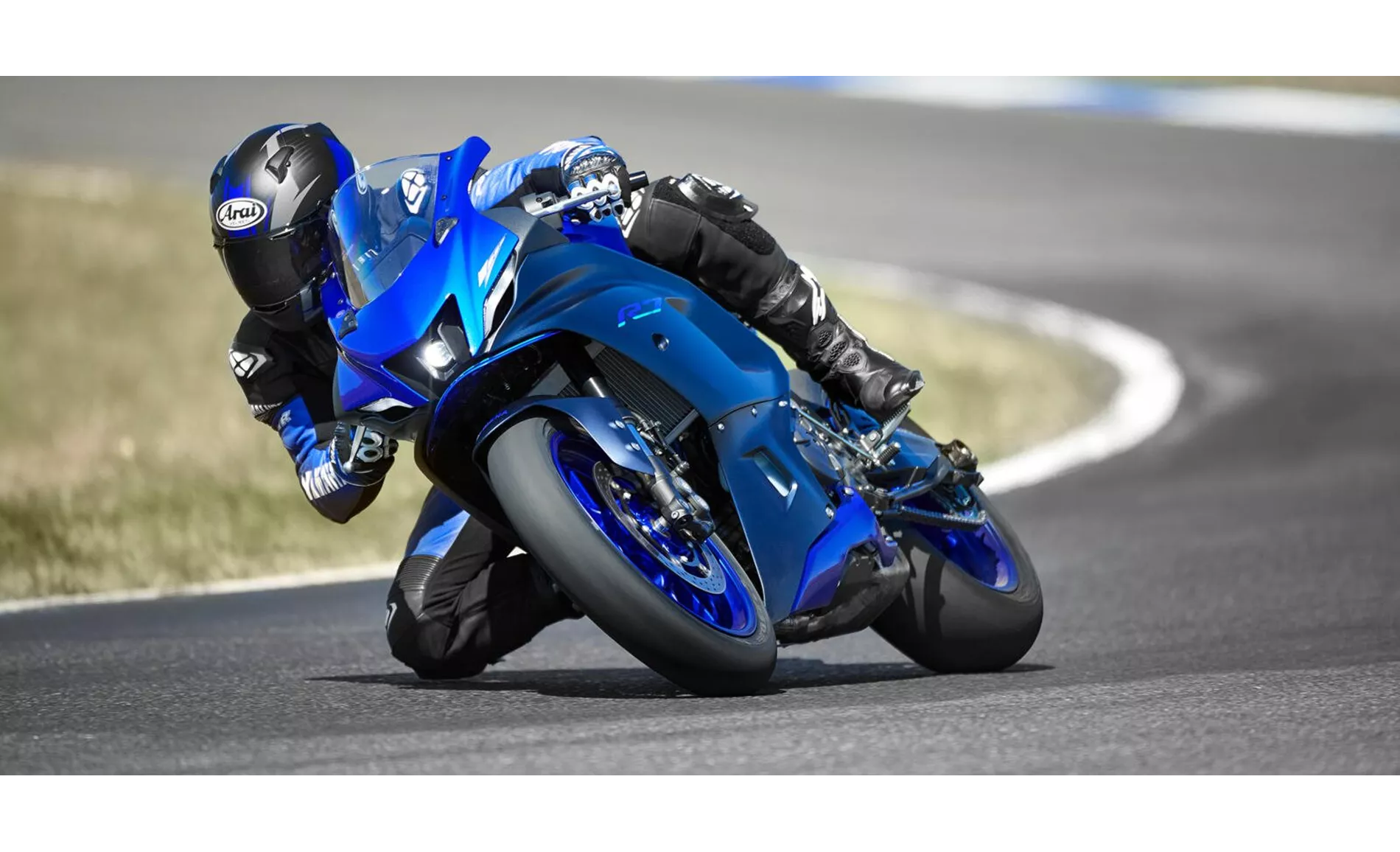
Yamaha R7 2021
Both models have a steel frame and double disk front brakes, providing good stability and stopping power. They also have the same front and rear tire width and diameter, ensuring similar handling characteristics.
When it comes to dimensions and weights, the Yamaha MT-07 2014 has a slightly longer wheelbase compared to the Yamaha R7 2021. However, the R7 is slightly heavier, weighing 188 kg compared to the MT-07's 182 kg. The fuel tank capacity is also slightly different, with the MT-07 having a larger capacity of 14 liters compared to the R7's 13 liters.
Moving on to the strengths of each model, the Yamaha R7 2021 is praised for its high-torque CP2 engine, providing strong acceleration and power. It also offers a sporty riding position, making it suitable for those who enjoy a more aggressive riding style. The suspension setup is also well-regarded, offering good handling and stability. Additionally, the R7 is considered a good entry-level trackday bike, making it appealing to riders looking to take their skills to the next level.
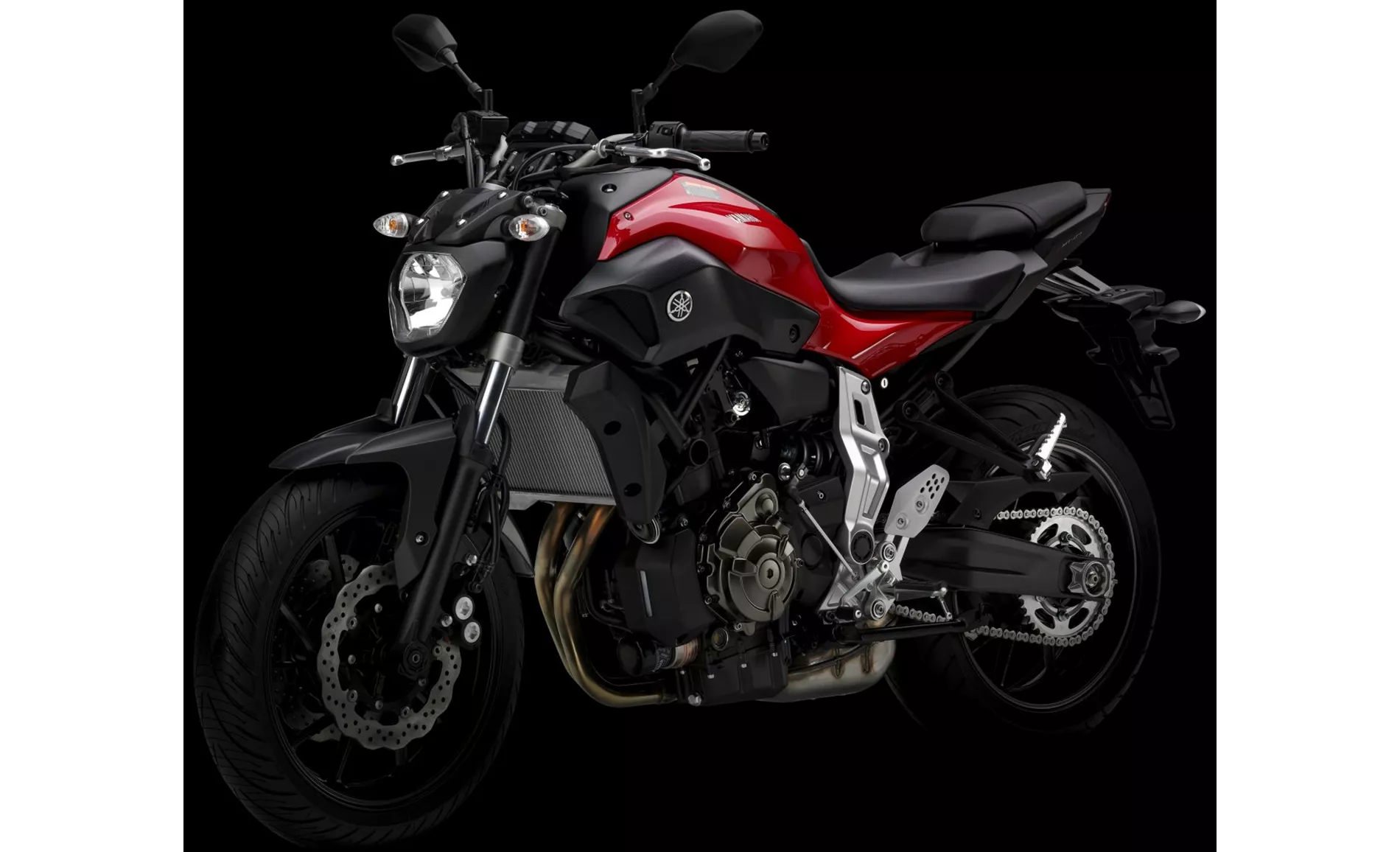
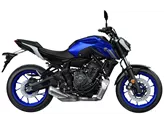
Yamaha MT-07 2014
On the other hand, the Yamaha MT-07 2014 is known for its extremely agile engine, providing quick acceleration and responsive performance. It has very light handling, making it easy to maneuver in various riding conditions. The bike's low weight contributes to its nimble nature. The aggressive angular appearance of the MT-07 is also a standout feature, giving it a distinctive and eye-catching look. The powerful brakes provide excellent stopping power, ensuring safety on the road. The seating position is comfortable, allowing for long rides without discomfort. The display is extensive and easy to read, providing important information to the rider. Additionally, the bike has a throaty sound, adding to the overall riding experience.
In terms of weaknesses, the Yamaha R7 2021 is criticized for not having a quickshifter as standard, which would have been a nice addition for smoother gear changes. On the other hand, the Yamaha MT-07 2014 has some weaknesses such as a slightly soft suspension, which may not be ideal for riders seeking a more firm and responsive ride. The footrests on the MT-07 also tend to drag quickly, which can be a drawback in certain riding situations. Additionally, the bike has some cheap plastic parts, which may not be as durable as desired. Lastly, the telescopic fork on the MT-07 is considered boring compared to the more advanced Upside-Down telescopic fork found on the R7.
In conclusion, both the Yamaha R7 2021 and the Yamaha MT-07 2014 have their own strengths and weaknesses. The R7 offers a high-torque engine, sporty riding position, and good suspension setup, making it a suitable choice for track enthusiasts. On the other hand, the MT-07 excels in terms of agility, handling, braking power, and comfort, making it a versatile and enjoyable bike for various riding conditions.
Technical Specifications Yamaha R7 2021 compared to Yamaha MT-07 2014
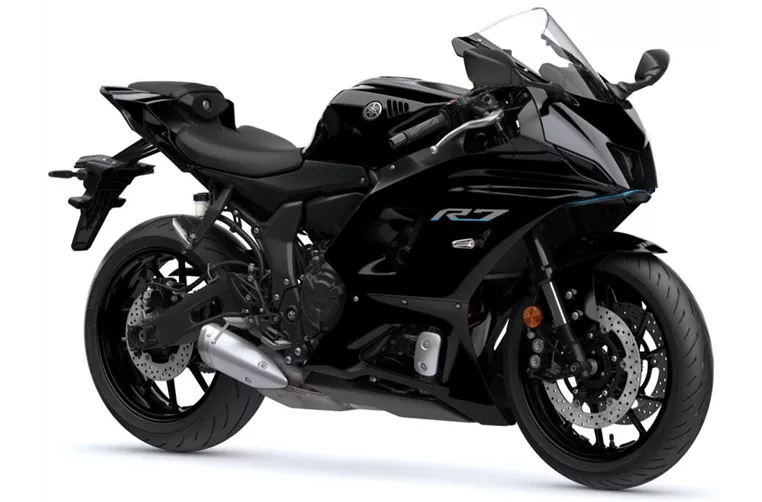
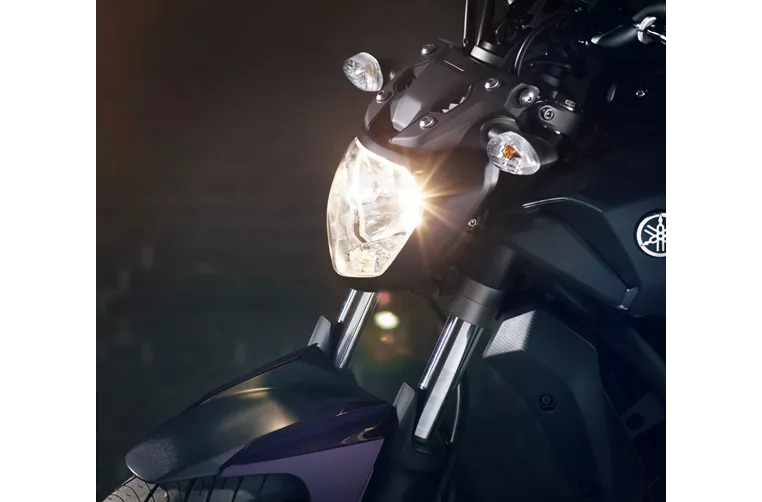
Pros and Cons in comparison
Pros and Cons in comparison
Yamaha R7 2021
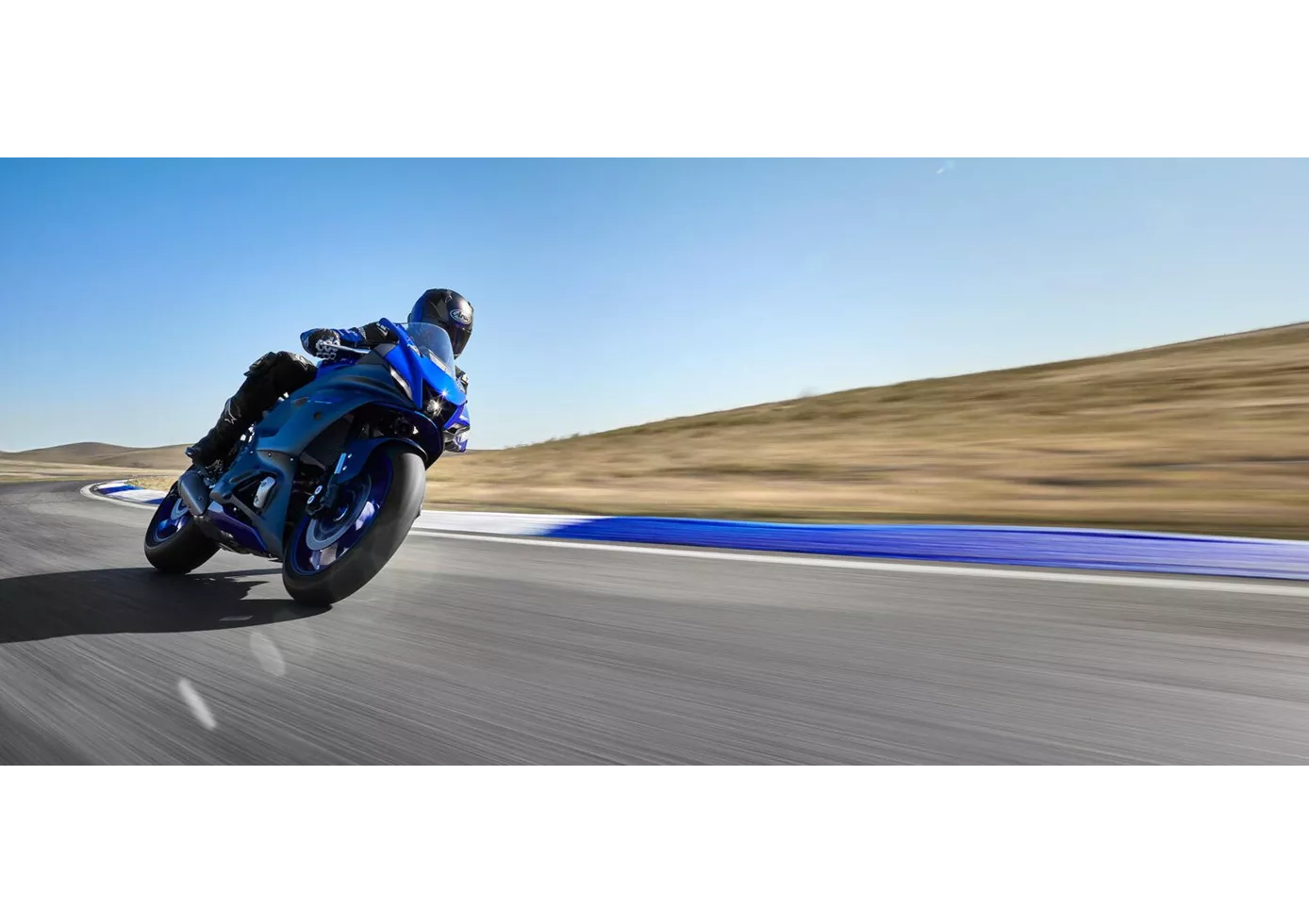
All in all, the R7 is a very good beginner's track bike that prepared me for track riding in a safe, pleasant and in no way strenuous way and accompanied me along the way. The pleasant yet track-ready ergonomics, the light weight, the fantastic tyres, brakes and suspension components and the torquey engine at low and medium revs allowed me to correct mistakes that most novice track riders make, and all without bringing me down, scaring me, scaring me or even making me throw in the towel.
Yamaha MT-07 2014
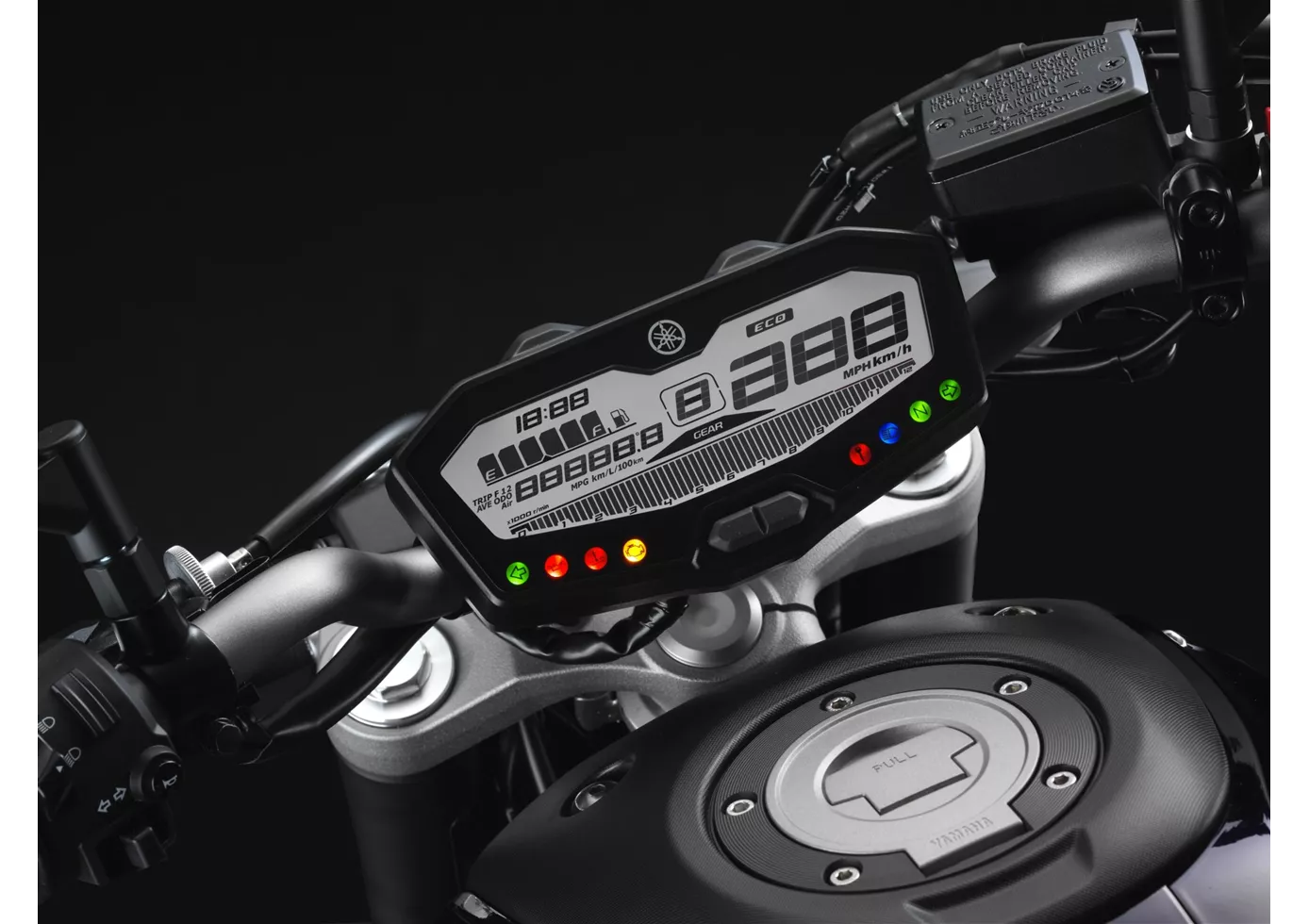
Even after three years, the Yamaha MT-07 is still a public favourite. No one else beats such a price-performance ratio. The two-cylinder engine is powerful, but can be dosed very gently at low revs. The display is also one of the best in this class, with good readability. Only the chassis is disappointing. In a sporty riding style, it is simply too soft, which can cause the MT-07 to sway.
Price Comparison Average Market Price Yamaha R7 vs Yamaha MT-07
There are a few key differences between a Yamaha R7 2021 and a Yamaha MT-07 2014. It takes less time to sell a Yamaha MT-07 with 37 days compared to 161 days for the Yamaha R7. Since model year 2021 1000PS.de editors have written 9 reviews for the Yamaha R7 and 69 reviews for the Yamaha MT-07 since model year 2013. The first review for the Yamaha R7 was published on 5/18/2021 and now has more than 92,800 views. This compares to more than 12,600 views for the first review on Yamaha MT-07 published on 11/4/2013.