Kawasaki Z900 2020 vs. Honda CB 1000 R 2018
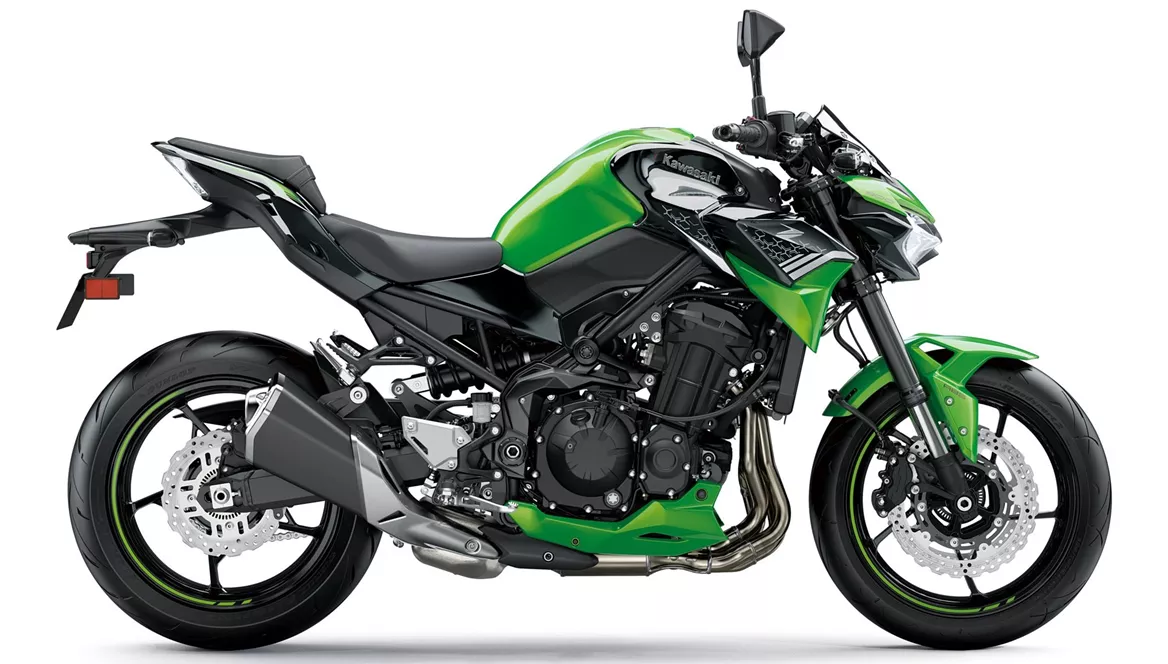
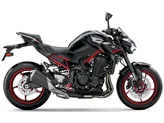
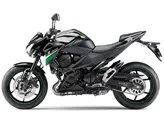
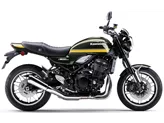
Kawasaki Z900 2020
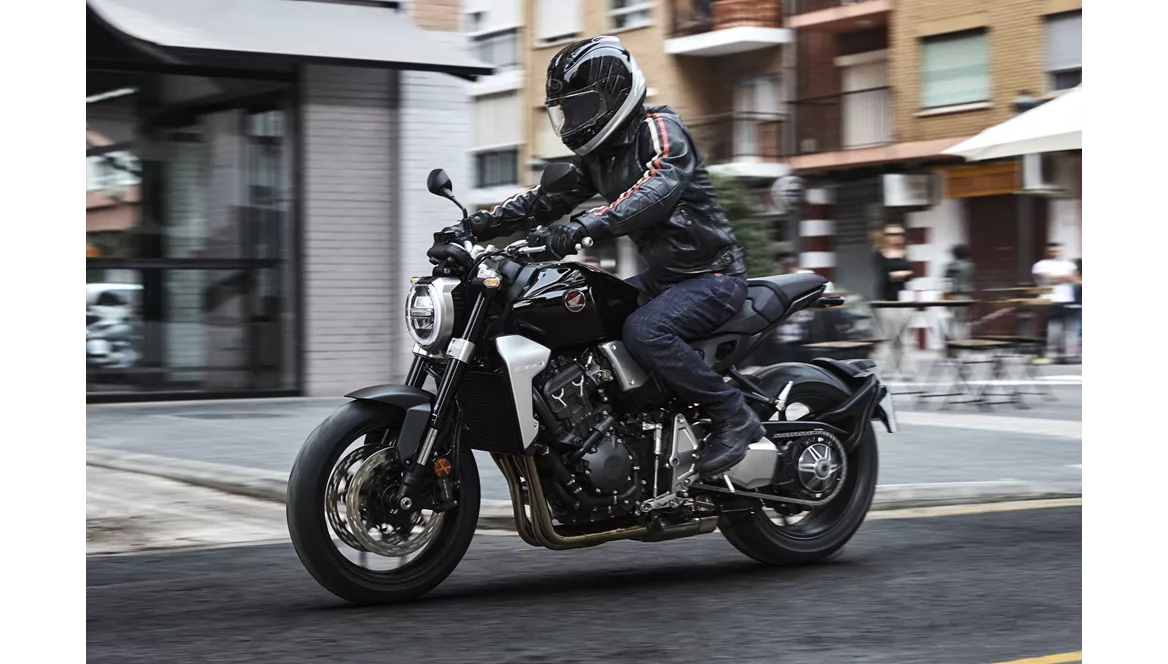
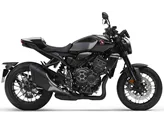
Honda CB 1000 R 2018
Overview - Kawasaki Z900 2020 vs Honda CB 1000 R 2018
The Kawasaki Z900 2020 and the Honda CB 1000 R 2018 are both naked bikes that offer powerful performance and advanced rider assistance systems. However, there are some notable differences between the two models.
In terms of engine power, the Honda CB 1000 R 2018 has a slight advantage with 145 HP compared to the Kawasaki Z900 2020's 125.4 HP. The Honda also has a higher torque of 104 Nm compared to the Z900's 98.6 Nm. Both bikes have in-line four-cylinder engines with liquid cooling and fuel injection systems.
In terms of suspension, both bikes feature upside-down telescopic forks at the front and monoshock absorbers at the rear. However, the Honda CB 1000 R 2018 offers more adjustment options with compression, preload, and rebound adjustments for both the front and rear suspension. The Kawasaki Z900 2020 only offers preload and rebound adjustments.
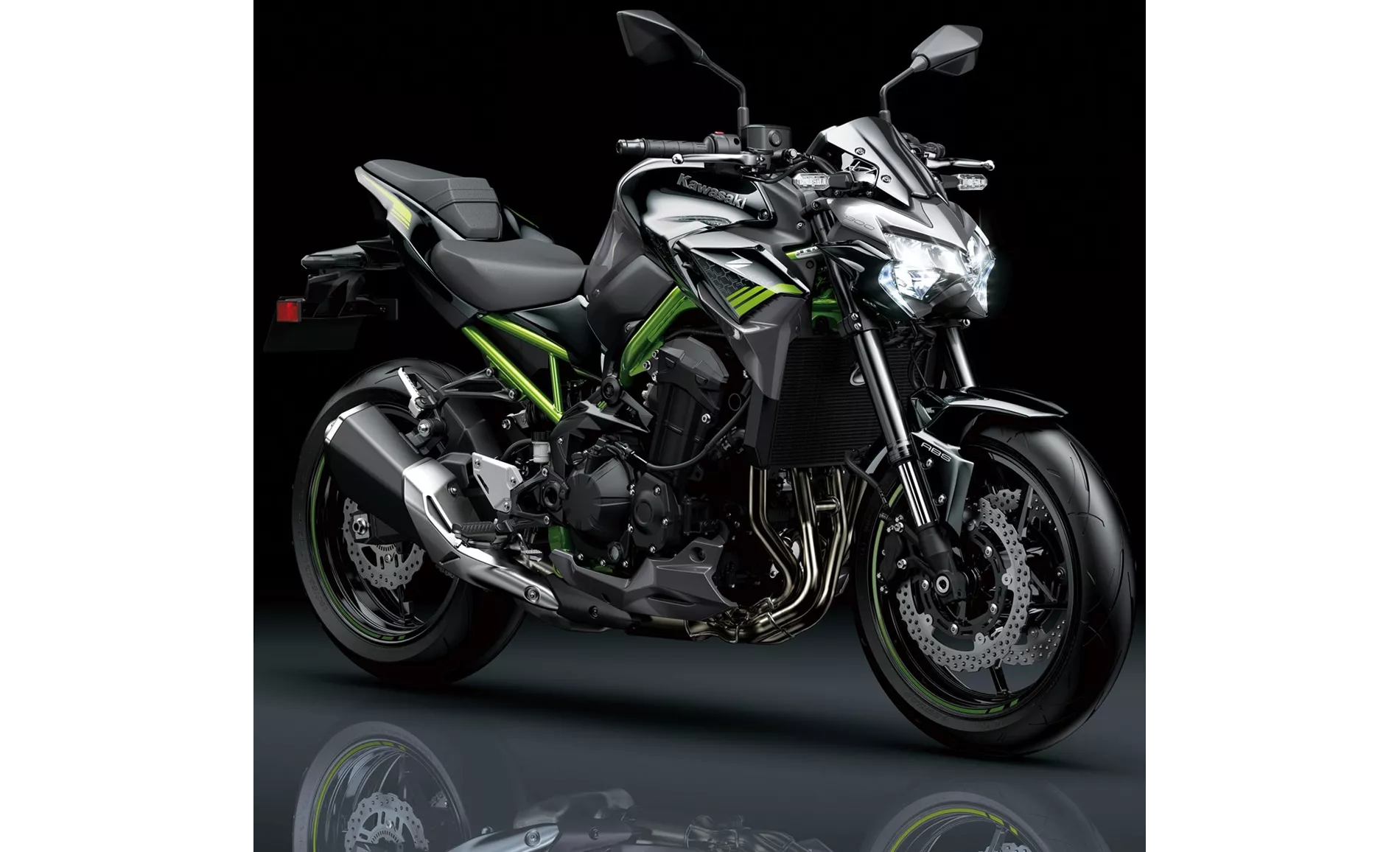
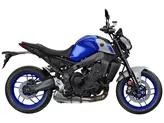
Kawasaki Z900 2020
Both bikes have steel frames, but the Honda CB 1000 R 2018 has a backbone frame, while the Kawasaki Z900 2020 has a double cradle frame. This difference in frame design may affect the overall handling and stability of the bikes.
In terms of braking, both bikes have double disc brakes at the front with four-piston calipers. However, the Honda CB 1000 R 2018 has larger brake discs with a diameter of 310 mm compared to the Z900's 300 mm discs. The Honda also uses radial technology for its brake system.
Both bikes come with advanced rider assistance systems such as ABS, riding modes, ride by wire, and traction control. The Kawasaki Z900 2020 also offers LED daytime running lights, LED headlights, and a TFT display as part of its equipment. The Honda CB 1000 R 2018 only has LED headlights.
In terms of dimensions and weights, both bikes have similar front and rear tire widths and diameters. The wheelbase is also similar, with the Honda CB 1000 R 2018 having a slightly longer wheelbase of 1455 mm compared to the Z900's 1450 mm. The seat height of the Honda is higher at 830 mm compared to the Z900's 795 mm. The kerb weight with ABS is slightly higher for the Honda at 212 kg compared to the Z900's 210 kg.
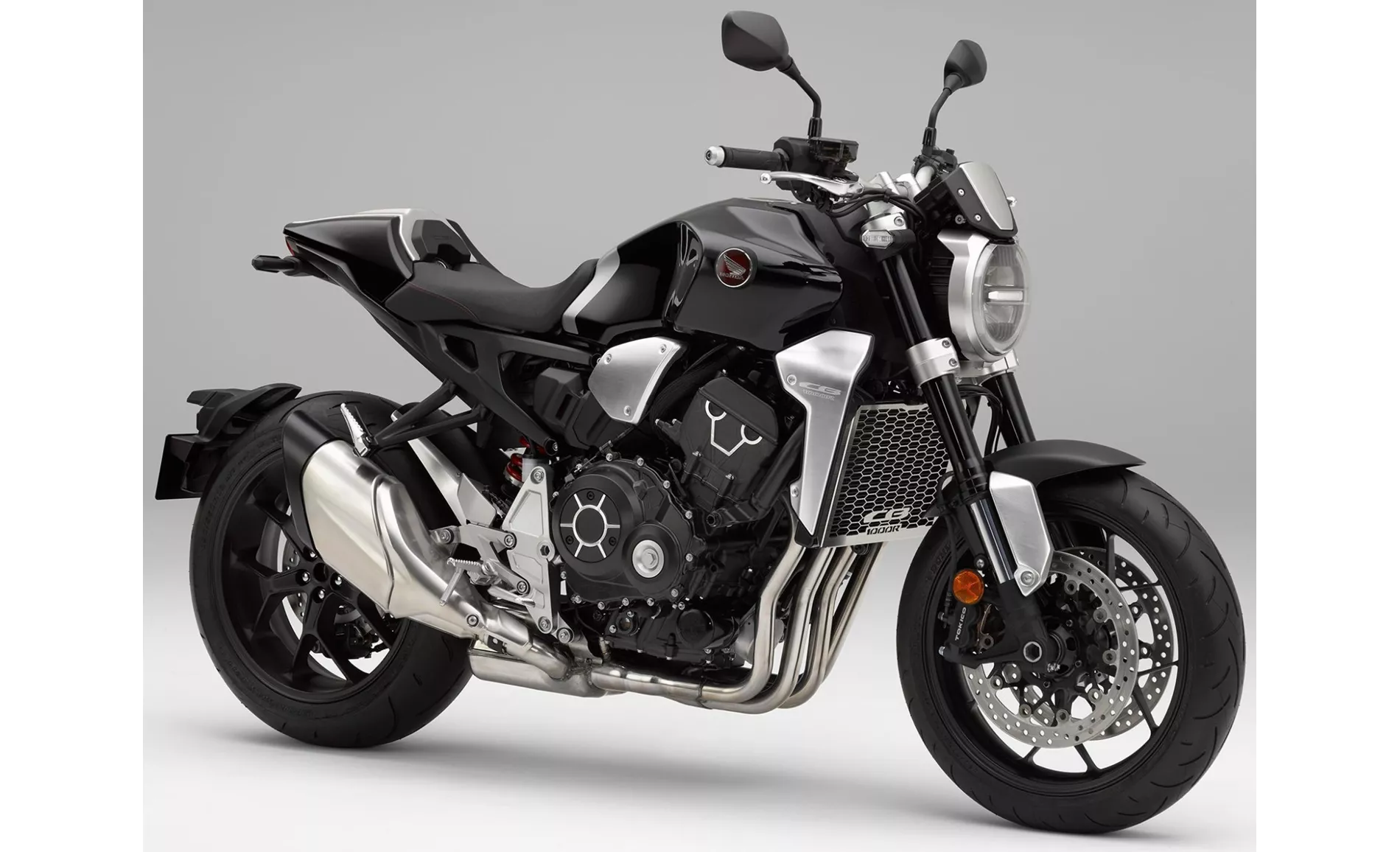
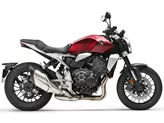
Honda CB 1000 R 2018
In terms of strengths, the Kawasaki Z900 2020 is praised for its powerful four-cylinder engine, great handling, good equipment, aggressive looks, and value for money. On the other hand, the Honda CB 1000 R 2018 is praised for its fabulous response in every engine situation, comfortable and sporty feel, precise and smooth transmission, precise lines possible due to its immaculate drive unit paired with a good chassis, and high-quality details.
However, there are also some weaknesses to consider. The Kawasaki Z900 2020 has a somewhat tiring menu navigation and lacks a quickshifter option. The Honda CB 1000 R 2018 has a display that is not perfectly readable in direct sunlight, and tall pilots may have space problems with their knees at the tank, so it is recommended to try it out before purchasing.
Overall, both the Kawasaki Z900 2020 and the Honda CB 1000 R 2018 are powerful and capable naked bikes with their own strengths and weaknesses. It ultimately comes down to personal preference and priorities in terms of performance, handling, and features.
Technical Specifications Kawasaki Z900 2020 compared to Honda CB 1000 R 2018
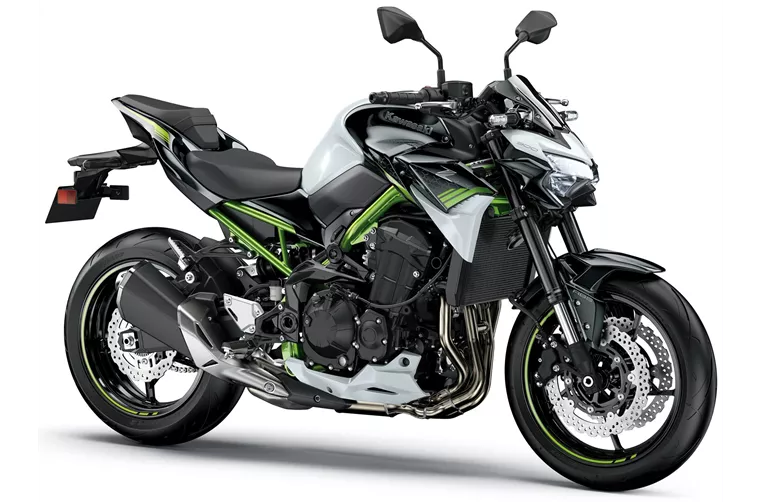
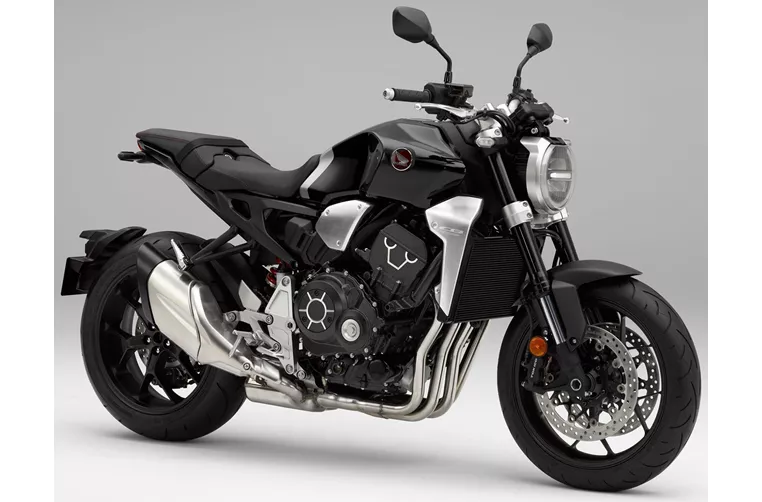
Pros and Cons in comparison
Pros and Cons in comparison
Kawasaki Z900 2020
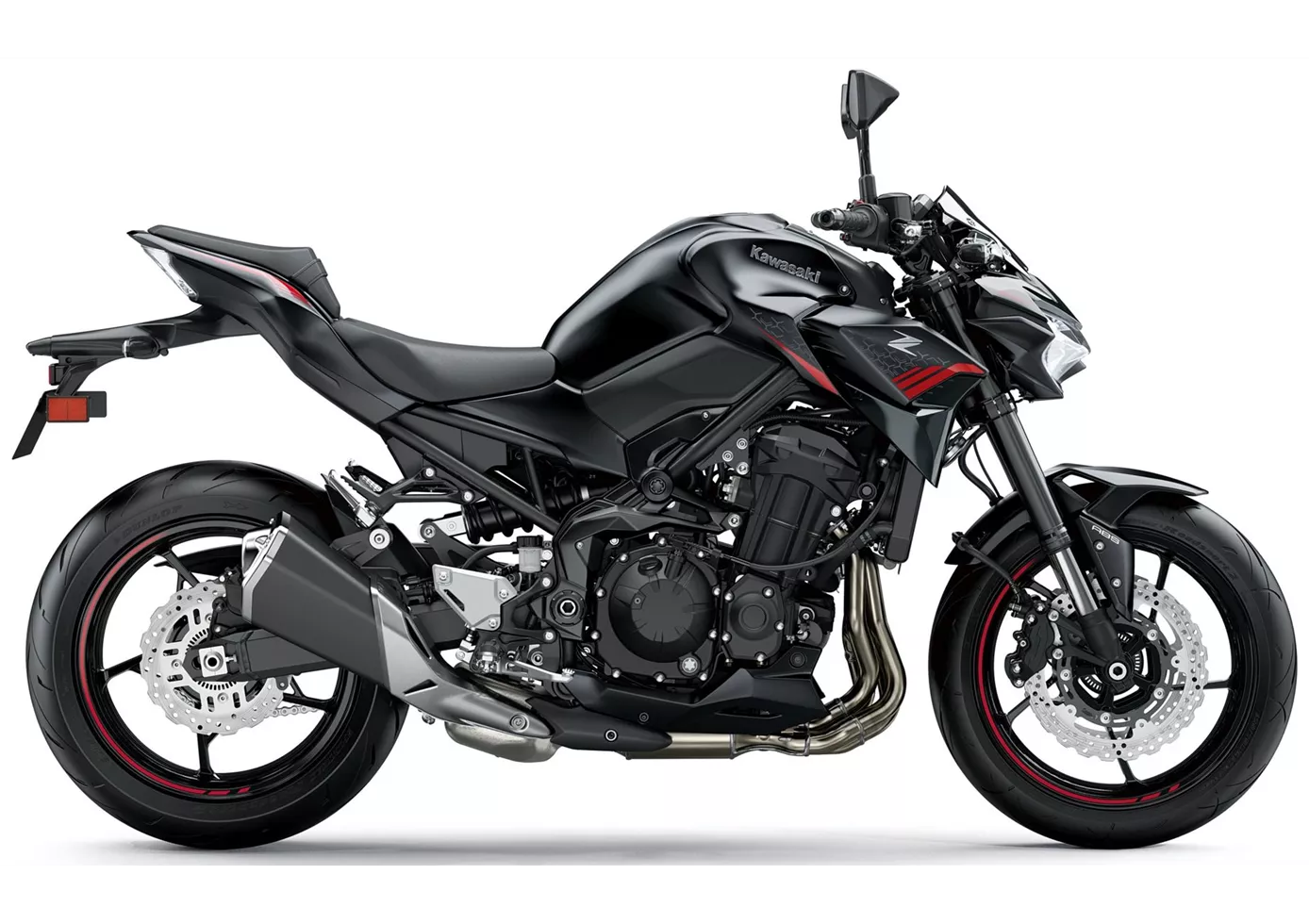
The Kawasaki Z900 may not be up to scratch when it comes to modern, lean angle-dependent electronic features, but it's relatively cheap and you shouldn't underestimate the fan base of the good old inline four - the Z900 is one of the cheapest ways to own such a great engine with just under a litre of displacement in a sporty naked bike! The higher weight is noticeable, but not massively annoying, because the handling and stability are quite alright. In terms of "outdated" electronics, the most annoying thing is the missing shift assistant, which is not even available as an option. Overall, however, the Z900 is a great naked bike with a great price-performance ratio.
Honda CB 1000 R 2018
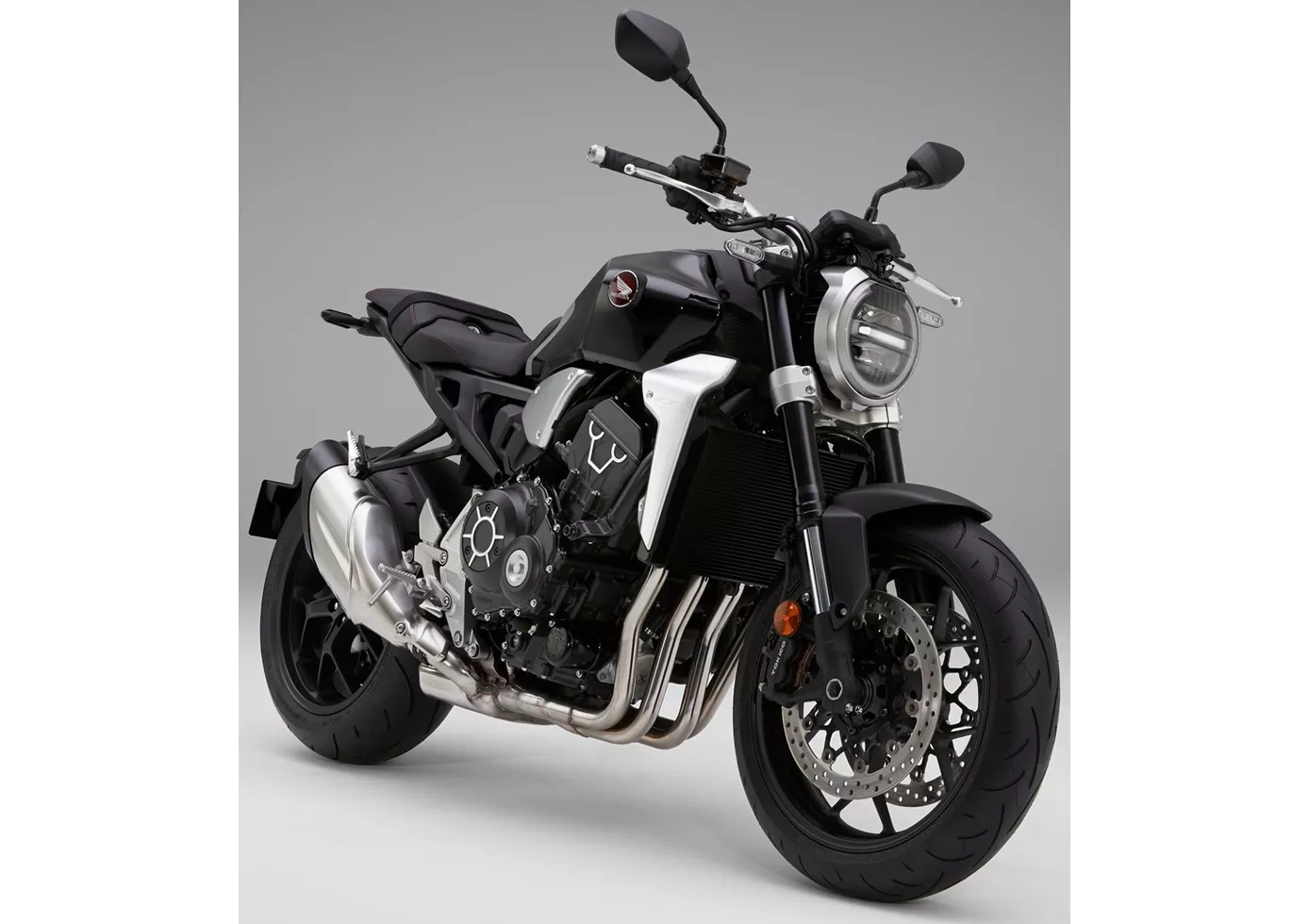
The 1-litre version of the Neo Sport Cafe Racer shows that it doesn't always have to be the golden mean. In all honesty, it has to be said that the largest of all the representatives also feels the most "grown-up". The electronic equipment of the 1000 in the + version leaves almost nothing to be desired and the handling is extremely rider-friendly for this class. Playfully easy cornering with a well-tuned chassis, snappy brakes and low weight seem to be the recipe for success in terms of smoothness. In terms of performance, the CB1000R+ unfortunately has to make concessions. With 145 hp, the Honda is not a brute rocket, but it is all the more controllable for it. And 145 hp with a full tank of 213 kg is more than enough for maximum riding pleasure on country roads!
Price Comparison Average Market Price Kawasaki Z900 vs Honda CB 1000 R
There are a few key differences between a Kawasaki Z900 2020 and a Honda CB 1000 R 2018. In terms of price, the actual average price of a Honda CB 1000 R 2018 is about 15% higher. Compared to Honda CB 1000 R 2018 there are more Kawasaki Z900 2020 bikes available on the 1000PS.de Marketplace, specifically 34 compared to 16. It takes less time to sell a Honda CB 1000 R with 113 days compared to 124 days for the Kawasaki Z900. Since model year 2017 1000PS.de editors have written 46 reviews for the Kawasaki Z900 and 42 reviews for the Honda CB 1000 R since model year 2008. The first review for the Kawasaki Z900 was published on 11/11/2016 and now has more than 93,200 views. This compares to more than 10,400 views for the first review on Honda CB 1000 R published on 11/6/2007.