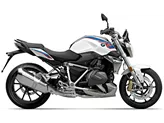
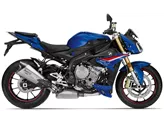
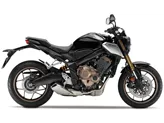
BMW S 1000 R 2021 vs. Kawasaki Z900 2021
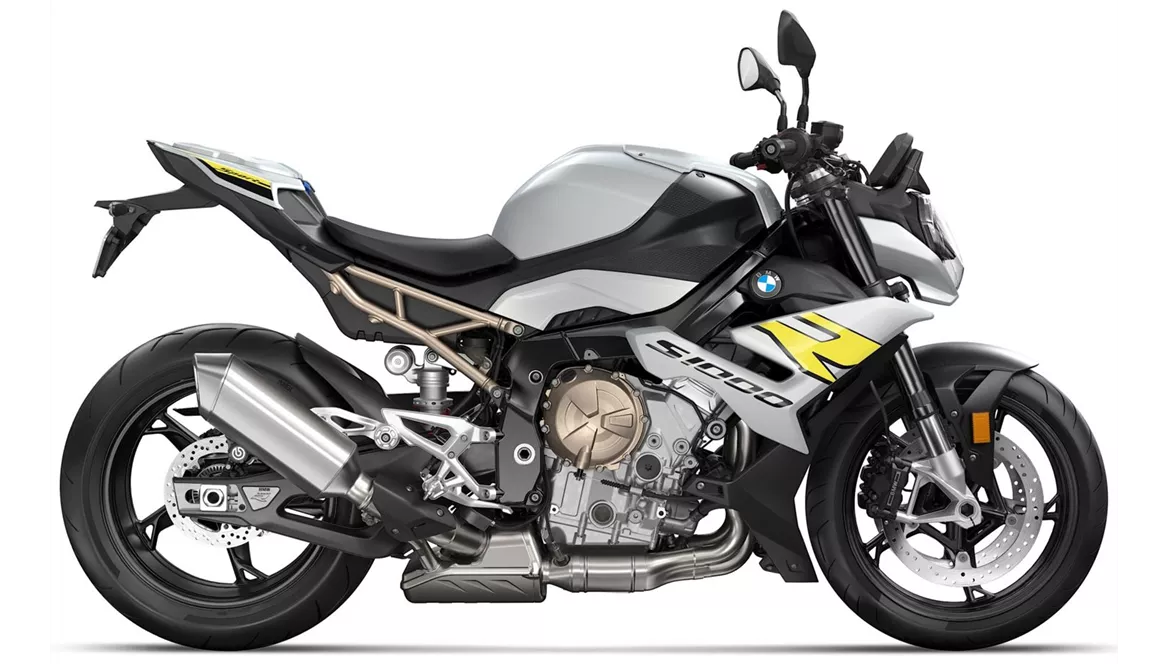
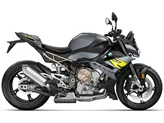
BMW S 1000 R 2021
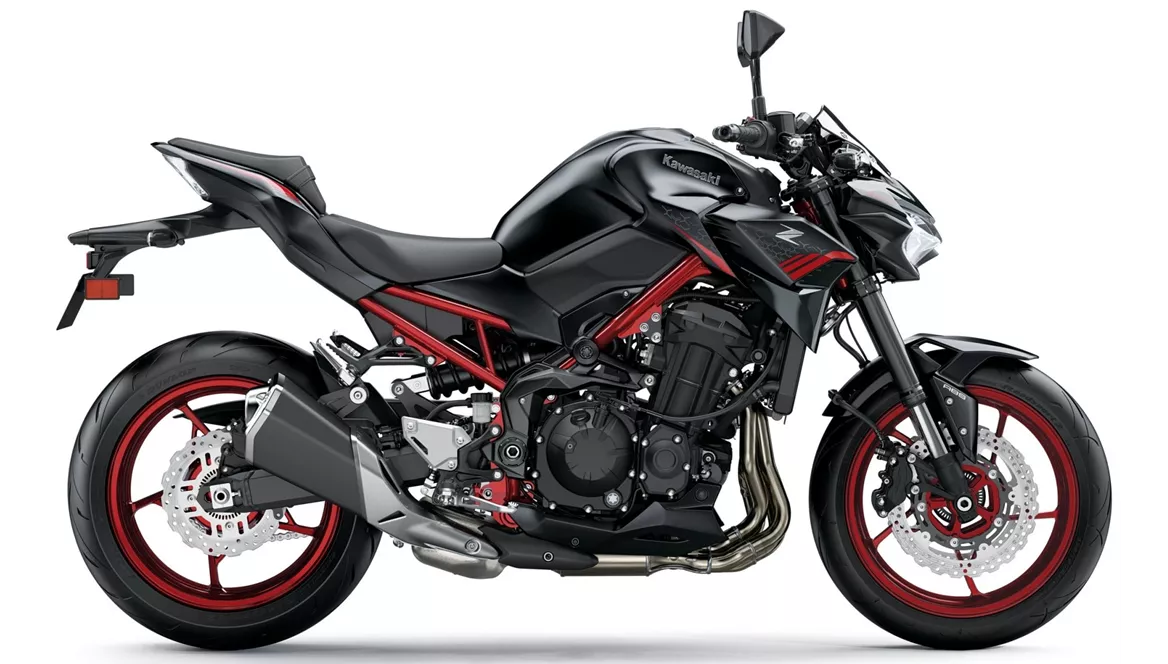
Kawasaki Z900 2021
Overview - BMW S 1000 R 2021 vs Kawasaki Z900 2021
The BMW S 1000 R 2021 and the Kawasaki Z900 2021 are both naked bikes with similar engine types, inline-four cylinders, and liquid cooling systems. However, there are several differences between the two models.
In terms of engine power, the BMW S 1000 R 2021 takes the lead with 165 HP compared to the Kawasaki Z900 2021's 125.4 HP. The BMW also has a higher torque of 114 Nm, while the Kawasaki offers 98.6 Nm. This indicates that the BMW S 1000 R 2021 has a more powerful and responsive engine, which can provide a thrilling riding experience.
Both bikes feature fuel injection systems, ensuring efficient fuel delivery and improved performance. Additionally, they have similar suspension setups with upside-down telescopic forks at the front and swing arms with monoshock absorbers at the rear. The BMW S 1000 R 2021, however, offers more adjustability options for the suspension, including compression, preload, and rebound adjustments for both the front and rear suspensions. The Kawasaki Z900 2021 only provides preload and rebound adjustments for its suspension.
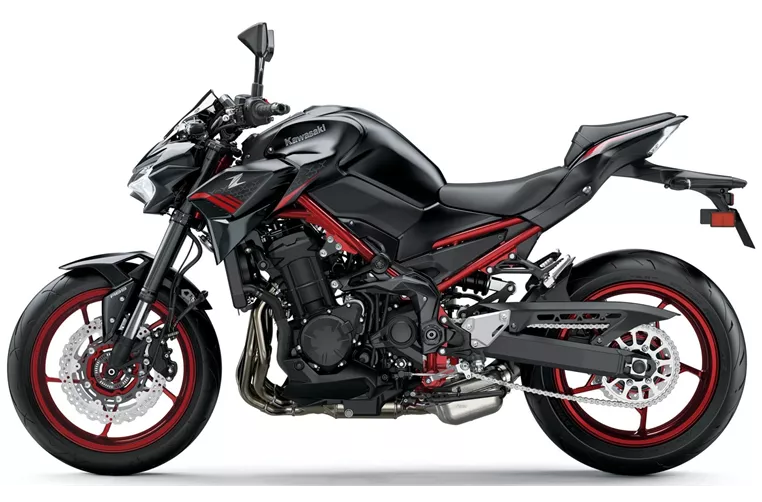
In terms of chassis, the BMW S 1000 R 2021 features an aluminum frame with a twin-tube design, which offers a good balance between rigidity and weight. On the other hand, the Kawasaki Z900 2021 has a steel frame with a double cradle design. While the steel frame may provide a more traditional and robust feel, the aluminum frame of the BMW contributes to its overall lighter weight.
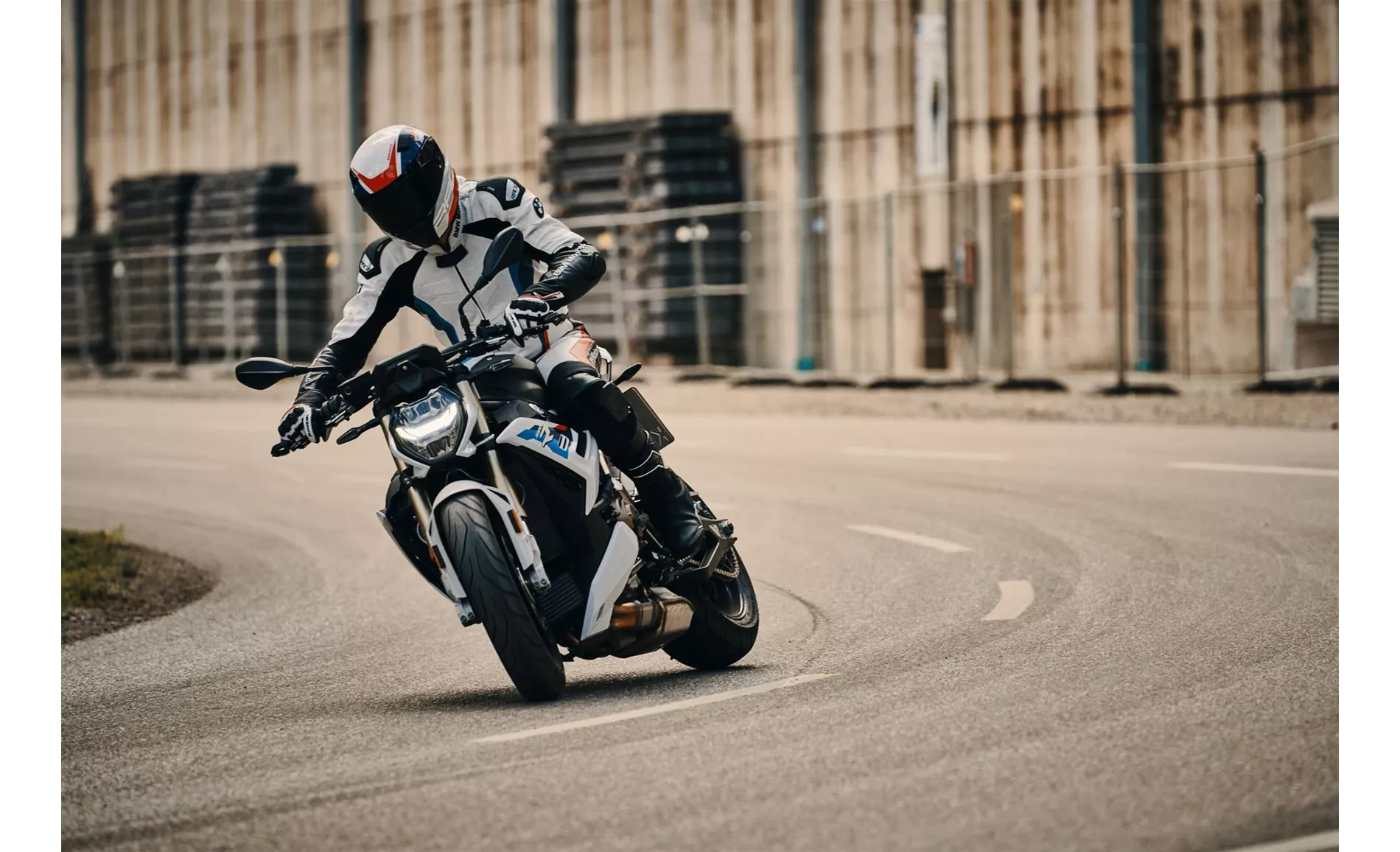
BMW S 1000 R 2021
Both bikes come equipped with double disc brakes at the front, but the BMW S 1000 R 2021 has larger 320 mm diameter discs compared to the Kawasaki Z900 2021's 300 mm discs. The BMW also features four-piston calipers and radial technology, which enhances braking performance. The Kawasaki Z900 2021, on the other hand, utilizes petal technology for its front brakes.
In terms of rider assistance systems, both bikes offer ABS, riding modes, and traction control. However, the BMW S 1000 R 2021 goes a step further by providing additional advanced rider assistance systems such as hill start assist, cornering ABS, ride by wire, and anti-wheelie control. These features enhance safety and provide a more refined riding experience.
In terms of dimensions and weights, both bikes have similar front and rear tire widths and diameters. They also share the same wheelbase of 1450 mm. However, there are differences in seat height and kerb weight. The BMW S 1000 R 2021 has a higher seat height of 830 mm compared to the Kawasaki Z900 2021's 795 mm. Additionally, the BMW is lighter with a kerb weight of 199 kg (with ABS) compared to the Kawasaki's 210 kg (with ABS).
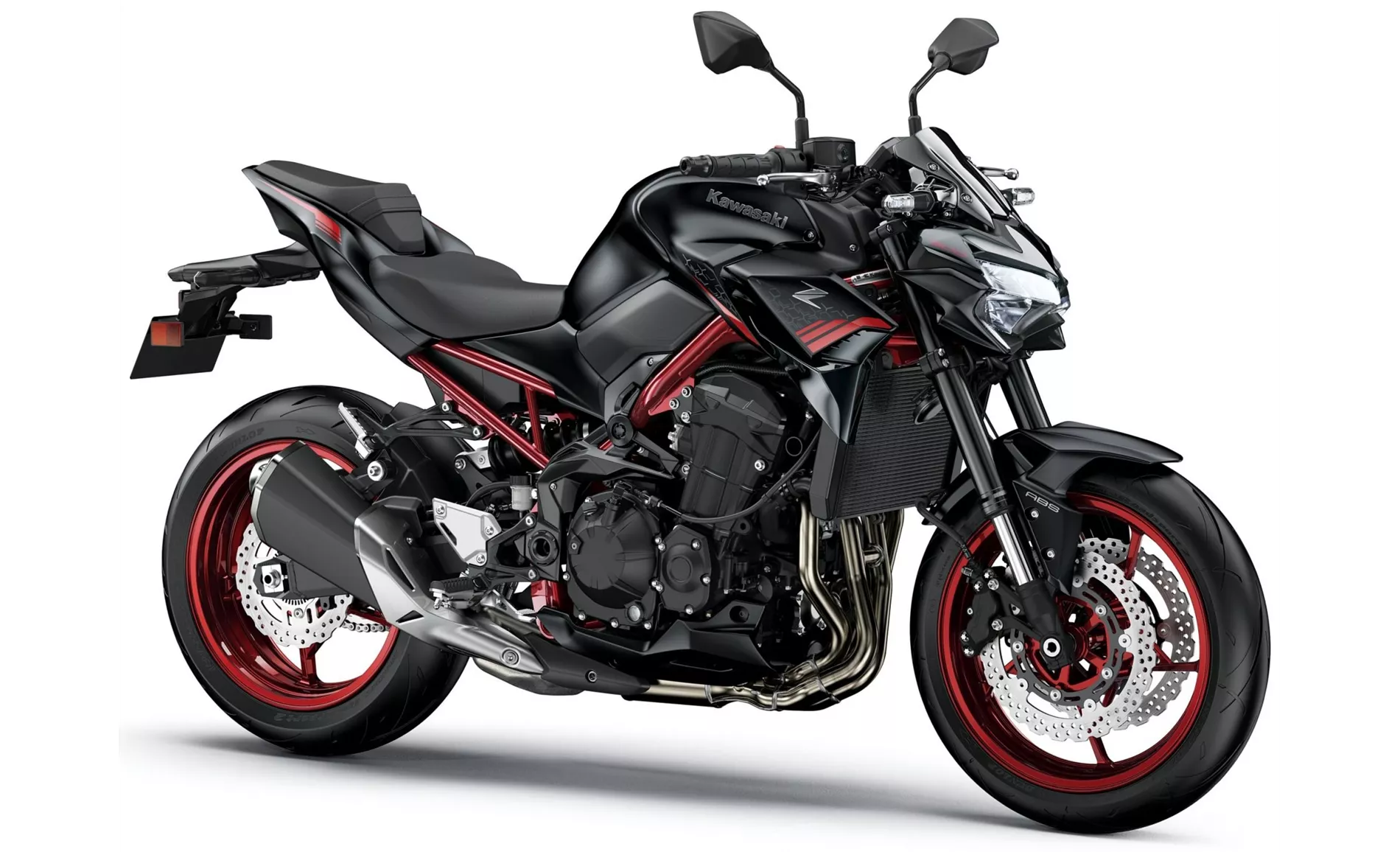
Kawasaki Z900 2021
In terms of strengths, the BMW S 1000 R 2021 stands out with its powerful engine, excellent brakes, comfortable ergonomics, and the availability of high-performance optional extras. It is also praised for its simple operation while still delivering impressive speed, making it a great all-rounder.
On the other hand, the Kawasaki Z900 2021 offers a powerful four-cylinder engine, intuitive handling, good equipment, and aggressive looks. It is also considered to provide good value for money.
In terms of weaknesses, the BMW S 1000 R 2021 is noted to have a good but not perfect quickshifter, and its sound can still be slightly intrusive. Some riders also report vibrations in the handlebars. The Kawasaki Z900 2021, on the other hand, lacks a quickshifter option and is seen as lagging behind competitors with 6-axis IMU technology.
In conclusion, while both the BMW S 1000 R 2021 and the Kawasaki Z900 2021 offer powerful naked bike options, the BMW stands out with its higher engine power, more advanced rider assistance systems, and lighter weight. However, the Kawasaki Z900 2021 provides good value for money, intuitive handling, and aggressive looks. Ultimately, the choice between the two models will depend on the rider's preferences and priorities.
Technical Specifications BMW S 1000 R 2021 compared to Kawasaki Z900 2021
Pros and Cons in comparison
Pros and Cons in comparison
BMW S 1000 R 2021
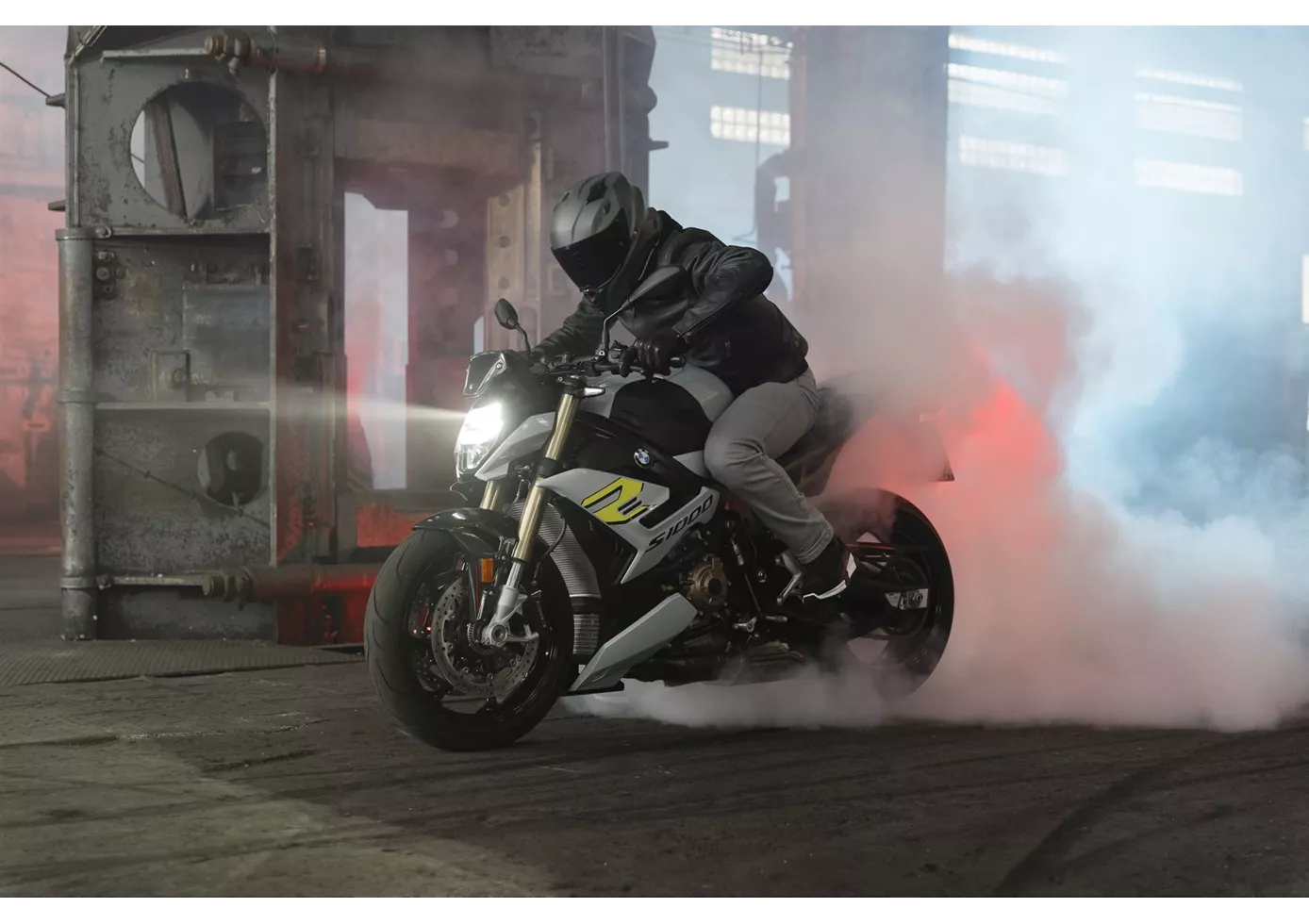
The seating position is sporty, but by no means uncomfortable, the brakes are powerful and the engine of the S 1000 R is at its best - perhaps even a little too homogeneous. There is also nothing to complain about on the riding side. Based on the pure performance data and the installed electronic features, the BMW probably has what it takes for the fastest lap time. And that on any kind of surface, because with the semi-active suspension you can eat up kilometre after kilometre on bad roads littered with potholes. Unfortunately, this feeling of superiority never really spilled over to the driver. Probably the downside of too much balance in all areas - at least in my Italophile eyes. The BMW lacked that certain something, the charisma, which is difficult to explain but arouses genuine emotions.
Kawasaki Z900 2021
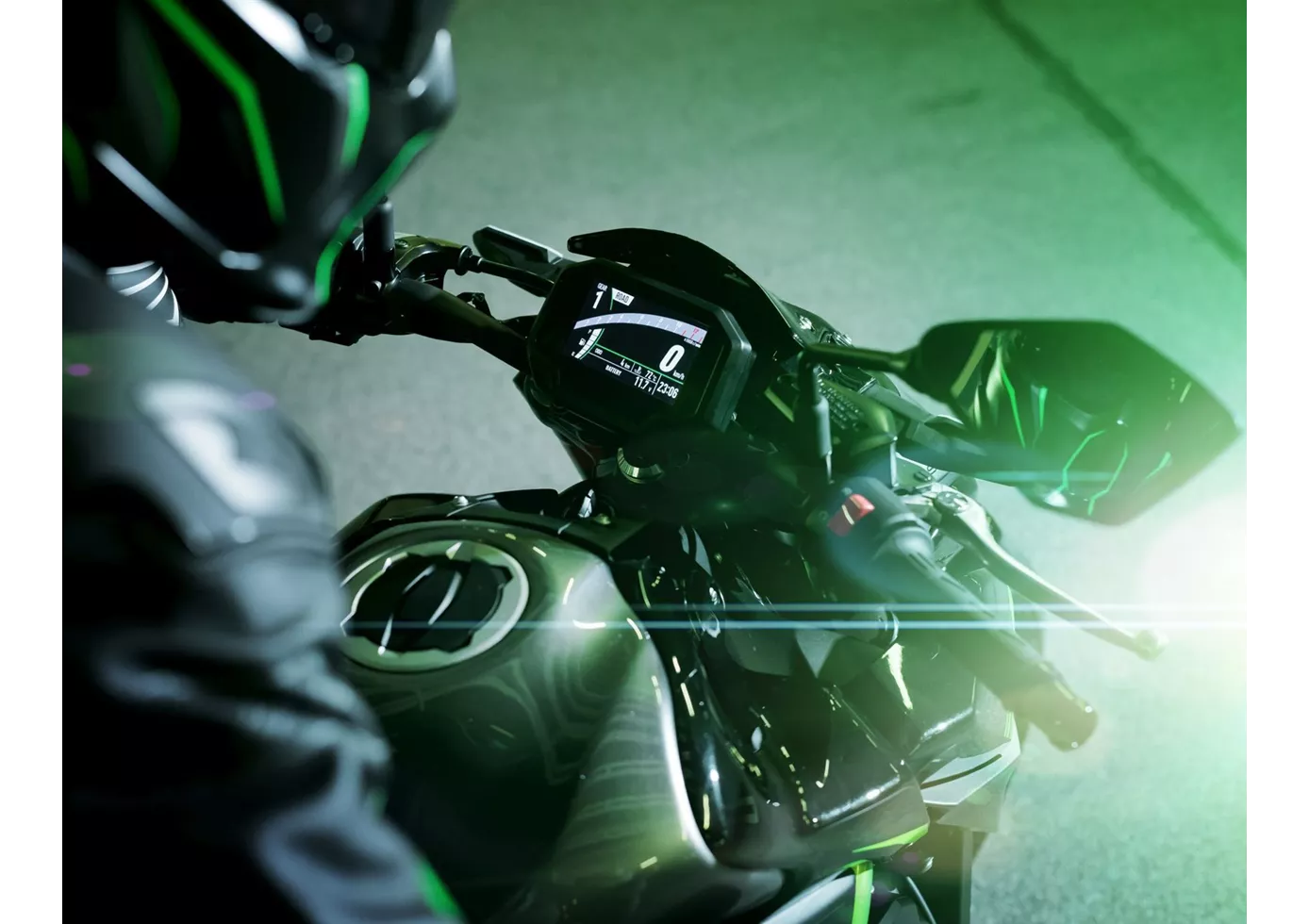
The Kawasaki Z900 may not be up to scratch when it comes to modern, lean angle-dependent electronic features, but it's relatively cheap and you shouldn't underestimate the fan base of the good old inline four - the Z900 is one of the cheapest ways to own such a great engine with just under a litre of displacement in a sporty naked bike! The higher weight is noticeable, but not massively annoying, because the handling and stability are quite alright. In terms of "outdated" electronics, the most annoying thing is the missing shift assistant, which is not even available as an option. Overall, however, the Z900 is a great naked bike with a great price-performance ratio.
Price Comparison Average Market Price BMW S 1000 R vs Kawasaki Z900
There are a few key differences between a BMW S 1000 R 2021 and a Kawasaki Z900 2021. In terms of price, the actual average price of a BMW S 1000 R 2021 is about 90% higher. Compared to Kawasaki Z900 2021 there are less BMW S 1000 R 2021 bikes available on the 1000PS.de Marketplace, specifically 15 compared to 33. It takes less time to sell a BMW S 1000 R with 67 days compared to 107 days for a Kawasaki Z900. Since model year 2014 1000PS.de editors have written 62 reviews for the BMW S 1000 R and 46 reviews for the Kawasaki Z900 since model year 2017. The first review for the BMW S 1000 R was published on 11/3/2013 and now has more than 17,300 views. This compares to more than 93,200 views for the first review on Kawasaki Z900 published on 11/11/2016.