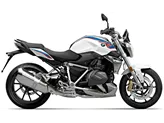
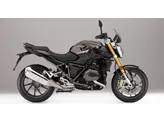
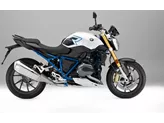
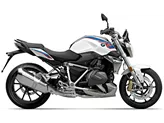
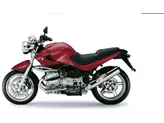
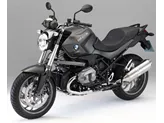
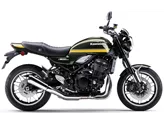
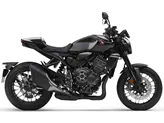
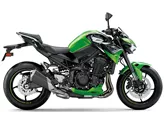
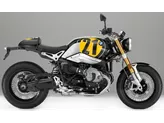
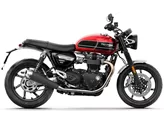
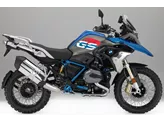
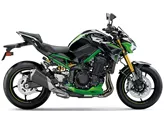
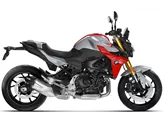
BMW R 1200 R 2017 vs. Kawasaki Z900 RS 2021
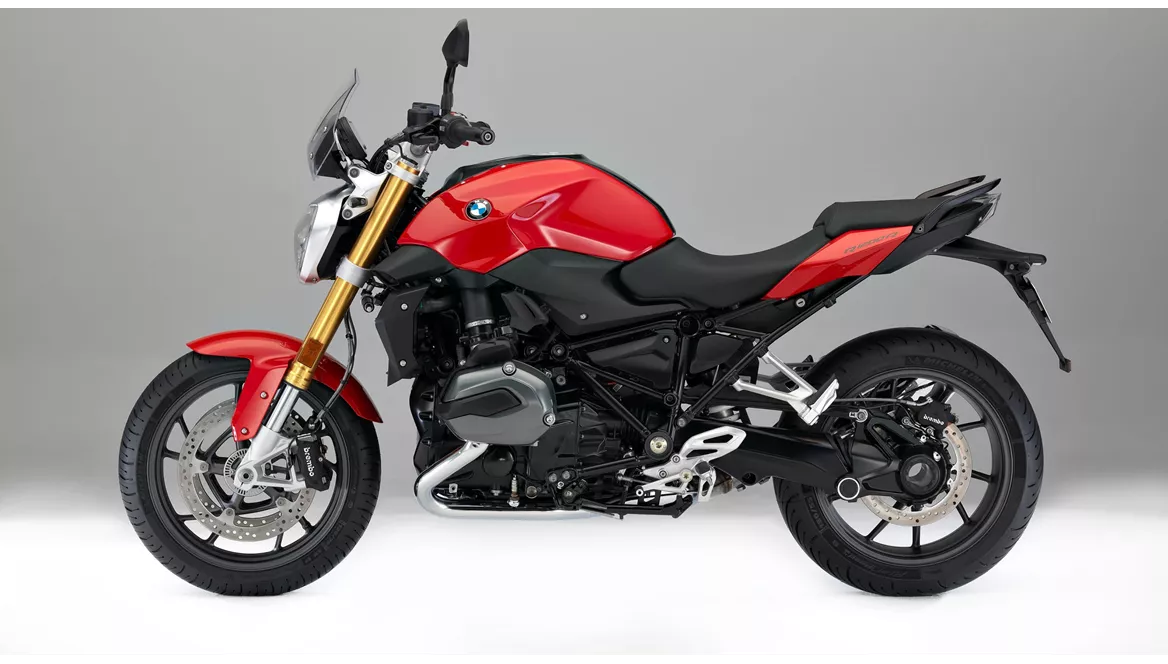
BMW R 1200 R 2017
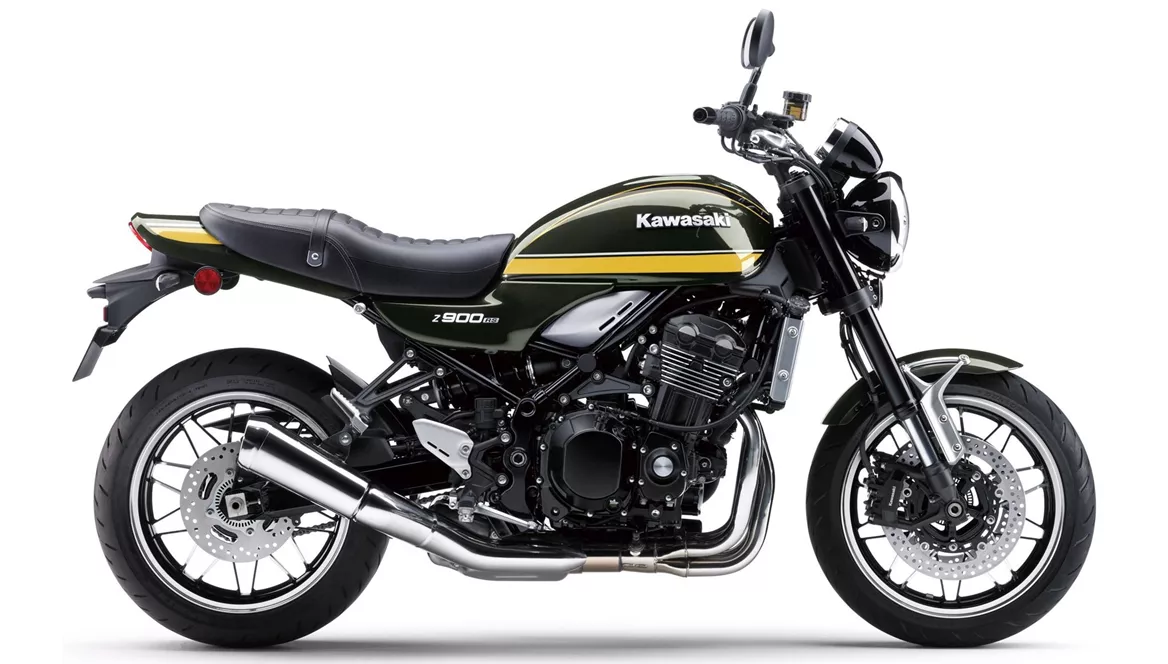
Kawasaki Z900 RS 2021
Technical Specifications BMW R 1200 R 2017 compared to Kawasaki Z900 RS 2021
Pros and Cons in comparison
Pros and Cons in comparison
BMW R 1200 R 2017
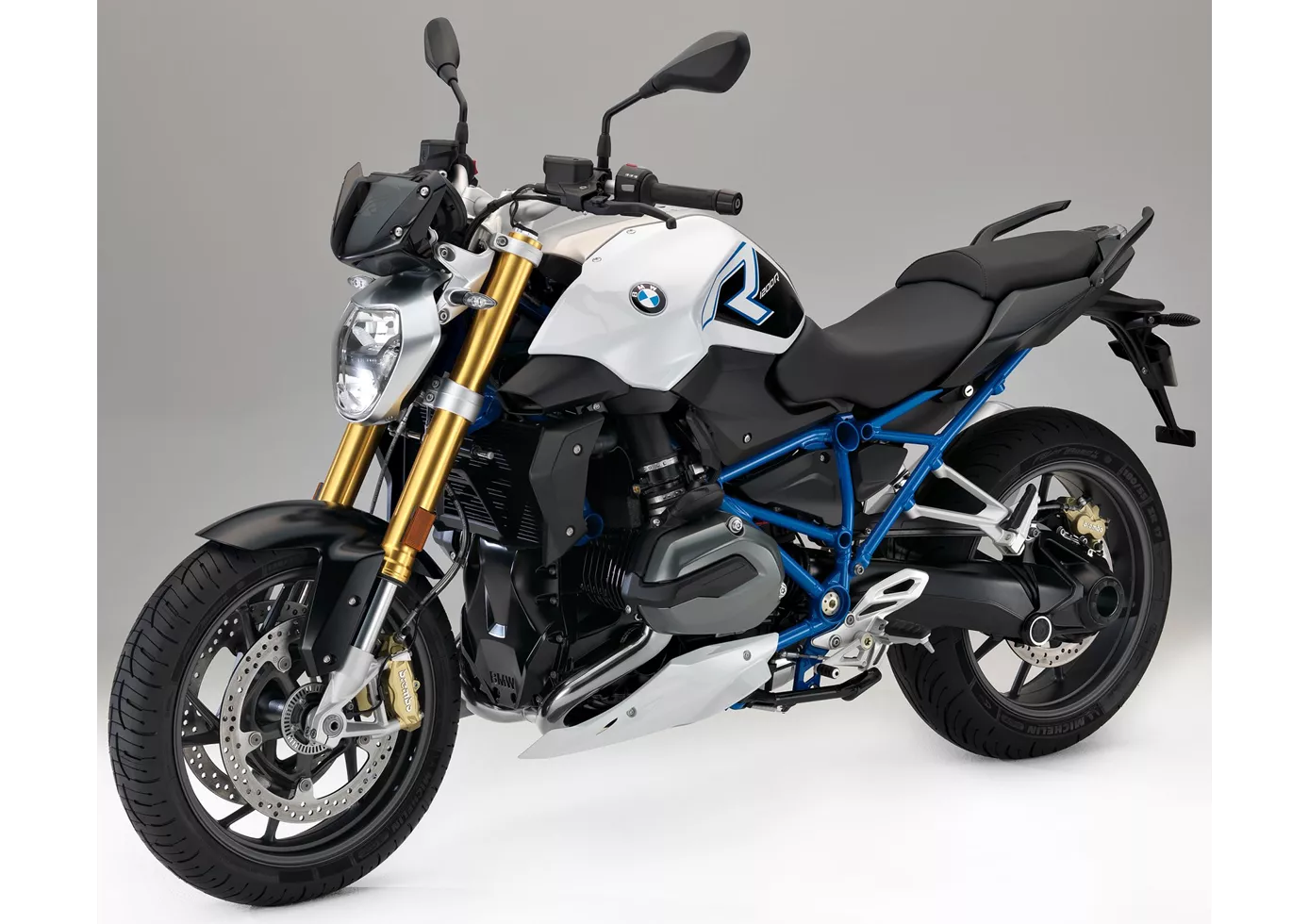
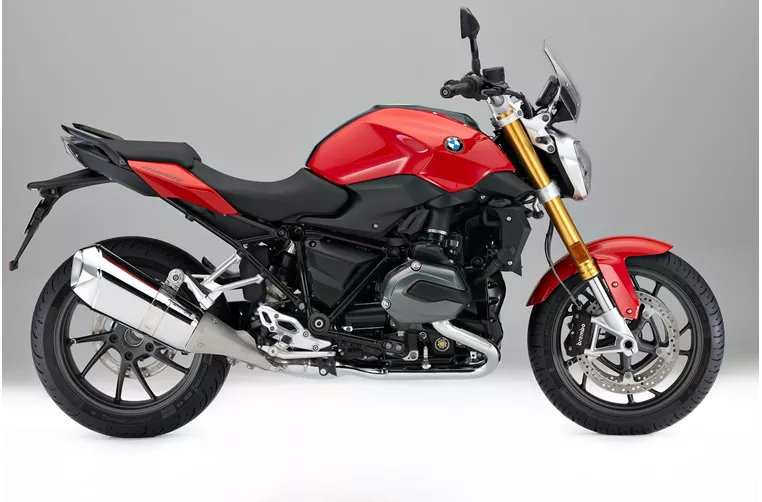
The predecessor was already able to be ridden in a sporty manner as well as convincing on tours, the new R 1200 R can do even more - thanks to the pannier system (of course at extra cost), travelling is still no problem, but it masters sport even better. Thanks to the now partially water-cooled boxer twin-cylinder engine, it is wonderfully agile - 125 hp may not seem like much on paper, but the engine pushes incredibly and behaves in a cultivated manner to boot. The chassis and brakes also score highly and the seating position is sporty and upright, covering a wide spectrum from wonderful fun to long-distance touring. Unfortunately, BMW also understands the trick with the surcharge list perfectly. The basic model is well equipped with ABS that can be deactivated, traction control that can also be deactivated and two driving modes, but many interesting gimmicks are almost obligatory - and of course drive the price way up.
Kawasaki Z900 RS 2021
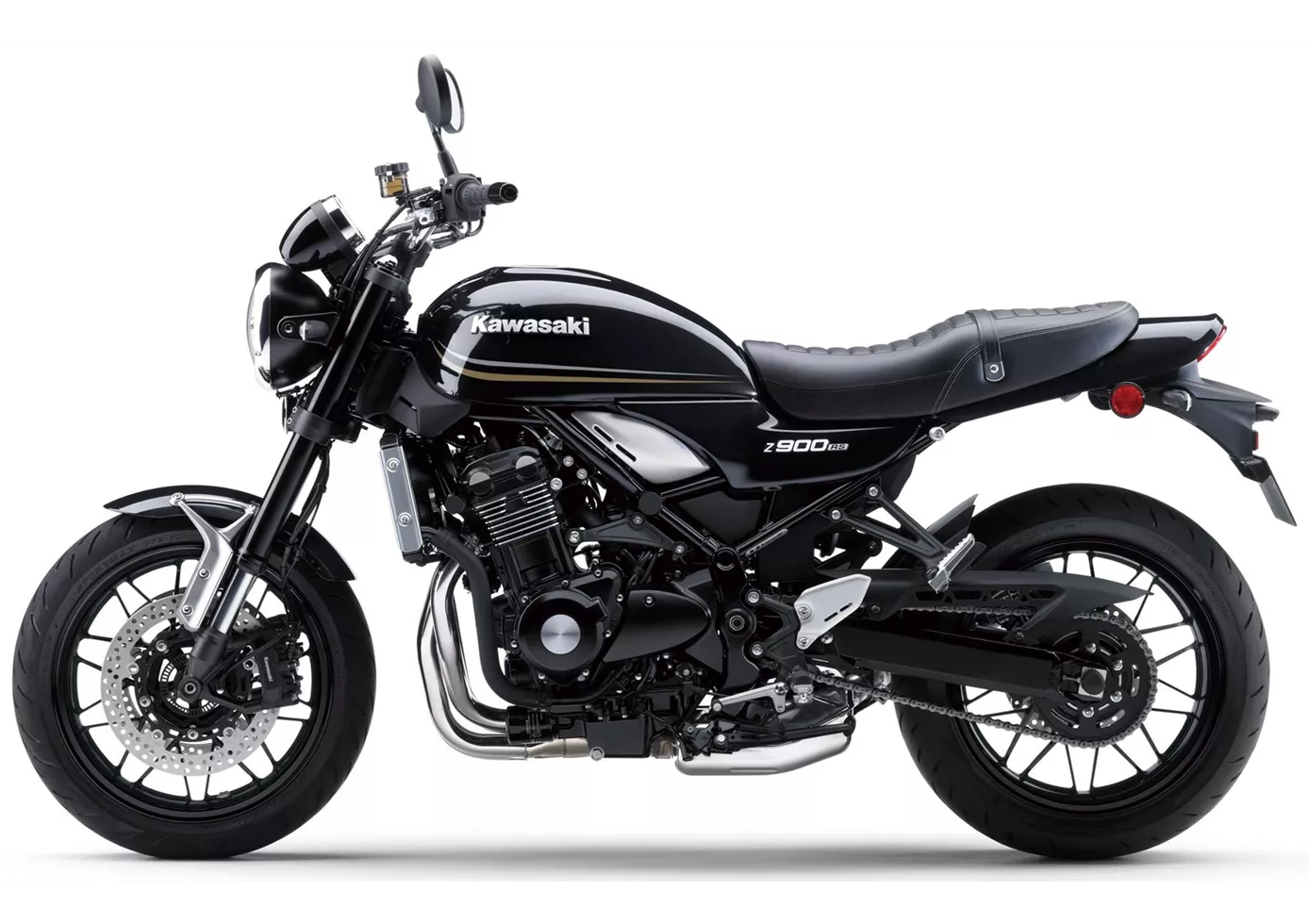
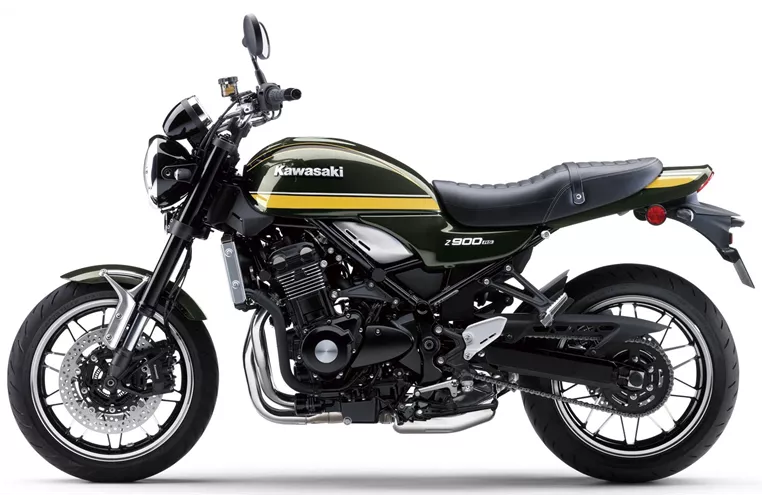
The Kawasaki Z900 RS is the perfect combination of classic design and modern technology. Its four-cylinder Inline engine, which runs silky smooth, delivers linear power and impressive elasticity across the entire rev range. The suspension strikes an ideal balance between comfort and stability, making it perfect for both long-distance riding and sporty riding. Despite the lack of a windscreen, the Z900 RS impresses with a comfortable riding position and agile riding performance. Aesthetically, it pays homage to the legendary Z1, whilst modern features such as traction control and high-quality build quality round off a very successful overall package. For anyone looking to combine a retro look with modern power, the Z900 RS is a reliable and versatile companion, both for everyday use and for longer tours.