When touring, riders usually attach a communication device to the outside of the helmet, weave cables under the lining, and adjust the speakers along the EPS inner shell until the sound fits and nothing presses uncomfortably. Sena flips this concept with their Phantom ANC. This ECE 22.06 certified full-face helmet is built around electronics, microphones, and acoustic chambers; nothing sticks out like a little sail in the wind, maintaining a symmetrical weight distribution, and once paired, the system is practically plug & play. It features Mesh Intercom 3.0, Bluetooth 5.3, a front light, auto-reacting rear lights, a sun visor, Ambient Mode, and ANC. A lot of helmet, a lot of tech, a lot of promises.
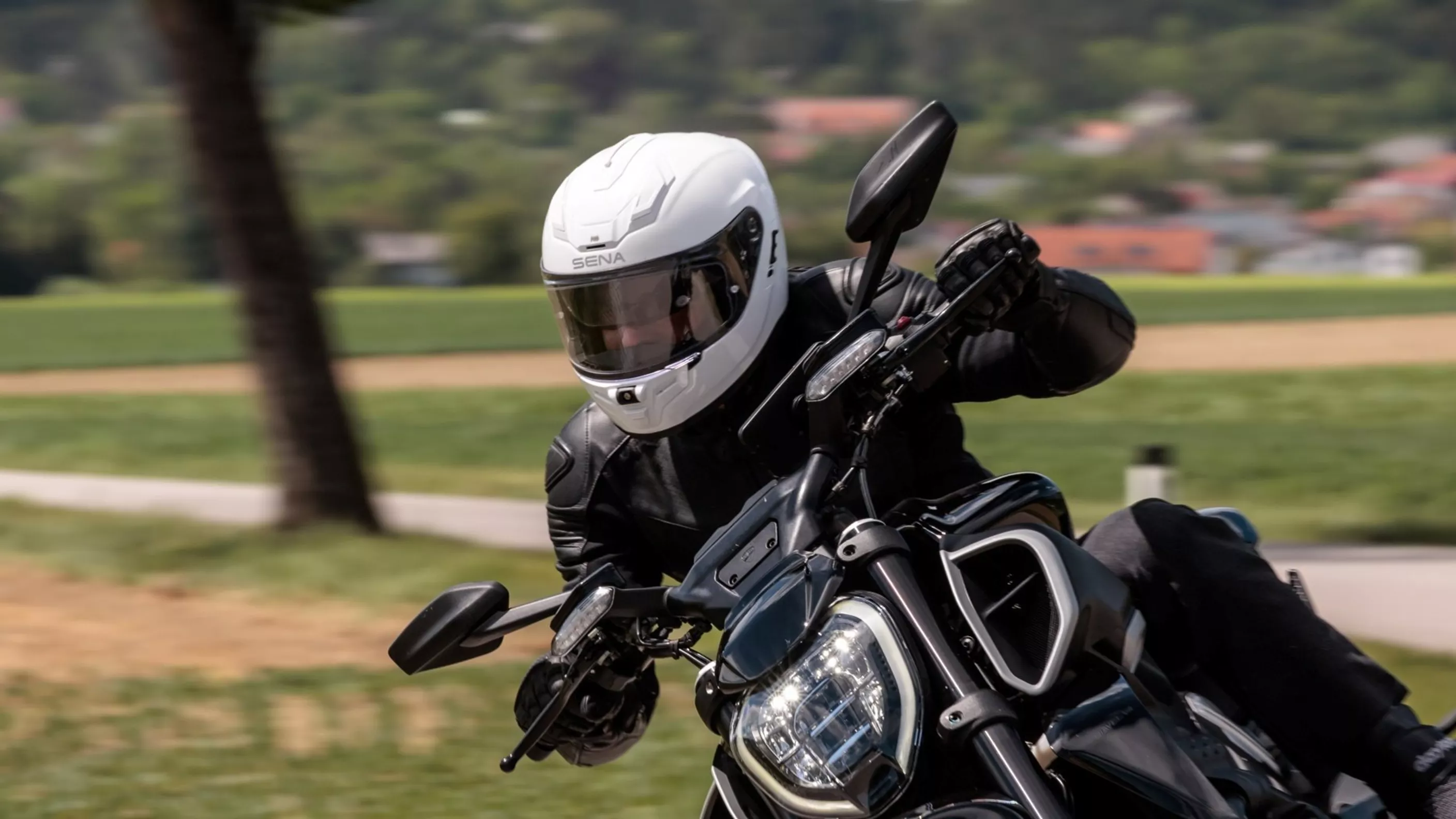
Sena Phantom ANC Helmet Long-Term Review
Noticeable Calm Begins with the Fit
A helmet with a sun visor, lighting, integrated mesh communication system, and active noise cancellation sounds like a touring rider's dream. After testing two helmets, three riders, and six bikes, we've learned: With the Sena Phantom ANC, it's not just the specs that matter, but the optimal fit between padding and head.
&width=72&height=72&bgcolor=rgba_39_42_44_0&mode=crop "Author: nopain")
nopain
published on 8/13/2026
1,226 Views

Why Do You Need Active Noise Cancellation (ANC)?
Wind noise isn't just annoying, it makes long rides exhausting, forces music and intercoms to higher volumes, and can permanently damage hearing. The occupational health guideline stands at 85 dB(A) over an eight-hour workday. While this can't be directly applied to motorcycle riding, it highlights that continuous wind noise can seriously strain hearing. ANC isn't meant to silence the motorcycle entirely but to primarily mitigate the low, consistent components of wind and droning noises. Sena claims up to 20 dB(A) reduction. This is a maximum figure and not a guaranteed noise reduction across the entire frequency spectrum, as sound waves continuously change behind a tall windshield, in turbulent airflow, or with a leaky neck seal. Therefore, additional hearing protection remains a wise choice on fast and long rides.
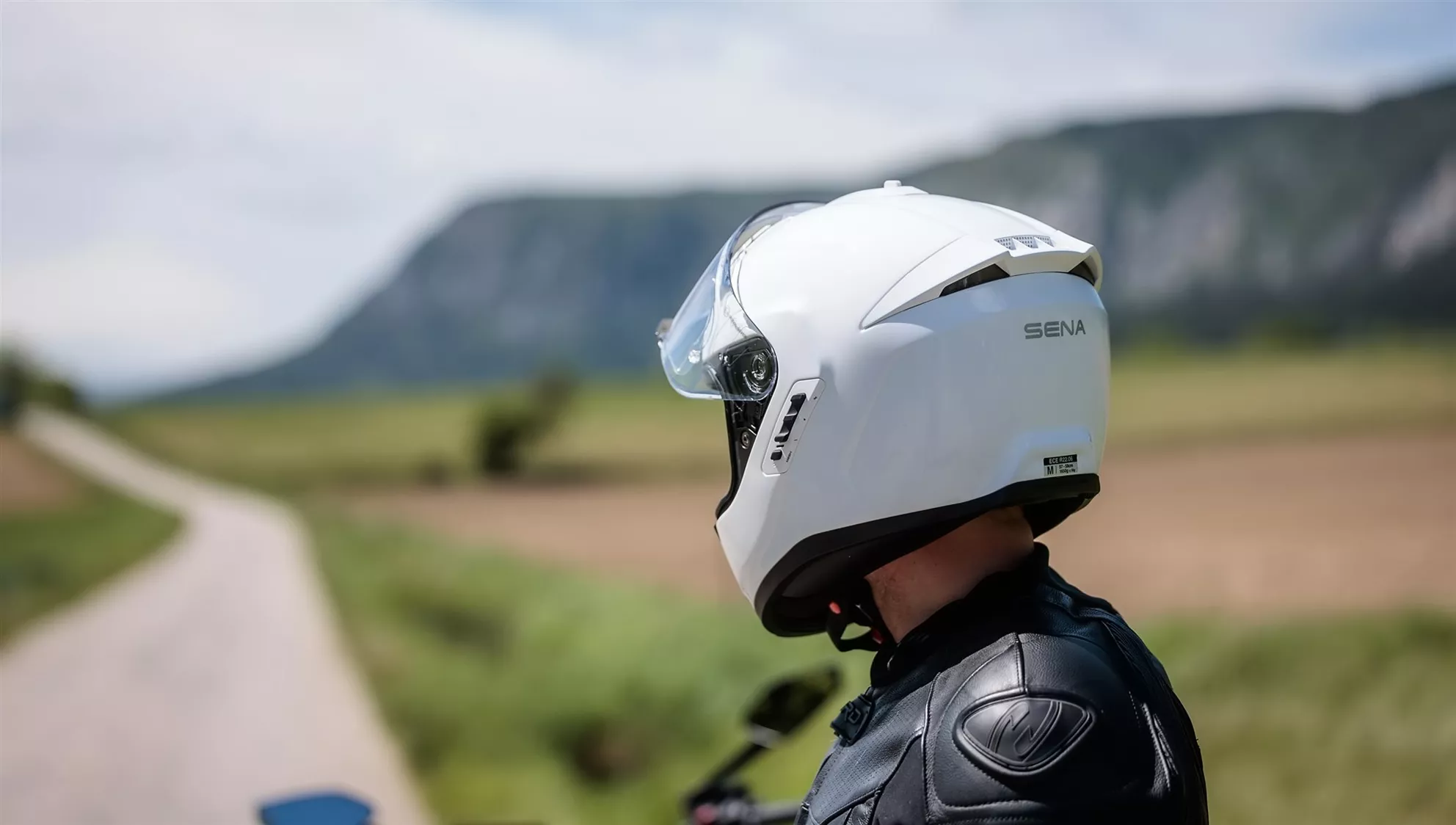
First Impressions – Sena Phantom ANC
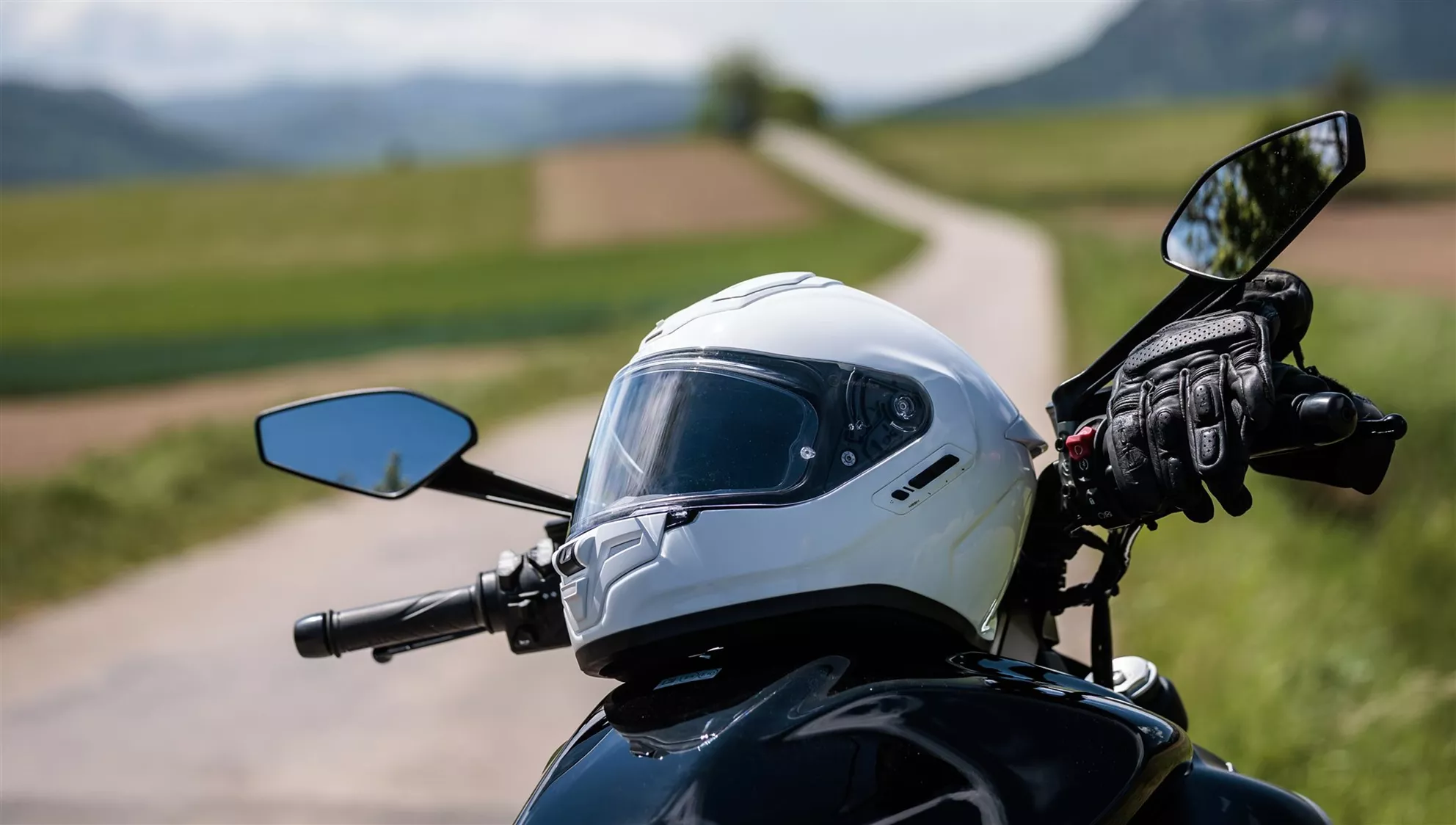
In Glossy White, the Sena Phantom ANC resembles a "Star Wars" Stormtrooper, just without the questionable aim, while Matte Black and Glossy Black present a much more subdued appearance. The fiberglass composite shell, the soft interior padding, the smoothly ratcheting visor mechanism, and the double D-ring closure exude the quality one expects in this price range; however, a small paint defect on the front of our sample was the proverbial blemish on the glossy image.
Without a side-mounted intercom, the helmet sits comfortably and balanced on the head, even though Sena lists the weight for size M (ECE R22.06) as 1,650 ± 50 grams. Our control measurement of 1,716 grams including the Pinlock visor demonstrates that the reality is well within the specified range. While the fully equipped touring helmet isn't exactly lightweight, the balanced distribution of weight is more critical than the sheer mass itself.
Sena Phantom ANC Helmet Sizes
| Size | Head Circumference According to Sena | Practical Advice |
|---|---|---|
| S | 55–56 cm | Too tight for our long-oval test head | M | 57–58 cm | Generous, comfortable, carefully check side seal | L | 59–60 cm | Check fit at temples, ears, and neck | XL | 61–62 cm | Check not just circumference, but also ear position | XXL | 63–64 cm | Largest size available |
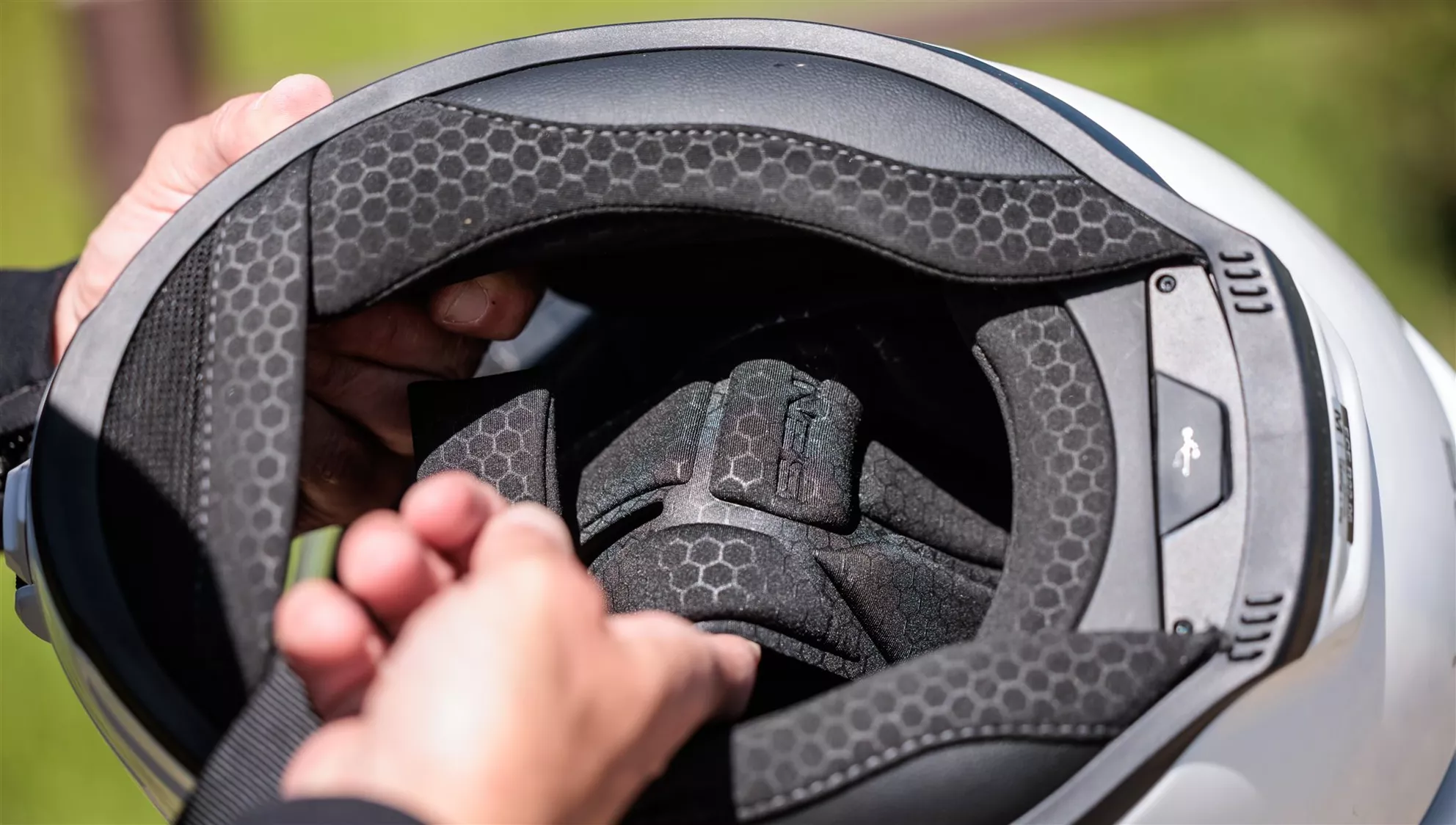
Sena Phantom ANC Fit
On the European product page, Sena describes the internal shape as intermediate-oval, or medium-oval. Our three testers also noted a slight tendency towards roundness, with the helmet being generally more generously sized. It fit firmly and securely on all three heads, with the slight forehead pressure remaining unproblematic over extended periods. However, the sides made all the difference: The closer the padding, ear cups, and neck roll fit against the head, the clearer the speakers sounded and the more effective the ANC worked. For the long-oval head, size M was comfortable, but the ear cups sat slightly too far from the ears. A rounder head shape resulted in more side contact and thus better acoustic sealing. Therefore, with the Phantom ANC, it's not enough to just know the head circumference: The helmet must function not only during fitting but ideally also in the riding wind.
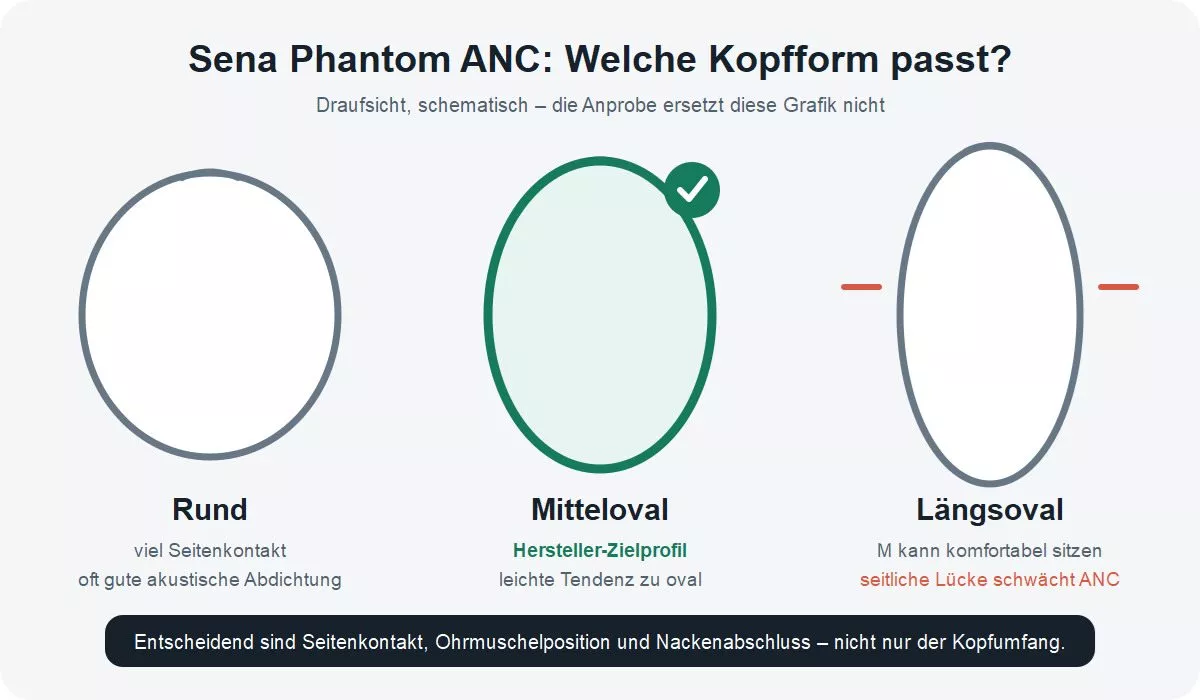
The graphic is intentionally schematic, as two heads with identical circumference can have completely different forehead-to-back ratios.
With the Phantom ANC, a second fitting test is required: The removable ear cups must fully enclose each ear without bending them, while the speakers should be as close as possible without applying pressure. One colleague had to reposition his ears in the cups every time he put the helmet on—about as graceful as changing gloves in the rain, but crucial for sound quality and ANC. Glasses wearers should bring both sunglasses and prescription glasses to the fitting. For one tester, no glasses fit under the padding, while another found that the arms pressed and further degraded the acoustic sealing.
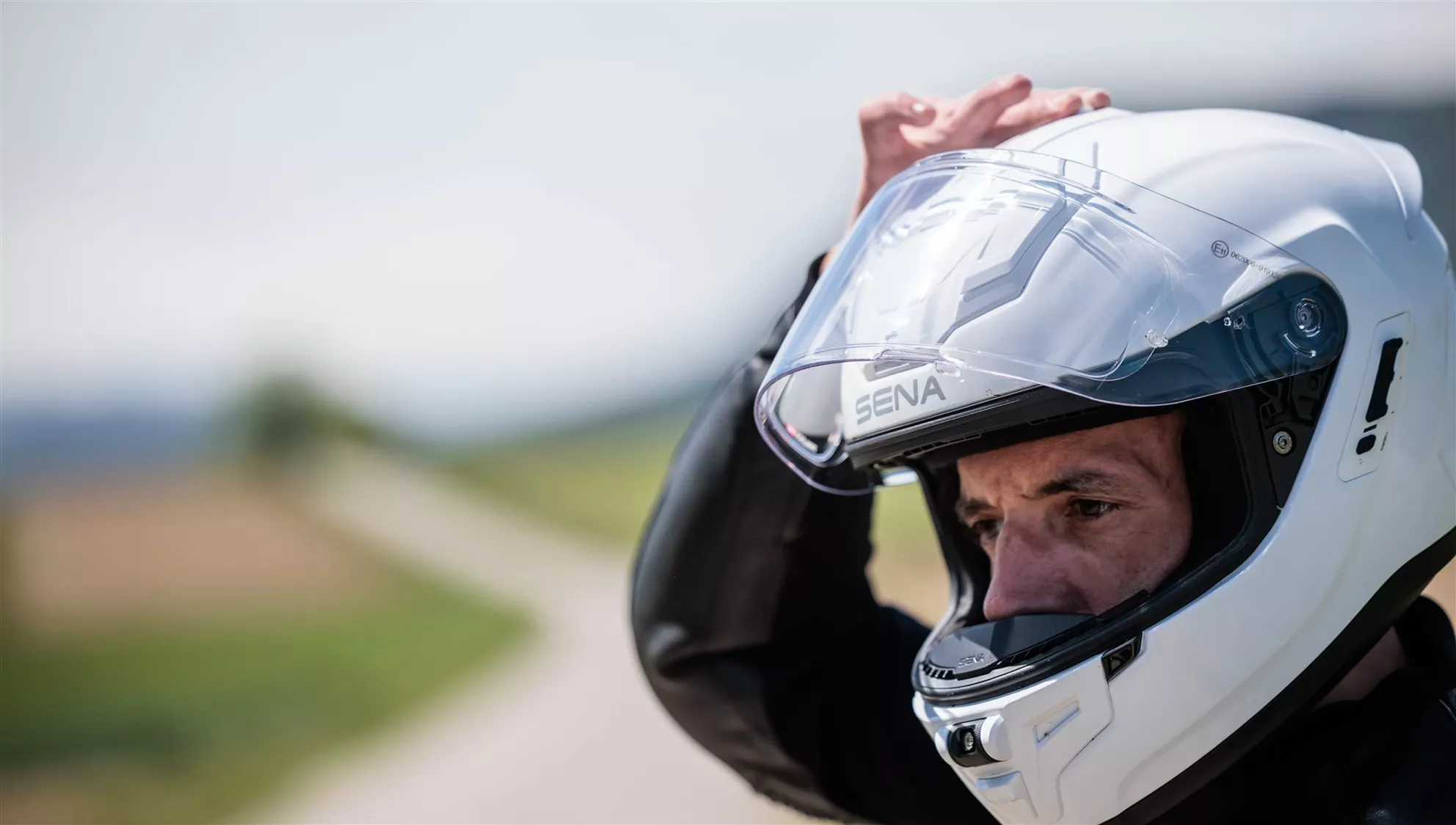
Field of View, Ventilation, and Acoustics of the Sena Phantom ANC
The clear visor offers a wide, distortion-free field of view, locks securely and can be quickly removed for cleaning or replacement. Our test helmets came with a high-quality Pinlock insert—though the included items may vary depending on the market and supplier. A mirrored visor is not offered.
The internal sun visor operates smoothly but sits very close to the face due to the compact front and is relatively short. Depending on helmet size, nose, and seating position, its lower edge may intrude into the field of vision. Two testers found the ventilation adequate but not overwhelming: the openings at the chin, forehead, and top provide noticeable fresh air. The third tester, however, reported little effect in an upright touring position. Here, too, the wind's angle of attack plays a critical role.
Even passively, the Phantom ANC offers pleasant noise damping and remains free from annoying whistling sounds that can occur with externally mounted intercoms. With ANC activated, wind noise and droning were at least slightly reduced at moderate speeds for all three testers, but wind noise never completely disappeared.
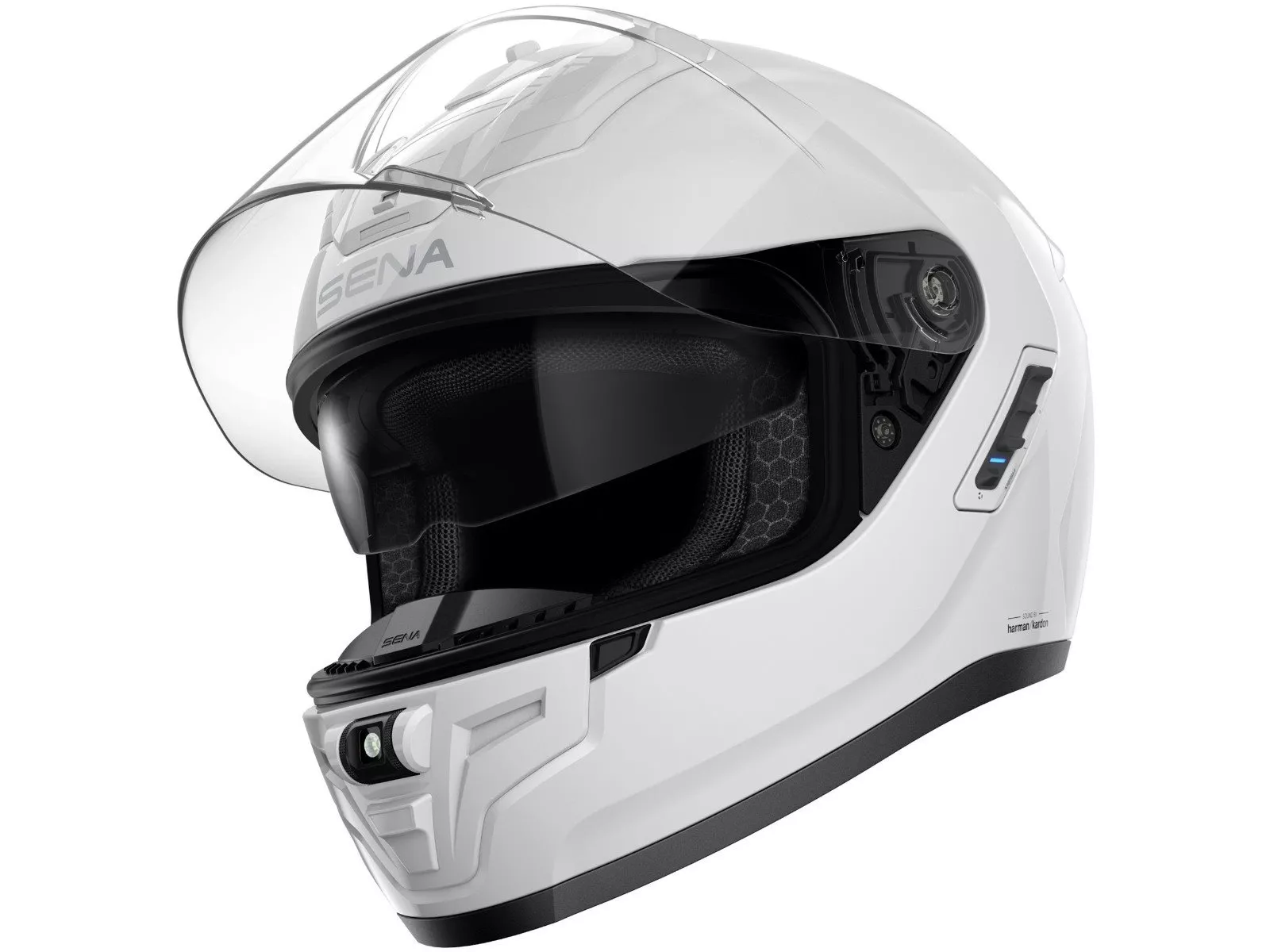
Technical Specifications: Sena Phantom ANC
| Feature | Description |
|---|---|
| Construction | Full-face helmet with fiberglass composite shell and EPS inner shell, 3 shell sizes | Target Audience | Long-distance riders, commuters, and Sena Mesh users with medium-oval head shape | Helmet Standard | ECE R22.06, DOT | Head Shape | Medium-oval according to Sena (with a slight tendency towards roundness in the 1000PS test) | Sizes | S to XXL, head circumference 55 to 64 cm | Weight | 1,650 ± 50 grams in size M according to Sena | Closure | Double D-ring | Speakers | 45 mm HD speakers with ANC | ANC | Yes | Ambient Mode | Yes, external noises are amplified through microphones and speakers | Bluetooth | Bluetooth 5.3, pairing with smartphones, GPS, and compatible action cams | Mesh Intercom | Mesh Intercom 3.0 and 2.0, up to 2 km in open terrain | Open Mesh | 6 channels, virtually unlimited number of participants | Group Mesh | Private group with up to 24 participants | Wave Intercom | Communication via mobile data, virtually unlimited range with existing network coverage | Talk Time | Up to 35 hours (Mesh) | Charging Time | Approximately 2.5 hours | Quick Charging | 20 minutes of charging for up to 7 hours of Mesh Intercom | Visor | Scratch-resistant clear visor, Pinlock-ready | Pinlock | Pinlock visor included in the package | Sun Visor | Integrated and retractable | Lighting | Front work light and rear driving light with automatic brake light activation | Update Method | OTA updates via the Sena Motorcycles App | Colors | Matte Black, Glossy Black, Glossy White | Operating Temperature | −20°C to 55°C | Warranty | 5 years on helmet and electronics | Price (RRP) | 619 Euros in the official EU shop (as of August 6, 2026) |
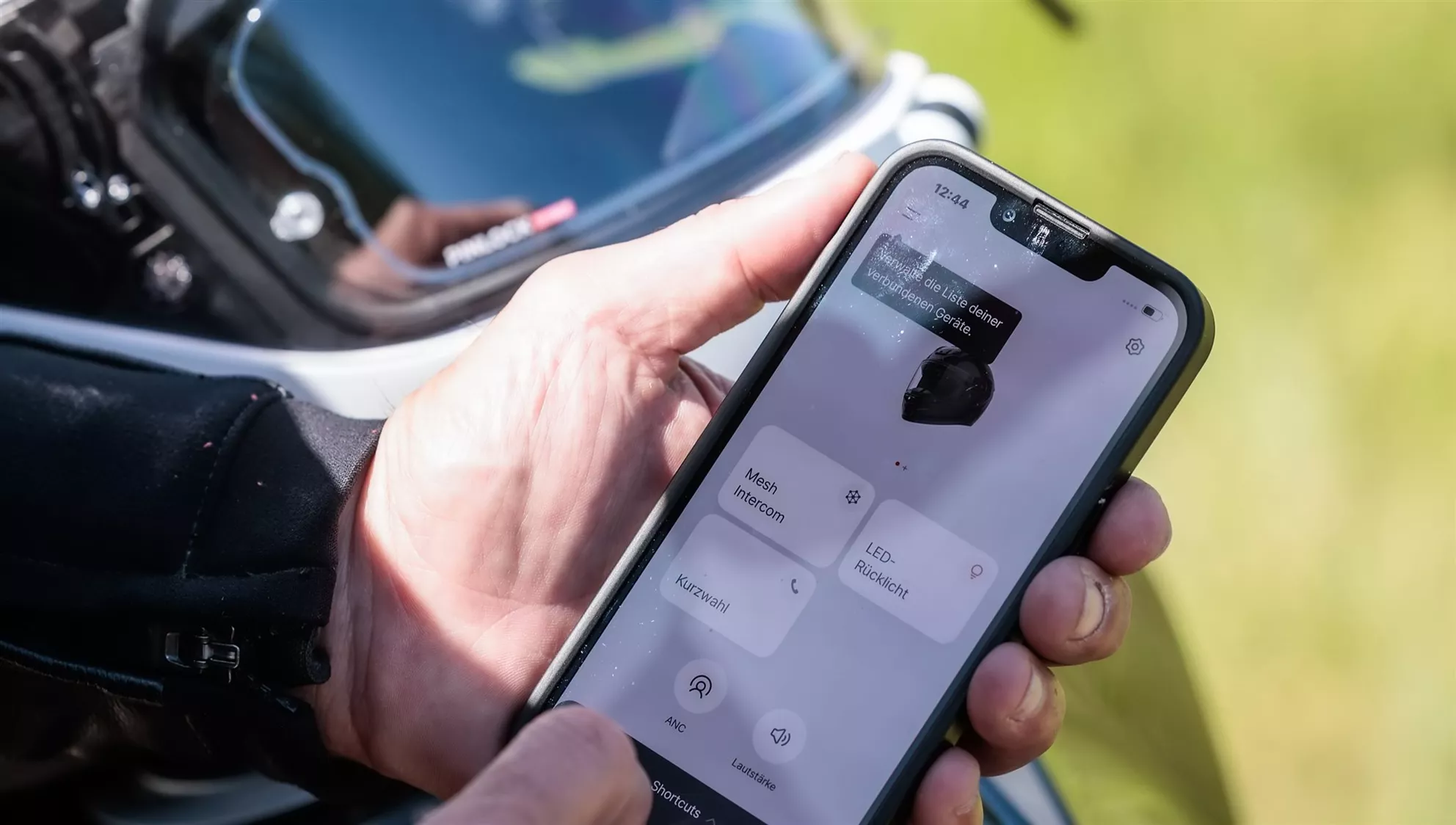
Control via App, Voice Recognition, or Buttons
Pairing, OTA updates, and configuration via the Sena Motorcycles App were intuitive, with the multilingual manual available online, and the last selected ANC setting is retained after a restart.
The buttons are logically arranged and can be felt even with gloves on; however, the ANC button is located on the throttle side, requiring more attention during rides than we'd prefer. “Hey Sena” controls, according to the official list, include volume, music, phone, and mesh, but not ANC or lighting. In tests, the voice recognition missed about every third attempt. Riders control the front and rear lights via button or app; the front work light automatically turns off after about five minutes, while the rear light reacts to detected deceleration but is not linked to the motorcycle brake.
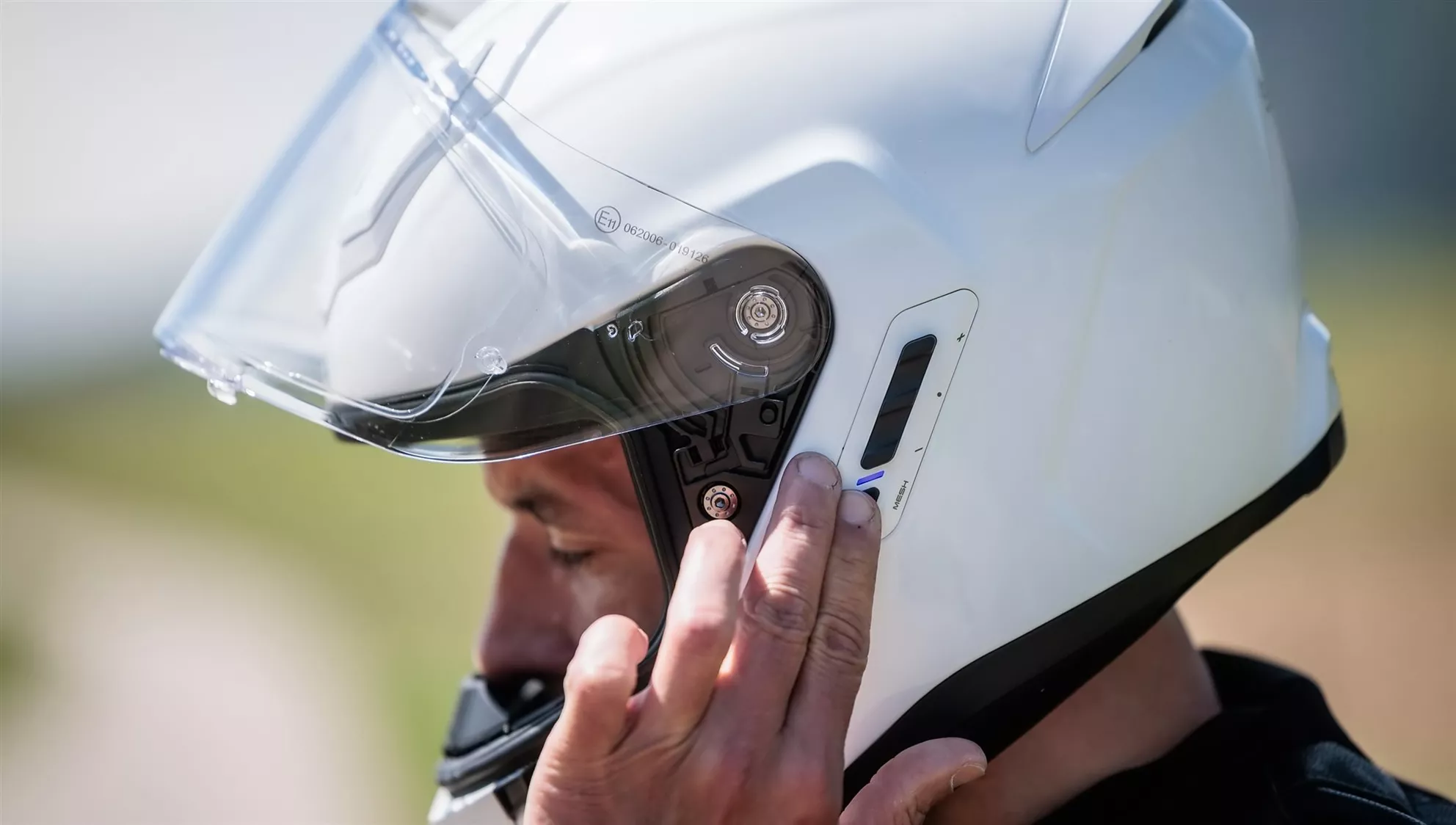
Integrated Open Mesh Communication System
The true strength of the Phantom ANC lies not in its ANC, but in its integrated communication system. Open Mesh offers six channels for an unlimited number of participants, while Group Mesh maintains a private group of up to 24 riders—Sena claims up to two kilometers of range in open terrain.
In editorial tests, there were no issues with operation or speech clarity: For those already using Sena Mesh, it provides a perfectly integrated, streamlined solution. The limitation becomes apparent with mixed groups: While Bluetooth 5.3 connects a phone, second phone, GPS, or a compatible action cam, it doesn't replace a direct universal Bluetooth intercom.
Sena's ANC Functional Principle
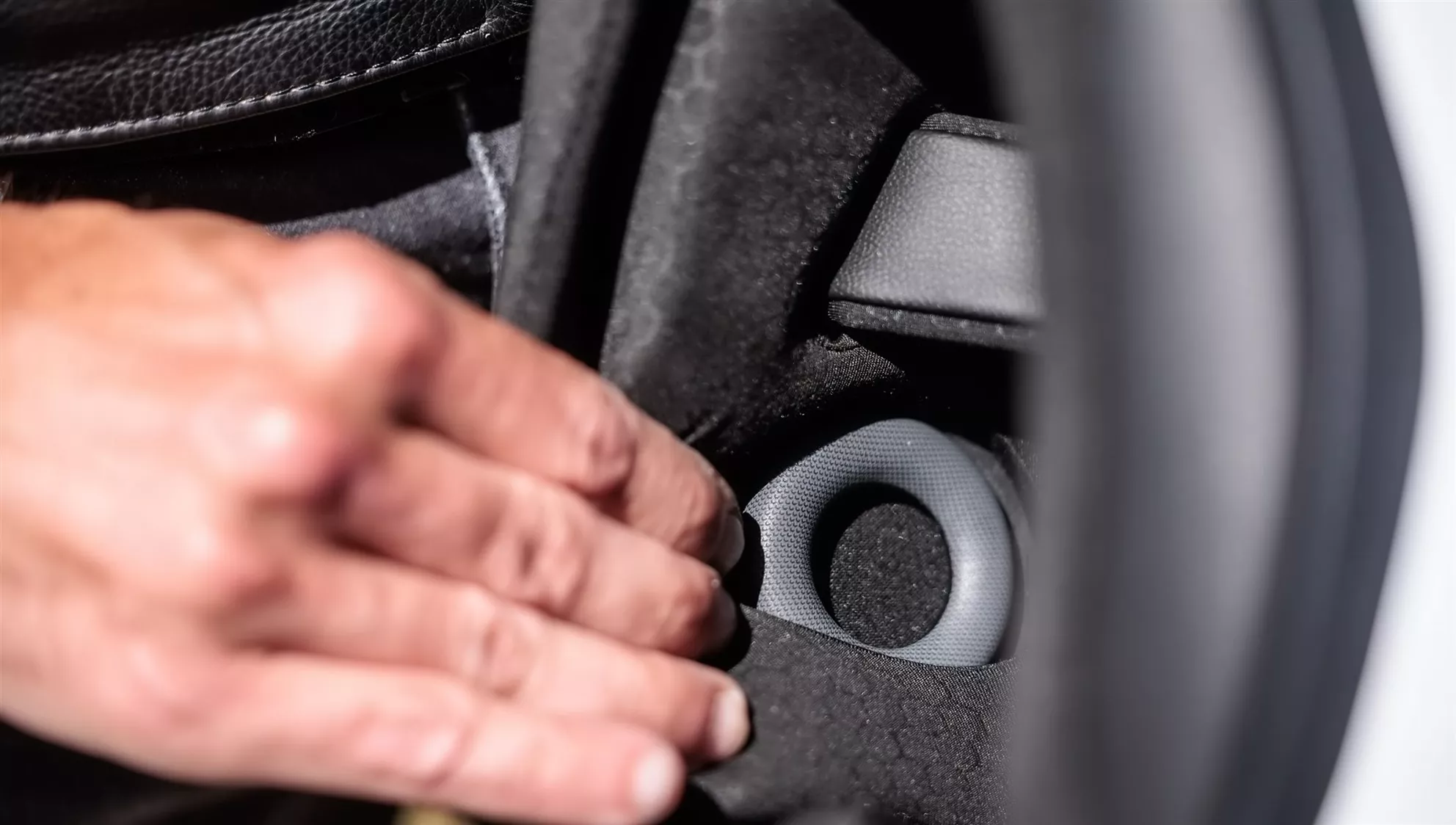
Dedicated microphones capture sound directly at the ear chamber. The electronics analyze the signal in real-time and generate a counter-phase sound wave through the speakers. When peaks and troughs align as closely as possible, the sound pressure in certain frequency ranges is effectively reduced. Thus, the system doesn't mask noise with more noise but attenuates it before it reaches the eardrum.
In cases of uniform humming, such as on an airplane, ANC can work relatively easily. However, conditions constantly change in a motorcycle helmet: head movements, windshield edges, crosswinds, jacket collars, as well as the aerodynamics and engine characteristics of the motorcycle, constantly influence frequencies and volume. The up to 20 dB(A) reduction mentioned by Sena can be achieved under favorable conditions but is no guarantee for every head, motorcycle, and speed.
The crucial factor, fortunately, remains a matter of physical fit: The closer the microphones and speakers are to the ear and the tighter the ear chambers seal, the less the algorithm has to work its magic.
Sena Ambient Mode in Everyday Use
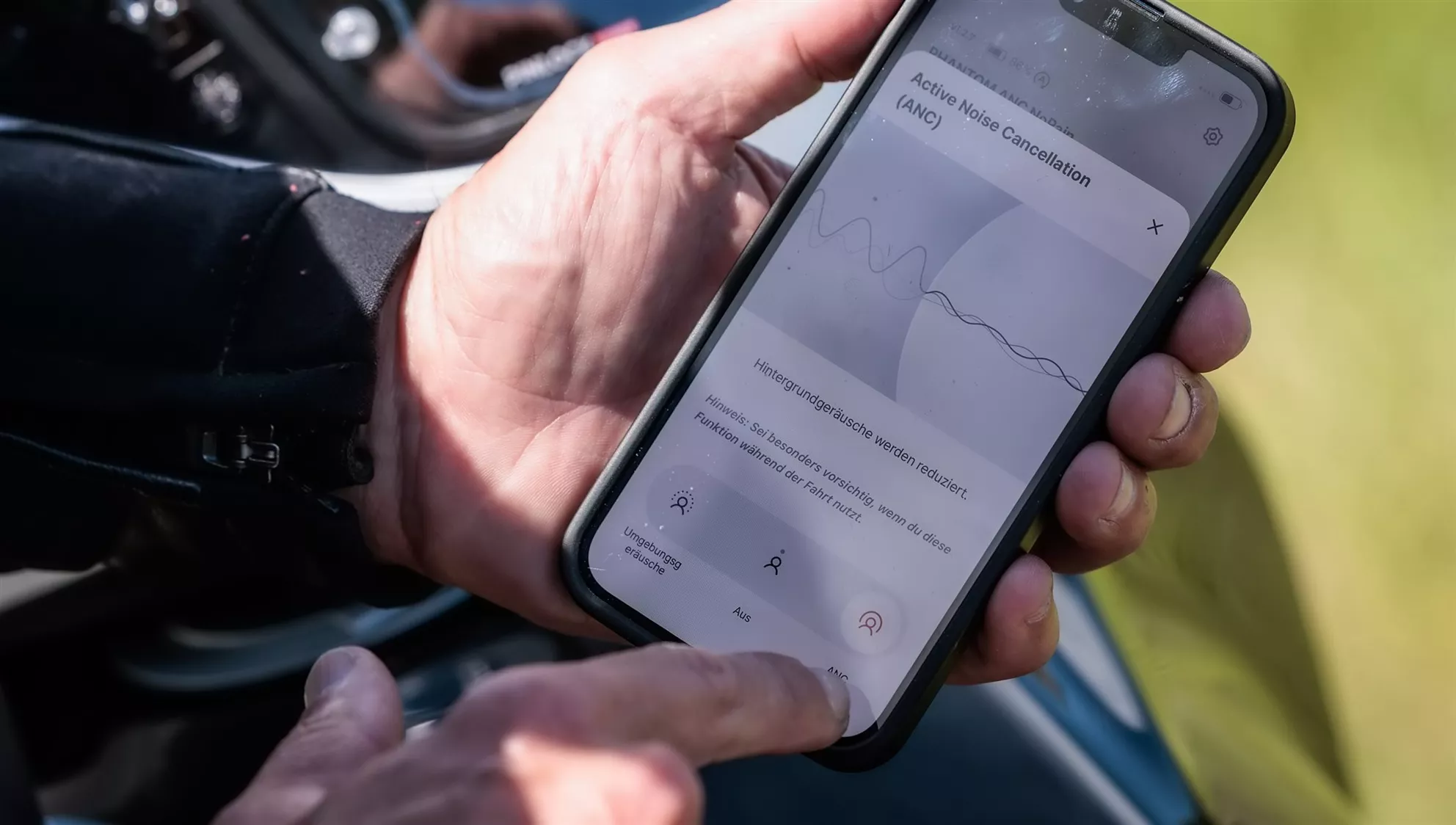
The Ambient Mode was the more noticeable effect across all users. A long press on the ANC button channels external sounds through microphones and speakers into the helmet, allowing for conversations at the gas station, quick questions at the stoplight, or even a police inquiry without removing the helmet, and without it sounding like you're speaking through a closed garage door.
ANC and Ambient Mode do not operate simultaneously: when noise cancellation is activated, the helmet automatically disables Ambient Mode. It's primarily designed for brief conversations while stationary, not as a permanent hearing aid while riding. At the gas station or during a short chat, it proves to be an unobtrusive everyday helper that you quickly come to appreciate.
The Sena Phantom ANC in the 1000PS Practical Test
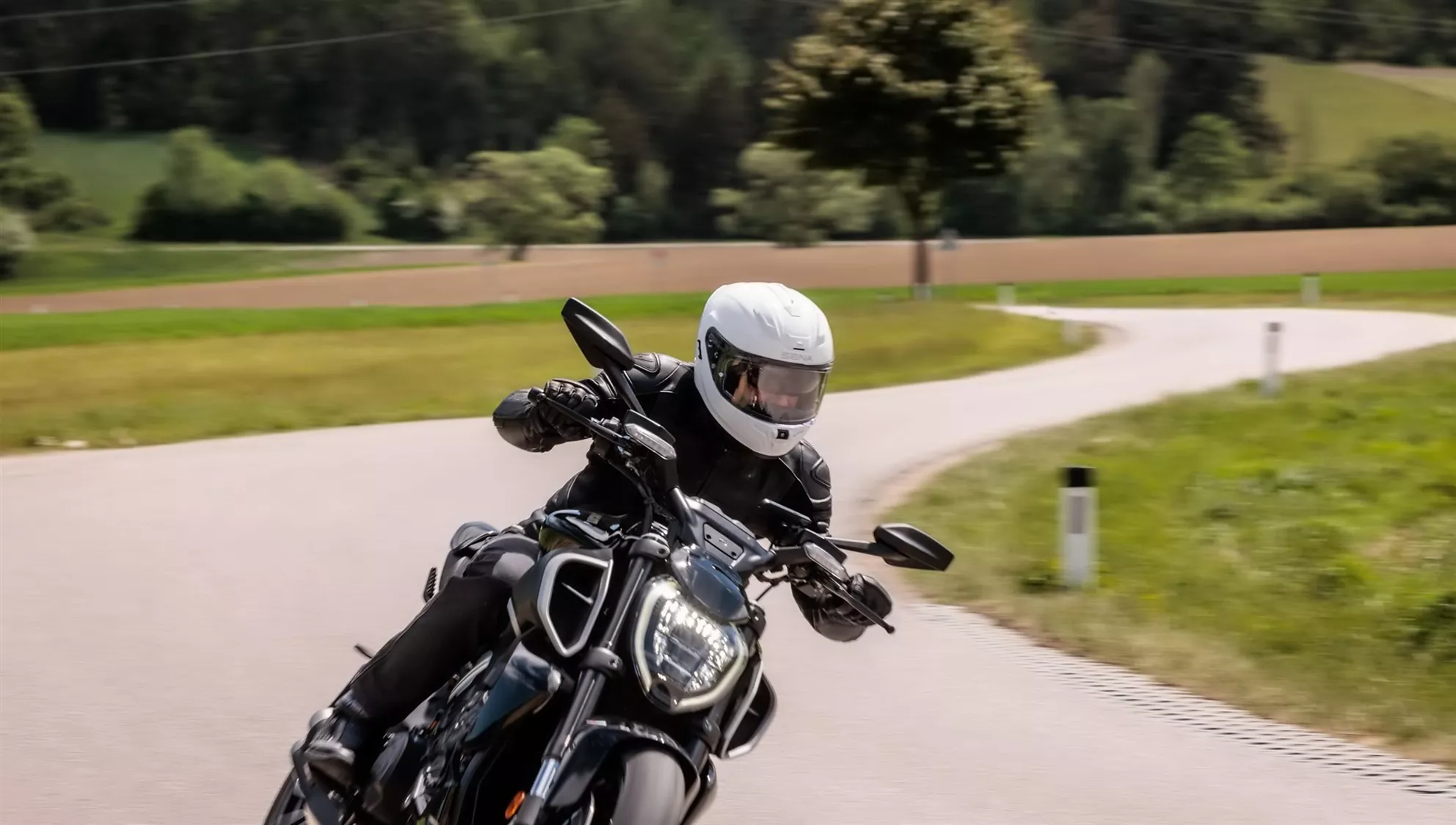
A single head on a single motorcycle could have easily led to a misleading conclusion here. Therefore, during the test, two identical models of the Sena Phantom ANC with the latest software version were used by three testers on a total of six motorcycles—from largely unprotected scooters to naked bikes and cruisers, all the way to touring motorcycles with decent windshields. The testing covered rides with and without ANC, different head positions, highway and country road speeds, music, mesh, ambient mode, and the impact of varying levels of wind protection.
The impressions varied remarkably: They ranged from "for an extra 100 euros, this actually works pretty well" to "minimal improvement with a faint rustling." This noticeable discrepancy was precisely the reason for requesting a second test helmet.
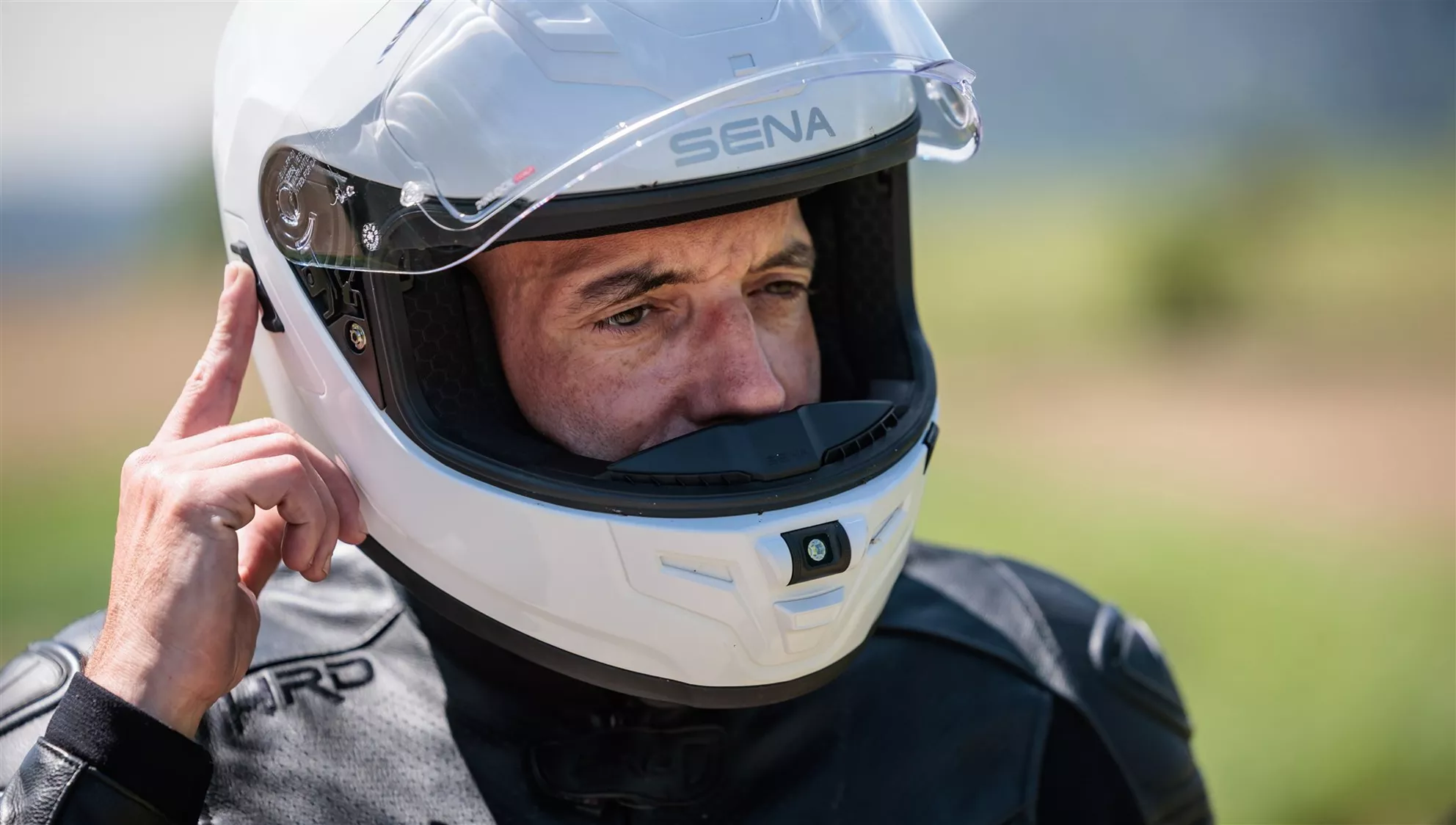
For the first model, the ANC effect was so minimal for one tester at 100 km/h that we initially suspected a defect. Additionally, at lower speeds, a faint rustling occurred, reminiscent of a headphone with a loose connection or a dusty record needle. Since this behavior also appeared with the second helmet on three different motorcycles, we could largely rule out a defect in the first model.
In the end, the direct comparison of the three testers provided a plausible explanation. For tester number one's long-oval head, the helmet fit more loosely on the sides. As a result, the ear cups sealed less tightly, while the speakers and ANC microphones were relatively far from the ears. This allowed more varying wind noises to enter the ear chambers, to which the ANC partially responded with the described rustling. For the colleagues whose heads the helmet fit more snugly on the sides, the problem only occurred in exceptional cases, and the noise cancellation worked noticeably better.

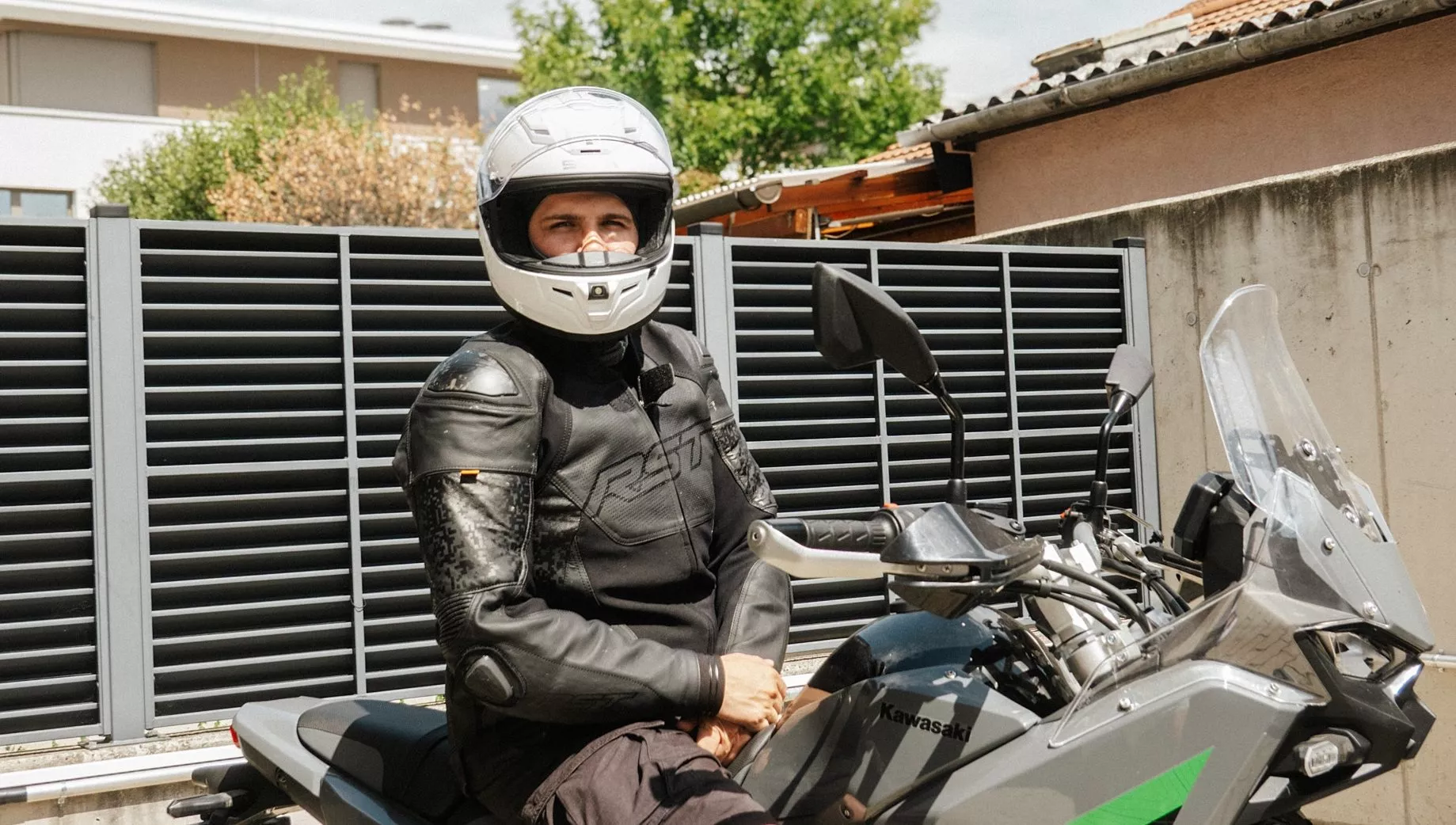
Test Subject #1: NoPain (Long-Oval Head, Size M)
For the predominantly long-oval head, the helmet in size M fit comfortably and was snug at the forehead and back of the head, but did not seal tightly enough around the ears. Although the soft ear cups fully enclosed the ears, the speakers and ANC microphones were still too far away. At 80 km/h, the music increasingly faded into the background, and by 120 km/h, it was only usable at high volume. Activating the ANC at a constant 100 km/h only changed the wind noise into a duller tone, while engine noise and overall noise remained almost equally present. When rolling through town, a faint rustling also became noticeable, especially when glancing sideways into the mirror. Pressing the helmet shell against the ears suddenly made the ANC effect much more noticeable. For this rider, the helmet itself worked well, but the extra cost for ANC brought little added value.
Test Subject #2: Howie (Medium-Oval Head, Size M)
The helmet fit the second tester better and caused no uncomfortable pressure on the temples or ears. However, there was so little space left under the padding that no glasses could fit comfortably. On the adventure tourer, the ANC turned a loud rumble at 70 km/h into noticeably quieter hissing. At 100 km/h, the advantage diminished again; the helmet was never completely silent.
The speakers were closer to the ears than with tester one, which benefited both sound quality and ANC effectiveness, though it couldn't compensate for all turbulence. Howie's conclusion: ANC is a useful comfort feature, more beneficial on country roads than at high sustained speeds. Whether it makes a decisive difference on tour likely depends on the individual combination of head shape, glasses, windshield, and travel speed.

Test Subject #3: Patrick Schneuwly from AcidMoto.ch (Medium-Oval Head, Size M)
For the third tester, the side pads fit snugly without pinching the temples, allowing the ANC to perform much more effectively. On a motorcycle with a windshield, the effect was noticeable even at higher speeds: With an upright head and ANC off, it was loud, but behind the screen the noise level decreased, and with ANC on, it became even quieter. Even in an upright position, it was easy to identify which frequencies the system filtered out. On the scooter without a windshield, the difference was significantly less pronounced. Depending on the motorcycle, parts of the engine noise were also dampened. The faint rustling occurred only rarely, at certain speeds and with the head turned to the right.
The helmet was annoying to put on: the ears had to be repositioned in the cups each time to avoid pressure points. Despite this, the Phantom ANC impressed as a daily helmet with high comfort, fully integrated communication, and possibly better visibility due to the additional lights in urban traffic. The noise cancellation was clearly perceptible for this tester but not a must-have. Because he is particularly sensitive to noise, he continues to use earplugs even with the Phantom ANC. The internal sun visor also proved too short for him.

The Target Audience for the Sena Phantom ANC
The Sena Phantom ANC is suitable for touring riders, commuters, and travel groups already using Sena Mesh, who prefer not to have external devices on their helmets and are willing to seriously evaluate fit and ear position. It is particularly effective for medium-oval to slightly rounder heads, where the padding closes tightly on the sides and the motorcycle provides a clean or well-protected airflow. It is less suitable for very long-oval heads with lateral play, sensitive glasses wearers, sport riders focusing on weight reduction, and mixed intercom groups.
Anyone expecting living room silence at 130 km/h or looking to skip earplugs due to ANC is bypassing physics. However, those seeking a well-integrated touring package with noticeable, albeit not complete, noise reduction might find what they're looking for.
Sena Phantom ANC Helmet Long-Term Review Images
Source: 1000PS


