Modern supersports bikes are fascinating. More than 200 hp, wings, complex electronics packages, and performance figures that were reserved for pure-bred race machines just a few years ago. The bad news? All of that comes at a price. But does a sporty bike really have to be new to give you goosebumps? No. Sometimes 5,000 euros is enough, sometimes you need 10,000 euros, and occasionally, for 15,000 euros, you're buying less extra speed than rarity and exclusivity.
Used Supersports Bikes from 5,000 to 15,000 Euros
Fireblade 900, Ducati 999, or HP2 Sport? Which One's Worth It?
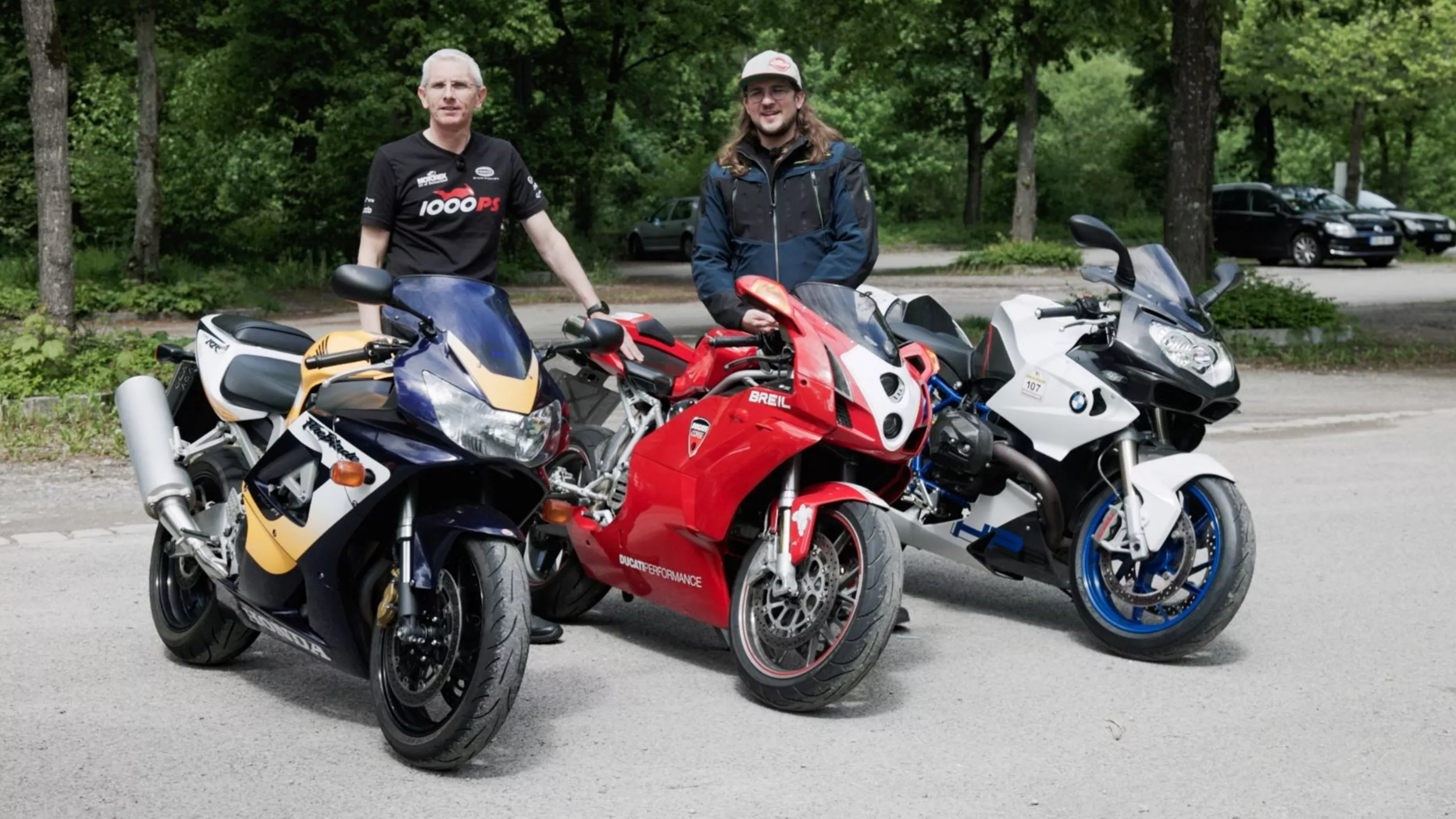
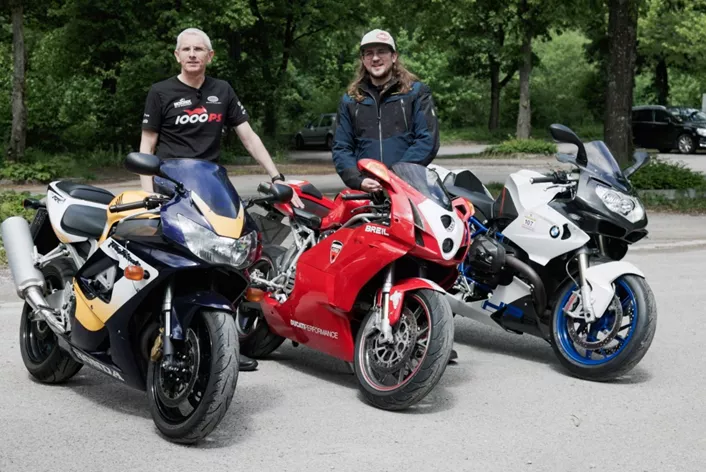
Three icons, three budgets, three completely different characters: the Honda Fireblade SC44, Ducati 999, and BMW HP2 Sport show just how much supersports bike you can get used today for 5,000, 10,000, or 15,000 euros.
&width=72&height=72&bgcolor=rgba_39_42_44_0&mode=crop "Author: Der Horvath")
Der Horvath
published on 7/30/2026
18,598 Views
Three price brackets, three completely different promises
For our search for sporty used bikes, we headed to Limbächer in Filderstadt. With around 2,000 bikes on site, it would have been easy to get lost for hours among the new and used machines. But we weren't looking for just any old sports bikes—we wanted bikes that still tell a story decades after their release.
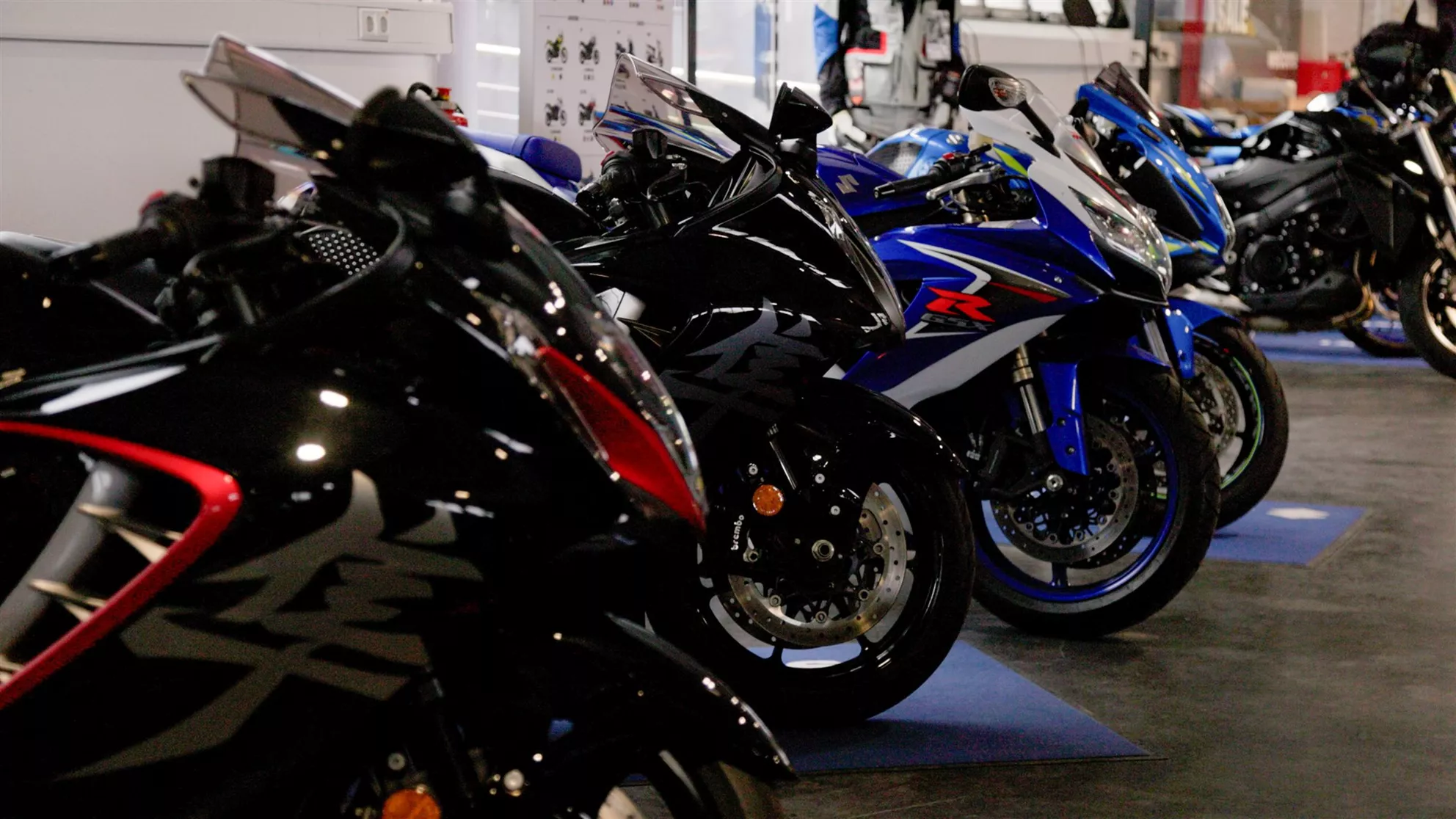
Halls full of bikes. The selection feels endless.
What we ended up with was a Honda CBR900RR Fireblade SC44 from 2000, a Ducati 999 from 2004, and a BMW HP2 Sport, built in 2009. Three bikes that aren't far apart in terms of timing, yet deliver completely different answers to the same question: what makes a desirable sports bike?
Honda Fireblade SC44: Just get on and ride
Picture the year 2000. Phones still had buttons, one large analogue gauge counted as a perfectly adequate cockpit, and the first Fireblade with electronic fuel injection rolled onto the road. What sounds like a given today was a big step back then. No choke, no fiddling around on a cold start. Press the button, engine runs. And on our example, that still works remarkably well even after roughly 60,000 kilometres. The inline-four fires up instantly, runs silky smooth, and can be used from almost idle speed onward. You can even roll through town on tickover, then open the taps and pull away without any jerkiness. Vibrations? Barely worth mentioning. Age-related fatigue? None to be felt during our ride.
So what do you get for 5,000 euros? Above all, trust. After just a few metres, the Honda already feels as familiar as if you'd already spent several seasons on it. Clutch, throttle response and controls require no adjustment period. Even pulling away works practically using just the light clutch and idle speed. That's exactly how you want it!
A supersports bike with no gym membership required
The old Fireblade's riding position also shows that sportiness a quarter of a century ago didn't automatically mean physical punishment. At 815 mm, the seat height is low, the upper body stays comparatively upright, and you're not permanently stretched forward onto the clip-ons. The package isn't entirely perfect, though. The footpegs sit high and, at the same time, relatively far forward. That creates a somewhat odd knee angle that you rarely encounter on modern supersports bikes.
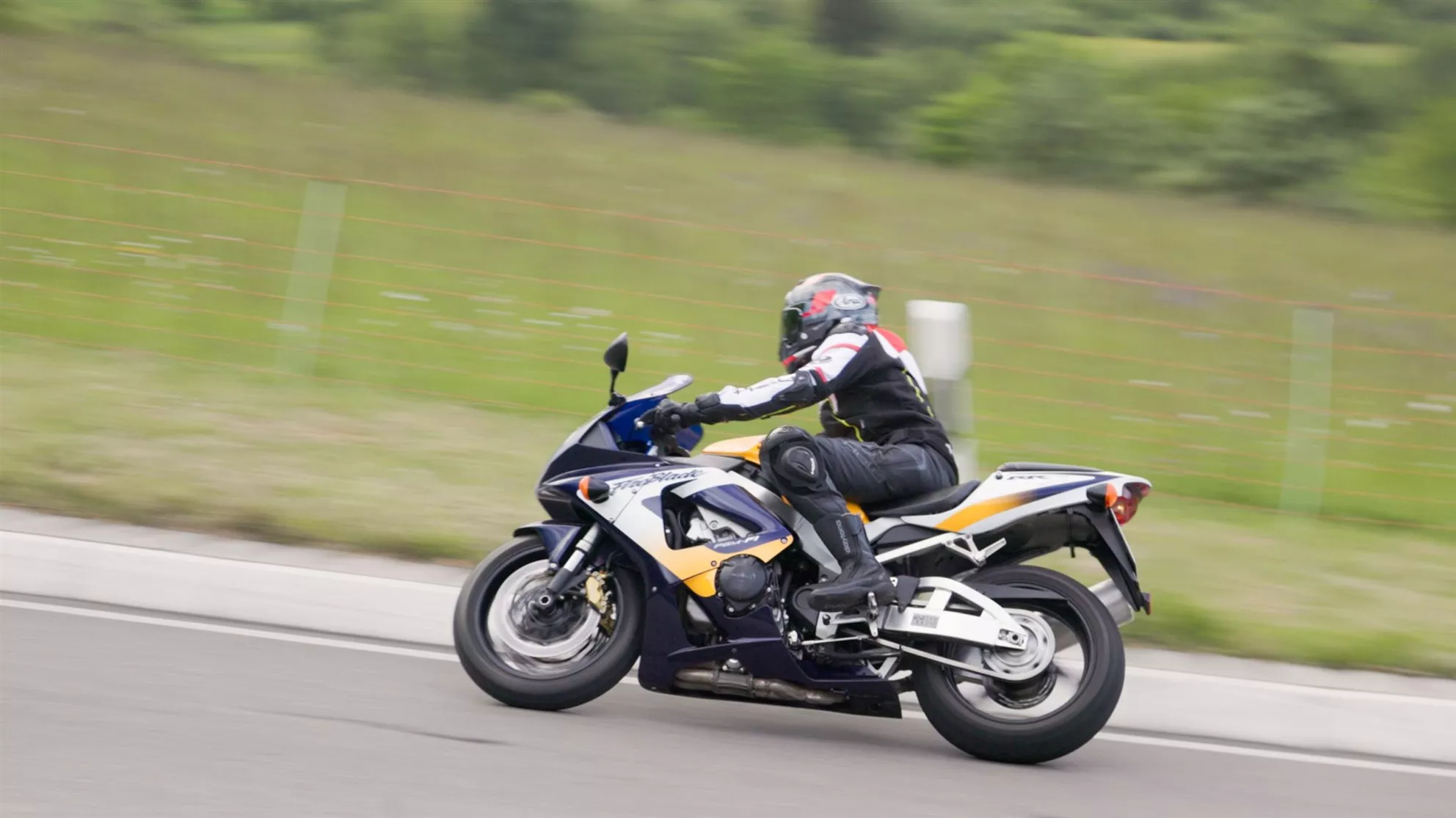
Even a pillion is allowed to come along. The voluminous tail section seems almost generous from today's perspective, but it actually does create space for a second person. Of course, the Fireblade doesn't turn into a Gold Wing. Compared to the postage stamps that modern supersports bikes sell as pillion seats, though, this is almost luxurious.
147 hp with no electronic babysitters
With 147 hp and a dry weight of around 170 kg, the SC44 was a real exclamation mark at the turn of the millennium. On country roads, it still feels fast today, without constantly feeling dangerous. The brake system with two 330 mm discs still works convincingly, and the whole bike remains easily accessible. Naturally, you'll search in vain for traction control, riding modes, or cornering ABS.
What are you really buying with the Honda?
The Fireblade isn't the most exotic bike of this trio. Outside the ice cream parlour, some passers-by might rather look at the red Ducati or the BMW's carbon dress. The Honda counters with a quality that isn't so easy to photograph: it simply works. After 26 years and 60,000 kilometres, it starts on the first press of the button, pulls cleanly through the rev range, and feels almost as uncomplicated in city traffic as a modern everyday bike. That's exactly where its value lies. For around 5,000 euros, you don't get a museum piece, but a usable supersports bike that's happy to commute, cruise country roads, and occasionally hit the race track.
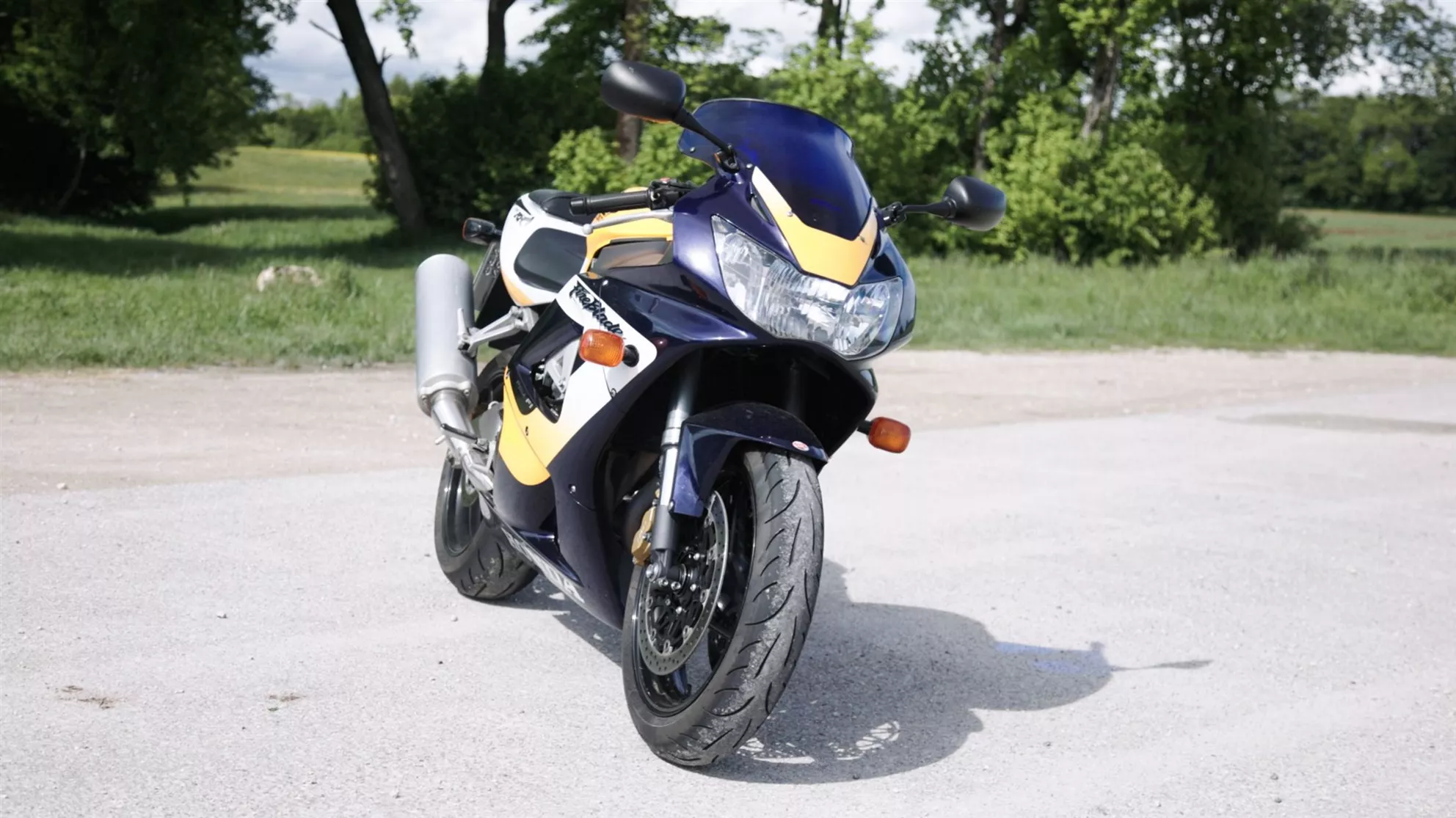
Even today, the old lady can still impress.
The good news: it's the cheapest machine and, at the same time, the most sensible. The bad news? Anyone looking for Italian drama or German exclusivity might find this perfectly functioning piece of Japanese engineering almost too well-behaved.
Ducati 999: Twice the price, twice the drama?
Four years later, things turn red. The Ducati 999 took on a heavy legacy, following on from the still-revered 916 family. Instead of carefully carrying the familiar lines forward, designer Pierre Terblanche took a completely different path. Stacked headlights, angular surfaces, and no classic single-sided swingarm: Ducati fans still argue to this day about whether the 999 looks bold or simply misguided.
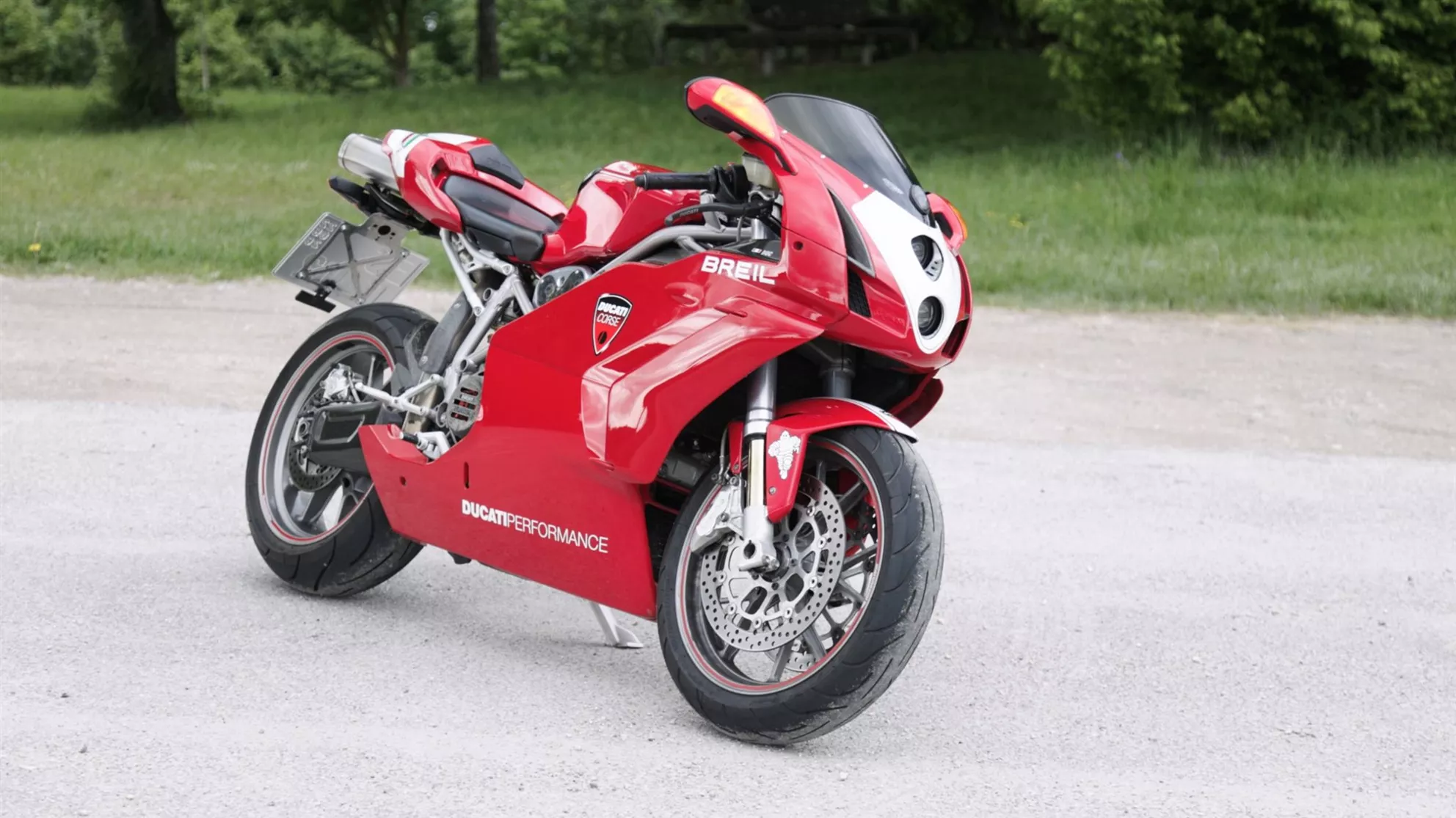
Fortune favours the bold—was Ducati too bold?
But how important is design once you're actually in the saddle? Surprisingly little. That's exactly where the Ducati starts to explain why it commands around 10,000 euros. It's narrow, close to the body, and its tight knee angle conveys a lot of confidence. Compared to the Honda, the footpegs sit lower and further back, while the clip-ons aren't excessively low. The result is a sporty riding position that's still bearable on the road.
The line the Ducati follows
The Ducati doesn't just tip into a corner. It takes a line and holds it as if it had been drawn onto the asphalt with chalk. This precise riding feel is one of the greatest strengths of the old Italian sports bike. The bike feels narrow, focused, and noticeably more committed than the uncomplicated Honda. Then there's the engine. The liquid-cooled 998cc L-twin officially produces 124 hp and delivers 102 Nm at 8,000 rpm. That won't move mountains in any spec-sheet duel against modern superbikes. But it doesn't need to. Its appeal lies exactly where you actually ride on the road: in the strong push from low and medium revs.
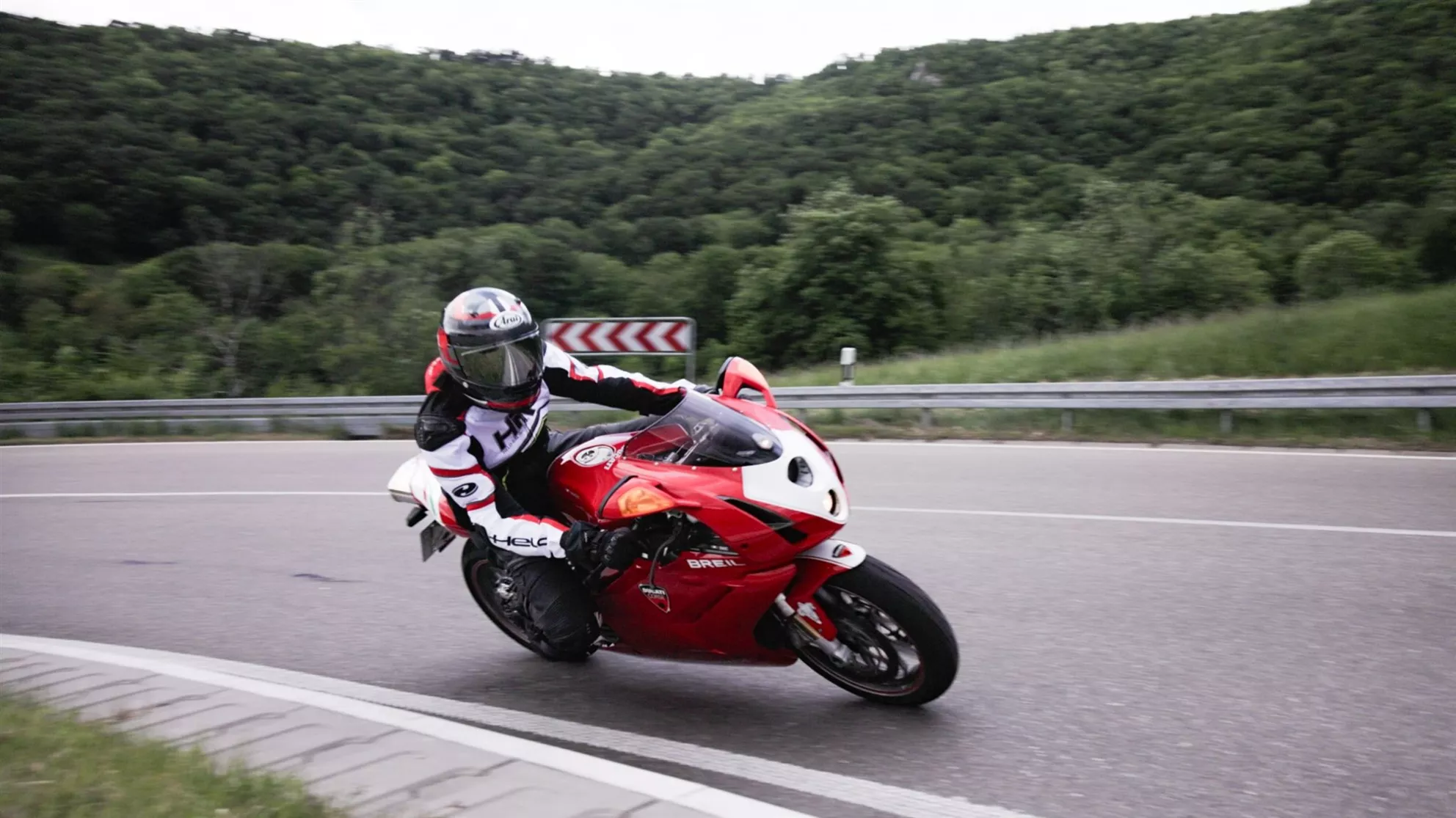
Mid-range grunt is the Ducati V-twin's strength.
The V-twin pops, pulls, and with the fitted aftermarket exhaust sounds gloriously unreasonable. When you roll off the throttle, it crackles and spits from the exhaust, the dry clutch rattles, and the whole drivetrain makes it acoustically clear that it doesn't come from Japan. Discreet is different. So is entertaining.
Sometimes character means clutch work
But what comes after the good news? Right, the bad. Below about 3,000 rpm, the Ducati engine doesn't want to run particularly smoothly. Anyone trundling from traffic light to traffic light has to work the clutch, hold some revs, and be careful not to stall the V-twin. On a cold start, the Ducati also takes longer than the Honda to settle down. At first, it feels rough and a bit temperamental. A slight oil film can also occur on an older example.
Anyone who expects a bike to carry out every task without complaint is better served by the Honda. Anyone who instead wants a Ducati that rattles, clatters, pops, and occasionally demands a bit of attention will accept these quirks not in spite of its character, but because of it.
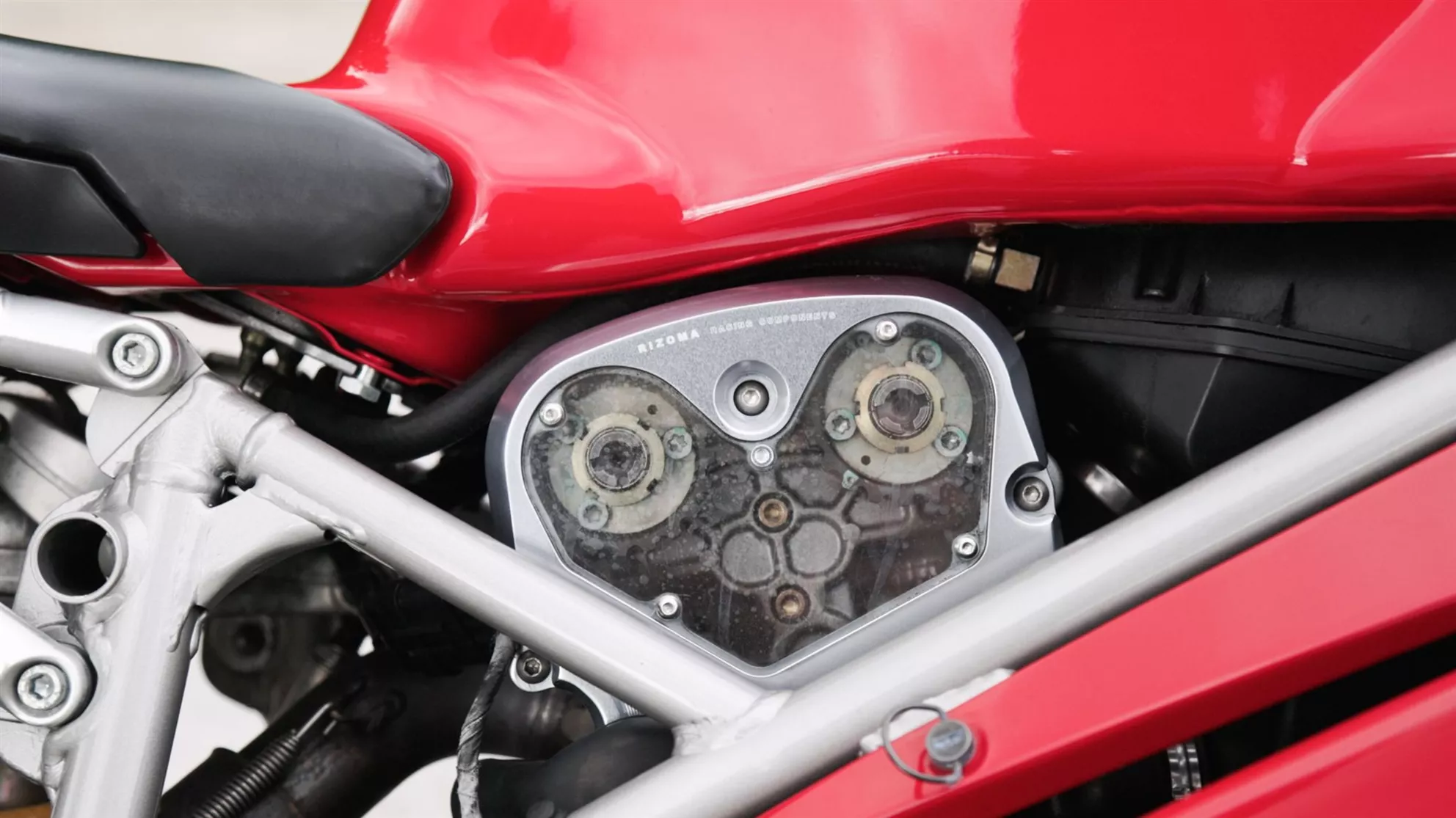
The Ducati has emotion in spades—but it also demands more patience.
Is the Ducati worth its nearly 10,000 euros?
- How much does a Ducati 999 cost?
- Here you will find an overview of the price level of new and used motorbikes!
Before the ride, the 999 was the biggest unknown. Old Ducati, questionable looks, potential heat issues, and Italian temperament—the prejudices were already lined up and ready. After a few kilometres, though, they faded into the background.
Because the Ducati doesn't ride like an old bike that only survives on its history. It turns in precisely, offers a great connection to the front wheel, and its V-twin delivers an emotional quality that can't be measured in peak output. Our example had covered around 13,500 kilometres and didn't seem in the least like a retired classic.
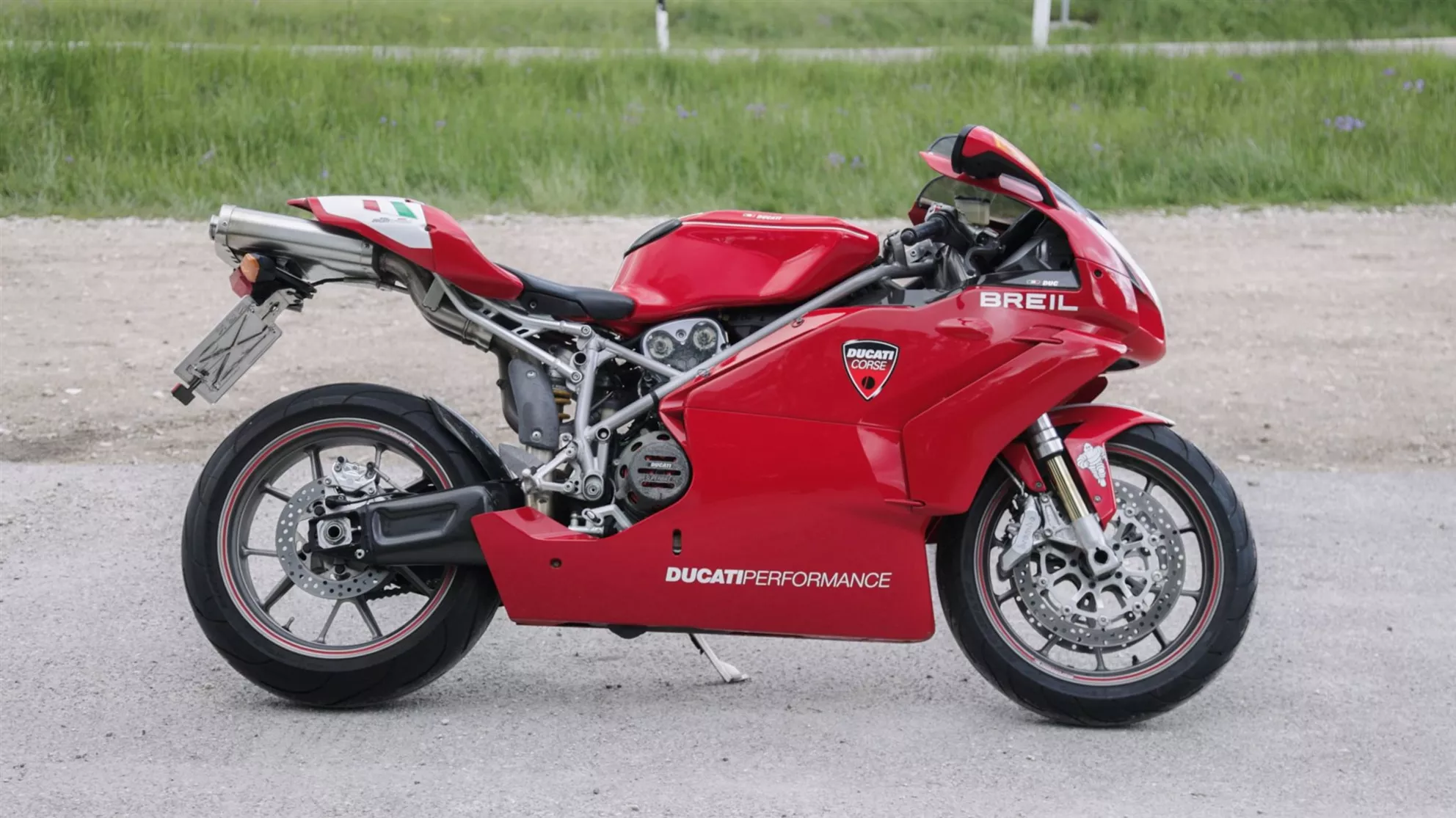
Anyone wanting to ride a classic Ducati sports bike needs comparatively little start-up capital with the 999.
Then there's the price development within the Ducati world. A visually coveted 916, 996 or 998 can be considerably more expensive. The 999's controversial styling keeps its price comparatively in check. You could say the design is simultaneously its biggest problem and the reason you can still afford one. So for around 10,000 euros, you don't get twice as much bike as with the Honda. But you do get roughly twice as much drama. And in this case, that's meant entirely as a compliment.
BMW HP2 Sport: A better supersports bike for 15,000 euros?
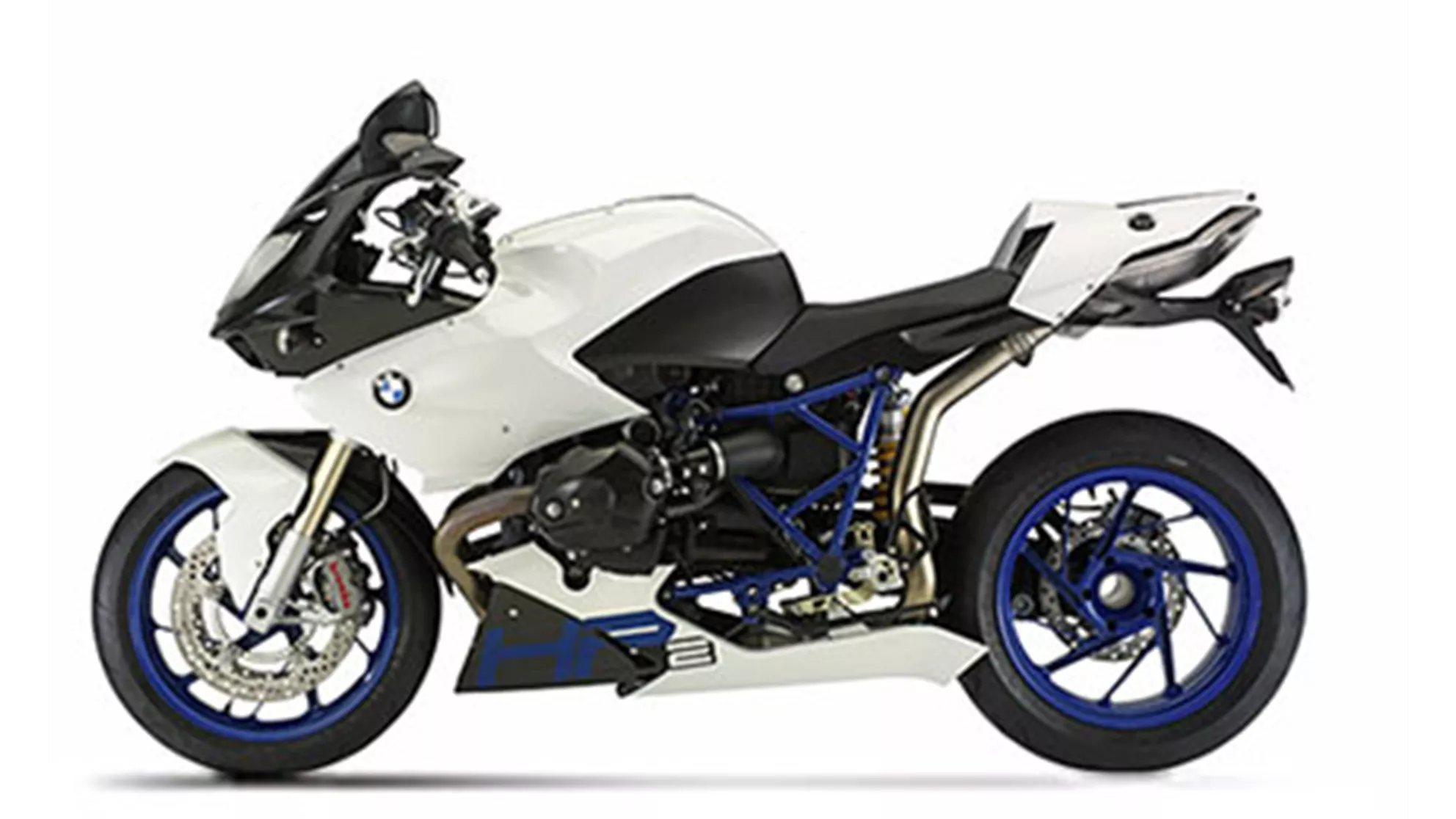
The BMW HP2 Sport cost around 22,000 euros new in Germany. Today, well-kept examples still command roughly 15,000 euros. Does that make it faster, more precise, or sportier than the Honda and Ducati? Not necessarily.
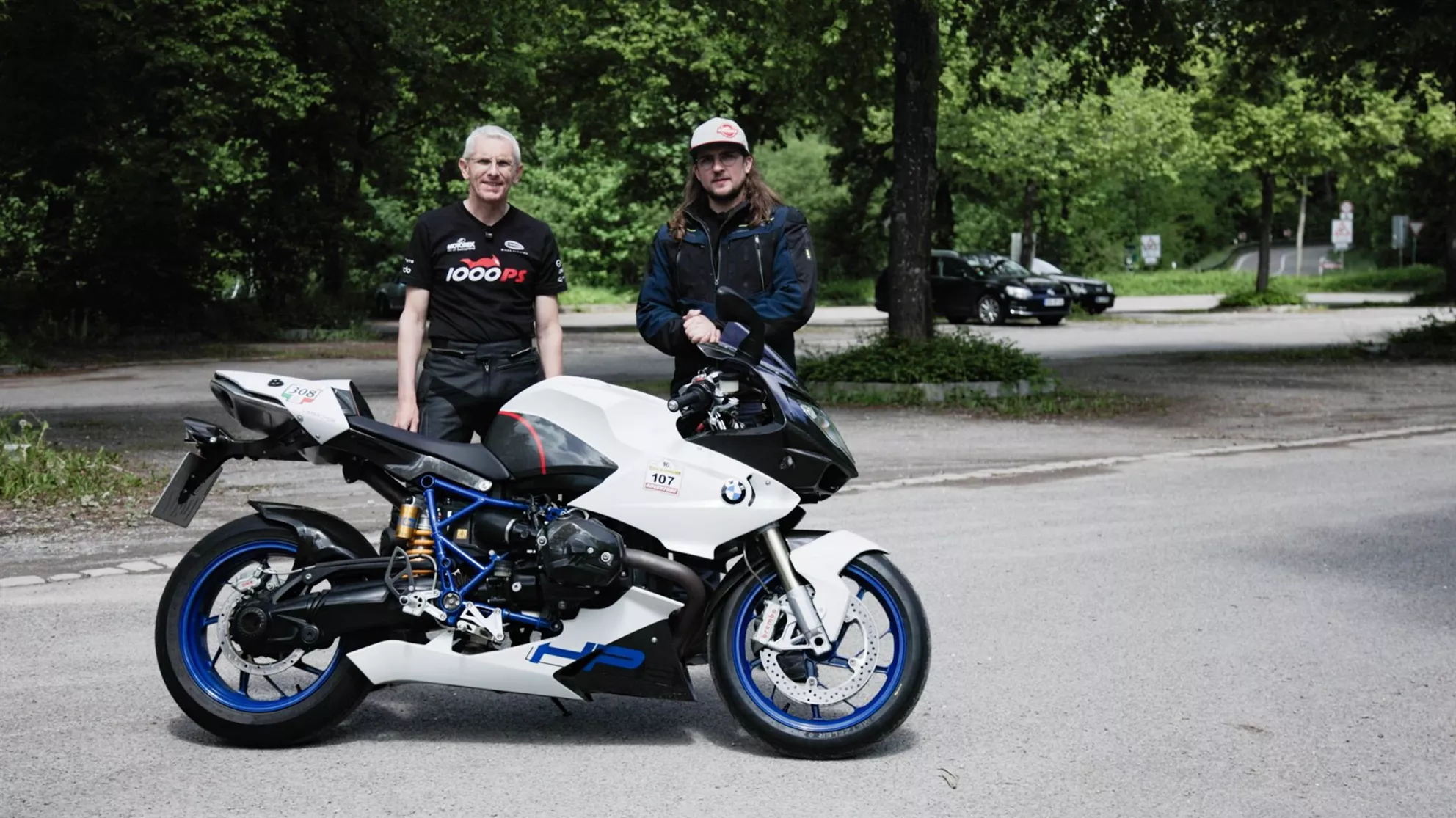
The HP2 Sport brings genuine rarity value.
The HP2 Sport is less the ultimate supersports bike and more a love letter to the BMW boxer engine. The 1,170 cc two-cylinder officially produces 133 hp. For a boxer of that era, that's remarkable. In a direct comparison with classic supersports engines, though, there's still room at the top. Add to that the wide construction. The protruding cylinders limit maximum lean angle, while the longitudinally mounted engine generates a lateral reaction torque under acceleration. Between roughly 5,000 and 6,000 rpm, noticeable vibrations also appear. Because BMW wanted to save weight at the handlebars, these are filtered out less than on a heavy touring model.
So the HP2 Sport tries to cook with ingredients that initially seem unsuited to a classic supersports recipe. The result won't be to everyone's taste—but it's guaranteed to be unmistakable.
Telelever, shaft drive and boxer against convention
The chassis also goes its own way. Instead of a conventional telescopic fork, the BMW Telelever system works up front. As a result, the front dives noticeably less under braking. On tour, that's comfortable and stable, but when turning in sportily, you initially miss that familiar movement through which many riders gauge load and grip.
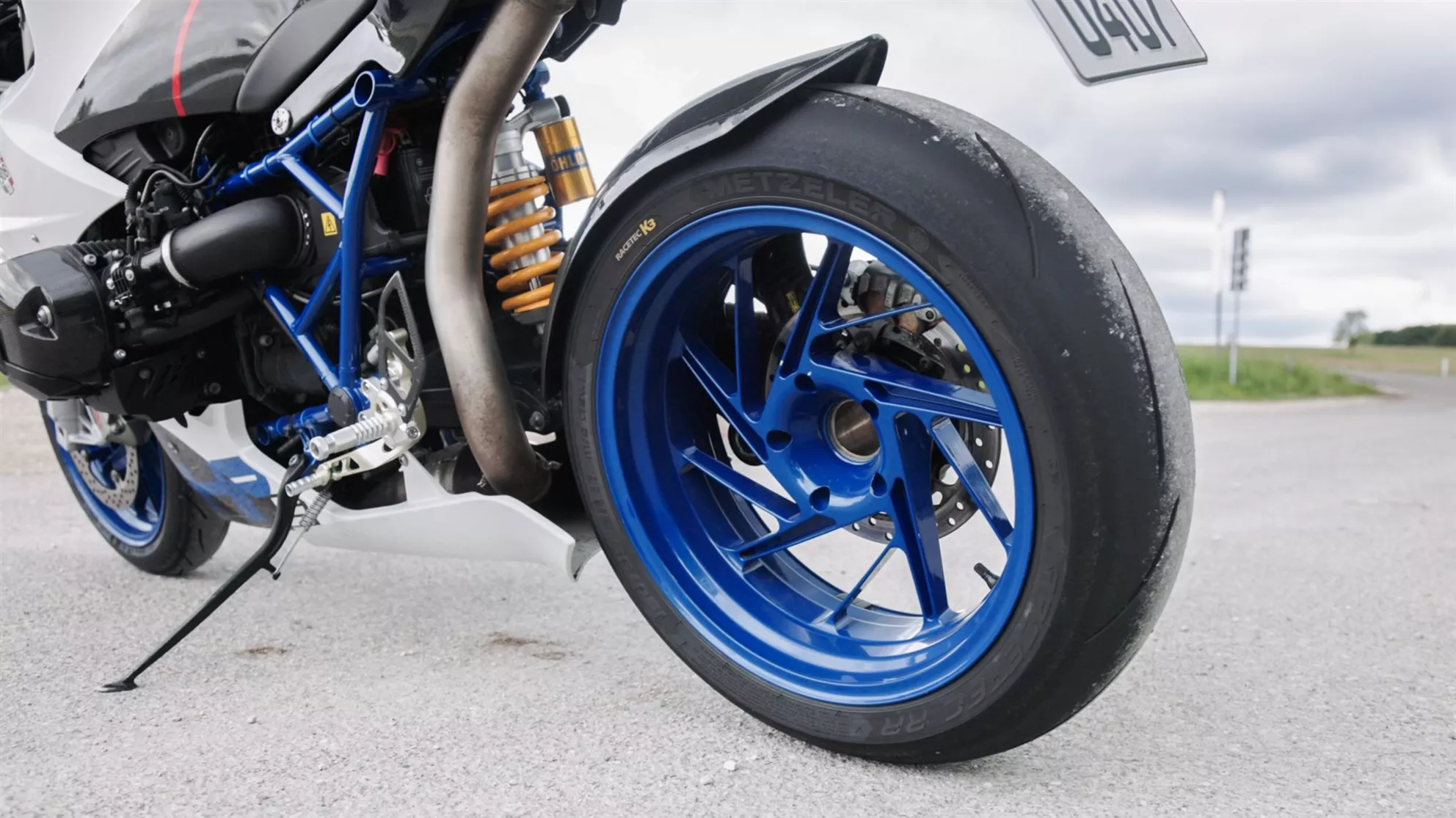
Of course, the single-sided swingarm is also part of the design.
You have to get used to it. Once you have, the system works well. It just feels different than on the Honda and Ducati. It's a similar story with the shaft drive. The drivetrain reacts very directly to load changes and doesn't offer the same smoothness as a well-adjusted chain drive. But the boxer engine also brings a big advantage. Its crankshaft sits longitudinally in the bike, which makes changes in lean angle surprisingly easy. Despite the wide cylinders and the tall-built drivetrain, the HP2 Sport can be flicked playfully from side to side. Its bulky appearance is deceptive: through the twisties, the BMW is noticeably more nimble than you'd initially assume.
BMW puts the boxer on a diet
How successful was the diet? Very. BMW pushed the dry weight down to 178 kg, which is remarkable for a sports bike with a large boxer engine and shaft drive. This was made possible by numerous light and expensive components.
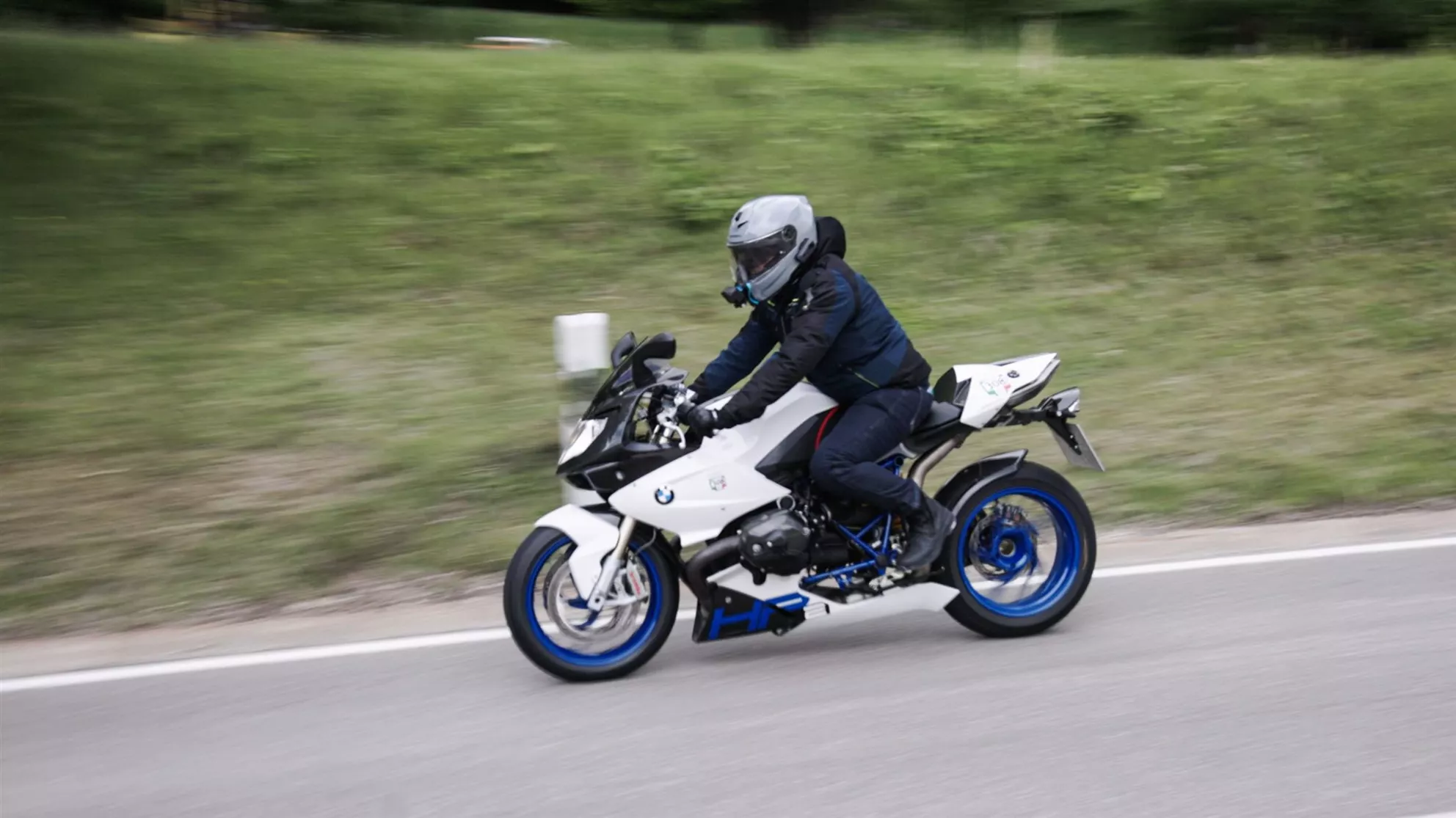
The HP2 Sport has been stripped down to the essentials.
The front fairing and tail are made of carbon, the frame construction uses the engine as a load-bearing element, and high-quality Öhlins components are used in the chassis. Even the unusual display looks more like an instrument from a GT race car than the cockpit of a classic BMW. Add to that the striking blue rims, plenty of white, visible carbon, and the exhaust tucked under the tail. Whether you find the HP2 Sport attractive remains a matter of taste. It certainly isn't inconspicuous. It feels like a bike where engineers were allowed to experiment with just how sporty the traditional boxer engine could still be interpreted. Simply outstanding—provided this is exactly the concept you were looking for.
Rarity costs more than speed
Fewer than 600 units were sold in Germany. This rarity alone explains a large part of today's price. Anyone paying around 15,000 euros for an HP2 Sport isn't investing in the best ratio of performance, precision, and everyday usability. They're buying an extraordinary chapter of BMW history.
The riding position is comparatively relaxed. The handlebar sits high, the knee angle remains bearable, and the wind protection works better than on the Ducati. This gives the BMW a certain touring capability that the other two bikes lack. Even so, it's not a purist track weapon.
So what do you get for the highest amount? A rare bike, high-quality materials, an exotic chassis concept, and one of the sportiest air/oil-cooled boxer engines BMW has ever built. Anyone who can't get on with the boxer principle, however, will wonder why they should pay a premium on top of its dynamic quirks.
Buy used and new supersports legends on the 1000PS marketplace
Anyone who's now developed a taste for a supersports legend of days gone by should take a look at the 1000PS used bike market. With a bit of luck, you'll find not only extraordinary machines like the BMW HP2 Sport, Ducati 999, or Honda CBR900RR Fireblade, but also many other sports bikes that have long since achieved cult status. From uncompromising exotics to Japanese milestones, plenty of dream bikes are waiting there to be ridden across country roads or race tracks once again. Find used and new supersports legends on the 1000PS bike marketplace.
Which bike offers the most for the money?
There's no universal winner here, because these three machines promise things that are too different from one another. Martin chose the Honda. His reasoning is hard to argue with: despite its high mileage, the engine runs silky smooth, the controls are child's play, and the bike costs only around 5,000 euros. You won't find more functioning sports bike per euro anywhere else in this trio.
My choice falls on the Ducati. Not because it's objectively better, but because it surprised me the most. Skepticism turned into understanding, and understanding turned into enthusiasm. The 999 turns in precisely, pulls strongly from down low in the rev range, and turns every ride into a small event. The fact that its design still divides opinion to this day only makes it more interesting on the used market.
The BMW loses this value-for-money question if performance is equated purely with speed and riding dynamics. As a rare boxer statement, though, it plays a different game entirely. Anyone who wants precisely this piece of BMW history will struggle to find an alternative.
The Honda is the best buy. The Ducati is the greatest experience. The BMW is the rarest object.
More reviews of used bikes

- How much does a BMW HP2 Sport cost?
- Here you will find an overview of the price level of new and used motorbikes!
&width=60&height=60&bgcolor=rgba_39_42_44_0&mode=crop "Author: Der Horvath")
Honda CBR 900 RR Fireblade 2000 - Experiences and Expert Review
Der Horvath
The Honda CBR900RR Fireblade SC44 is a strong choice for riders who actually want to use a classic supersports bike on a regular basis. Its inline-four combines strong performance with good-natured power delivery, while the low weight and uncomplicated controls make everyday use easier. For comparatively little money, you get a lot of bike, but you have to do without modern electronics and the last word in chassis precision.
Ducati 999 2004 - Experiences and Expert Review
Der Horvath
The Ducati 999 is aimed at riders who value character, sound, and a committed riding feel over maximum everyday usability. The powerful L-twin, the dry clutch, and the precise chassis deliver an unmistakable old-school Ducati experience. In return, it demands more attention at low revs, more care in maintenance, and more diligence when choosing a well-kept example. Its controversial design makes it comparatively affordable within the Ducati world.
BMW HP2 Sport 2009 - Experiences and Expert Review
Der Horvath
The BMW HP2 Sport is less a classic supersports bike and more a particularly sporty and technically elaborate interpretation of the boxer concept. Carbon components, high-quality suspension elements, low weight, and its rare construction ensure exclusivity. In terms of riding dynamics, though, it remains defined by the quirks of the boxer engine, the Telelever, and the shaft drive. It's recommended above all for boxer fans and collectors seeking something out of the ordinary.
Used Supersports Bikes from 5,000 to 15,000 Euros Images
Source: 1000PS