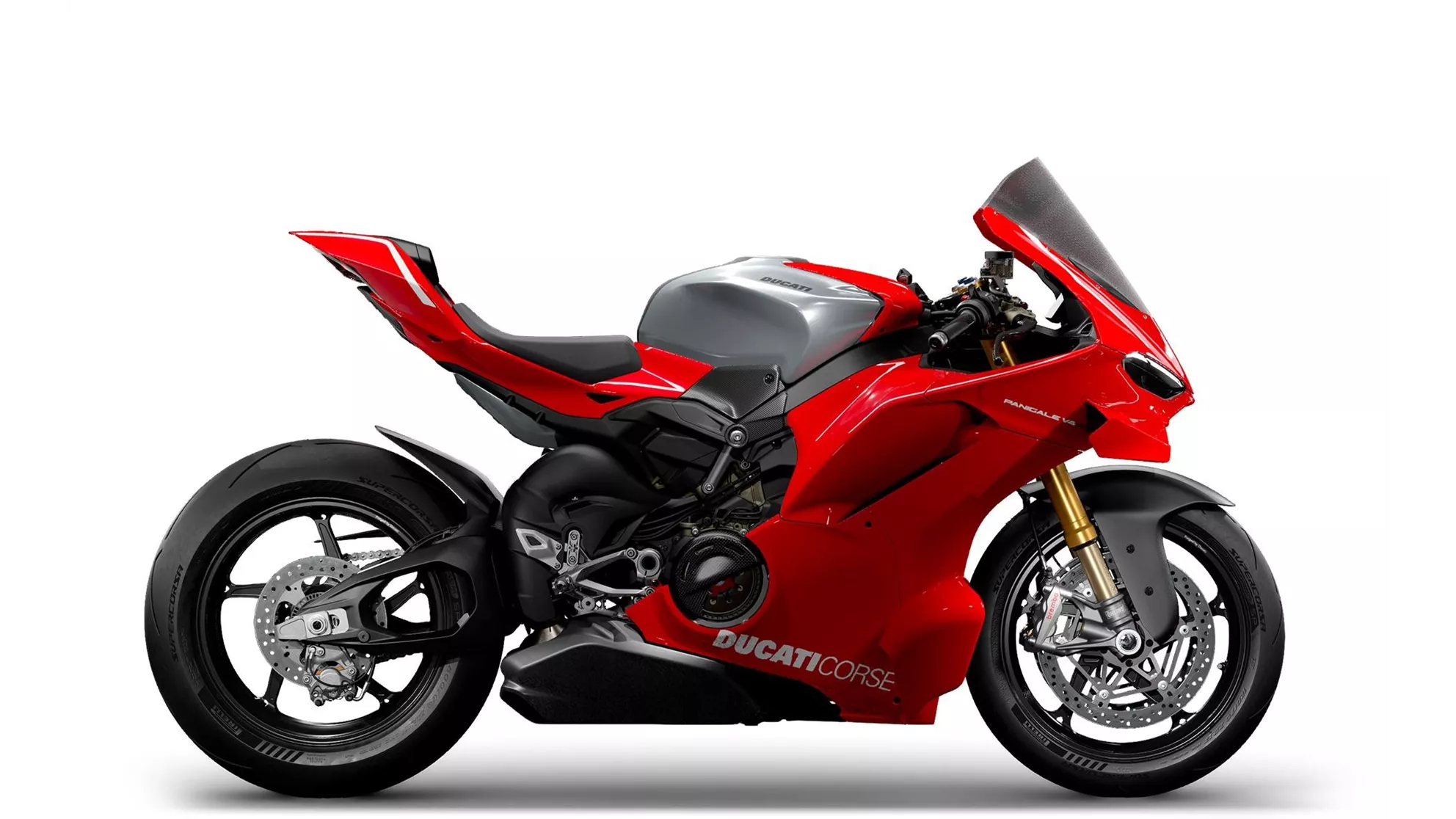
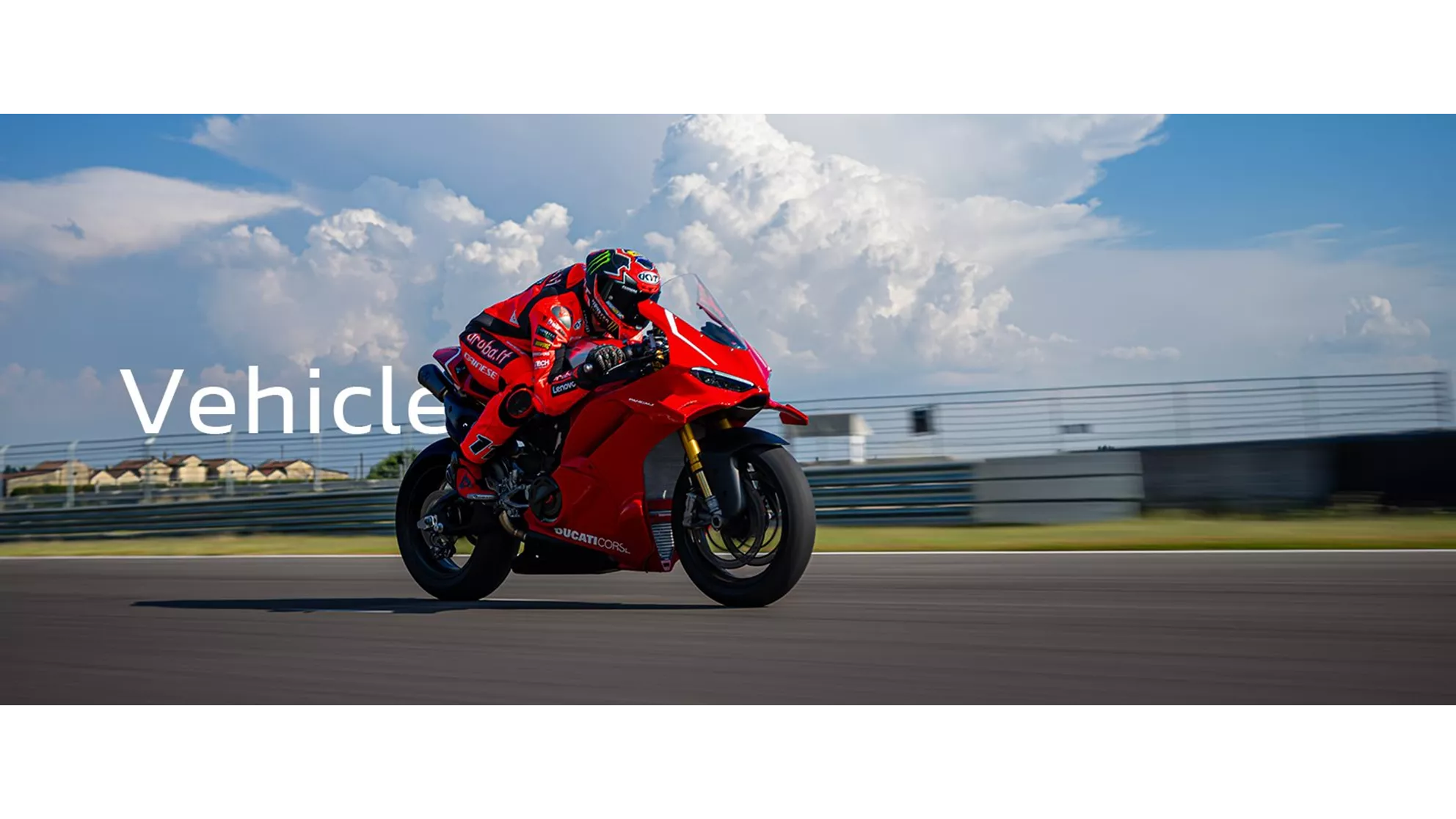
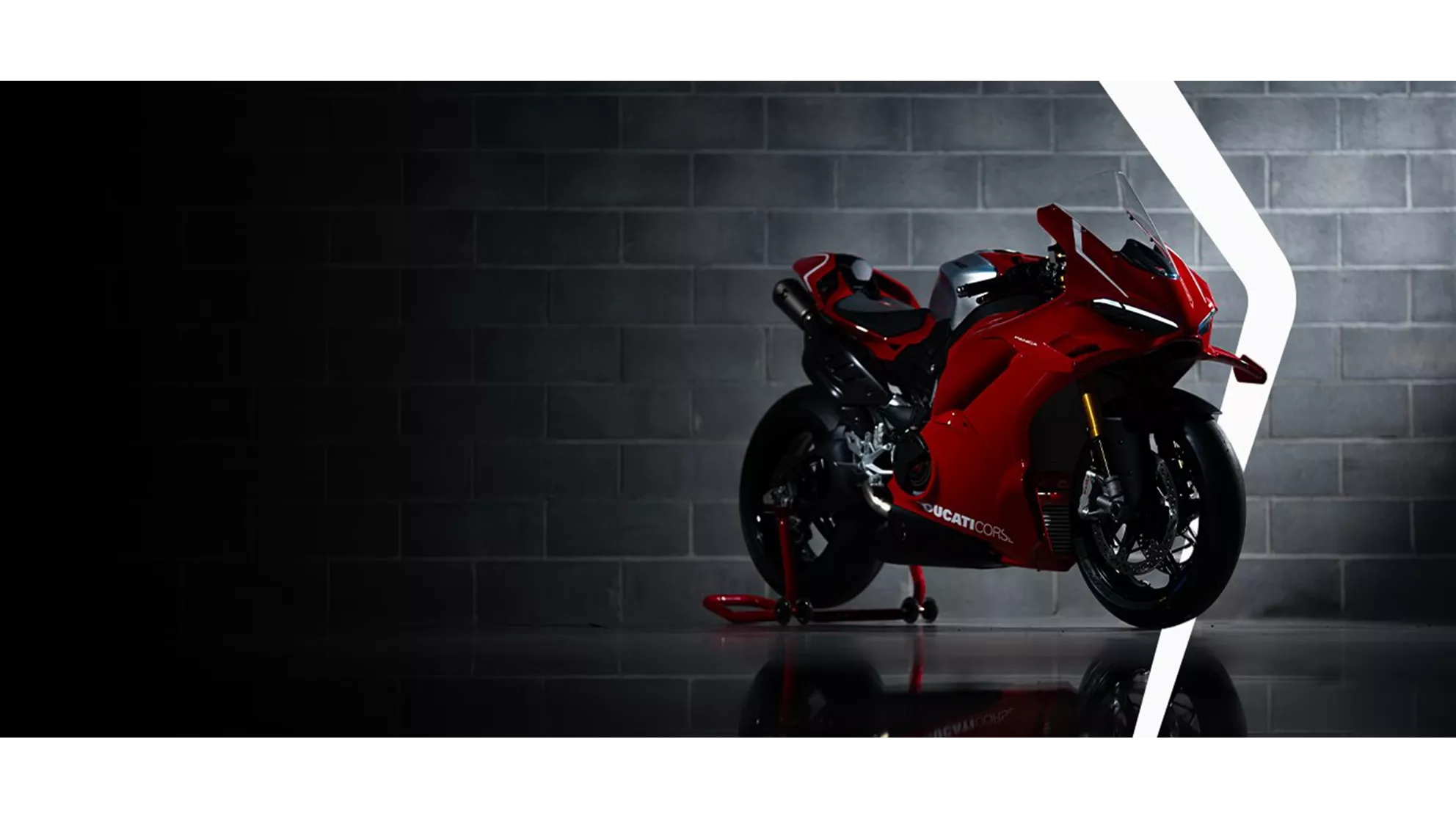
There are bikes where you talk about everyday usability, value for money and pillion comfort. And then there's the Ducati Panigale V4 R. A bike that carries road registration, but at its core is a homologation machine for the Superbike World Championship. The new generation of the V4 R is meant to close Ducati's technical bridge between series production and the race track even tighter than before. And after the first laps at Donington Park, it becomes clear: this isn't just marketing thunder from Borgo Panigale. This Ducati genuinely rides like a race bike that happened to get turn signals, mirrors and a number plate holder.

Ducati Panigale V4 R 2026 tested
Almost 240 hp and yet surprisingly controllable
The new Ducati Panigale V4 R brings Superbike World Championship technology to the road. Almost 240 hp, a racing gearbox, new aerodynamics and a race-derived electronics package make it extreme. Yet on track it surprises not only with brutality, but also with astonishing control.
&width=72&height=72&bgcolor=rgba_39_42_44_0&mode=crop "Author: 1000PS.at")
1000PS.at
published on 5/24/2026
15,273 Views
What is the new Ducati Panigale V4 R?
The Panigale V4 R isn't simply the sharper sister of the Panigale V4 S. It's Ducati's homologation base for the 2026 Superbike World Championship and therefore relies on the 998cc Desmosedici Stradale R engine. This exact displacement is crucial because it enables entry into the Superbike World Championship. While the regular Panigale V4 models compete with larger displacement, the R stays closer to the regulations and thus closer to racing.
Ducati is once again delivering the V4 R as a numbered series. Model name and serial number are laser-etched directly onto the triple clamp. This means the machine targets not only ambitious trackday riders and racers, but also collectors who want a piece of Ducati racing technology in their garage.
Engine: 998cc, 16,500 rpm and almost absurd power
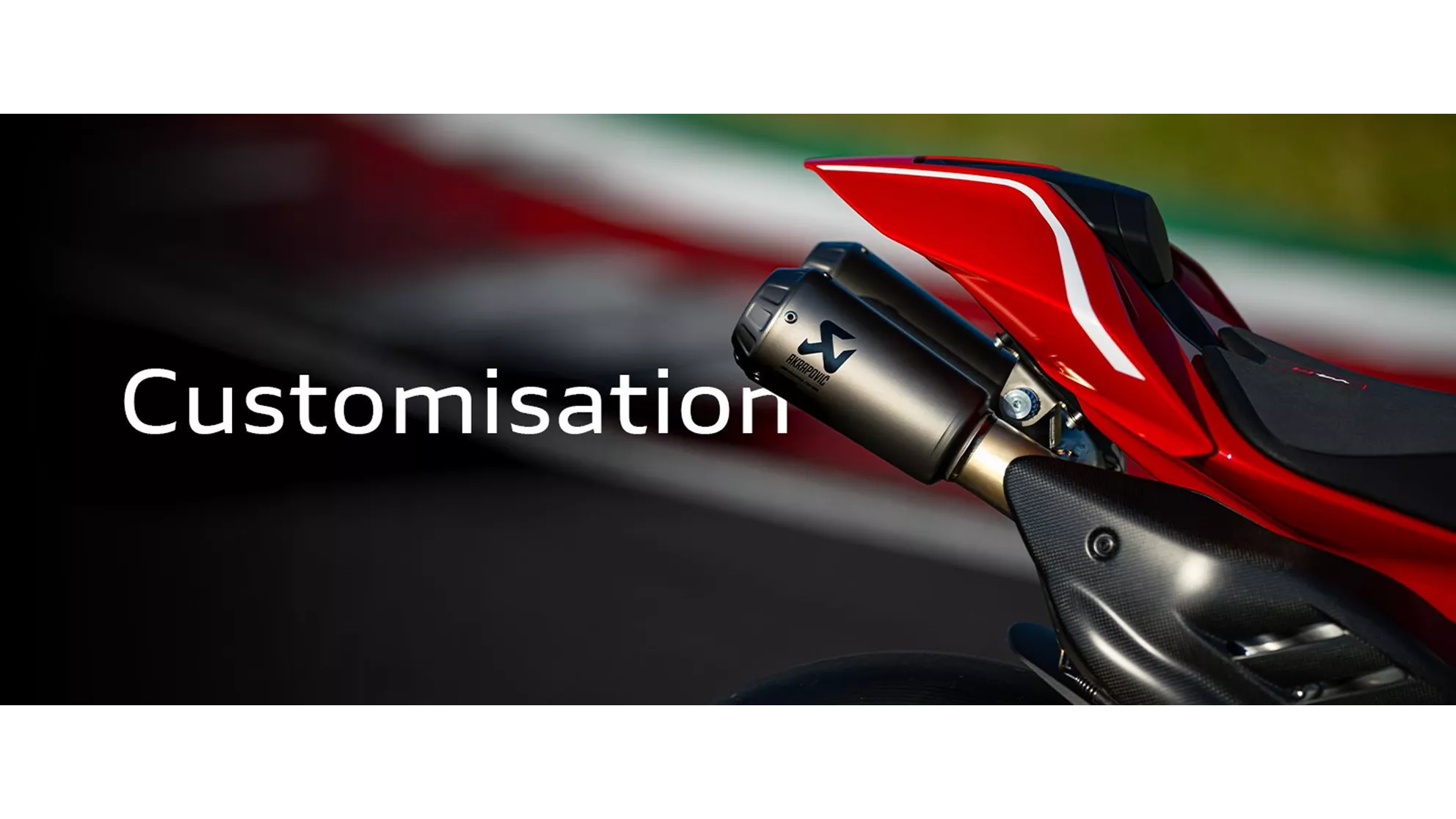
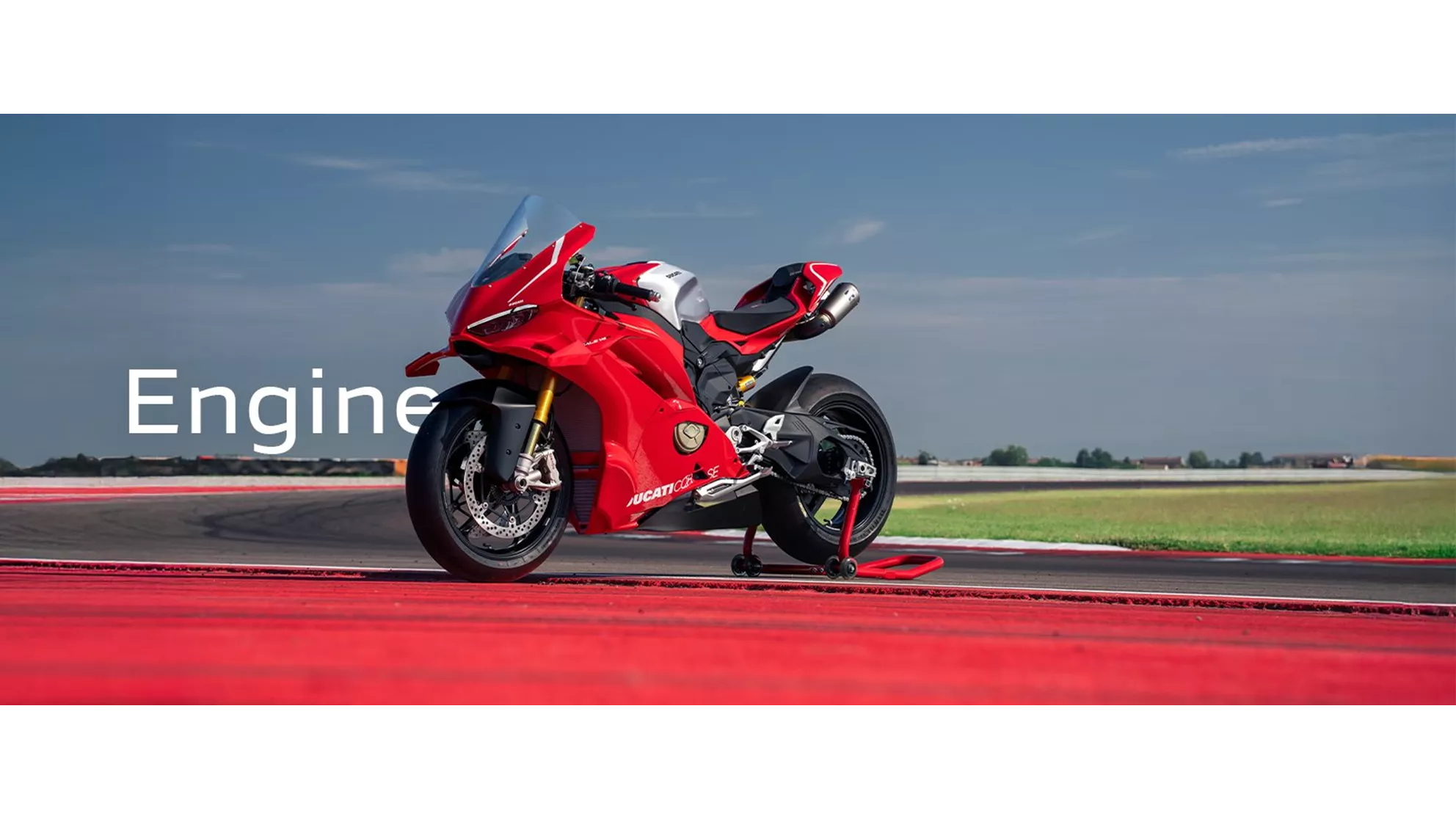
The revised Desmosedici Stradale R remains one of the most fascinating production engines on the market. In Euro 5+ configuration it produces 218 hp at 15,750 rpm, with the rev limit sitting at 16,500 rpm. With the optional Akrapovič race exhaust system, power rises to 235 hp, and with Ducati Corse Performance oil even 239 hp is said to be possible. These are figures that just a few years ago were reserved for pure-bred race machines.
On track, this power isn't just a number on a spec sheet, it's a physical experience. At Donington Park, the track feels like it shrinks. Corners where you'd instinctively look for the next gear can suddenly be taken in second, because the engine simply keeps revving and revving. The rider waits for the shift light, but it comes later than expected. The V4 R wants revs. Lots of revs. And it rewards the courage to really wind the engine out with brutal forward thrust.
Still, the new V4 R isn't just brutal up top. Ducati has reworked the pistons, crankshaft, intake ducts, injection and intake system, among other things. The lighter pistons are meant to reduce friction, while the modified crankshaft with higher inertia is meant to make power delivery smoother. According to Ducati, torque in the low and mid range has been improved in particular. This is exactly what matters in the riding impression: the new V4 R doesn't feel tame, but it is more accessible than its predecessor.
Ducati Racing Gearbox: neutral is now below first gear
One of the most exciting new features is the Ducati Racing Gearbox. In this racing gearbox configuration, neutral is no longer between first and second gear, but below first gear. On track this means: no accidentally finding neutral during hard downshifting. Exactly as known from racing. Additionally, Ducati Neutral Lock is used. Neutral can only be engaged via a lever on the right handlebar. That sounds like a detail, but it's typical of the V4 R: no thought was given to what's practical at the café, but to what matters when braking hard into a corner entry.
Chassis and suspension: more feel, less struggle
With the predecessor model, the Panigale V4 R was spectacular, but also demanding. The new generation remains extreme, but feels more accessible. That's perhaps the most important progress. The new V4 R conveys more feel, more trust and a better connection to the chassis. It remains a bike for skilled riders, but it forces the rider into less of a constant wrestling match.
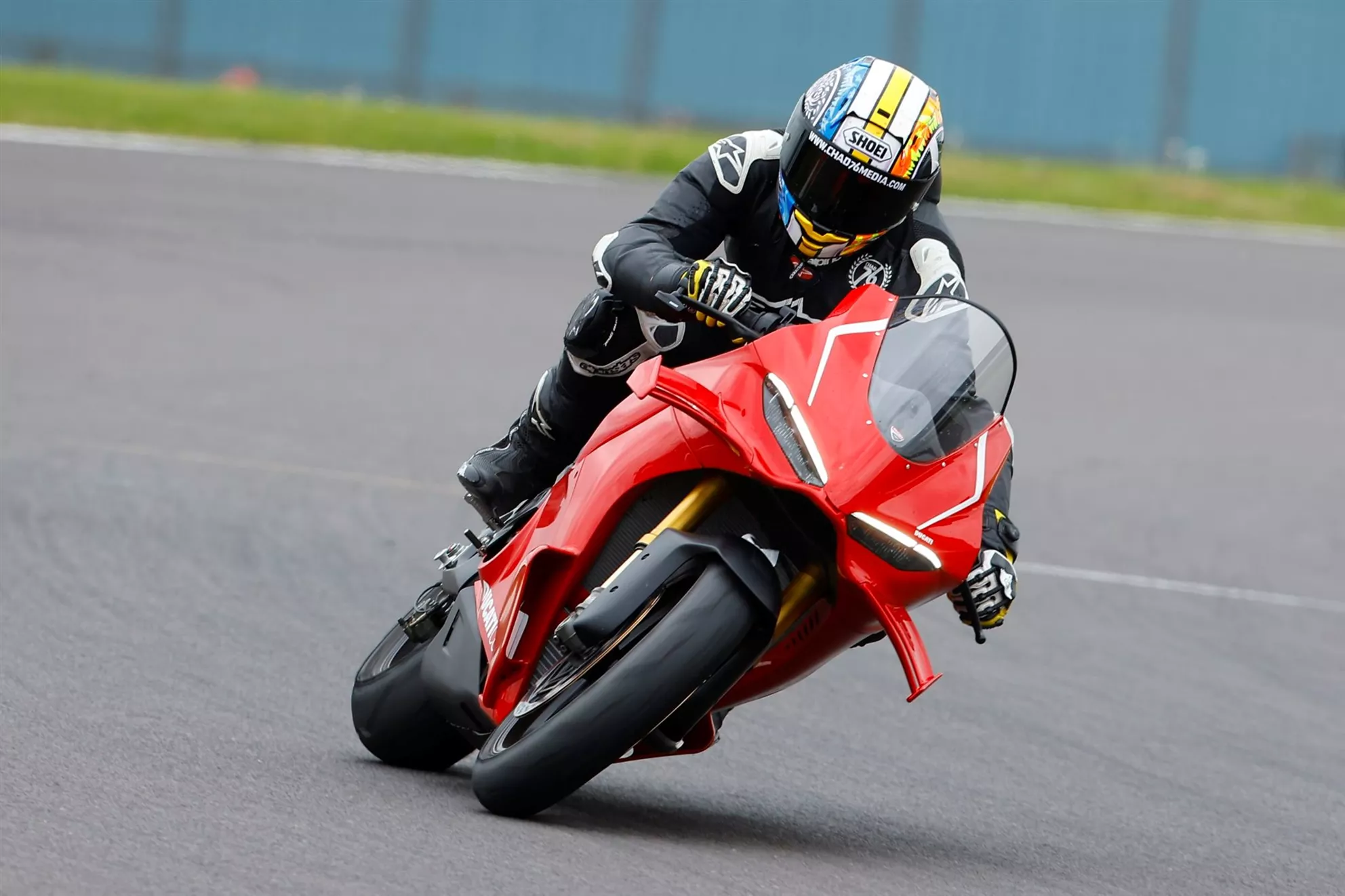
Technically, this matches the changes to the chassis. The revised front frame concept still uses the engine as a load-bearing element, but its lateral stiffness has been reduced. Ducati speaks of 40 percent less lateral stiffness at the front frame and 37 percent less lateral stiffness at the new Hollow Symmetrical swingarm. The single-sided swingarm is history; instead, a double-sided construction is used. It's said to be lighter, provide more traction and improve handling.
The V4 R deliberately does without semi-active damping. Instead, there are fully mechanical Öhlins components: an NPX25/30 fork up front, a TTX36 shock at the rear, plus an adjustable steering damper. This suits the character of the bike. The V4 R doesn't want to automatically smooth everything out for the rider, but to be a precise tool that can be finely tuned.
Brakes: brutally strong, but electronically intelligent
The Brembo Hypure monoblocks deliver the kind of deceleration you'd expect from a bike with this much power. In the riding impression, the braking performance is simply described as "unreal". But what matters isn't just the raw deceleration, it's the interplay with the Race eCBS system. In ABS 1 mode, a slight rear brake effect remains active via the combined braking system even when the rider has already released the front brake. This makes the bike rotate into the corner in a controlled way. The rider feels movement, slide and rotation, but not as an impending loss of control, rather as an electronically controlled tool for line choice. In ABS 2 or ABS 3, the bike feels more classic and familiar again.
Technically, the V4 R runs 330mm discs up front with Brembo Hypure four-piston monoblocks. According to Ducati, the system reduces residual drag and improves heat dissipation. Added to this is a Bosch 10.3ME control unit with Race eCBS and cornering function.
Electronics: not patronising, but empowering

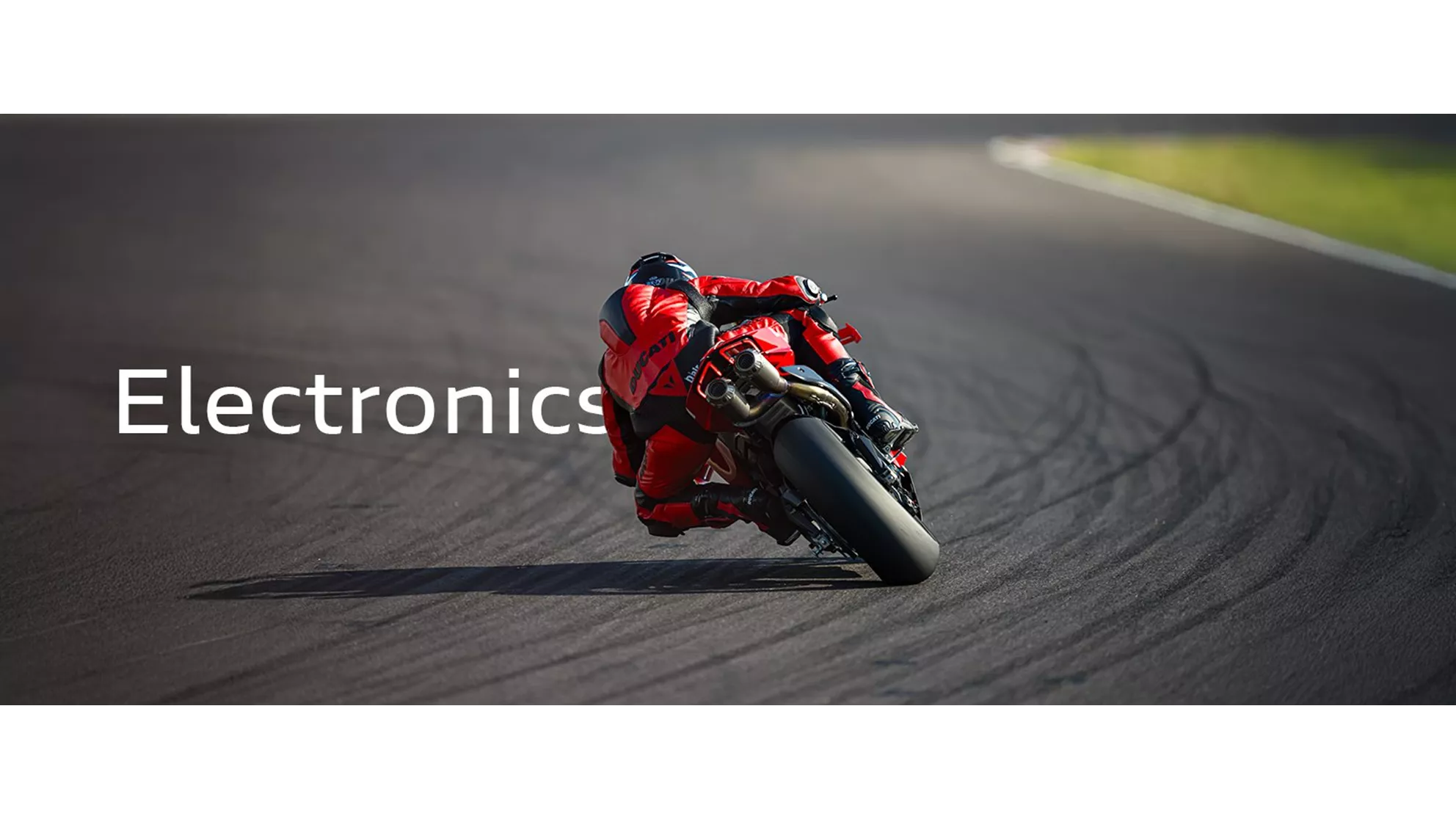
With nearly 240 hp in race configuration, the electronics determine whether a bike feels fascinating or frightening. The new Panigale V4 R gets the full Ducati package: Race A, Race B, Sport, Road and Wet, plus four Power Modes, traction control, wheelie control, slide control, engine brake control, power launch, quickshifter and the new Ducati Vehicle Observer system.
According to Ducati, the DVO system simulates data from over 70 virtual sensors, allowing more precise, predictive interventions. On track, this technology doesn't feel like a safety net that strangles the fun, but like a second brain in the bike. The interventions are noticeable, but helpful. The rider can even watch live on the dashboard when traction control and slide control are working. This creates an almost video-game feeling: you chase lap splits, see the control activity, and at the same time feel that a mistake at this pace would have very real consequences.
The crucial thing: the electronics don't make the V4 R slow. They make it usable. Without these systems, a bike with this much power would simply be intimidating for most riders. With them, it remains extreme, but controllable.
Aerodynamics: winglets are so yesterday, now come corner sidepods
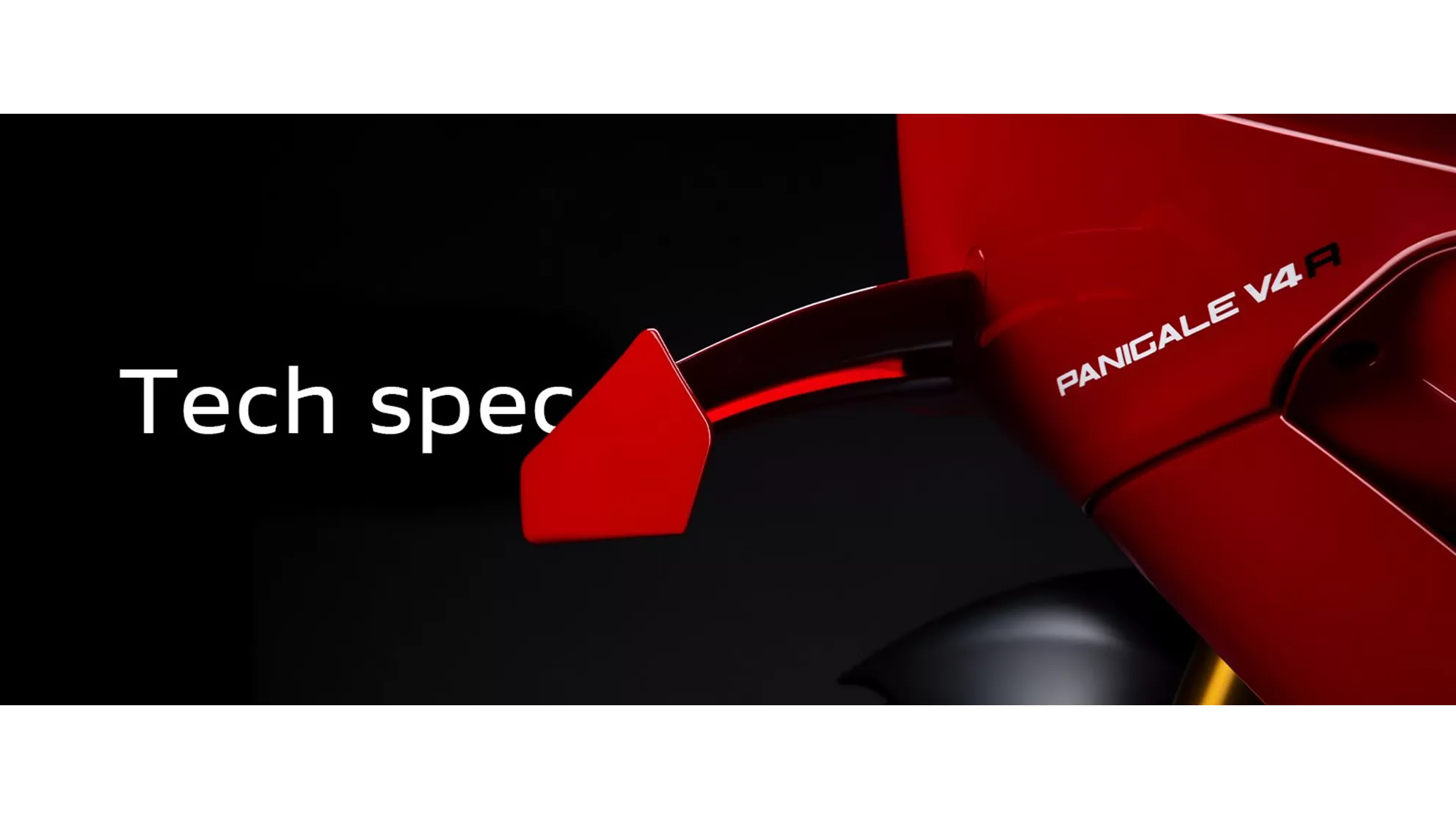
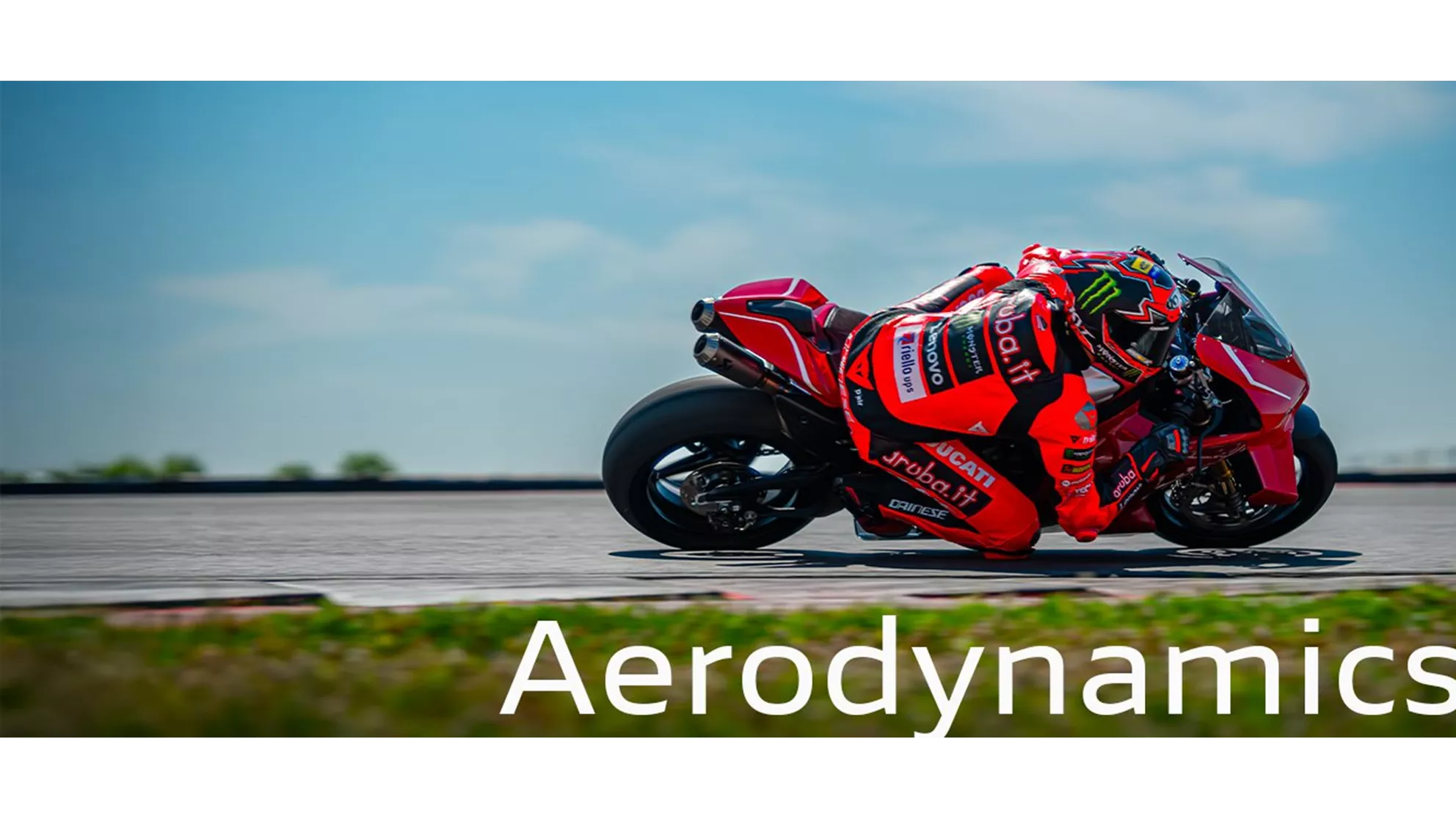
Ducati has comprehensively reworked the aerodynamics of the Panigale V4 R. The new fairing is said to reduce drag by four percent while also improving cooling. According to Ducati, airflow to the radiator increases by nine percent, and to the oil cooler by 19 percent. The winglets generate 25 percent more downforce compared to the Panigale V4 S.

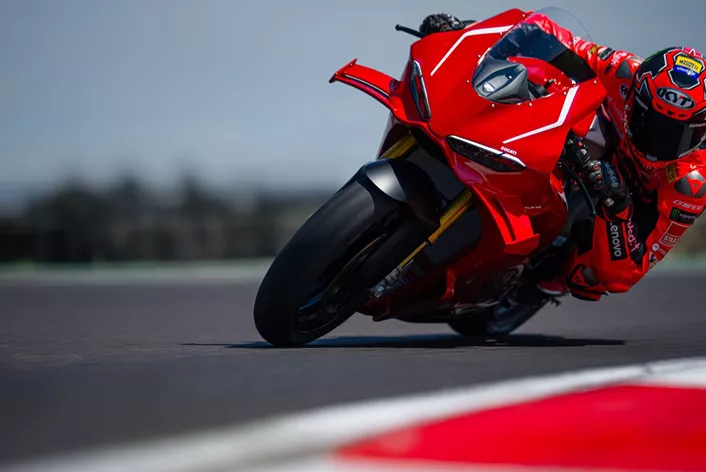
The new corner sidepods are particularly spectacular. Ducati describes the Panigale V4 R as the first road-legal bike with such elements. At lean angle, they're meant to create a ground effect and increase pressure on the front wheel. While classic winglets work mainly with the bike upright, the sidepods are meant to help at the apex of the corner: more grip, a tighter line, more stable behaviour. In the riding impression, this aero effort merges with the chassis and electronics into a surprisingly stable overall package. The V4 R remains aggressive, but conveys more trust than expected. This exact mix is what makes it so impressive: it's insanely fast, but not chaotic.
Ergonomics: more hold, less loss of strength
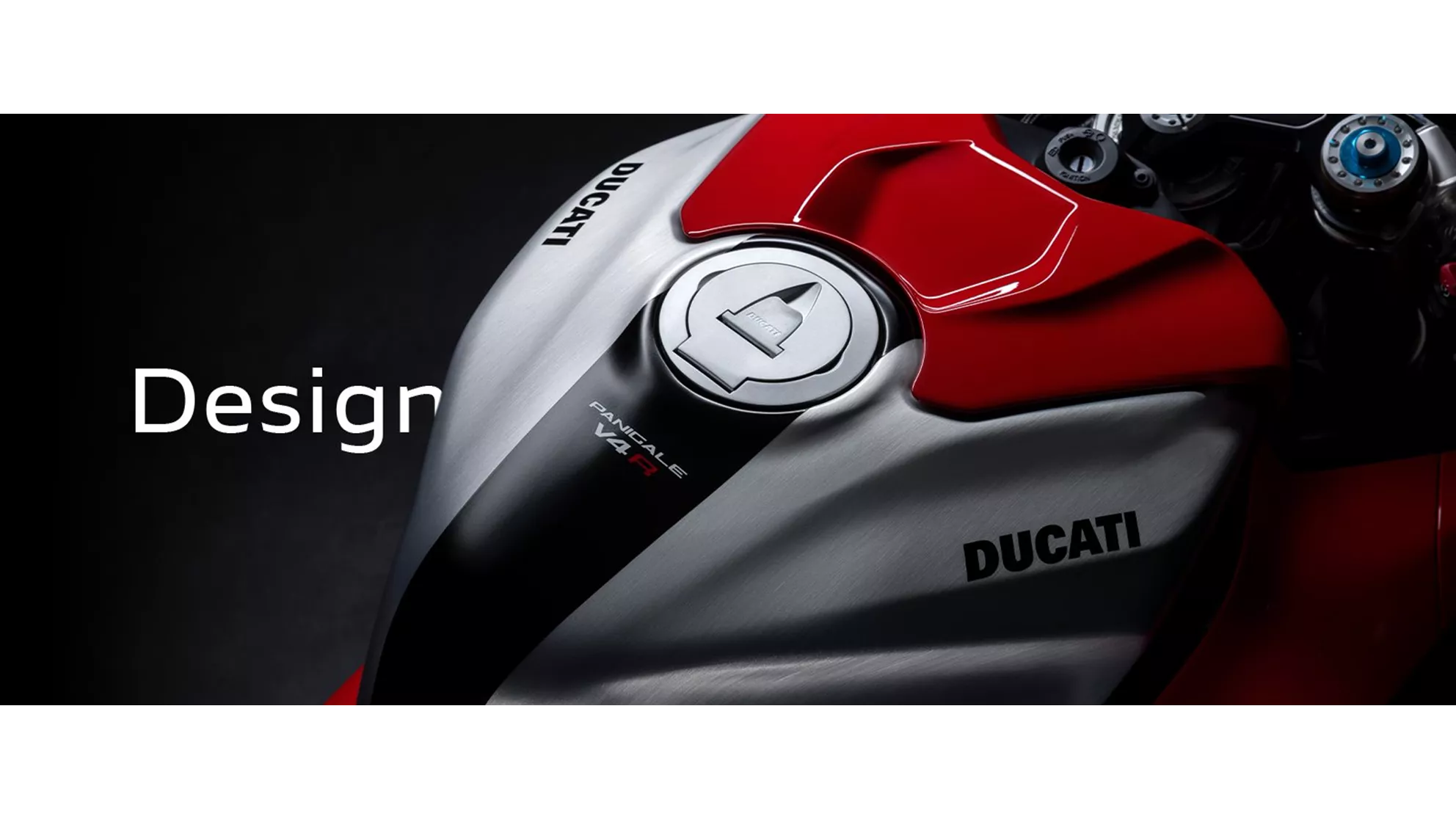
Ducati has also worked on the contact points. The seat is wider, longer and features a new surface. The tank has been reshaped, the grip texture at the knee area improved, and the footpegs sit ten millimetres further inward. The goal is more hold under braking, less strain on the arms and a better position behind the fairing.

On the race track, this isn't a minor detail. Anyone riding a bike with this much power and deceleration needs hold. The less strength the rider has to waste, the longer precision is maintained. This is exactly where the new V4 R feels more mature than before. It's still physical, but no longer so much directed against the rider.
Tyres and test conditions: no slicks, no tyre warmers, yet insanely fast
Particularly exciting about the test at Donington: it was ridden on standard tyres, without tyre warmers. This meant the first laps had to be taken with caution, but at the same time you could really feel how the bike works at the grip limit. Once temperature and confidence were there, you could increasingly open the throttle at corner exit and let the electronics work. As standard, the Panigale V4 R rolls on Pirelli Diablo Supercorsa SP V4 tyres in 120/70 ZR17 front and 200/60 ZR17 rear. For track use, Pirelli Diablo Superbike slicks in 125/70 front and 200/65 rear can be fitted.
Everyday use? In theory, yes. In practice, rather not.
Of course, the Ducati Panigale V4 R has road registration. There are mirrors, lights, a number plate holder and riding modes for Road and Wet. But nobody should have any illusions: this bike wasn't built to commute relaxedly to work. It was built to chase lap times on the race track. Seat height is 855mm, the tank holds 17 litres, and the wet weight without fuel is 186.5kg. With the race exhaust system fitted, the weight drops further. That sounds impressive for a bike with this much power, but the ergonomics, engine character and entire setup scream trackday, not after-work ride.
- How much does a Ducati Panigale V4 R cost?
- Here you will find an overview of the price level of new and used motorbikes!
&width=60&height=60&bgcolor=rgba_39_42_44_0&mode=crop "Author: 1000PS.at")
Ducati Panigale V4 R 2026 - Experiences and Expert Review
1000PS.at
The Ducati Panigale V4 R is no ordinary supersport bike, but a road-legal race bike. Its biggest strength lies in the fact that despite almost absurd power, it doesn't feel uncontrollable. Engine, chassis, aerodynamics, brakes and electronics mesh together so precisely that the V4 R remains extremely fast, yet astonishingly confidence-inspiring to ride. For the road it's clearly overkill, but on the race track it's a fascinatingly sharp tool.
More from 1000PS Magazine
Ducati Panigale V4 R 2026 tested Images
Source: 1000PS