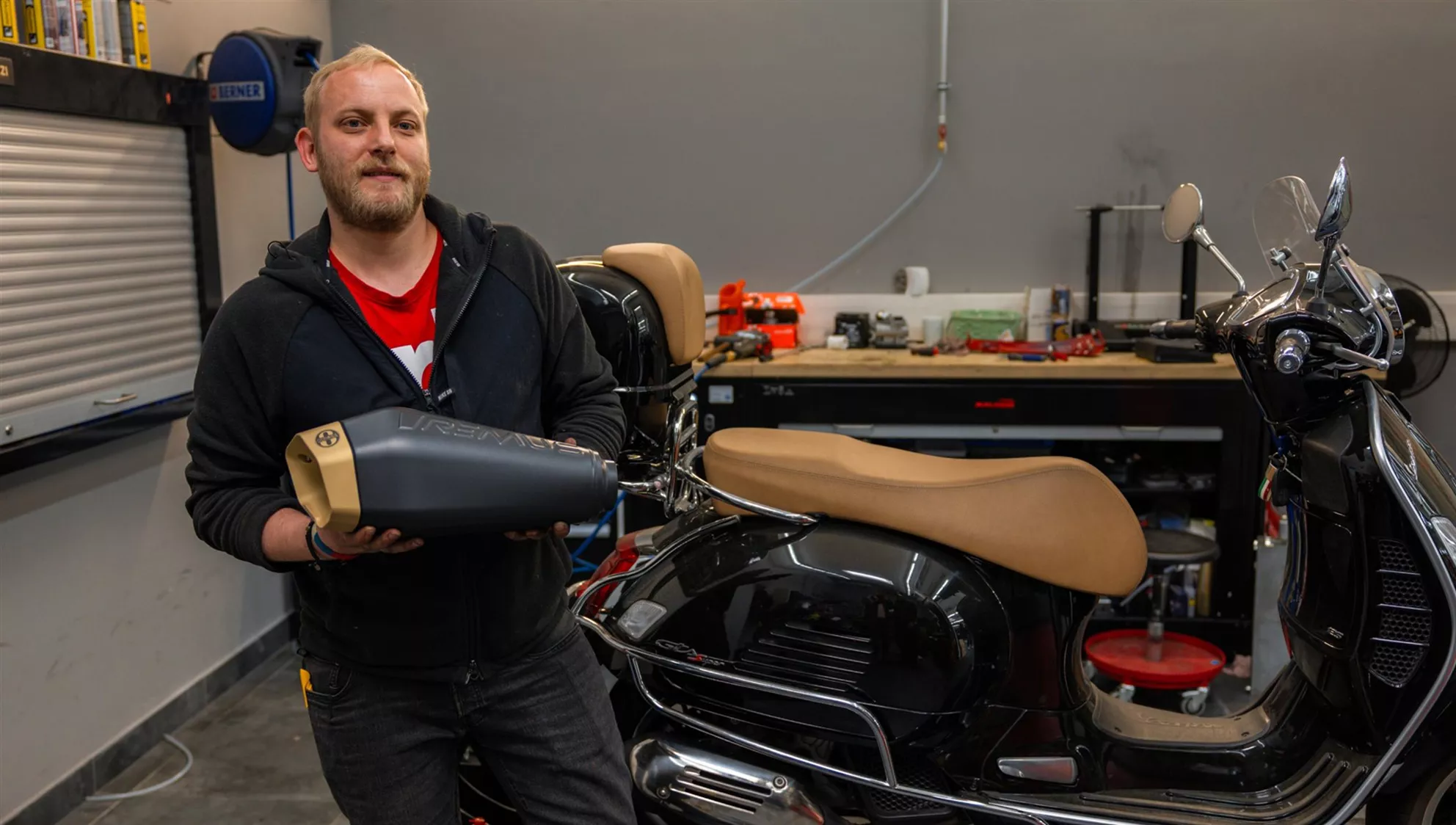
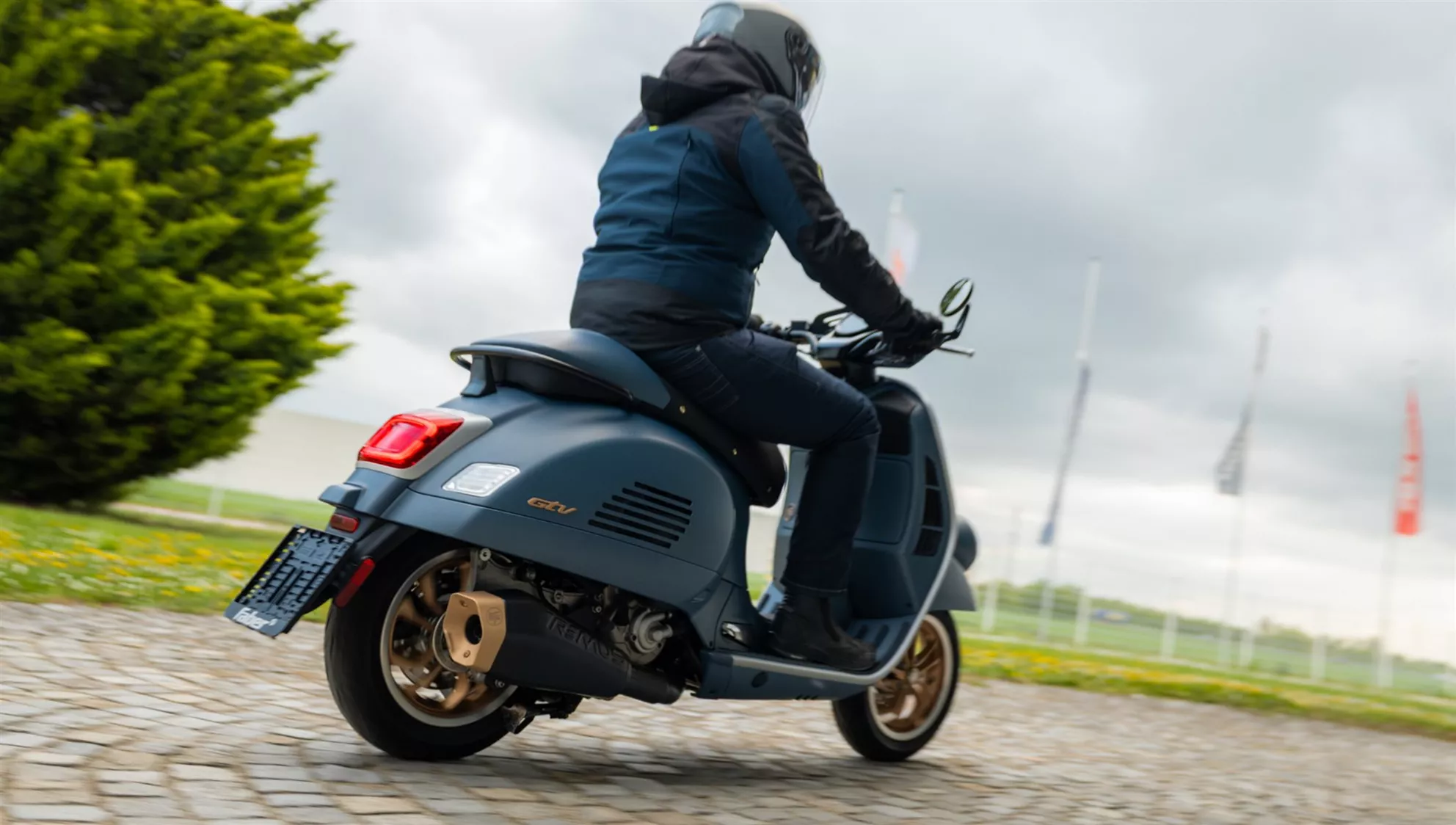
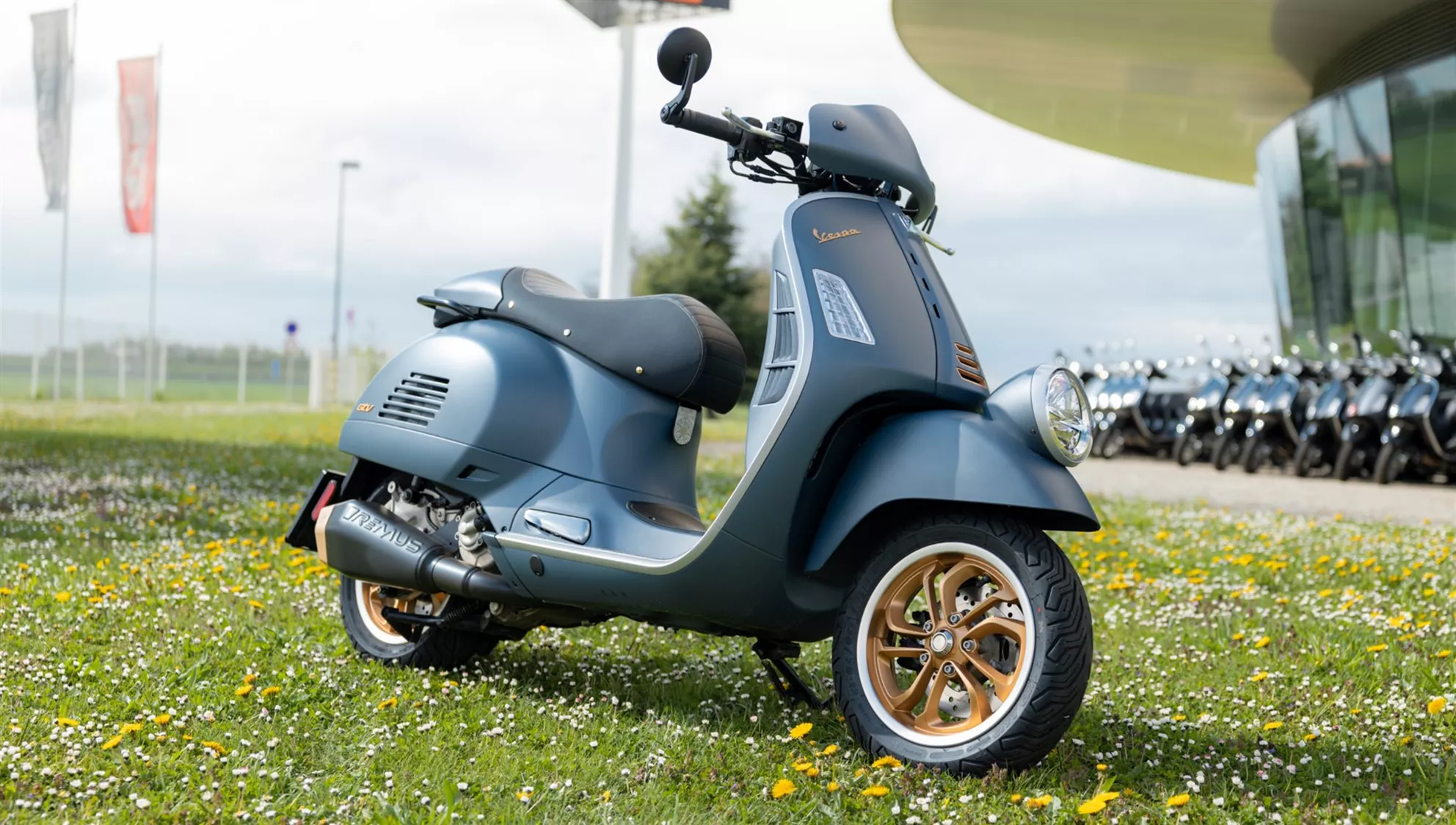
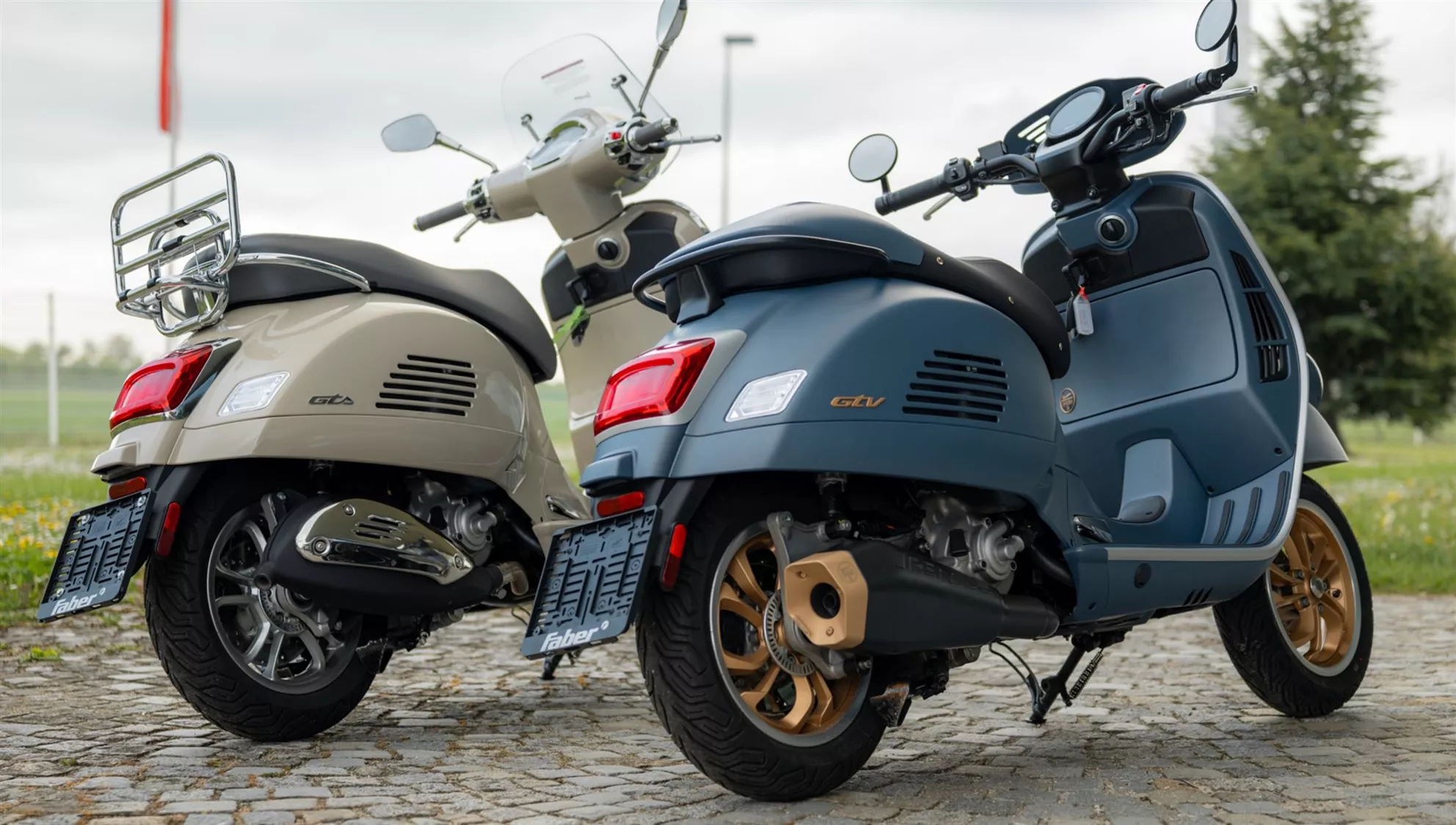
For the installation of the REMUS RS 2.0 on the Vespa GTV Officina 8 310 (or on many other GTS/GTV models), we visited the Faber Roller & Bike workshop and took a detailed look at the fitting process together with workshop manager Markus Wagner. The good news up front: the swap is basically straightforward – provided you know what matters.
First, the seat should be opened and access cleared. Then the oxygen sensor is disconnected before you get to the actual exhaust. After that, the clamp and the mounting bolts of the silencer are loosened so the stock exhaust can be removed. In the next step, the header at the engine is also loosened and removed by opening the flange nuts. During removal, it becomes clear that access is a bit tight at one point, which is why a slim 17mm wrench that fits cleanly into the opening is recommended.
When installing the REMUS RS 2.0, one point is especially important: avoid tension. To do this, the two 10mm nuts on the header should initially only be lightly tightened. The new exhaust is fitted first and properly aligned before all connections are finally tightened. This prevents the header from becoming strained or, in the worst case, damaged.
The actual installation is overall easy to follow. The slip-on is slid on, aligned, and tightened to the specified torque of 25 Nm. With a bit of wrenching experience, the swap can basically be done at home as well.
Another important point concerns the oxygen sensors. Since the REMUS RS 2.0 is compatible with both Euro 5 and Euro 5+ models, on a Euro 5 Vespa the second oxygen sensor opening must be sealed with the supplied plug. This ensures no exhaust gases escape and the system functions correctly.
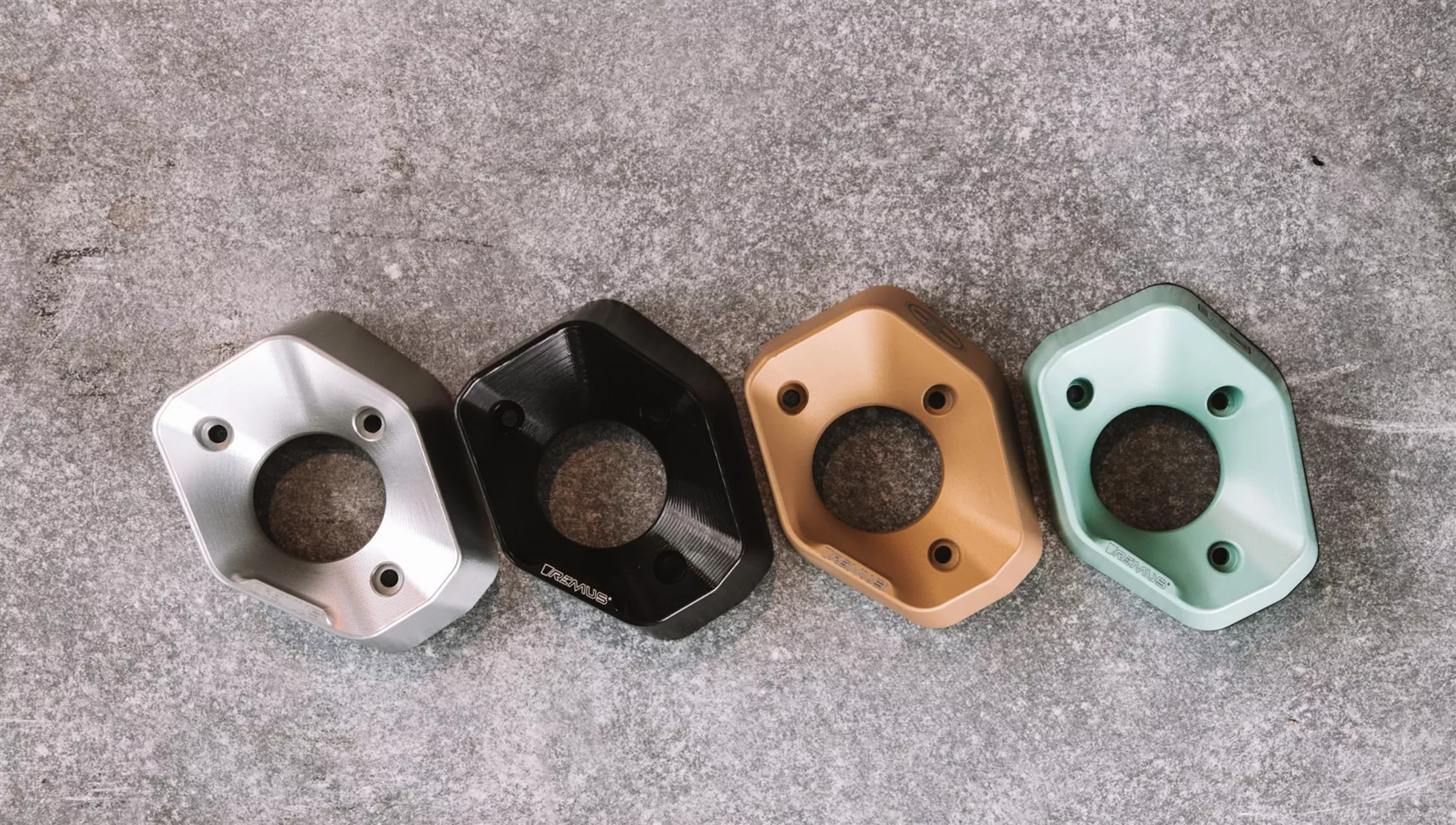
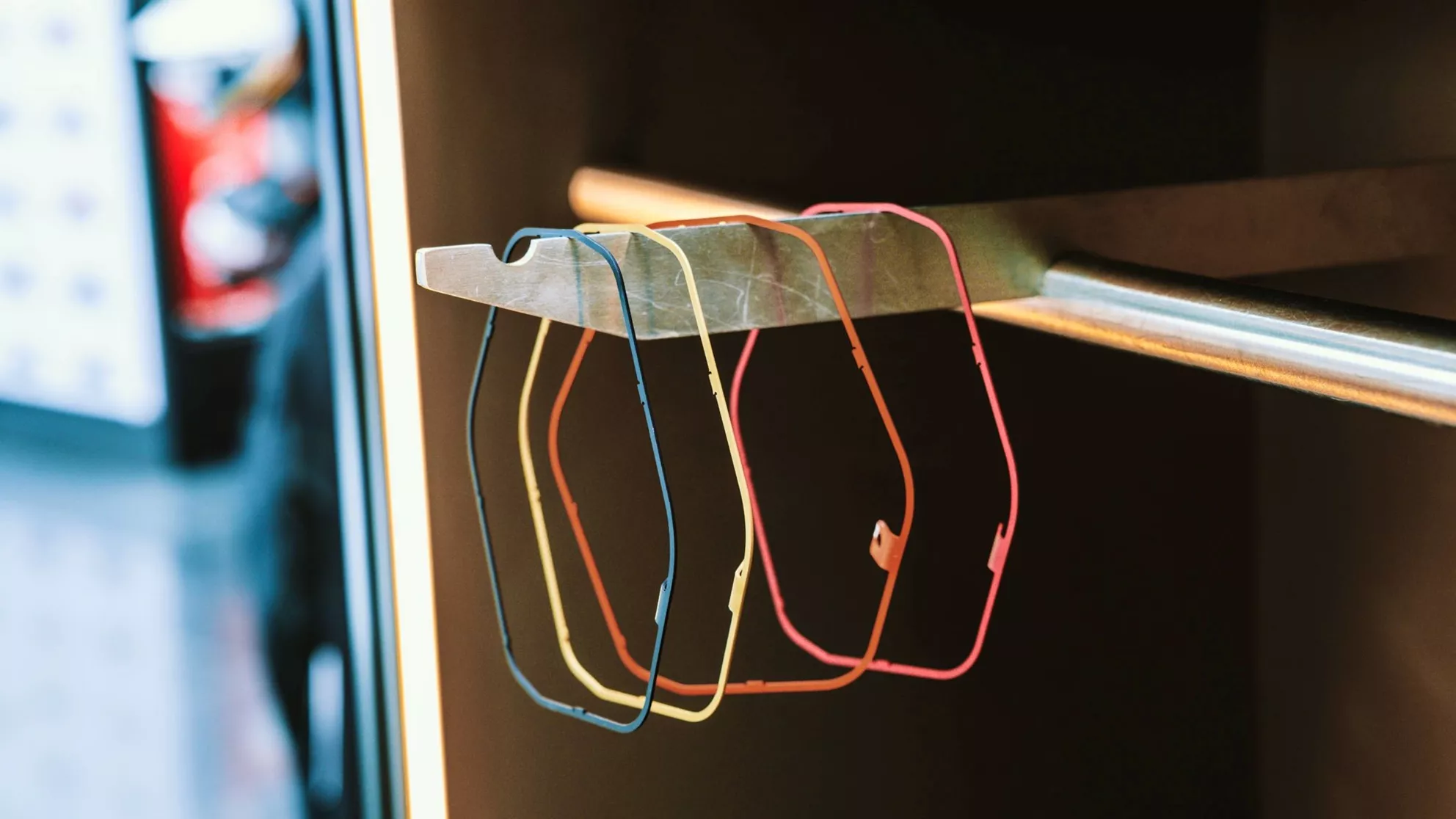
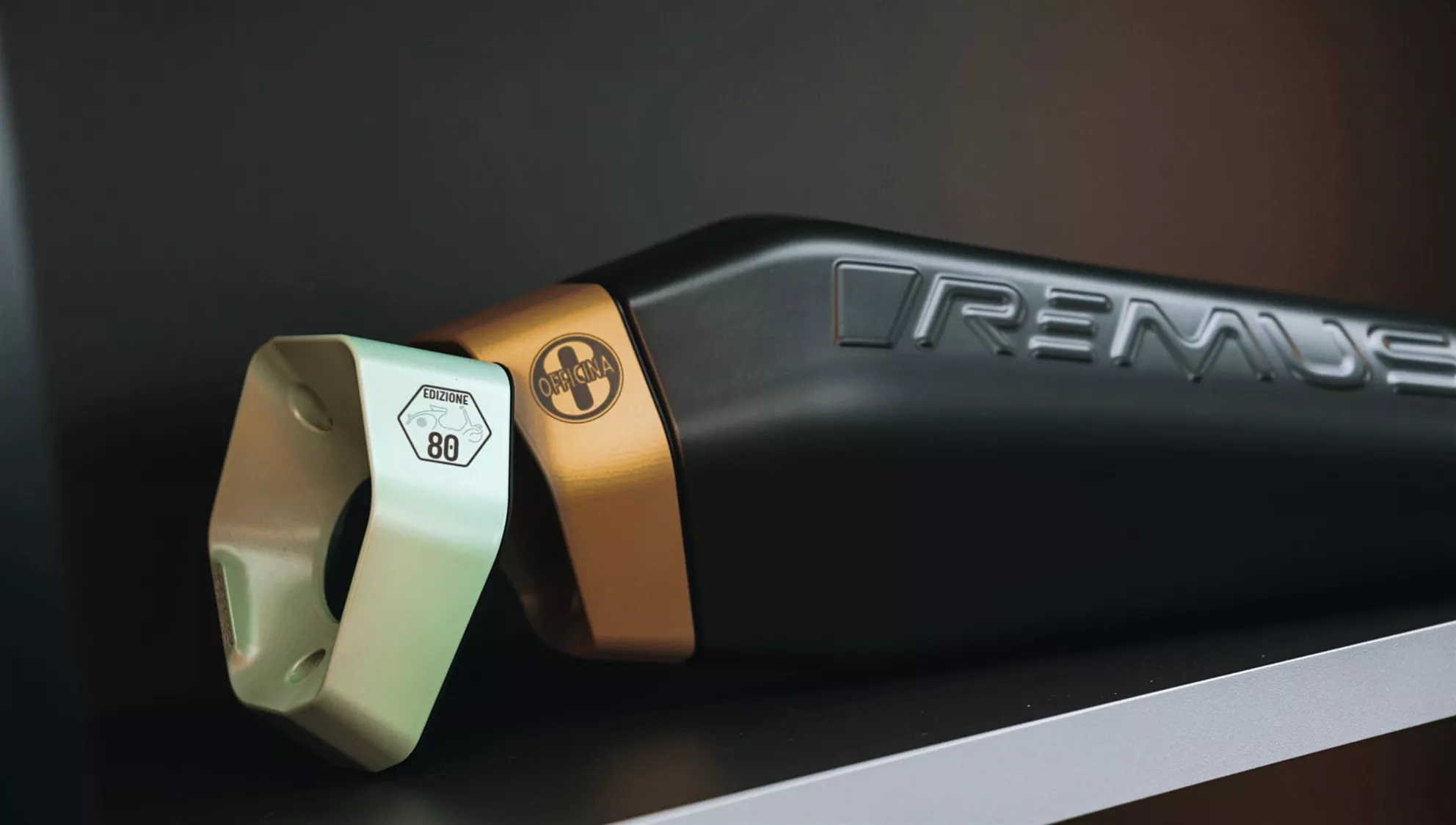
There are also practical tips regarding customization: anyone wanting to swap the end cap or the Powerring works best with a Torx 25 socket and a small ratchet. Behind it sits a colored insert secured with a 2.5mm Allen key. This allows the exhaust's look to be adapted easily and without damaging the material.
It's precisely this uncomplicated swap that makes up the special appeal: end caps and Powerrings can be quickly varied depending on the occasion or personal mood – sometimes understated, sometimes with striking color accents. Without much effort, a new, individual look emerges again and again.
No special procedure is necessary after installation. The engine management does not need to be adapted – just mount it and ride off.
Note: Anyone who doesn't want to do the installation themselves or doesn't have the right tools is well advised to visit a workshop. With around 45 minutes of labor, the effort is manageable, the installation is carried out by experienced specialists, and the warranty remains intact. An appointment is advisable, but in principle you can wait on-site for the conversion if you bring a bit of time.

&width=72&height=72&bgcolor=rgba_39_42_44_0&mode=crop "Author: NoPain")