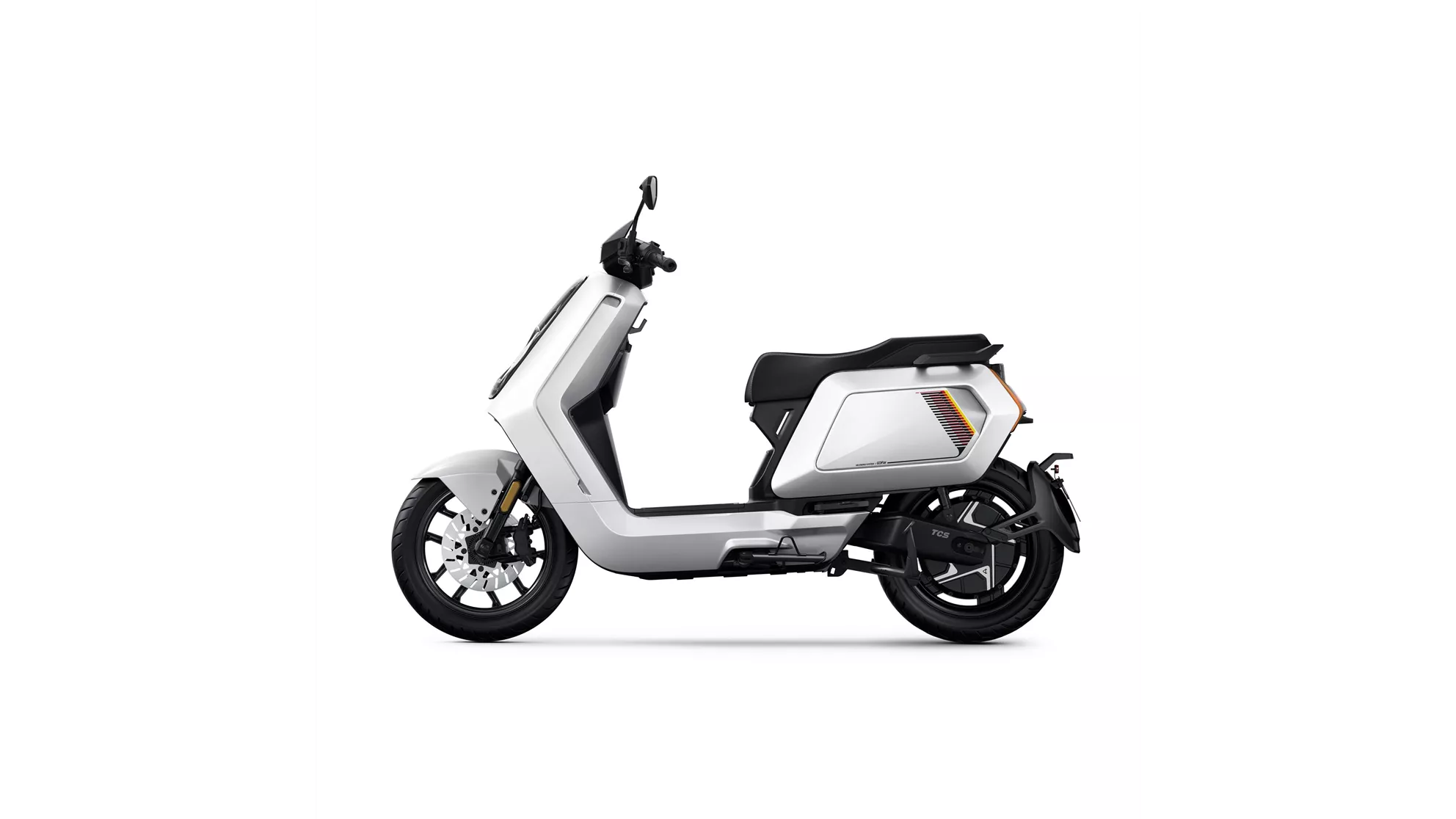
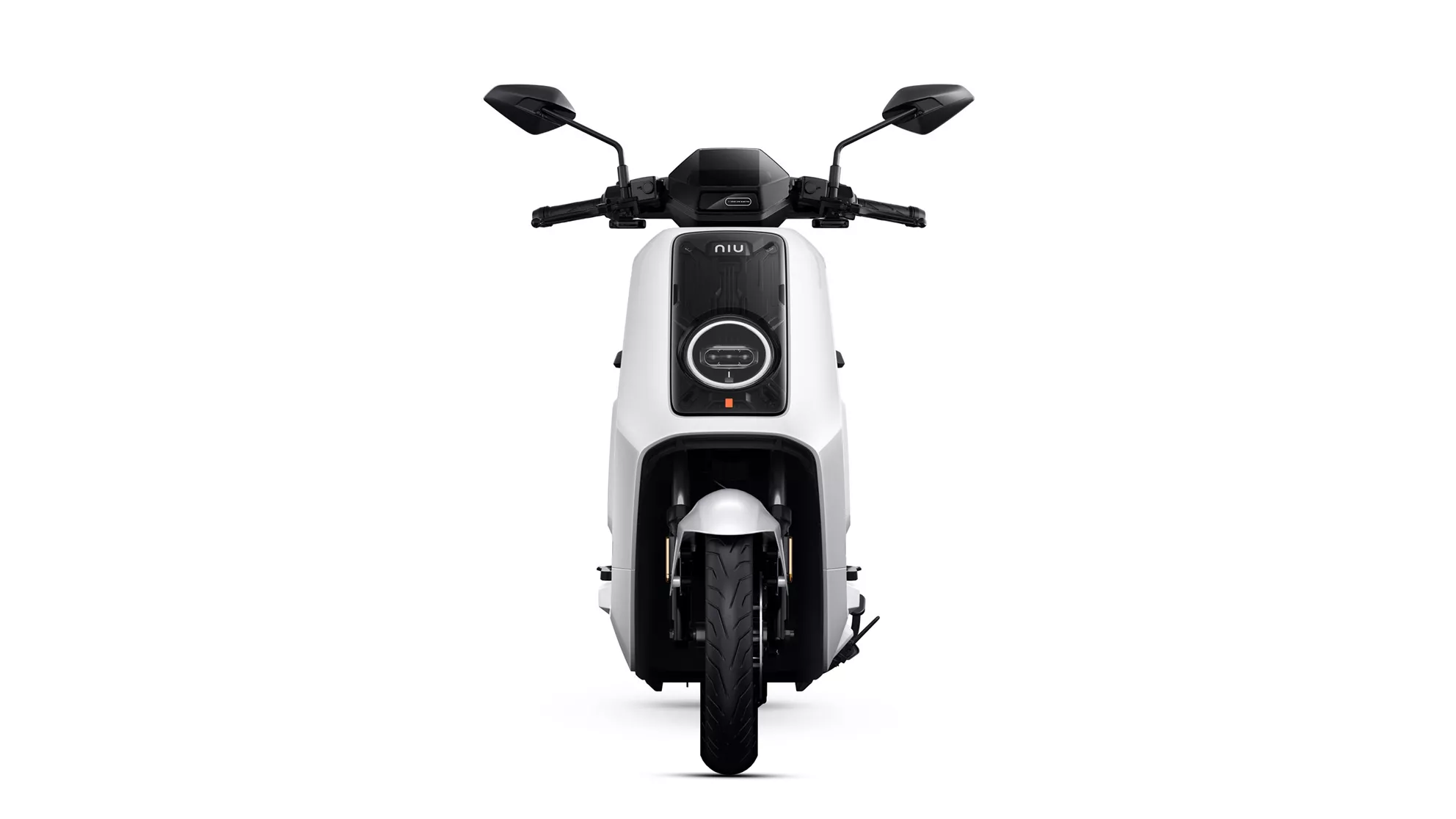
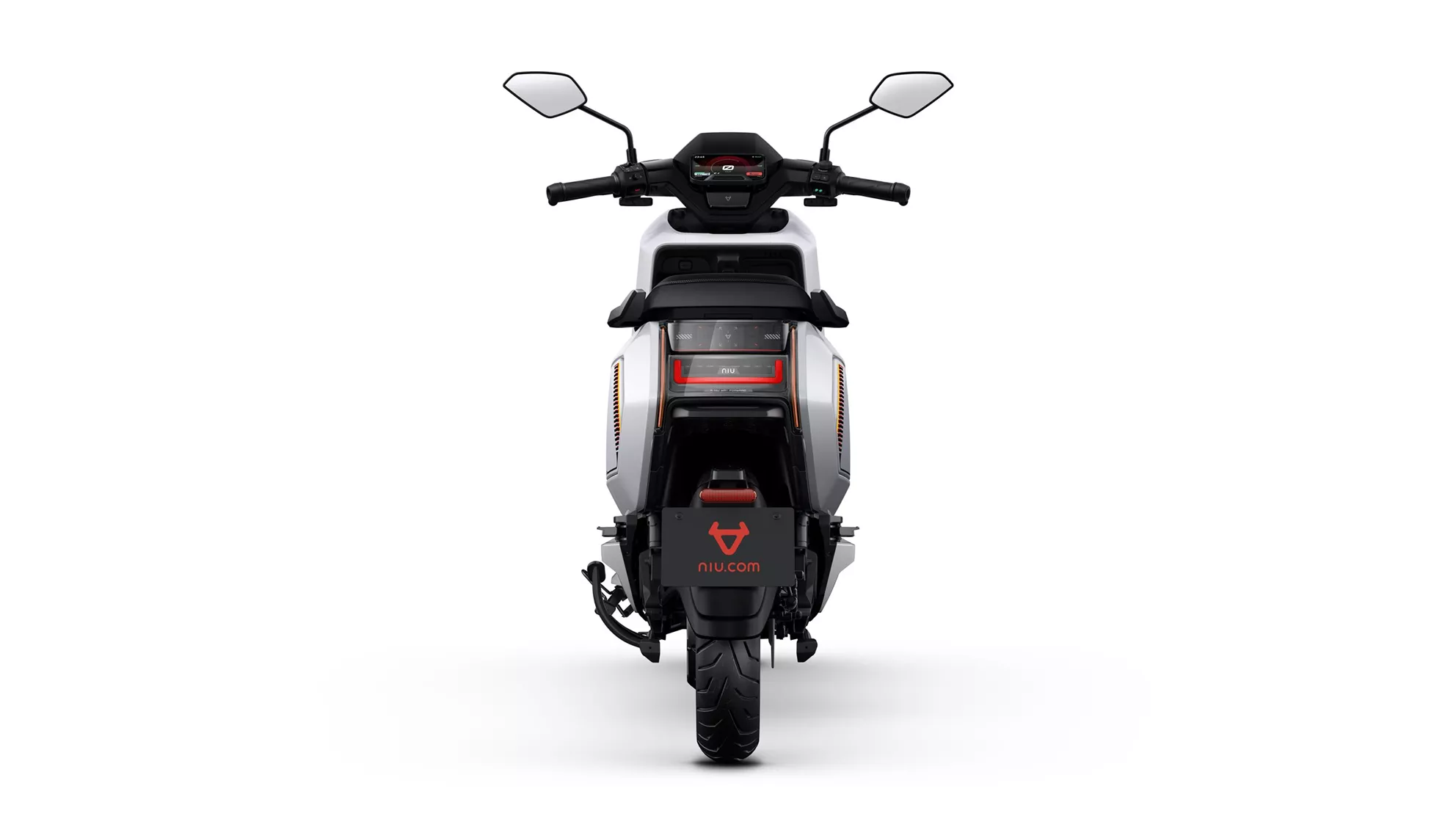
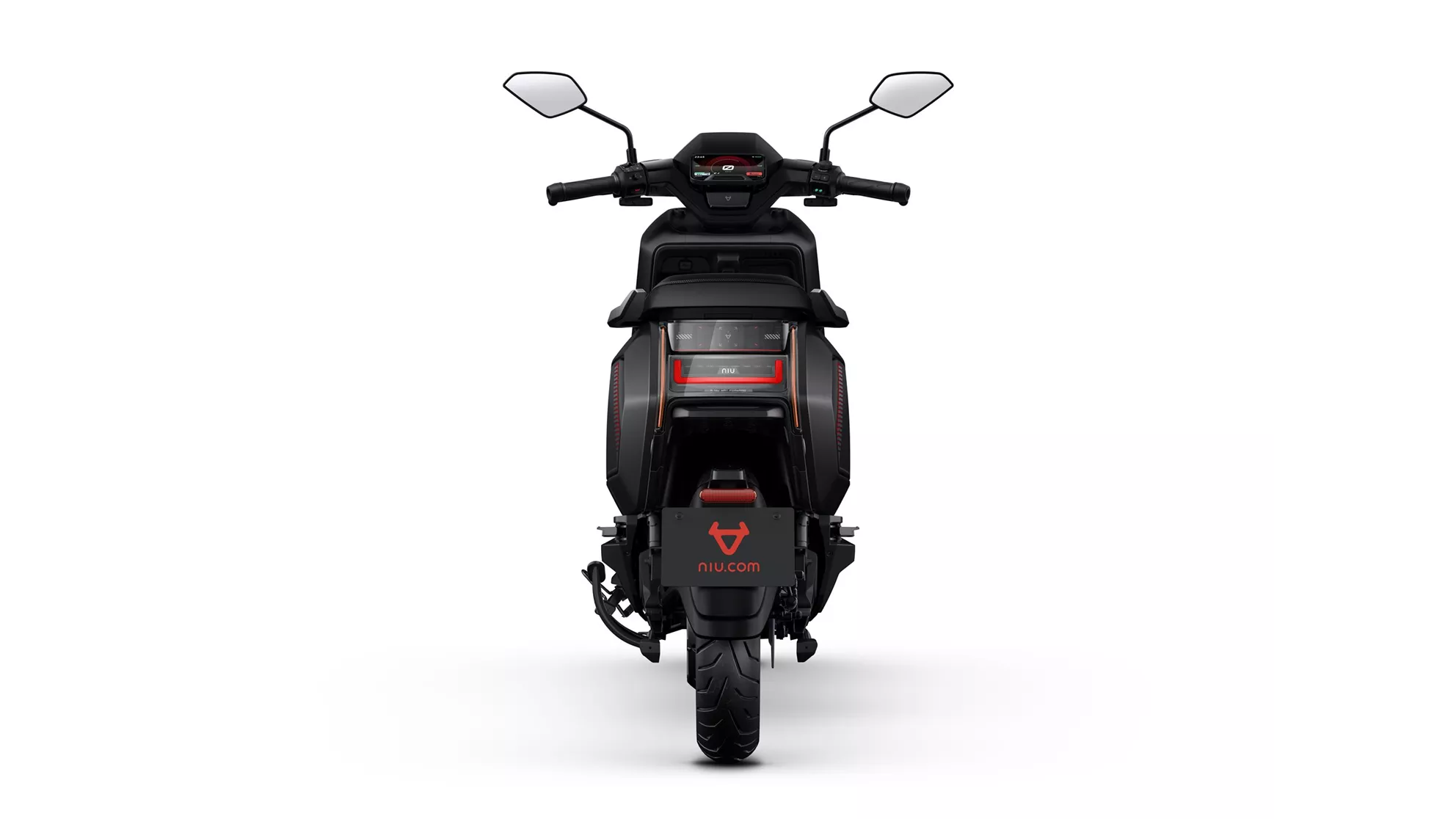
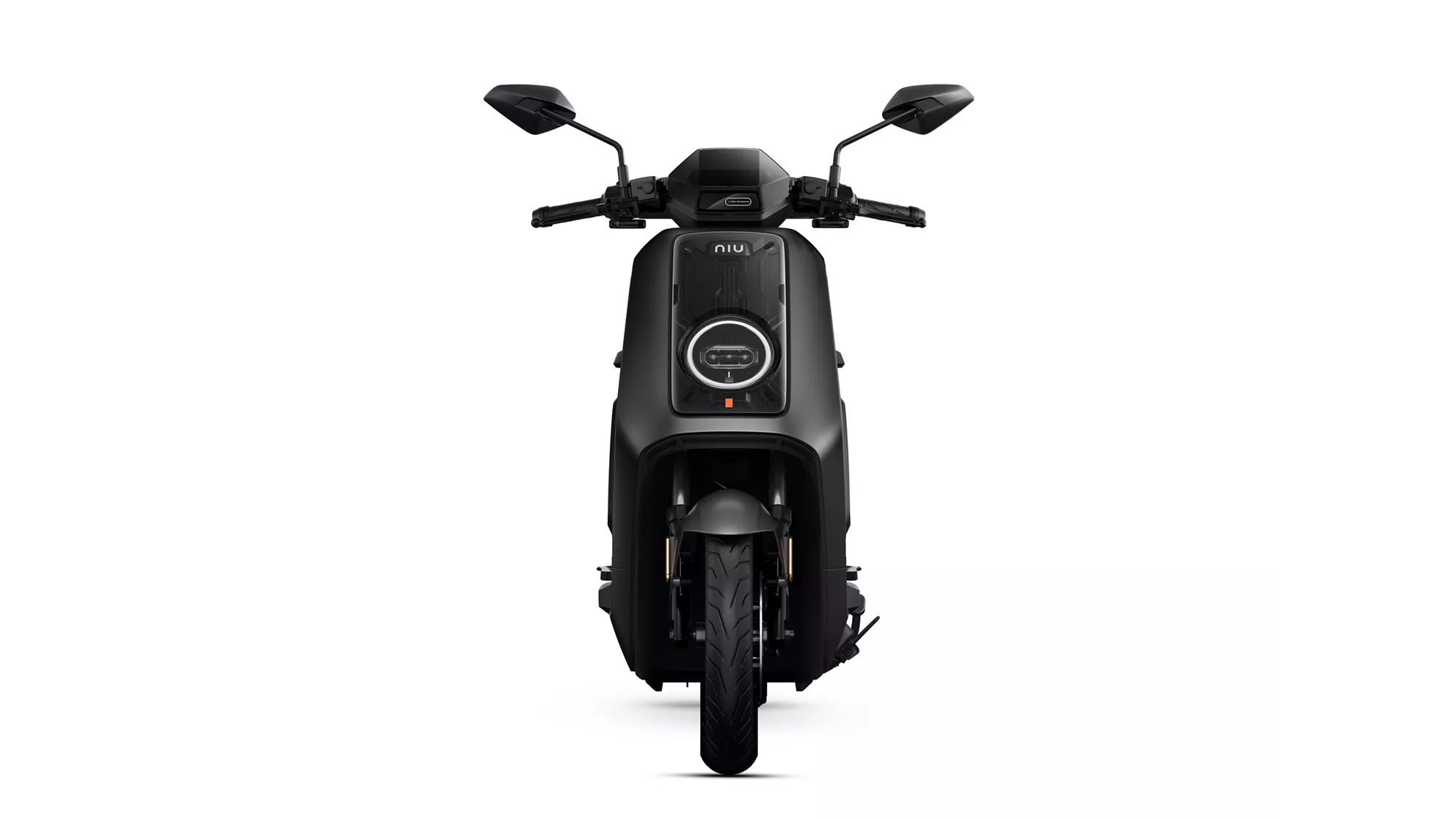
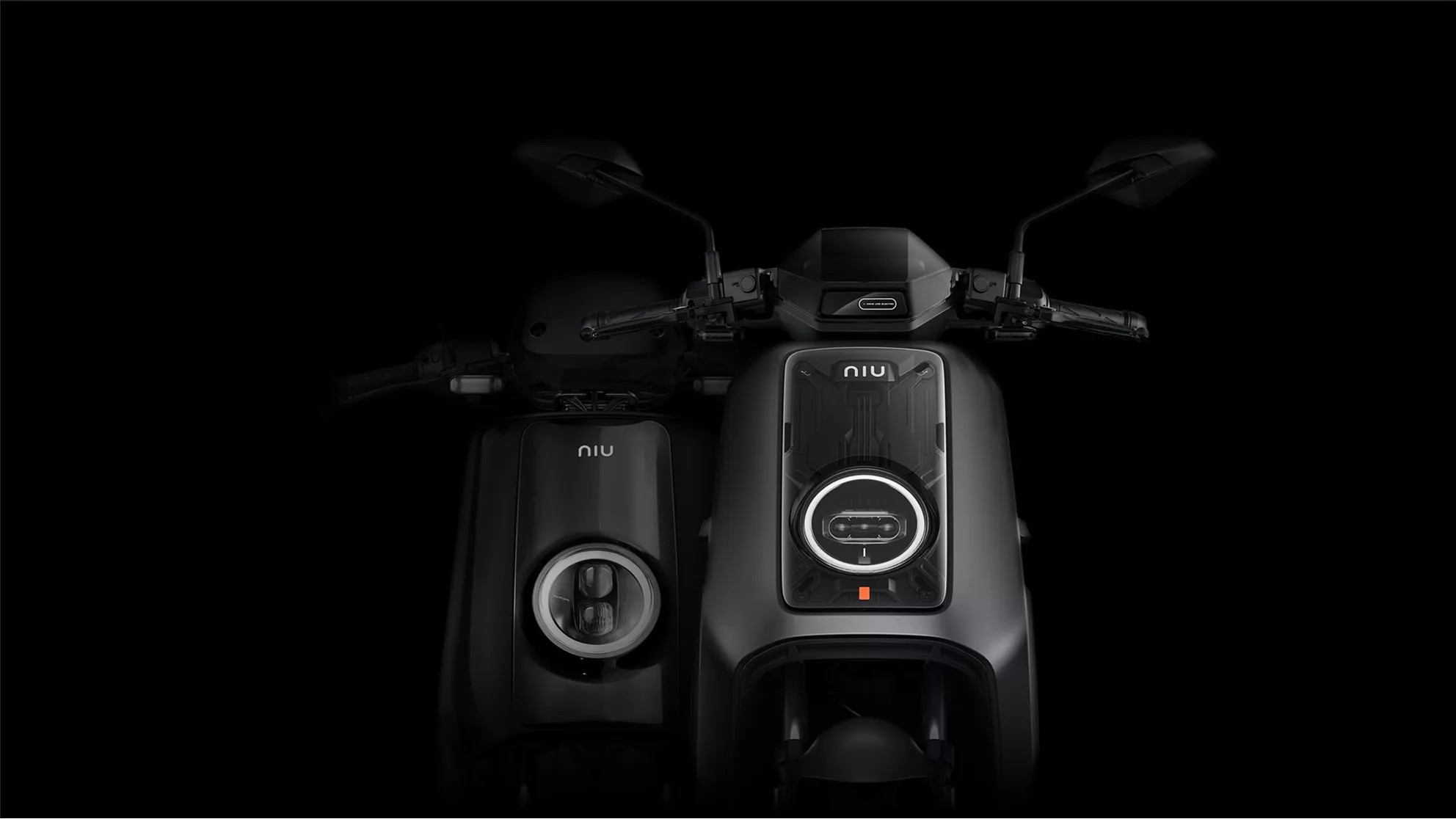
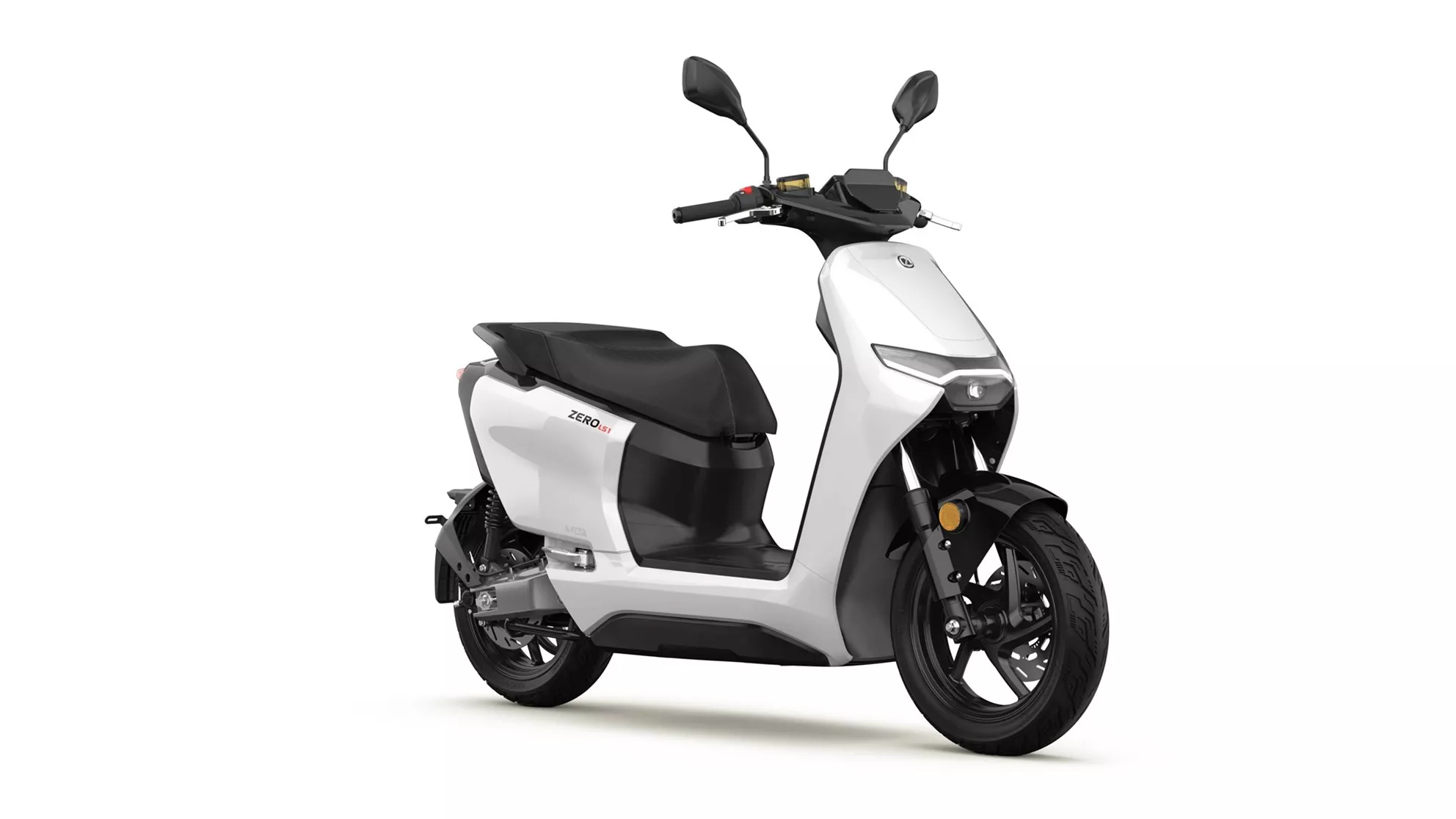
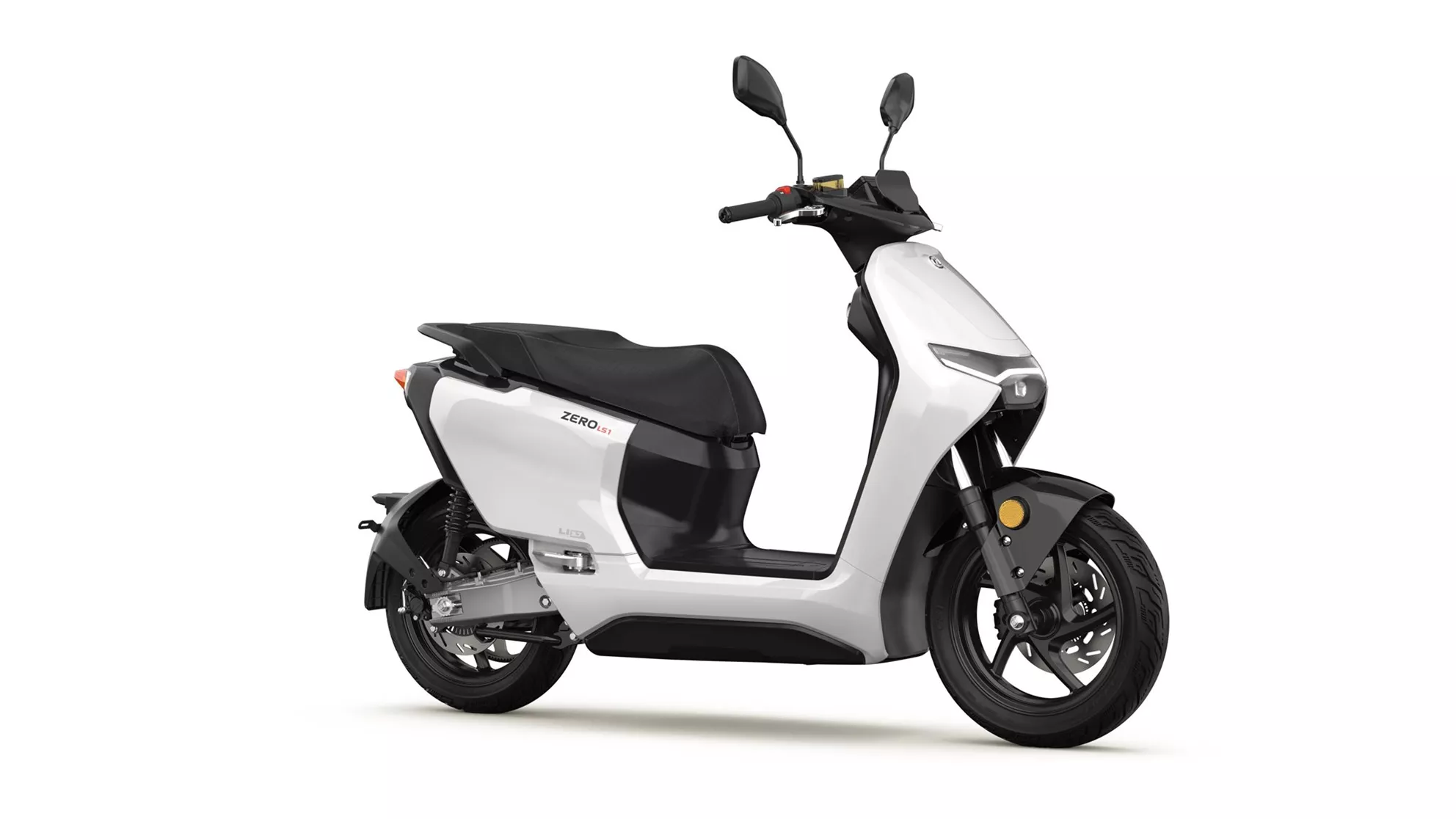
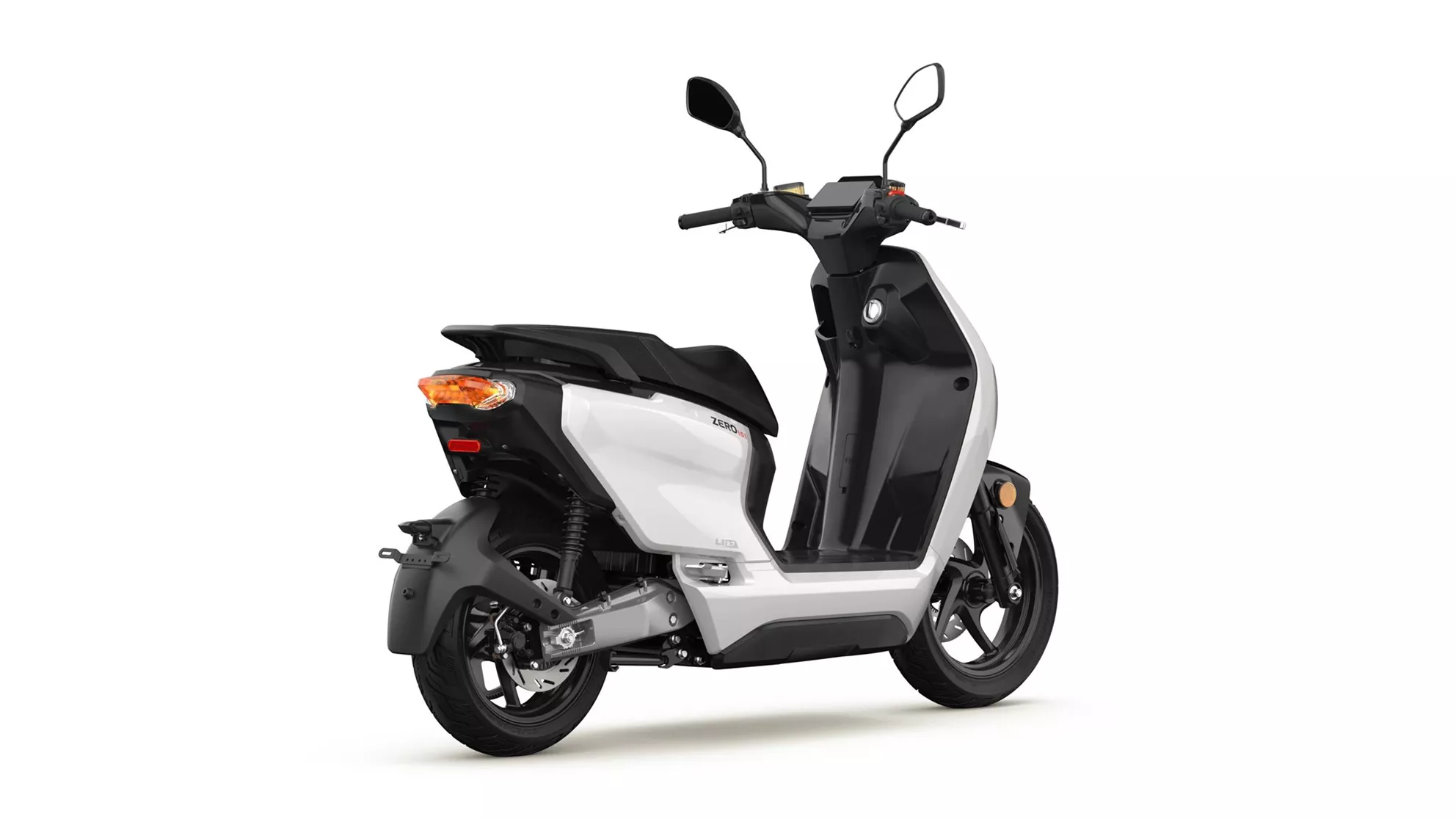
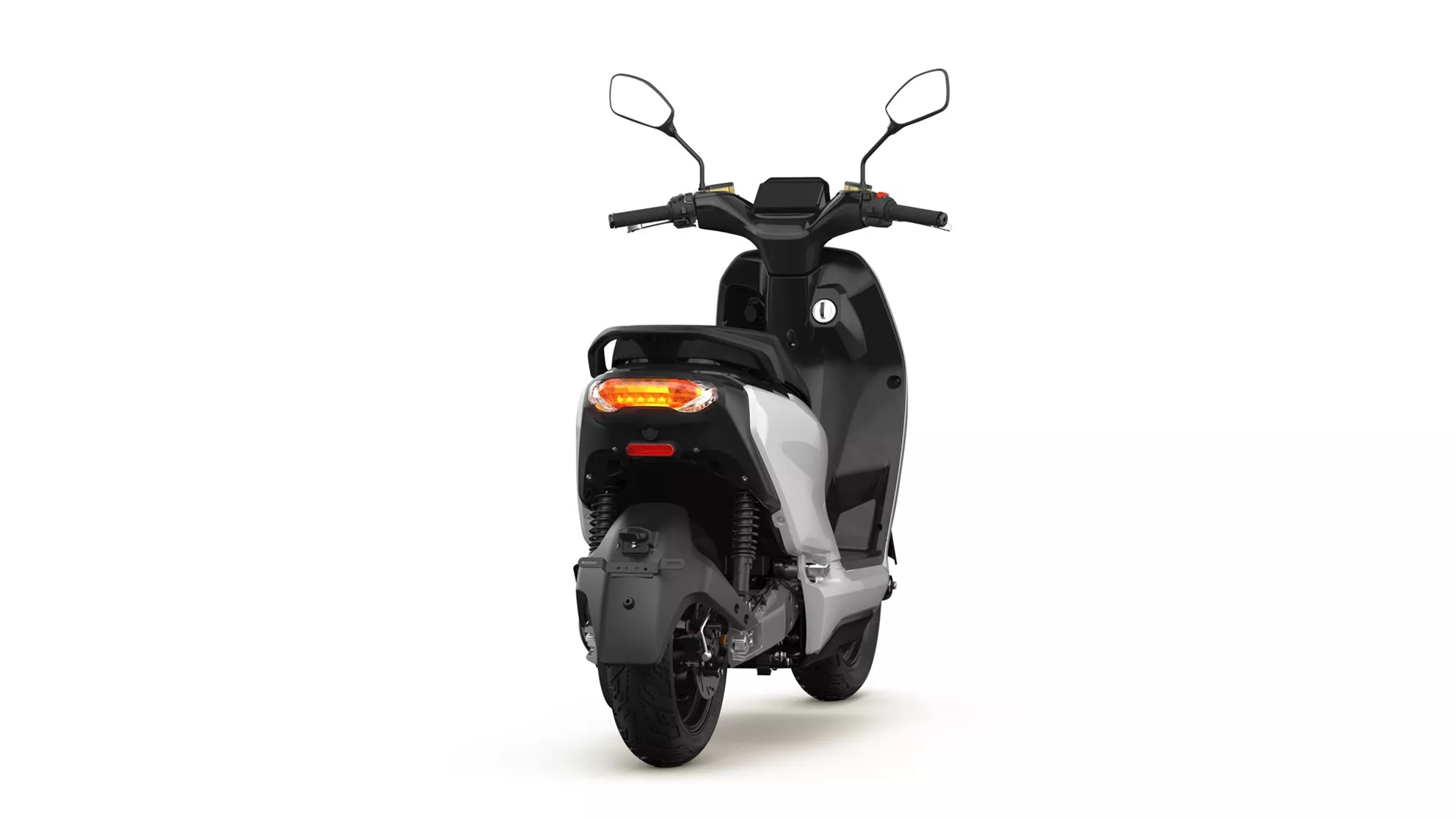
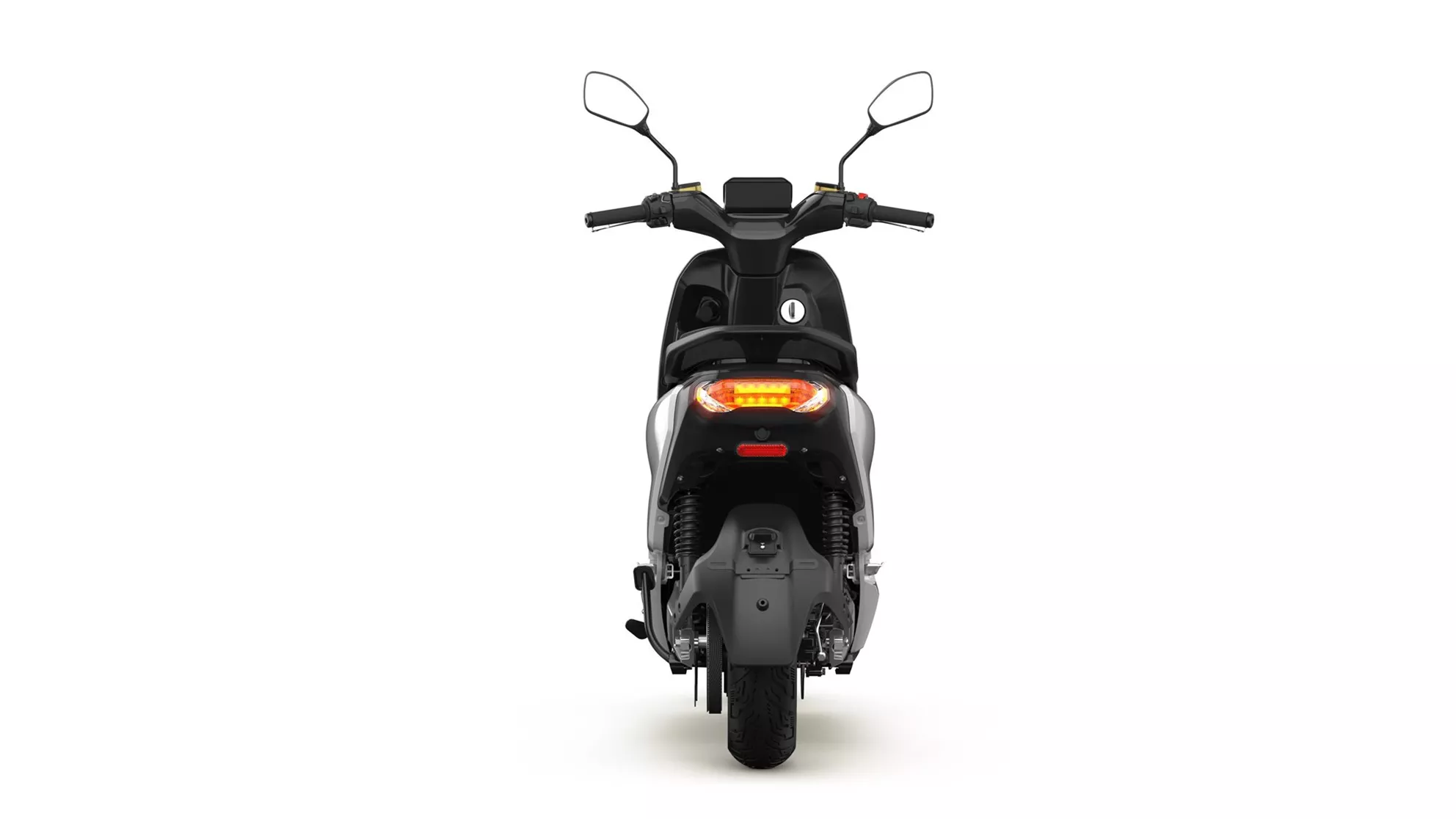
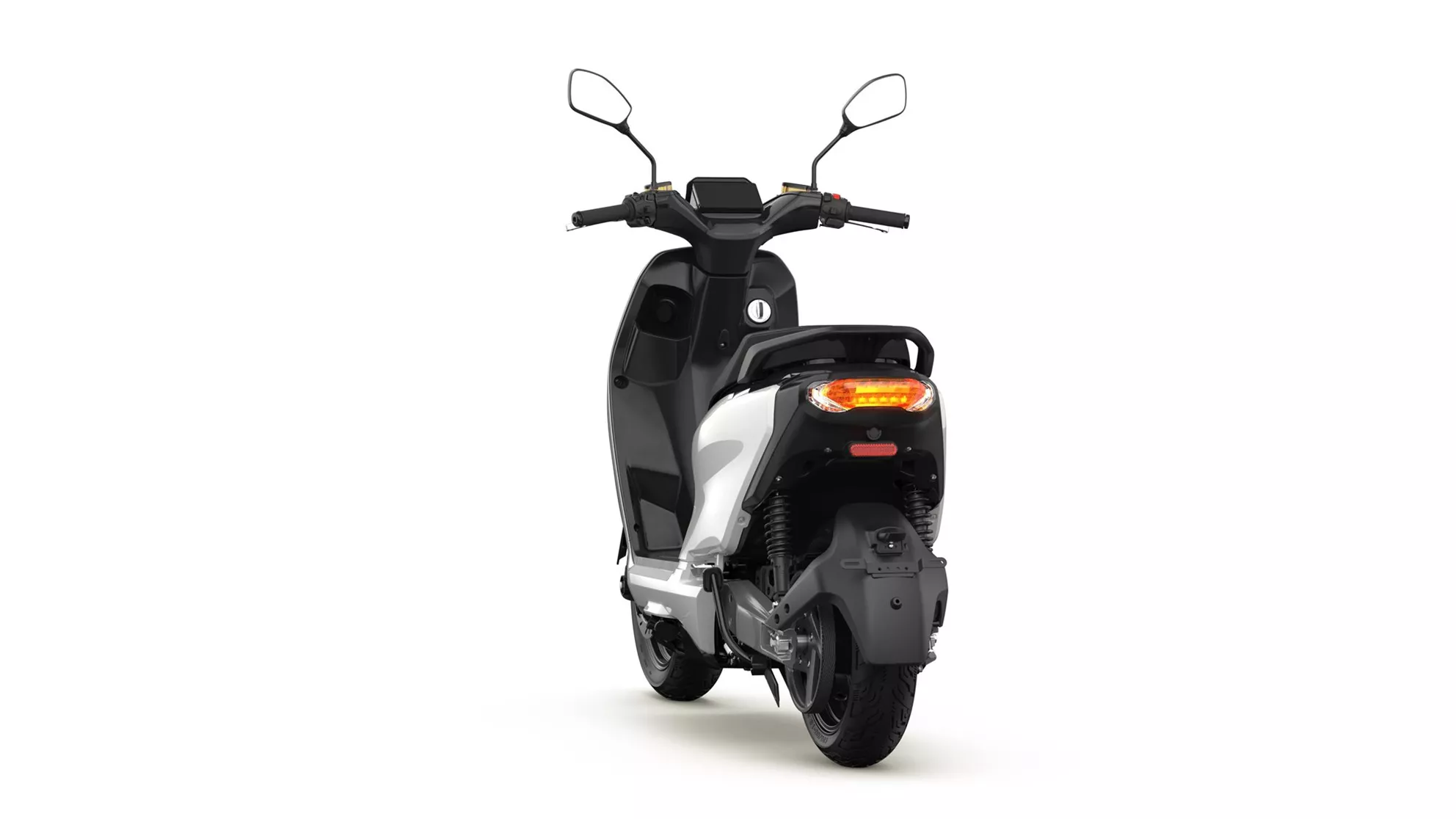
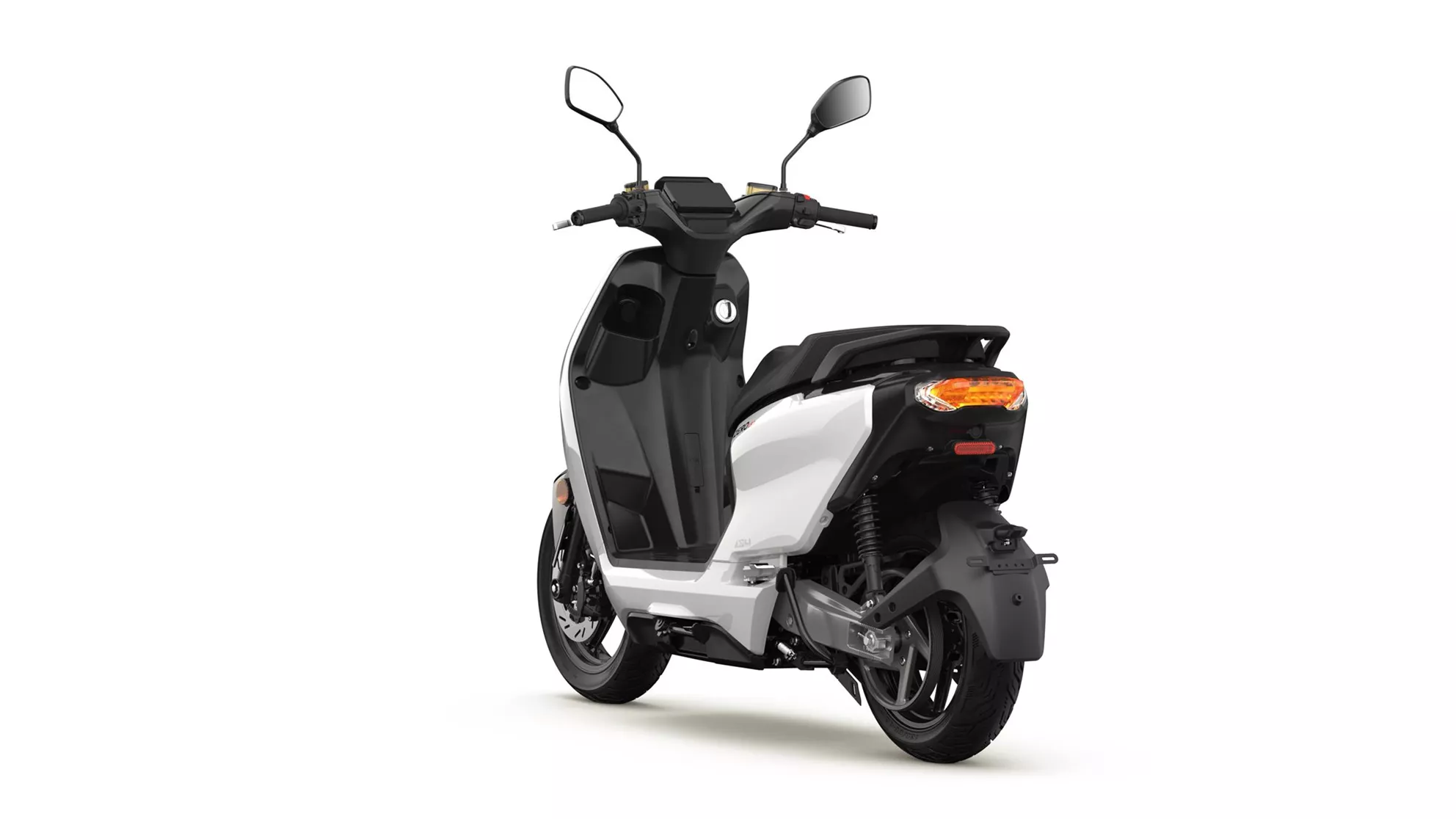
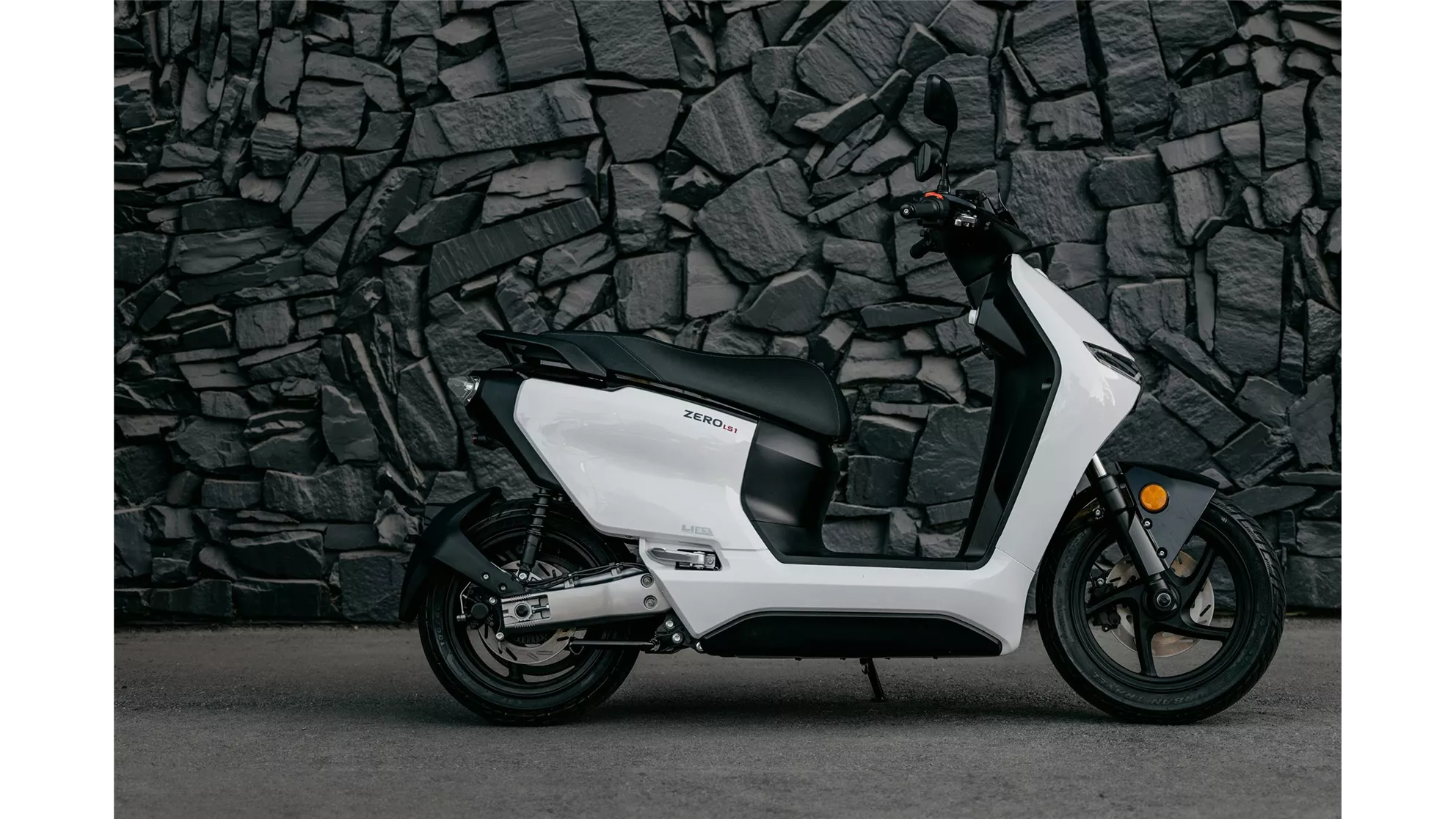
The NIU NQiX 500 already left a strong impression on me last year. The clever smart features, particularly the NIU app that allows you to personalize the scooter for free, have showcased just how modern an electric scooter can be today. Add to that the well-thought-out battery system under the footboard, which is both practical and innovative for everyday use. But even more important was the ride itself: the NIU delivers a pleasantly quiet and confident ride, providing exactly the relaxed feel you'd expect from an electric scooter in this class.
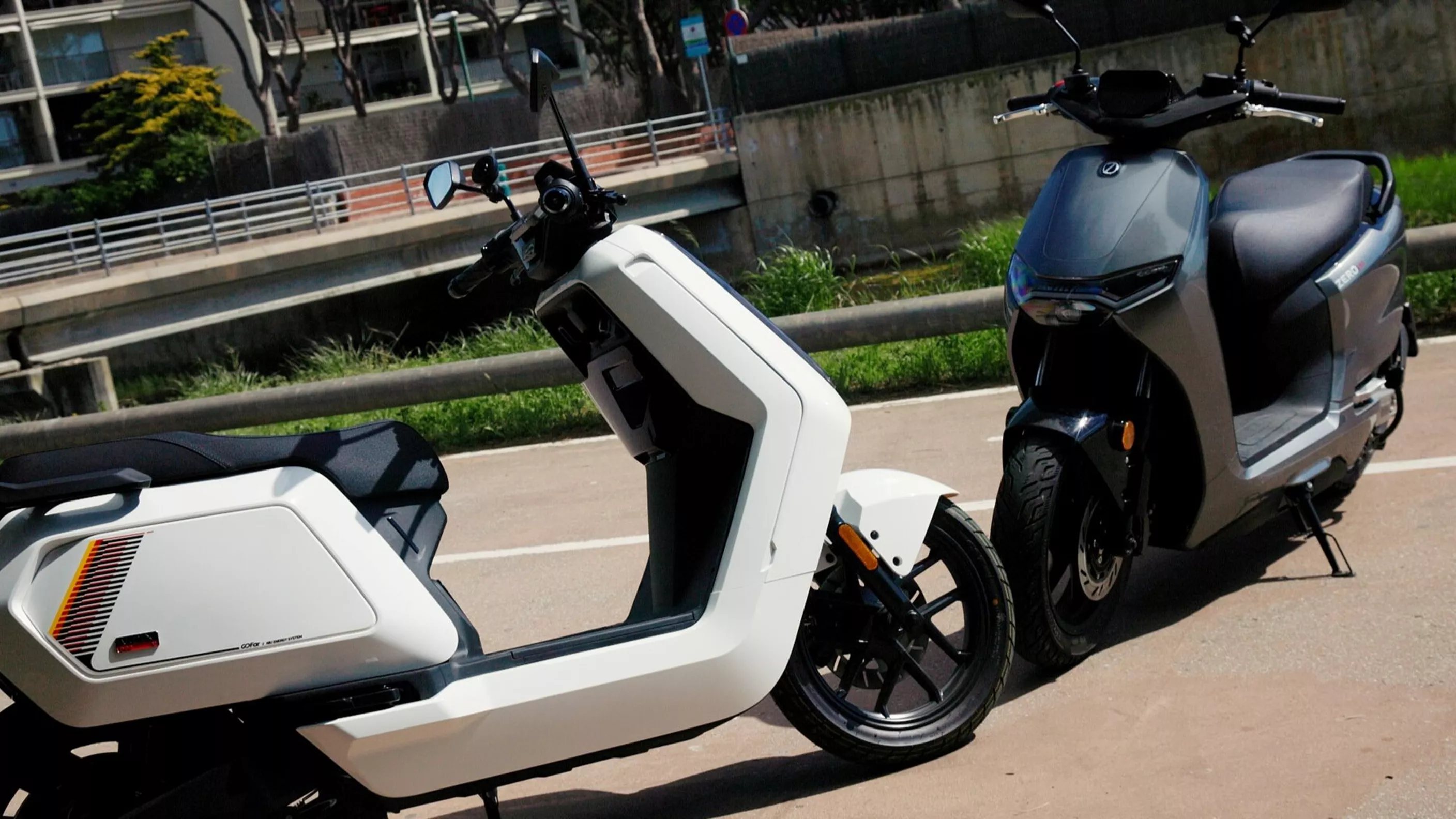
Zero LS1 vs. NIU NQiX 500: Which Electric Scooter Reigns Supreme?
Is NIU Still the Benchmark?
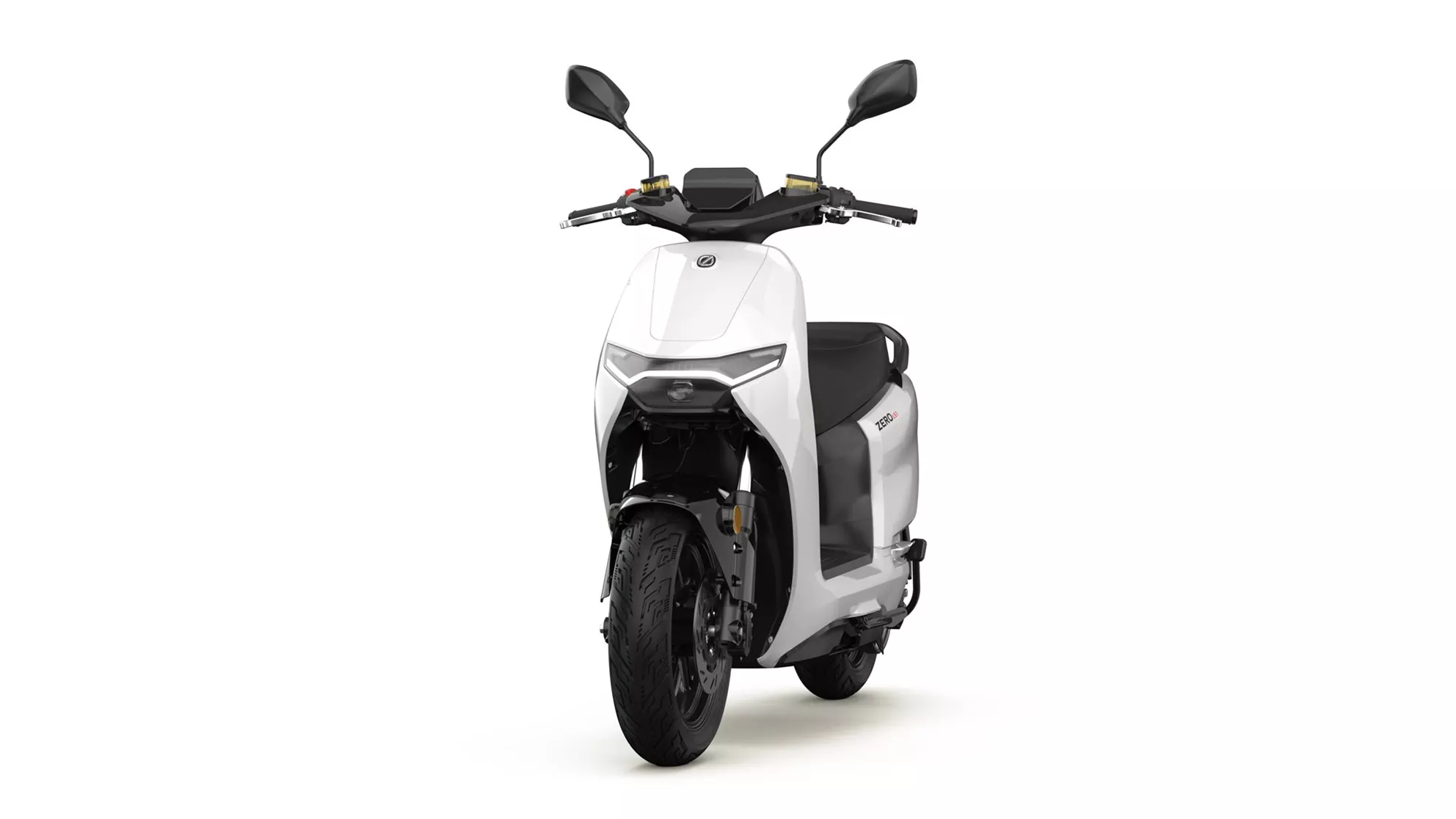
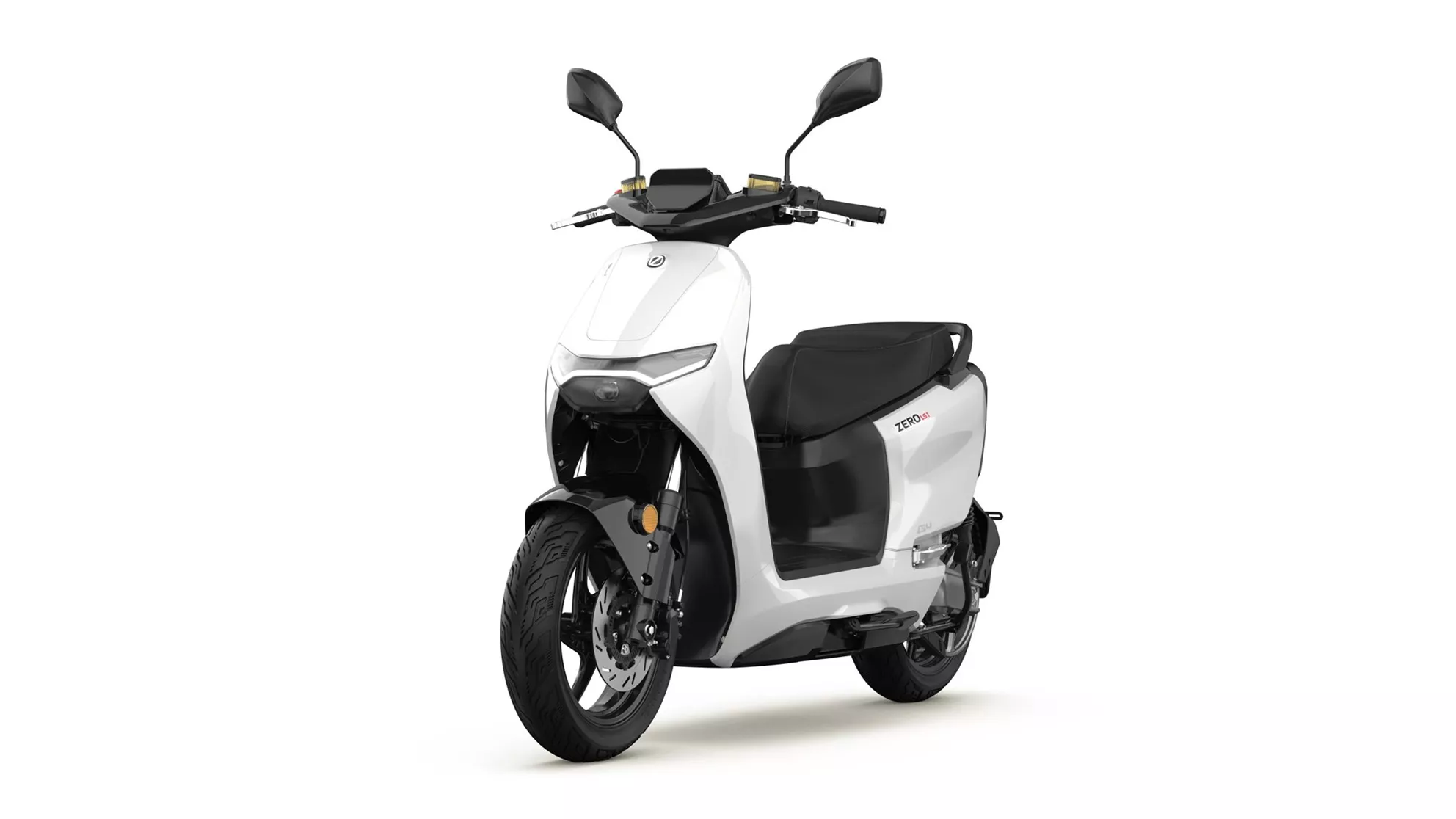
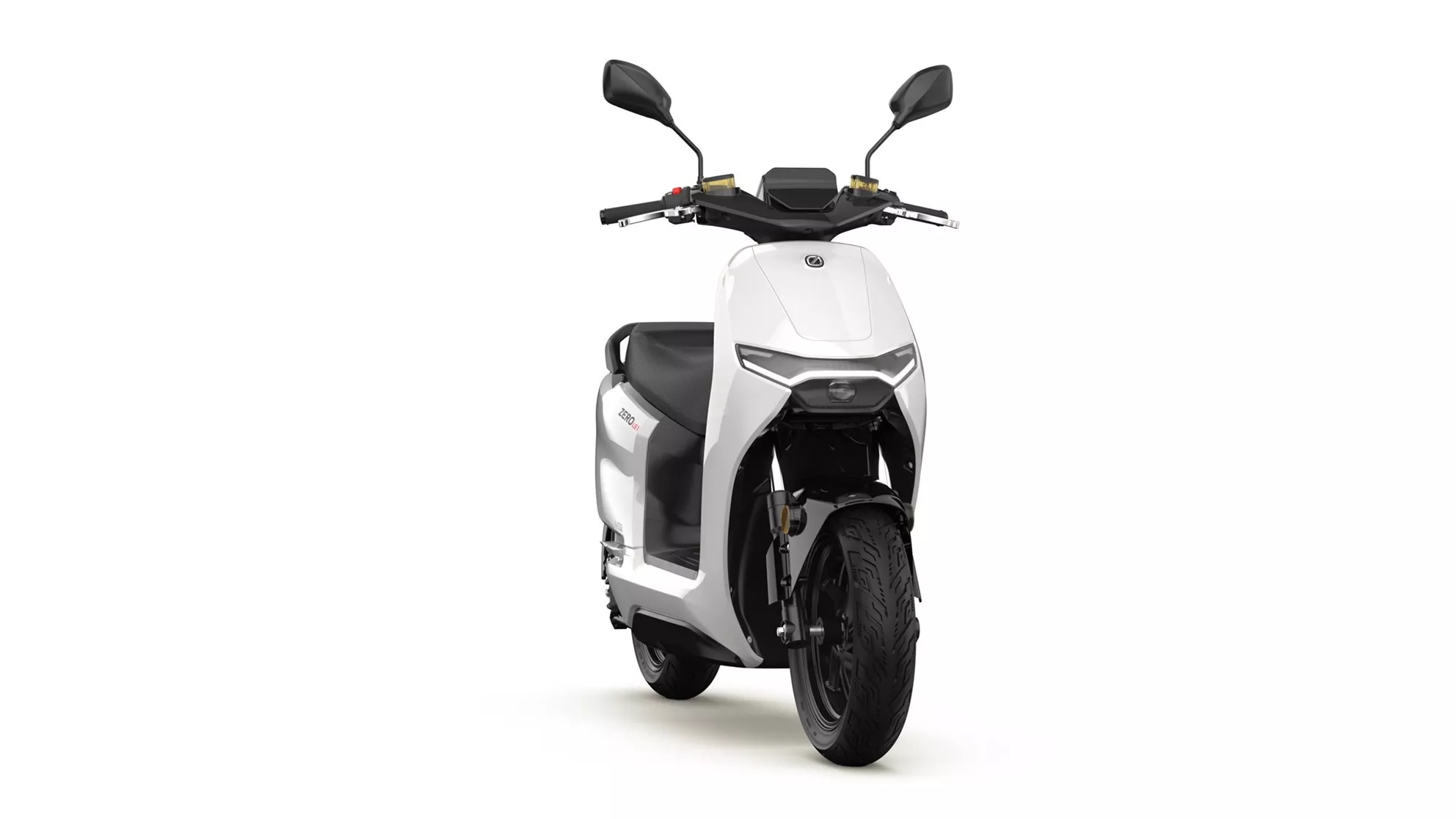
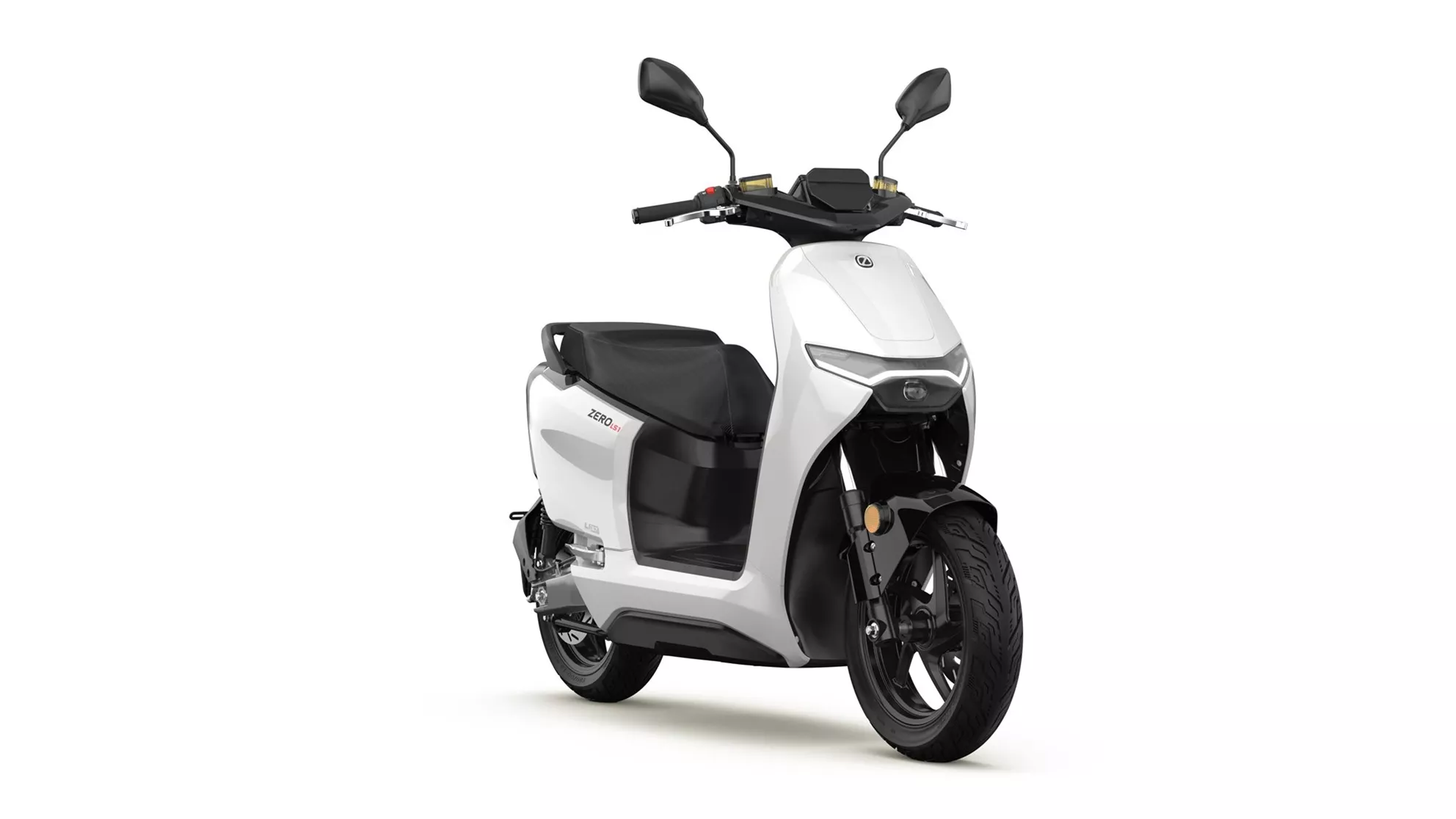
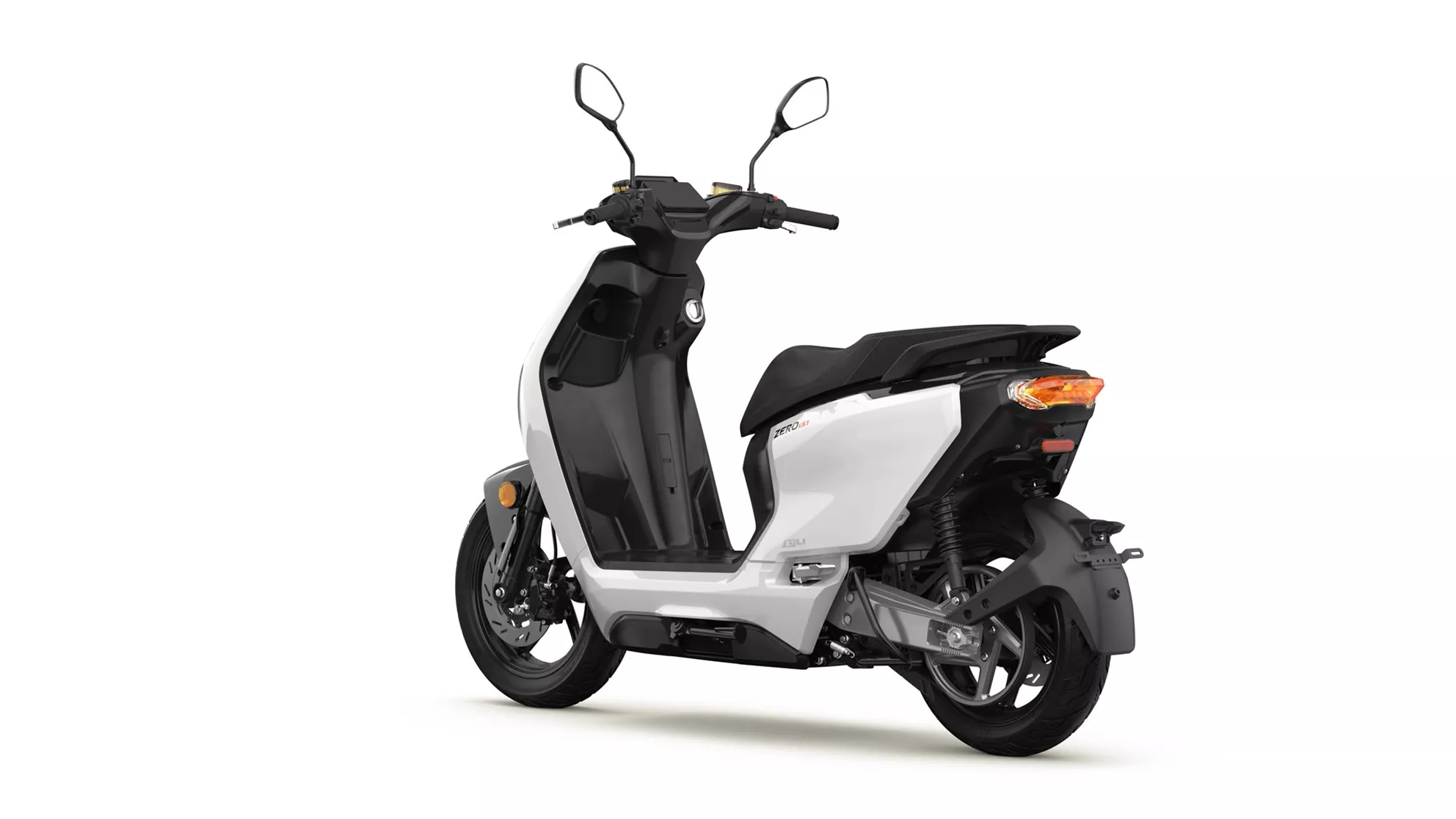
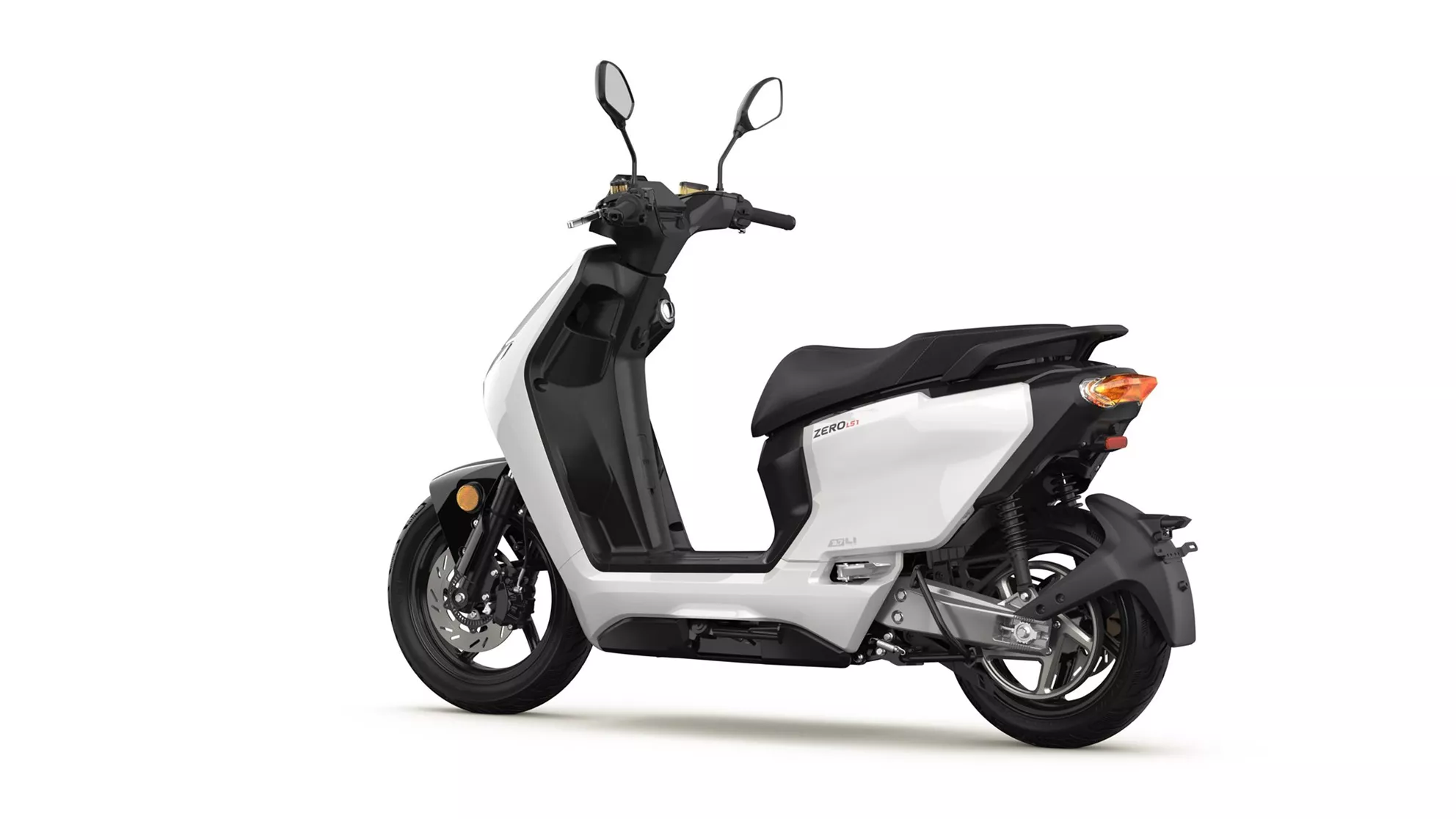
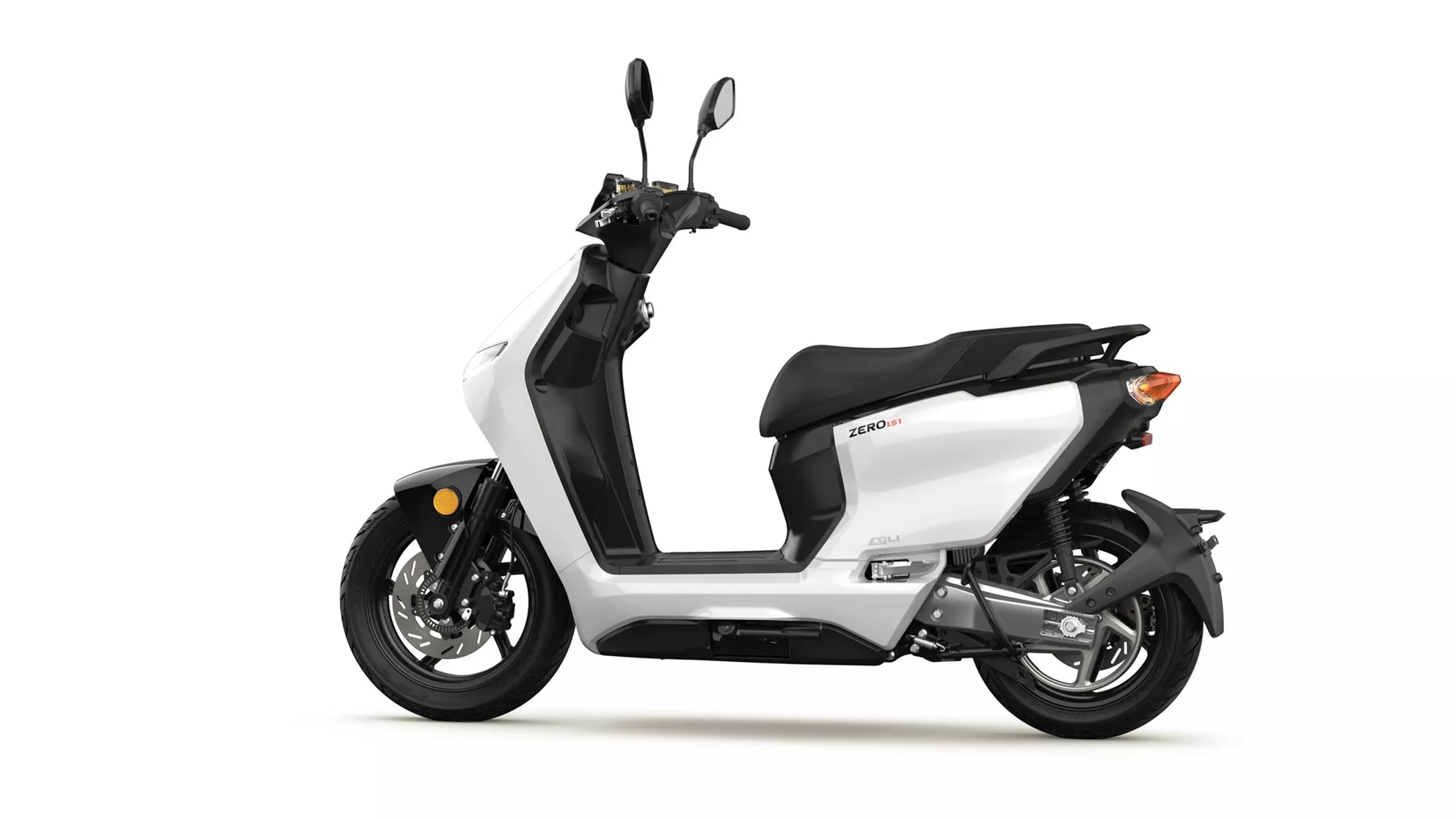
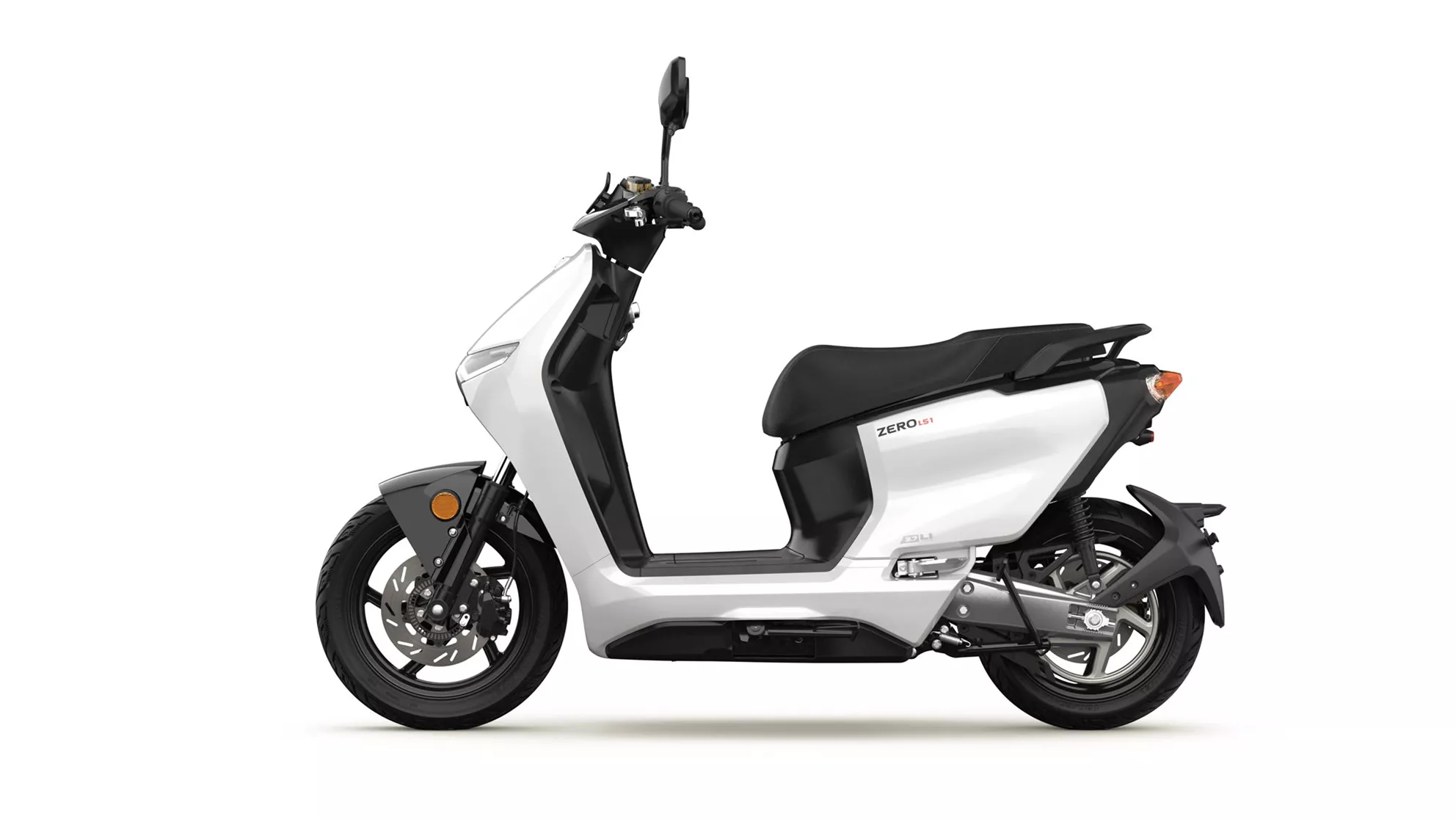
Two powerful electric scooters, a clear showdown in the A1 class: The new Zero LS1 takes on the smart NIU NQiX 500. Which rides better, which is more practical for everyday use, and does NIU still hold the benchmark title? This in-depth comparison highlights the differences.
&width=72&height=72&bgcolor=rgba_39_42_44_0&mode=crop "Author: Der Horvath")
Der Horvath
published on 5/5/2026
15,283 Views
The NIU NQiX 500 Set the Standard in 2025
That's precisely why the NQiX 500 still stands as one of the best electric scooters on the market for me—perhaps even the benchmark in the A1 category. However, the Zero LS1 has now emerged as a direct competitor, operating in the same license class and boasting very similar specs. So, the intriguing question of this comparison is: Can the Zero LS1 truly match up to the NIU NQiX 500, or does NIU continue to set the standard among electric A1 scooters?
A1 Class Electric Scooters – Pricing
Both scooters fall into the electric A1 class, making them accessible with the B111 license in Austria and the B196 add-on in Germany. They fit perfectly into the category that is particularly appealing to commuters and those transitioning from traditional 125cc bikes. However, there's a clear price difference between the two. The Zero LS1 is priced at €5,186 in Germany, €5,230 in Austria, and 4,600 CHF in Switzerland, noticeably higher than the NIU NQiX 500, which starts at €4,499. This makes the NIU the more budget-friendly entry into the electric A1 category in this comparison.
Why this price difference is so pronounced can't be definitively answered from the outside. However, a likely assumption is that NIU benefits from its extensive experience in the electric scooter segment. The brand has been building electric two-wheelers for years, produces in larger volumes, and likely utilizes many components across several model lines. Such economies of scale generally help keep costs down.

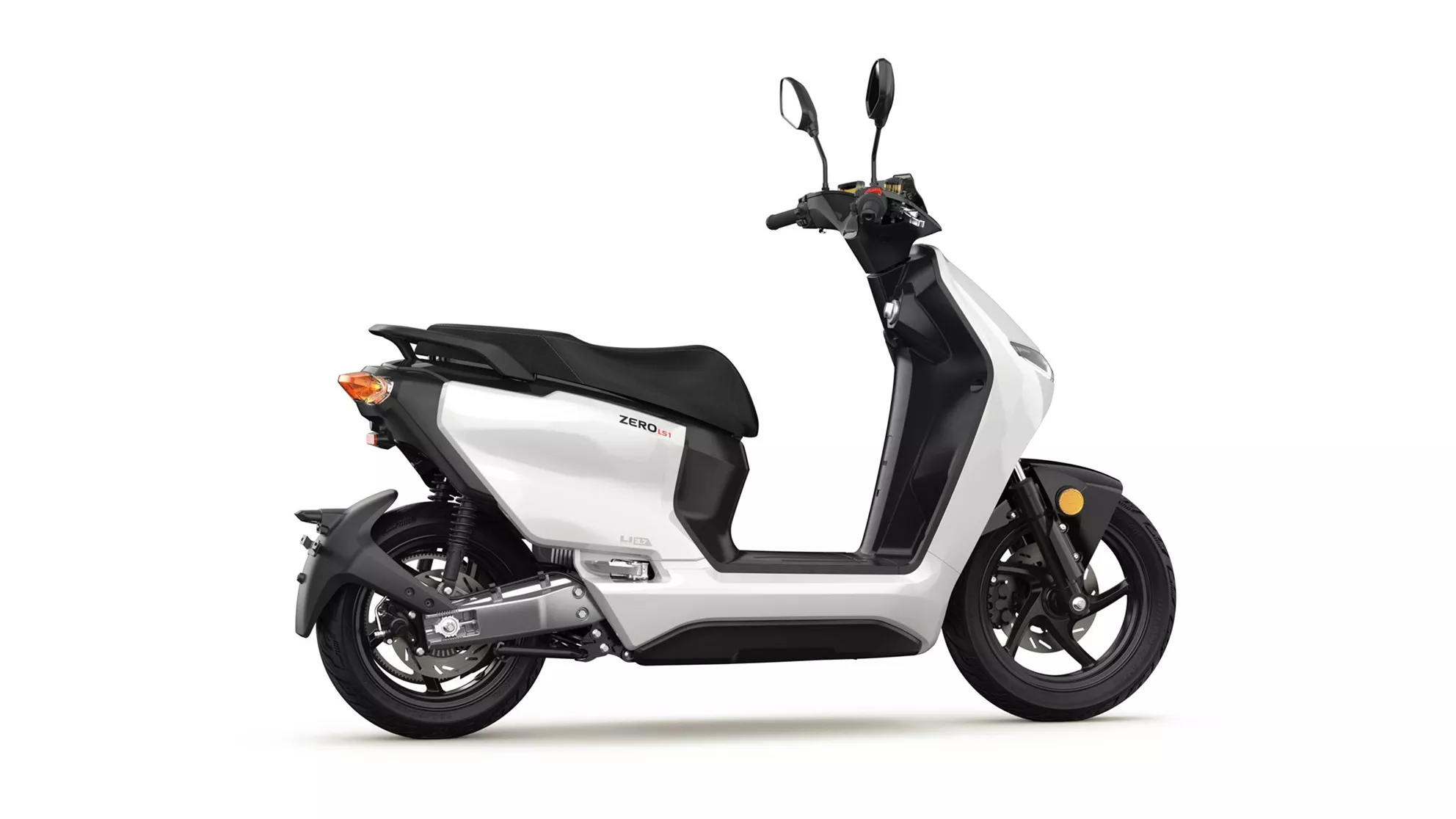
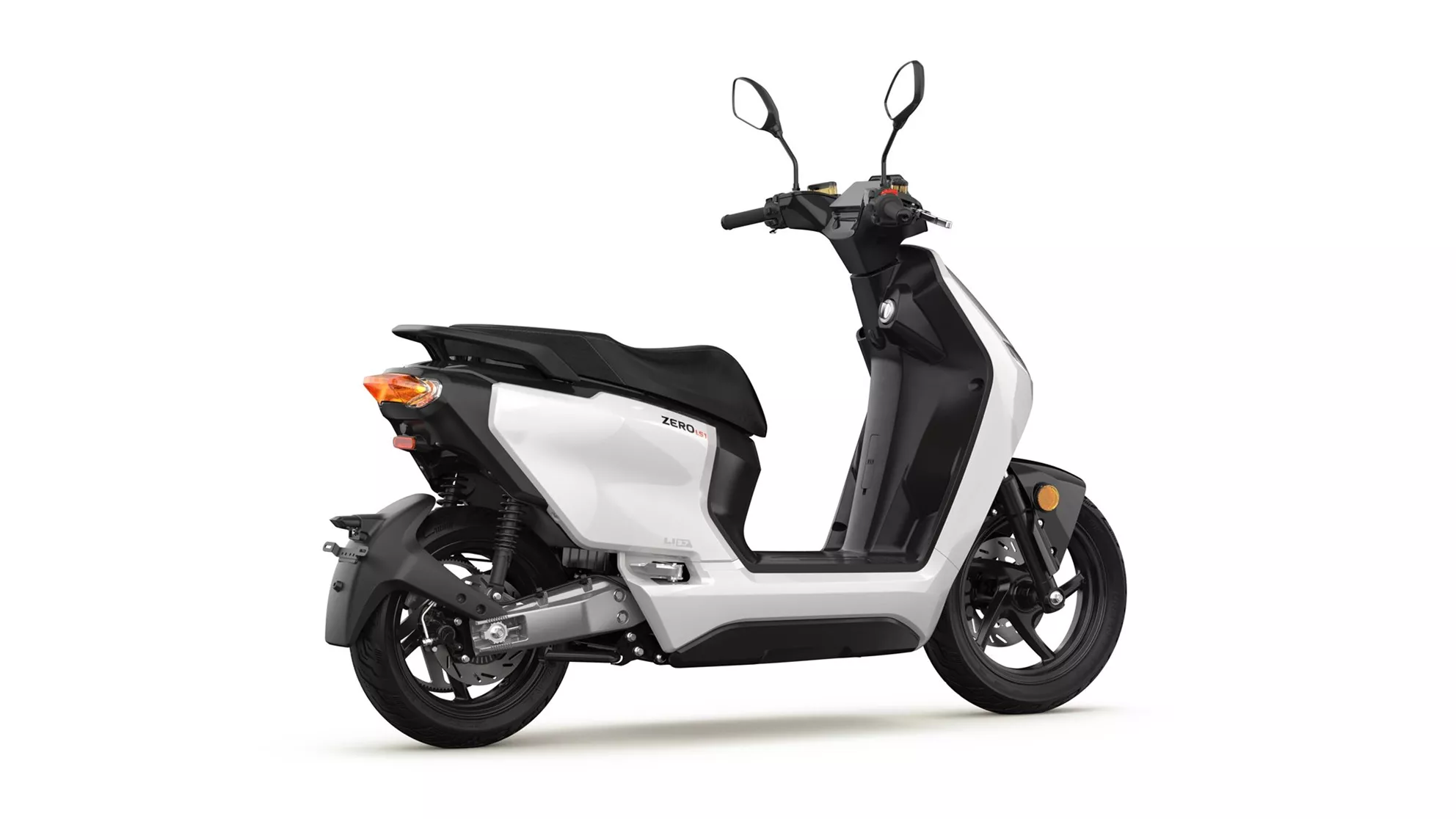
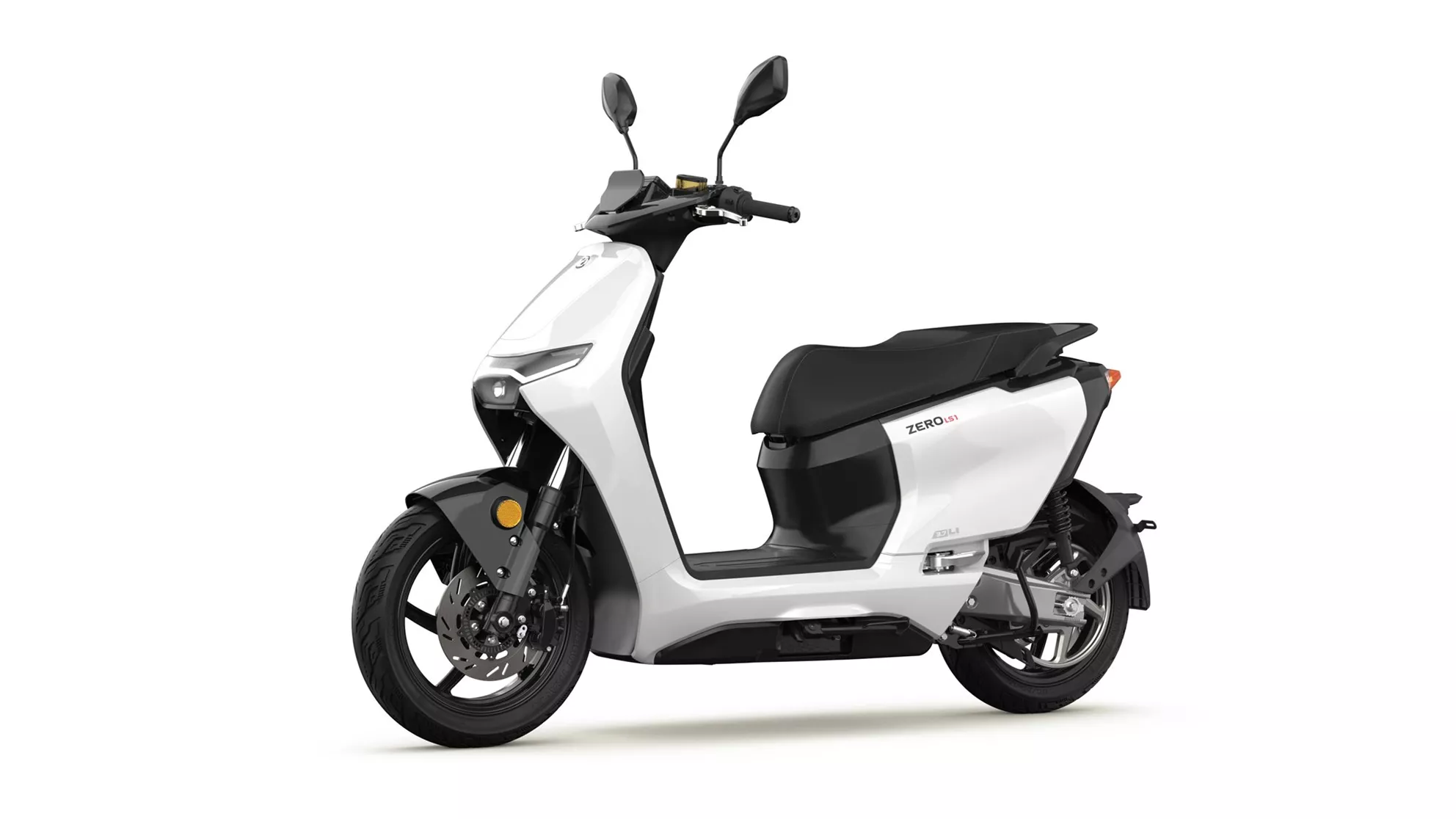
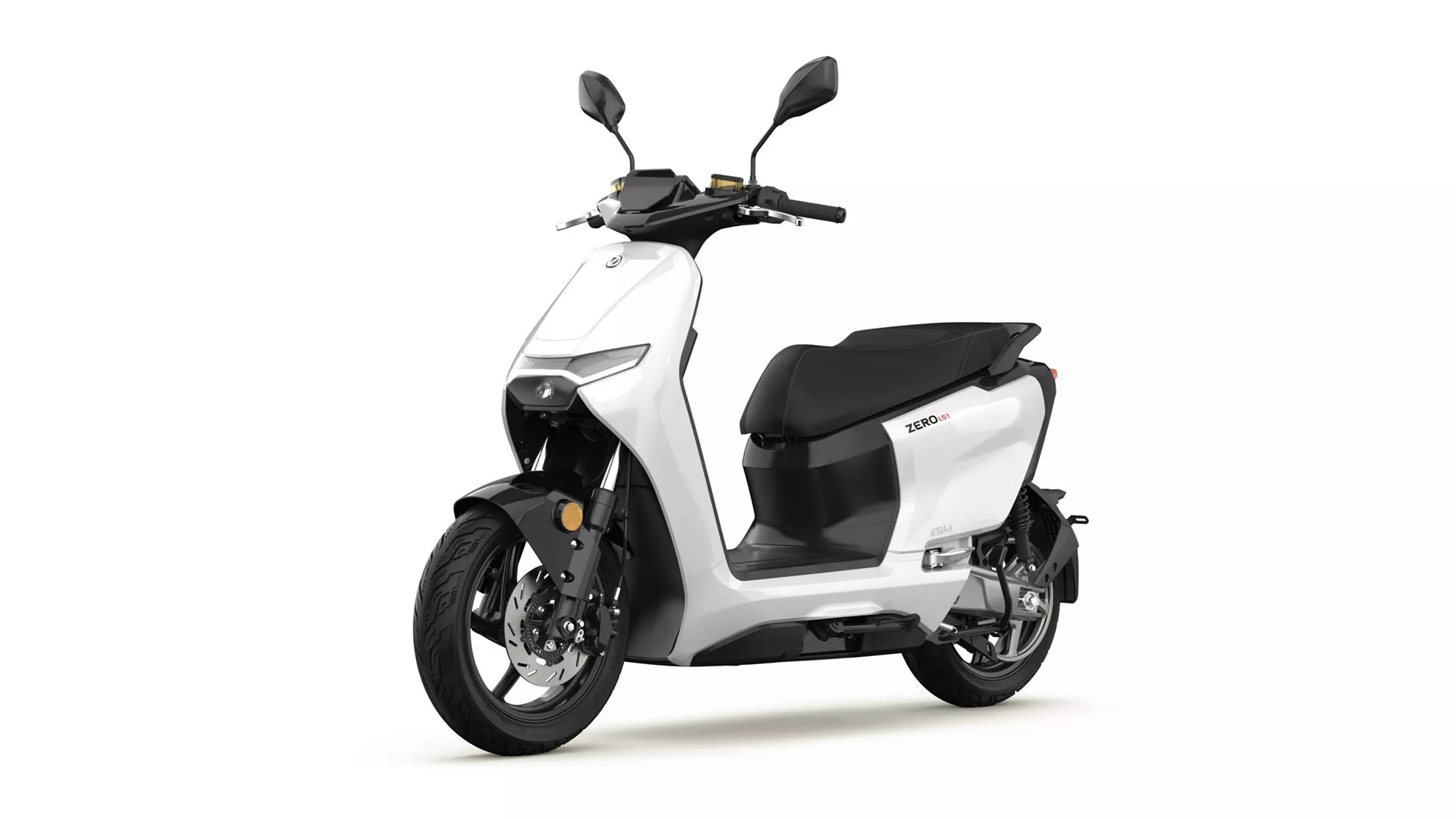
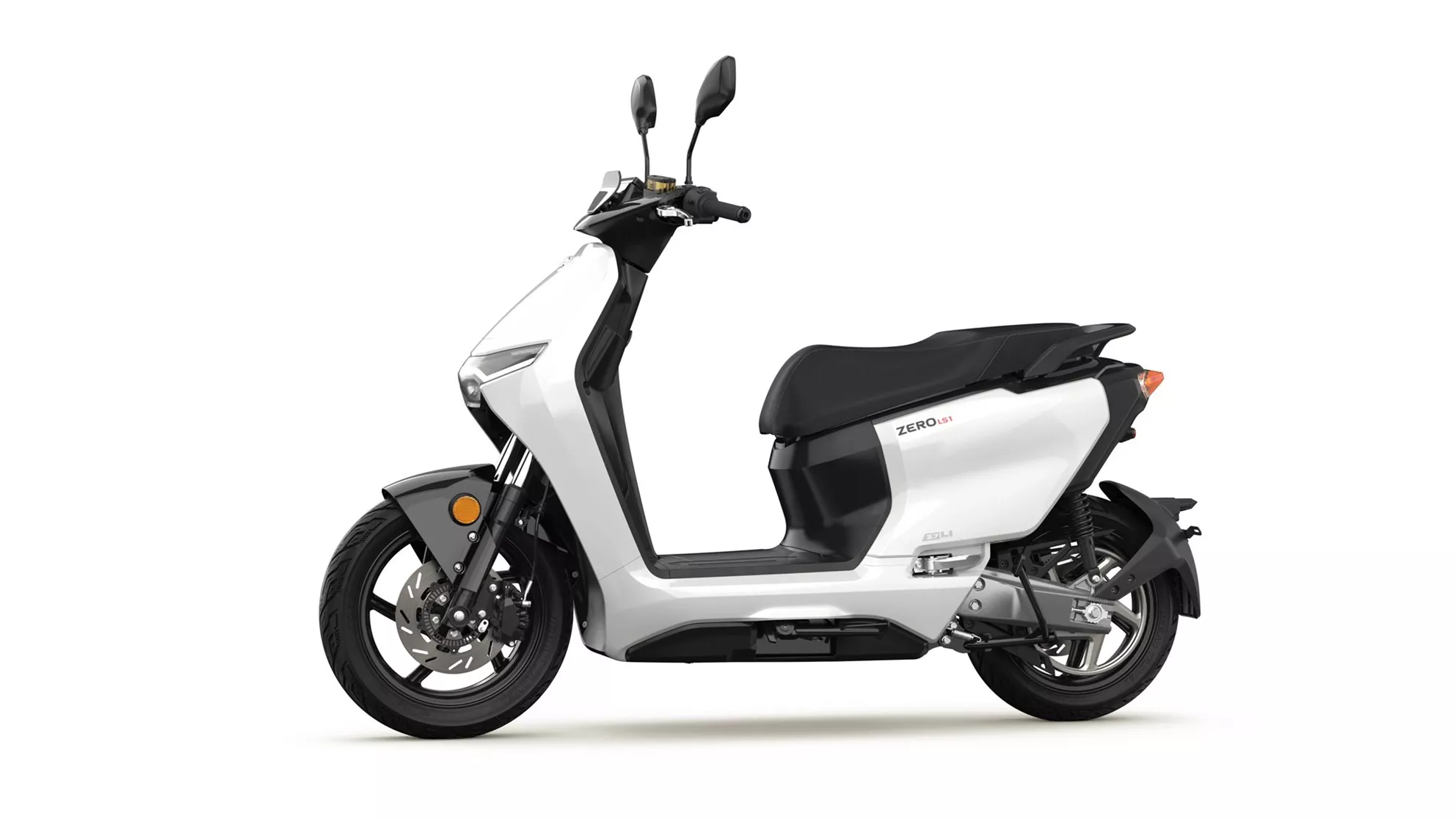
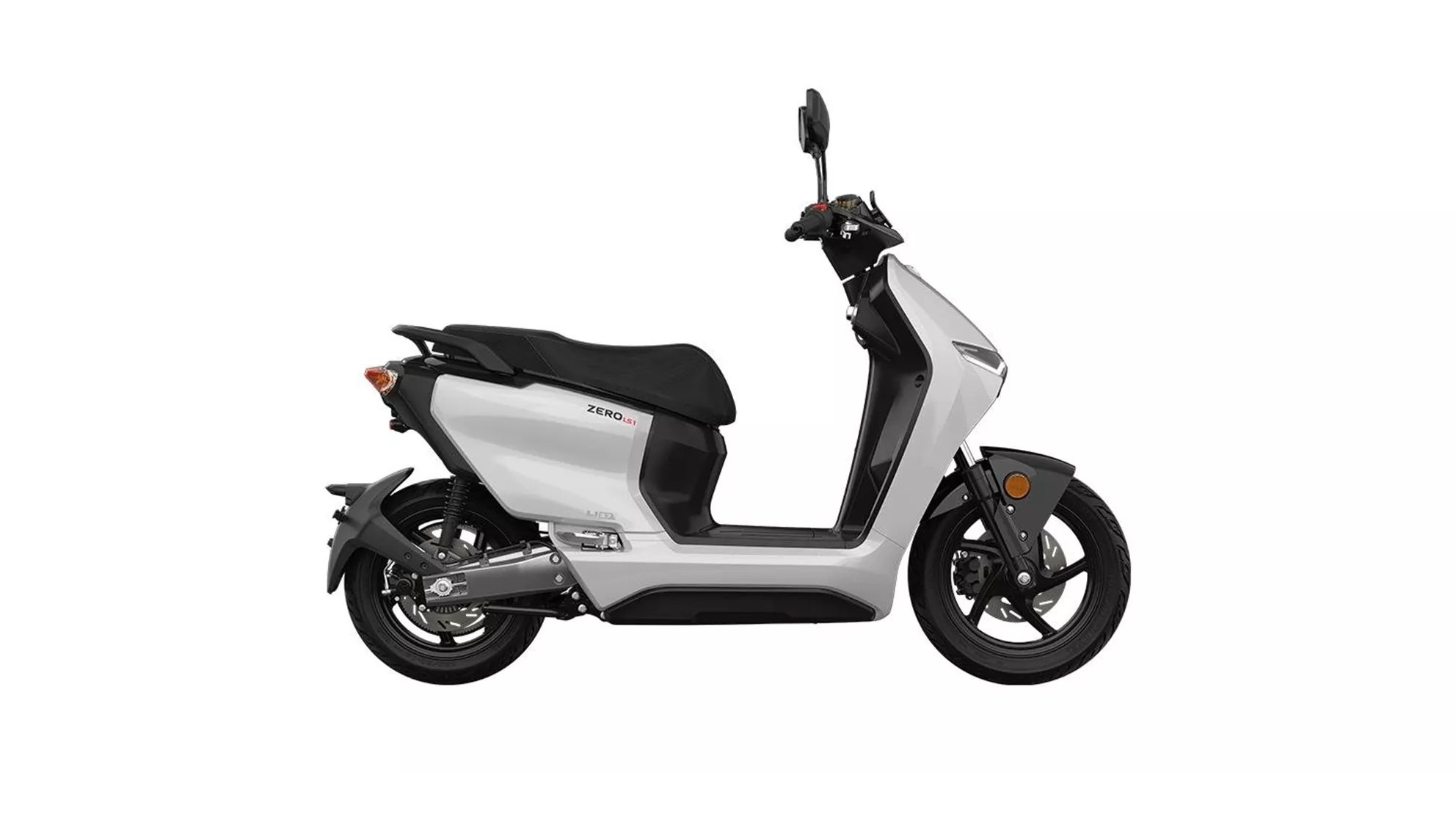
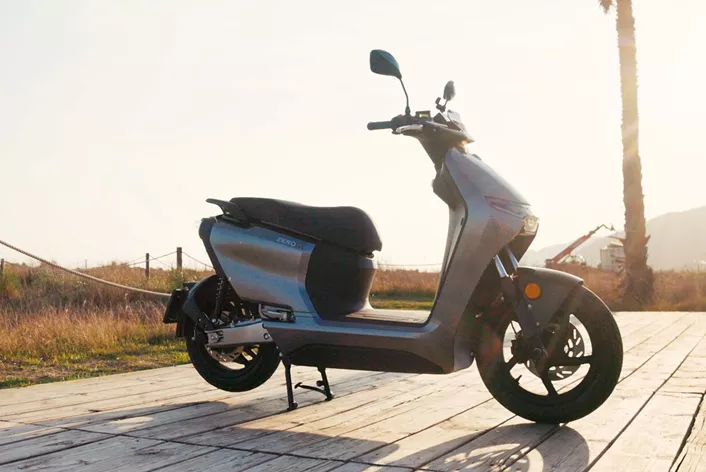
The LS1 is Zero's first electric scooter.
At Zero, the situation is somewhat different. The LS1 is the brand's first electric scooter, and it stands to reason that significantly more development effort has gone into creating an entirely new vehicle. It stands to reason that fewer shared parts, lower production volumes, and a new platform could at least partially explain the higher price. While this may not be definitively proven as the main reason, it certainly seems plausible.
Technology: 5 kW Rated Power, around 9 kW Peak Power, 240 Nm Torque
Technically, the Zero LS1 and NIU NQiX 500 appear very similar at first glance. Both deliver 5 kW of rated power and around 9 kW of peak power, along with 240 Nm of torque at the rear wheel. The spec sheet clearly shows that these two electric scooters are positioned quite similarly against each other.
In terms of range, Zero promises 112 km in the city and 110 km for commuting, while the NIU is listed at 90 to 100 km according to the spec sheet. The Zero's battery offers a maximum capacity of 4.4 kWh, with 3.7 kWh usable, whereas the NIU comes with 4032 Wh, approximately 4.0 kWh. On paper, the specs put them very close to each other. This impression largely holds true in practice. Both scooters move confidently from a standstill, accelerate with enough power for city traffic, and allow adjustments in power delivery, throttle response, and top speed through various ride modes to suit different uses.

In terms of technology and battery size, the scooters are evenly matched.
While riding, there are no significant differences in pure power delivery. Neither scooter feels clearly superior to the other in an urban setting. Both do exactly what you'd expect from an electric scooter in this class: they accelerate powerfully enough, appear practical for everyday use, and handle city traffic with absolute confidence.
NIU Scores with Power-Boost
Only at higher speeds does a more noticeable difference emerge. The NIU NQiX 500 has the advantage here, reaching about 105 km/h in sport mode and can temporarily accelerate to around 120 km/h with the Power-Boost button. This noticeably impacts the range, but it provides reserves for quick overtakes or when you need a bit more buffer on faster routes.

Higher Top Speed Available on the NIU.
The Zero LS1 doesn't offer such an additional feature, but it does accelerate to a speedometer reading of about 110 km/h without an extra button. That's absolutely sufficient for an electric scooter in this class. And honestly, anyone riding sensibly with such a vehicle will seldom drive at the limit for extended periods, as the range of electric scooters significantly suffers at consistently high speeds.
Motor: Hub Motor vs. Mid-Mounted Motor
When it comes to the drive concept, the paths of these two scooters diverge quite clearly. The NIU NQiX 500 utilizes a classic hub motor. This has the well-known advantage of the motor being directly mounted on the rear wheel, delivering power without detours. This setup practically eliminates losses through belts or other additional components, resulting in a very direct drive and a comparatively straightforward engineering solution.
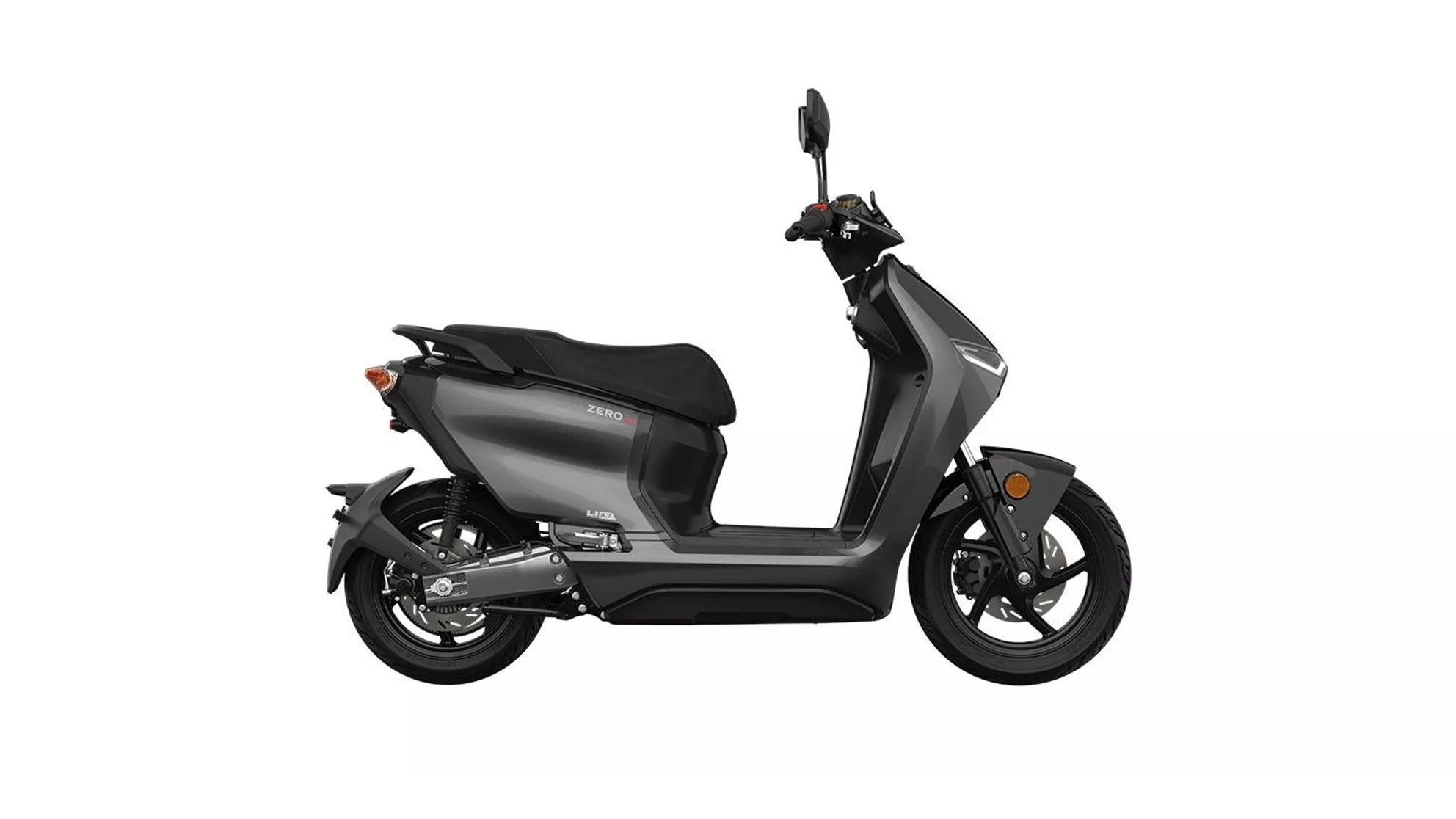
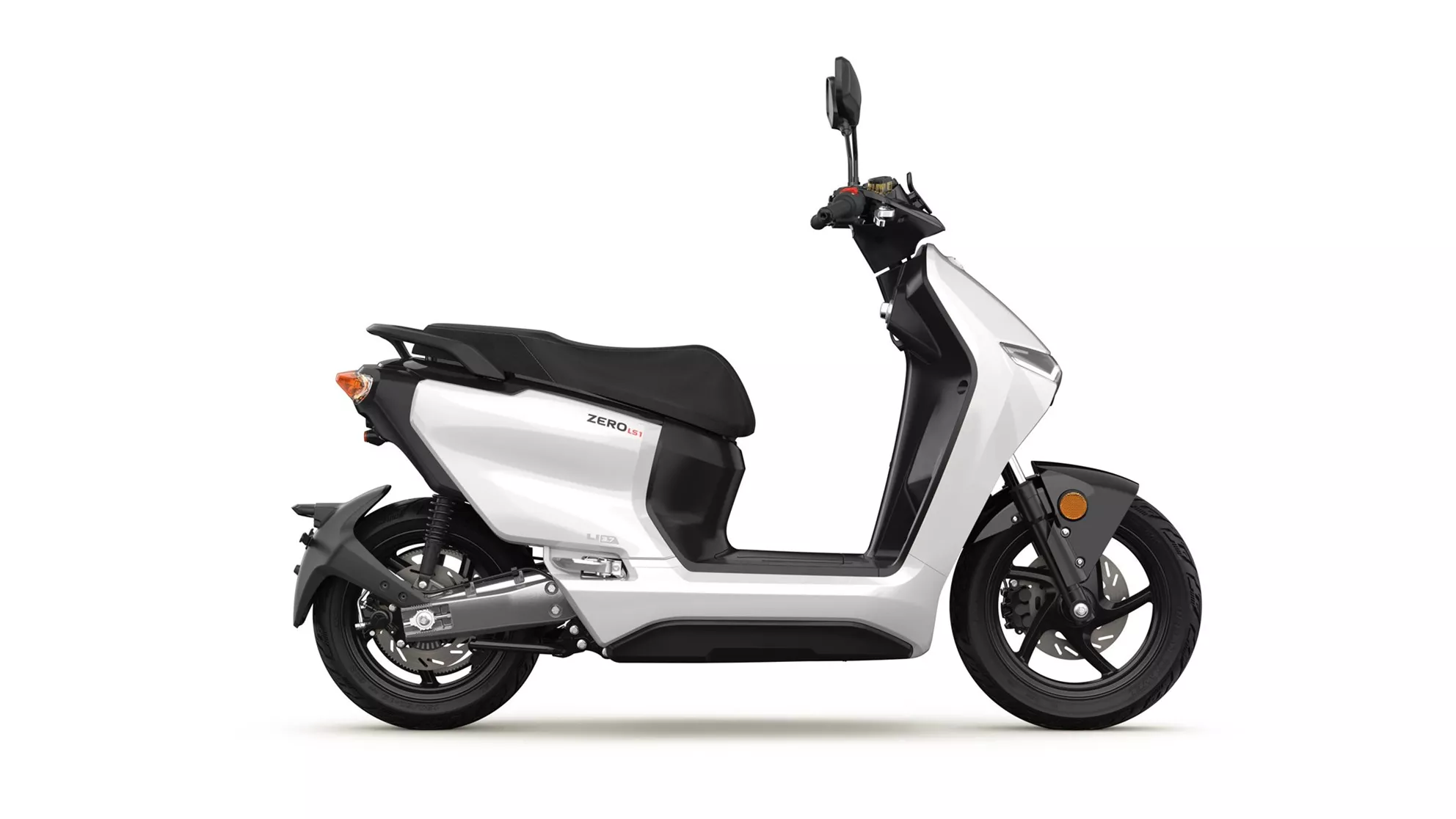
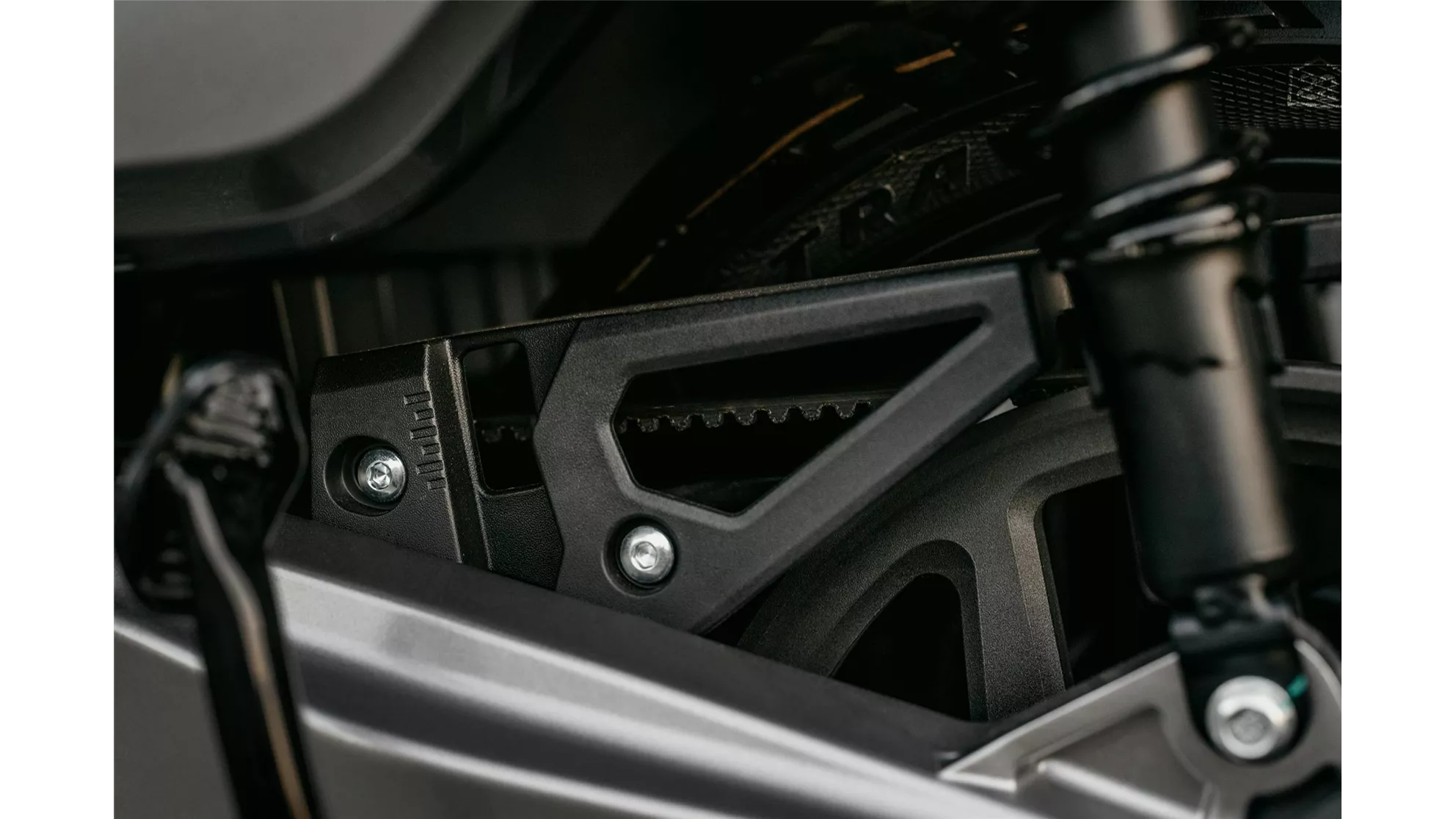
The Zero LS1 takes a different approach, employing a mid-mounted motor that transfers power to the rear wheel via a belt. Technically, this doesn't automatically sound like an advantage, but in practice, this layout offers a significant benefit: mass centralization is markedly improved. With both scooters having their batteries under the footboard and the Zero additionally positioning its motor centrally within the vehicle, the overall concept feels particularly well-balanced.
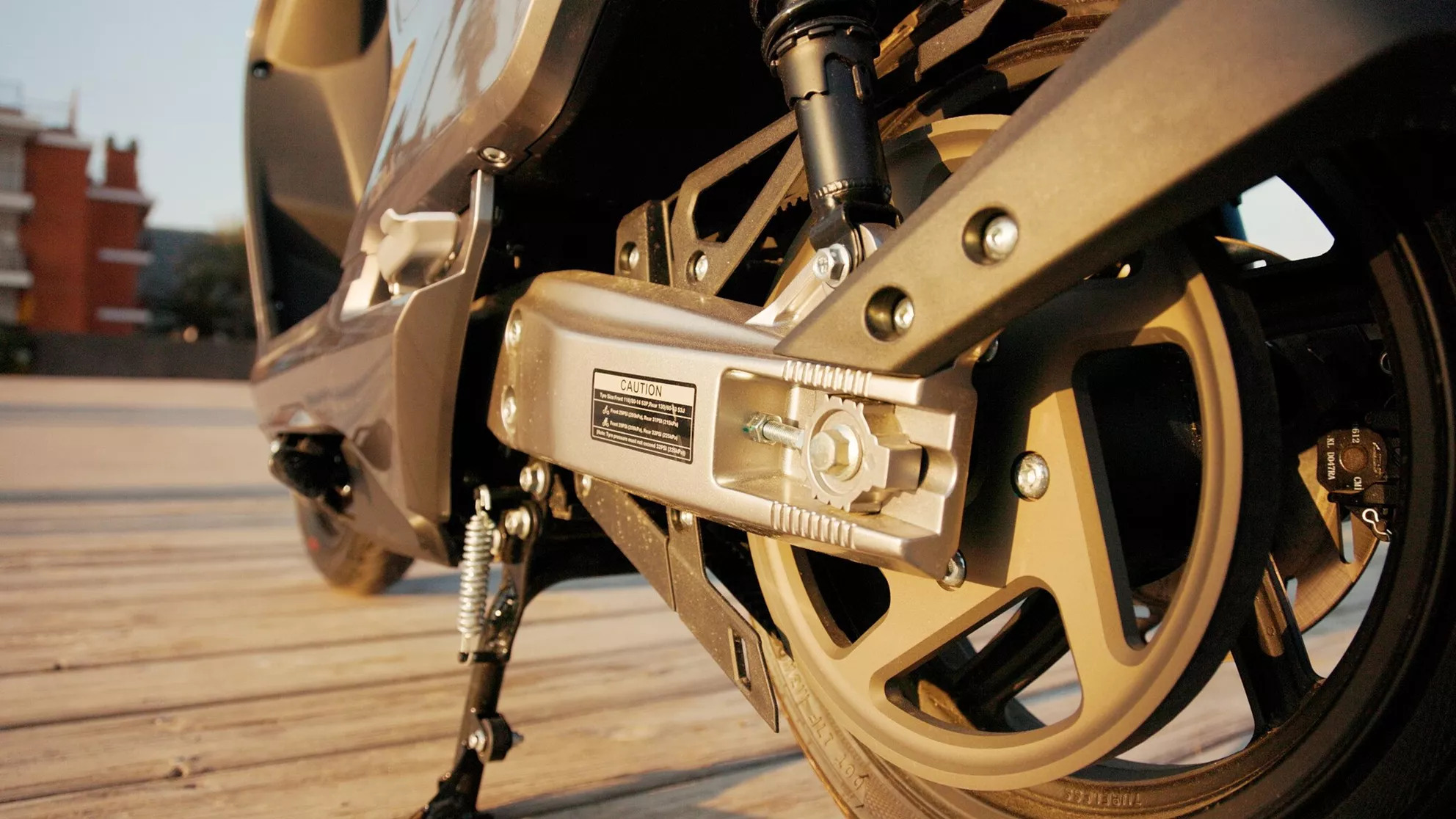
Classic Belt Drive.
And you can really feel this when riding. The Zero handles exceptionally harmoniously on the road, feels stable, and remains composed even at very low speeds. This confident and smooth handling is noticeable not only on highways at higher speeds but also in the city, when moving slowly, maneuvering, or navigating through traffic. In terms of handling, the Zero definitely offers a real advantage over the NIU.
The NIU also rides smoothly and comfortably, but due to its weight distribution and hub motor, it doesn't feel as finely balanced as the Zero. This doesn't mean that the NIU is poor in terms of ride dynamics—quite the opposite—but when it comes purely to handling and active stability, the Zero has the edge.
Batteries Under the Footboard – How is it Solved?
In terms of battery placement, Zero and NIU employ two similar solutions, each with its own set of pros and cons. Both scooters have their batteries located under the footboard, which helps keep the center of gravity low, generally benefiting the handling. However, the concepts differ notably in detail.
The Solution at Zero.
In the NIU NQiX 500, the two batteries are located under a panel in the footboard area. This is opened via the ignition dial, allowing the cover to be completely removed from the vehicle. The major advantage of this solution is the large opening, providing ample space to remove or insert the batteries. This is particularly practical in everyday use, especially when handling the somewhat heavy batteries. However, the panel itself on the NIU is less impressive.

Reattaching the panel quickly requires practice.
While it’s easy to remove, reattaching the panel can be a bit fiddly. Ensuring the cover sits properly and closes correctly requires a certain level of finesse. Thus, this solution doesn't come off as particularly intuitive. On the plus side, the batteries can be charged directly in the vehicle if desired.
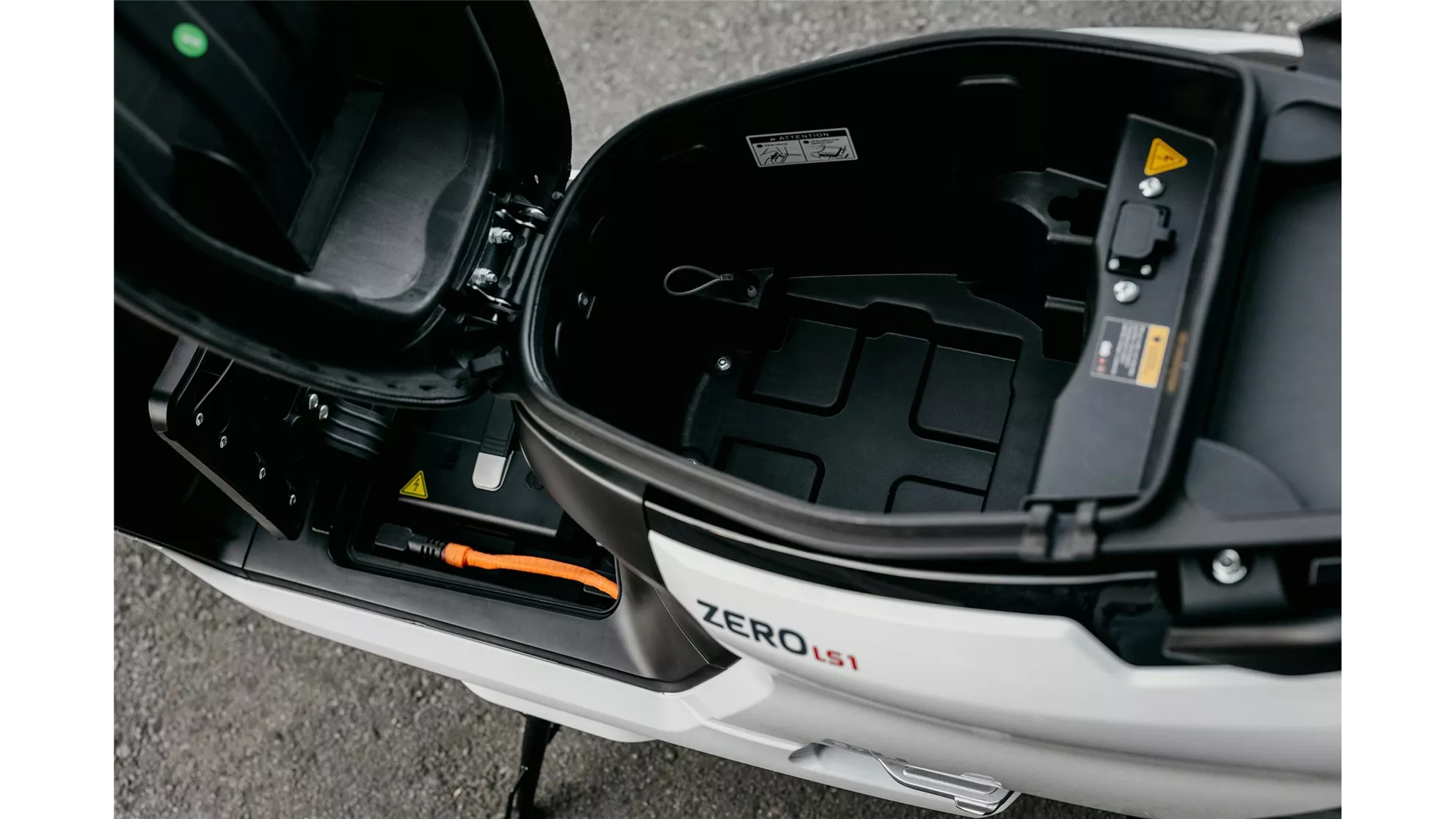
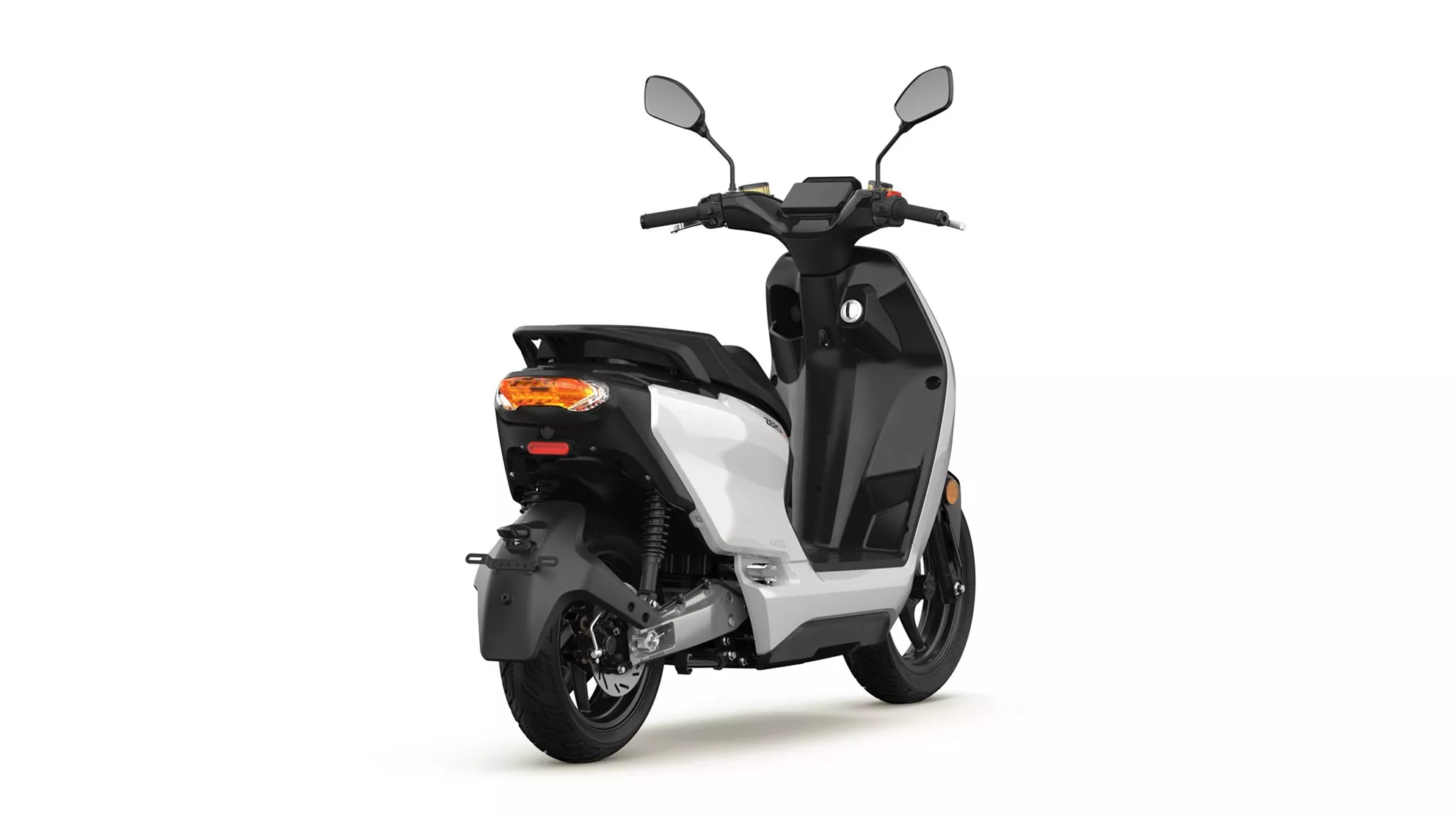
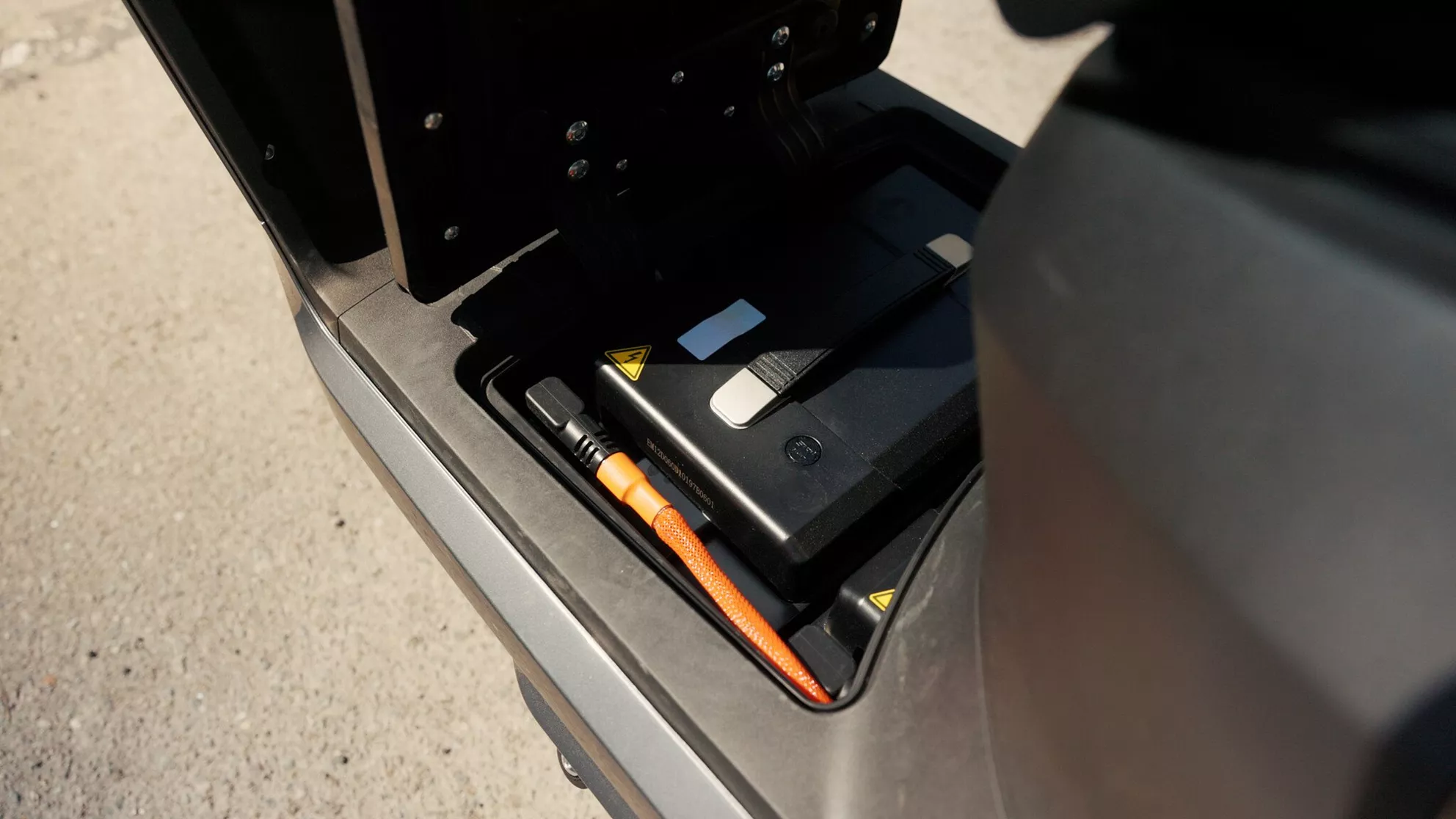
In the Zero LS1, the batteries are also located under the footboard, but the access solution is implemented differently. Here, the panel is unlatched via a tab in the storage compartment. Pulling the tab opens a spring-loaded panel, which gives a noticeably more premium and elegant impression in everyday use. The whole system feels noticeably more upscale than the NIU and initially offers a more user-friendly operation.

Simple and Functional: The Access Solution at Zero.
The downside, however, is the opening itself: it's smaller on the Zero compared to the NIU. This makes removing and inserting the batteries a bit more fiddly. On the positive side, the batteries in the Zero can also be charged directly in the vehicle, which certainly simplifies daily use.
- How much does a NIU NQiX 500 cost?
- Here you will find an overview of the price level of new and used motorbikes!
Zero and NIU from 2026: Third Battery Option Available
It's also noteworthy that both scooters can optionally be equipped with a third battery. This option was available from the outset for the Zero LS1, and for the NIU NQiX 500, it's available from the 2026 model year. In both cases, the additional battery is located under the seat. The advantage is clear: those who regularly travel longer distances or simply want a bit more range reserve in everyday life will find this an interesting enhancement. Zero claims an extended range of up to 173 kilometers with the third battery. This is a real advantage, especially for commuters or users who don't limit their electric scooter use to just urban areas.

If you opt for the third battery, it is located under the seat.
However, this solution doesn't come without drawbacks. The addition of a third battery significantly reduces the storage space under the seat. Large items can no longer be stored there, leaving essentially only room for small items alongside the extra energy storage.
Electric Scooters with Ample Storage: NIU NQiX and Zero LS1
In terms of storage, both electric scooters prove to be practical for everyday use, though there are small differences in detail. Both vehicles feature an open glove compartment at the front. However, on the Zero LS1, this compartment is rather shallow. It's fine for small items when stationary, but during a ride, you'd be hesitant to carry anything loose there due to the risk of items falling out over bumps. In contrast, the open glove compartment on the NIU NQiX 500 is also non-lockable but is deeper, allowing items to sit more securely and be better protected against accidental ejection.

Without the third battery, both scooters offer plenty of storage space!
The storage topic is, of course, particularly important under the seat. For both scooters, if a third battery isn't installed, there's a large storage compartment available. Each compartment can accommodate a helmet, which is a genuine advantage in everyday use. Additionally, the storage spaces are sensibly designed. Instead of cramped or poorly usable compartments, both scooters offer a wide, easily accessible storage area that is genuinely practical.
Overall, this aspect is fairly balanced. The NIU has slight advantages with its open glove compartment, but both scooters offer highly practical storage spaces that are absolutely convincing for everyday use.
Technical Solutions Compress Ergonomics
In terms of ergonomics, both scooters face a similar fundamental issue, with the NIU NQiX 500 handling it slightly better in everyday use compared to the Zero LS1. The reason in both cases lies with the batteries under the footboard. This design offers dynamic riding advantages by keeping the center of gravity low, but it also results in higher footboards than those found in traditional combustion scooters.
The result: The feet are positioned higher, the knees move further up, and the overall seating feel becomes more compact. This is relatively well addressed in the NIU because the taller seat provides a bit more knee room. The seat height here is 810 millimeters, compared to 780 millimeters on the Zero. However, the NIU is not entirely free from restrictions, as during a full turn of the handlebars, the legs can come into contact with the handlebars.
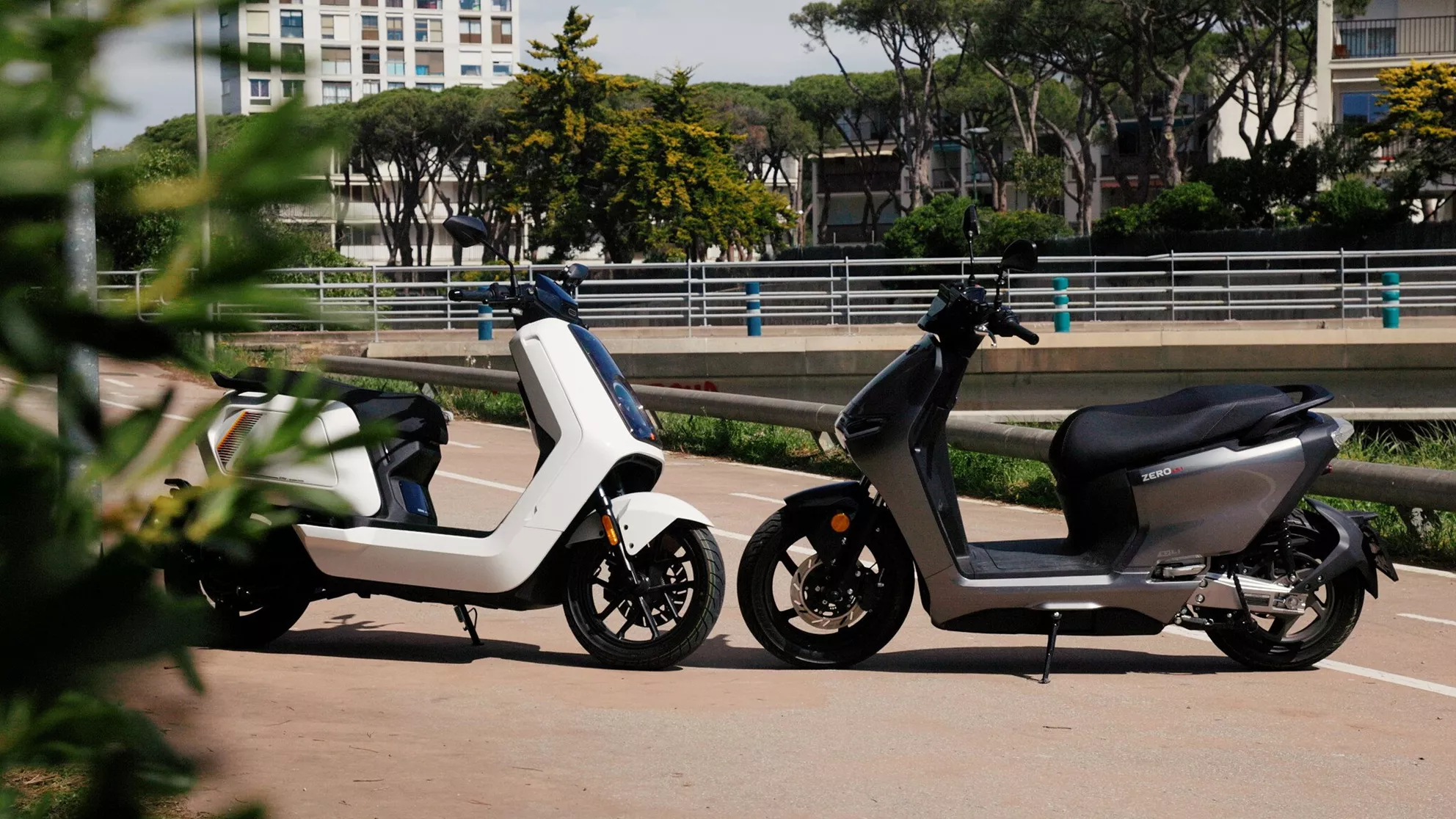
Both scooters suffer from excessively high footboards.
On the Zero LS1, this issue becomes more noticeable while riding. The lower seat height makes the seating triangle feel tighter overall, which makes the scooter ergonomically less relaxed. Even at 1.75 meters tall, you might feel almost too big on the Zero. There's a lack of spaciousness, which becomes apparent, especially in urban traffic or during frequent maneuvering.
The solution probably wouldn't be very complicated: a slightly more padded or higher built seat could significantly help the Zero. Perhaps this is something Zero might improve in a future update. As it stands now: both scooters struggle with the high footboard line ergonomically, but the NIU handles this issue slightly better.
Display, Controls, and Connectivity
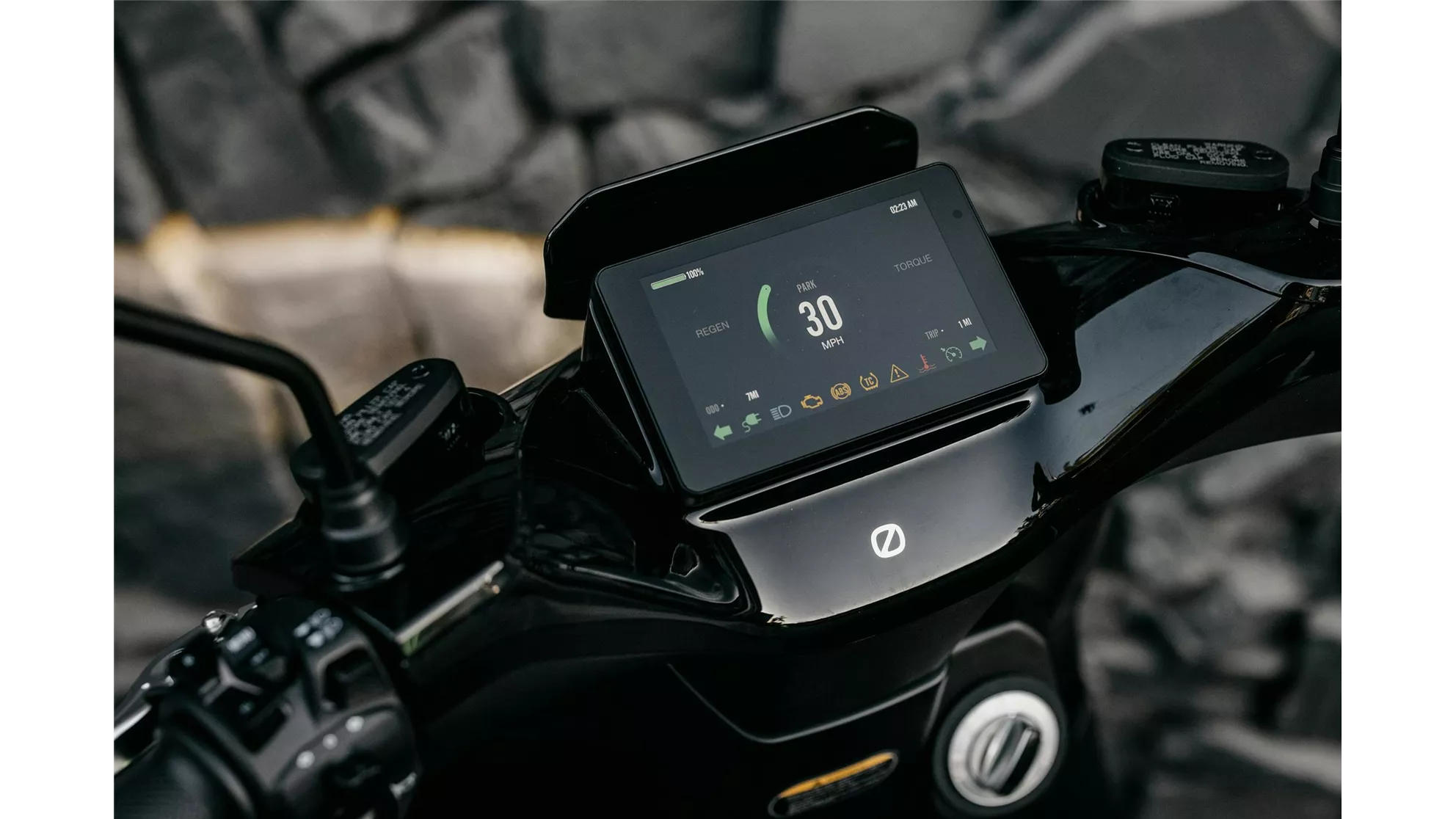
When it comes to display, controls, and connectivity, Zero and NIU take very different approaches. The Zero LS1 appears more conservative in this area. The display is simple, and while the handlebar switch controls work, they can feel somewhat more tedious. This can be seen positively: Zero focuses on the essentials. The most important information, such as speed, range, and regeneration, is displayed, but not much more. This obviously has its advantages. You're hardly distracted while riding, and in everyday life, you often don't need much more than these basic details. However, the biggest criticism of the Zero display is its dim screen. You would wish to increase the brightness, but that option isn't available.
In contrast, the NIU NQiX 500 presents a noticeably more modern approach. Even the app connectivity is excellently implemented. The vehicle can be easily connected to the NIU app, and many settings can be adjusted directly through the app. This works very well in everyday life, providing the rider with significantly more options to tailor the scooter to personal preferences.
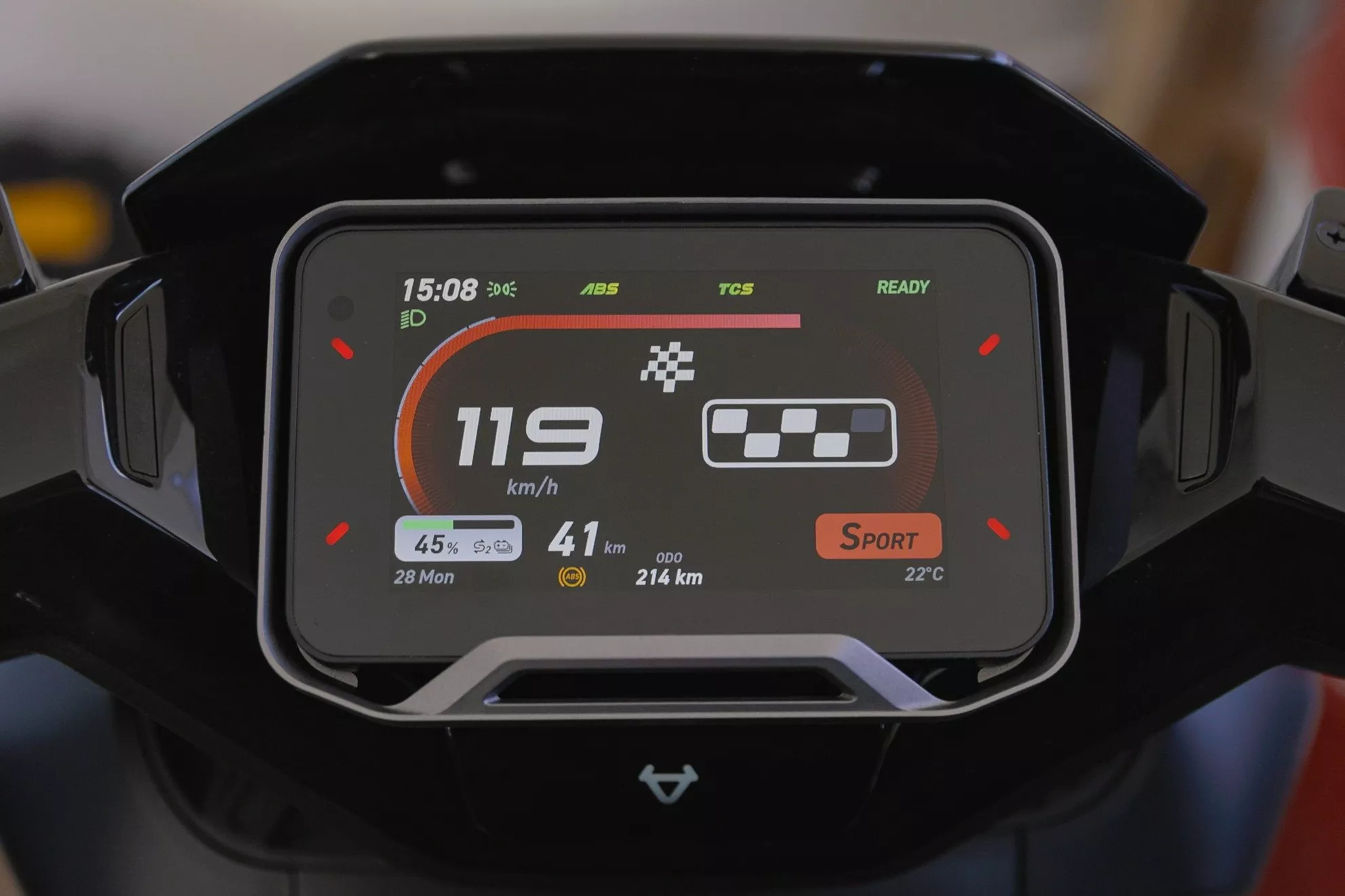
Smart, easy to read, and feature-rich: NIU leads with its display.
The display itself also provides more information and appears more modern overall. NIU employs a 5-inch TFT color display, and it includes Bluetooth, OTA updates, Smart Lock, and even turn-by-turn navigation with the 2026 update. Overall, the NIU system is simply more playful, versatile, and technically sophisticated. It's evident that NIU showed more boldness on the software side and extracted more from the scooter than Zero did. This makes the NQiX 500 appear clearly more contemporary in this aspect.
Living with the Scooters: Charging and Everyday Use
In everyday use, the Zero LS1 and NIU NQiX 500 differ less than individual chapters might suggest. Both scooters offer a practical battery concept, as the batteries in both models can be removed or charged directly in the vehicle.
The charging times are also suitable for everyday use: The Zero LS1 charges from 20 to 80 percent in 2.8 hours and from 0 to 90 percent in 4.5 hours as standard, with optional fast charging reducing these times to 1.6 hours and 2.6 hours, respectively. The NIU NQiX 500 charges in 3 hours with one battery and 6 hours with two batteries, with fast charging also available. This clearly shows that both concepts are designed for daily use, making life with an electric scooter pleasantly uncomplicated.
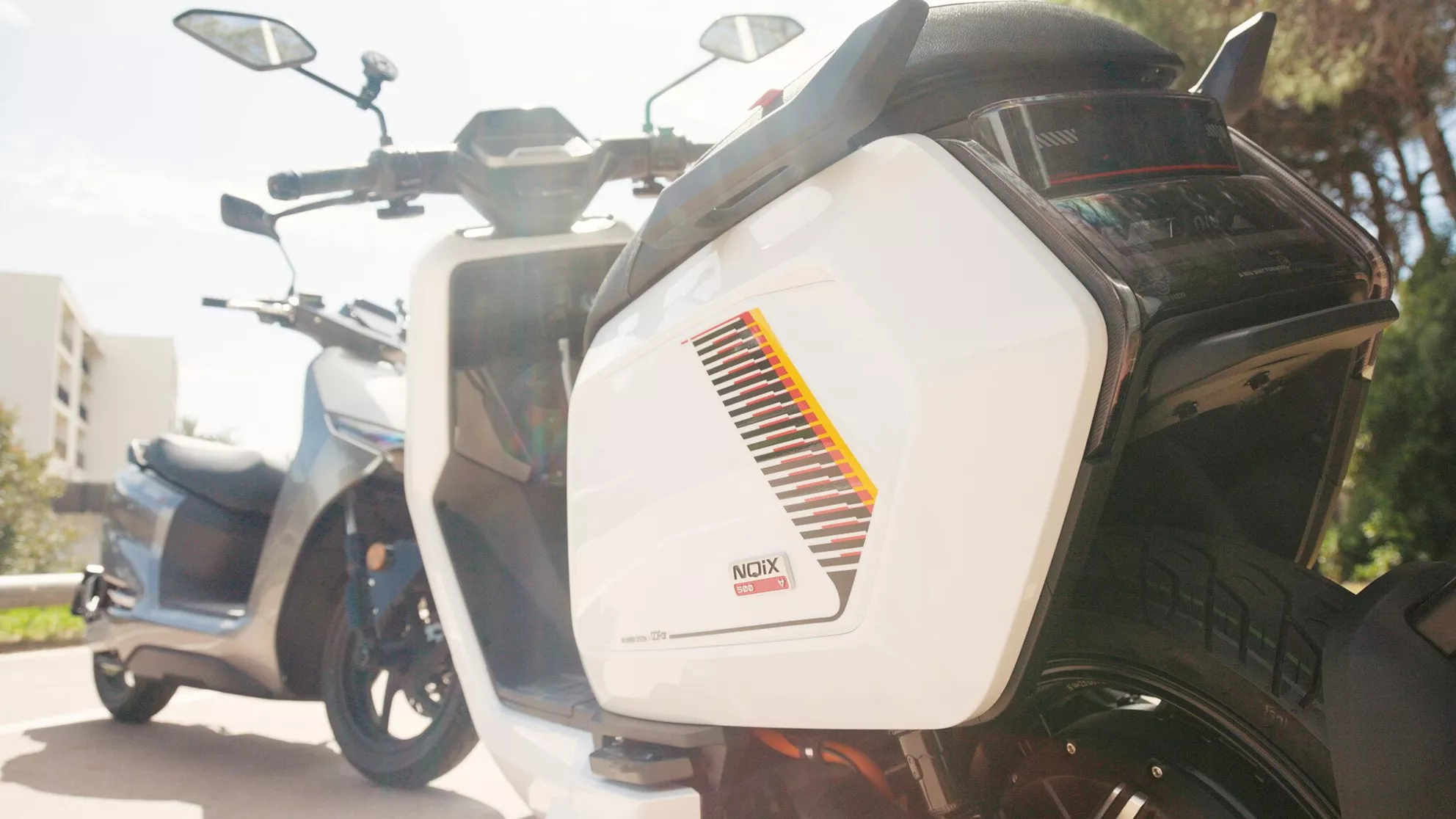
In terms of character, the two vehicles clearly head in different directions. The Zero LS1 is more of the sporty scooter. It holds the road very well, rides precisely, feels harmonious, and carves cleanly through corners. At the same time, it maintains a more old-school demeanor. It's not playful, doesn't push itself into the spotlight, and doesn't make itself constantly heard. The Zero is more of the calm, elegant, and understated electric scooter—one that looks good, remains pleasantly unobtrusive in the streetscape, and simply gets the job done.
The NIU NQiX 500, on the other hand, is the more extroverted counterpart. It appears more modern, playful, and at times almost a bit quirky. It provides more acoustic feedback, offers many additional settings via the app, and even allows for custom sounds or playing music through the vehicle's speaker. This makes the NIU clearly the scooter for those who appreciate smart features, customization, and a somewhat more noticeable presence.
Conclusion – Is NIU Still the Benchmark?
So, the crucial question remains: Is the NIU NQiX 500 still the benchmark in the electric A1 class?
My answer is: Yes – but not for everyone.
This comparison clearly illustrates that the two scooters differ less in terms of good or bad and more in terms of character. Those seeking a simple, elegant, and dynamically well-balanced electric scooter that doesn't constantly vie for attention with features will be very pleased with the Zero LS1. The Zero is the calmer, more reserved scooter. It operates effortlessly, exudes quality, and impresses primarily with its stable and harmonious ride.
Personally, what I appreciate most about the NIU NQiX 500 are the app functions. Normally, I'm not someone who places a lot of emphasis on app connectivity, especially with motorcycles. However, the overall package with the NIU actually makes sense. You can adjust many vehicle settings directly, use your smartphone as a key via Bluetooth, and the scooter recognizes when you approach or move away. Especially with a forward-thinking propulsion concept like electromobility, this form of connectivity fits very well into the overall picture for me—provided, of course, it works not just on paper, but also in everyday life. And that's exactly what it does with the NIU.
In other words:
The NIU NQiX 500 remains the benchmark for me because it offers the more modern, complete, and well-thought-out package for everyday use.
The Zero LS1, however, is far from a loser—it's the alternative for those who seek less digital gimmickry and more dynamic calmness and understatement in an electric scooter.
- How much does a Zero LS1 cost?
- Here you will find an overview of the price level of new and used motorbikes!
&width=60&height=60&bgcolor=rgba_39_42_44_0&mode=crop "Author: Der Horvath")
NIU NQiX 500 2026 - Experiences and Expert Review
Der Horvath
With well-designed storage, modern technology, and stable performance, the NQiX 500 meets exactly the demands urban commuters have for a two-wheeler. Particularly impressive are the cohesive control concept, the app features, and the refined ride quality. Weaknesses, such as the high footboard for taller riders, are forgivable in the overall picture.
Zero LS1 2026 - Experiences and Expert Review
Der Horvath
The Zero LS1 is a successful first entry for Zero in the electric scooter segment. Its handling is particularly impressive: with a low center of gravity, centralized mass, and precise tuning, the LS1 rides surprisingly dynamically, stably, and is even quite entertaining for an A1 scooter. It also features a clever battery concept, excellent range, and high practicality, at least with two batteries and full storage space. The scooter's weaknesses are mainly its overly dim display, less-than-ideal ergonomics for taller riders, and the somewhat fiddly battery removal. Overall, Zero brings a remarkably refined and serious electric scooter to the market, appealing especially to riders seeking a discreet, practical, and dynamically convincing electric vehicle.
More from 1000PS Magazine
Zero LS1 vs. NIU NQiX 500: Which Electric Scooter Reigns Supreme? Images
Source: 1000PS