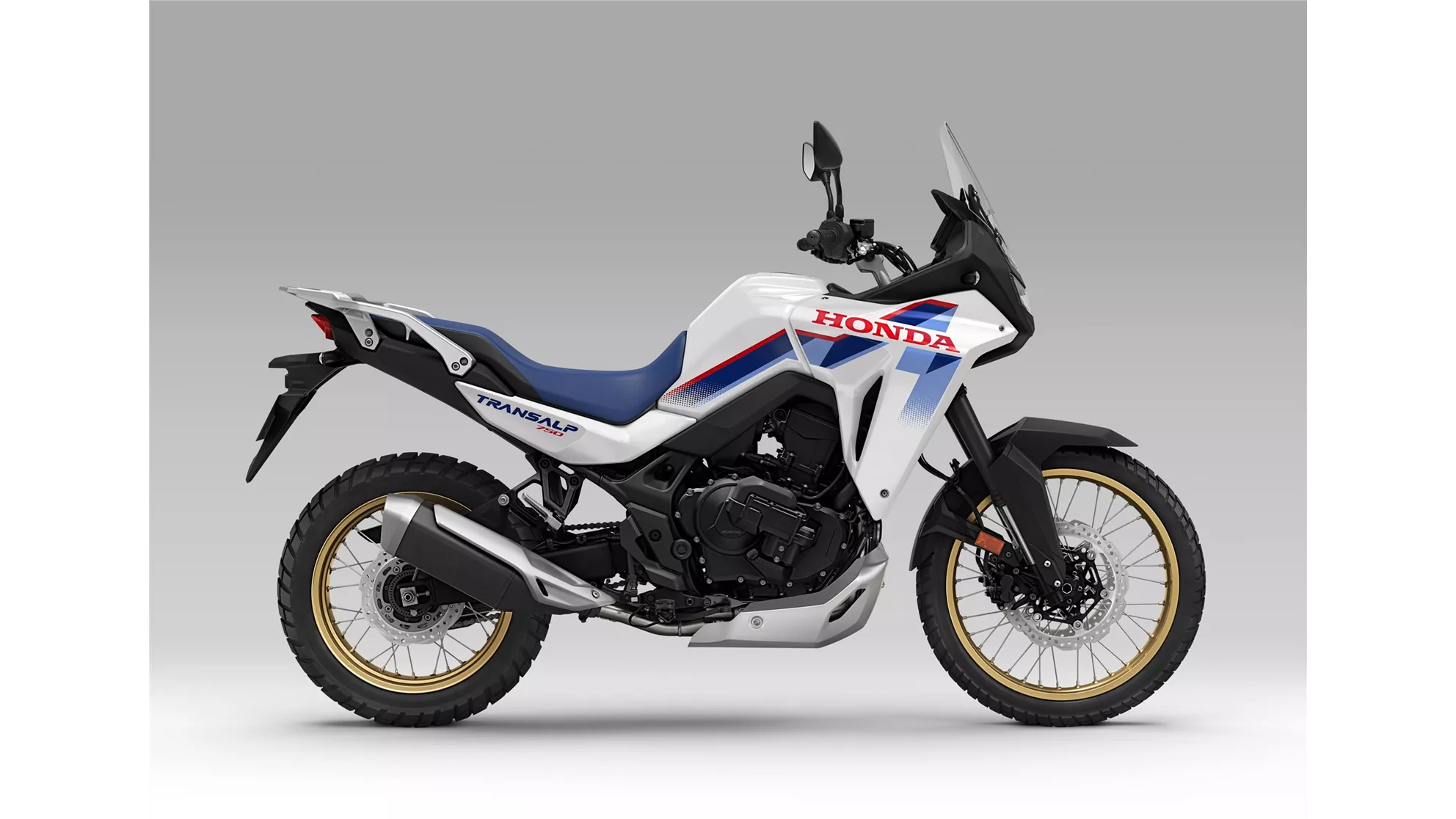
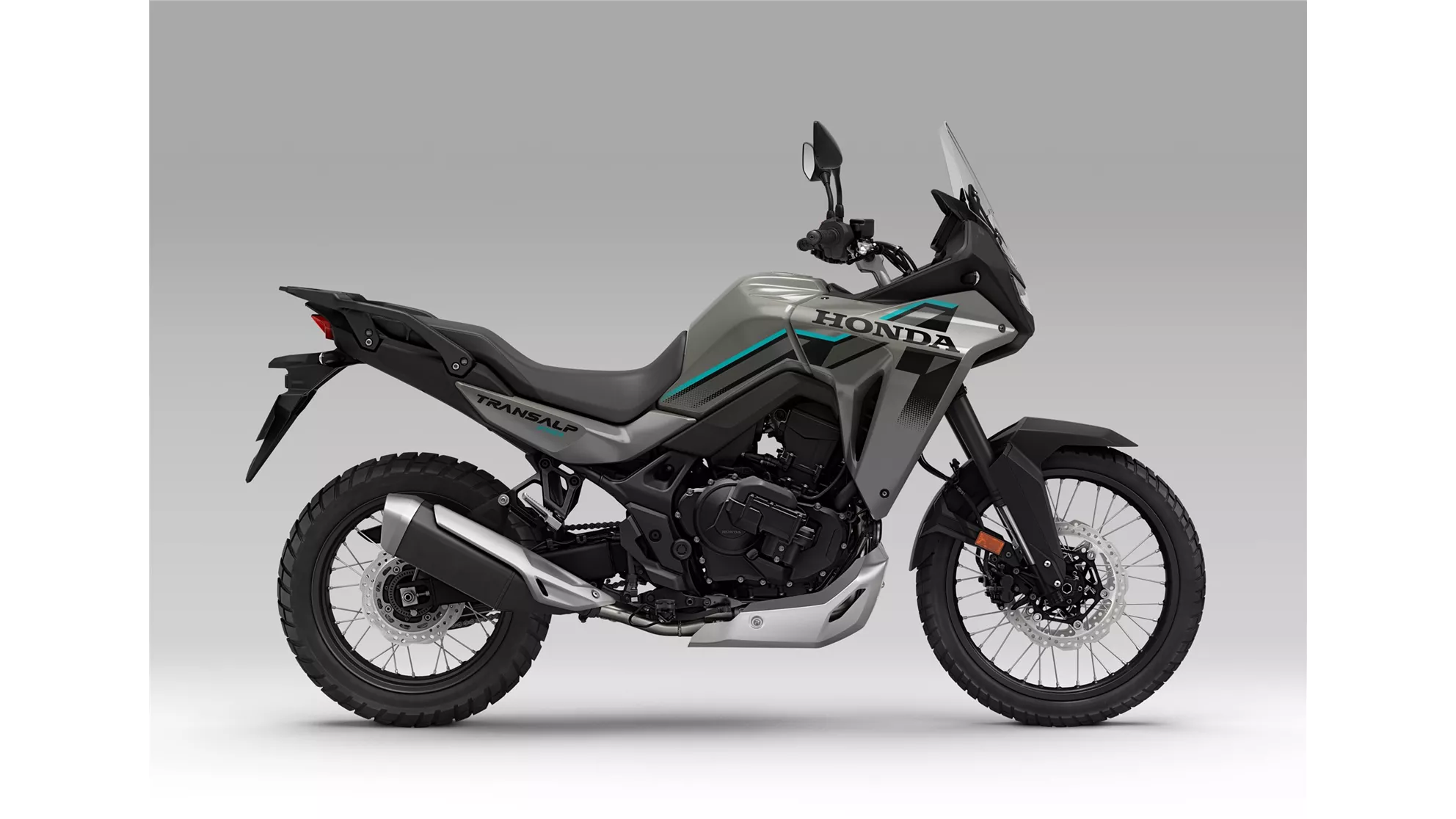
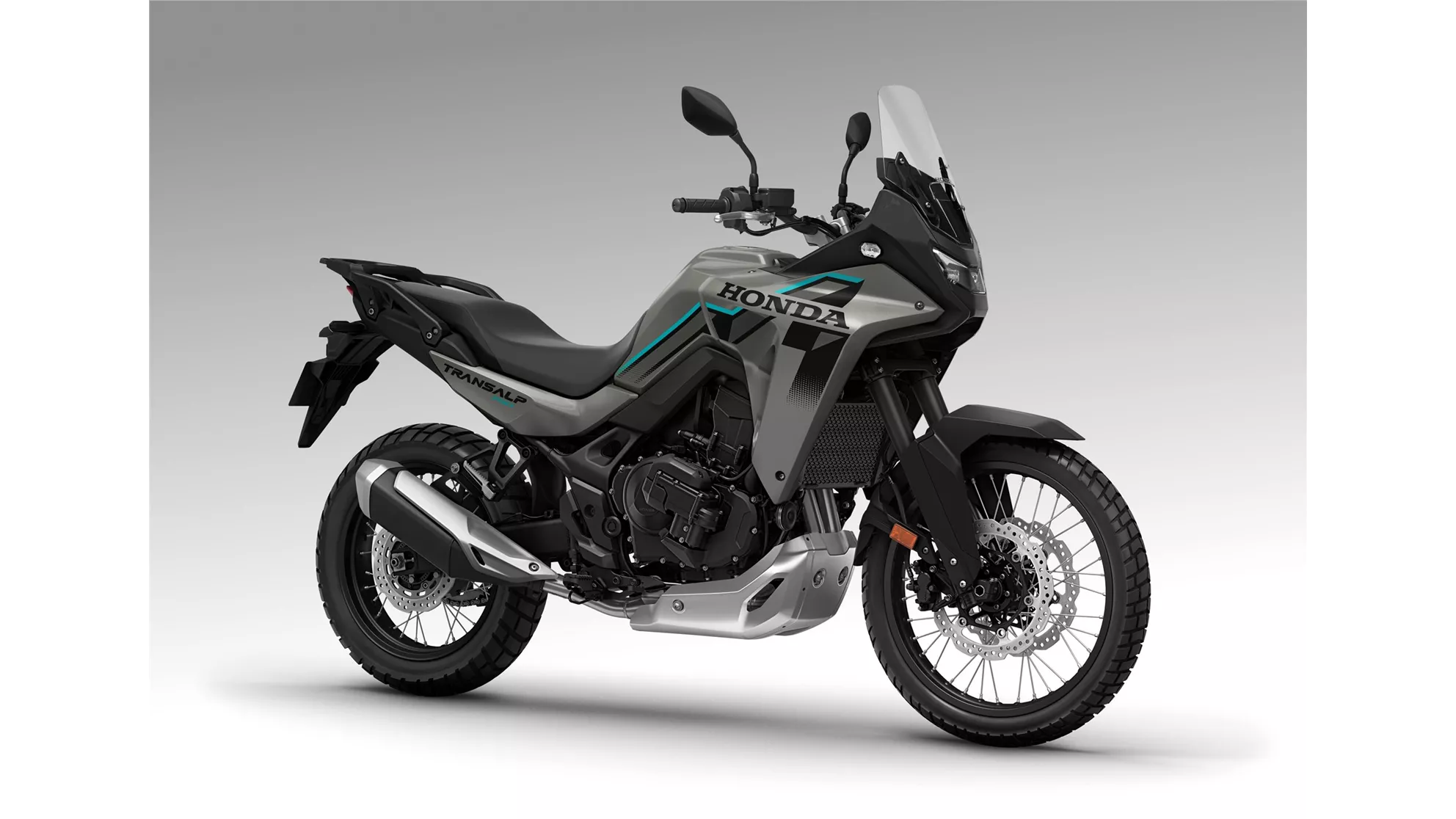
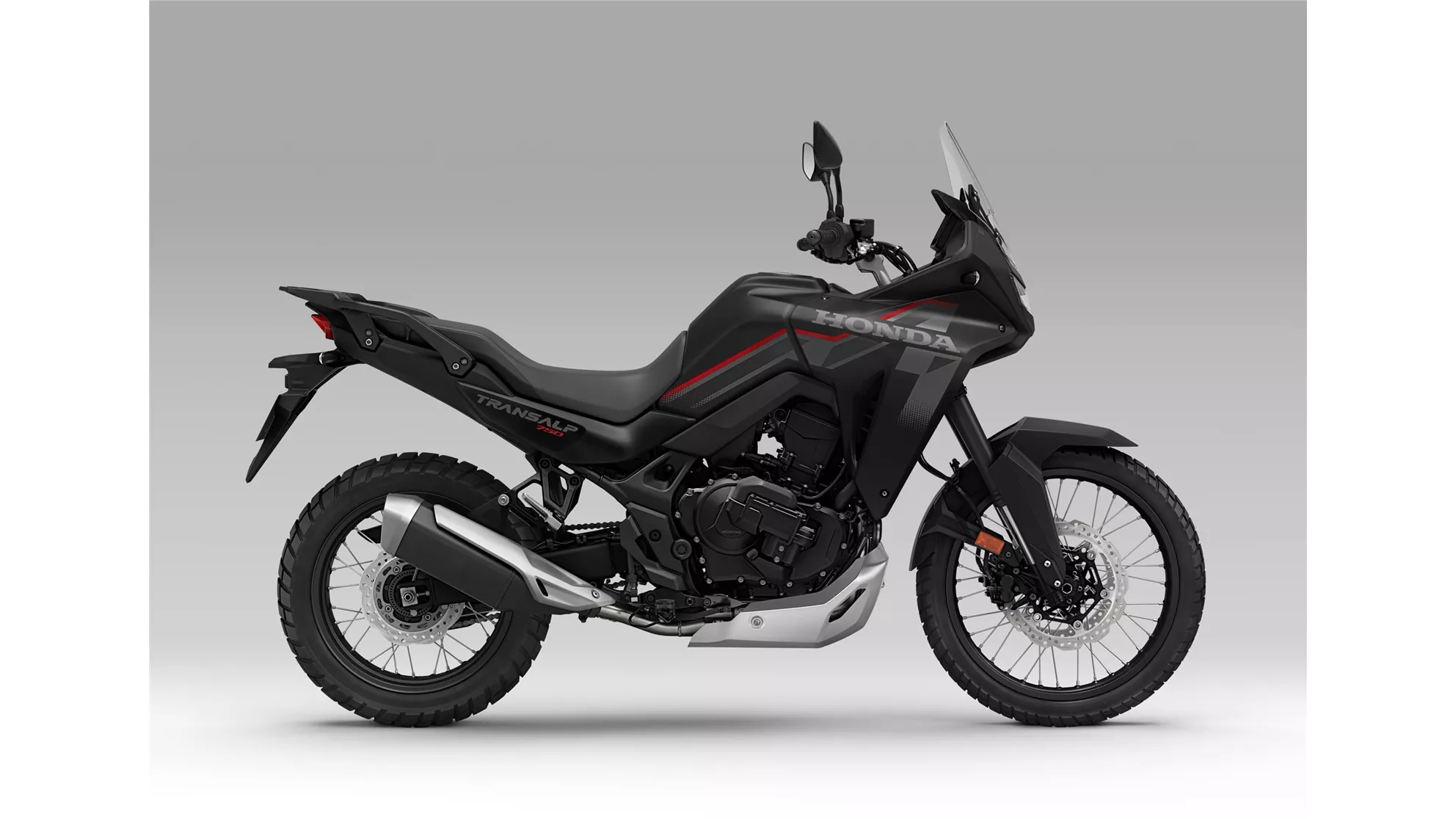
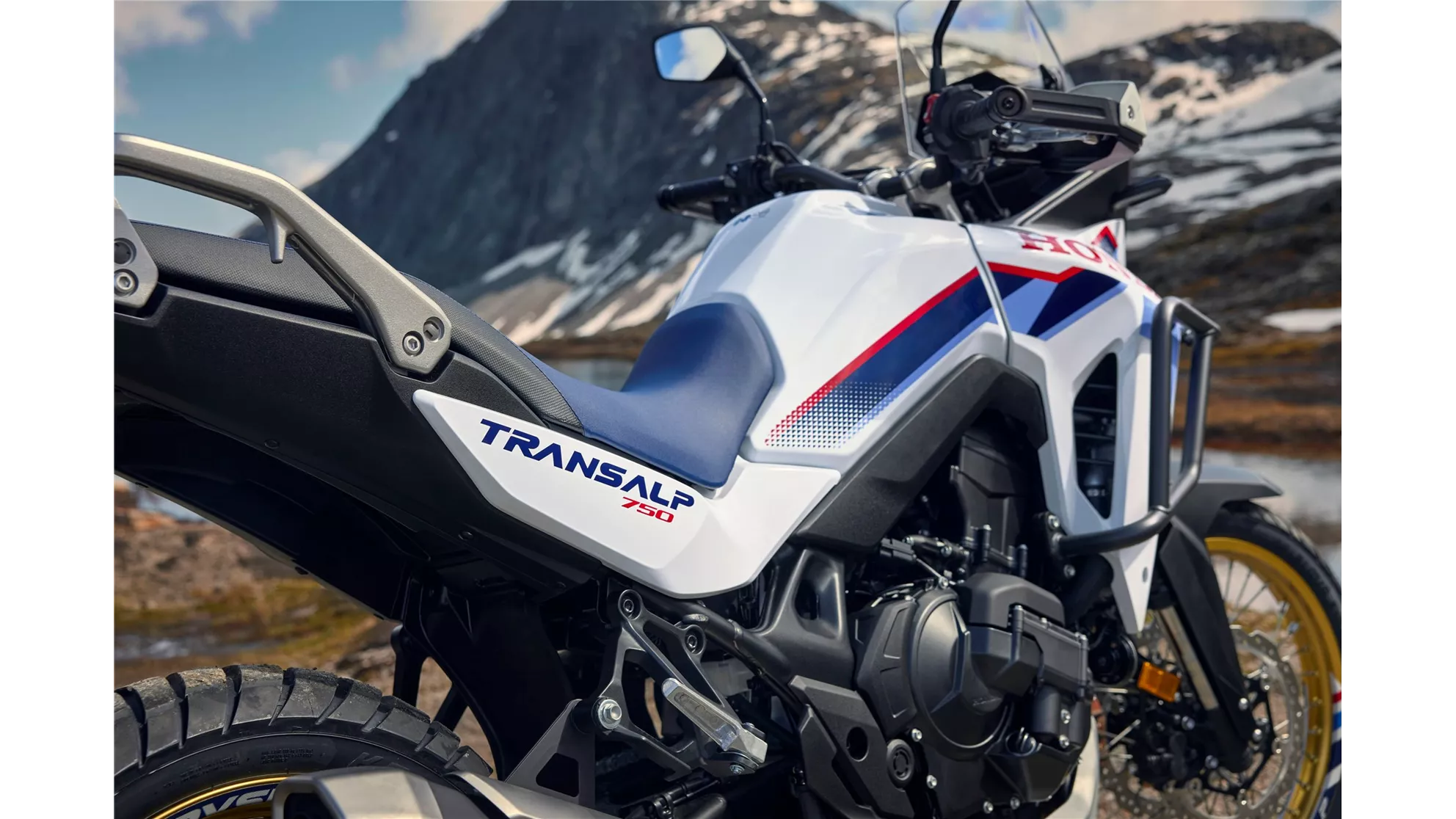
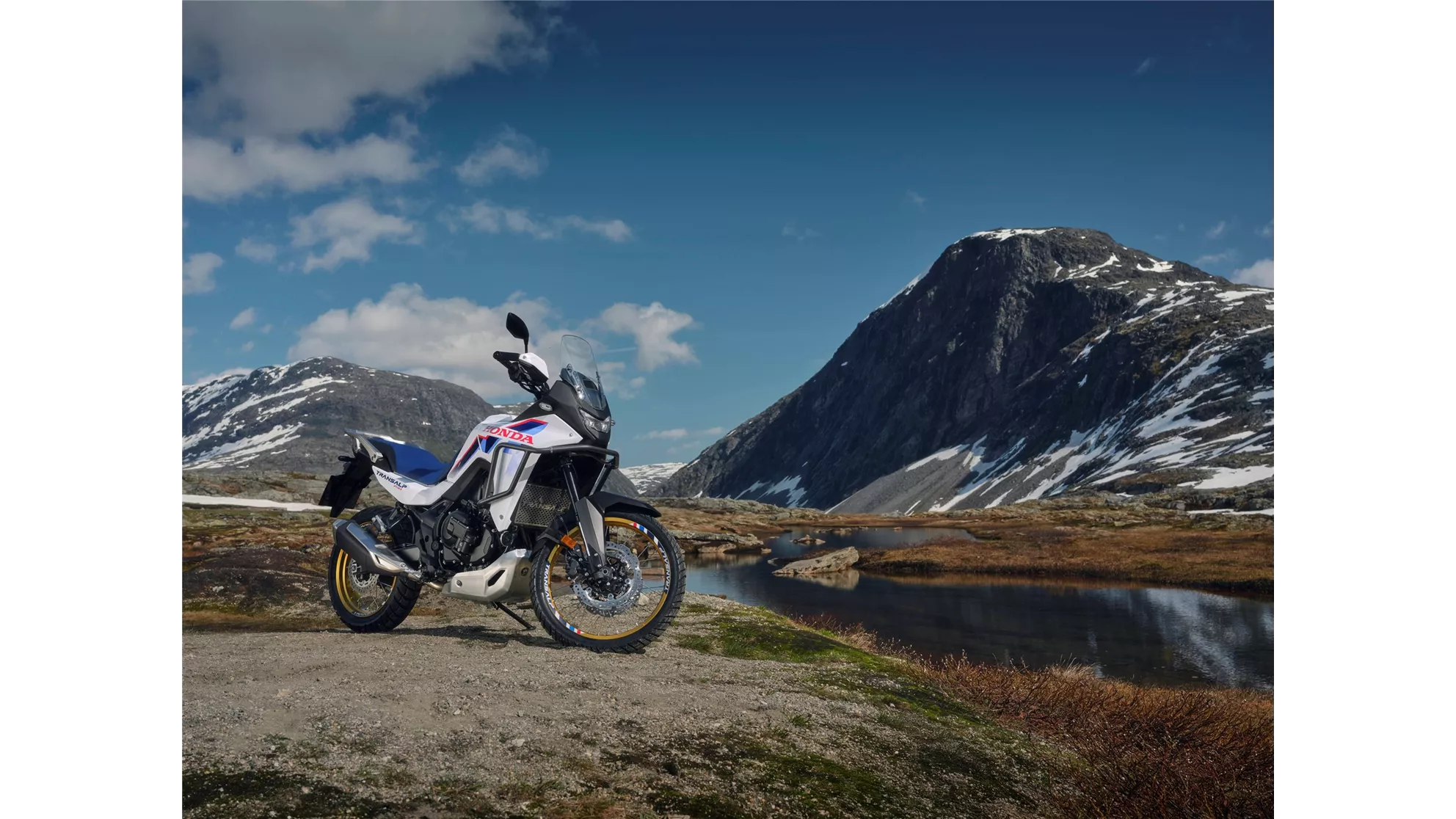
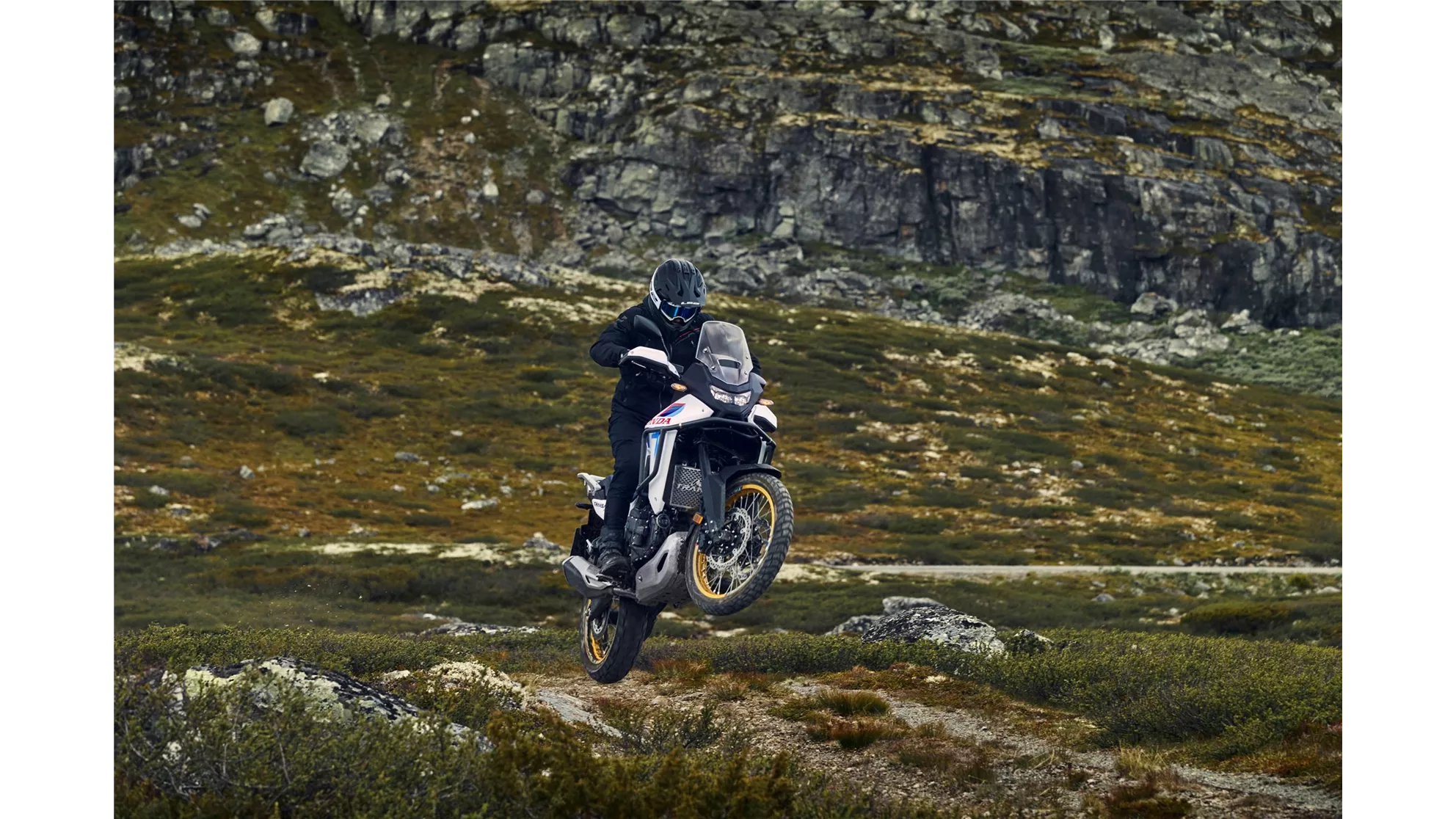
In the Algarve, Portugal, Honda celebrated the world premiere of the 2026 models of the CB750 Hornet and XL750 Transalp. The focus was clearly on small but targeted updates with a significant impact. Leading the way is the introduction of the E-Clutch combined with the 755cc inline-twin engine and its accompanying Ride-by-Wire system. This marks a debut for Honda's E-Clutch technology, opening up new possibilities for tuning electronic clutch control and power delivery.
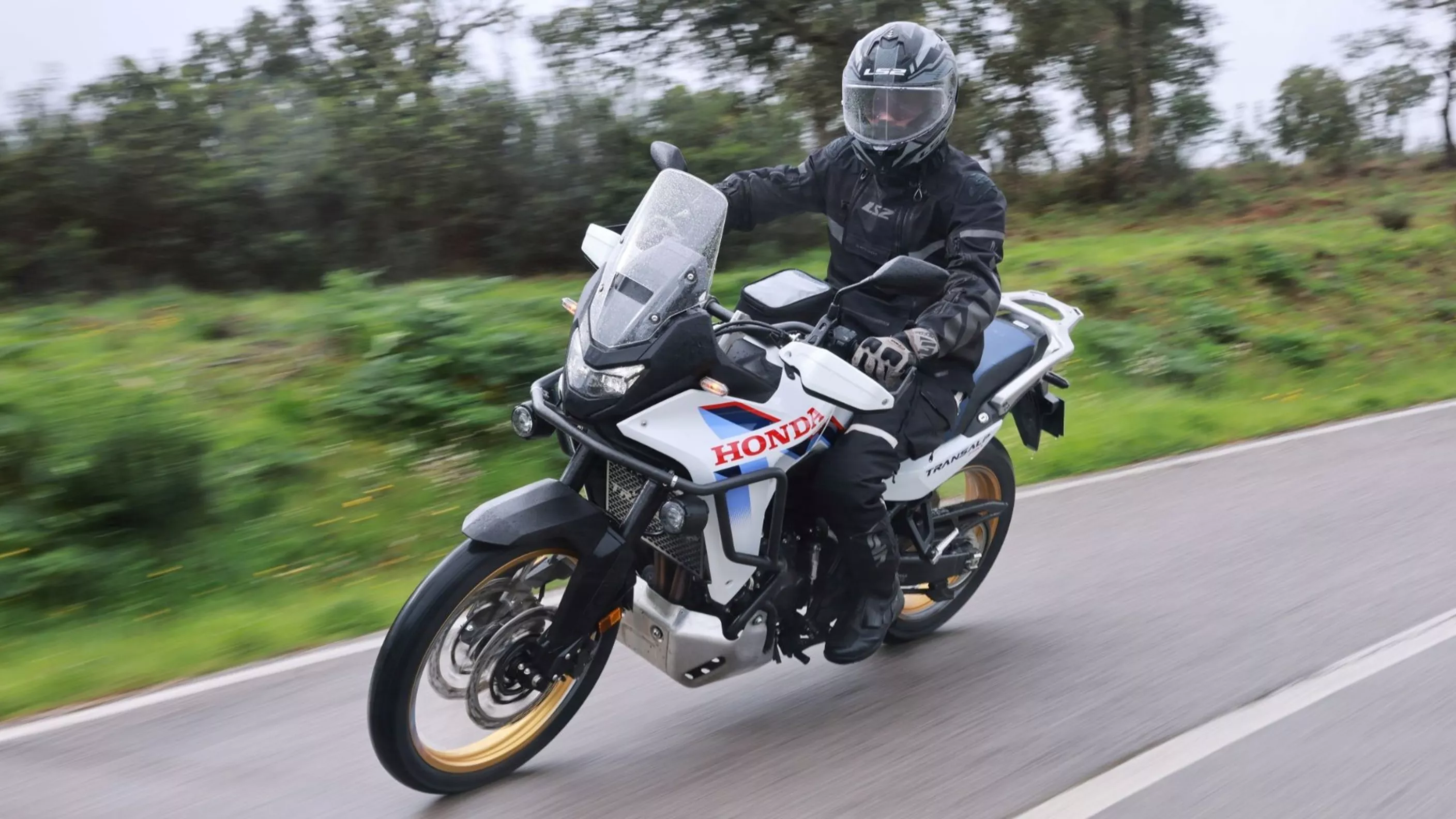
Honda XL750 Transalp 2026 Review with E-Clutch Upgrade
New Suspension as a Game Changer and E-Clutch Put to the Test
In Portugal, Honda unveils the Transalp 2026 featuring an E-Clutch and new suspension. Small updates with a big impact – especially the suspension could be a game changer.
&width=72&height=72&bgcolor=rgba_39_42_44_0&mode=crop "Author: Gregor")
Gregor
published on 3/24/2026
7,320 Views
While the E-Clutch is garnering much attention, the Transalp has also received an update that can truly be called a game changer. The suspension has not only been improved but fundamentally redeveloped. Despite adverse weather conditions on-site, we got a feel for the new Transalp to discover just how significant this evolution really is.
Honda E-Clutch Explained for Beginners
Honda's E-Clutch has been on the market since 2024. Here's a brief explanation of this unique technology for those who haven't encountered it yet. With the Honda E-Clutch, the manufacturer aims to make motorcycling more intuitive and safer. The system allows for starting, stopping, and shifting without using the clutch lever, controlled solely via the throttle and gear shifter. An actuator unit with two electric motors handles the clutch operation, while the traditional clutch lever remains cable-operated and can be used at any time. Manual input immediately overrides the electronics.
Honda XL750 Transalp E-Clutch 2026 - Key Facts
Engine and Drive Train
| Engine type | In line crankpin offset |
|---|---|
| Bore | 87 mm |
| Stroke | 63.5 mm |
| Engine power | 92 HP |
| Rpm at Max. Power | 9500 rpm |
| Torque | 75 Nm |
| Rpm at Torque | 7250 rpm |
| Compression Ratio | 11 |
| Fuel system | Injection |
| Throttle Bore | 46 mm |
| Starter | Electric |
| Clutch Type | Electronically controlled |
| Transmission | Chain |
| Transmission Type | Gearshift |
| Number of gears | 6 |
| Cylinders | 2 |
| Strokes | 4-Stroke |
| Valves per cylinder | 4 |
| Valves | OHC |
| Cooling | liquid |
| Can be restricted for A2 licence | Yes |
| Displacement | 755 ccm |
Suspension Front
| Front suspension | Upside-Down telescopic fork |
|---|---|
| Brand | Showa |
| Diameter | 43 mm |
| Travel | 200 mm |
| Adjustment | Preload |
Suspension Rear
| Suspension | Swing arm |
|---|---|
| Shock absorber | Monoshock |
| Shock mount | Pro-Link |
| Brand | Showa |
| Travel | 190 mm |
| Adjustment | Preload |
| Material | Aluminium |
Chassis
| Frame | Steel |
|---|---|
| Frame type | Twin Tube |
| Rake | 63 degree |
| Trail | 111 mm |
Brakes Front
| Type | Double disk |
|---|---|
| Diameter | 310 mm |
| Piston | Double piston |
| Actuation | Hydraulic |
| Technology | Wave |
| Brand | Nissin |
Brakes Rear
| Type | Disc |
|---|---|
| Diameter | 256 mm |
| Piston | Single piston |
Assistance Systems
| Advanced Rider Assistance Systems | ABS, Riding modes, Ride by Wire, Traction control, |
|---|
Dimensions and Weights
| Front tyre width | 90 mm |
|---|---|
| Front tyre height | 90 % |
| Front tyre diameter | 21 inch |
| Rear tyre width | 150 mm |
| Rear tyre height | 70 % |
| Rear tyre diameter | 18 inch |
| Length | 2325 mm |
| Width | 838 mm |
| Height | 1450 mm |
| Wheelbase | 1560 mm |
| Seat Height | 850 mm |
| Kerb Weight (with ABS) | 216 kg |
| Fuel Tank Capacity | 16.9 l |
| Top Speed | 195 km/h |
| License compliancy | A2, A |
| Range | 393 km |
| Combined CO2 emissions | 102 g/km |
| Combined fuel consumption | 4.3 l/100km |
| Stationary noise | 95 dB |
| Euro Norm | Euro 5+ |
| Ground clearance | 208 mm |
Equipment
| Equipment | Bluetooth, Connectivity, LED daytime running lights, LED-Headlights, TFT display, USB-C socket, , , , |
|---|
Gear changes continue to be made via the foot lever but are enhanced by the electronic clutch control. A half-clutch position ensures particularly smooth transitions, while ignition and injection are interrupted during gear shifts, similar to a conventional quickshifter. Three adjustable shift characteristics and separate settings for the force on the shift lever during upshifting and downshifting allow for individual customization. The system can also be completely deactivated, indicated by an M-symbol on the display. In this initial test, I went into more detail on the basic advantages and disadvantages of the E-Clutch.
E-Clutch Update 2026 Explained with Ride-by-Wire Integration
Previously, the E-Clutch was optionally available in Europe for five models, namely Honda's 500 and 650 bikes. However, these all still used the traditional cable-operated throttle control. The key advancement in the 2026 generation is the integration of the E-Clutch into the Ride-by-Wire system. This allows the clutch to no longer operate in isolation but as part of a connected system including engine management, traction control, and throttle response. Particularly important is the automatic rev-matching when downshifting, now controlled via the electronic throttle. This adjusts the RPM perfectly to the next gear, similar to a quickshifter with a blipper function, enhancing not only comfort but also braking stability.
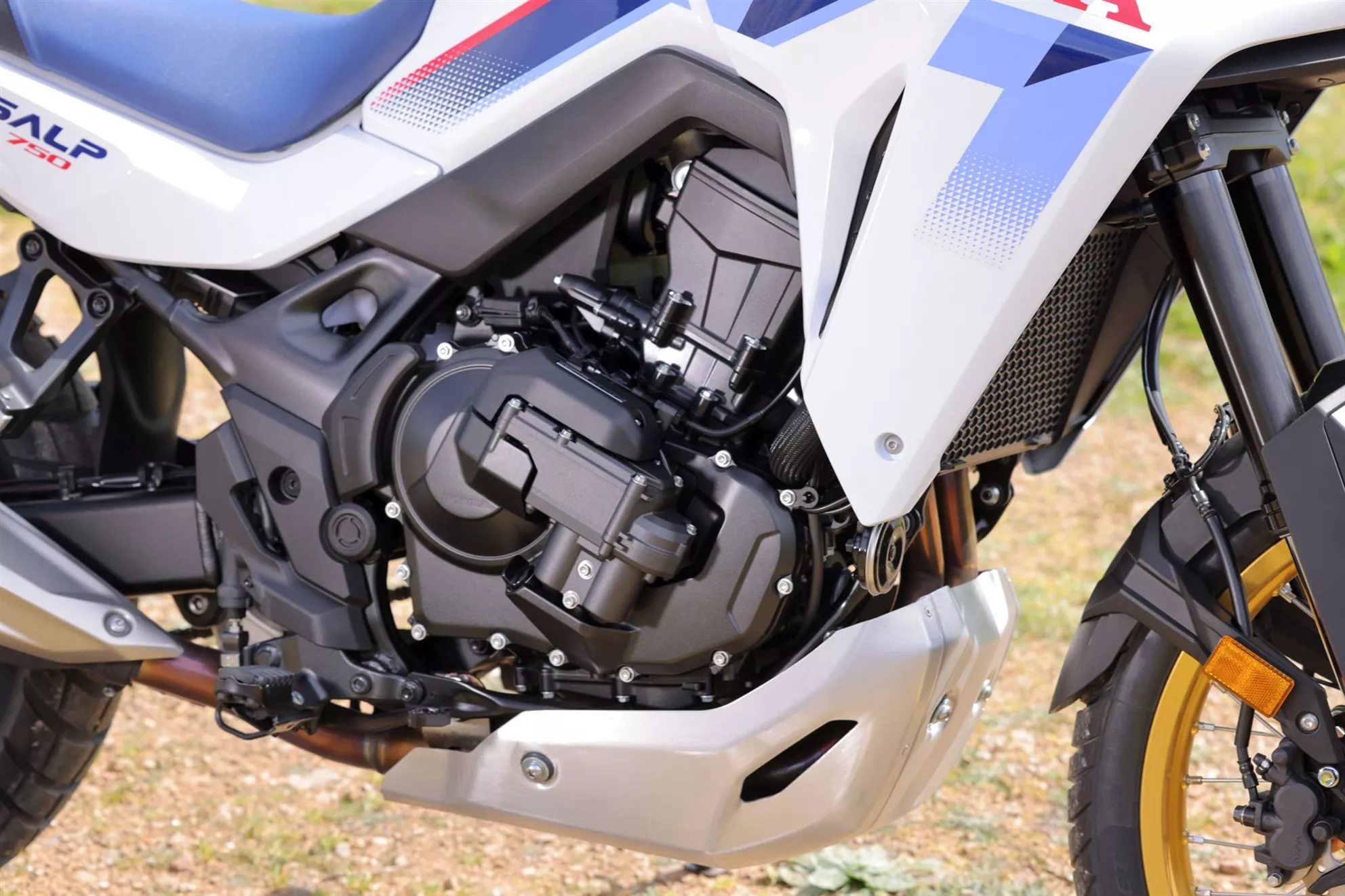
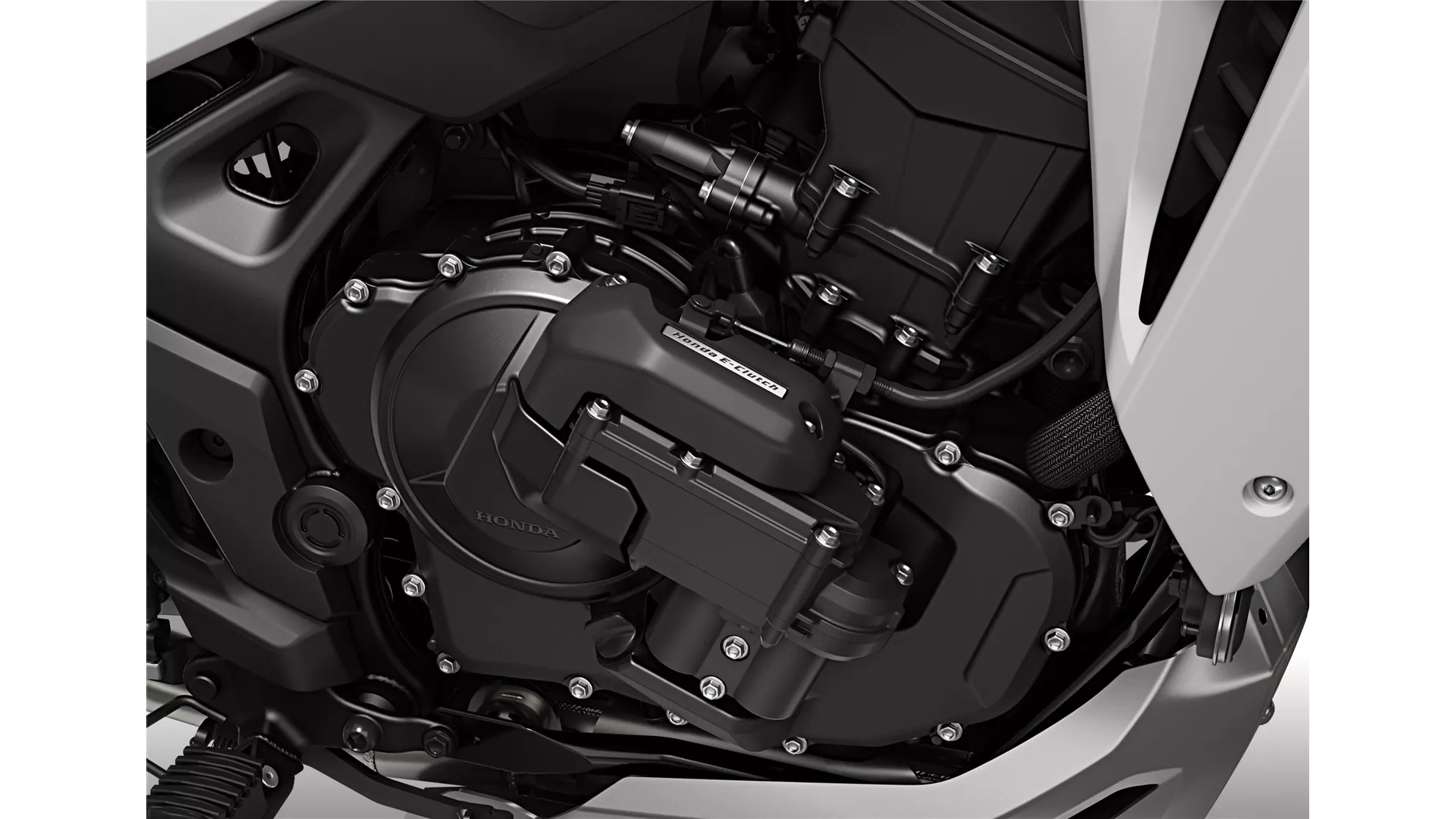
The newly designed E-Clutch unit is discreet and seamlessly integrated into the motorcycle's overall appearance. Its forward positioning ensures it remains unobtrusive even while riding.
Additionally, the E-Clutch actively engages in the shifting process through a partial clutch control, setting it apart from traditional quickshifters that only operate via ignition and injection. The E-Clutch actively manages power delivery, enabling smoother and faster gear shifts across the entire rev range. Features like detecting rear wheel slip during upshifts or suppressing rear wheel chatter during downshifts significantly extend its capabilities beyond what was previously possible. Moreover, the E-Clutch unit has been moved 5 cm forward on the clutch cover to prevent interference with the shins of taller riders.
Riding Impressions of the E-Clutch in Everyday and Sporty Riding
In practice, the strength of the E-Clutch becomes evident in two distinct areas. In everyday use, it primarily offers comfort and control. Especially in stop-and-go traffic or during slow maneuvering, the automatic clutch modulation works so precisely that fine adjustments with the rear brake are hardly necessary anymore. The interplay of throttle and clutch feels extremely predictable, making weaving through traffic or tight spots much more relaxed. During sporty acceleration, the clutch engagement is noticeably more controlled and less abrupt than in previous systems, without losing any dynamism. On the contrary, in sport mode, the front wheel even lifts slightly off the ground during spirited starts, as the bike launches off the line like during an enthusiastic racing start, before the electronics step in to keep the front wheel stable on the ground. Overall, the E-Clutch 2026 feels very intuitive and natural.
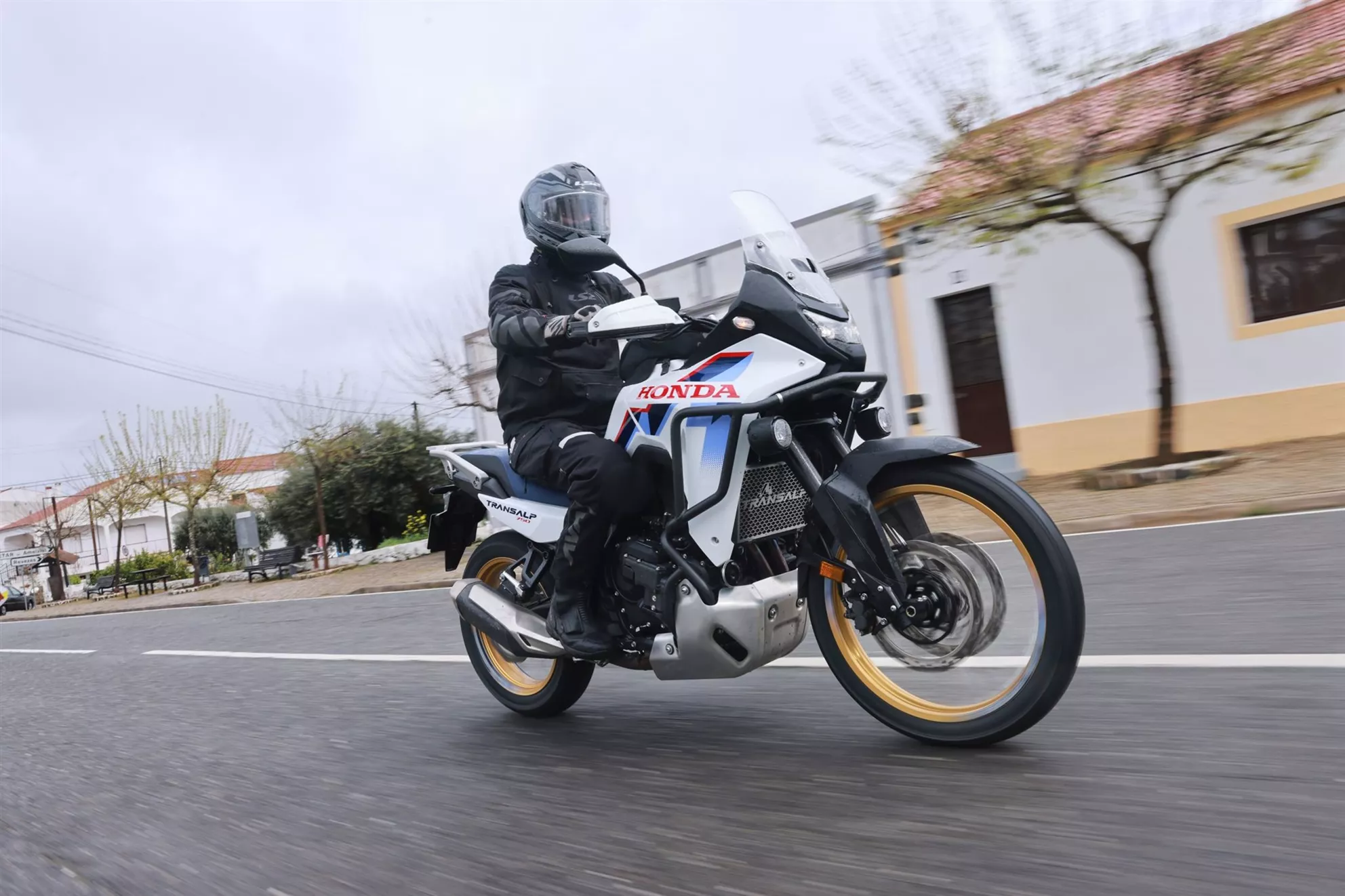
Honda E-Clutch - Between Comfort Feature and Next-Level Shift Assistant.
While riding, the E-Clutch behaves like a perfect quickshifter, but without its drawbacks. Even the best quickshifters can feel uneasy in certain situations, RPM ranges, or throttle positions, leading to more pronounced load change reactions or requiring more pressure on the shift lever. With the E-Clutch, gear changes remain consistently perfect, quick, and almost free of load change reactions, regardless of RPM or throttle position. Particularly pleasing is the now integrated blipping when downshifting, which completely resolves a previous criticism. During a ride, the E-Clutch feels like a superior, always 100% effective shift assistant. Even with a spinning rear wheel or hard downshifts before a corner, gear changes should proceed unhindered, allowing for more slip or suppressing it as desired. However, I did not test these two specific scenarios in rainy Portugal.
Transalp 2026 Suspension Update as a Key Advancement
The second key pillar of the Transalp 2026 update is the suspension. Even those who aren't opting for the E-Clutch variant of the Transalp will benefit from the 2026 adjustments. While the first generation in 2023 struggled with a too-soft setup, and the 2025 revision was still limited by restricted adjustability, the 2026 version presents itself as a completely new package. For the first time, the Showa suspension is fully adjustable both front and rear, and it also offers a revised, more progressive damping characteristic.
New Engine Guard Enhances Rigidity and Handling
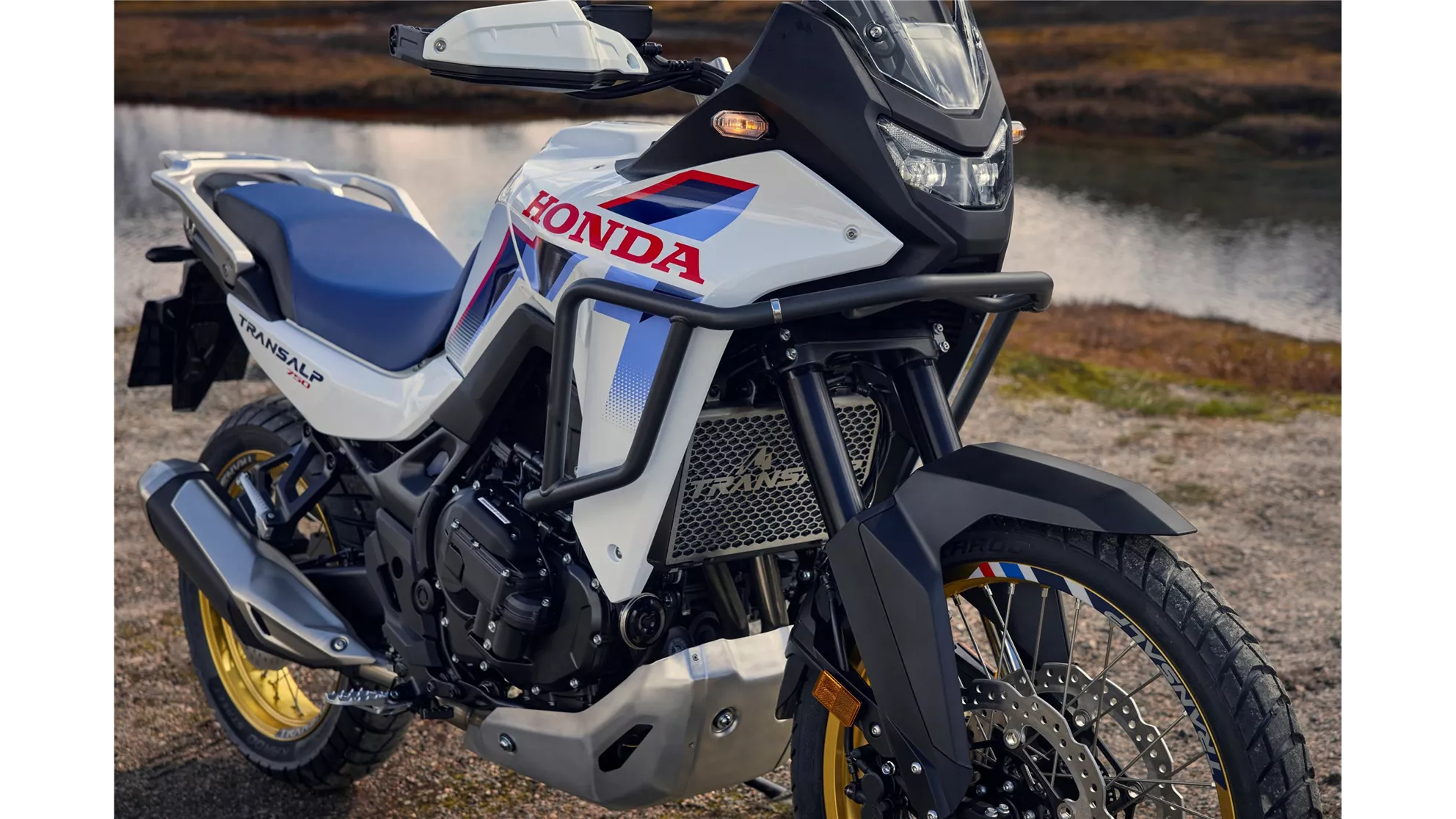
But it's not just the new suspension that boosts the riding dynamics of the Transalp. An often underestimated detail is the newly developed aluminum engine guard, which comes standard on the E-Clutch version. Besides its obvious protective function, it also offers structural and performance benefits. The Transalp is built on a steel bridge frame with the engine acting as a load-bearing element. There are no load-bearing chassis parts running under the engine, which means the bike flexes slightly over bumps or during braking, causing micro-movements in the fork. The integration of the plate, along with the necessary iron tubes running under the engine, increases frame rigidity and directly influences handling. Additionally, the engine guard has been aerodynamically optimized. The smooth underside is designed to enhance stability at high speeds, and the side holes to improve the Transalp's steering response. Honda wouldn't be Honda if even seemingly simple parts on paper weren't "over-engineered."
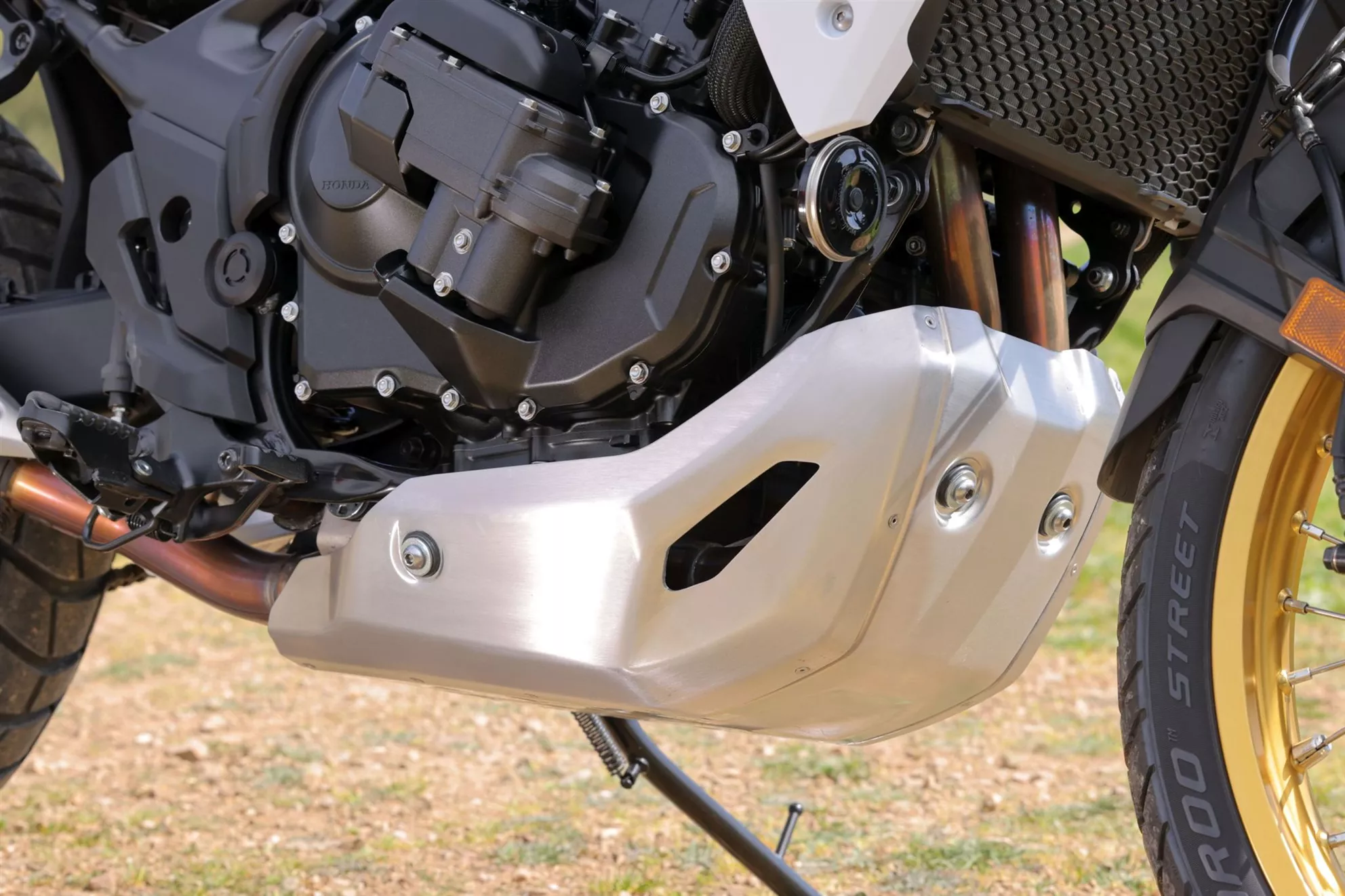
The new engine guard of the Transalp is not just for protection!
In practice, this results in a better feel for the front end and more confidence in the front wheel's grip. Although the difference compared to larger, off-road-oriented aftermarket engine guards wasn't clearly discernible, the progress over the previous model is definitely noticeable.
Riding Impression of the New Suspension and Overall Performance
The combination of the new suspension and increased frame rigidity elevates the Transalp to a whole new level. Previously considered a comfort-oriented but dynamically limited adventure bike, it now presents itself as a true all-rounder. The feedback from the front wheel is significantly improved, stability during braking and cornering is noticeably higher, and yet comfort on long rides remains intact.
Particularly impressive is the range that the suspension covers. It sensitively absorbs bumps without making the bike feel spongy. At the same time, it remains precise and controllable even during spirited riding. In direct comparison, even the suspension of a current Tenere 700 appears less refined. This transformation has elevated the Transalp from having one of the weakest suspensions in its class to one of the strongest.
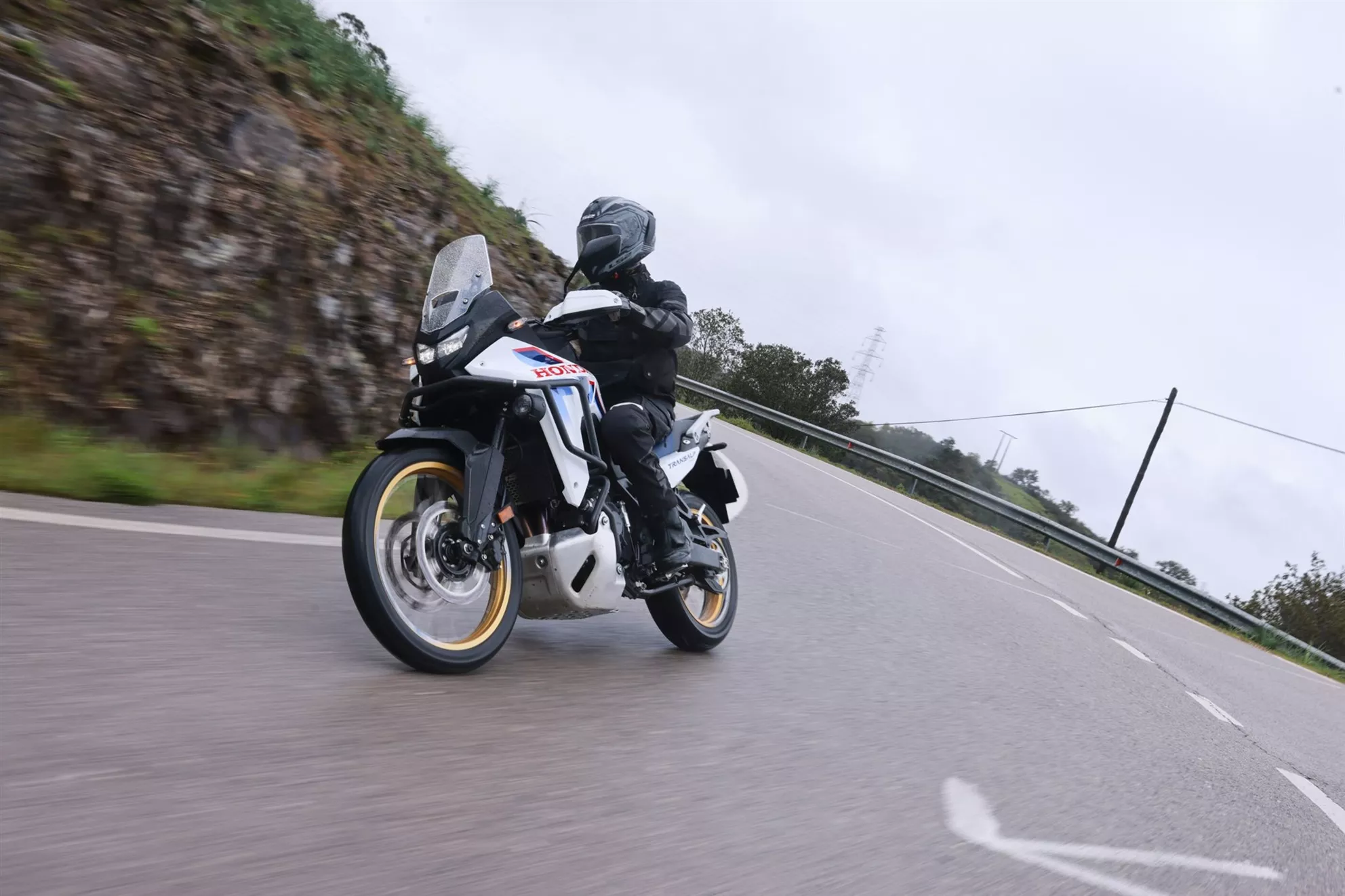
The 2026 Transalp rides more stable, more responsive, and simply better than previous generations.
The accessible character of the motorcycle remains unchanged. The engine provides linear, well-metered power with ample torque across the entire rev range. However, two weaknesses persist. The standing position is still suboptimal for off-road riders, as the foot pegs are positioned too far forward. This leaves little room towards the front wheel, causing a cramped, bow-legged stance especially when riding uphill. Additionally, a cruise control is still absent, despite it being technically feasible.
Price, Features, and Accessories of the Honda Transalp 2026
In Austria, the Honda XL750 Transalp 2026 starts at 11,890 euros for the base version and is priced at 12,690 euros with the E-Clutch. This keeps the base version at the same level as the previous model while offering significantly more technology.
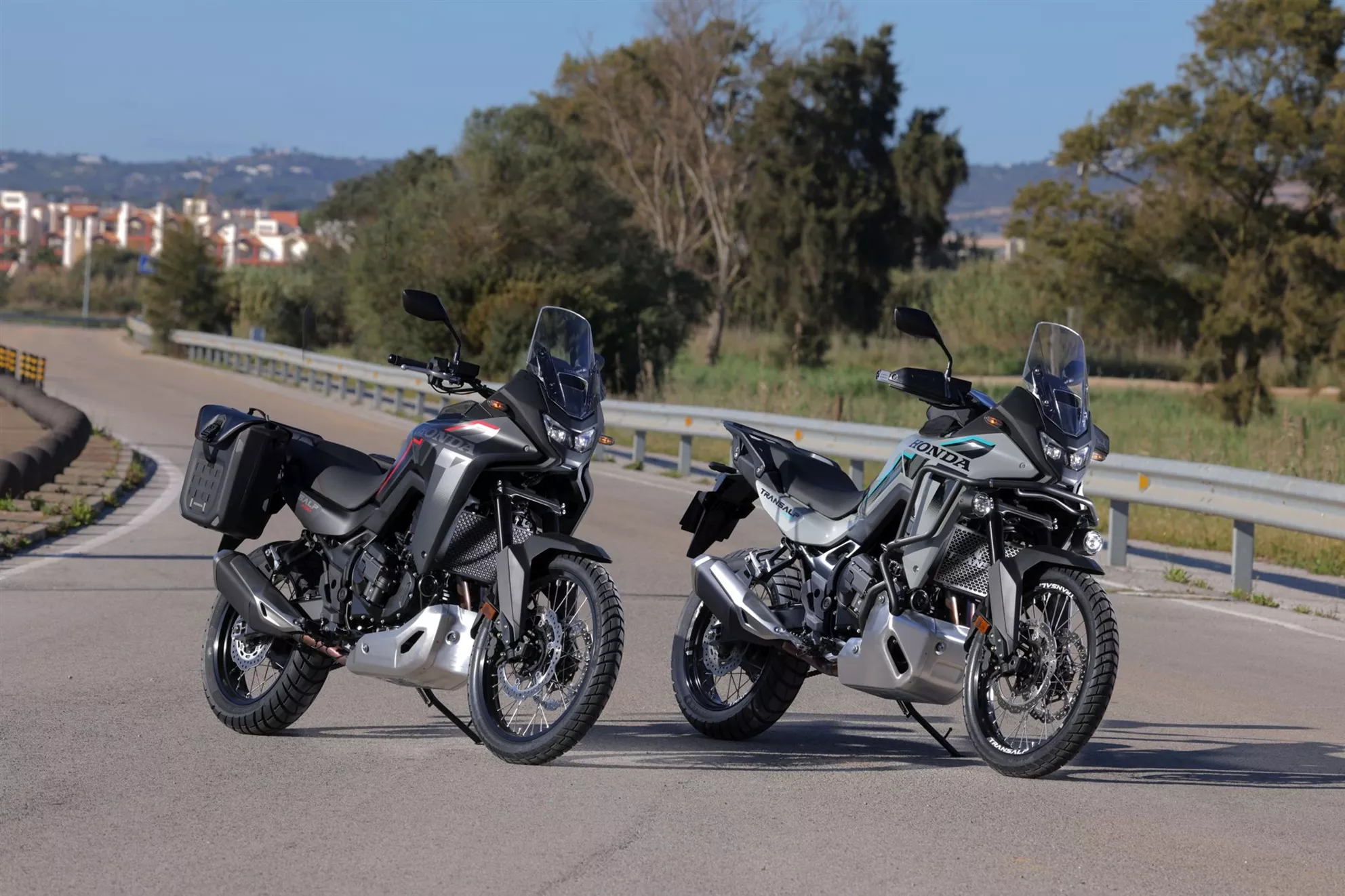
Despite the new suspension, the price of the base Transalp remains the same. Honda charges an additional €800 for the E-Clutch.
The standard equipment includes a five-inch TFT display with Honda RoadSync, six riding modes including a Gravel mode, multi-level traction control, wheelie control, as well as LED lighting and a USB port. Additionally, Honda offers extensive accessory packages, including Urban, Touring, Adventure, Rally, and Comfort Packs. These range from luggage solutions and heated grips to off-road components like auxiliary lights or enhanced protection parts.
- How much does a Honda XL750 Transalp E-Clutch cost?
- Here you will find an overview of the price level of new and used motorbikes!
&width=60&height=60&bgcolor=rgba_39_42_44_0&mode=crop "Author: Gregor")
Honda XL750 Transalp E-Clutch 2026 - Experiences and Expert Review
Gregor
The Honda XL750 Transalp continues its evolution in 2026. The E-Clutch offers real added value in everyday use and dynamic riding, while the new suspension eliminates the biggest weakness of its predecessor, turning it into a true all-rounder. The Transalp has never been this good!
Honda XL750 Transalp 2026 Review with E-Clutch Upgrade Images
Source: 1000PS