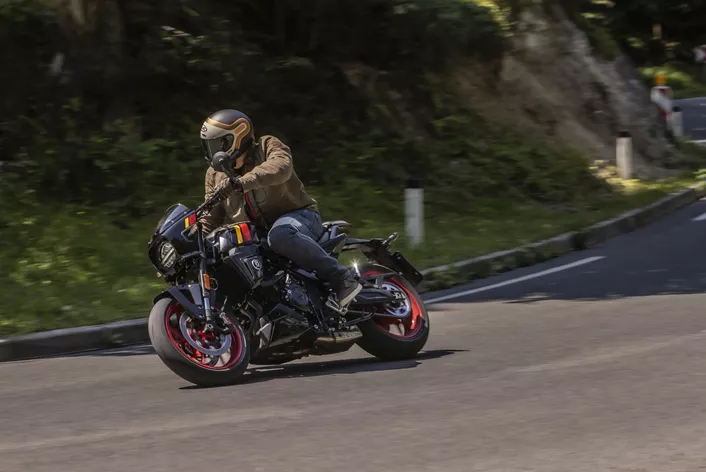
It's unfortunate! Countless bikes end up languishing in garages after an enthusiastic first season. The reason? Poor purchase decisions driven by emotions, peer pressure, or simply a lack of understanding about the factors that determine long-term satisfaction or frustration. After intensive rides on the Suzuki GSX-8TT—a bike I initially never considered—it's clear which three fundamental criteria must be spot-on when buying a motorcycle.
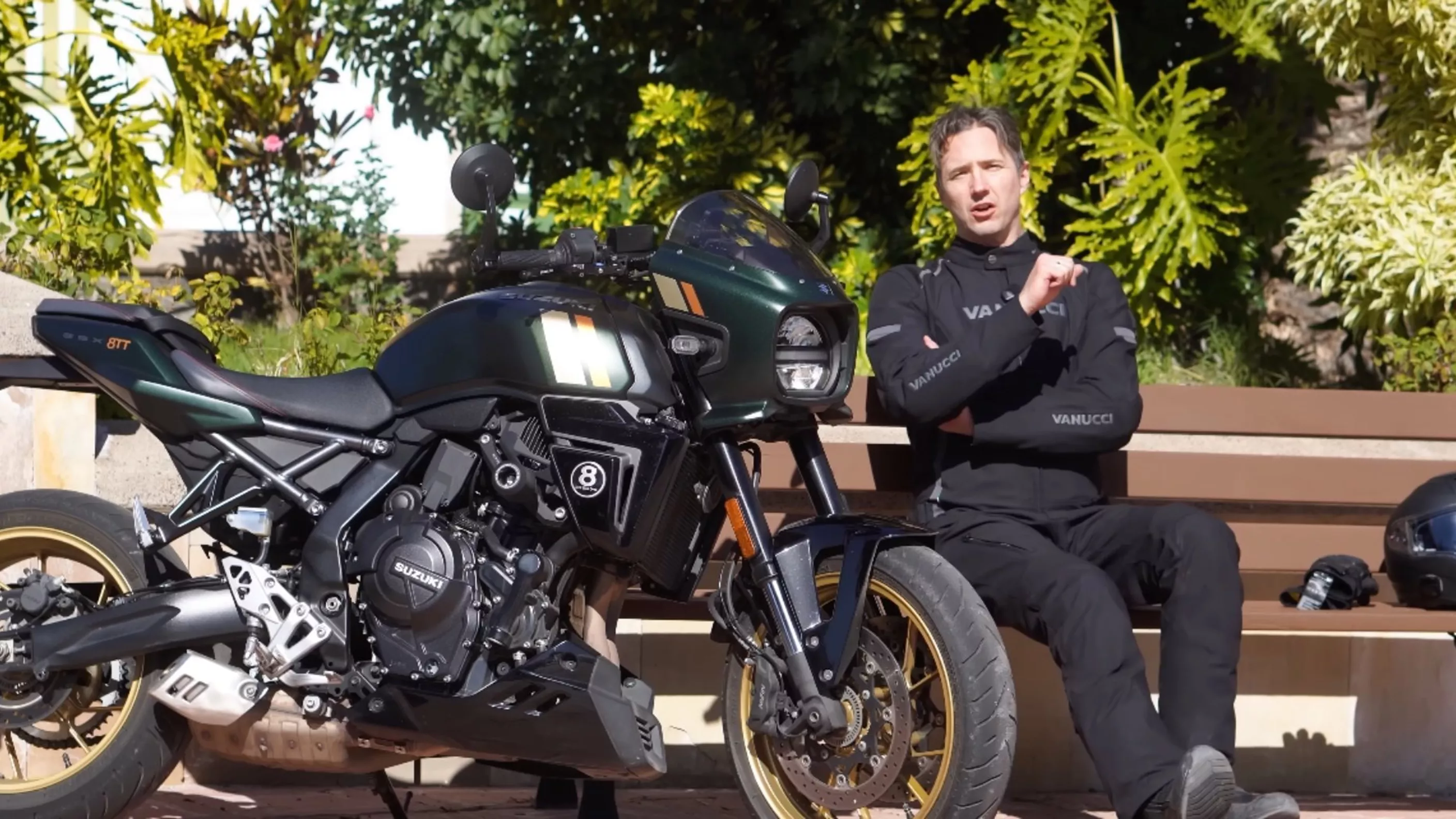
Watch Out for These 3 Key Factors When Buying a Motorcycle
These 3 Points Must Really Fit!
Gut feeling? Price? Technical specifications? What really counts when buying a motorcycle? These 3 elements are crucial! If they don't fit, your bike might just gather dust in the garage!
&width=72&height=72&bgcolor=rgba_39_42_44_0&mode=crop "Author: nastynils")
nastynils
published on 7/4/2026
836 Views
The Paradox of Small Differences
The GSX-8TT is essentially a subtly modified version of the GSX-8S, which has been in my son's private collection for two years. On paper, there's hardly any difference between the two models. However, in practice, there's a world of difference between a solid naked bike and a true touring machine—highlighting the significance of seemingly minor details.
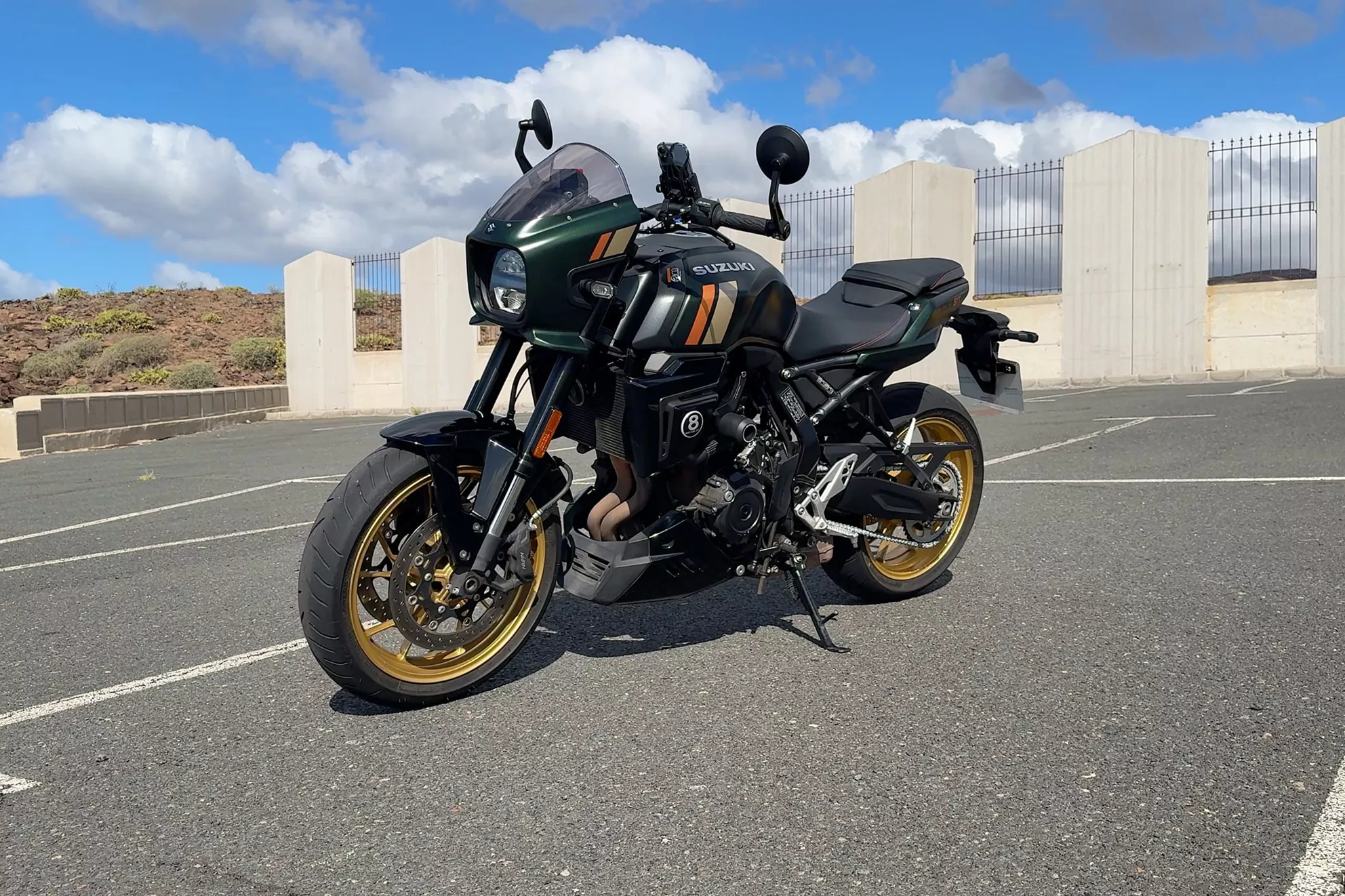
Suzuki GSX-8TT Adventure Touring Motorcycle
Criterion 1: Engine Character as the Foundation of the Riding Experience
When examining the technical specifications of the GSX-8TT, you initially encounter what seems like unremarkable basics: a 776cc twin with a 270-degree crankshaft offset producing 82 hp at 8,500 rpm and 78 Nm at 6,800 rpm. Figures that neither excite nor disappoint—it's simply solid middle class.
However, the road reality paints a completely different picture. The subjective sense of power significantly surpasses the stark numbers, and this is due to two crucial reasons: throttle response and the usable torque band.
The Art of Power Delivery
The true strength of this engine isn't in peak values, but in how it delivers its power. The engine develops its torque and power exactly within the rev range where natural, effortless riding occurs. There's no need to awkwardly push into specific rev regions to escape power voids or compensate for unharmonious characteristics. Instead, the bike responds to every throttle input with the precise power delivery required by the situation. It's not the engine dictating the ride; you ride naturally, and the engine blends perfectly into this natural riding style.
Responsive Despite Euro-5
Especially noteworthy is the buttery smooth throttle response that Suzuki has achieved despite the stringent Euro-5 emissions standards. Modern emission regulations force engineers into lean fuel settings, which typically cause problems in the mid-rev range and with throttle response in tight corner radii. Suzuki seems to have mastered this technical challenge with aplomb.
In practice, this means you can maintain your line in tight hairpins, variable radius corners, and changing load conditions with minimal concentration and correction. The motorcycle becomes a naturally, playfully manageable instrument that offers safety and enjoyment without requiring constant conscious adjustments. This quality is hard to quantify, but it makes the fundamental difference between a bike you ride and one you love to ride.
Criterion 2: Design as an Emotional Connection
Design and appearance are often dismissed as obvious buying criteria—who would buy a motorcycle they don't like? The reality is more nuanced. Many buyers are influenced by group dynamics, brand image, or seemingly rational parameters, leading to compromises whose full impact only becomes apparent in everyday life.
The GSX-8S, with its aggressive front and bright blue, embodies a design language that has its merits—but it's no longer my style. What was considered progressive and exciting two decades ago now resonates differently with me. A motorcycle now needs to evoke memories, promise adventures, and connect to times when riding was more carefree.
The GSX-8TT impressively demonstrates how subtle design changes can create a completely different emotional experience. The classic half-fairing with its distinctive front mask, the golden rims, the elegant seat with its classic appeal, subtle trim, and premium-looking details—each element is a small change, but together they create a cohesive whole that generates a completely different emotional response.
The result of this emotional connection manifests itself in everyday life in surprising ways. The morning walk through the garage becomes a reaffirmation of the purchase decision. The willingness to choose the motorcycle, even under suboptimal conditions—cold weather, impractical luggage, adverse circumstances—increases significantly. Even at 30 degrees plus outside temperature, one gladly foregoes the car's air conditioning because the sight of the parked machine simply brings joy.
This emotional bond is not a trivial detail but a fundamental factor in the actual use of the vehicle. A motorcycle that doesn't reach the heart will ultimately be ridden less, even if it is objectively superior in other parameters.
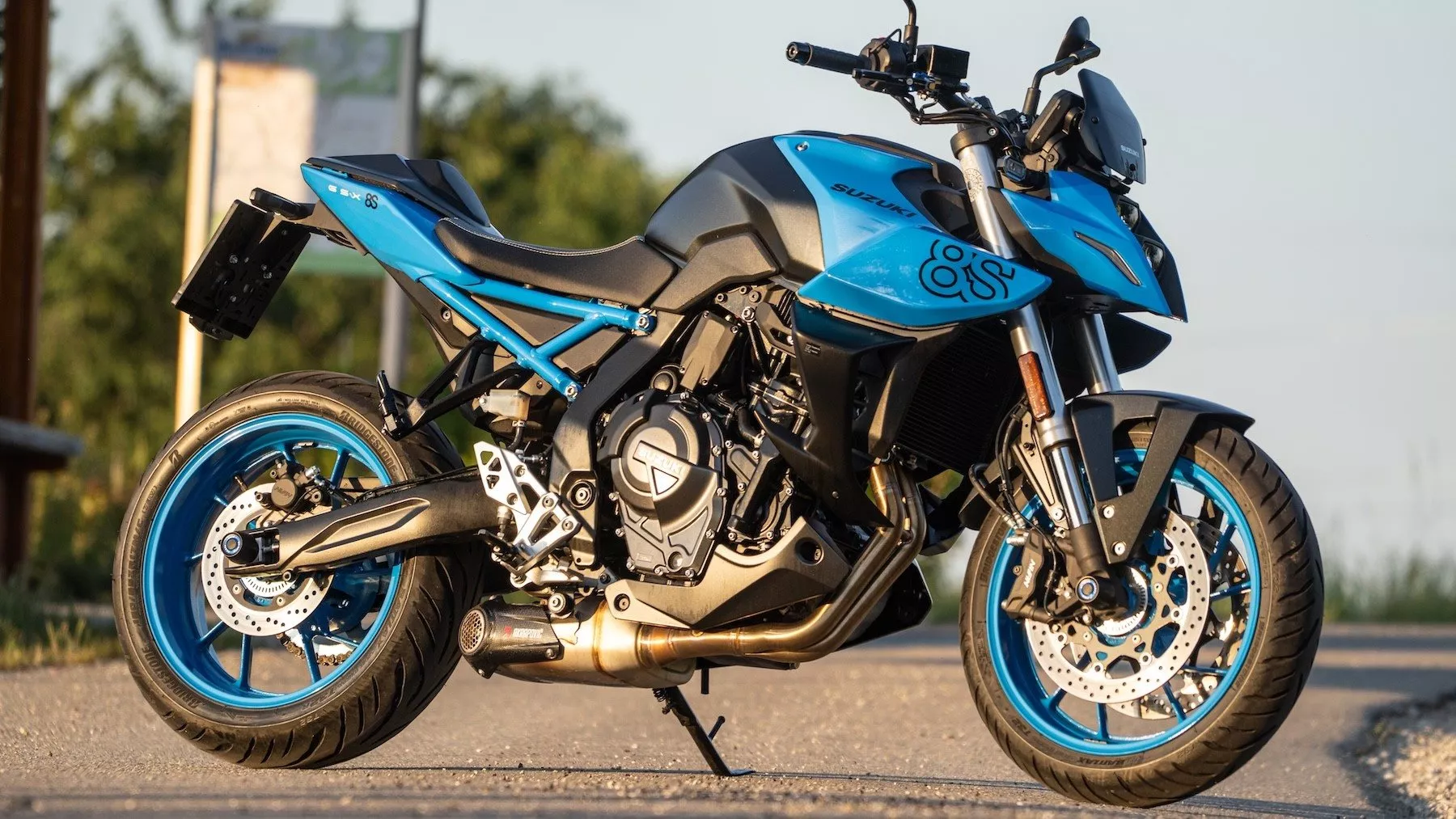
The Suzuki GSX-8S! A Fantastic Naked Bike! Ideal for My Son and Many Other Buyers—Personally, I Felt Too Old for It!
Criterion 3: Ergonomics as the Foundation of Long-Distance Capability
Seat ergonomics are often reduced to the question of whether you can touch the ground—a relevant but far from exhaustive aspect. True seating quality results from the complex interplay of handlebar position, footpeg placement, seat height, and geometry, along with numerous other factors.
The Comfort Triangle
The GSX-8TT exemplifies the difference a well-thought-out ergonomic concept can make. Despite being positioned in the mid-price range—though this term seems increasingly euphemistic considering current motorcycle prices—it offers seating comfort that eclipses some significantly more expensive machines.
In concrete terms, this means: after many hours in the saddle, on rides from 8:30 AM to 7:30 PM, with all the burdens such day-long journeys bring, the seating remains comfortable and issue-free. This quality doesn't result from superior padding or particularly elaborate suspension, but from the simple fact that the seating position and seat harmonize. It just fits.
Recognizing the Warning Signs
The test ride is the crucial moment to identify ergonomic incompatibilities. A pinching seat, too high or low seating position, slippery geometries, tight knee angles, hard-to-reach handlebars, limited steering lock—all these are concrete, objectively identifiable parameters that can't be argued away with acclimatization or optimism.
The key insight: what bothers you during the test ride won't improve in everyday use; it will deteriorate. Once the initial euphoria fades, ergonomic deficits become all the more apparent. The consequence is predictable: the planned miles won't be covered, and the motorcycle will sit more often than it is used.
With today's diversity of available models, there's no rational reason to make ergonomic compromises. The differences can be remarkably subtle—but their impacts are fundamental.
The Transformative Power of Marginal Changes
The comparison between the GSX-8S and the GSX-8TT highlights a fascinating phenomenon: minimal modifications can fundamentally change a bike's character. The 8S is a capable naked bike that I've ridden multiple times without ever considering it for touring. The 8TT, with its small front fairing, modified seat, and minor tweaks, is a laid-back long-distance machine, capable of tackling lengthy day trips with ease.
The small windscreen stabilizes airflow without providing full weather protection—but it reduces turbulence to a level that makes long-distance rides comfortable. Combined with the harmonious seating position, it creates a motorcycle that suggests a completely different use than its technically almost identical sibling.
Synthesis: The Three Non-Negotiable Factors
The analysis leads to a clear hierarchy of purchasing criteria:
First: The engine character must be right—not just on paper, but in practical application. Relevant power delivery in the usable rev range and harmonious throttle response are more important than peak values.
Second: The design must create a genuine emotional connection. Compromises based on rational considerations, brand image, or social pressure lead to underutilized vehicles in the long run.
Third: The ergonomics must fit—no ifs, ands, or buts. Geometric parameters are mathematical givens that cannot be adjusted through willpower or acclimatization.
These three factors determine whether a motorcycle is actually ridden or just decorates the garage. They are more important than price, brand prestige, or technical specifications—even though the latter have their own merits.
The Gear in the Photos from Gran Canaria
NastyNils was equipped with the Vanucci VSJ-7 Textile Jacket and Vanucci VAT-6 Textile Pants, along with the Nishua NT4-6 Evo Full-Face Helmet, Vanucci VAB-5 Boots, and Vanucci VAG-4 Gloves. NoPain wore the Vanucci VSJ-5 Leather Jacket, Vanucci VST-2 Men's Leather Pants, Nishua NTX-6 Sport Carbon Full-Face Helmet, Vanucci VAG-4 Gloves, and VXU-13 Seamless Functional Underwear.
Here is more information on the Vanucci brand and products.
Communication between our two bikes was facilitated by the Cardo Packtalk Edge System, installed in both helmets.
For route planning and navigation, we used Calimoto, which proved particularly effective for the island's winding roads: https://calimoto.com/de/.
Our onboard footage was captured with our favorite action camera: the AcePro2 by Insta360. In daily use, we especially appreciate its flip display and performance in varying light conditions.
About the Author!
- How much does a Suzuki GSX-8TT cost?
- Here you will find an overview of the price level of new and used motorbikes!