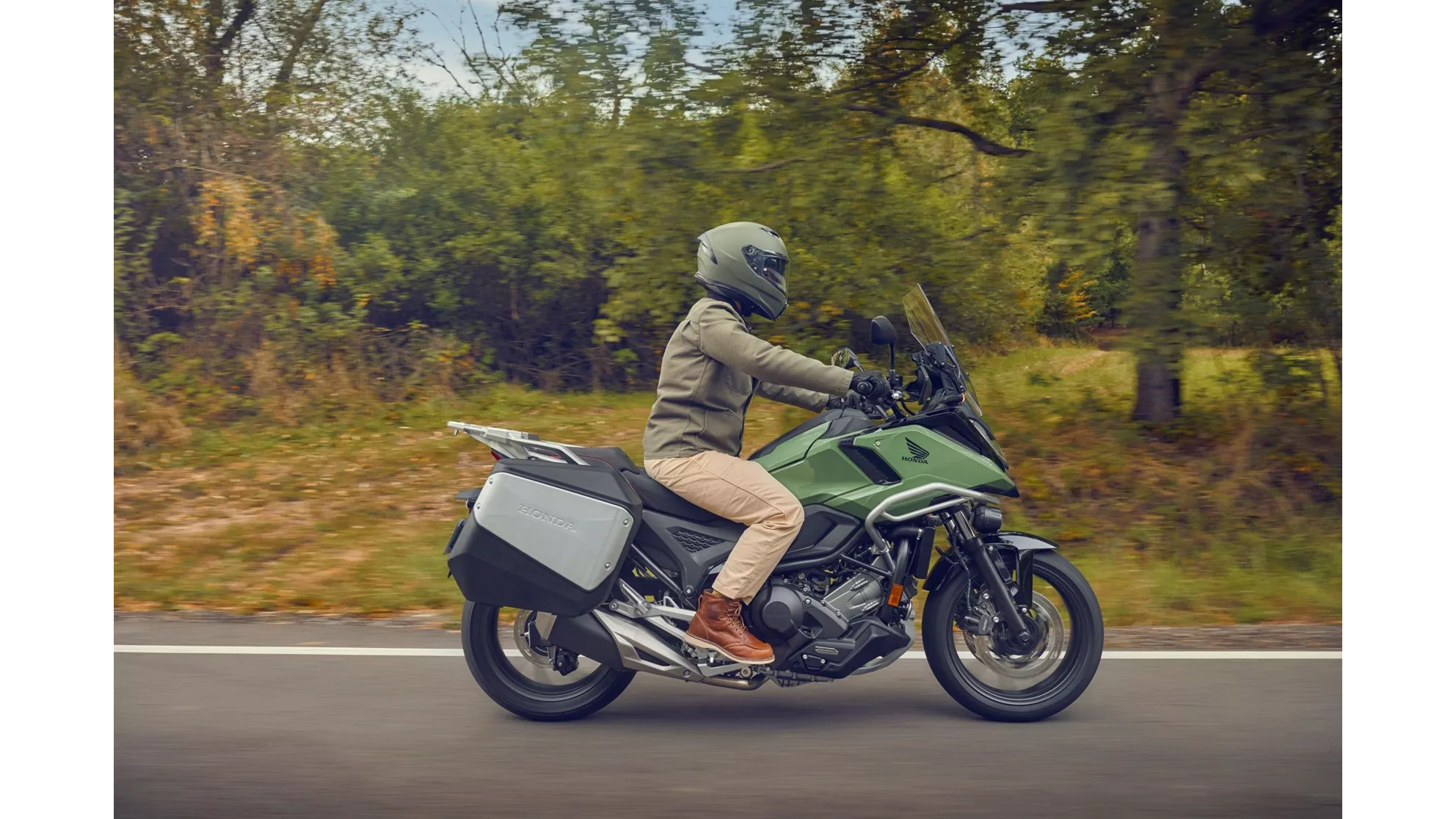
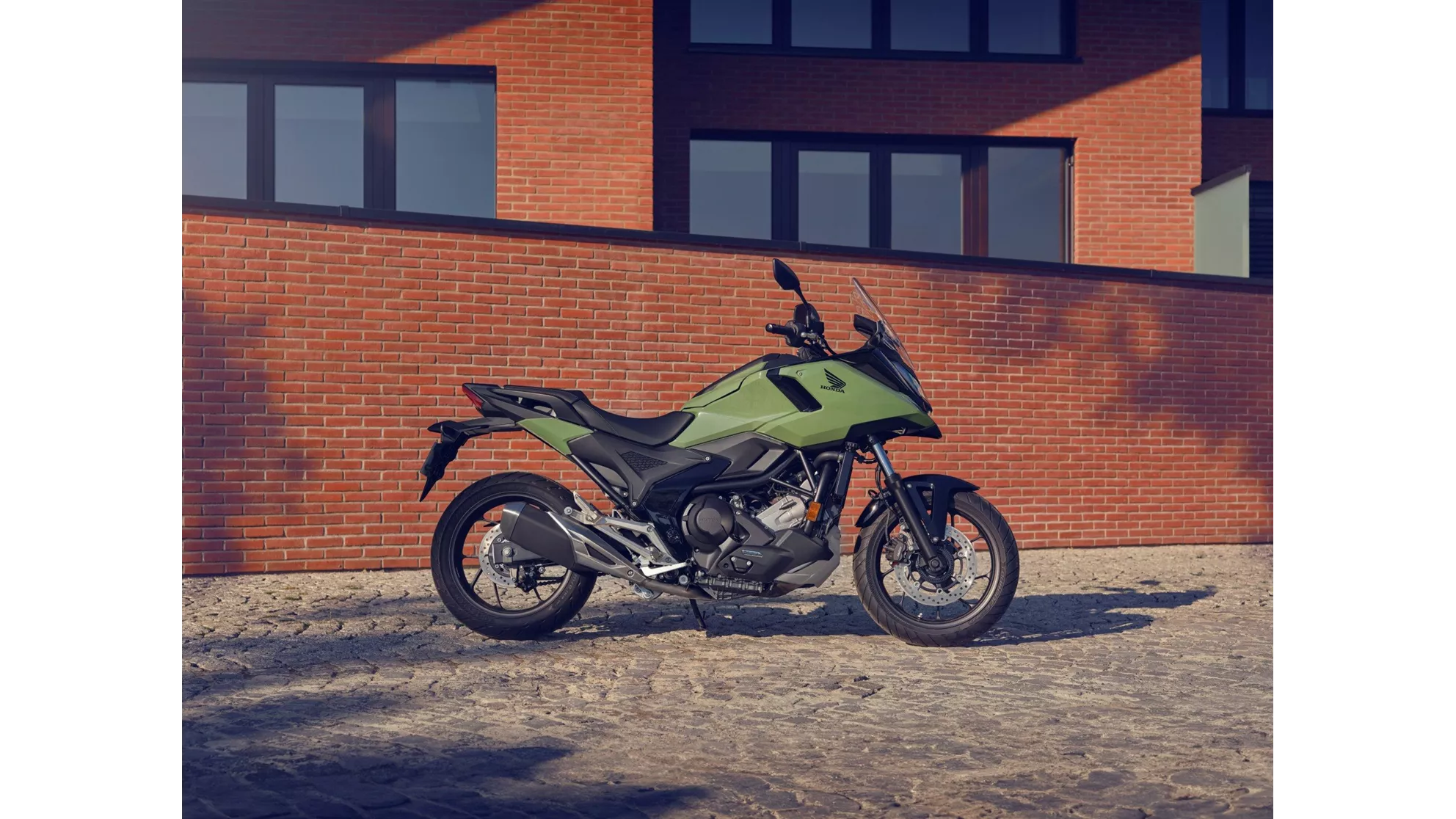
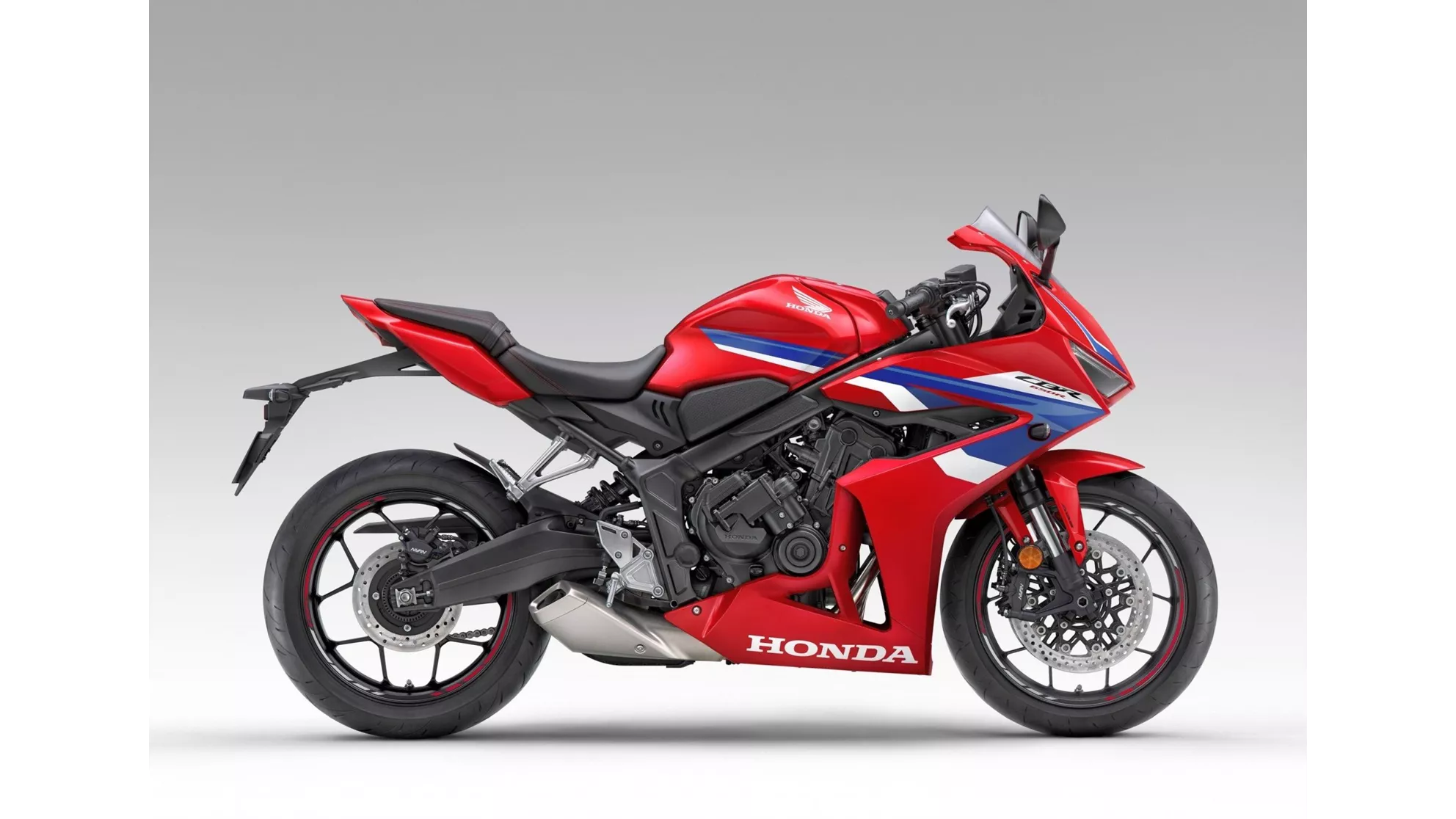
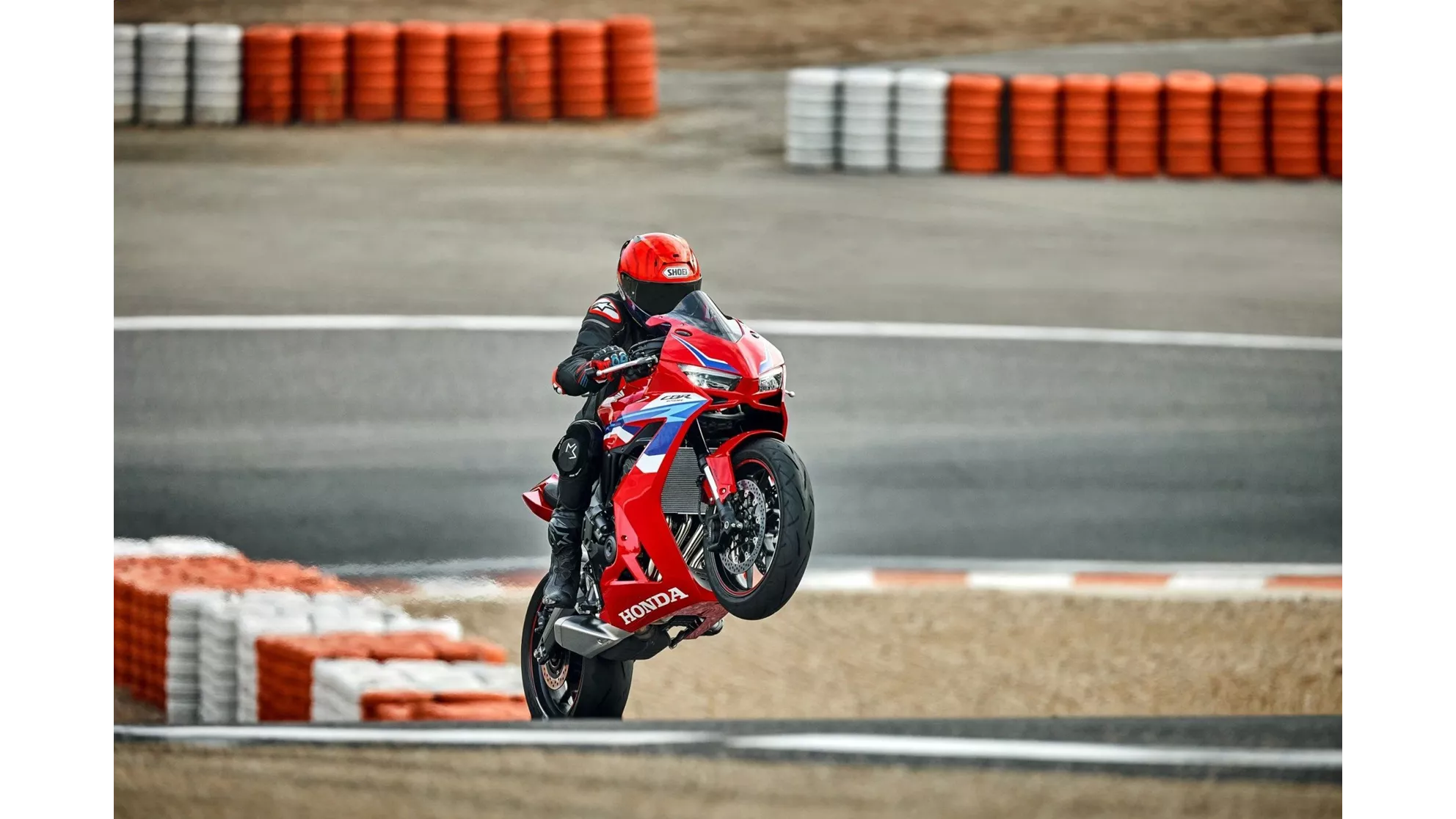
Automatic and semi-automatic shift systems are no longer an exotic niche topic. Honda, in particular, has been driving this development for years and offers a solution with its Dual Clutch Transmission (DCT) that has proven itself on the market for over a decade. With the new E-Clutch, the manufacturer expands its lineup with a system that deliberately stays closer to traditional motorcycle operation. Both technologies have been technically analyzed and individually presented. What often lacks, however, is a direct comparison under realistic conditions. This is exactly where this test comes in. The goal is not to weigh up theoretical advantages, but to discover which system truly impresses in everyday motorcycle use. From the morning stop-and-go in the big city to relaxed cruising and sporty country road riding, it becomes clear how differently the two concepts function and which rider types they are intended for.
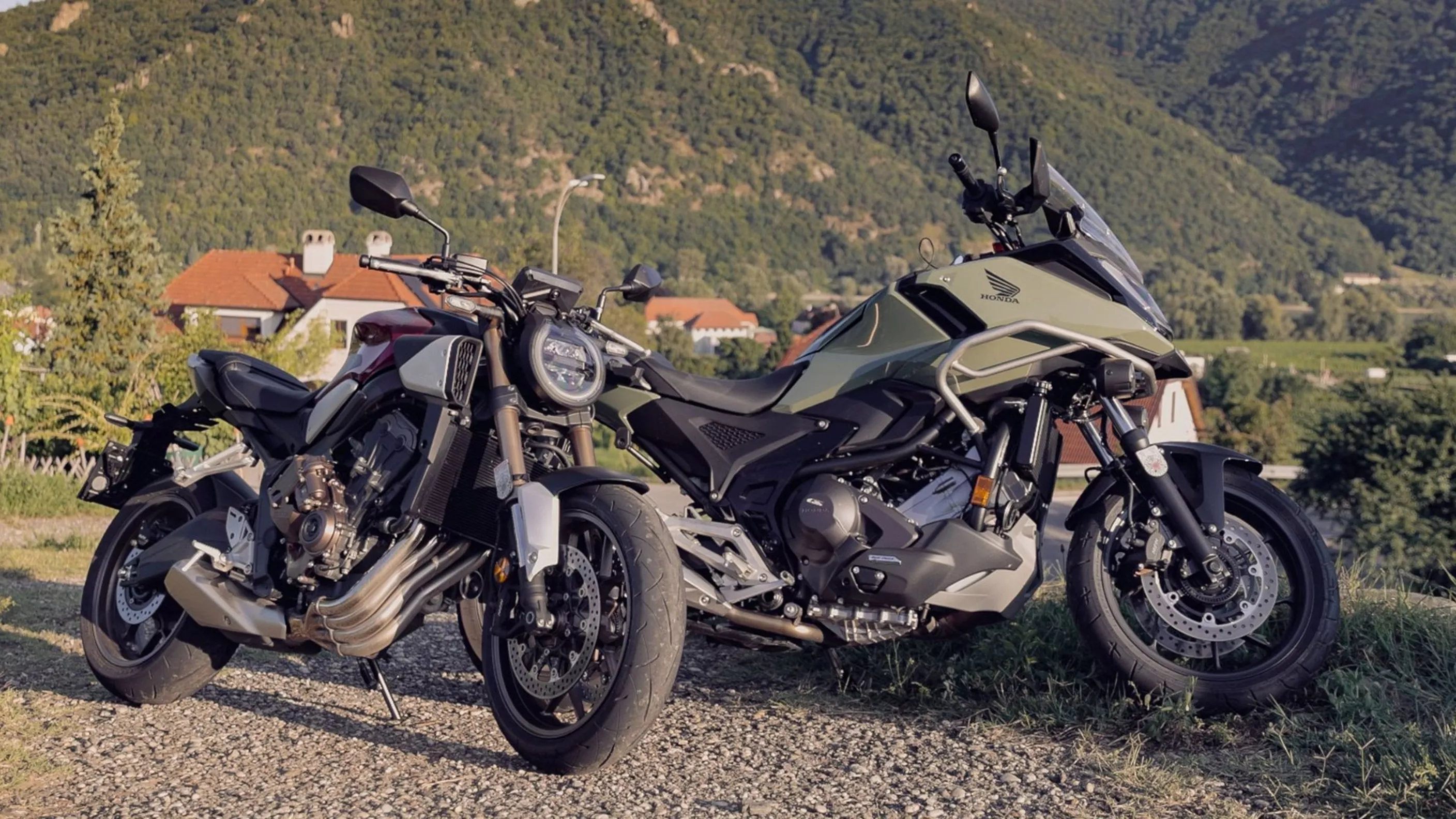
Honda DCT vs. E-Clutch: Everyday & Touring Test
Comparing Two Alternative Motorcycle Shift Technologies
Automatic shifting systems are growing in popularity. Honda has been setting standards with its DCT for years, and the new E-Clutch promises comfort without sacrificing control. We compare both systems in real-world touring, from city streets to country roads.
&width=72&height=72&bgcolor=rgba_39_42_44_0&mode=crop "Author: Gregor")
Gregor
published on 12/20/2025
DCT or E-Clutch? Urban Traffic as the First Test
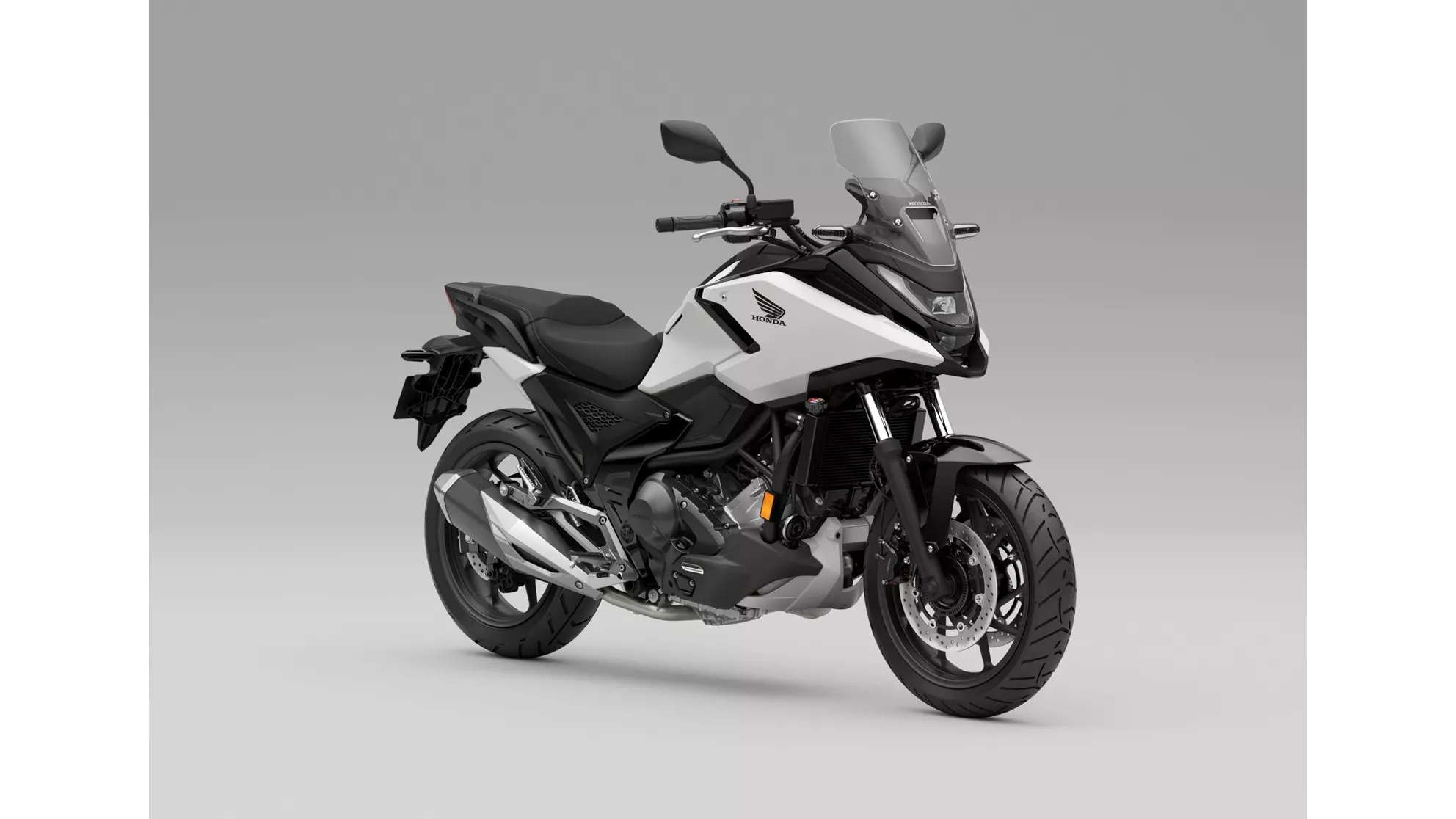
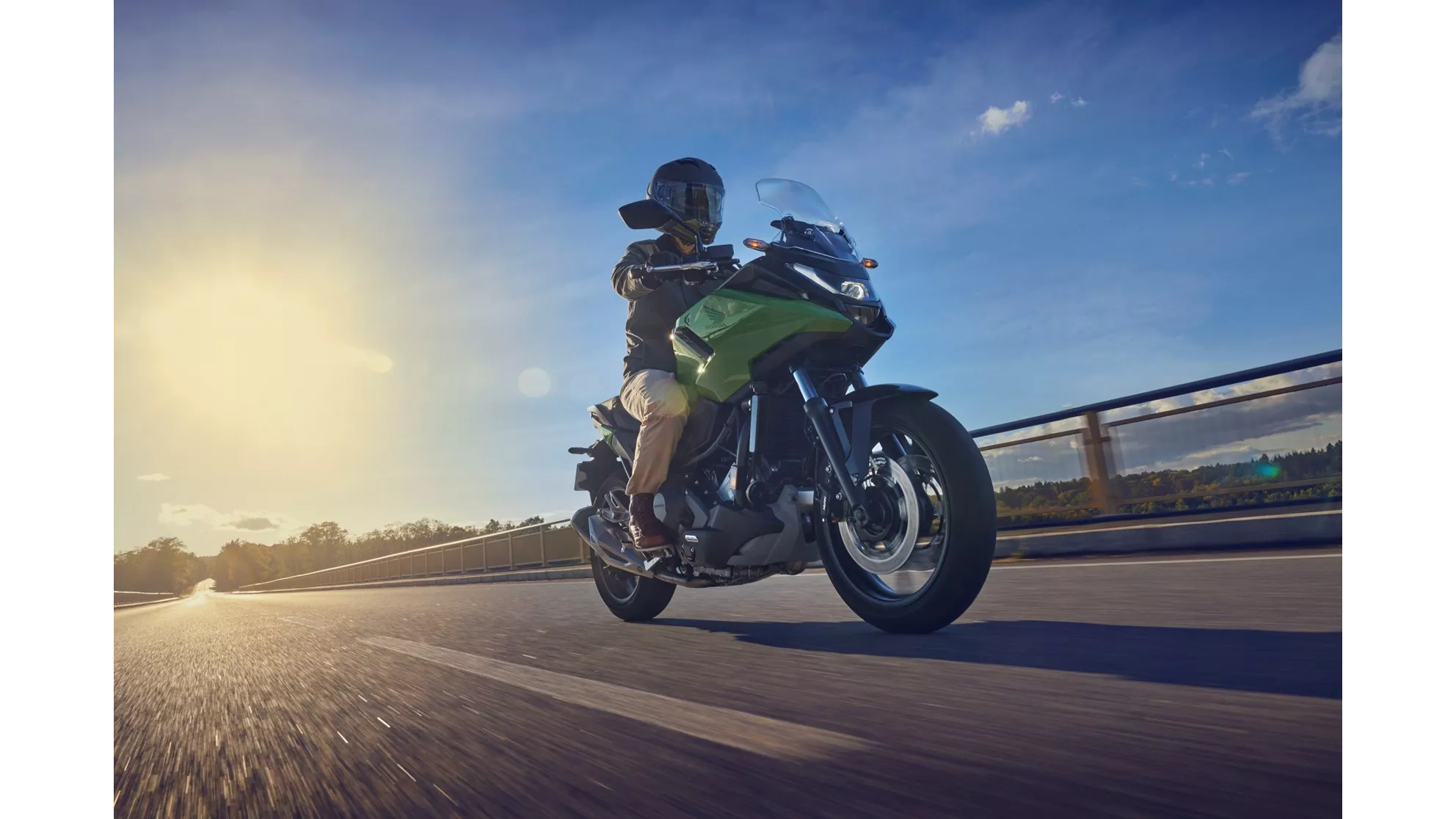
The starting point is in the dense morning traffic of Vienna. There's hardly a better environment to put comfort systems to the test. With Honda's DCT, the electronics handle all the shifting. Two electronically controlled clutches alternately manage the even and odd gears. As one clutch opens, the other closes, allowing for gear changes that are extremely fast and nearly free of load-change reactions. The control electronics take into account parameters such as speed, engine rpm, and throttle position, autonomously deciding on the optimal gear. This system has been on the market for about 15 years and is rightly considered the benchmark among automated motorcycle transmissions.
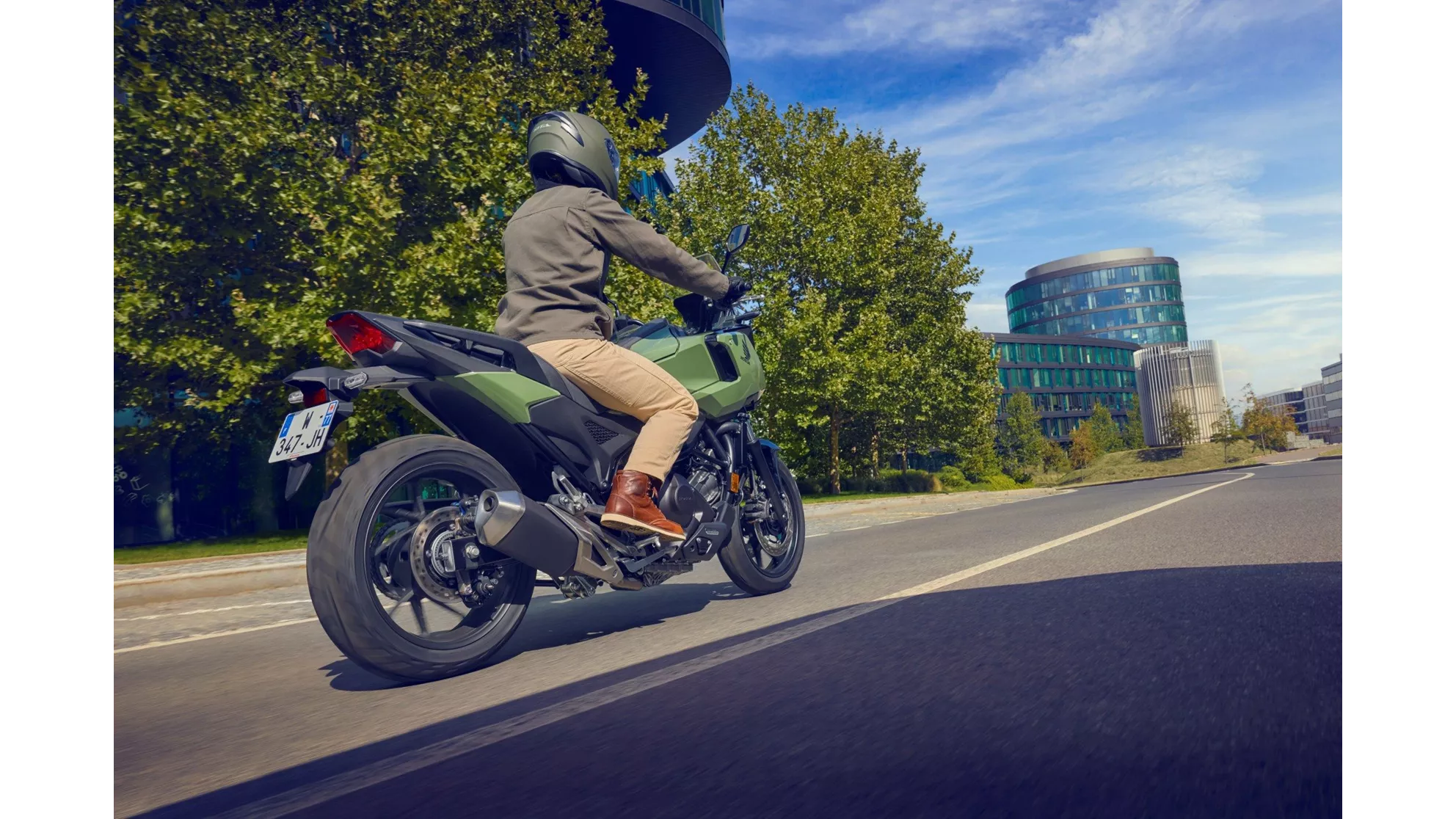
The E-Clutch takes a different approach. Instead of a complex transmission, it uses a lightweight module weighing around two kilograms, mounted directly on the clutch cover. Electric motors control the clutch, while a traditional clutch cable is retained. Shifting is still done via the foot lever, but the clutch actuation is electronic. This combination proves to be particularly useful in urban traffic. Both systems require a short adjustment period, as the power delivery is more direct than on a scooter or with manual clutch modulation. There are no delays; the power is immediately transmitted to the rear wheel.
Finesse and Control in Stop-and-Go Traffic
In a direct comparison, the DCT reveals its remarkable maturity. Starting off is extremely smooth yet precise. The sweet spot between controlled power delivery and seamless propulsion is nearly perfectly achieved. Even weaving through tight car columns feels effortless. With precise use of the rear brake, even the smallest maneuvers can be executed cleanly. The E-Clutch operates a bit more directly. After a short adjustment period, it also handles flowing with traffic effortlessly, though the clutch release can sometimes be a bit quicker. This remains a nuance, as for the most part, the E-Clutch significantly eases the burden of city traffic. A key advantage is the always available manual control. When things get really tight, the rider can immediately take over. Additionally, by consciously riding in second gear, a particularly smooth forward motion can be achieved, as the clutch slips longer and power builds more gently.
From City Outskirts to Relaxed Cruising
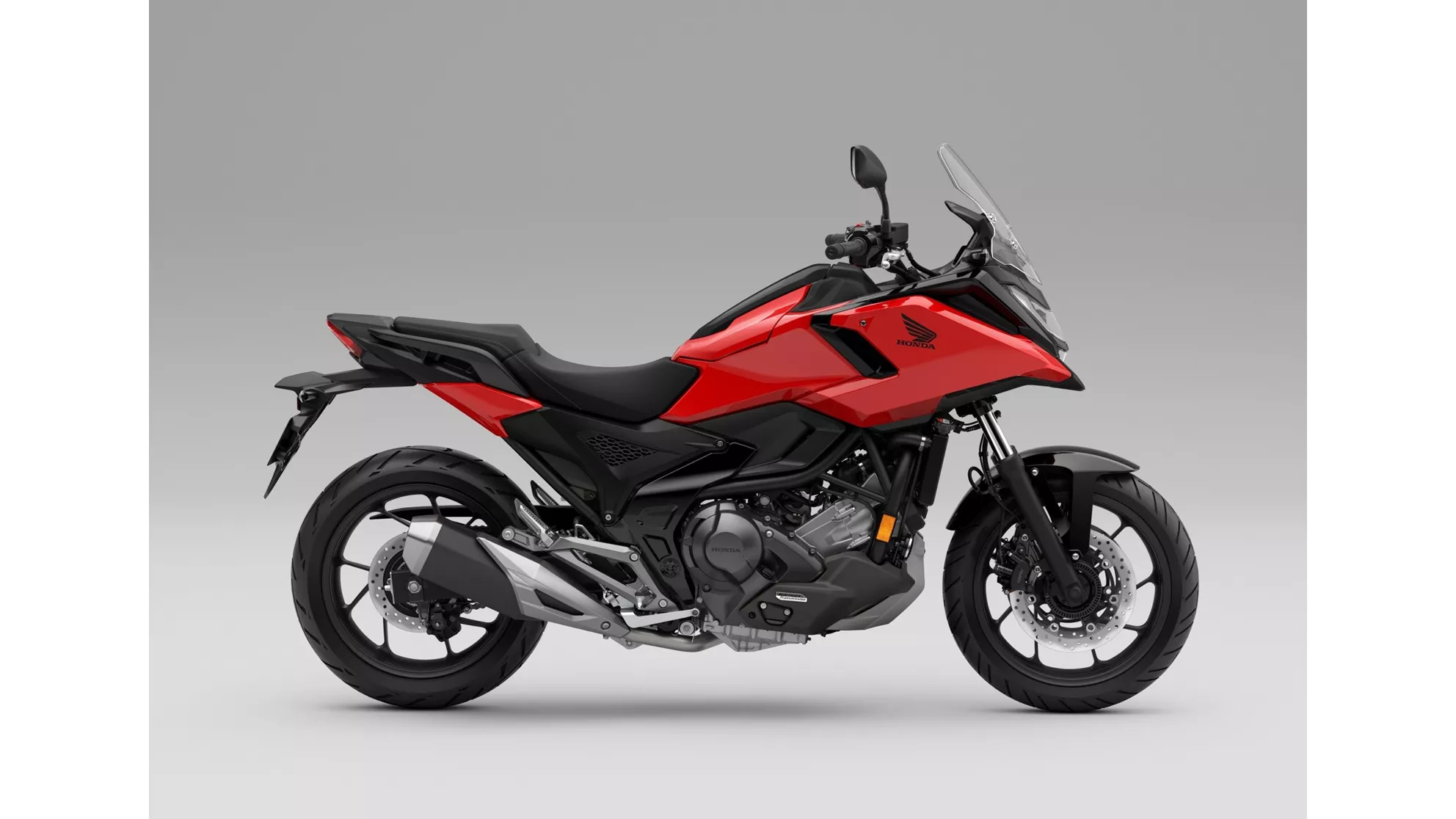
As traffic eases and Vienna's outskirts open up, the nature of the ride changes. The pace becomes steadier, with a focus now on relaxed progress. Here, the fundamental difference between the systems becomes clear. With the DCT, all shifting work is eliminated, while the E-Clutch keeps the rider actively engaged. This difference may seem simple at first, but it noticeably impacts the riding experience. The requirement to shift is hardly a disadvantage for the E-Clutch. The silky-smooth 650 inline-four of the CBR allows for a very lazy shifting style. High gears can be utilized over a surprisingly wide speed range. Even within city limits, the fifth or sixth gear can be used effortlessly without the engine feeling unsettled.
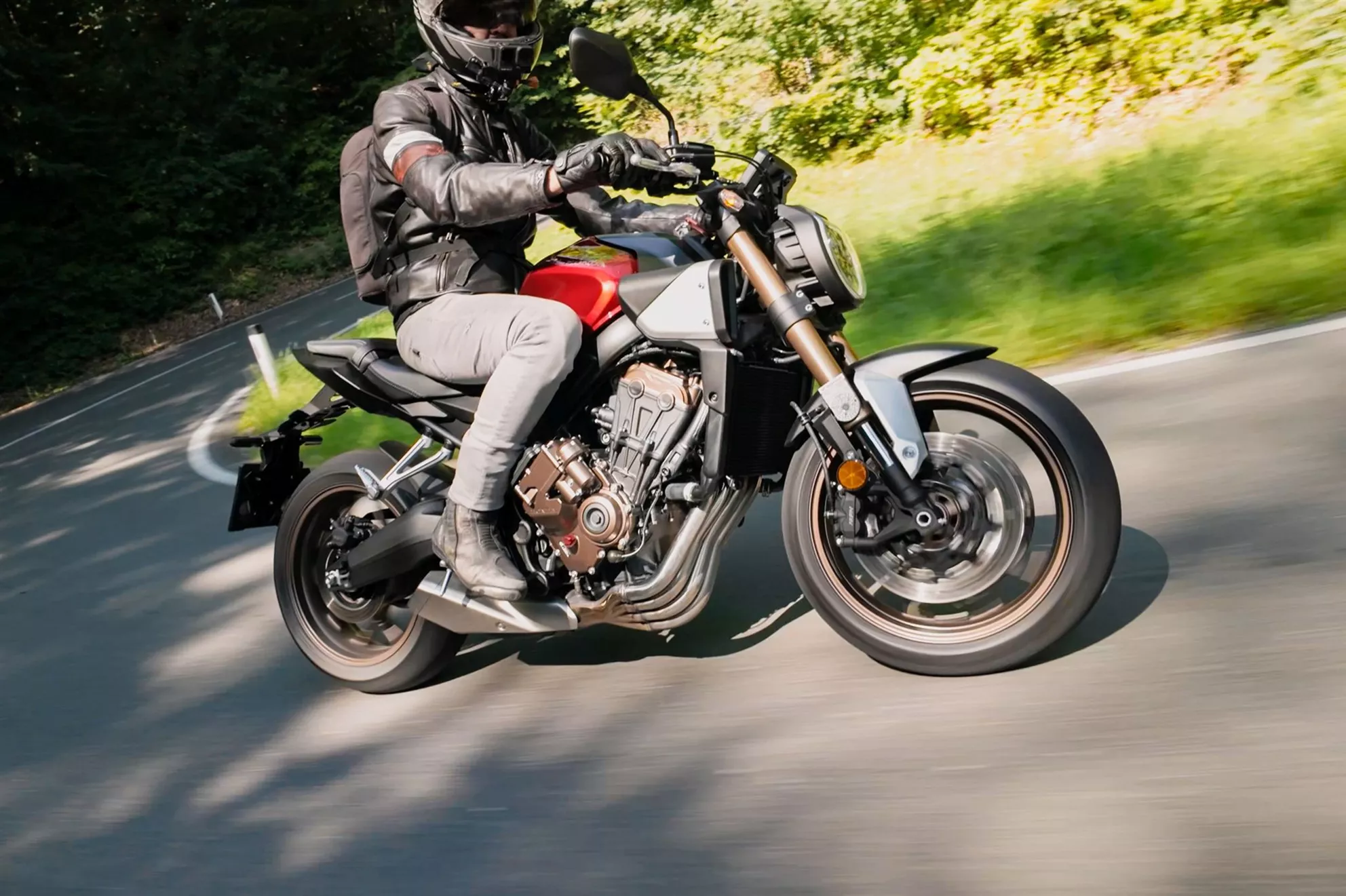
Even for riders who prefer minimal shifting, the CBR650R is suitable because the inline-four offers extremely flexible gears and harmonizes very well with the E-Clutch. It will be interesting to see how this performs in future Honda models and engine concepts.
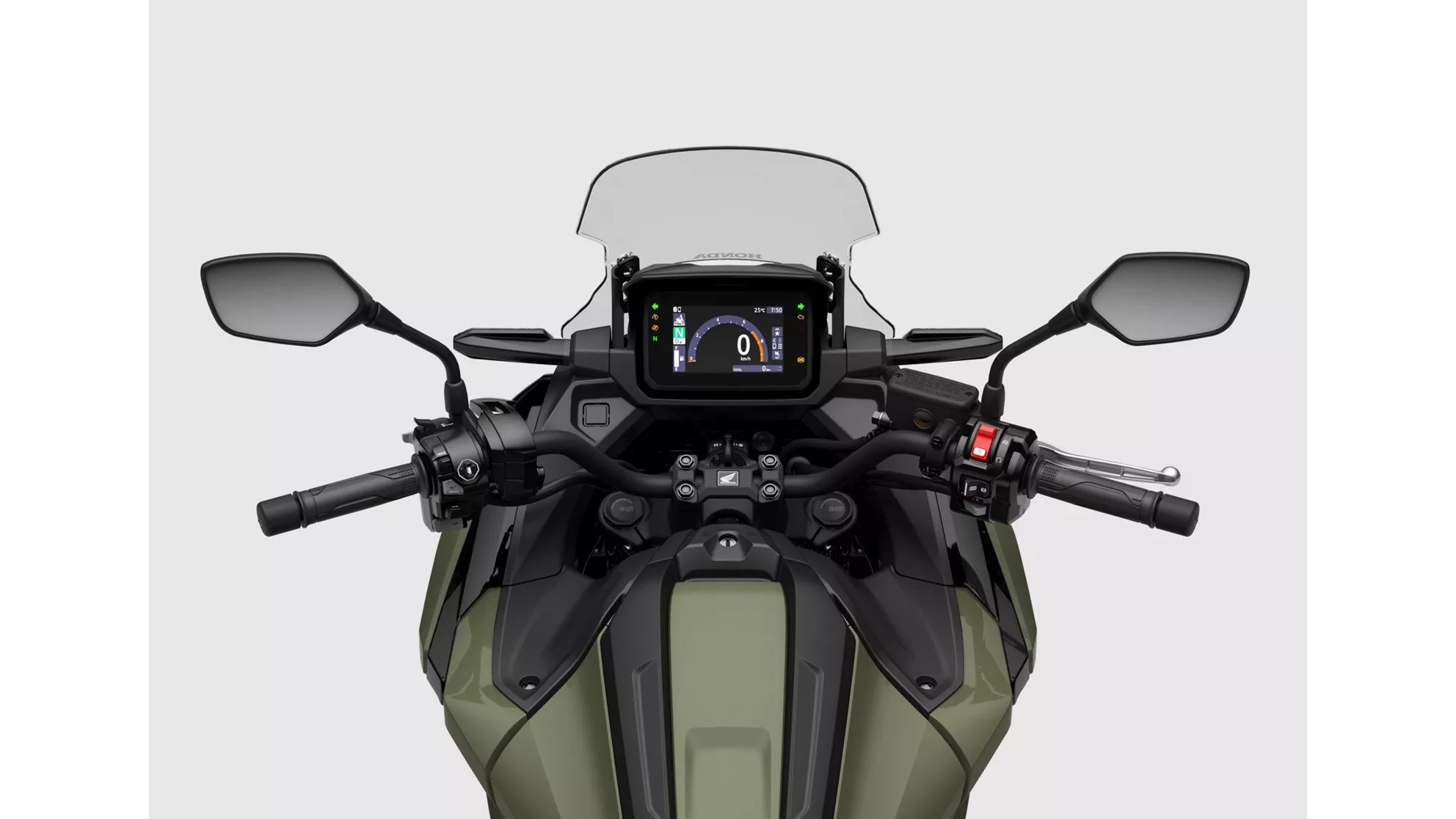
The behavior during cornering is also interesting. Even when turning in a high gear, the electronic clutch modulates the power connection so precisely that the process is barely noticeable. While this means the clutch slips longer and isn't ideal from a wear perspective, it remains unobtrusive in terms of riding feel. Missed shifts are indicated on the display with a colored arrow, yet are elegantly concealed in the riding dynamics, with the revs gently adjusting until the clutch can fully engage.
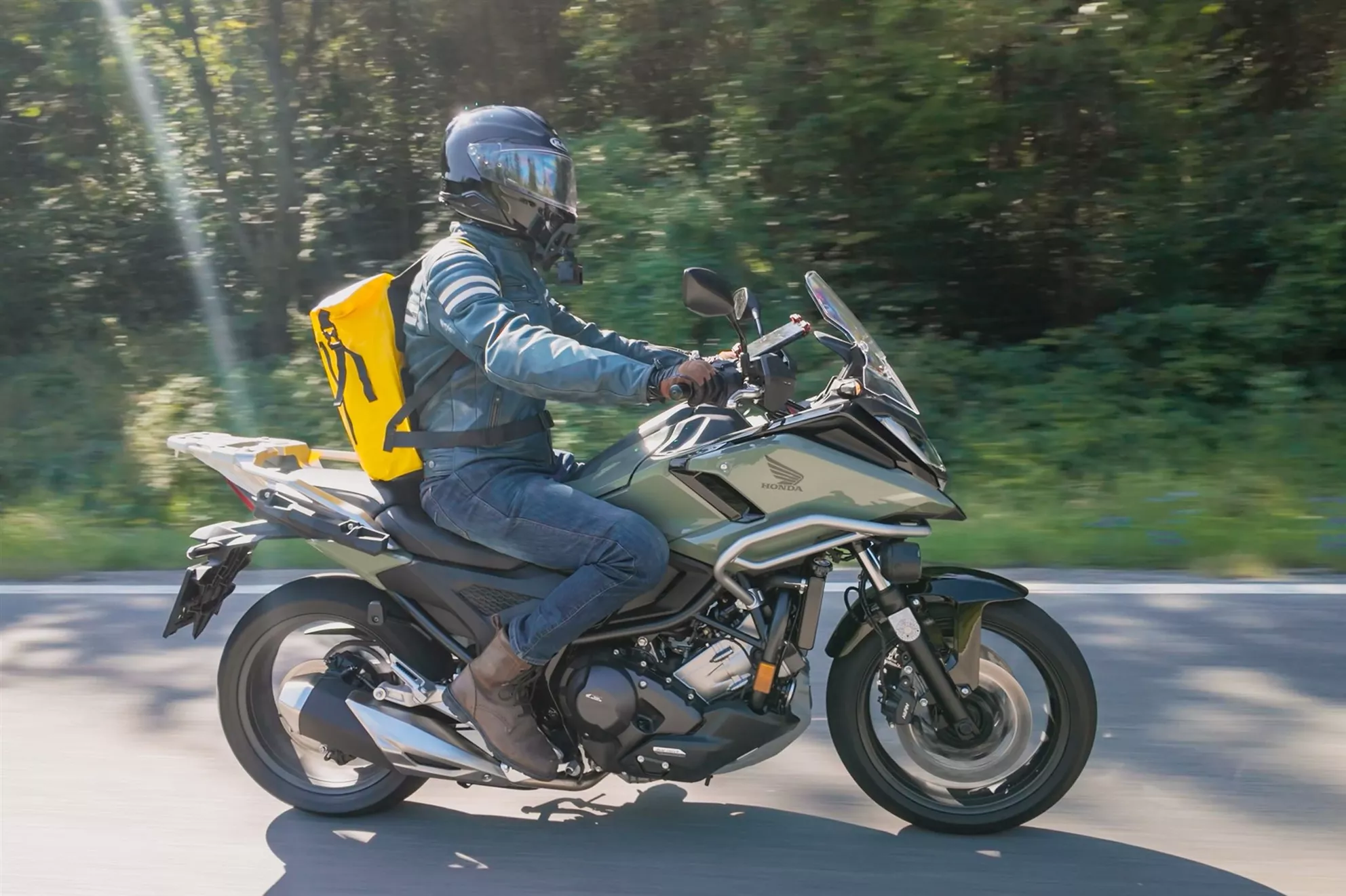
Calm, smooth, intuitive—the DCT has been impressing for years.
Acceleration and Overtaking: A Direct Comparison
When it comes to acceleration and overtaking, the E-Clutch showcases its emotional strength. Even though shifting is still the rider's task, it creates a very direct and active riding experience. Especially when accelerating out of towns or during spontaneous overtaking maneuvers, the combination of a high-revving engine and quick, jerk-free gear changes is convincing. With the E-Clutch, you can downshift at full throttle. This makes dropping multiple gears, accompanied by the ever-higher screaming engine, a lot of fun. The inline-four needs revs to build pressure, and this is where the E-Clutch plays to its strengths.
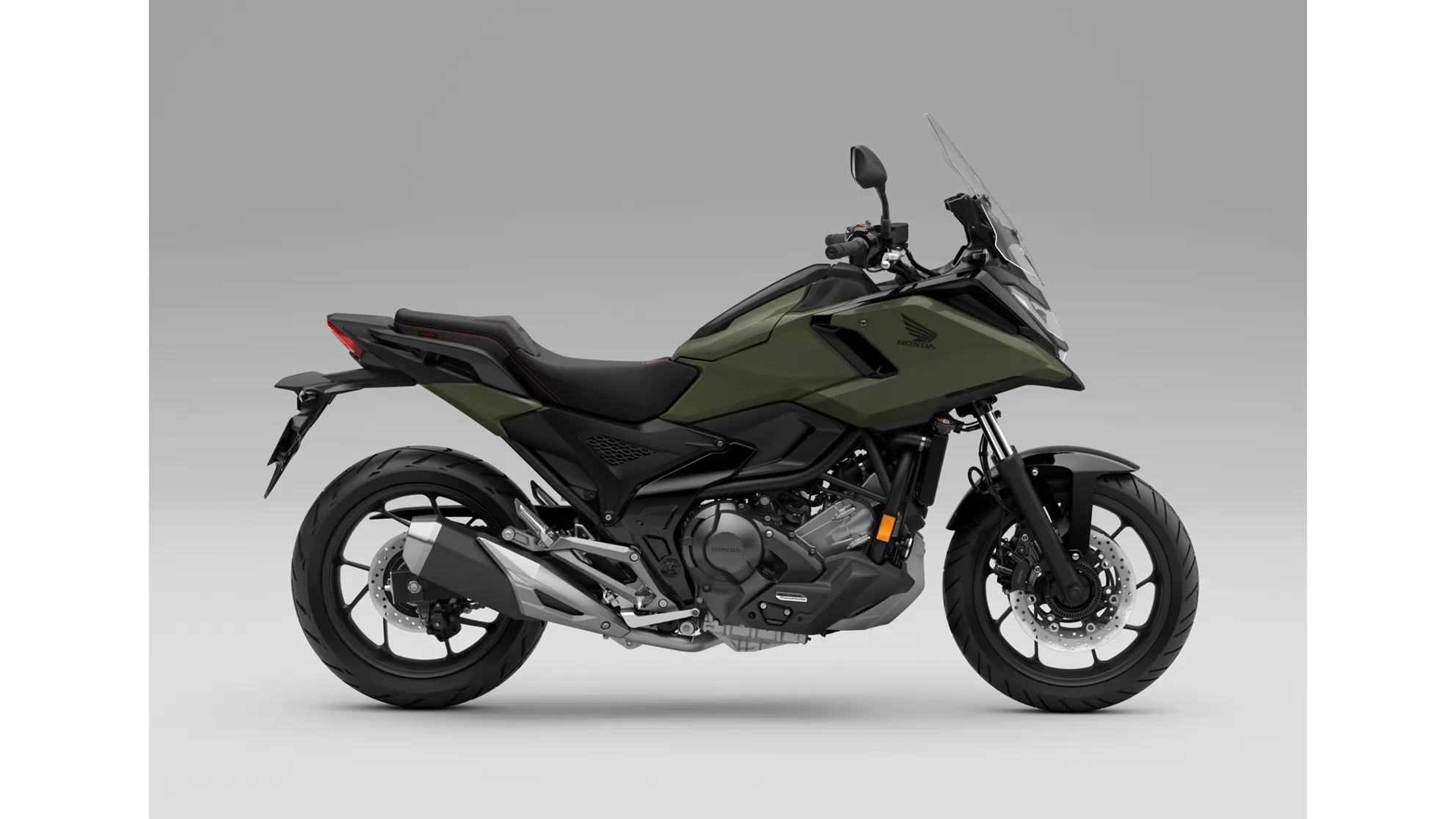
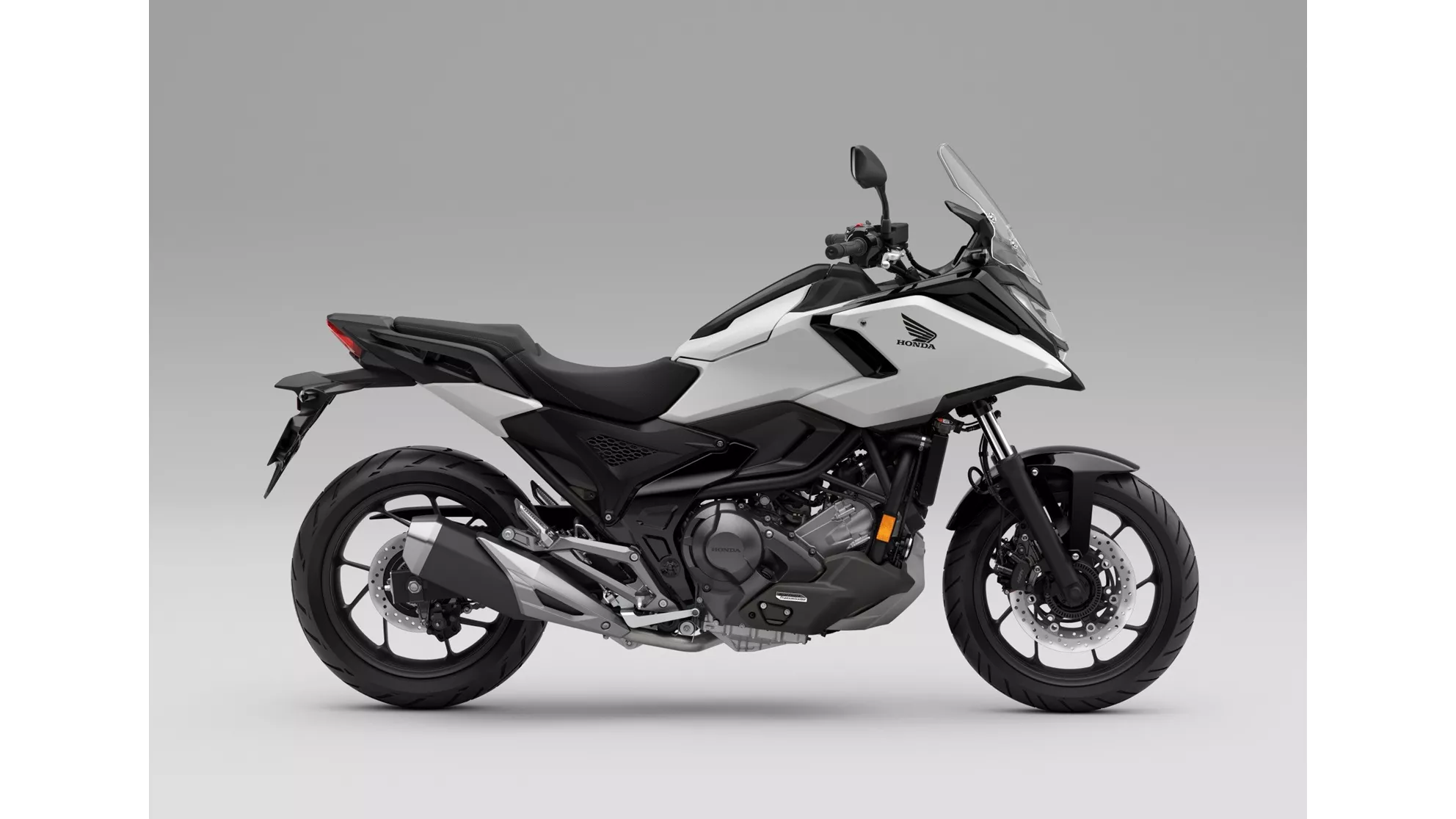
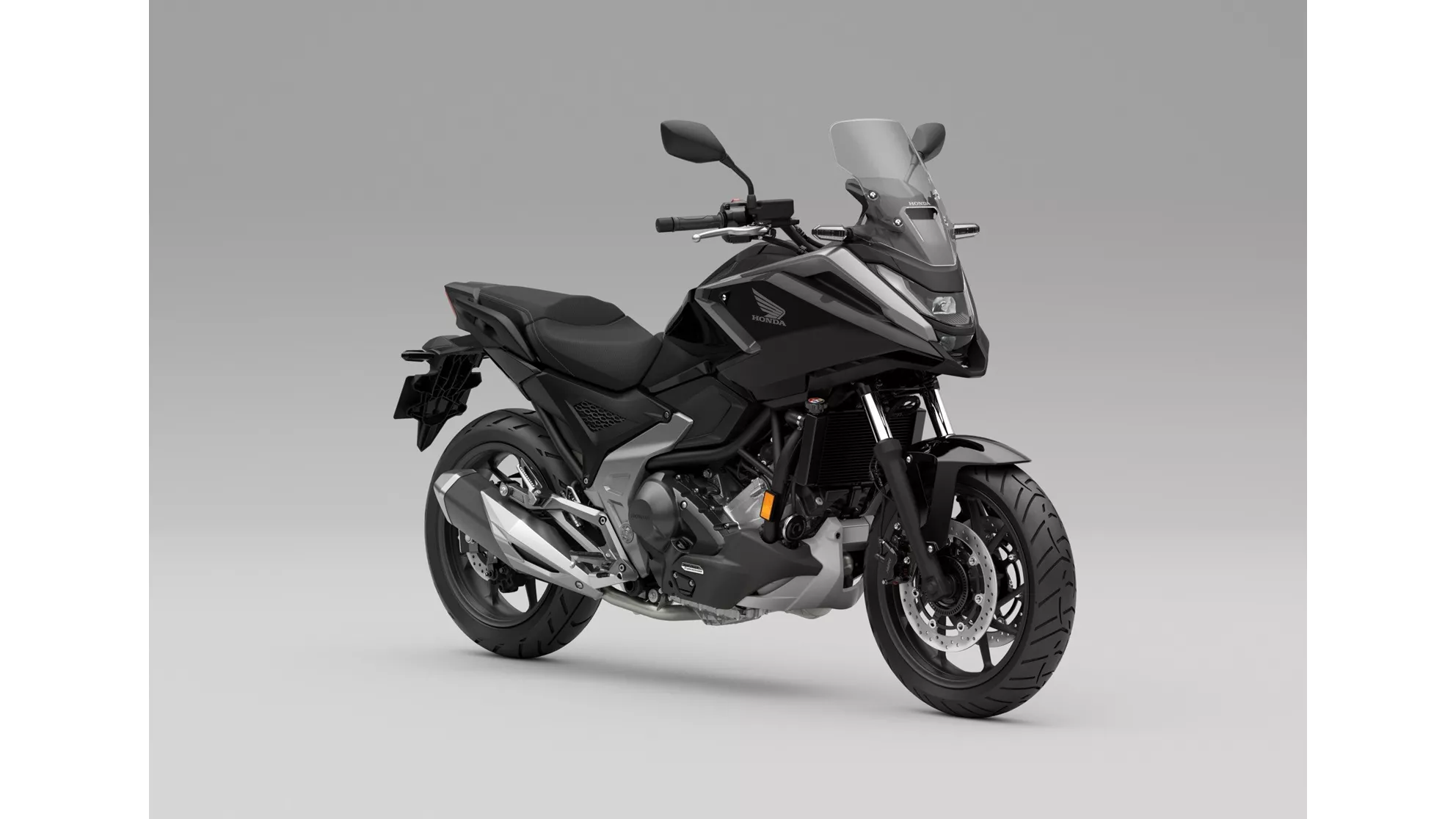
- How much does a Honda NC750X DCT cost?
- Here you will find an overview of the price level of new and used motorbikes!
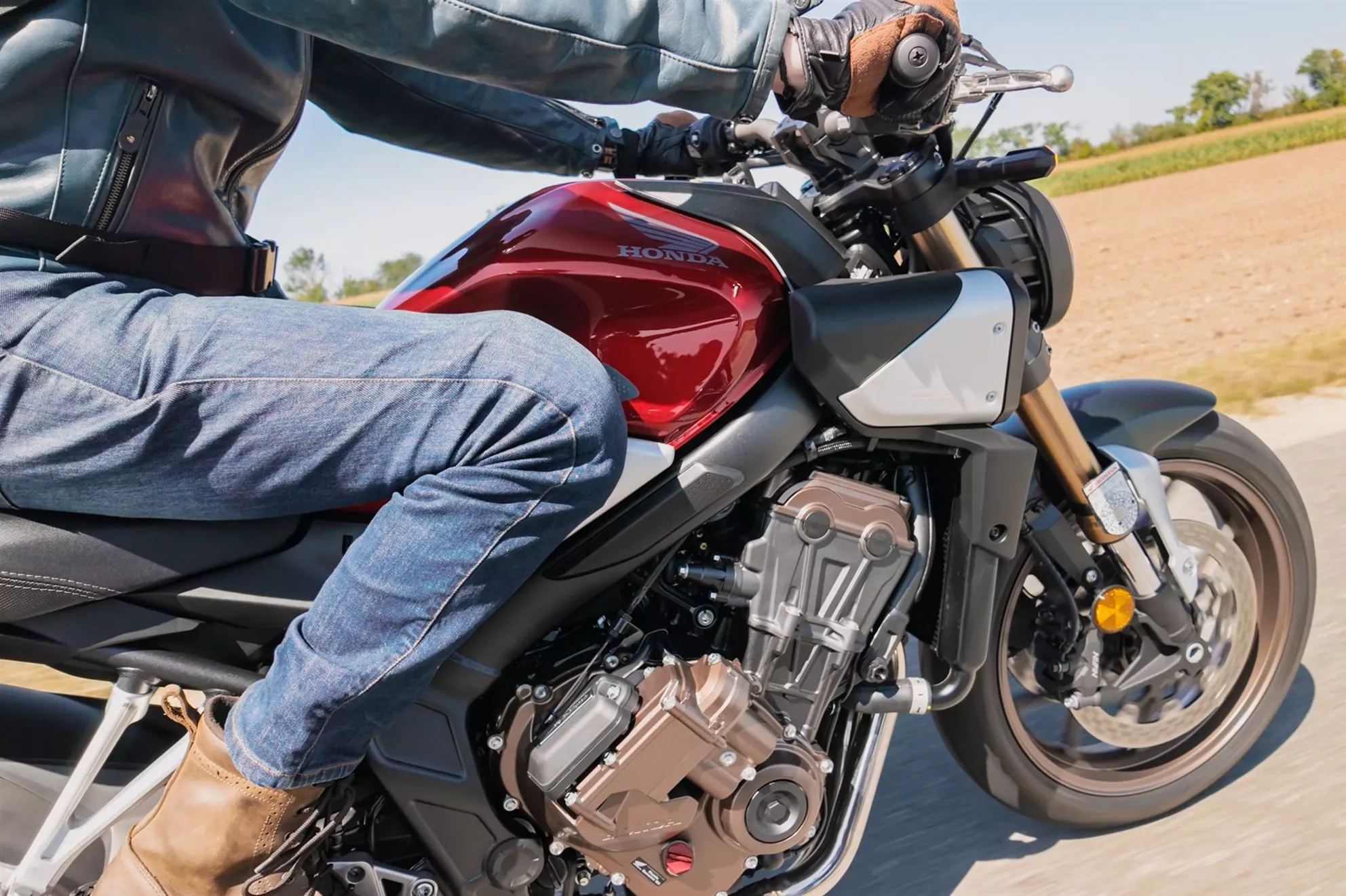
Since the electronic control of the E-Clutch is active during gear changes, you can downshift with the throttle fully open and make the inline-four scream. A cool feeling!
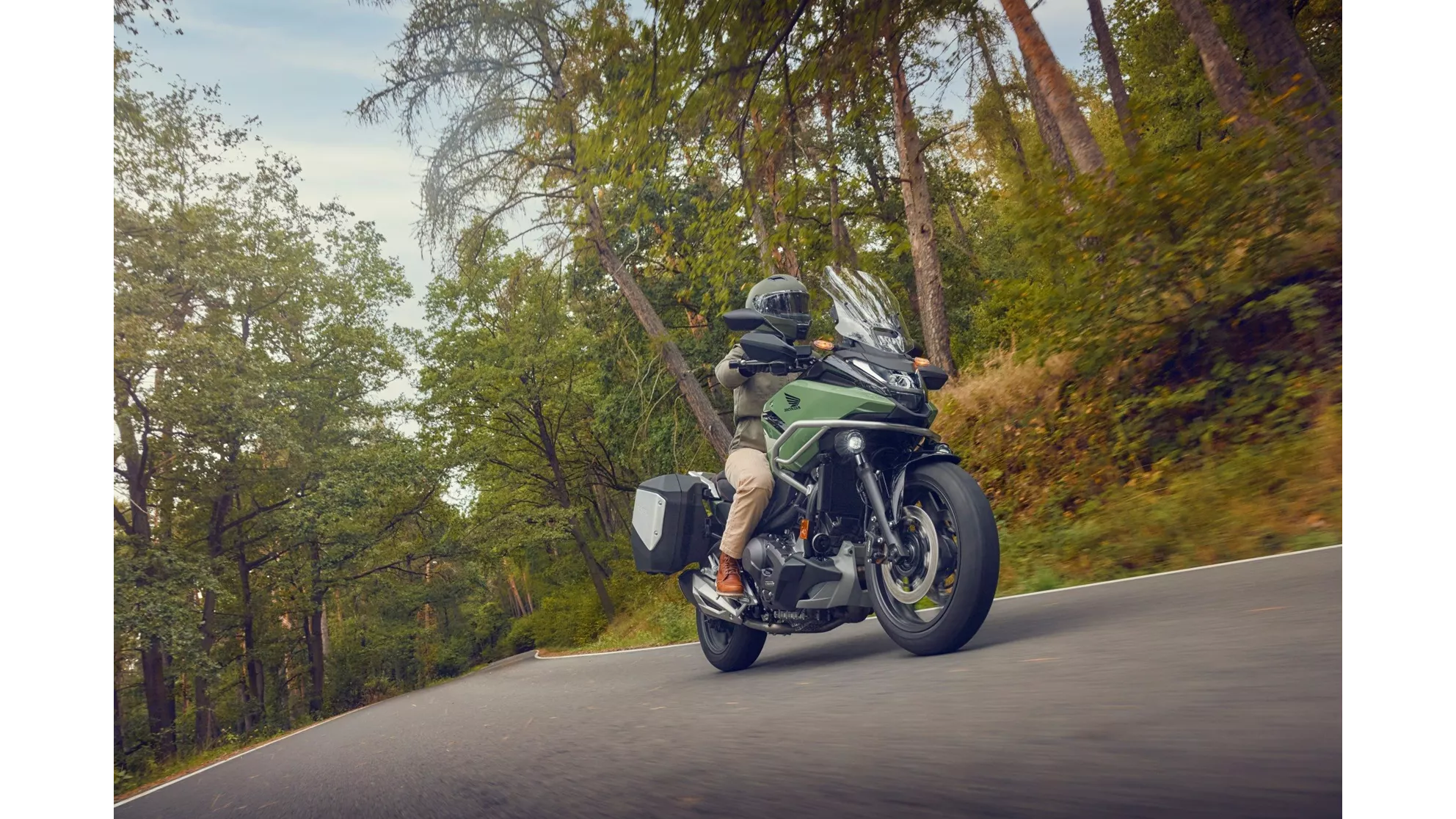
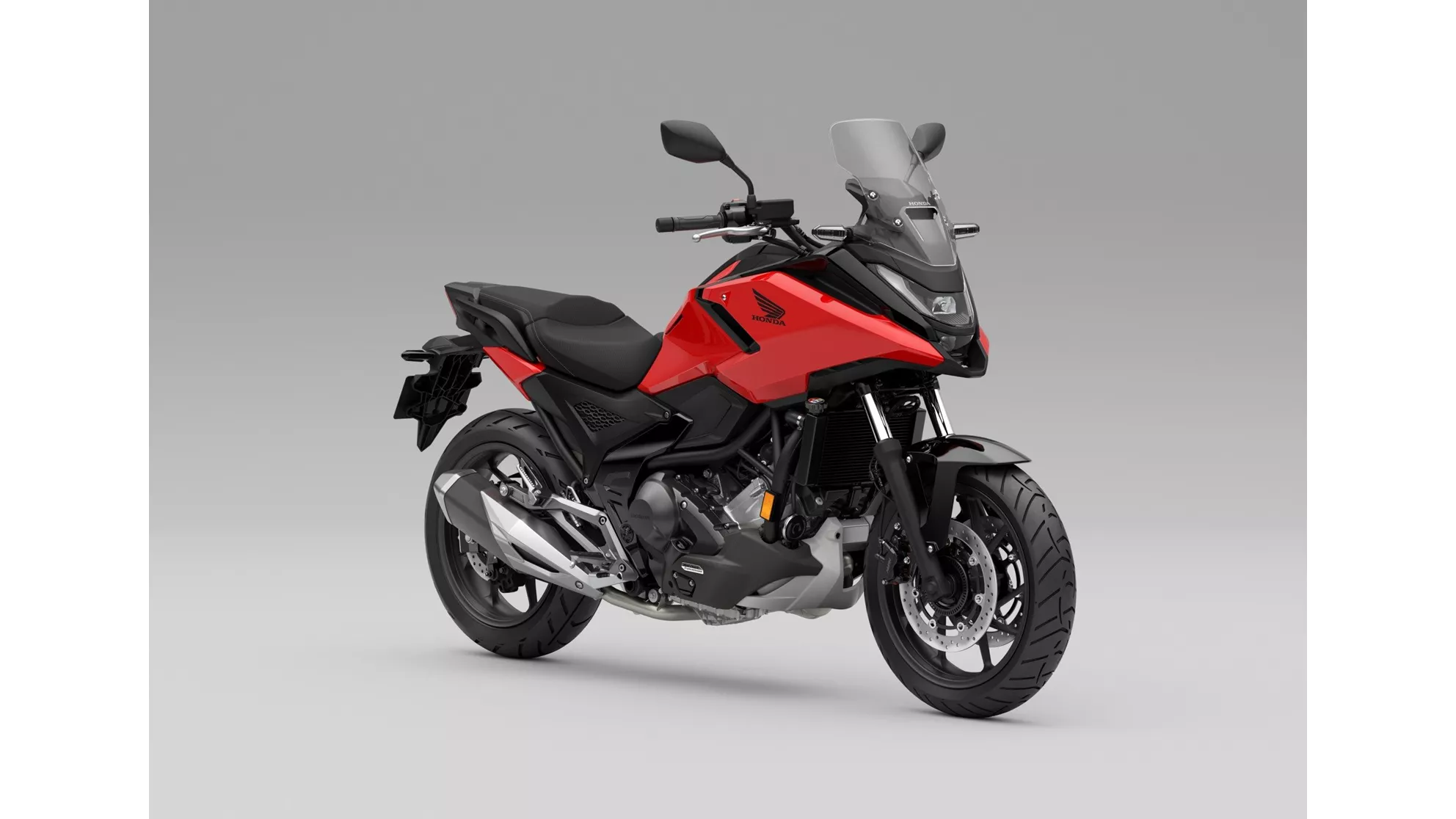
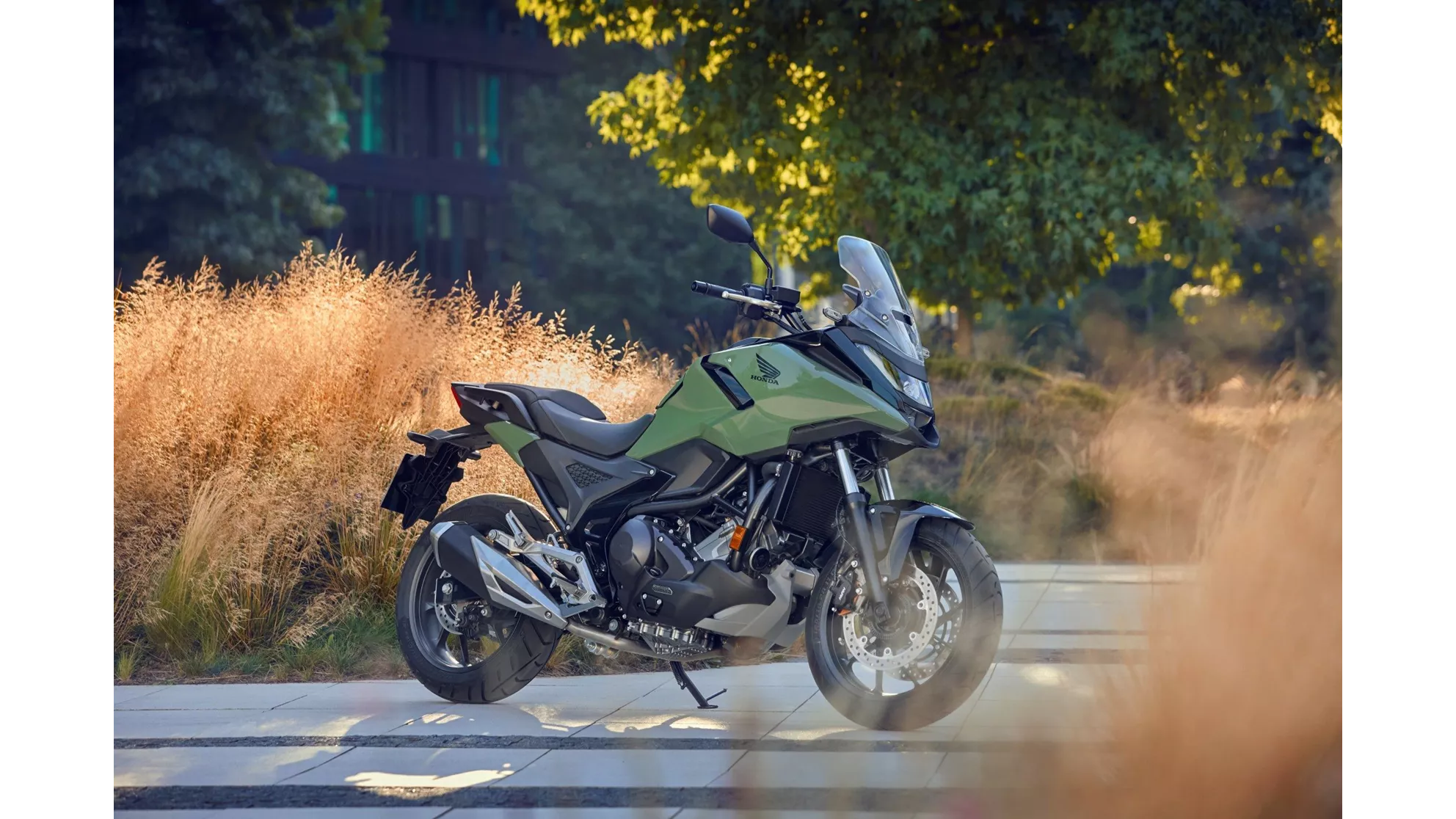
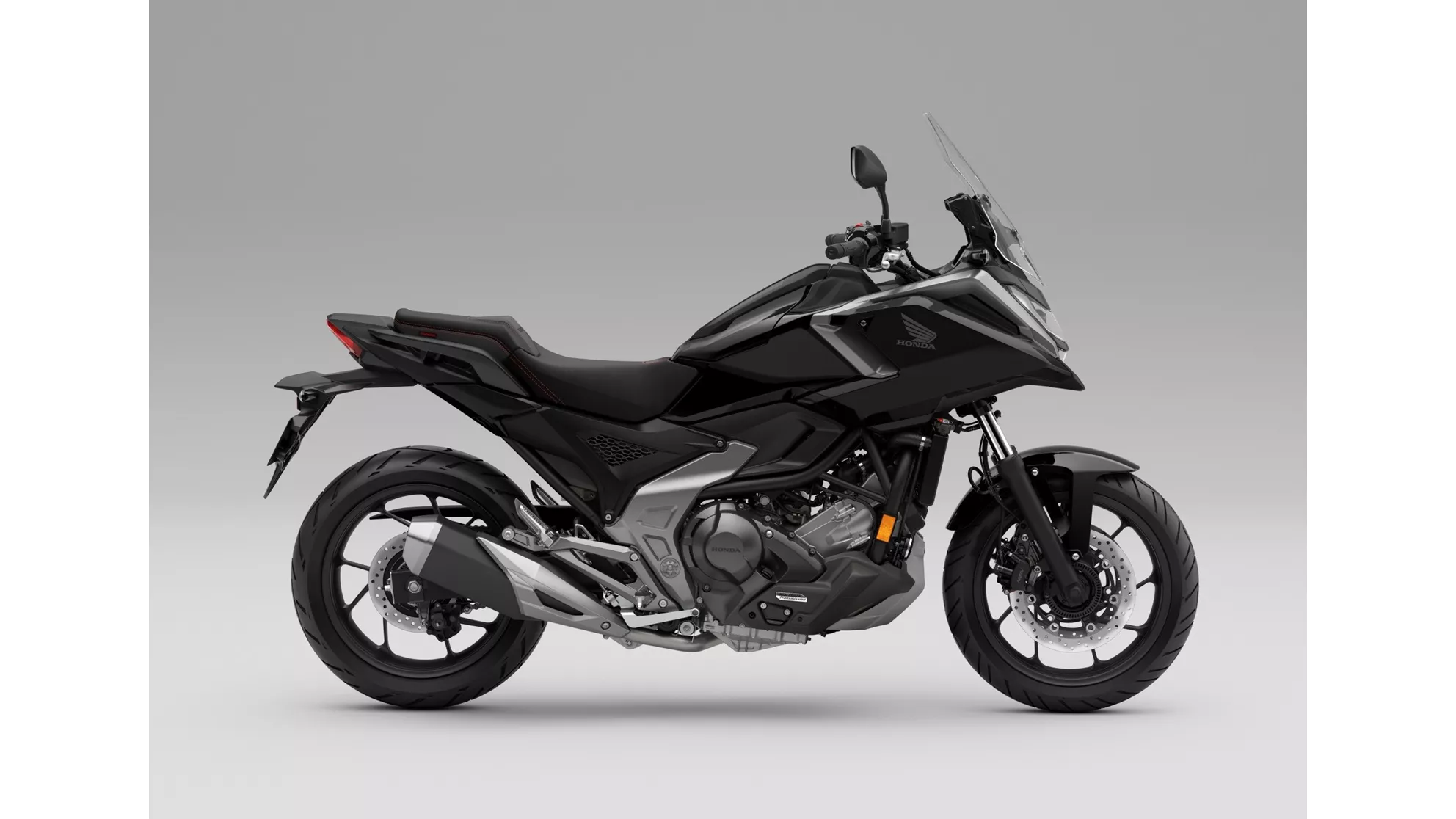
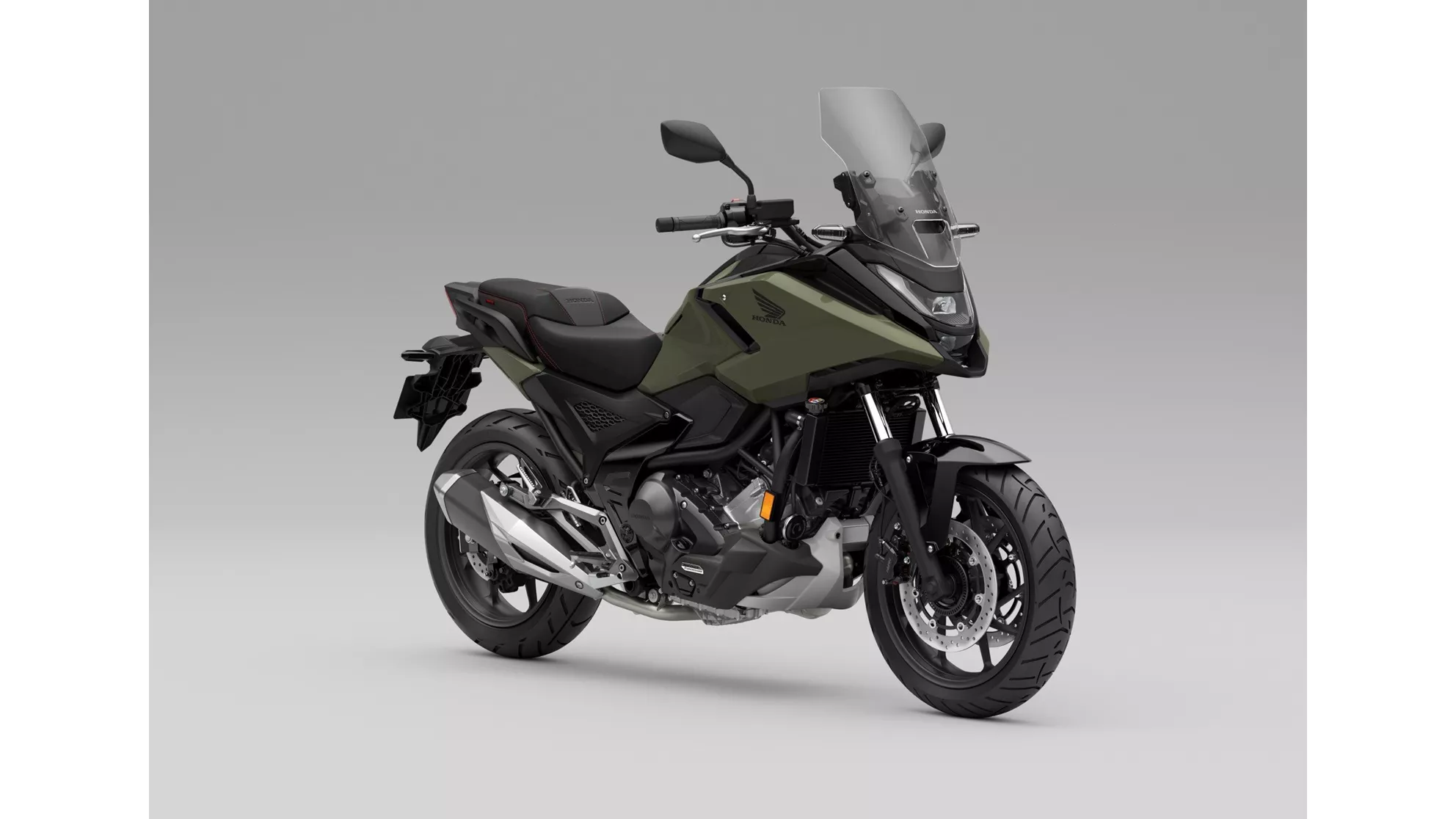
The DCT also shifts quickly and load-free, though it feels somewhat more detached. The NC's twin-cylinder engine offers more torque in the lower range but less rev-happiness. As a result, the emotional component during acceleration is somewhat diminished. Although the rider can also intervene manually here, the freedom is slightly more restricted compared to the E-Clutch. On the positive side, the DCT in this version operates very close to human shifting logic and rarely makes decisions that are confusing.
Versatile Country Roads as the Ideal Testing Ground
The route towards Ottenstein Reservoir offers perfect conditions for a practical comparison. From the flat Tullner Field through hilly sections to narrow, winding roads with varying asphalt quality, it's all included. During relaxed cruising, both systems impress with high confidence. However, the tighter and more dynamic the route becomes, the more their characteristics stand out. This direct comparison on a single day tour clearly shows how much each shifting concept shapes the riding experience.
Sporty Riding and DCT Control Strategy
On faster sections, the DCT shows how well its control strategy works. Switching from standard to sport mode significantly changes the shifting behavior. The gears are held longer, upshifts occur later, and the transmission consistently remains at higher revs. Even at around 100 km/h, it stays in third gear as long as the rider keeps the throttle open. It only upshifts during prolonged constant riding, deliberately avoiding sixth gear. This ensures ample power is always available. This is a clear advantage, especially for the rather leisurely designed twin-cylinder engine. The shifting behavior feels logical and predictable, and manual input is always possible.
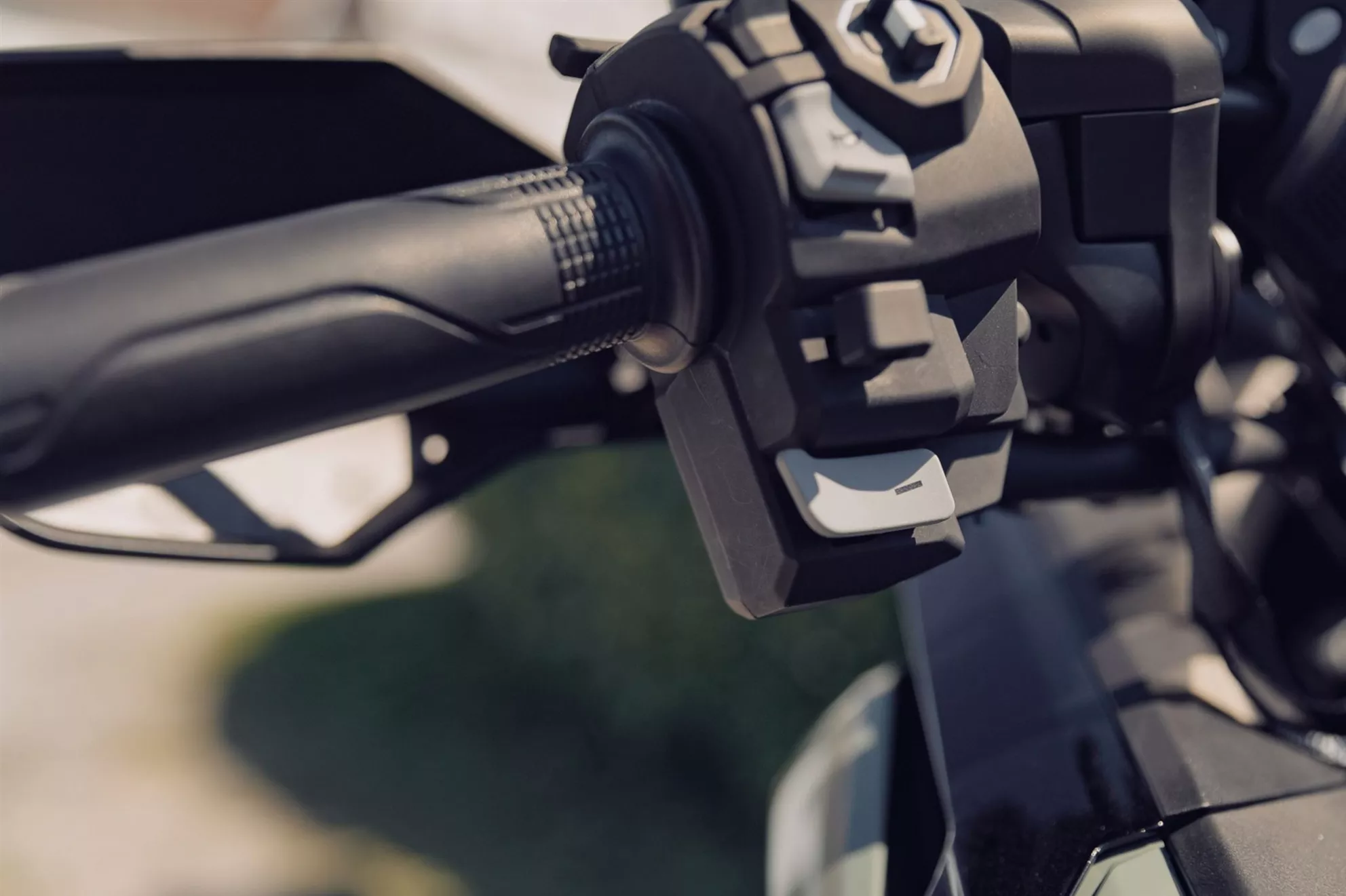
The DCT shifts very naturally and intuitively on its own, but especially before tighter corners, it's worth manually intervening via the buttons to make optimal use of the engine braking.
E-Clutch and Sporty Motorcycling
With the E-Clutch, the sporty riding experience remains closer to what one knows from classic motorcycles. The choice of gear is entirely up to the rider, while the electronic clutch ensures smooth transitions. Notably, downshifting with a slight throttle opening is often smoother than with a closed throttle. However, when braking hard and downshifting while leaning, a characteristic trait becomes apparent. Since there's no traditional blipper with active rev matching, the engine braking can cause slight instability in the rear. This slight "fishtailing" is particularly noticeable when the rear wheel is lightened by hard braking. Those who appreciate the typical blipper effect might miss this aspect. Overall, the E-Clutch feels very natural and conveys the sensation of a classic motorcycle that is intelligently supported in the background.
Conclusion: Classification of Systems and Target Audiences
At the end of the tour, a clear distinction can be made. The E-Clutch is aimed at riders who wish to retain the familiar motorcycle feel but seek more comfort in certain riding situations. It especially reduces effort in city traffic and during relaxed cruising without disempowering the rider. The DCT, on the other hand, appeals to those who desire maximum comfort and want to fully disengage from shifting. Those who prefer to focus on the line, traffic, or scenery will find a mature system here that fully convinces in this version. Both concepts work excellently and demonstrate that modern shifting technologies are no longer just about comfort solutions.
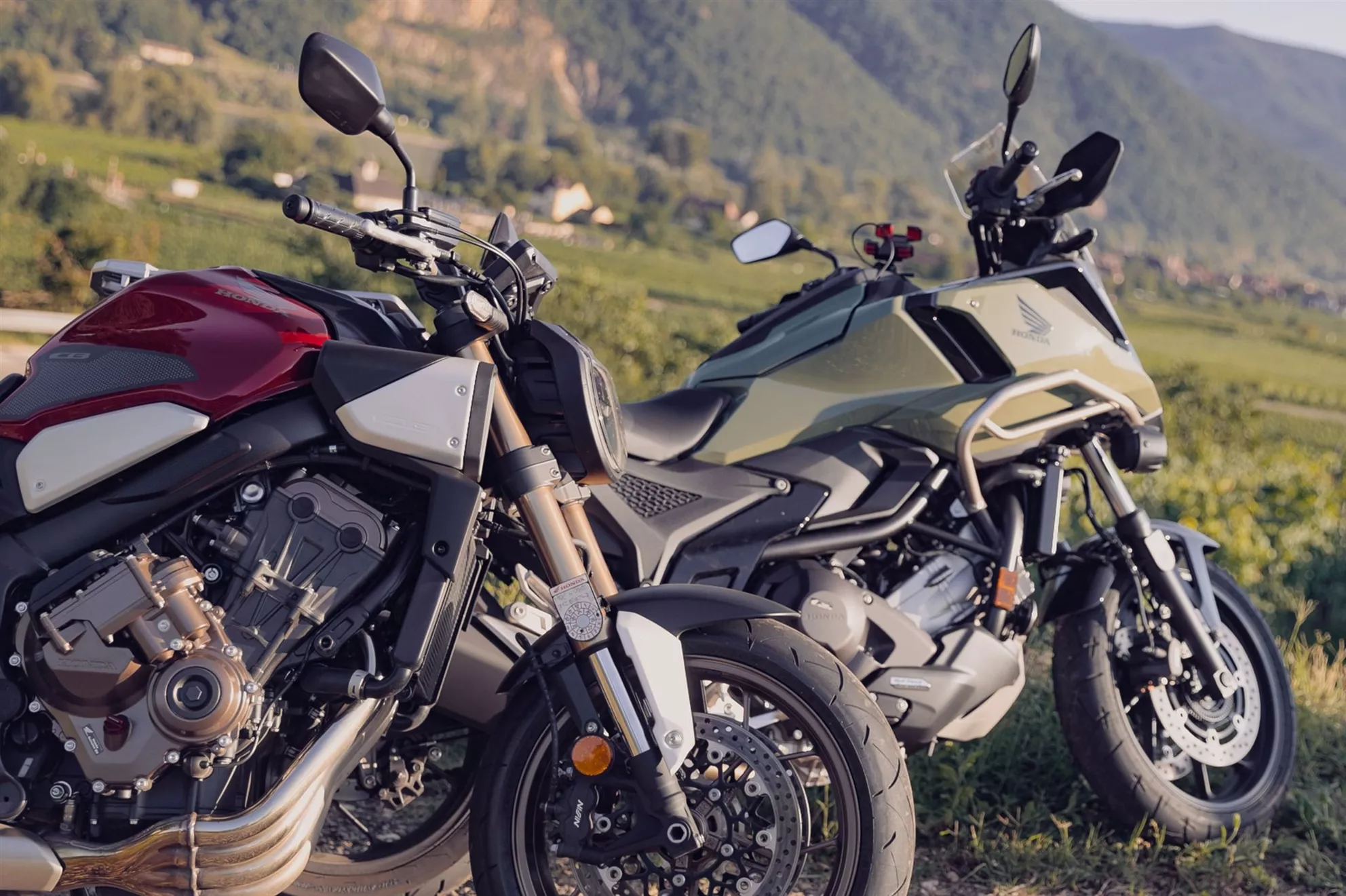
DCT and E-Clutch are two well-designed systems and great alternatives to conventional motorcycle technology.
E-Clutch and DCT follow different philosophies, yet both are equally convincing in everyday use. The E-Clutch preserves the classic riding feel with added comfort, while the DCT provides maximum relief without loss of control. The key factor is not which is better or worse, but which riding style better suits each system.
- How much does a Honda CBR650R E-Clutch cost?
- Here you will find an overview of the price level of new and used motorbikes!
&width=60&height=60&bgcolor=rgba_39_42_44_0&mode=crop "Author: Gregor")
Honda NC750X DCT 2025 - Experiences and Expert Review
Gregor
The Honda NC750X retains its strengths in terms of everyday usability, practical features, accessibility, and low fuel consumption even in the 2025 model. The unique DCT dual-clutch transmission is even better, being more harmoniously tuned. A new aspect is the sportiness, which was already possible due to the engine and transmission unit and the agile handling with a low center of gravity, but is now elevated to a new level with the new, more stable dual disc brake at the front. With its pronounced touring capability, it's no surprise that the NC750X continues to sell well despite—or perhaps because of—its 13-year history. For those who can afford it, investing in the DCT dual-clutch is a must—it truly makes the NC750X unique!
Honda CBR650R E-Clutch 2025 - Experiences and Expert Review
Gregor
The Honda CBR650R is a fantastic middleweight supersport bike for the road, striking a great balance between sportiness and accessibility. However, other bikes in the class achieve this too. What sets the CBR apart is its old-school inline-four engine at its heart. While it may not win drag races, the inline-four impresses with its silky power delivery and screaming high-rev excitement. With the new E-Clutch technology, you get the most out of the engine with crisp gear changes and significantly enhanced comfort in city traffic thanks to electronic clutch control.
More from 1000PS Magazine
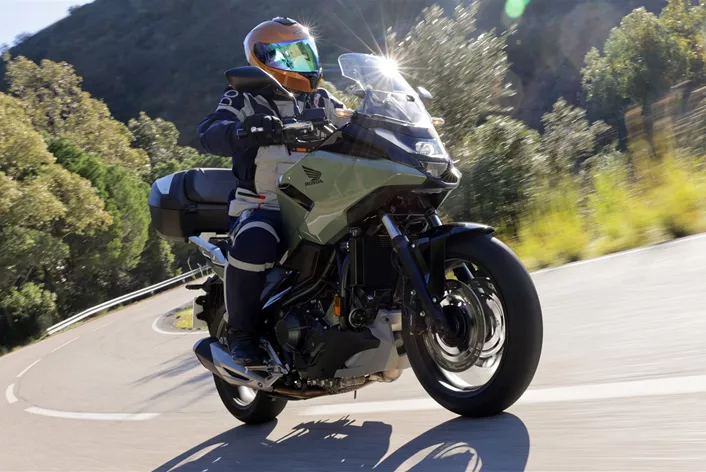
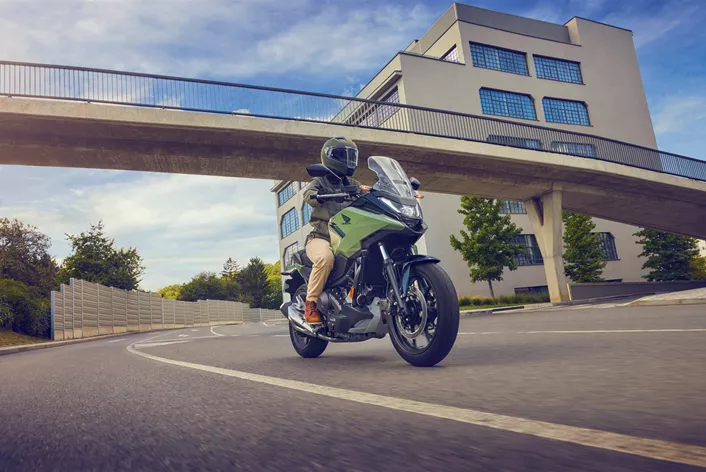
Honda DCT vs. E-Clutch: Everyday & Touring Test Images
Source: 1000PS